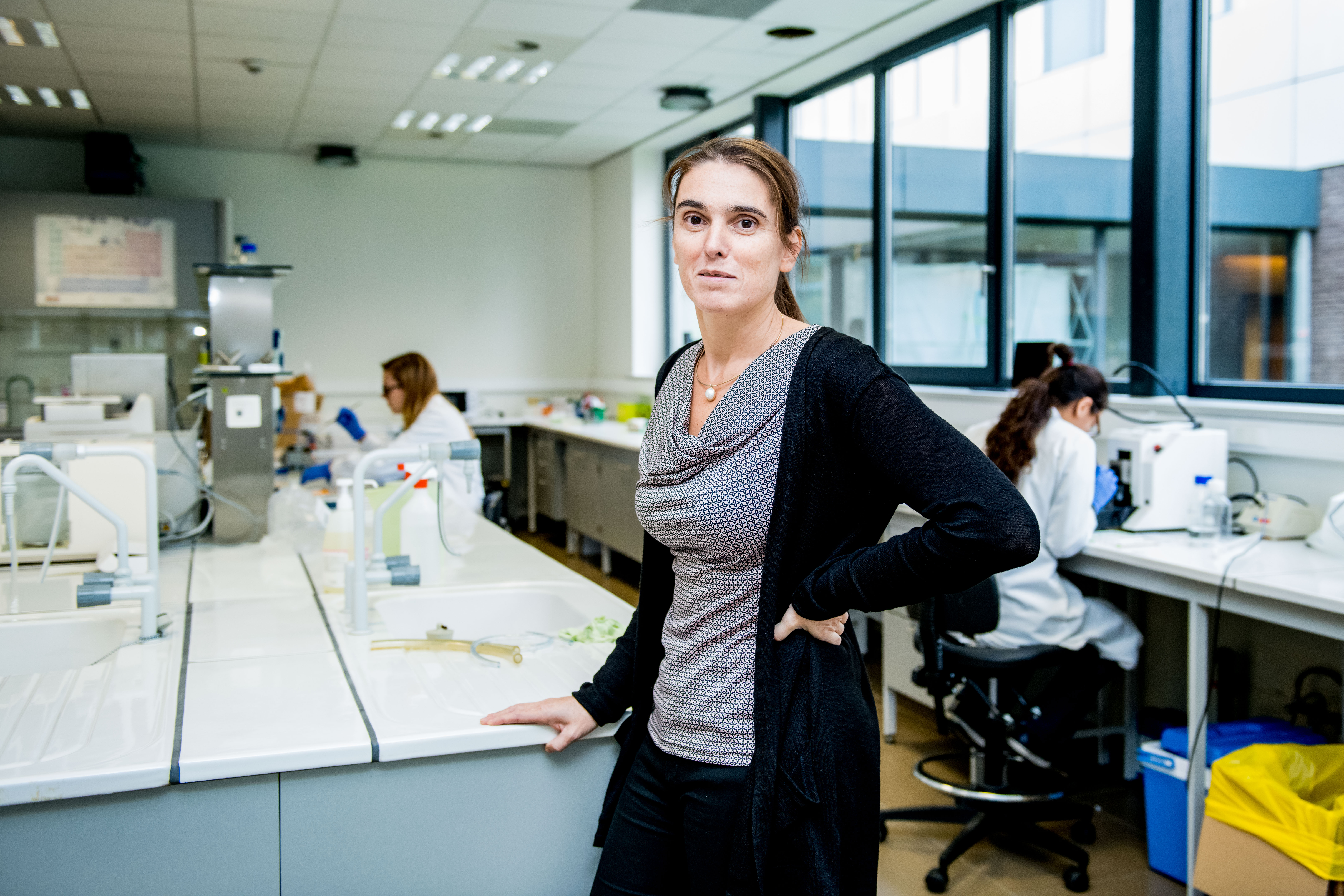
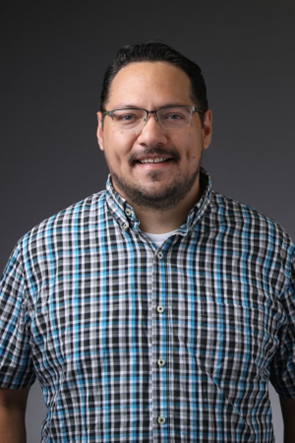
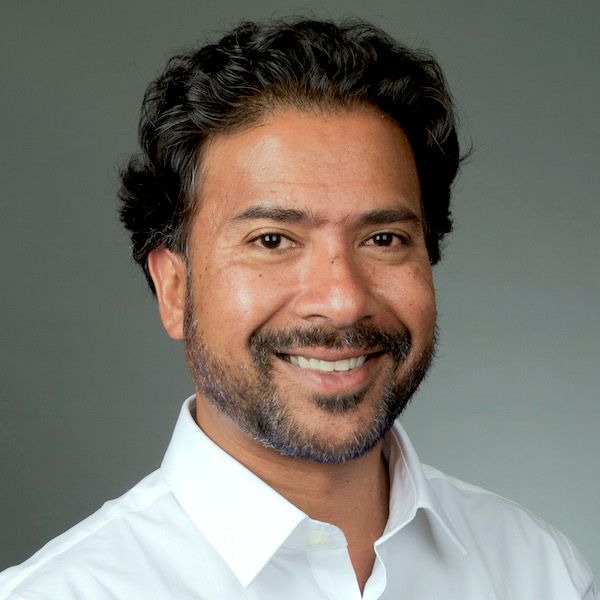
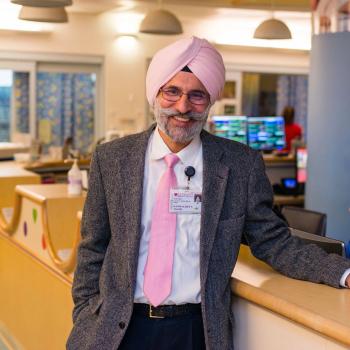
Anna Levina is an Assistant Professor for Computational Neuroscience at the University of Tübingen , affiliated with the Department of Computer Science under the Faculty of Science. Her research focuses on the self-organization of neuronal activity, critical dynamics in neural networks, and the excitation/inhibition balance in cortical circuits. Current positions: Assistant Professor (since 2018), Group Leader (2017-2018), Equality Officer (Computer Science) Previous roles: IST Fellow (2015-2017), Associated Researcher (2011-2015), Postdoc/PI (2011-2015), Postdoc (2008-2011) Her research integrates mathematical modeling , statistical physics , and computational neuroscience to study criticality phenomena, neural avalanches, and adaptive network dynamics. Key interests include: Self-organized criticality in neural systems Excitation/Inhibition balance mechanisms Network topology and dynamics Timescale analysis in neural processing Stochastic modeling of neural activity Recent publications reveal trends in understanding critical dynamics across biological and artificial networks, with applications to memory systems, sensorimotor integration, and disease modeling. She has received recognition as an IST Fellow .
Prof Aaron Thean is the Deputy President (Academic Affairs) and Provost at the National University of Singapore (NUS). Formerly, he served as Dean of the College of Design and Engineering at NUS and held senior roles at IMEC (Belgium) as Vice President of Logic Technologies and Director of Logic Devices Research. His expertise spans advanced semiconductor device technologies, including FinFETs, nanowire FETs, III-V/Ge channels, and emerging beyond-CMOS architectures. He holds degrees from the University of Illinois Urbana-Champaign (B.Sc., M.Sc., Ph.D. in Electrical Engineering) and has published over 300 papers with 50+ patents. His awards include the Gregory Stillman Award (2001) and Compound Semiconductor Innovation Award (2014). Research interests focus on semiconductor innovation, device-process co-optimization (DTCO), and monolithic 3D integration. Notable contributions include industry-first Gate-First HKMG technologies, advanced strained silicon platforms, and neuromorphic computing hardware. His work bridges academia and industry through collaborations with Qualcomm, IBM, and foundry partners. Current initiatives emphasize energy-efficient computing and wearable sensor systems. Prof Thean’s leadership spans NUS-wide academic strategy and global research partnerships. His technical legacy includes foundational advancements in transistor scaling, low-power CMOS design, and AI-driven failure analysis methodologies.
Elias Passerini is a Researcher at the Institute of Electromagnetic Fields (IEF), ETH Zürich, part of the Department of Information Technology and Electrical Engineering. His work focuses on memristive devices and their applications in neuromorphic computing, photonics, and nanoelectronics. He completed his doctoral thesis on 'Memristors for Neuromorphic Computing' in 2025, exploring volatility control and synaptic response tuning. His research emphasizes atomic-scale memristive systems, three-terminal architectures, and material innovations like Sn alloying for improved device stability. Key contributions include developing versatile nanoscale memristive switches with gate tuning capabilities and demonstrating metamaterial graphene photodetectors with record-breaking bandwidth. Passerini collaborates with the Center for Single-Atom Electronics and Photonics, advancing low-power neuromorphic hardware and optoelectronic integration. His publications span conferences like MEMRISYS and journals such as ACS Nano and Light: Science & Applications .
Guillaume Lajoie is an Associate Professor in the Department of Mathematics and Statistics at Université de Montréal and a Core Academic Member of Mila – Quebec Artificial Intelligence Institute. He holds a Canada CIFAR AI Research Chair and a Canada Research Chair in Neural Computation and Interfacing. His research focuses on the intersection of AI and neuroscience, particularly in understanding neural network dynamics and developing brain-machine interfaces for clinical and scientific applications. He is affiliated with the Centre de recherches mathématiques (CRM), the Interdisciplinary Center for Research on the Brain and Learning (CIRCA), and the UNIQUE initiative. Education: PhD in Applied Mathematics from the University of Washington (Seattle), postdoctoral fellowships at the Max Planck Institute for Dynamics and the University of Washington Institute for Neuroengineering. Awards include the FRQS Scholar designation and leadership roles in strategic research initiatives like UNIQUE and CIRCA. Research interests include neural computations, recurrent neural networks, neurotechnology, and responsible AI development. Supervised students include François Paugam (PhD), Giancarlo Kerg (PhD), and others. Key grants include projects on adaptive neuroprosthetics, neural decoding, and Canada Research Chairs funding.
Suradip Das is a Research Assistant Professor in the Department of Neurosurgery at the Perelman School of Medicine, University of Pennsylvania, where he serves as a Senior Research Investigator. His work bridges neural engineering and regenerative medicine to address critical challenges in nerve and muscle repair. His academic training includes: B.Tech in Biotechnology from Heritage Institute of Technology (2010) PhD in Biosciences and Bioengineering from Indian Institute of Technology Guwahati (2016) Dr. Das specializes in biomaterials development , peripheral nerve injury models , neuromuscular interface engineering , and stem cell-based regeneration . His research pioneers innervated tissue-engineered muscle constructs, demonstrating how motor neurons and endothelial cells synergistically enhance skeletal myocyte maturation. He innovates custom mechanobioreactors that apply tensile forces to guide nanofiber alignment for optimal myofiber formation, significantly advancing volumetric muscle loss treatments. Analysis of his 15 most recent publications reveals a dominant focus on neuromuscular regeneration (75% of articles), with emerging exploration of psychedelic compounds in neural repair. His work consistently integrates human iPSC-derived models , multi-cellular co-cultures , and large-animal validation to address translational gaps. Key trends include optogenetic control of motor units (2023), porcine nerve injury models (2020), and the critical role of pre-innervation in creating pro-regenerative microenvironments (2020-2022). As a core member of the Cullen Lab, Dr. Das collaborates on developing biofabricated neural microtissues for delayed nerve fusion and rapid functional recovery. His research directly informs clinical strategies for peripheral nerve repair and muscle regeneration through rigorous mechanistic studies and innovative engineering solutions.
Dr. Hillel Adesnik is a Professor in the Department of Neuroscience at the University of California, Berkeley, and a leading researcher in the neural basis of sensory perception. His lab focuses on cortical microcircuits, optogenetics, and neural coding, with emphasis on visual processing and memory formation. Key Research Areas: Cortical Microcircuits Optogenetic Tools Gamma Band Rhythms Neural Coding Mechanisms Dr. Adesnik has pioneered high-speed optical methods like 3D-MAP and 3D-SHOT to manipulate neural activity. His work spans cortical dynamics, synaptic plasticity, and cortical layer interactions, with applications in understanding learning algorithms and sensory inference. Selected Trends from Publications: Recent preprints and papers highlight advancements in cortical VIP neuron function, channelrhodopsin structures, and inter-areal computations. His team utilizes two-photon holography, cryo-EM, and computational modeling to decode perception-related neural codes. Scientific Awards: NIH Director's New Innovator Award (2013) Dr. Adesnik's lab collaborates with institutions like NIH and develops tools for awake animal studies. Funding includes grants from the Beckman Young Investigator Program and NIH.
Istvan Mody is a Professor at the University of California, Los Angeles (UCLA) with appointments in the Department of Neurology and Department of Physiology . His research focuses on synaptic signaling in health and disease, including mechanisms of GABAergic transmission, calcium homeostasis, and their roles in neurological disorders such as epilepsy, Alzheimer's disease, Huntington's disease, stress, alcoholism, and postpartum depression. He utilizes advanced techniques like patch-clamp electrophysiology, neuroanatomical and immunohistochemical methods, and molecular biology in animal models and human brain tissue . Research Interests: Dr. Mody investigates the physiology, pharmacology, and pathology of synaptic transmission and extrasynaptic receptor activation , with a particular emphasis on GABA(A) receptors and their subunit-specific modulation. His work explores how disruptions in excitation-inhibition balance contribute to neurological diseases, including mechanisms of tonic inhibition , calcium signaling , and neurosteroid interactions . He also studies the effects of chronic stress and hormonal fluctuations on neural excitability and behavior. Publications Trends: Recent studies highlight his work on gamma oscillations in Alzheimer's models, microglial dynamics , and rehabilitation strategies for stroke. His lab develops optical tools like dqGEVI for neuronal activity monitoring and investigates human brain organoids to model network dysfunction in epilepsy and intellectual disability. Laboratory Location: 635 Charles Young Dr S, Los Angeles, CA 90095, United States.
Nathan Youngblood is an Assistant Professor in the Department of Electrical and Computer Engineering at the University of Pittsburgh , with a secondary appointment in the Department of Physics and Astronomy . His research focuses on reconfigurable photonic materials and devices for energy-efficient artificial intelligence applications. Educational Background: PhD in Electrical Engineering from the University of Minnesota Postdoctoral research at the University of Oxford (2017–2019) His work explores photonic in-memory computing, neuromorphic systems, and phase-change materials to minimize computing latency and energy consumption. Recent publications highlight advancements in magneto-optical non-reciprocity, coherent crossbar arrays, and plasmonic-enhanced phase-change devices. Scientific Awards: NSF CAREER Award (2024) AFOSR Young Investigator Award (2024) William Kepler Whiteford Faculty Fellowship (2024) Dr. Youngblood's lab develops photonic accelerators like LightML and LightBulb for machine learning, emphasizing scalable integration and novel material applications in silicon photonics.
Prof. Ilse Dewachter is the head of the Biomed Neuroscience research group at Hasselt University (UHasselt), specializing in Alzheimer’s therapy and prevention for over 25 years. Her work focuses on multi-targeted therapies targeting tau, inflammation, and ApoE, alongside pioneering research into disease prevention via blood-based biomarkers. Recent studies explore a protective APOE3ch mutation that halted Alzheimer’s progression in a patient, offering hope for new treatments. Research Interests: - Alzheimer’s disease mechanisms (Abeta, tau, inflammation) - Multi-target therapies and biomarker development - Neurodegenerative disease prevention strategies - Genetic mutations impacting disease progression Articles Overview: Her most recent work (2025-2022) addresses neuroinflammation, tau propagation models, and AI-driven neuroimaging. Key themes include APOE genetics, blood-brain barrier dynamics, and exercise impacts on cognition. Funding & Grants: Current projects require significant investment for advanced biomarker equipment and clinical trials. A notable €300,000 grant funded research on brain lipid metabolism’s role in Alzheimer’s. Labs & Teams: Leads the BIOMED Neuroscience group at UHasselt, collaborating internationally on preclinical models and drug development.
Dr. Rodolfo J. Flores serves as an Assistant Professor in the Department of Psychology within the College of Liberal Arts at the University of Texas at El Paso (UTEP). His primary research investigates neuromodulator function in the prefrontal cortex, with emphasis on acetylcholine and dynorphin systems during motivational conflict, stress responses, and addiction pathways. He employs advanced optogenetic and biosensor technologies to dissect neural circuitry underlying psychiatric conditions. Dr. Flores earned his Ph.D. in Social Cognitive and Neuroscience from UTEP in 2019, followed by postdoctoral training at the National Institute of Mental Health (NIMH). His work bridges molecular neuroscience with behavioral outcomes, focusing on how stress and substance exposure alter prefrontal cortical function. His research portfolio demonstrates consistent high-impact publication in top neuroscience journals including Nature Neuroscience , Neuron , and Psychoneuroendocrinology . Current work examines opioid neuropeptide dynamics, nicotine-alcohol interactions, and sex-specific hormonal influences on addiction behaviors. Methodologically, he specializes in genetically encoded biosensors and circuit-level manipulations to study threat processing and reward pathways. Dr. Flores teaches graduate and undergraduate courses including PSYC 4341 (Motivation & Emotion), thesis/dissertation supervision (PSYC 5395/6395), and research applications courses. His lab actively trains students through undergraduate research (RSRC 4033) and independent study opportunities (PSYC 4352).
Kamal Sen is an Associate Professor in the Department of Biomedical Engineering at Boston University, serving as Director of the Natural Sounds and Neural Coding Laboratory and Director of Admissions and Recruitment for Master’s Programs. He holds a PhD and MA in Physics from Brandeis University and a BA in Physics from Bates College. His research focuses on understanding how neurons encode natural sounds, particularly in the auditory cortex. Key areas include neural coding efficiency, hierarchical auditory processing, and the role of learning in shaping receptive fields. He developed the BOSSA algorithm to address sound segregation challenges in noisy environments, with applications for hearing aid technology. Sen’s work integrates electrophysiological techniques with theoretical approaches from signal processing, information theory, and systems theory. His lab explores neural discrimination of behaviorally relevant sounds and models cortical processing dynamics using computational frameworks. Recent studies investigate parvalbumin neuron contributions to temporal coding and cortical noise reduction in complex auditory scenes. His publications span neural circuit modeling, fNIRS applications in BCI, and biomimetic algorithms for auditory scene analysis. Research highlights include exploring schizophrenia-related gene effects on neural circuits and developing 3D neurosphere models for Parkinson’s disease.
Dr. Kanwaljeet S. Anand is a dual-appointed Professor of Pediatrics (Pediatric Critical Care) and Anesthesiology, Perioperative & Pain Medicine at Stanford University School of Medicine. As director of the Pain/Stress Neurobiology Lab and Jackson Vaughan Critical Care Research Fund, he serves as Editor-in-Chief of Pediatric Research and maintains active membership in Bio-X, MCHRI, and Wu Tsai Neurosciences Institute. Rhodes Scholar with D.Phil from University of Oxford Harvard postdoctoral fellowship and Boston Children's Hospital residency Founded Harmony Health Clinic - Arkansas' largest charitable medical-dental facility A translational researcher with 30+ years of impact, Dr. Anand established the first scientific framework for infant pain perception and developed novel pain assessment methodologies. Current research focuses on: Hair biomarker analysis for stress and social affiliation (cortisol/oxytocin) Machine learning systems for objective pain detection in non-verbal infants Biopsychosocial interventions for stress reduction in disadvantaged youth Neurotoxicity mechanisms of sedatives in developing brains Global NICU opioid usage patterns through the NeoOpioid Consortium His work has yielded over 260 publications and significant advances in: Pediatric pain management protocols Neonatal stress biomarker development Critical care neurobiology insights Community health initiatives AI-driven clinical decision support systems Scientific Recognition 9th Annual 'In Praise of Medicine' Public Address, Erasmus University (2014) Nightingale Excellence Award (2016) Honorary Doctorate from University of Örebro (2019) NIH SBIB-H82 Study Section Chair (2018) Multiple IASP and American Pain Society awards Swedish Academy of Medicine's Nils Rosén von Rosenstein Award (2009) St. Jude Endowed Chairholder (2010) As mentor to Med Scholar Anjali Gupta and advisor to numerous professional bodies, Dr. Anand maintains active clinical leadership in Pediatric Intensive Care while advancing computational approaches to pain detection through collaborations with Stanford's AI researchers.
Prof. Casper Hoogenraad is a full professor in Molecular Neuroscience at the Department of Cell Biology, Faculty of Science, Utrecht University. His research focuses on understanding how intracellular protein trafficking underlies neuronal development and function, with particular emphasis on the microtubule cytoskeleton, synaptic cargo trafficking, and synaptic plasticity. He leads an active research group within Utrecht University's Cell Biology department and collaborates extensively with other neuroscience research groups. Education: PhD, Erasmus University Rotterdam (1996-2001) Postdoc, Massachusetts Institute of Technology (2002-2005) Hoogenraad's research spans three main themes: cytoskeleton dynamics during neurodevelopment and synaptic plasticity, motor proteins and adaptors as regulators of synaptic transport, and psychiatric and neurologic disease disorders linked to intracellular transport. His work combines genetics, biochemistry, molecular, and cellular biology methods in in vitro (neuron cultures), ex vivo (brain slices), and in vivo (mice) systems, along with advanced microscopy techniques including immunofluorescent confocal microscopy, high-resolution live cell imaging, and photo-activated localization microscopy (PALM). Analysis of Hoogenraad's recent publications reveals a strong focus on microtubule organization, neuronal polarity, and the molecular mechanisms underlying synaptic function and dysfunction. His work frequently explores how disruptions in intracellular transport contribute to neurological disorders including Alzheimer's disease, schizophrenia, and autism spectrum disorders, with particular attention to the relationship between cytoskeletal organization and cargo transport in neuronal compartments. Scientific Awards and Memberships: ZonMW-VIDI (2004) European Young Investigators (EURYI) award (2005) NWO-ALW VICI (2011) ERC Consolidator grants (2013) FENS-Kavli Network of Excellence (2014) European Molecular Biology Organization (EMBO) (2015) Young Academy of Europe (YAE) (2015) IBRO Kemali Prize (2016) Hoogenraad leads a research group studying neuronal development and function, with a particular focus on how intracellular transport mechanisms contribute to both normal brain function and neurological disorders. His laboratory employs a multidisciplinary approach combining molecular, cellular, and systems neuroscience techniques to investigate the molecular basis of neuronal polarity, synaptic plasticity, and the pathogenesis of neurological disorders. He has secured significant research funding through prestigious grants including ERC Consolidator grants. The Hoogenraad lab operates within the Cell Biology department at Utrecht University, collaborating with other research groups focusing on cellular dynamics, biophysics, and neurobiology. The lab utilizes advanced microscopy techniques including immunofluorescent confocal microscopy, high-resolution live cell imaging (spinning disc microscopy and total internal reflection fluorescence microscopy), and quantitative analysis using advanced high-resolution microscopy (photo-activated localization microscopy). Current lab technicians include Phebe Wulf and Bart de Haan.
George R. Mangun is a Distinguished Professor of Psychology and Neurology at the University of California, Davis and Co-Director of the Center for Mind and Brain. He founded the UC Davis Center for Mind and Brain in 2002 and served as Dean of Social Sciences (2008-2015). Education: Ph.D. in Neurosciences (UC San Diego, 1987), B.S. in Chemistry and Life Sciences (Northern Arizona University, 1981) His research focuses on the neuroscience of attention , combining EEG and fMRI to explore how the brain selects and processes sensory stimuli. Key areas include attentional control, brain networks, and neural oscillations. Recent studies investigate hierarchical attention control, decoding spatial attention, and the role of theta/alpha oscillations in cognitive tasks. His work has implications for understanding neurological disorders like ADHD. Scientific Awards : Fulbright U.S. Distinguished Scholar (2025), Society for Neuroscience Education Award (2024), AAAS Fellow (2010), APS Fellow (2007) He has led the Neural Mechanisms of Attention Lab , funded by NSF, NIH, and international organizations, and co-authored the leading textbook Cognitive Neuroscience: The Biology of the Mind (6th ed., 2025).
Matthew W. Buczynski is an Assistant Professor at the School of Neuroscience , part of the College of Science at Virginia Tech . Holding a Ph.D. in Biochemistry from the University of California San Diego (2008) and postdoctoral training at The Scripps Research Institute (2009-2016), he joined Virginia Tech in August 2016 after completing his postdoctoral fellowship. Education: B.S. in Chemistry, University of Michigan , 2001 Ph.D. in Biochemistry, University of California San Diego , 2008 Postdoctoral Training, The Scripps Research Institute , 2009-2016 Dr. Buczynski’s research program focuses on identifying novel druggable targets for addiction and neurological disorders through mass spectrometry and behavioral pharmacology . His work integrates chemical biology , molecular pharmacology , and in vivo microdialysis to study molecular changes in the brain during chronic drug exposure. Key areas include nicotine dependence , ethanol withdrawal , and cross-talk between pain and addiction mechanisms. His recent publications highlight endocannabinoid system modulation , TRPV1/TRPA1 receptor activation in pain, and diacylglycerol lipase (DAGL) mechanisms in nicotine withdrawal. He employs both self-administration and forced exposure models to validate therapeutic targets. Prospective students can contact him directly through his lab’s website .