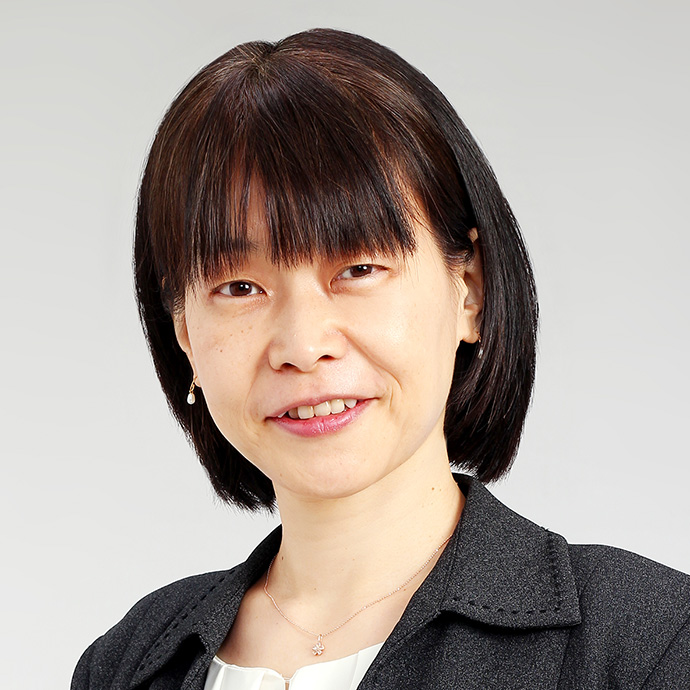
Dr. Qin Li is an Assistant Professor of Genetics at the University of Pennsylvania Perelman School of Medicine, affiliated with the Penn Institute for Immunology & Immune Health (I3H), the Penn Institute for RNA Innovation, and the Penn Center for Genomic Integrity. He earned his BS and PhD in Biological Science and Biochemistry & Molecular Biology from Peking University, followed by postdoctoral training at Stanford University. Education : BS (Peking University, 2009), PhD (Peking University, 2014) Dr. Li’s research focuses on the ADAR1-dsRNA-MDA5 axis, exploring how RNA editing mediates self/non-self discrimination in the immune system. His work connects RNA editing quantitative trait loci (edQTLs) to inflammatory disease heritability and develops computational/experimental tools for RNA editing and sensing. Recent publications highlight his contributions to understanding RNA editing’s role in autoimmune diseases, CRISPR-based regulatory principles, and novel RNA ligand engineering. He mentors PhD and Master’s students in Bioengineering, Cell and Molecular Biology, and related programs.
Dr. Jason Yi is an Assistant Professor of Neuroscience at Washington University School of Medicine (WashU Medicine). His research focuses on understanding the molecular pathways that shape nervous system development and function, with particular emphasis on autism spectrum disorders (ASD). He leads the Yi Lab, which investigates the role of the ubiquitin ligase UBE3A in the brain and its implications for neurodevelopmental disorders. Dr. Yi received his BS in Biochemistry and Molecular Biology from Dickinson College in 2001 and his PhD in Pharmacology from Duke University in 2009. His laboratory is broadly interested in the molecular pathways that shape nervous system development and function, with the ultimate goal of understanding how dysfunction in these pathways contributes to disease. The current focus is on autism spectrum disorders (ASD), using genetic information from human patients to guide in vitro and in vivo experiments employing biochemical, genetic manipulation, cell biological, and microscopy techniques. Dr. Yi's research has significant clinical implications, particularly in understanding how UBE3A dysfunction relates to both Angelman syndrome (caused by lack of UBE3A activity) and autism (caused by excessive UBE3A activity). His lab discovered that a single phosphorylation event in UBE3A turns off its ubiquitin ligase activity, and that mutations in this site are linked to autism. This work bridges disease genetics with a mechanistic understanding of ASD neurobiology and aims to define developmental timepoints for ASD onset. Dr. Yi's research has been recognized with numerous prestigious awards: Ruth K. Broad Biomedical Research Foundation Predoctoral Fellowship (2006) F32 Kirschstein National Research Service Award (2011) Christina Castellana Postdoctoral Fellowship (2011-2014) The University of North Carolina Postdoctoral Award for Research Excellence (2015) Bridge to Independence Award, The Simons Foundation (2017) NARSAD Young Investigator Award, Brain and Behavior Research Foundation (2018) Whitehall Foundation Research Grant (2018) Alfred P. Sloan Foundation Research Fellowship (2019) Dr. Yi's research program is supported by significant grant funding from organizations including The Simons Foundation, Brain and Behavior Research Foundation, and the Whitehall Foundation. His work bridges basic molecular neuroscience with clinical implications for neurodevelopmental disorders, particularly autism spectrum disorders. Through his research, Dr. Yi is contributing to a deeper understanding of the molecular mechanisms underlying ASD, which may ultimately lead to new therapeutic approaches and interventions. The Yi Lab maintains a collaborative research environment focused on cutting-edge neuroscience techniques. The lab combines molecular, cellular, and genetic approaches to study UBE3A function and its role in neurodevelopment. Their work utilizes patient-derived genetic information to guide experimental approaches, ensuring clinical relevance to autism spectrum disorders. Dr. Yi is also actively involved in mentoring graduate students and postdoctoral fellows, contributing to the training of the next generation of neuroscientists.
Prof. Dr. med. Franz Lennard Ricklefs is a Senior Physician and Head of the Working Group at the Department of Neurosurgery, University of Hamburg Faculty of Medicine. He is a Medical Specialist in Neurosurgery with cross-disciplinary expertise in neuro-oncology, molecular pathology, and extracellular vesicle research. Affiliations: University Medical Center Hamburg-Eppendorf (UKE), European Liquid Biopsy Society (ELBS), International Consortium on Meningiomas (ICOM) Research Interests: His work focuses on neurosurgical oncology, particularly glioblastoma and meningioma pathobiology. He investigates DNA methylation patterns, extracellular vesicle biomarkers, and liquid biopsy implementation in clinical neuro-oncology. Additional interests include surgical outcomes for epilepsy and aneurysm management. Article Trends: Over the last decade, Dr. Ricklefs has published extensively on: Extracellular vesicle applications as liquid biopsy markers DNA methylation subclasses for glioblastoma and meningioma Multicenter surgical outcome benchmarking Immune evasion mechanisms in neuro-oncology Technological innovations in neurosurgical visualization Molecular characterization of rare CNS tumors Professional Contributions: He co-authored the MISEV2023 guidelines for extracellular vesicle studies and participates in international consensus reviews for meningioma classification. His collaborations span institutions across Europe and North America.
Dr. Timothy H. Murphy is a Professor in the Department of Psychiatry at the University of British Columbia's Faculty of Medicine. He is also an Associate Member of the School for Biomedical Engineering and a Member of the Djavad Mowafaghian Centre for Brain Health. Dr. Murphy leads the Dynamic Brain Circuits in Health and Disease initiative and the Division of Neuroscience and Translational Psychiatry at UBC. Dr. Murphy received his Ph.D. from Johns Hopkins University in 1989 and his B.Sc. from Saint Mary's College Maryland in 1984. His research focuses on understanding brain circuit structure-function relationships in relation to stroke recovery, psychiatric disorders, and neurological diseases. He specializes in mesoscale imaging techniques to study cortical activity patterns and develop automated approaches for brain imaging and stimulation. His laboratory develops innovative tools including open-source hardware for automated mouse brain imaging, synthetic data generation for behavioral analysis, and chronic recording systems that enable simultaneous mesoscale cortical imaging with subcortical or peripheral nerve activity monitoring. Research from the Murphy Lab has significantly advanced our understanding of how brain circuits reorganize after stroke and in models of psychiatric disorders. Dr. Murphy's recent publications reveal trends in mesoscale cortical imaging, development of synthetic data for behavioral analysis, and exploration of circuit-level changes in neurological and psychiatric disease models. His work bridges basic neuroscience with potential clinical applications for stroke recovery and mental health treatments. Dr. Murphy has mentored numerous students and postdoctoral fellows who have gone on to successful careers in neuroscience and related fields. His laboratory has received funding to support innovative approaches to understanding brain circuit function and recovery mechanisms. The Murphy Lab maintains strong collaborative ties across UBC and develops open-source tools that are widely adopted by the neuroscience community. Their work on automated home-cage imaging systems, synthetic behavioral data generation, and chronic recording technologies represents significant methodological advances in the field.
Michelle CD Bridi is an Assistant Professor in the Department of Neuroscience at West Virginia University School of Medicine , with a joint affiliation at the Rockefeller Neuroscience Institute . Her research integrates synaptic plasticity , sleep physiology , and neurological conditions to investigate dynamic synaptic regulation under typical and atypical states. Education: BS , McGill University, 2006 PhD , University of Pennsylvania, 2013 Research Focus: The Bridi Lab explores how daily oscillations in excitation/inhibition (E/I) balance are disrupted in Autism Spectrum Disorder (ASD) , aging , and post-stroke states . Current projects address: 1) synaptic adaptation to sleep/wake cycles, 2) E/I imbalance in neurodevelopmental disorders, and 3) molecular mechanisms maintaining neuronal firing rate homeostasis. Publication Trends: Recent work spans REM sleep plasticity , autism models , and neurodegenerative interventions , emphasizing synaptic oscillations , NMDA receptor pathways , and gene therapy applications. Collaborative efforts with Morgan Bridi's lab extend findings to stress and stroke contexts. Grants & Collaborations: Research is funded by NIH/NIGMS , BBRF , and NSF . The lab actively collaborates with cross-institutional teams and is recruiting postdocs and students for ongoing studies.
Dennis Nestvogel is a Research Group Leader at the Max Planck Institute of Psychiatry in Munich, Germany, where he leads research in the department of Neural Dynamics and Behavior. His work focuses on understanding how behavioral states such as arousal, attention, and stress modulate sensory processing and decision-making in the brain. Research Interests: Dr. Nestvogel's research centers on thalamocortical network dynamics, brain oscillations, and state-dependent neural activity. He investigates how these processes influence sensory-guided behavior and how their disruption contributes to psychiatric disorders including schizophrenia, ADHD, and PTSD. His approach integrates in vivo intracellular recordings, high-density neural recordings, optogenetics, and mouse behavioral paradigms. Publication Trends: His recent publications reveal a strong focus on the neural mechanisms underlying waking states, sensory processing, and cortical dynamics. Themes include alpha oscillations, synaptic regulation, neuromodulation, and the impact of genetic mutations on stress sensitivity in psychiatric conditions. His work bridges molecular, systems, and cognitive neuroscience. Scientific Contributions: Investigating how behavioral states gate sensory input in the cortex Elucidating the role of thalamocortical circuits in arousal and attention Linking synaptic proteins like CAPS-1 to sensory adaptation Exploring genetic underpinnings of stress sensitivity in bipolar disorder Advising and Grants: While no students are listed, Dr. Nestvogel leads an independent research group, indicating leadership in mentoring junior scientists and managing research projects. His affiliation with the Max Planck Institute suggests access to substantial institutional funding and collaborative resources. Labs and Teams: He heads the research group within the Neural Dynamics and Behavior unit at the Max Planck Institute of Psychiatry, collaborating closely with leading neuroscientists such as David A. McCormick. His lab utilizes cutting-edge techniques to probe brain function in awake, behaving animals.
Jessica J. Walsh, PhD is an Assistant Professor in the Department of Pharmacology at the University of North Carolina at Chapel Hill School of Medicine and a member of the UNC Neuroscience Center. She leads the Walsh Lab, which focuses on understanding neural circuit mechanisms underlying motivated social behavior using a multi-level approach to elucidate the molecular and circuit mechanisms that govern social interactions and their alterations in disease states. Dr. Walsh earned her B.A. in Neuroscience & Behavior from Columbia University, where she began her research journey volunteering in Dr. Gerald Fischbach's laboratory. During her graduate work, she explored neural circuit mechanisms underlying social stress susceptibility at the Icahn School of Medicine at Mount Sinai under Dr. Ming-Hu Han. Prior to joining UNC, she completed her postdoctoral fellowship at Stanford University with Dr. Robert Malenka, investigating neural circuit mechanisms in genetic mouse models with social deficits. Her research focuses on neural circuit mechanisms underlying motivated behavior, neurodevelopmental and psychiatric disorders, and functional/anatomical brain mapping. The Walsh Lab specifically uses genetic mouse models to investigate how genetic mutations and experience lead to circuit adaptations that govern impaired behavior seen in autism spectrum disorders. They combine whole brain optical clearing methods, light sheet microscopy, in vivo imaging, and machine learning based behavioral analysis to elucidate neural adaptations responsible for motivated behavior. Her publication record demonstrates a strong focus on neural circuits related to social behavior, with particular emphasis on autism spectrum disorders, serotonin and dopamine signaling, and the neural basis of prosocial behaviors. She has published extensively in high-impact journals including Nature, Nature Neuroscience, PNAS, and Neuropsychopharmacology, with research spanning from molecular mechanisms to circuit-level analyses of behavior. Dr. Walsh mentors several trainees in her lab, including a postdoctoral fellow, multiple graduate students, and numerous undergraduate researchers. Her lab team includes researchers with diverse interests spanning from molecular biology to machine learning applications in neuroscience. The lab actively recruits postdocs and graduate students interested in joining their research on motivated behavior and psychiatric disorders. The Walsh Lab employs a comprehensive research approach including genetic manipulation, whole brain activity mapping, viral tracing, slice physiology, optogenetics, chemogenetics, fiber photometry, and machine learning based behavioral classification to gain a nuanced understanding of neural circuits involved in motivated social behavior.
Sonia Mayoral is the Robert J. and Nancy D. Carney Assistant Professor of Neuroscience at Brown University. Her research focuses on studying cell-cell interactions in the brain, particularly the development and function of oligodendrocytes – glial cells critical for myelin formation. She explores how these cells contribute to myelination, remyelination processes, and their roles in neurological disorders like multiple sclerosis. Her work integrates cellular neuroscience, immunology, and drug screening methodologies. Research interests include glial cell biology, neuron-glial interactions, and the molecular mechanisms governing myelin repair. She investigates how environmental cues and signaling pathways regulate oligodendrocyte differentiation and function. Notable projects involve developing high-throughput screening platforms for MS therapeutics and studying sex-specific responses to neurodegenerative challenges. Her lab’s recent work includes clinical trials (Re-WRAP) evaluating Bazedoxifene for remyelination in women, and fundamental studies on regulatory T cell roles in myelin regeneration. She also examines how mechanical stimulation and epigenetic changes influence oligodendrocyte behavior. Her research bridges basic science and translational efforts, aiming to advance treatments for myelin-related disorders. Dr. Mayoral’s lab is active at Brown University, with a dedicated website detailing ongoing projects and collaborations. While no specific grants or students are listed here, her work reflects a strong focus on interdisciplinary approaches to neurodegenerative disease mechanisms.
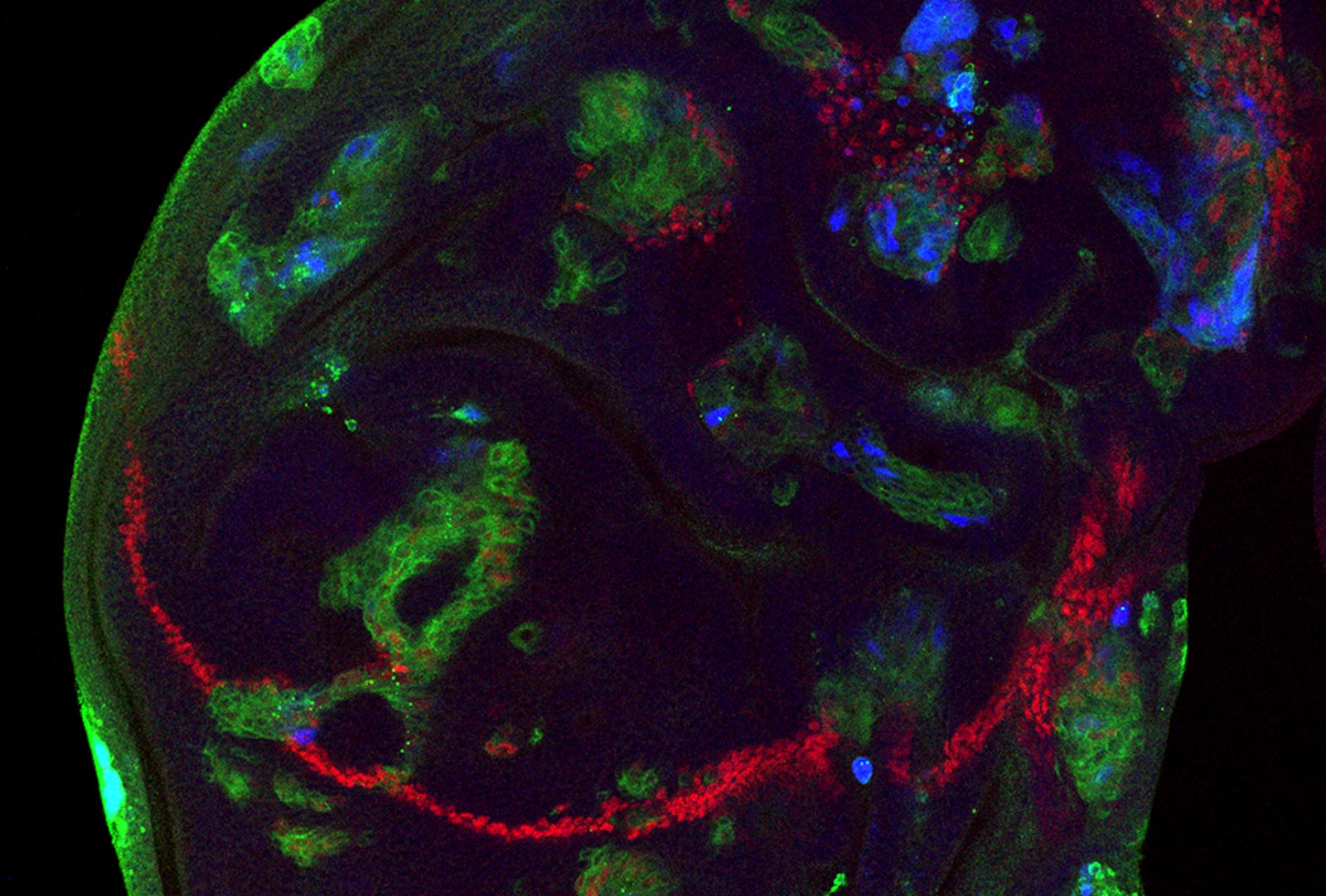
Jessica E. Treisman is a Professor in the Department of Cell Biology and Department of Ophthalmology at NYU Grossman School of Medicine. Her research focuses on developmental genetics and molecular neuroscience, particularly in the context of visual system development and synapse formation in Drosophila . Research Interests: Cell fate determination, tissue morphogenesis, neural circuit assembly, and corneal lens development Contact: Jessica.Treisman@nyulangone.org | 212-263-1031 Lab: Treisman Lab, Skirball Institute, New York, NY Her work explores how intrinsic transcription factors and extrinsic signaling pathways interact to regulate cell differentiation and tissue organization in the Drosophila visual system, with implications for understanding human corneal development and neural connectivity disorders. Recent publications highlight her contributions to understanding: Molecular mechanisms of corneal lens curvature formation Regulation of synaptic targeting specificity Role of Sidekick in epithelial junction dynamics Transcriptional synergy between Glass and EGFR signaling The Treisman Lab employs interdisciplinary approaches in Drosophila genetics to uncover fundamental principles of cell signaling and neural circuit development, with potential applications in human vision research and developmental disorders.
Yukiko Gotoh is a Professor at the Department of Pharmaceutical Sciences, Graduate School of Pharmaceutical Sciences, The University of Tokyo. She serves as the Deputy Director and Principal Investigator at the International Research Center for Neurointelligence (IRCN). Her research focuses on understanding the mechanisms that regulate neural stem/progenitor cell fate during embryonic brain development and in the adult brain. Dr. Gotoh's research interests include: Genetic and epigenetic regulation of neural stem/progenitor cell fate Neuronal maturation processes Genesis and maintenance of adult neural stem cells Relevance of neural stem/progenitor cell dysregulation in neurodevelopmental disorders such as autism spectrum disorders Investigation of mechanisms regulating neural stem-progenitor cell fate during neocortical development Genetic and epigenetic regulation of neuronal activation Analysis of Dr. Gotoh's recent publications reveals a strong focus on neural stem cell biology, epigenetic regulation, and neurodevelopmental disorders. Her work demonstrates how chromatin modifiers like Polycomb group proteins and HMGA proteins regulate neural stem cell fate decisions during brain development. A significant portion of her research explores the embryonic origins of adult neural stem cells and how dysregulation of these processes contributes to conditions like autism spectrum disorders and schizophrenia. Her laboratory also investigates the basic mechanisms of cellular responses to viral infection in the brain and their relevance to neurodevelopmental disorders. Dr. Gotoh has made significant contributions to understanding: The role of Polycomb group proteins in neural development How chromatin modifiers regulate neurogenic potential Cell cycle regulation in neural stem cells The PDK1-Akt pathway in neuronal migration Layer-specific heterogeneity of astrocytes Mechanisms underlying schizophrenia-related abnormalities Dr. Gotoh's laboratory conducts research on multiple fronts related to neural development and stem cell biology. Her team investigates: Mechanisms regulating neural stem-progenitor cell fate during neocortical development Genetic and epigenetic regulation of neuronal activation The embryonic origin of adult neural stem cells Dysregulation of neural stem-progenitor cell and neuronal fate in neurodevelopmental disorders Innate immune responses in the brain
Anna G Orr serves as Nan and Stephen Swid Assistant Professor of Frontotemporal Dementia Research and Assistant Professor of Neuroscience at Weill Cornell Medical College's Brain and Mind Research Institute since 2016, leading pioneering research on astrocyte biology in dementia pathogenesis. Her educational background includes: Ph.D. from Emory University (2008) B.S. from Allegheny College (2002) Dr. Orr's research program centers on astrocytic-neuronal interactions , mitochondrial signaling , and neuroimmune mechanisms through three interconnected pathways: neuroimmune , oxidative , and G protein-coupled signaling . Her lab investigates how these mechanisms influence neuroinflammation, protein aggregation, synaptic function, and behavioral outcomes in dementia, with parallel therapeutic discovery efforts targeting astrocytic pathways for novel dementia treatments. Analysis of her 15 most recent publications (2025-2010) reveals escalating focus on astrocyte-specific dementia mechanisms , particularly mitochondrial ROS signaling, sex-dimorphic memory effects, TDP-43 pathology interactions with antiviral pathways, and lipid dysregulation in neurodegeneration. Her work consistently bridges molecular discoveries with therapeutic applications, demonstrating increasing NIH funding support for translational approaches. Key scientific recognitions include: NIH K99/R00 Pathway to Independence Award (2017) Leon Levy Fellowship in Neuroscience (2021) Nan and Stephen Swid Endowed Professorship (2021) Outstanding Neuroscience Teaching Award (2021) Dr. Orr actively mentors eight trainees across career stages, including Ph.D. candidates Evelyn Hardin and Constance Zhou, while securing major NIH grants as Principal Investigator for projects like Uncovering Dementia-Related Lipid Alterations in Astrocytes (NIA 2024-2026) and Mitochondrial Complex III Free Radicals in Dementia Pathology (NIA 2020-2026), alongside collaborative awards from the Alzheimer's Association. Her Orr Lab maintains a dual focus on mechanistic astrocyte biology and therapeutic translation, with current projects examining astrocytic TDP-43 dysregulation, mitochondrial complex III signaling, and sex-specific memory mechanisms using advanced in vivo techniques and disease models.
Kuo-Fen Lee, PhD is a Professor at the Salk Institute for Biological Studies, holding the prestigious Helen McLoraine Chair of Molecular Neurobiology. He leads the Clayton Foundation Laboratories for Peptide Biology, where his research focuses on nerve regeneration, spinal cord injury, and molecular mechanisms underlying neural development and neurodegenerative diseases. His work bridges basic neuroscience with potential therapeutic applications for conditions like ALS, paralysis, and Alzheimer's disease. Dr. Lee received his educational training from multiple prestigious institutions: a degree in Plant Pathology from National Taiwan University; an MS in Cancer Enzymology and Cell Differentiation from National Yang-Ming Medical College, Taiwan; a PhD in Endocrinology from Baylor College of Medicine, Houston; and completed his postdoctoral training at the Whitehead Institute for Biomedical Research. His primary research interests center on understanding why humans cannot regenerate damaged nerves while many other animals can. Dr. Lee has made significant discoveries regarding the p45 protein, which promotes nerve regrowth in mice but is absent in humans (who instead have p75, which inhibits nerve growth). His laboratory also studies neuregulin signaling, neuromuscular synapse formation, and the role of various proteins like nestin in neural development and maintenance. His work often employs mouse models to investigate spinal cord injury, pain pathways, and neurodegenerative conditions. Analysis of Dr. Lee's recent publications reveals a consistent focus on molecular neurobiology with particular emphasis on neural signaling pathways, synaptic maintenance, and nerve regeneration mechanisms. His research spans from basic molecular mechanisms to potential therapeutic applications, with increasing attention to pain pathways, Alzheimer's disease models, and the intersection of neuroscience with immunology and metabolism in recent years. As holder of the Helen McLoraine Chair of Molecular Neurobiology, Dr. Lee has received significant institutional recognition for his contributions to neuroscience. While specific awards aren't detailed in the provided text, his sustained funding and leadership position indicate substantial peer recognition in his field. Dr. Lee's research program involves extensive collaboration with other neuroscience laboratories, as evidenced by his numerous co-authored publications across various neuroscience subdisciplines. His work has been consistently funded, allowing for the maintenance of an active research laboratory focused on nerve regeneration and molecular neurobiology. The Clayton Foundation Laboratories for Peptide Biology serves as the primary research environment for Dr. Lee's team, where they investigate molecular mechanisms of nerve development, regeneration, and degeneration using advanced genetic, molecular, and cellular approaches. The laboratory maintains active research programs in multiple areas of neural signaling and development.
Andrew J. Todd is a Professor and Honorary Fellow in the School of Psychology & Neuroscience at the University of Glasgow. His research focuses on neurochemistry and synaptic connections in the mammalian spinal cord, particularly the organization of neuronal circuits underlying pain and itch perception. He employs techniques like immunocytochemistry, confocal microscopy, and electron microscopy. Collaborations include researchers from institutions such as UCL, Saga University, and the University of Pittsburgh. His work is funded by the Wellcome Trust and BBSRC. Roles: Professor, Honorary Fellow Affiliations: School of Psychology & Neuroscience, University of Glasgow Research Interests Dr. Todd investigates spinal dorsal horn circuits, including projection neurons, interneurons, and synaptic plasticity. Key topics include: Neurochemical characterization of spinal neurons Role of neuropeptides like substance P and gastrin-releasing peptide Mechanisms of neuropathic pain and spinal circuit adaptations Functional roles of specific neuron populations in laminae I-III Articles Overview Recent work includes studies on spinal projection neuron markers (e.g., Tacr1, Gpr83), synaptic circuits involving GRP-expressing neurons, and interneuron subtypes' roles in pain/itch. Notable findings include the absence of neuronal loss in neuropathic pain models and the identification of novel spinal circuits. Grants & Funding Funded by the Wellcome Trust and BBSRC . Collaborations span international institutions, emphasizing spinal neurobiology and sensory processing.
Professor Karl Peter Giese holds the position of Professor of Neurobiology of Mental Health and Co-Head of the Basic & Clinical Neuroscience Department at King's College London's Institute of Psychiatry, Psychology & Neuroscience (IoPPN). His research focuses on memory mechanisms in health and disease, particularly Alzheimer's pathology, synaptic dysfunction, and aging effects. He leads projects funded by Alzheimer's Research UK and other institutions, investigating molecular and cellular bases of memory storage. His work bridges experimental models (e.g., mice) with translational insights for clinical applications. He has over 140 publications, including high-impact studies on CYFIP proteins in dementia and CaMKII in synaptic plasticity. Collaborations include researchers at King's College London and international partners. His lab explores mechanisms linking amyloid-beta, tau, and synaptic proteins to cognitive decline, with recent work applying computational methods to model aging brains. Education: PhD from ETH Zurich (1992), MSc Chemistry from Ruhr-University Bochum (1989). Current grants include Alzheimer's Research UK Network Centres and studies on MNK inhibition for Alzheimer's therapies. Projects span protein synthesis dysregulation, thalamic amyloid pathology, and intellectual disability genetics. His research has been featured in Nature Neuroscience , Brain , and Neuron . He advises on translational neuroscience initiatives and mentors early-career researchers.
Professor Tim Denison FREng holds a joint appointment in the Department of Engineering Science and Nuffield Department of Clinical Neurosciences at the University of Oxford, where he serves as the Royal Academy of Engineering Chair in Emerging Technologies and an MRC Investigator. His research focuses on the fundamentals of physiologic closed-loop systems and developing next-generation neural interface technologies for treating chronic neurological diseases. Professor Denison received his A.B. in Physics from The University of Chicago, followed by M.S. and Ph.D. degrees in Electrical Engineering from MIT. He later completed an MBA at The University of Chicago, where he was named a Wallman Scholar. His research spans neural engineering, closed-loop neuromodulation systems, and computational neuroscience, with particular emphasis on deep brain stimulation, neural oscillations, and adaptive neurostimulation techniques. His work integrates engineering principles with clinical neuroscience to develop innovative treatments for neurological disorders. Professor Denison's approach combines computational modeling with experimental validation to optimize brain stimulation parameters for individual patients. Professor Denison has received numerous prestigious awards, including membership in the Bakken Society (2012, Medtronic's highest technical honor), the Wallin leadership award (2014), election to the College of Fellows for the American Institute of Medical and Biological Engineering (2015), and recognition as a Fellow of the Royal Academy of Engineering (FREng). As a former Technical Fellow at Medtronic PLC and Vice President of Research & Core Technology for the Restorative Therapies Group, Professor Denison brings significant industry experience to his academic work. His research group focuses on developing advanced neurostimulation technologies that incorporate chronobiology principles and adaptive algorithms to improve treatment outcomes for neurological conditions.