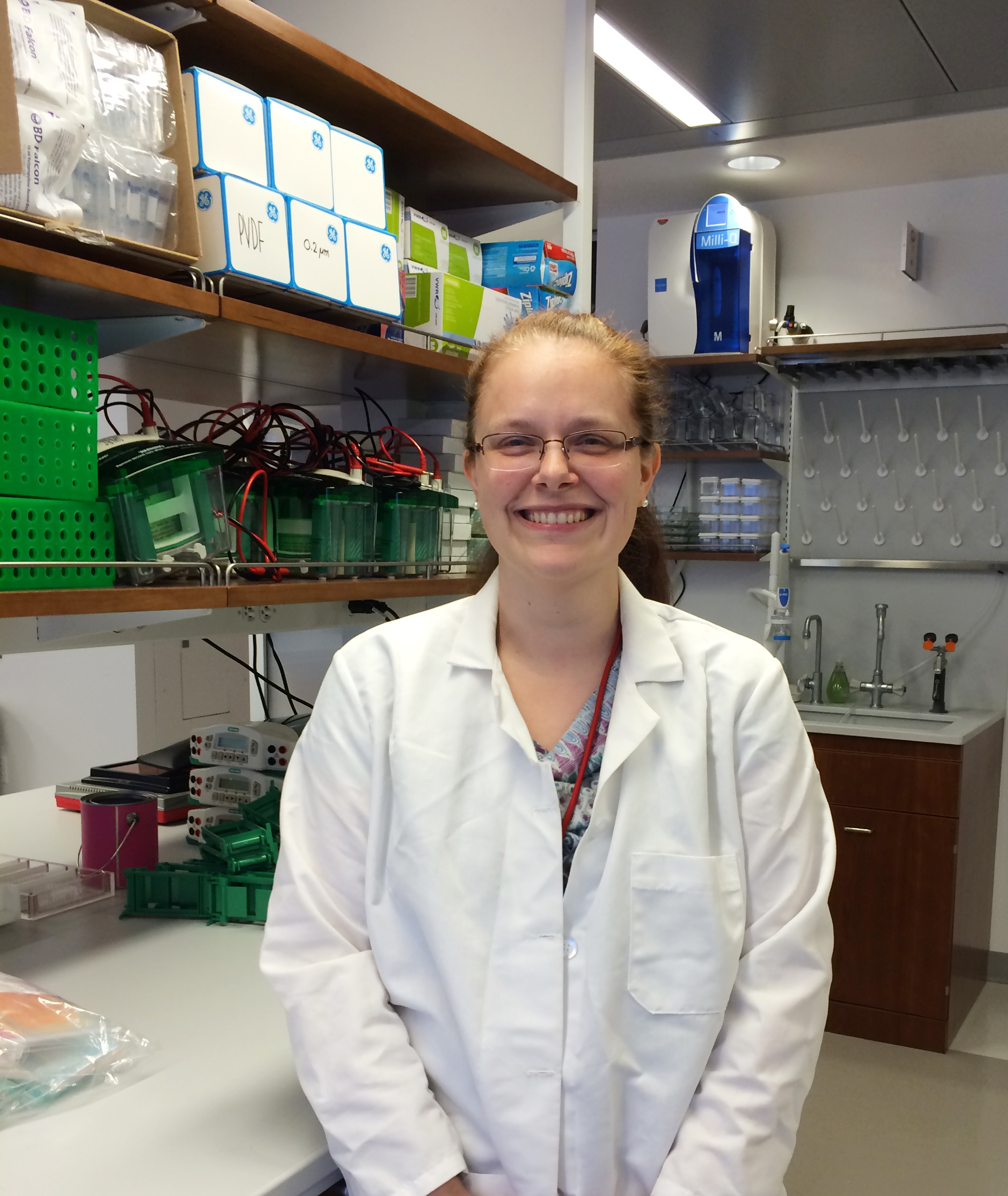
Jacqueline Burré is an Associate Professor of Neuroscience at Weill Cornell Medicine, affiliated with the Brain and Mind Research Institute and the Appel Alzheimer’s Disease Research Institute. Her lab investigates molecular mechanisms of synaptic dysfunction in synucleinopathies and SNARE-linked encephalopathies, aiming to develop therapeutic strategies. Research areas include: Presynaptic terminal dysfunction in neurological diseases Mutations in SNARE complex proteins (Munc18-1, SNAP-25, VAMP2) α-synuclein's role in Parkinson’s disease Translational approaches from mouse/C. elegans models to clinical trials Academic Awards: Summa cum laude Ph.D. (2006) Klaus Tschira Award (2007) Leon Levy Fellowship (2015-2016) Mentor of the Year (2019) Education: Diploma & Doctorate in Biochemistry, Goethe University (Germany) Postdoc with Nobel Laureate Thomas Südhof (UTSW & Stanford) The Burré Lab employs biochemical, biophysical, and electrophysiological techniques to study disease mechanisms and test therapies like 4-phenylbutyrate for STXBP1 mutations. Alumni from her lab include MD-PhD candidates, postdocs, and graduate students who have received prestigious fellowships such as NIH NRSA and Markey Graduate School Fellowships.
Natalia DeMarco is an Associate Professor of Neuroscience at the Feil Family Brain & Mind Research Institute, Weill Cornell Medical College. Her lab investigates how genetic programs and neuronal activity interact during early brain development, focusing on inhibitory interneurons and their role in neurological disorders like autism, schizophrenia, and epilepsy. PhD, Columbia University (2007) Postdoctoral Fellowship, Patterson Trust (2009) DeMarco’s research explores mechanisms behind excitatory/inhibitory imbalance in the brain, using mouse models to study: Neurotransmitter roles (glutamate, GABA) in interneuron maturation Electrophysiology and viral tracing for circuit analysis Developmental origins of cortical connectivity Implications for autism, schizophrenia, and epilepsy Her 15 most recent publications (2023–2002) highlight trends in cortical circuit assembly, GABA signaling, and interneuron dysfunction. Keywords span neuroscience, genetics, and neurodevelopmental disorders, with subfields like synaptic connectivity, mouse genetics, and activity-dependent plasticity. Scientific awards include: K99/R00 Pathway to Independence Award (2012) Leon Levy Fellowship (2016) Irma Hirschl Career Scientist Award (2020) 2023 Paper of the Year (Babij, Ferrer et al.) DeMarco mentors MD/PhD students (e.g., Andrew Iannone, Rachel Babij) and collaborates with institutions like NYU, Stony Brook, and INSERM. Her lab, located in Manhattan, utilizes techniques such as optogenetics and in vivo imaging to study cortical development. Grants include R01 funding from NIMH and NINDS.
Professor Steve Edgley is a Professor of Sensorimotor Neuroscience at the University of Cambridge , affiliated with the Department of Physiology, Development and Neuroscience. He serves as President and Fellow of St John's College and is a College Lecturer in Neuroscience. Education: BSc, MA, PhD in Neuroscience His research focuses on the control of movement , investigating sensorimotor integration, cerebellar circuits, spinal reflex pathways, and corticospinal tract dynamics in primates and felines. He has published extensively on topics such as neural plasticity, reflex organization, and motor recovery after injury. His work spans neurophysiology, motor control, and clinical neuroscience. Recent publications highlight studies on recurrent inhibition , reticulospinal pathways , and corticospinal connectivity , with applications in spinal injury recovery and neural circuit mapping. His H-index ranges between 36 and 44. He has held key teaching roles, including Head of Teaching (2015-2024), and contributes to curriculum development for Medical, Veterinary, and Natural Sciences programs.
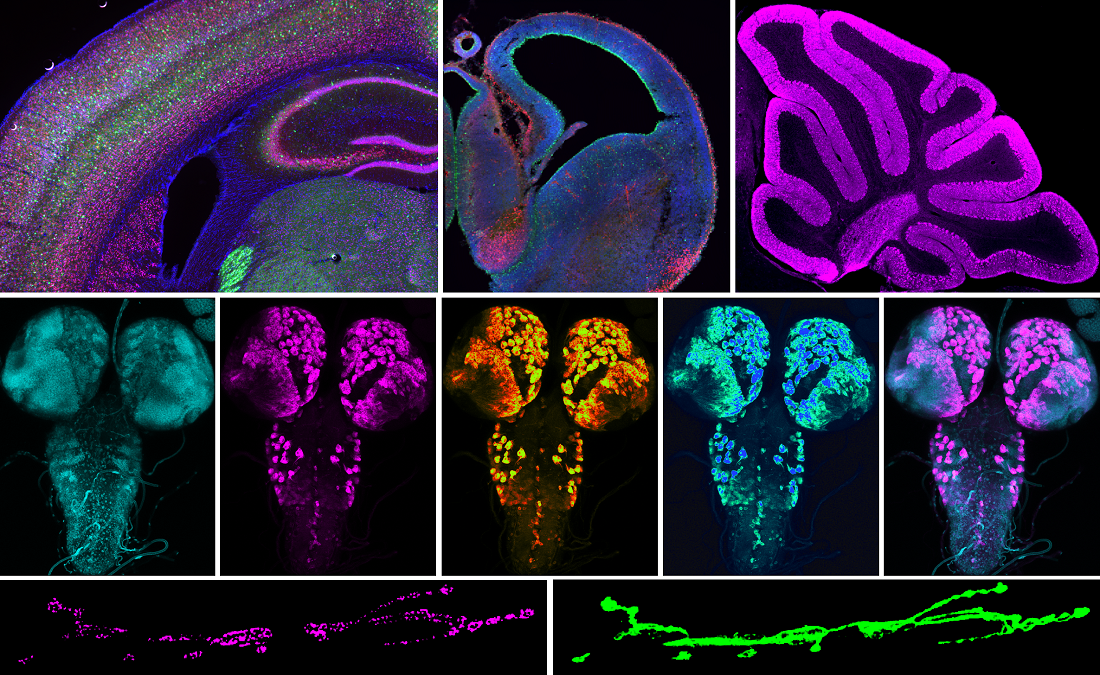
Dr. Hsiao-Tuan Chao is an Assistant Professor at Baylor College of Medicine with primary appointments in the Department of Pediatrics (Division of Neurology and Developmental Neuroscience), Department of Molecular and Human Genetics, and Department of Neuroscience. She serves as an Investigator at the Jan and Dan Duncan Neurological Research Institute and Texas Children's Hospital, and is a McNair Scholar at the McNair Medical Institute. Dr. Chao also holds leadership roles as Associate Program Director for the Basic Neuroscience Pathway in the Child Neurology Residency Training Program and as a Faculty Senator at Baylor College of Medicine. Dr. Chao's educational background includes: MD from Baylor College of Medicine (2012) PhD in Neuroscience from Baylor College of Medicine (2010) BS in Neuroscience and BA in Biochemistry (summa cum laude) from University of Texas at Austin (2002) Plan II Honors in Liberal Arts (summa cum laude) from University of Texas at Austin (2002) Her research focuses on understanding the genetic and neurophysiologic underpinnings of neurodevelopmental disorders including intellectual disability, epilepsy, autism, and schizophrenia. A central theme in her work is examining how disrupted inhibitory neuronal development and function contribute to these conditions. The Chao Lab integrates cross-species approaches using human genomics to uncover genetic etiologies, fruit flies to elucidate molecular pathways, and mice to explore consequences in the mammalian brain. Key research areas include EBF3-related disorders (HADDS syndrome), STXBP1 encephalopathy, EIF2AK variants (LEUDEN and LEMPSAD syndromes), and PPFIA3-related neurodevelopmental disorders. Analysis of Dr. Chao's recent publications reveals a strong focus on identifying novel disease genes and characterizing genotype-phenotype relationships in neurodevelopmental disorders. Her work spans multiple technical approaches including whole-genome sequencing, RNA sequencing, DNA methylation analysis, and functional validation using model organisms. A significant portion of her research examines how specific genetic variants impact protein function and neuronal development, with particular attention to transcriptional regulation, protein translation, and synaptic function. Dr. Chao has received numerous prestigious awards recognizing her contributions to neuroscience and neurology: 2022 "40 Under 40" List of Autism Researchers (Global Rising Stars in Autism Research) 2022 Young Investigator Award from Baylor College of Medicine Department of Pediatrics 2022 Induction to the Society for Pediatric Research 2020 Philip R. Dodge Young Investigator Award from the Child Neurology Society 2019 Health Care Heroes - Rising Star Award from Houston Business Journal 2017 STAT Wunderkind Award Dr. Chao actively mentors a large team of researchers including postdoctoral fellows, graduate students, medical students, and genetic counseling students. Her lab has secured significant funding including an NIH R01 grant (Molecular and Cellular Mechanisms of Cerebellar Dysfunction in Neurodevelopmental disorders), a DP5 Early Independence Award from NIH, and funding from the Burroughs Wellcome Fund. Current research initiatives include the Undiagnosed Epilepsy Genetics Initiative, EBF3-related disorders research study, and a Phase 1/2a clinical trial of CAP-002 Gene Therapy for STXBP1 Encephalopathy. The Chao Lab operates within the Jan and Dan Duncan Neurological Research Institute, leveraging multiple core facilities including the Microscopy Core, Rodent Neurobehavior Core, High Throughput Behavioral Screening Core, and Optogenetics and Viral Vectors Core. Her team collaborates extensively with the Undiagnosed Diseases Network and maintains active partnerships with clinicians at Texas Children's Hospital to translate research findings into clinical applications.
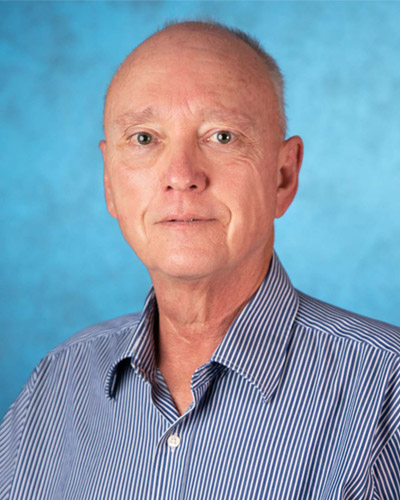
Richard LeBaron is a Professor in the Department of Neuroscience, Developmental and Regenerative Biology at the University of Texas at San Antonio (UTSA), within the College of Sciences. His research spans cell adhesion, extracellular matrix biology, and regenerative medicine, with applications in cancer, diabetes complications, and temporomandibular joint disorders. His educational background includes a Ph.D. in Biochemistry from the University of Alabama and a B.S. in Biology from Louisiana State University. His research integrates molecular, cellular, and biomechanical approaches to understand disease mechanisms and tissue regeneration. LeBaron's research interests focus on the role of extracellular matrix proteins such as BIGH3 (TGFBI) and versican in pathological conditions including diabetic complications, ovarian cancer, and neurodegenerative processes. His work also explores integrin-mediated signaling in synaptic plasticity and cartilage mechanics. These interdisciplinary efforts bridge cell biology, neuroscience, and biomedical engineering. Analysis of his recent publications reveals a strong emphasis on the molecular mechanisms of cell-matrix interactions, with applications in both neurological function and disease pathology. His studies often involve in vitro models, animal systems, and translational biosimulation technologies, reflecting a commitment to mechanistic insight and potential therapeutic development. No scientific awards explicitly mentioned. There is no information available about student advising or research grants. However, his extensive publication record suggests active research mentorship and potential grant funding, though specific details are not provided in the source material. No specific laboratory or research team is mentioned in the provided text.
Shaul Hestrin is a Professor at the Department of Comparative Medicine, Stanford University School of Medicine . His research focuses on understanding the neural mechanisms underlying cortical function, with a particular emphasis on synaptic transmission, cortical circuits, and GABAergic interneurons. Current teaching roles include COMPMED 200 (One Health Journal Club), COMPMED 370 (Medical Scholars Research), COMPMED 260 (Laboratory Animal Science Practicum), and directed reading/research courses (COMPMED/NEPR 198/199/299/399). Research Interests: Hestrin's work investigates the physiological and molecular basis of synaptic dynamics, including nicotinic modulation, electrical synapses, and state-dependent neural activity. His studies span cortical layer organization, neurotransmitter receptor kinetics, and the balance of excitation and inhibition in neocortical circuits. Publication Trends: His 15 most recent articles (2009–2020) highlight expertise in cortical neurophysiology, synaptic plasticity, GABAergic neuron function, and neuromodulation. Key themes include nicotinic and GABAergic signaling, electrical synapse dynamics, and the role of neuronal subtypes in circuit behavior.
Professor Alexej Verkhratsky is a leading scholar at the University of Manchester , holding the Professor of Neurophysiology position in the Division of Neuroscience. With over 400 peer-reviewed publications and an H-index of 86, he is a globally recognized expert in glial physiology and neurodegenerative diseases. Member of Academia Europaea (Vice-President, Life Sciences) Elected to German National Academy of Sciences Leopoldina (2013) Highly Cited Researcher (2023) His research focuses on neuroglial communication , pioneering discoveries in calcium and sodium signaling in astrocytes and microglia. Key contributions include: Foundational work on glial excitability via Ca²⁺/Na⁺ dynamics Development of the astroglial cradle concept for synaptic regulation Identification of astroglial atrophy as an early marker in Alzheimer's disease Characterization of glial paralysis in neurodegeneration Caffeine-induced Ca²⁺ release mechanisms Role of P2X receptors in gliotransmission Recent publications (2025-2026) highlight his work on: Mitochondrial responses in Alzheimer's and tauopathies Glial regulation of cerebrospinal fluid dynamics Neurodegenerative mechanisms in white matter pathology Scientific Awards include: Copernicus Gold Medal (2017) Dana Alliance for Brain Initiatives (2012) Multiple academy memberships (Slovenian Academy of Sciences, Real Academia Nacional de Farmacia, Poland National Academy of Sciences) As Editor-in-Chief of Cell Calcium and Deputy Editor of Cell Death and Disease , he shapes discourse in glial physiology and neurodegeneration research. His work contributes to UN Sustainable Development Goals for brain health research.
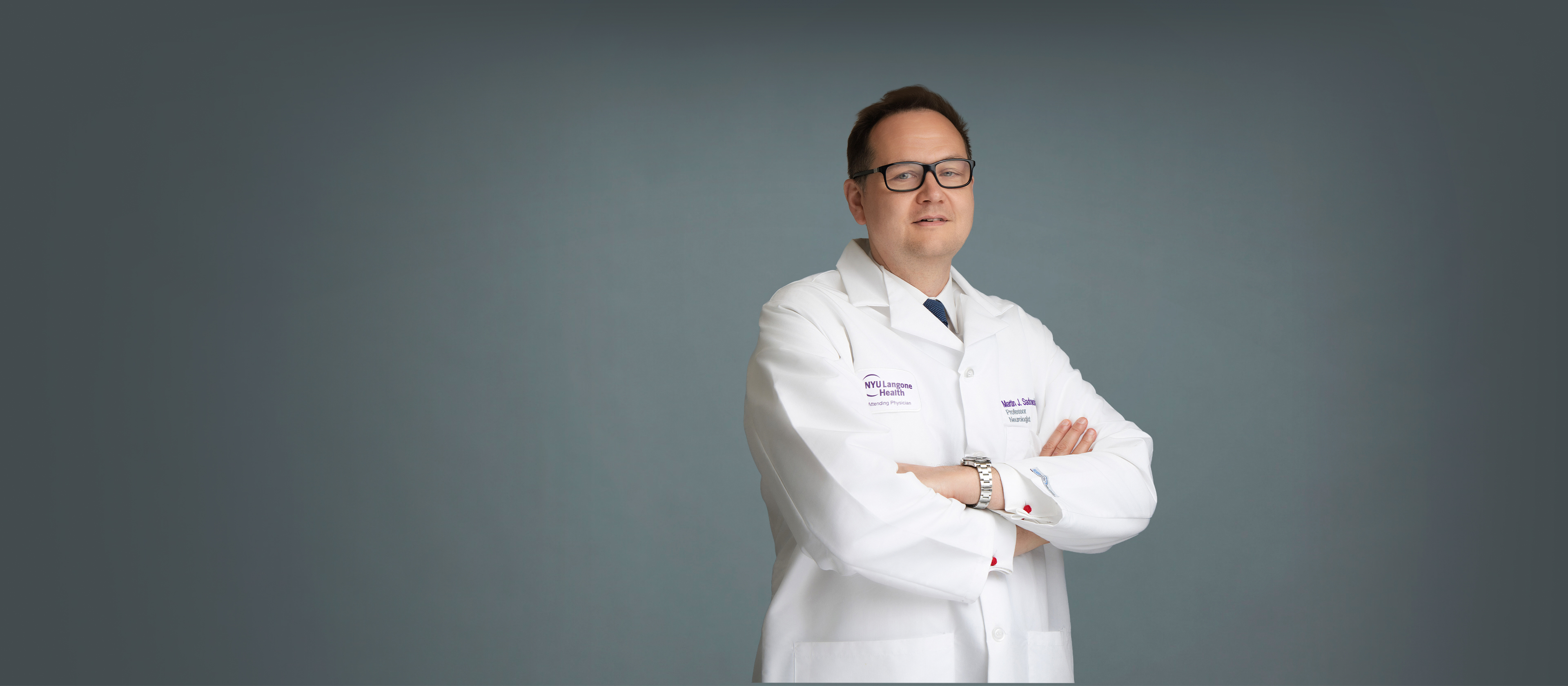
Martin Sadowski, MD, PhD, is a Professor at New York University Grossman School of Medicine, with cross-appointments in the Departments of Neurology, Psychiatry, and Biochemistry and Molecular Pharmacology. His research focuses on Alzheimer's disease and neurodegeneration, particularly amyloid beta metabolism and therapeutics development. Zachary and Elizabeth M. Fisher Professor of Neurodegeneration and Alzheimer's Disease Director of the CURE AD Lab and Alzheimer's Clinical Trials Program Recipient of the NIH K02 Independent Scientist Award and Paul B. Beeson Career Development Award Research Interests: Aβ metabolism and its interaction with apolipoprotein E Therapeutic discovery for Alzheimer’s and prion diseases Clinical trials for monoclonal antibodies (Leqembi, Kisunla) Molecular mechanisms of neurodegeneration Education: MD and PhD in Neuroanatomy from Medical University of Gdansk (1995, 1996) Residencies in Neurology (NYU Medical Center, St. Vincent's Hospital) and Medicine Scientific Awards: Markey Career Development Award Paul B. Beeson Emerging Leaders Career Development Award NIH K02 Independent Scientist Award Labs & Teams: Director of the CURE AD Lab Lead of the Fisher Center Alzheimer's Clinical Trials Program Supported by National Institute on Aging and Fisher Center for Alzheimer's Research Foundation
Dr. Angelique Bordey is the Rothberg Professor of Neurosurgery and Vice Chair of Research at Yale School of Medicine. She holds secondary appointments in Cellular & Molecular Physiology and is affiliated with the Bordey Lab, Center for Brain & Mind Health, Interdepartmental Neuroscience Program, and Wu Tsai Institute. PhD in Neuroscience, Louis Pasteur University (1995) MS in Neurophysiology, University Louis Pasteur (1992) MS in Chemistry, National School of Engineering (1991) Her research focuses on mTOR signaling in neurological disorders like Tuberous Sclerosis Complex (TSC), autism, and epilepsy. Key projects include: (1) neural stem cell circuit formation in health and mTORopathies, (2) preventing brain malformations in TSC, and (3) molecular basis of autism in TSC using rodent models. She investigates synaptic dysfunction, cortical connectivity, and translational therapies targeting mTOR dysregulation. Recent publications highlight trends in mTOR-related epileptogenesis , Filamin A inhibition for seizure reduction, and 4E-BP1 expression to mitigate neuronal dysfunction. Awards include the Blavatnik Award (2022), Scientific Innovations Award (2022), NARSAD Distinguished Investigator Award (2015), and McKnight Neuroscience of Brain Disorder Award (2010). She has served on NIH study sections and secured federal/foundation grants for epilepsy research. Dr. Bordey leads the Bordey Lab, which explores neural stem cells, synaptic plasticity, and preclinical therapies for neurological disorders. The lab develops models for cortical malformations, autism, and glioma, with a focus on mTOR pathway targeting neurodevelopmental interventions translational neuroscience
Chadi Abdallah, MD is an Associate Professor Adjunct of Psychiatry at Yale School of Medicine, where he serves as Deputy Director for Research and Director of Neuroimaging for the Clinical Neuroscience Division at the VA National Center for PTSD. His work focuses on the neurobiological mechanisms underlying depression, PTSD, and stress-related psychiatric disorders, with particular emphasis on synaptic connectivity and neuroenergetics. Dr. Abdallah received his medical degree from Lebanese University in 2006, followed by residency training at SUNY Downstate (2010), where he served as Chief Resident in 2011. He completed specialized fellowships at Yale University in 2013, including both a Neuroimaging Fellowship and a McNeil Psychopharmacology Fellowship, after previously serving as a Research Trainee at Cornell University in 2011. His research program employs a broad range of pharmacological challenges, neuroimaging modalities, and network neuroscience approaches to study the neurobiology of psychiatric disorders and the mechanisms underlying treatment response and resistance. Dr. Abdallah has made significant contributions to understanding the role of synaptic fidelity in depression and PTSD, the application of in vivo synaptic density imaging, and the development of rapid-acting antidepressants. His work bridges translational clinical neuroscience with practical therapeutic applications for stress-related psychiatric conditions. Dr. Abdallah's recent publications demonstrate a strong trajectory toward computational approaches to neuroimaging, with increasing integration of AI and machine learning techniques to analyze complex brain networks in depression and PTSD. His research shows progression from basic neuroimaging studies toward sophisticated predictive modeling of psychiatric symptoms and treatment response, with particular focus on suicidal ideation prediction and network-based biomarkers. Klerman Award, Honorable Mention (2015) Patterson Trust Award in Clinical Research (2015) NARSAD Young Investigator Award (2014) Young Investigator Travel Award (2013) Early Academic Career Award on Schizophrenia Research (2013) As Deputy Director for Research at the VA National Center for PTSD, Dr. Abdallah oversees multiple research initiatives examining the neurobiological underpinnings of trauma-related disorders. His laboratory collaborates extensively with other leading researchers in the field, including John Krystal, MD, Lynnette A. Averill, PhD, and Joel Gelernter, MD, on federally funded projects investigating novel treatment approaches for depression and PTSD. Dr. Abdallah has been instrumental in establishing the Emerge Research Program at Yale, which focuses on innovative approaches to understanding and treating mood and anxiety disorders. Dr. Abdallah leads the neuroimaging component of the Clinical Neuroscience Division at the VA National Center for PTSD, directing a team that utilizes advanced multimodal imaging techniques to investigate brain structure and function in psychiatric disorders. His laboratory employs state-of-the-art MRI methodologies, including ultrahigh-field magnetic resonance spectroscopy, to examine neurotransmitter systems and synaptic density in depression and PTSD, with particular focus on the medial prefrontal cortex and default mode network abnormalities.
Dr. Maura Malpetti is a Senior Research Associate and Race Against Dementia Alzheimer’s Research UK Fellow at the University of Cambridge, Department of Clinical Neurosciences. She earned her PhD as a Cambridge Trust & Sidney Sussex College scholar and holds a BSc and MSc in Cognitive Neurosciences from Italy. Education: BSc in Psychology, MSc in Cognitive Neurosciences (Italy); PhD in Clinical Neurosciences (University of Cambridge) Research Interests: Neurodegenerative diseases (Alzheimer’s, frontotemporal dementia, tauopathies), biomarker development, neuroinflammation, synaptic loss, and tau pathology using multimodal imaging (PET, MRI) and fluid markers. Her work integrates advanced imaging techniques like [11C]UCB-J PET for synaptic density and TSPO PET for microglial activation with post-mortem pathology to identify early diagnostic and prognostic markers. She has collaborated with institutions including the University of California San Francisco and Ludwig Maximilian University of Munich. Scientific Awards Race Against Dementia Alzheimer’s Research UK Fellow Cambridge Trust Scholar Sidney Sussex College Scholar Maura’s publications highlight interdisciplinary approaches to understanding disease mechanisms, with a focus on inflammation, tau spread, and synaptic loss. Her research has implications for personalized medicine and therapeutic strategies in dementia.
Paul Feinstein is a Professor in the Department of Biological Sciences at Hunter College, City University of New York (CUNY) . His research focuses on molecular mechanisms of odorant receptor gene expression, olfactory neuron development, and odor coding. He is affiliated with the Feinstein Lab , which investigates receptor genetics and sensory neuron circuitry. Ph.D., Integrated Program in Cellular, Molecular, and Biophysical Studies, Columbia University College of Physicians and Surgeons B.A. in Biochemistry, University of Pennsylvania Postdoctoral Fellow/Research Associate, The Rockefeller University Feinstein’s research explores how humans perceive odors, with key contributions to understanding odorant receptor gene choice, axon guidance, and glomerular organization in the olfactory system. His work integrates genetic engineering, molecular biology, and neurodevelopmental studies in mouse models. The 15 most recent articles highlight trends in olfactory receptor dynamics , axonal wiring , neurogenetics , and GPCR functionality . These studies span molecular imaging, gene regulation, and sensory neuron mapping, emphasizing receptor-specific mechanisms in neural circuitry. Contact: feinstein@genectr.hunter.cuny.edu | Phone: (212) 650-3169
Alicia González Díaz is a College Research Associate at the Yusuf Hamied Department of Chemistry, University of Cambridge, where she works as a Postdoctoral Research Fellow (mapped to "Research Fellow" academic rank). Her research bridges neuroscience, stem cell biology, and biophysics to advance translational models for neurodegenerative diseases. Education: Ph.D. in Neuroscience, University of Cambridge (2024). Her work focuses on engineering stem cell systems to model sporadic Alzheimer’s and ALS, leveraging AI-guided multiplexed functional genomics and patient-derived transcriptomic fingerprints. She develops scalable platforms for creating preclinical models that capture molecular diversity, with applications in drug discovery and therapeutic target prediction. Recent publications highlight her expertise in biomolecular condensates, Aβ peptide aggregation, TDP-43 inhibition, and lipid-protein interactions. These studies employ iPSC-derived neurons and multiomic approaches to unravel neurodegenerative disease mechanisms and identify novel interventions. Scientific Awards: La Caixa Postdoctoral Fellowship Alfonso Martín Escudero Fellowship She has collaborated with Wavebreak Therapeutics on drug discovery programs and continues to integrate interdisciplinary methodologies to address Alzheimer’s and ALS pathologies. Her research emphasizes scalable platforms and patient-specific molecular profiling to enhance preclinical model accuracy.
Dr. Angelo Keramidas is a Senior Research Fellow at the University of Queensland , affiliated with the Institute for Molecular Bioscience. His research focuses on ion channels in health and disease, particularly GABA-A, glycine, and glutamate (NMDA) receptors implicated in neurological disorders like epilepsy, autism, and neurodevelopmental conditions. Projects: Investigating receptor variants in epilepsy/autism, glutamate receptors in developmental delay, and venom peptide modulation of sodium channels. Techniques: Patch-clamp electrophysiology, venom peptide analysis, and functional characterization of ion channel variants. He collaborates with biophysicists, clinicians, and geneticists across Australia, USA, and Europe. Current funding includes an ARC Discovery Project (2023-2026) and industry partnerships.
Professor Pamela McCombe is a leading neuroimmunology researcher at The University of Queensland's UQ Centre for Clinical Research. Her work focuses on immune mechanisms in neurological diseases, particularly multiple sclerosis (MS) and amyotrophic lateral sclerosis (ALS), with emphasis on inflammation regulation, disease progression, and the influence of sex/gender on pathogenesis. She collaborates internationally on MSBase and Big MS Data Network studies. Key Research Areas Neuroimmunology Multiple Sclerosis Amyotrophic Lateral Sclerosis Gender Differences in Autoimmune Diseases Metabolic Biomarkers in Neurodegeneration Her recent publications analyze immunomodulatory therapies in MS, metabolic alterations in ALS, and genetic risk factors for motor neuron disease. She contributes to clinical trial methodologies and disease-modifying treatment effectiveness. Scientific Contributions Co-developed predictive models for MS progression Identified novel biomarkers in ALS survival Explored sex-based immunological differences Investigated hypothalamic volume correlations in ALS Contributed to NMOSD treatment guidelines