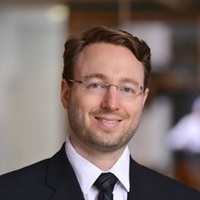
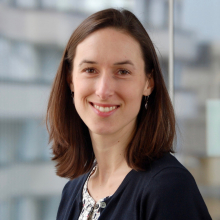
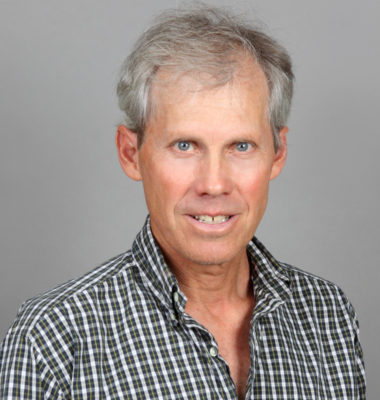
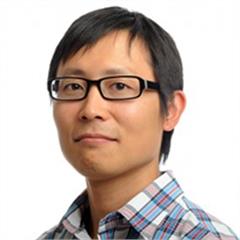
Guillaume Lajoie is an Associate Professor in the Department of Mathematics and Statistics at Université de Montréal and a Core Academic Member of Mila – Quebec Artificial Intelligence Institute. He holds a Canada CIFAR AI Research Chair and a Canada Research Chair in Neural Computation and Interfacing. His research focuses on the intersection of AI and neuroscience, particularly in understanding neural network dynamics and developing brain-machine interfaces for clinical and scientific applications. He is affiliated with the Centre de recherches mathématiques (CRM), the Interdisciplinary Center for Research on the Brain and Learning (CIRCA), and the UNIQUE initiative. Education: PhD in Applied Mathematics from the University of Washington (Seattle), postdoctoral fellowships at the Max Planck Institute for Dynamics and the University of Washington Institute for Neuroengineering. Awards include the FRQS Scholar designation and leadership roles in strategic research initiatives like UNIQUE and CIRCA. Research interests include neural computations, recurrent neural networks, neurotechnology, and responsible AI development. Supervised students include François Paugam (PhD), Giancarlo Kerg (PhD), and others. Key grants include projects on adaptive neuroprosthetics, neural decoding, and Canada Research Chairs funding.
Dr. Philippe Campeau is an Associate Clinical Professor in the Department of Pediatrics at the Faculty of Medicine, Université de Montréal. He is affiliated with CHU Sainte-Justine, a major pediatric hospital in Montreal, Quebec, where he works in the Medical Genetics Service. His clinical and research work focuses on genetic disorders affecting children, particularly in the areas of skeletal development and neurogenetics. Dr. Campeau obtained his Doctorate in Medicine from Laval University in Quebec (1998-2003) followed by specialty training in medical genetics at McGill University (2003-2008). He completed postdoctoral training at Baylor College of Medicine (2008-2013), which further developed his expertise in genetic research methodologies. His primary research interests include bone dysplasias , skeletal dysplasias , epilepsy , and epigenetic diseases . Dr. Campeau's laboratory identifies disease-causing genes, deciphers disease pathophysiology, and works to improve the management of children affected by these conditions. His work encompasses exome analysis , functional studies with cell lines and mouse models , and investigations into urea cycle abnormalities . He has made significant contributions to understanding genetic causes of conditions such as Genitopatellar syndrome (KAT6B), osteopetrosis, dysosteosclerosis (SLC29A3), osteogenesis imperfecta, early-onset osteoporosis (WNT1), Yunis-Varón syndrome (FIG4), and DOORS syndrome (TBC1D24). Dr. Campeau's publication record demonstrates a strong trajectory in medical genetics research, with numerous high-impact publications spanning from fundamental genetic discovery to translational research. His work spans skeletal disorders, neurodevelopmental conditions, and epigenetic mechanisms. Recent publications indicate an expanding focus on chromatin modifiers, DNA methylation patterns, and spliceosome function in neurodevelopmental conditions, reflecting the evolution of his research interests toward more complex molecular mechanisms. Dr. Campeau has received several research grants in recent years (6 starting in 2014) from organizations including the Fonds de la recherche en santé du Québec, Canadian Institutes of Health Research, and Fondation Grand Défi Pierre Lavoie. While specific students are not mentioned in the available information, as a clinical professor, he mentors medical students, residents, and research trainees in the Department of Pediatrics. His research is conducted as part of the 'Musculoskeletal Diseases and Rehabilitation' axis at CHU Sainte-Justine Research Center, where he collaborates with international research teams to identify disease-causing genes and develop better management strategies for children with genetic disorders.
Dr. Timothy H. Murphy is a Professor in the Department of Psychiatry at the University of British Columbia's Faculty of Medicine. He is also an Associate Member of the School for Biomedical Engineering and a Member of the Djavad Mowafaghian Centre for Brain Health. Dr. Murphy leads the Dynamic Brain Circuits in Health and Disease initiative and the Division of Neuroscience and Translational Psychiatry at UBC. Dr. Murphy received his Ph.D. from Johns Hopkins University in 1989 and his B.Sc. from Saint Mary's College Maryland in 1984. His research focuses on understanding brain circuit structure-function relationships in relation to stroke recovery, psychiatric disorders, and neurological diseases. He specializes in mesoscale imaging techniques to study cortical activity patterns and develop automated approaches for brain imaging and stimulation. His laboratory develops innovative tools including open-source hardware for automated mouse brain imaging, synthetic data generation for behavioral analysis, and chronic recording systems that enable simultaneous mesoscale cortical imaging with subcortical or peripheral nerve activity monitoring. Research from the Murphy Lab has significantly advanced our understanding of how brain circuits reorganize after stroke and in models of psychiatric disorders. Dr. Murphy's recent publications reveal trends in mesoscale cortical imaging, development of synthetic data for behavioral analysis, and exploration of circuit-level changes in neurological and psychiatric disease models. His work bridges basic neuroscience with potential clinical applications for stroke recovery and mental health treatments. Dr. Murphy has mentored numerous students and postdoctoral fellows who have gone on to successful careers in neuroscience and related fields. His laboratory has received funding to support innovative approaches to understanding brain circuit function and recovery mechanisms. The Murphy Lab maintains strong collaborative ties across UBC and develops open-source tools that are widely adopted by the neuroscience community. Their work on automated home-cage imaging systems, synthetic behavioral data generation, and chronic recording technologies represents significant methodological advances in the field.
Christine Tardif is an Assistant Professor in the Department of Biomedical Engineering and the Department of Neurology and Neurosurgery at McGill University. As head of the McConnell Brain Imaging Centre lab at the Montreal Neurological Institute, she develops advanced MRI techniques for in-vivo brain imaging, focusing on quantitative mapping of myelin and cortical microstructure. Her work spans methodological innovation (e.g., multi-modal biophysical modeling) and translational applications across preclinical (7 Tesla) and clinical (3 and 7 Tesla) systems. Undergraduate: B.Eng. in Computer Engineering, McGill University (2004) Master's: M.Sc. in Bioengineering, Imperial College London (2006) PhD: Biomedical Engineering, McGill University (2011) Her research explores myelin dynamics in health and disease, emphasizing its role in neural conduction, brain plasticity, and cognitive functions. The lab investigates dysmyelination in psychiatric disorders (e.g., bipolar disorder) and neurodegenerative conditions (e.g., multiple sclerosis) using relaxometry , magnetization transfer , and diffusion-weighted imaging . Recent methodological work includes 3D MERMAID sequences for motion-insensitive diffusion imaging and optimization of magnetization transfer saturation maps. Current projects integrate ultra-high field MRI with histological validation in preclinical models (e.g., marmoset brain sections), aiming to bridge microstructural metrics with macro-scale brain function. Applications span Alzheimer's disease risk assessment via white matter alterations, synaptic density mapping in psychosis, and cortical laminar differentiation studies.
Katrina Choe serves as Assistant Professor in the Department of Psychology, Neuroscience & Behaviour at McMaster University and holds a Tier 2 Canada Research Chair in Neurobiology of Social Behaviour. Her research program investigates the multi-level neurobiological mechanisms underlying psychiatric disorders, with primary focus on autism spectrum disorders (ASD) and oxytocin signaling pathways. Her academic training includes: PhD in Neuroscience from McGill University (2013) Honours BSc in Zoology from University of Toronto (2002-2006) Postdoctoral Fellowship at UCLA (2013-2020) Dr. Choe's research employs an integrative approach spanning molecular, cellular, circuit, and network levels to examine how ASD-associated gene mutations disrupt social behavior. Current work centers on oxytocin signaling mechanisms in ASD, convergent neurobiological pathways across psychiatric disorders, and the role of glial cells in neural circuit function. Her lab utilizes advanced techniques including optogenetic fMRI, single-cell RNA sequencing, and multi-level behavioral assays in genetic mouse models. Analysis of her 15 most recent publications reveals a clear research trajectory: early work (2015-2020) established foundational knowledge in vasopressin neuron regulation and salt homeostasis, while recent publications (2022-2025) demonstrate a focused shift toward ASD mechanisms, oxytocin signaling, and social circuit dysfunction using the Cntnap2 knockout model. This evolution reflects her transition from postdoctoral training to independent research leadership. Her scientific recognition includes: Tier 2 Canada Research Chair in Neurobiology of Social Behaviour (2022) NIMH K99/R00 Award CIHR Postdoctoral Fellowship Dr. Choe actively mentors six graduate students across PhD and MSc programs while leading a dynamic research team comprising postdoctoral fellows, laboratory technicians, and undergraduate researchers. Her program receives substantial support from major grants including a 5-year CIHR Project Grant and NSERC Discovery Grant focused on 'The role of CASPR2 in central oxytocin system development.' The Choe Lab maintains active collaborations with leading neuroscience groups including the Bourque, Prager-Khoutorsky, and Cunningham labs, as evidenced by participation in the 4th 1000 Islands/Gananoque Meeting on Hypothalamic Mechanisms. Her laboratory, established in 2020, operates as a multidisciplinary hub utilizing molecular biology (qPCR, RNA-seq), advanced imaging (lightsheet, confocal), electrophysiology (in vitro and in vivo), and behavioral neuroscience approaches to investigate social behavior mechanisms. Current projects examine microglia-astrocyte-neuron interactions in social circuit function and the therapeutic potential of oxytocin for ASD-related social deficits.
Eilif B. MULLER is a Professor in the Department of Neurosciences at Université de Montréal, Principal Investigator of the Architectures of Biological Learning Lab (ABL-Lab) at CHU Sainte-Justine Research Center, and Associate Faculty at Mila (Quebec AI Institute). His work bridges neuroscience and artificial intelligence, focusing on understanding how sensory perception is learned in the neocortex through biophysical simulations and deep learning models. He holds affiliations with IVADO (Institute for Data Valorization) and contributes to strategic initiatives like the UNIQUE Québec Center. His research integrates empirical neurophysiology with computational models, exploring dendritic processing and synaptic plasticity to inform both biological understanding and AI advancements. Teaches NSC-6044 and NSC-6045 (Neuroscience Colloquia) at Université de Montréal. Leads projects on neocortical learning mechanisms and their implications for neurodevelopmental disorders. Recipient of grants from CRSNG (Natural Sciences and Engineering Research Council), FRSQ (Health Research Fund), and institutional funding. Publications span topics in computational neuroscience, neural network modeling, and interdisciplinary AI-neuroscience research. Collaborates extensively across institutions to advance large-scale brain simulations and data-driven models.
Frédéric Calon is a Full Professor in the Faculty of Pharmacy at Université Laval, where he leads a prominent research program focused on neurodegenerative disorders, particularly Alzheimer’s and Parkinson’s diseases. His work bridges molecular neuroscience, nutritional interventions, and blood-brain barrier drug delivery, using both animal models and human post-mortem studies. He is actively involved in training graduate students and postdoctoral fellows and maintains international collaborations, including the LIA OptiNutriBrain with Bordeaux. B.Sc. in Biochemistry, Université Laval (1989–1992) M.Sc. in Pharmacy, Université Laval (1992–1995) B.Pharm., Université Laval (1994–1998) Ph.D. in Pharmacy, Université Laval (1998–2001) Postdoctoral Training, University of California, Los Angeles (UCLA), Dept. of Medicine (2001–2003) Dr. Calon’s research centers on three main axes: (1) the role of nutrition—especially omega-3 fatty acids—in neurodegeneration; (2) synaptic and molecular pathology in Alzheimer’s and Parkinson’s diseases; and (3) the interplay between peripheral metabolic disorders and brain health, including insulin signaling and thermoregulation. He also investigates the blood-brain barrier as a therapeutic gateway for drug delivery. His recent publications reflect a strong focus on Alzheimer’s disease mechanisms, including tau phosphorylation, amyloid-beta pathology, synaptic dysfunction, and the impact of diet and metabolism. He has also made key contributions to understanding essential tremor through post-mortem brain studies. His work frequently involves transgenic mouse models, such as the 3xTg-AD, and integrates behavioral, biochemical, and imaging techniques. Dr. Calon’s research is supported by major grants from CIHR and the Alzheimer Society of Canada. He mentors a large team of doctoral, master’s, and postdoctoral researchers, many of whom are supported by competitive scholarships. His lab has developed unique expertise in in situ brain perfusion and quantitative BBB transport analysis. He leads studies on novel therapeutic strategies, including repurposing beta-3 adrenergic agonists, optimizing nutraceutical formulations, and enhancing brain delivery of biologics via transferrin receptor-targeted vectors. His work on essential tremor has identified GABA receptor deficits and amyloid-beta accumulation in the cerebellum, suggesting a neurodegenerative basis for the disorder.
Tim Murphy is a Professor in the Department of Psychiatry at the University of British Columbia's Faculty of Medicine. He holds a B.Sc. from Saint Mary's College (1984), Ph.D. from Johns Hopkins University (1989), and completed postdoctoral training at Johns Hopkins (1994). He is a Full Member of the Djavad Mowafaghian Centre for Brain Health and leads UBC's Dynamic Brain Circuits in Health and Disease research cluster. His research focuses on understanding brain circuit reorganization after stroke using advanced neuroimaging techniques. Key areas include: In vivo imaging of synaptic interactions and sensorimotor processing Optogenetic brain mapping and neuroplasticity mechanisms Development of automated imaging/stimulation tools for neurological disorders Mouse models of stroke, depression, and autism Synthetic data approaches for behavioral analysis Dr. Murphy's recent publications demonstrate strong focus on developing novel neurotechnologies, including mesoscale imaging systems, 3D calibration tools, and synthetic biomarkers. His work integrates neuroscience with biomedical engineering and computational approaches. He leads an active laboratory developing open-source neuroscience hardware and software. The lab participates in the Canadian Neurophotonics Platform and has created innovative tools like the Diesel2P mesoscope and automated home-cage imaging systems.
Patrick Desrosiers serves as an Adjunct Professor in the Department of Physics, Physical Engineering and Optics within Université Laval's Faculty of Science and Engineering, while conducting neuroscience research at the CERVO Brain Research Center. He co-directs Dynamica, a multidisciplinary complex systems research group, and participates in UNIQUE (neuroscience-AI integration) and CIMMUL (mathematical modeling applications). His academic training spans physics and mathematics at Université Laval, the University of Melbourne, and CEA-Saclay. Dr. Desrosiers' research centers on mathematical and computational neuroscience , with signature contributions in dimensionality reduction and network resilience analysis . His work bridges biological and artificial neural networks , zebrafish brain mapping , and neurovascular coupling using advanced techniques from spectral graph theory , random matrix theory , and dynamical systems . Current investigations focus on neural decoding under chronic stress and structural-functional relationships in brain networks. Analysis of his 2023-2025 publications reveals three dominant trajectories: (1) Low-dimensional representations for predicting cognitive decline and neural dynamics, (2) Network reconstruction methodologies applied to neuroscience and biodiversity, and (3) Development of computational tools like NeuroTorch for neural data analysis. His work consistently integrates mathematical rigor with biological relevance across species and scales. His recognition includes: Professeur étoile prize for exceptional teaching (Faculty of Science and Engineering, Université Laval, 2018) As Dynamica co-director, he mentors a research team comprising Antoine Légaré, Arthur Légaré, Benjamin Claveau, Jordan Charest, Marziyeh Pourmousavi, Pierre-Luc Larouche, Vincent Savard, Vincent Thibeault, and Zahra Yazdani. His collaborative framework connects physics, mathematics, and neuroscience to address fundamental questions in neural network organization, with funding evident through sustained publication output and lab operations. Dynamica Lab ( https://dynamicalab.github.io/ ) serves as the operational hub for his interdisciplinary research, maintaining active collaboration with CERVO Brain Research Center and international institutions.
Minoru Koyama is an Assistant Professor in the Department of Cell & Systems Biology at the University of Toronto Scarborough (UTSC). His research focuses on understanding the neural circuit mechanisms underlying behavioral development, particularly in zebrafish models. He employs advanced techniques such as optogenetics, voltage imaging, and CRISPR-based methods to study circuit maturation in the hindbrain and spinal cord. Education: Koyama holds a Ph.D. (2006), M.Sc. (2002), and B.Sc. (2000) in Biological Sciences from the University of Tokyo. Research Interests: His work investigates how neural circuits mature post-birth and contribute to complex behaviors, with applications to developmental brain disorders. His lab uses zebrafish as a model system, combining optics, genetics, and machine learning for behavioral analysis. Key projects include studying motor coordination development and refining imaging techniques like multi-plane microscopy and voltage indicators. Publications Highlight: Koyama’s recent work includes innovations in microscopy (e.g., HiLo speckle illumination) and genetic tools (e.g., TEMPO lineage tracing). These advancements enable precise observation of neural circuits and cellular dynamics. Lab & Recruitment: The Koyama Lab actively recruits graduate students and postdoctoral researchers. No specific grants are detailed, but his work reflects broad interdisciplinary collaborations in neuroscience and biotechnology. Labs/Teams: His lab focuses on developmental neurobiology, leveraging cutting-edge imaging and genetic engineering to explore neural circuit function across vertebrate development.
Louis-Éric Trudeau is a Full Professor in the Department of Pharmacology and Physiology and Department of Neuroscience at the University of Montreal's Faculty of Medicine. He directs the Neural Signaling and Circuitry Research Group (SNC) and is a member of the Interdisciplinary Center for Brain and Learning Research (CIRCA). His laboratory focuses on understanding the fundamental mechanisms of dopamine neuron function and their role in Parkinson's disease. Education: BSc (Honors) in Psychology from Concordia University (1990) DEA in Neuroscience from University of Paris (1991) PhD in Neuroscience from University of Montreal (1994) Postdoctoral training at Iowa State University (1994-1996) Dr. Trudeau's research primarily investigates dopamine neurotransmission, with a focus on understanding how dopamine neurons function normally and why they degenerate in Parkinson's disease. His work spans cellular and molecular neuroscience, exploring mechanisms of neurotransmitter release, axonal arborization, mitochondrial function, and the role of the immune system in neurodegeneration. His laboratory employs a wide range of techniques including electrophysiology, electrochemistry, fluorescence imaging, confocal microscopy, and molecular biology approaches using normal and genetically modified mouse brain preparations. Analysis of Dr. Trudeau's recent publications reveals a strong focus on Parkinson's disease mechanisms, particularly examining the selective vulnerability of dopamine neurons, the role of mitochondrial function, immune system involvement, and neurotransmitter co-transmission. His work increasingly integrates immunological perspectives with traditional neuroscience approaches to understand Parkinson's disease pathogenesis. Dr. Trudeau has successfully secured substantial research funding from multiple sources including the Canadian Institutes of Health Research (CIHR), Natural Sciences and Engineering Research Council (NSERC), Parkinson Society Canada, Brain Canada Foundation, and the Michael J. Fox Foundation. His current projects span from basic cellular neuroscience to translational research aimed at developing new therapeutic strategies for Parkinson's disease. As an educator, Dr. Trudeau supervises numerous graduate students and postdoctoral fellows, teaching courses in cellular and molecular neuroscience, neuropharmacology, and the nervous system. His laboratory provides training in advanced neuroscience techniques to the next generation of researchers.
Dr. Tony White is an Adjunct Professor in the School of Computer Science at Carleton University. He holds a Ph.D. from Carleton (2000), an M.A. from Cambridge, and a B.A. in Theoretical Physics. His research focuses on complex adaptive systems, including influence measurement in social networks and swarm intelligence applications. He leads the Complex Adaptive Systems Group and has extensive industry experience, previously working at Nortel. Education: Bachelor of Theoretical Physics, Cambridge University (1981) Master of Physics, Cambridge University (1981) Master of Computer Science, Carleton University (1993) Ph.D. in Electrical Engineering, Carleton University (2000) Research Interests: Artificial Intelligence Swarm Intelligence Genetic Algorithms Neural Networks Recommender Systems Search Engines His work explores influence dynamics in social networks, adaptive information systems, and evolutionary computation. Recent publications address neural network topologies, distributed control strategies, and embedded systems administration. He has also contributed to trust models, referral networks, and traffic signal optimization. Dr. White’s research bridges theoretical computer science and practical applications in robotics, network management, and autonomous systems. Labs/Teams: Leads the Complex Adaptive Systems Group, focusing on interdisciplinary approaches to complex systems and swarm intelligence.
Gitanjali Kolhatkar is an Assistant Professor in the Department of Engineering Physics at McMaster University and holds a Canada Research Chair in Bioinspired Smart Materials (Tier 2). She is also an Associate Member of the McMaster School of Biomedical Engineering. Her research focuses on developing smart materials for neuromorphic computing, leveraging ferroelectric materials to mimic synaptic functions while optimizing energy efficiency. Key techniques include microwave-assisted hydrothermal synthesis, magnetron sputtering, and advanced characterization methods like aSNOM and AFM-IR. Education: BSc and MSc in Physics, University of Ottawa (2008, 2010) PhD in Electrical Engineering, University of Sherbrooke (2014) Postdoctoral Fellowship, Institut National de la Recherche Scientifique (2015-2019) Alexander von Humboldt Fellow, University of Kiel, Germany (2019-2022) Research Interests: Neuromorphic materials, piezoelectric/ferroelectric systems, III-V semiconductors, thin films, photovoltaics, and smart sensors. Her work bridges material nanostructure and macroscopic properties to enable applications like artificial synapses, energy harvesters, and tactile sensors. Scientific Awards: Alexander von Humboldt Post-doctoral Fellowship Canada Research Chair (Tier 2) Invited Professorship at Munich University of Applied Sciences Teaching & Labs: Instructs courses in semiconductor devices (ENGPHYS 3PN4) and manufacturing (ENGPHYS 4Z04). Her lab (JHE A318/A313) focuses on interdisciplinary materials research. Current projects emphasize neuromorphic systems and bio-inspired smart materials.
Jonathan Britt is an Associate Professor in the Department of Psychology at McGill University, affiliated with the Faculty of Science. He leads the Britt Lab, focusing on neural circuitry underlying motivated behaviors, particularly in the context of addiction and neuropsychiatric disorders. His work combines optogenetics, electrophysiology, and behavioral tasks to study the basal ganglia's role in reinforcement learning and compulsive behavior. Research interests include the neural mechanisms of drug addiction, Tourette’s Syndrome, and obsessive-compulsive disorder, with a focus on dopamine pathways and synaptic modifications. Key methodologies involve all-optical approaches and optogenetic interrogation of neural circuits. His recent studies highlight topics like alcohol palatability, serotonergic regulation of attention, and LSD’s effects on social behavior. Articles often explore the nucleus accumbens and hippocampal interactions in reward processing. No scientific awards are explicitly listed, though his contributions to addiction neuroscience are notable. He advises no listed students and has no mentioned grants in the provided text. The Britt Lab serves as a central hub for his research activities.
Richard Naud is an Assistant Professor in the Department of Cellular and Molecular Medicine at the Faculty of Medicine, University of Ottawa, with a cross-appointment in Physics at the Faculty of Science. He holds dual research positions at the Center for Neural Dynamics (CND) and Brain and Mind Research Institute (BMRI), focusing on computational approaches to decode neural signaling mechanisms and develop brain-machine interfaces. His educational background includes: PhD in Neuroscience from École Polytechnique Fédérale de Lausanne (EPFL), 2011 MSc in Physics from McGill University, 2006 BSc in Physics from McGill University, 2004 Dr. Naud's research investigates how neurons encode information through spikes, bursts, and silences using mathematical models and statistical analysis of electrophysiology data. His lab develops computational protocols for synaptic dynamics analysis, studies dendritic computation in neurological diseases, and creates neuromorphic algorithms for spiking neural networks. Current work emphasizes serotonin system dynamics, burst coding mechanisms, and neural network simulations for demyelinating conditions. Analysis of his recent publications reveals three dominant research vectors: (1) Burst coding as an independent information channel beyond firing rates, (2) Serotonin-mediated value coding in decision systems, and (3) Neuromorphic implementation of biologically plausible learning rules. His work bridges theoretical neuroscience with clinical applications in stroke recovery and neurological disorders. Dr. Naud leads the Neural Coding Lab, which actively recruits postdoctoral fellows, graduate students, and undergraduates for projects in neural coding theory, computational psychiatry, and neuromorphic engineering. The lab maintains collaborations with experimental neuroscience groups for model validation and develops open-source tools like SRPlasticity for synaptic dynamics analysis.