Dr. Miaoqiang Lyu is a Research Fellow at the School of Chemical Engineering , The University of Queensland . His work focuses on lead-free perovskites , flexible energy storage , and optoelectronic devices . Research Interests : Designing low-toxicity and stable semiconducting lead-free perovskites for solar energy conversion Developing flexible energy storage devices for Internet-of-Things (IoT) sensors Advancing zinc batteries and aqueous electrolyte systems Photocatalytic hydrogen production and CO2 reduction Recent Article Trends : Focus on 2D/3D heterostructures, interstitial metal doping, and solvent-engineered interfaces Applications in indoor photovoltaics, artificial synaptic functions, and wearable electronics Lead-free perovskites for resistive memory and energy storage Scientific Awards : ARC DECRA Fellow Advance Queensland Industry Research Fellow CRC for Polymers grant Supervision & Funding : Principal advisor for two PhD projects on lead-free perovskites and flexible batteries Current grants: Enabling low-toxicity perovskites for indoor photovoltaics (2026-2030), Printable zinc ion batteries (2025-2026) Labs & Collaborations : Affiliated with the Nanomaterials Centre at UQ Collaborations with Professor Lianzhou Wang , Professor Ian Gentle , and Associate Professor Ruth Knibbe
Eino Solje is an Associate Professor and Research Director at the University of Eastern Finland (UEF), affiliated with the Institute of Clinical Medicine within the School of Medicine at the Faculty of Health Sciences. He specializes in Neurology and serves as the Director of the UEF Brain Research Unit and the leader of the Frontotemporal Lobar Degeneration and Early Onset Dementia research group. His academic roles also include partnership in the national FinFTD research consortium and clinical practice as a Neurologist at Kuopio University Hospital. Dr. Solje holds a PhD and MD from UEF, along with Adjunct Professor (Docent) status. His research focuses on neurodegenerative diseases, particularly frontotemporal dementia (FTD), Alzheimer’s disease, and early-onset dementia. Key interests include biomarkers, genetics, ethical/legal issues in dementia care, and clinical management. He leads projects such as 'Synapsing Mental Disorders and Neurodegenerative Diseases' and 'Shadows in Paradise? Rights of People with Dementia in a Welfare State.' His research explores diagnostic challenges, biomarker development, and the intersection of medicine and law in dementia care. Publications emphasize neuroimaging, ethical guardianship, and clinical outcomes. He advises numerous PhD and medical students and collaborates internationally on FTD/ALS genetics and biomarkers. His work spans clinical trials, epidemiological studies, and interdisciplinary teams addressing dementia’s societal impact. Dr. Solje’s contributions include advancing FTD diagnostic criteria, investigating neurodegenerative biomarkers, and advocating for patient rights. His labs focus on clinical trials, neuroimaging analysis, and ethical/legal frameworks in healthcare.
Dr. Qin Li is an Assistant Professor of Genetics at the University of Pennsylvania Perelman School of Medicine, affiliated with the Penn Institute for Immunology & Immune Health (I3H), the Penn Institute for RNA Innovation, and the Penn Center for Genomic Integrity. He earned his BS and PhD in Biological Science and Biochemistry & Molecular Biology from Peking University, followed by postdoctoral training at Stanford University. Education : BS (Peking University, 2009), PhD (Peking University, 2014) Dr. Li’s research focuses on the ADAR1-dsRNA-MDA5 axis, exploring how RNA editing mediates self/non-self discrimination in the immune system. His work connects RNA editing quantitative trait loci (edQTLs) to inflammatory disease heritability and develops computational/experimental tools for RNA editing and sensing. Recent publications highlight his contributions to understanding RNA editing’s role in autoimmune diseases, CRISPR-based regulatory principles, and novel RNA ligand engineering. He mentors PhD and Master’s students in Bioengineering, Cell and Molecular Biology, and related programs.
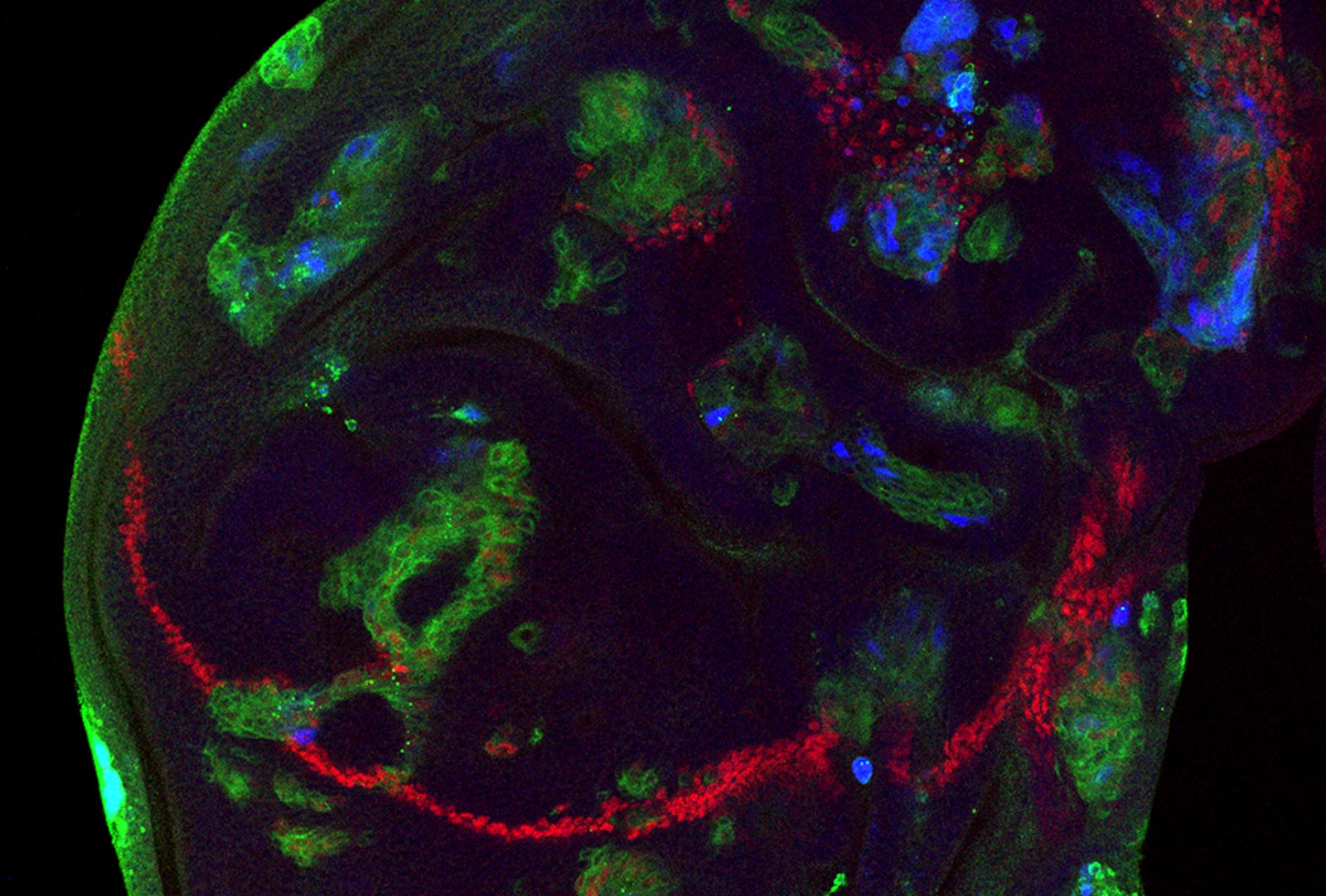
Jessica E. Treisman is a Professor in the Department of Cell Biology and Department of Ophthalmology at NYU Grossman School of Medicine. Her research focuses on developmental genetics and molecular neuroscience, particularly in the context of visual system development and synapse formation in Drosophila . Research Interests: Cell fate determination, tissue morphogenesis, neural circuit assembly, and corneal lens development Contact: Jessica.Treisman@nyulangone.org | 212-263-1031 Lab: Treisman Lab, Skirball Institute, New York, NY Her work explores how intrinsic transcription factors and extrinsic signaling pathways interact to regulate cell differentiation and tissue organization in the Drosophila visual system, with implications for understanding human corneal development and neural connectivity disorders. Recent publications highlight her contributions to understanding: Molecular mechanisms of corneal lens curvature formation Regulation of synaptic targeting specificity Role of Sidekick in epithelial junction dynamics Transcriptional synergy between Glass and EGFR signaling The Treisman Lab employs interdisciplinary approaches in Drosophila genetics to uncover fundamental principles of cell signaling and neural circuit development, with potential applications in human vision research and developmental disorders.
Michelle CD Bridi is an Assistant Professor in the Department of Neuroscience at West Virginia University School of Medicine , with a joint affiliation at the Rockefeller Neuroscience Institute . Her research integrates synaptic plasticity , sleep physiology , and neurological conditions to investigate dynamic synaptic regulation under typical and atypical states. Education: BS , McGill University, 2006 PhD , University of Pennsylvania, 2013 Research Focus: The Bridi Lab explores how daily oscillations in excitation/inhibition (E/I) balance are disrupted in Autism Spectrum Disorder (ASD) , aging , and post-stroke states . Current projects address: 1) synaptic adaptation to sleep/wake cycles, 2) E/I imbalance in neurodevelopmental disorders, and 3) molecular mechanisms maintaining neuronal firing rate homeostasis. Publication Trends: Recent work spans REM sleep plasticity , autism models , and neurodegenerative interventions , emphasizing synaptic oscillations , NMDA receptor pathways , and gene therapy applications. Collaborative efforts with Morgan Bridi's lab extend findings to stress and stroke contexts. Grants & Collaborations: Research is funded by NIH/NIGMS , BBRF , and NSF . The lab actively collaborates with cross-institutional teams and is recruiting postdocs and students for ongoing studies.
Kuo-Fen Lee, PhD is a Professor at the Salk Institute for Biological Studies, holding the prestigious Helen McLoraine Chair of Molecular Neurobiology. He leads the Clayton Foundation Laboratories for Peptide Biology, where his research focuses on nerve regeneration, spinal cord injury, and molecular mechanisms underlying neural development and neurodegenerative diseases. His work bridges basic neuroscience with potential therapeutic applications for conditions like ALS, paralysis, and Alzheimer's disease. Dr. Lee received his educational training from multiple prestigious institutions: a degree in Plant Pathology from National Taiwan University; an MS in Cancer Enzymology and Cell Differentiation from National Yang-Ming Medical College, Taiwan; a PhD in Endocrinology from Baylor College of Medicine, Houston; and completed his postdoctoral training at the Whitehead Institute for Biomedical Research. His primary research interests center on understanding why humans cannot regenerate damaged nerves while many other animals can. Dr. Lee has made significant discoveries regarding the p45 protein, which promotes nerve regrowth in mice but is absent in humans (who instead have p75, which inhibits nerve growth). His laboratory also studies neuregulin signaling, neuromuscular synapse formation, and the role of various proteins like nestin in neural development and maintenance. His work often employs mouse models to investigate spinal cord injury, pain pathways, and neurodegenerative conditions. Analysis of Dr. Lee's recent publications reveals a consistent focus on molecular neurobiology with particular emphasis on neural signaling pathways, synaptic maintenance, and nerve regeneration mechanisms. His research spans from basic molecular mechanisms to potential therapeutic applications, with increasing attention to pain pathways, Alzheimer's disease models, and the intersection of neuroscience with immunology and metabolism in recent years. As holder of the Helen McLoraine Chair of Molecular Neurobiology, Dr. Lee has received significant institutional recognition for his contributions to neuroscience. While specific awards aren't detailed in the provided text, his sustained funding and leadership position indicate substantial peer recognition in his field. Dr. Lee's research program involves extensive collaboration with other neuroscience laboratories, as evidenced by his numerous co-authored publications across various neuroscience subdisciplines. His work has been consistently funded, allowing for the maintenance of an active research laboratory focused on nerve regeneration and molecular neurobiology. The Clayton Foundation Laboratories for Peptide Biology serves as the primary research environment for Dr. Lee's team, where they investigate molecular mechanisms of nerve development, regeneration, and degeneration using advanced genetic, molecular, and cellular approaches. The laboratory maintains active research programs in multiple areas of neural signaling and development.
Andrew J. Todd is a Professor and Honorary Fellow in the School of Psychology & Neuroscience at the University of Glasgow. His research focuses on neurochemistry and synaptic connections in the mammalian spinal cord, particularly the organization of neuronal circuits underlying pain and itch perception. He employs techniques like immunocytochemistry, confocal microscopy, and electron microscopy. Collaborations include researchers from institutions such as UCL, Saga University, and the University of Pittsburgh. His work is funded by the Wellcome Trust and BBSRC. Roles: Professor, Honorary Fellow Affiliations: School of Psychology & Neuroscience, University of Glasgow Research Interests Dr. Todd investigates spinal dorsal horn circuits, including projection neurons, interneurons, and synaptic plasticity. Key topics include: Neurochemical characterization of spinal neurons Role of neuropeptides like substance P and gastrin-releasing peptide Mechanisms of neuropathic pain and spinal circuit adaptations Functional roles of specific neuron populations in laminae I-III Articles Overview Recent work includes studies on spinal projection neuron markers (e.g., Tacr1, Gpr83), synaptic circuits involving GRP-expressing neurons, and interneuron subtypes' roles in pain/itch. Notable findings include the absence of neuronal loss in neuropathic pain models and the identification of novel spinal circuits. Grants & Funding Funded by the Wellcome Trust and BBSRC . Collaborations span international institutions, emphasizing spinal neurobiology and sensory processing.
Joseph S. Friedman is an Associate Professor of Electrical & Computer Engineering at the University of Texas at Dallas, leading the NeuroSpinCompute Laboratory within the Erik Jonsson School of Engineering and Computer Science. His research focuses on unconventional computing paradigms leveraging nanotechnology, including neuromorphic systems, spintronics, and memristive devices. He specializes in nanomagnet-based logic architectures, neuromorphic computing with domain walls and skyrmions, and hardware security for emerging technologies. His research explores energy-efficient computing through novel paradigms such as reversible skyrmion logic, neuromorphic networks using magnetic tunnel junctions, and stochastic Bayesian inference circuits. He has pioneered spintronic neurons demonstrating 94% accuracy in handwritten digit recognition and developed secure logic locking mechanisms using nanomagnet logic. His work integrates experimental fabrication with SPICE modeling, emphasizing scalable beyond-CMOS systems. Recent advancements include toggle SOT-MRAM architectures, quantum circuit design for neutral atom systems, and neuromorphic networks leveraging superconducting flux quanta. He advises over 20 graduate and undergraduate students, fostering innovation in AI hardware and unconventional computing. Notable projects include the NeuroSpinCompute Lab's domain wall neuromorphic networks, secure logic locking schemes, and collaborations with institutions like Sandia National Labs on neuromorphic reservoir computing. Current research trends emphasize low-energy spintronic architectures, hybrid quantum-classical systems, and neuromorphic applications in edge computing. His research is supported by NSF grants CCF-1910800 and CCF-2146439, focusing on neuromorphic and spintronic systems. He regularly contributes to conferences like IEEE Rebooting Computing and SPIE Spintronics, showcasing breakthroughs in nanomagnetic logic and neuromorphic inference.
Professor Karl Peter Giese holds the position of Professor of Neurobiology of Mental Health and Co-Head of the Basic & Clinical Neuroscience Department at King's College London's Institute of Psychiatry, Psychology & Neuroscience (IoPPN). His research focuses on memory mechanisms in health and disease, particularly Alzheimer's pathology, synaptic dysfunction, and aging effects. He leads projects funded by Alzheimer's Research UK and other institutions, investigating molecular and cellular bases of memory storage. His work bridges experimental models (e.g., mice) with translational insights for clinical applications. He has over 140 publications, including high-impact studies on CYFIP proteins in dementia and CaMKII in synaptic plasticity. Collaborations include researchers at King's College London and international partners. His lab explores mechanisms linking amyloid-beta, tau, and synaptic proteins to cognitive decline, with recent work applying computational methods to model aging brains. Education: PhD from ETH Zurich (1992), MSc Chemistry from Ruhr-University Bochum (1989). Current grants include Alzheimer's Research UK Network Centres and studies on MNK inhibition for Alzheimer's therapies. Projects span protein synthesis dysregulation, thalamic amyloid pathology, and intellectual disability genetics. His research has been featured in Nature Neuroscience , Brain , and Neuron . He advises on translational neuroscience initiatives and mentors early-career researchers.
Thomas J. O’Dell is a Professor of Physiology and Associate Director of the Brain Research Institute at the University of California, Los Angeles (UCLA). His research focuses on synaptic plasticity mechanisms, particularly long-term potentiation (LTP) and depression (LTD), in the hippocampus. He investigates β-adrenergic signaling, NMDA receptor dynamics, and astrocyte calcium signaling in learning and memory processes. O’Dell’s work bridges molecular neurobiology with behavioral neuroscience, emphasizing how synaptic changes underlie cognitive functions. Research Interests: Neuronal plasticity mechanisms in hippocampal circuits Role of NMDA receptors in synaptic function and disease β-Adrenergic modulation of LTP Calcium signaling in astrocytes and its impact on synaptic transmission Grants & Funding: NIH R21MH115404 (Mechanisms of homeostatic plasticity) NIH R01NS060677 (Astrocyte calcium signaling in striatum) NIH R01MH060919 (NMDA receptor signaling in LTP) Labs/Teams: O’Dell leads a lab at the UCLA Brain Research Institute, collaborating on projects involving synaptic physiology, proteomics, and behavioral neuroscience.
Ju Lu serves as an Assistant Professor at Lehigh University with office location in Iacocca Hall (room 0111), contactable via phone (610.758-3687) and email (jul724@lehigh.edu). Her academic position reflects active engagement in neuroscience research and education within the university's life sciences framework. Education Background: Ph.D. in Neurobiology from Harvard University (2008) B.Eng. in Microelectronics from Tsinghua University (2002) Research Focus: Dr. Lu's work pioneers investigations into neural circuit dynamics and synaptic plasticity mechanisms using advanced optical imaging technologies. Her research spans: Cortical circuit reorganization during motor skill acquisition across species Stress-induced synaptic alterations mediated by microglia in prefrontal circuits Therapeutic applications of psychedelic compounds for neural circuit restoration Development of three-photon microscopy for deep-brain imaging Genetically-encoded neurotransmitter sensors for in vivo studies This multidisciplinary approach bridges molecular neuroscience, systems-level circuit analysis, and translational mental health applications. Publication Trends: Analysis of Dr. Lu's 15 most recent publications (2016-2023) reveals an evolving trajectory from foundational studies on dendritic spine plasticity toward translational neuroscience. Early work emphasized optical imaging methodology and basic plasticity mechanisms, while her 2021-2023 publications increasingly focus on stress-related circuit disruptions and psychedelic therapeutics. A consistent thread involves combining high-resolution in vivo imaging with behavioral models to establish causal links between neural circuit dynamics and cognitive functions. Honors and Awards: No scientific awards or fellowships were documented in the provided materials. Mentorship and Funding: While specific student mentees and grant funding details are not specified in the source text, her extensive collaborative publication record indicates active supervision of research personnel and successful acquisition of research support. Research Infrastructure: Her methodological expertise in advanced microscopy suggests utilization of specialized imaging facilities, though no dedicated laboratory or research team is explicitly identified in the available documentation.
Charles Rizzo is a Research Assistant Professor in the TENNLab neuromorphic computing group at the University of Tennessee, Knoxville, within the Department of Electrical Engineering and Computer Science. He earned his PhD in Computer Science (2024), MS (2021), and BS (2019) from the same institution. PhD in Computer Science, University of Tennessee, Knoxville (2024) MS in Computer Science, University of Tennessee, Knoxville (2021) BS in Computer Science, University of Tennessee, Knoxville (2019) His research focuses on neuromorphic computing, particularly for embedded applications involving event-based vision processing and machine learning with spiking neural networks. He has contributed to neuromorphic control systems, event camera data processing, and spiking network architectures. Recent publications emphasize neuromorphic hardware design (e.g., memristor-based synapses, RISP neuroprocessor), algorithm adaptation (DBSCAN clustering), and real-time applications in vision processing and control. Key subfields include event-based sensors, recurrent spiking networks, and low-power embedded systems. Charles is affiliated with the TENNLab neuromorphic computing group and supports course website development for EECS programs. His work bridges neuromorphic theory with practical implementations in embedded environments.
Magnus Richardson is a Professor at the University of Warwick, affiliated with the Mathematics for Real-World Systems Centre for Doctoral Training (CDT), where he previously served as Director (2016–2020) and currently acts as Deputy Director. His research focuses on theoretical neuroscience, mathematical modeling of neural systems, and neurodegenerative diseases. He has led significant grants, including the UKRI-funded £5M renewal for the CDT, extending its operations until 2028. Richardson has supervised numerous doctoral students, including Alice Wang, Ivana Del Popolo, and alumni such as Dr. Emily Hill and Dr. Robert Gowers. His work bridges computational neuroscience and experimental biology, investigating topics like synaptic plasticity, adenosine signaling, and the impact of protein aggregates (e.g., tau, α-synuclein) on neuronal function. Richardson’s teaching includes modules on mathematical biology and machine learning. His GitHub repositories reflect his computational contributions, including neural modeling frameworks for integrate-and-fire neurons. Key research themes include understanding how synaptic inputs and neuromodulators influence neuronal dynamics, and developing mathematical tools to analyze neural systems under pathological conditions. Richardson’s grants and collaborations highlight his role in advancing interdisciplinary research at the intersection of mathematics, neuroscience, and computational biology.
Prof. Thomas Kuner is a Professor and Director of the Department of Functional Neuroanatomy at the University of Heidelberg's Medical Faculty. He holds a medical degree (MD) from Heidelberg (1998) and completed postdoctoral work at Duke University and the Marine Biological Laboratory. Since 2000, he has led a research group at the Max Planck Institute for Medical Research, followed by habilitation in Physiology (2003) and appointment as Professor of Anatomy and Cell Biology (2006). Research Focus: His work focuses on neuroanatomy, synaptic transmission mechanisms, and pain research. Key projects include investigations into the structural and functional properties of synapses (e.g., calyx of Held), the role of presynaptic proteins like Mover, and the molecular basis of pain signaling via the SFB 1158 consortium. His lab uses advanced imaging techniques (e.g., STED microscopy) and genetic models to study neuronal circuits and synaptic plasticity. Funding & Collaborations: Kuner's research is supported by grants from the DFG (e.g., SFB 1158), the Baden-Württemberg Foundation, and other national/international bodies. His interdisciplinary approach bridges cellular neuroscience, molecular biology, and clinical applications in pain management. Teaching & Leadership: He oversees the Institute of Anatomy and Cell Biology, contributing to graduate programs in medical education and anatomy. His team includes postdocs and technicians, with collaborations extending to imaging technology development and medical education innovation.
Sonali Das is a Lecturer in the Department of Electrical and Computer Engineering at the University of Central Florida. She earned her Ph.D. in Electrical Engineering from the Indian Institute of Engineering Science and Technology, India, in 2017. Research Interests: Her work focuses on device electronics, RF and microwave MEMS, solar cells, phototransistors, optoelectronic synaptic and neuromorphic devices, and emerging micro-nano fabrication technologies. She investigates light-trapping mechanisms in solar cells, develops biomimetic photovoltaic structures, and explores 2D material-based memristors for neuromorphic computing. Professional Activities: Das has served as a technical reviewer for the UCF Seed Funding Program (2019), instructor for Camp Connect I and II lab tours (2017–2019), and mentor for Camp Connect III programs at UCF (2019). She is an IEEE member. Scientific Awards: GAP Award, UCF Research Foundation and UCF Office of Technology Transfer (2019) Fulbright Bhaskara Advanced Solar Energy (BASE) Fellowship (2015) Teaching: She teaches courses including Semiconductor Devices (EEE 3350), Electronics I and II (EEE 3307/4309), Linear Circuits II (EEL 3123), Electromagnetic Fields (EEL 3470), Signal Analysis & Analog Communication (EEL 3552), Linear Control Systems (EEL 3657), and Digital Systems (EEE 3342).