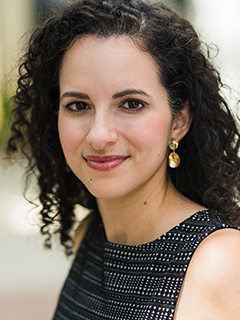
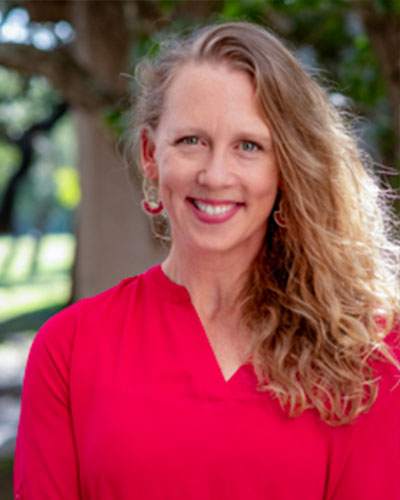
Marysol Quevedo is an Associate Professor at the University of Miami's Frost School of Music, specializing in musicology with a focus on Cuban and Puerto Rican musical cultures. Her research explores intersections between music, politics, and identity in post-revolutionary Cuba and the Caribbean diaspora. Research Themes: Cuban avant-garde music and revolutionary ideology Film music analysis (e.g., Leo Brouwer's scores) Cultural diplomacy through symphonic institutions Puerto Rican music historiography Public ethnomusicology and community engagement Publication Trends: Analyzes Cuban composers' negotiation of socialist values with global artistic movements, emphasizing music's role in ideological narratives through film scores, symphonic programming, and diasporic cultural preservation.
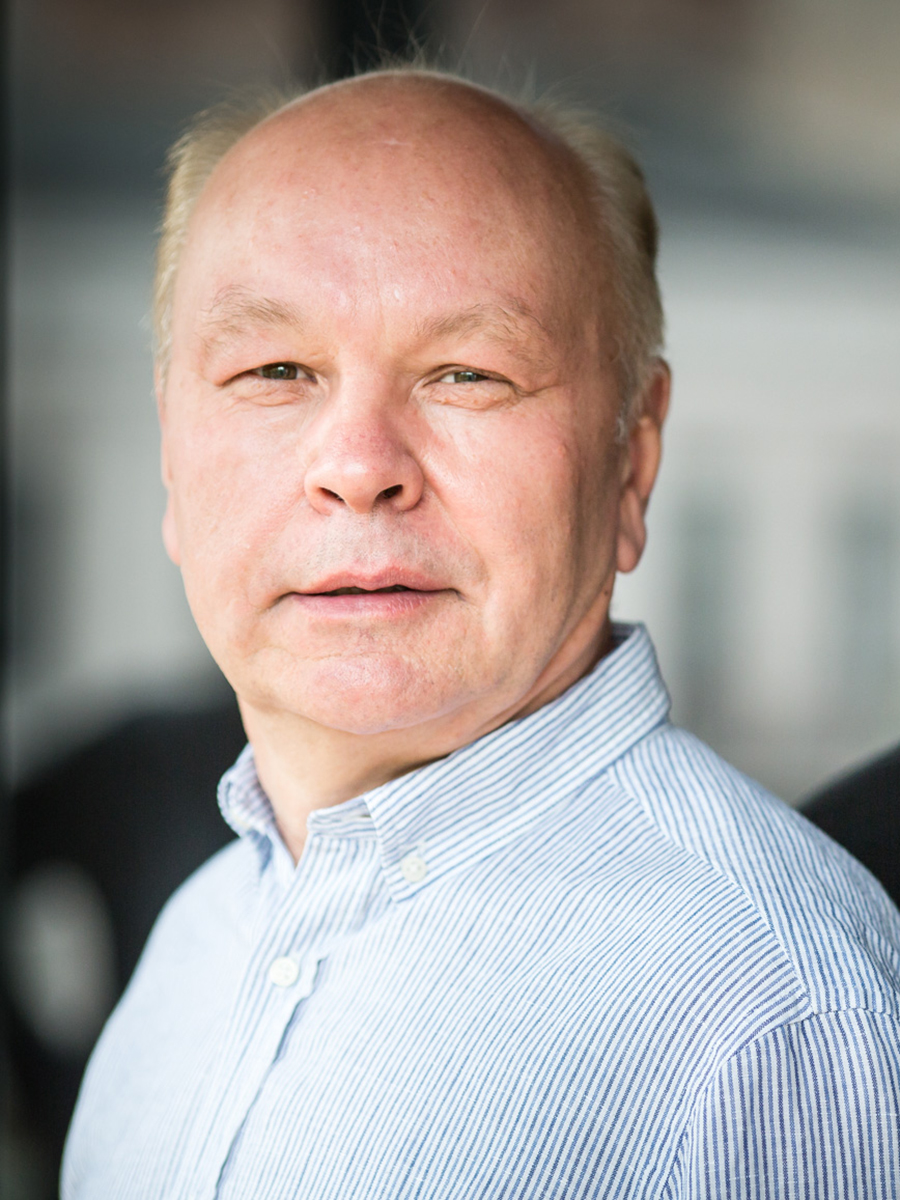
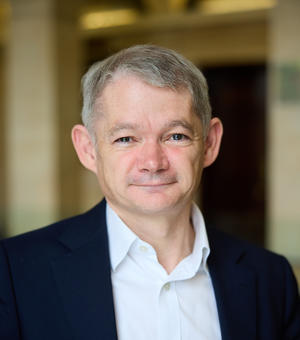
Margus Pärtlas is Professor of Music Theory and Vice Rector for Academic Affairs and Research at the Estonian Academy of Music and Theatre (EAMT). He earned his Doctorate from the St. Petersburg Conservatory in 1992 with a dissertation on Eduard Tubin's symphonies. His career includes positions as Associate Professor (1993-2003), Senior Teacher (1987-1993), and Fulbright Visiting Scholar at the University of North Texas (1999-2000). Pärtlas's research focuses on music analysis methodologies , specializing in the works of Eduard Tubin and Richard Strauss. Key areas include symphonic form, tonal transformation in Romantic music, semiotic analysis of choral works, and cultural identity in exile compositions. His publications consistently explore structural innovation in 19th-20th century European music. His recent articles reflect a thematic emphasis on Estonian musical heritage , institutional development of music academies, and analytical studies of concerti/symphonies. A significant trend involves examining how composers negotiate cultural identity through structural elements. Awards & Honors: Fulbright Visiting Scholar Grant (1999) Best Music Article Award from 'Teater. Muusika. Kino' (1992) Academic Leadership: Chaired accreditation committees internationally (Latvia, Lithuania, Russia, Armenia), serves on editorial boards of Res Musica and Eduard Tubin's Complete Works, and organized major conferences including 'Eduard Tubin 100'. Doctoral Supervision: Guided 4 PhD students in music analysis and interpretation, focusing on topics like Tubin's piano sonatas, Estonian song traditions, and analytical approaches to contemporary performance.
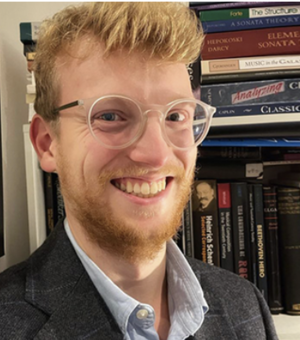
Oliver Chandler is a Senior Lecturer in Music at the University of Oxford and holds multiple lecturing roles at Hertford College, Keble College, St Hugh's College, and Queen's College. He also serves as an academic professor at the Royal College of Music. His research focuses on music analysis, particularly in British music, chromaticism, and tonal theory, with notable works on Edward Elgar, Reginald Smith Brindle, and guitar repertoire. Chandler has been awarded the 2024 Adele Katz Early Career Researcher Award for his contributions to music theory. His research interests span music theory, including (neo-)Riemannian theory, Schenkerian analysis, and guitar studies. He co-authored Return to Riemann: Tonal Function and Chromatic Music (2024) and edited Born by the Thames: Stephen Dodgson, a Centenary Celebration (2024). His work often bridges historical and analytical approaches, exploring topics like Elgar’s chamber music and the interplay of tonality and serialism. Awards: Adele Katz Early Career Researcher Award (2024) Editorial Roles: Member of Soundboard Scholar editorial board and Cambridge Cohort for Guitar Research Grants & Collaboration: Collaborations on projects including analyses of Elgar’s works and studies on British modernist composers. Chandler’s publications span journals such as Music & Letters and Music Analysis , with a focus on analytical methodologies and British musical heritage. His research underscores the enduring relevance of tonal frameworks in understanding 20th-century music.
Professor Sławomir Kaczorowski, Ph.D., has been a faculty member at the Grażyna and Kiejstut Bacewicz Academy of Music in Łódź since 1981, where he teaches composition and served as Head of the Department of Composition from 2011 to 2021. He previously held significant leadership roles including Vice-Rector for Artistic and Teaching Affairs (1999-2005) and Vice-Dean of the Faculty of Composition, Music Theory, Music Education and Rhythmics (1996-1999). His educational background includes diplomas in music theory (1981) and composition under Professor Bronisław Kazimierz Przybylski (1981) from the State Higher School of Music in Łódź. Awarded the title of professor by the President of Poland in 2002, he remains an active academic leader currently serving as chairman of the Art Section of the Polish Accreditation Commission. Kaczorowski specializes in contemporary composition with emphasis on instrumental works, chamber music, and choral compositions. His research interests manifest in diverse output featuring piano, accordion, and mixed ensembles, with notable focus on tango-inspired forms and liturgical reinterpretations. He pioneered the MUSICA MODERNA sessions promoting new music through biannual concerts and lectures. Analysis of his 15 most recent compositions reveals consistent exploration of Polish contemporary classical traditions with strong emphasis on instrumental timbre, cross-genre fusion (particularly tango elements), and innovative approaches to sacred music forms. His works demonstrate technical mastery across diverse ensembles from solo piano to full orchestral settings. Silver Medal for Merit to Culture – Gloria Artis (2021) Numerous national composition competition awards Jury membership at international competitions including the T. Baird Young Composers' Competition (Warsaw 2018) and National Association of Composers USA competitions (2017-2018) Professor Kaczorowski has mentored award-winning composers including Grzegorz Duchnowski and Tomasz Szczepanik. His institutional leadership includes directing the Grażyna Bacewicz International Composition Competition (2012, 2015, 2019) and serving as president of the Łódź Branch of the Polish Composers' Union until 2022. He maintains active artistic engagement through premieres across Europe, China, and the United States. His creative work is organized through departmental initiatives including the Department of Composition's performance series and collaboration with the Artur Rubinstein Łódź Philharmonic. Current activities focus on expanding Polish contemporary music's international presence through competitions and cross-border artistic exchanges.
Paul Richards is a Research Foundation Professor of Music and head of the composition and theory area at the University of Florida since 1999. He previously served as Visiting Professor at Florida State University (2016) and taught at Baylor University and the University of Texas at Austin. His academic roles include teaching courses in composition, music theory, and orchestration, along with supervising graduate students. He earned a DMA in Composition from the University of Texas at Austin and degrees from the University of Arizona. Education: Doctor of Musical Arts (DMA), Composition, University of Texas at Austin, 1998 Master of Music (MM), Theory and Composition, University of Arizona, 1993 Bachelor of Music (BM), Theory and Composition, University of Arizona, 1991 Research Interests: Richards’ work spans orchestral, vocal, chamber, and theatrical compositions, including operas and wind ensemble pieces. His style blends eclectic influences—from Jewish sacred music to modernist techniques—resulting in works praised for their "strong melodic gift" and innovative orchestration. Commissions have come from prestigious organizations like the Florida Orchestra, Boston Brass, and White Snake Projects. Awards and Recognition: Recipient of numerous international composition prizes, including the St. Mary’s College/Kaplan Foundation Commission Competition and Second Prize in the International Horn Society Composition Competition University of Florida Research Foundation Professorship (2017–2020, 2010–2013) Finalist in the National Opera Association’s Dominic Argento Chamber Opera Competition (2023) Advising and Grants: Richards has advised over 40 graduate students and chaired multiple PhD committees. His grants include support from the University of Florida and the Research Foundation. He has also served as a mentor in composer-in-residence programs, including the Jacksonville Symphony Orchestra’s Fresh Ink Competition. Labs and Collaborations: He co-founded the Florida Contemporary Music Festival (2013–2018), fostering collaboration between composers and performers. His work integrates interdisciplinary projects, such as music for dance and film, and he actively collaborates with choreographers and theater artists.
Christopher Castro serves as an Assistant Professor of Composition at Chapman University's College of Performing Arts. A composer and double bassist from Brooklyn, New York, he combines academic rigor with avant-garde experimentation. Ph.D. in Composition and Theory from University of California, Davis Bachelor of Music from Juilliard School (Double Bass & Composition) His research bridges Western Art Music traditions with contemporary innovations , creating works that merge: Johannes Ockeghem's polyphonic complexity John Coltrane's spiritual intensity Modernist structural experimentation Historical reconstruction techniques Jazz-classical hybrid forms Interdisciplinary performance formats Recent compositions demonstrate trends in flexible instrumentation , text-music relationships , and genre synthesis . His output spans chamber works, orchestral pieces, and vocal compositions with equal mastery. Scientific recognition includes: 2023 Fromm Music Foundation Commission (Harvard University) Chamber Music America's 2021 Classical Commissioning Award As a new music advocate , Castro collaborates with ensembles like: Left Coast Chamber Ensemble (artistic advisory board) New Mexico Contemporary Ensemble Los Angeles Philharmonic's Upbeat Live series Lyris Quartet and Sharon Harms
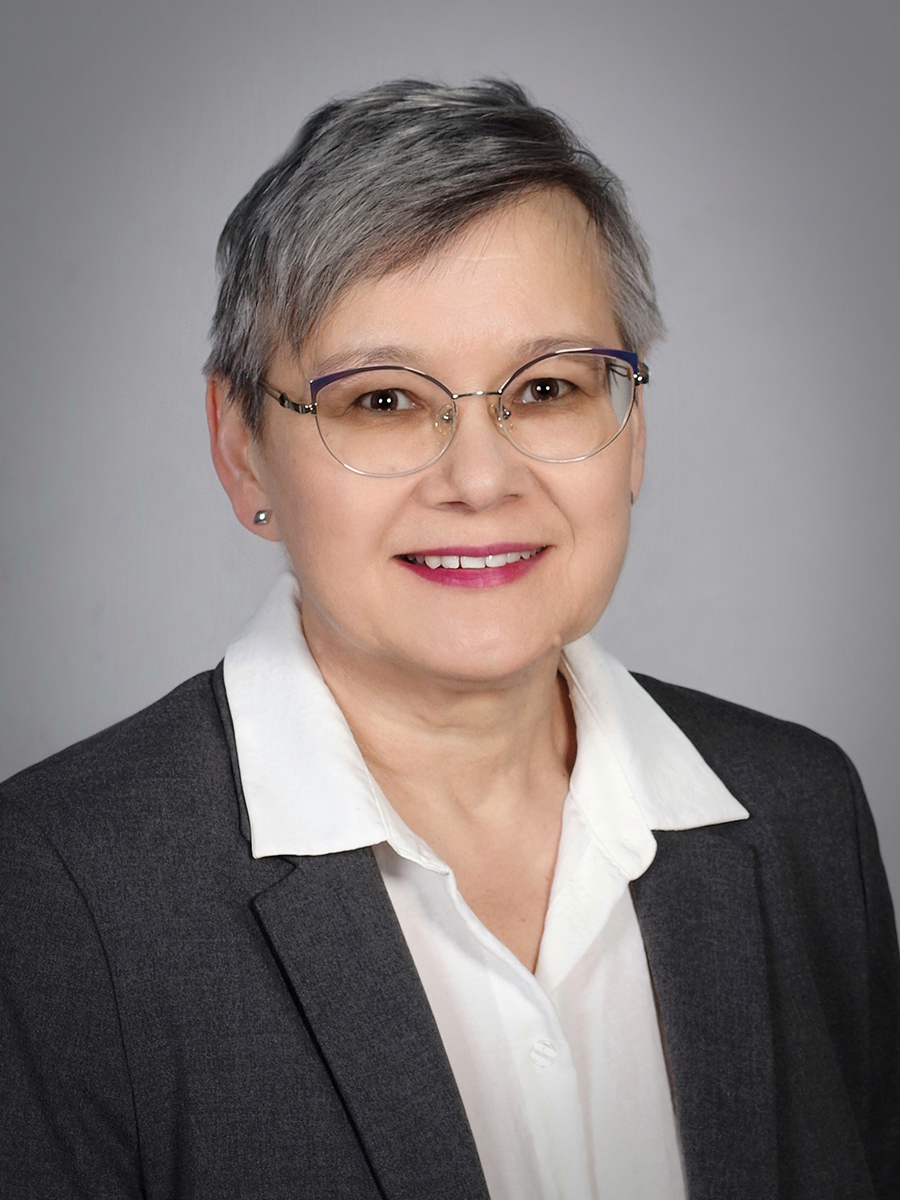
Jennifer Beavers, Ph.D. , is an Associate Professor of Music Theory at the University of Texas at San Antonio (UTSA) in the College of Liberal and Fine Arts. Her research intersects early twentieth-century music analysis, timbre/orchestration studies, and music theory pedagogy, with a focus on Maurice Ravel’s compositions and curriculum innovation. Awarded Faculty Mentor Award for Undergraduate Research (2019) Co-founder of UTSA Music Theory Club initiatives Active presenter at Society for Music Theory , American Musicological Society , and College Music Society conferences Research Themes : Analytical approaches to Ravel’s neurological decline, timbre as structural marker, flipped pedagogy, and interdisciplinary collaborations. Her publications span journals like Music Theory Online and Indiana Theory Review , emphasizing timbral transformations and pedagogical innovation. Scientific Awards : Faculty Mentor Award for Undergraduate Research (2019) Teaching Contributions : Courses include Aural Skills , Basic Skills , 20th-Century Analysis , and graduate Research Methods . Her pedagogical research addresses improvisation, pitch-matching, and AP curriculum alignment.
Professor Daniel Grimley (FBA) is the Head of the Humanities Division at the University of Oxford and a faculty member in the Faculty of Music . His academic leadership includes oversight of research, teaching, and equality initiatives across Oxford’s humanities disciplines. University: University of Oxford Role: Head of Humanities Division Academic Rank: Professor Grimley’s research focuses on Nordic music traditions , nationalism , and ecocriticism , exploring intersections of music, landscape, and cultural identity. His work often examines composers like Sibelius, Delius, and Vaughan Williams through ecological and philosophical lenses. Recent publications highlight themes of musical modernism , biographical analysis , and national identity . His 2025 article on Delius, Mahler, and Nietzsche bridges musicology with ecocritical theory, while his 2023 studies investigate Sibelius’s use of silence and Nielsen’s dreamlike compositions. Scientific Awards: Fellow of the British Academy (FBA) Grimley’s advocacy for music departments and his editorial contributions to volumes on Sibelius and Grieg underscore his commitment to preserving and analyzing musical heritage. He has no listed students but influences academic governance through his divisional leadership.
Ewa Kowalska-Zając is a Professor of Musical Arts at the Academy of Music in Łódź, where she has been employed since 1989. She served as Dean of the Faculty of Composition, Music Theory, Conducting, Rhythmics, and Music Education from 2008 to 2016 and has been Head of the Department of Music Theory since 2018. A graduate of the Academy of Music in Łódź, her work focuses on avant-garde composition, string quartets, and the intersection of music and visual art. Education: Diploma in Music Theory and Composition from the Academy of Music in Łódź. Her research explores the evolution of Polish composers' approaches to genres like the string quartet, sacred music, and sonorism, with a particular emphasis on avant-garde experimentation and intermedia tendencies. She has authored several books, including Seeing Music. Notation of the Polish Contemporary Score (2019), and over 50 biographical entries in collective monographs. Her publications analyze themes such as musical archetypes, postmodern reinterpretations of traditional forms, and the impact of intermedia practices in 20th-century scores. Notable works include studies on Olivier Messiaen, Paweł Klecki, and Bogusław Schaeffer. Scientific Awards Silver Cross of Merit (2002) Gold Cross of Merit (2022) Kowalska-Zając is a member of the Polish Composers' Union and the Polish Music Society, contributing extensively to musicological discourse through her academic leadership and editorial work.
Dr. Brandon A. Boyd serves as Associate Professor and Director of Choral Activities at the University of Missouri's College of Music, holding the Marie M. and Harry L. Smith Endowed Chair. He directs the MU University Singers, Sankofa Chorale, and Choral Union Symphonic Chorus while teaching graduate courses in choral conducting, literature, and arranging. His research focuses on community-building through choral singing, with specific interests in organizing choirs for homeless populations, studying the social and physical effects of choral singing on senior citizens, and creating authentic field experiences for music therapy and choral education students. His work extends internationally through partnerships with Bolivian universities and domestic community initiatives including prison choirs and senior citizen ensembles. As a composer and arranger, Dr. Boyd's works appear in publications by Hinshaw Music, Gentry Publications, GIA, and Kjos Music Press. He curates the 'Brandon A. Boyd Choral Series' with Hinshaw Music and serves as Executive Choral Editor for Gentry Publications. His compositions primarily focus on African-American spirituals and traditional arrangements, often incorporating gospel elements and contemporary rhythmic signatures. Notable performances include collaborations with the London Symphony Orchestra, NDR Elbphilharmonie Orchestra, Nashville Symphony, Missouri Symphony, and St. Louis Symphony, with multiple appearances at Carnegie Hall as conductor, composer, and collaborative pianist. Marie M. and Harry L. Smith Endowed Chair National ACDA Composition Initiative committee member Executive Choral Editor of Gentry Publications Dr. Boyd maintains active community engagement through initiatives like the Santa Fe Desert Chorale's 'Giving Voice to the Voiceless' program, where he served as Composer-in-Residence and created the Interfaith Community Shelter Street Choir for homeless populations. His international work includes conducting workshops at Universidad Católica Boliviana and Universidad Evangelica in Bolivia through Partners of the Americas. He directs significant choral community partnerships including the Tallahassee Senior Choir, RAA Middle School Partnership Choir, and MTC Women's Prison Glee Club, demonstrating his commitment to music's social impact beyond traditional academic settings.
David Brodbeck is a Professor in the Department of Music at the University of California, Irvine. His research and teaching focus on Central European music and musical culture during the long nineteenth century, as well as rock music. He has published extensively on composers such as Schubert, Mendelssohn, and Brahms, exploring connections between biography and musical analysis, and has extended his scholarship to intertextuality in rock recordings by the Beatles and the Beach Boys. Ph.D., University of Pennsylvania (1984) Previous faculty: University of Pittsburgh, University of Southern California His research spans from technical analysis of Brahms's symphonic and chamber works to broader social questions, including antisemitism in Wagnerian circles, cosmopolitan patriotism in Austro-Hungarian music, and the role of Heimat in Goldmark's compositions. His forthcoming monograph Brahms Patriotic and Political (2025) continues this political and cultural exploration. His publications have garnered significant recognition, including the Virgil Thomson Award for Outstanding Book in Music Criticism and the American Musicological Society's Award for Excellence in Jewish Studies and Music. He has also received fellowships from the National Endowment for the Humanities, the Alexander von Humboldt Foundation, and grants from the American Council of Learned Societies and the American Philosophical Society. Brodbeck's work bridges historical, analytical, and cultural methodologies, with a focus on music's intersection with politics and identity. He has served as President of the American Brahms Society, underscoring his leadership in Brahms scholarship.
Daniel Kidane is a British composer and Visiting Tutor in Composition at the Royal Northern College of Music and University of Cambridge. His works blend multicultural influences with contemporary classical techniques, exploring themes of identity, conflict, and social justice. Key roles include commissions from major orchestras like the BBC Symphony and London Symphony Orchestra, alongside awards such as the Paul Hamlyn Award (2016) and an honorary doctorate from Coventry University (2022). Education: Began violin at age 8, composition studies at Royal College of Music Junior Department Private study in St. Petersburg with Sergey Slonimsky BMus and postgraduate studies at Royal Northern College of Music under Gary Carpenter and David Horne Research Interests: Kidane’s music merges traditional orchestration with modernist innovation. Key themes include multiculturalism (evident in works like Aloud reflecting his Russian-Ukrainian heritage), pandemic reflections ( Be Still ), and socio-political commentary ( Dream Song setting MLK’s texts). His compositional style draws from Russian chant, Messiaen, and Janáček, creating vivid soundscapes that balance tension and resolution. Awards: Royal Philharmonic Society Prize (2013) Paul Hamlyn Award for Artists (2016) Jerwood Composer+ (2018) Coventry University Honorary Doctorate (2022) Current Projects: 2024 violin concerto Aloud with Julia Fischer and London Philharmonic Orchestra. Upcoming works include a cello piece Sarabande and continued exploration of pandemic-era compositions. Labs/Teams: Collaborates with ensembles like Chineke! Orchestra (pioneering BAME representation) and mentors through Music Masters charity.
Donnacha M. Dennehy is a Professor of Music at Princeton University and Director of the Princeton Sound Kitchen. Previously a tenured lecturer at Trinity College Dublin, he was appointed a Global Scholar at Princeton University in Autumn 2012 and joined the music faculty in 2014. Dennehy founded Crash Ensemble, Ireland's renowned new music group, in 1997 after returning to Ireland from studies in the USA, France, and Holland. Dennehy's research interests focus on contemporary composition with particular emphasis on opera, experimental music theatre, overtone series exploration, and ensemble music. His work bridges traditional composition with innovative approaches to sound and performance, often incorporating elements of Irish musical tradition within contemporary frameworks. He has developed a distinctive compositional voice that has earned him international recognition. His compositions have been performed at major festivals and venues worldwide including the Edinburgh International Festival, Royal Opera House London, Carnegie Hall New York, The Barbican London, and many others. Dennehy's work shows consistent exploration of narrative structures within contemporary classical music, with a particular interest in collaborations across artistic disciplines including theatre, visual arts, and literature. Scientific Awards: Elected to Aosdána (Ireland's Academy of Creative Artists), 2005 Fulbright Scholarship Irish Times Theatre Award for best opera (for The Last Hotel), 2015 International Rostrum of Composers 'recommended' for Crane, 2010 Dennehy has received numerous commissions from prestigious organizations including Carnegie Hall, Wigmore Hall, Metropolitan Museum of Art, BBC, and RTE National Symphony Orchestra. His collaborations extend to renowned artists including Dawn Upshaw, Kronos Quartet, and writers Colm Tóibín and Enda Walsh. As Director of Princeton Sound Kitchen, he leads an ensemble dedicated to innovative contemporary music performance and creation. Dennehy's work with Crash Ensemble has been particularly influential in the new music scene, with their 2011 Nonesuch release of his music, Grá agus Bás, named by NPR as one of its '50 favorite albums' of 2011. His teaching at Princeton includes courses in composition, instrumentation, and music theory through performance.
Julian Horton is Professor of Music Theory and Analysis at Durham University. His research focuses on analytical approaches to 19th-century instrumental music, with specializations in Bruckner, Brahms, sonata form theory, and tonal systems. Professor Horton's scholarly output examines structural and historical dimensions of Romantic repertoire, particularly investigating formal innovation in symphonic and concerto genres. His recent work develops new theoretical frameworks for understanding post-classical instrumental forms. His publications demonstrate consistent engagement with evolving analytical methodologies applied to canonical repertoire, with recent focus on violin concerti and theoretical examinations of musicological practice. Westrup Prize, Music and Letters Trust (2011) Corresponding Member, Society for Musicology in Ireland (2019) President, Society for Music Analysis (2014-2019) Professor Horton supervises doctoral research across analytical methodologies and historical repertoires, maintaining an active cohort of postgraduate students investigating diverse aspects of music theory and history.
Donald Crockett is a Professor and Chair of the Composition Department at the University of Southern California (USC) Thornton School of Music, and Senior Composer-in-Residence with the Bennington Chamber Music Conference. He has held significant roles in contemporary music composition and conducting, including Assistant Dean for Faculty Affairs at USC. His research and creative work spans orchestral and chamber music, opera, and instrumental compositions. Notable projects include conducting and composing for ensembles like SAKURA, HOCKET, and Xtet, with a focus on ecological themes and interdisciplinary collaboration. Major compositions include Carving an Alphabet (2020) for cello quintet, And the River (2018) for piano duo and chamber orchestra, and Night Scenes (2017) for piano trio, alongside a diverse portfolio of chamber operas and concertos. Arts and Letters Award in Music (2013), American Academy of Arts and Letters Guggenheim Fellowship (2006) Grants: Barlow Endowment, Bogliasco Foundation, Copland Fund, National Endowment for the Arts Active as a conductor, Crockett has premiered over a hundred orchestral works by student composers and collaborated with renowned ensembles like the Los Angeles Chamber Orchestra and Hilliard Ensemble. His music is published by Keiser Classical and recorded on labels including Albany, ECM, and New World Records.