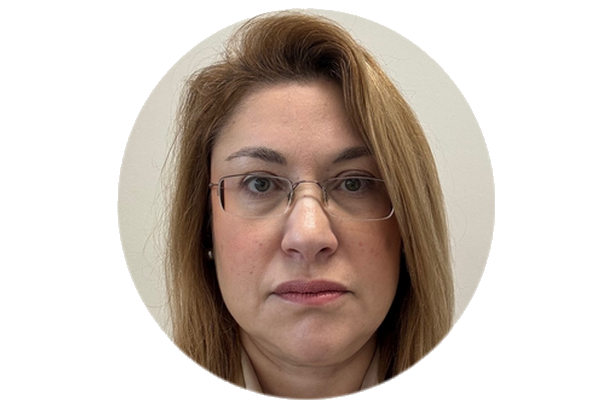
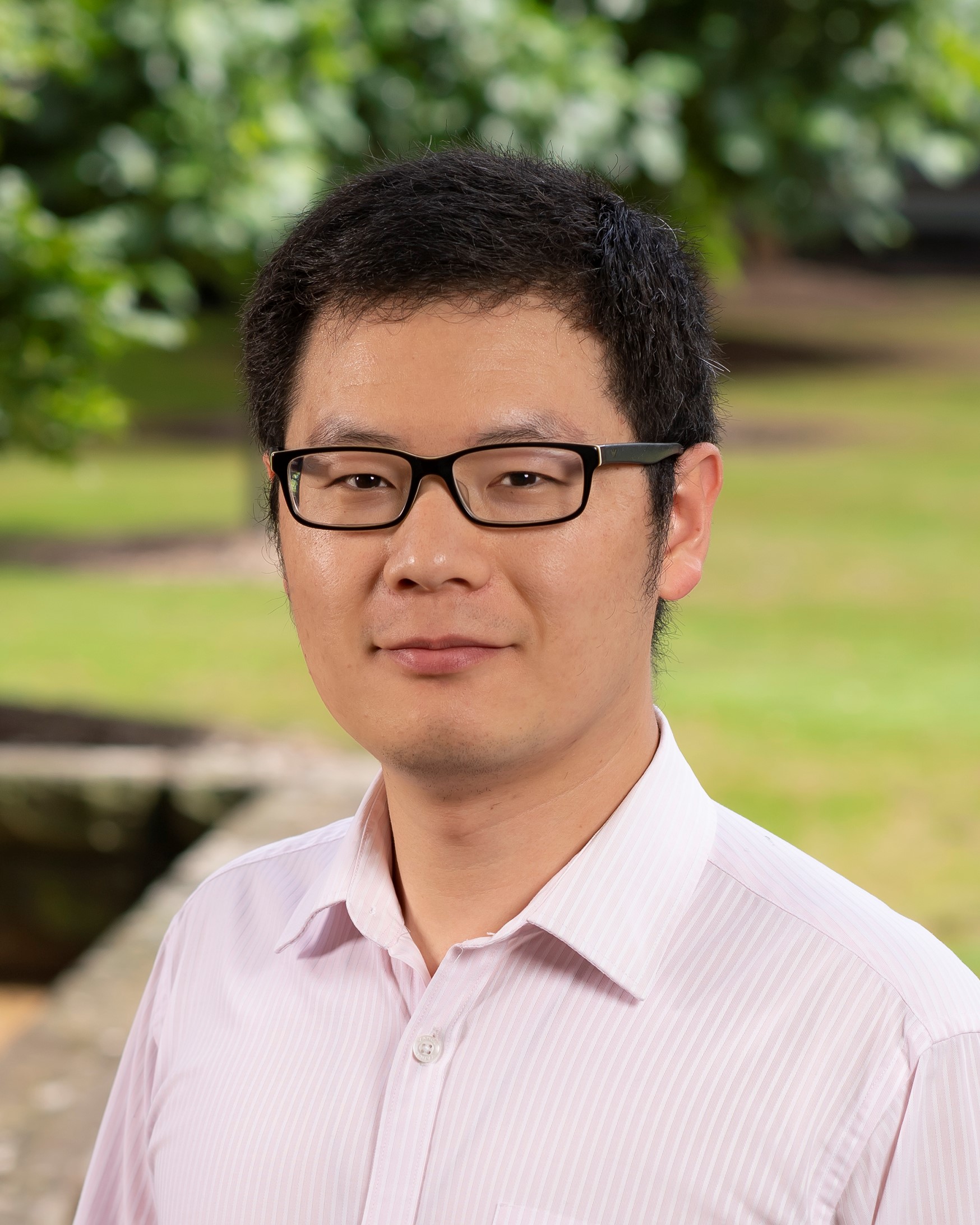
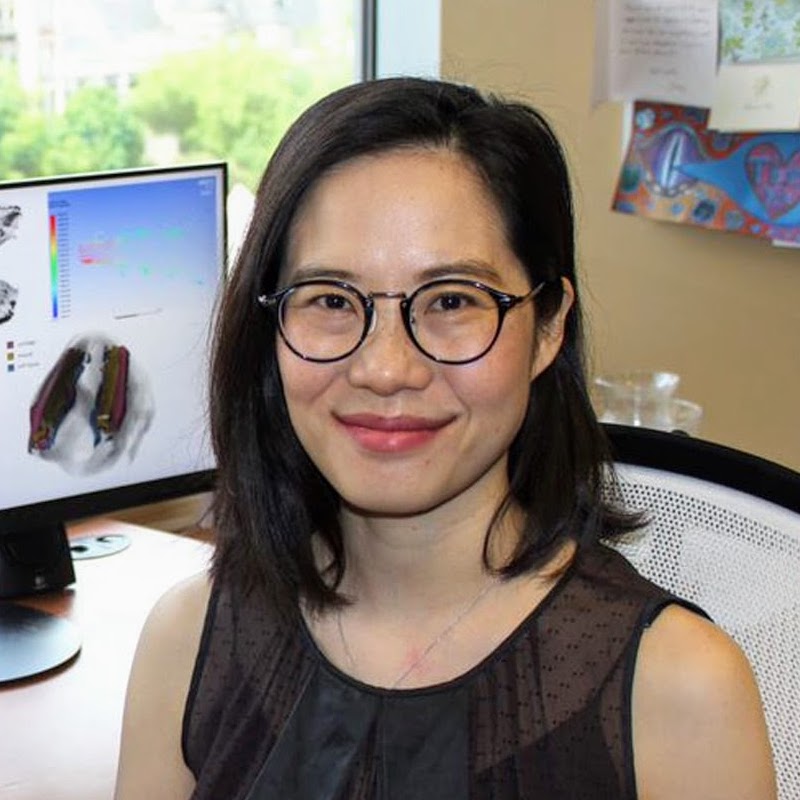
Irene Koronaki is a Professor at the National Technical University of Athens , affiliated with the School of Mechanical Engineering and the Thermal Engineering Section . She serves as Director of the Laboratory of Applied Thermodynamics, Cooling Technology & Refrigerated Vehicles since 2022 and has held academic roles at NTUA since 1999. Her research focuses include thermodynamics, heat pumps, energy efficiency, and renewable energy systems. Diploma in Mechanical Engineering, NTUA (1996) PhD in Thermal Engineering, NTUA (2000) Postdoctoral Researcher, NTUA (2002) Her research spans thermodynamics of cooling cycles, heat pumps, power cycles, energy saving in buildings, and thermal energy storage. She has pioneered work in nanofluids, solar cooling, and CO2 absorption systems. Her publications and projects reflect expertise in Stirling engines, hybrid solar collectors, and building energy optimization. Her recent articles highlight advancements in superfluid thermodynamics, solar PV/T systems, and medical robotics. Awards include the Edward F. Obert Award (2022) and leadership of the 2021 ASHRAE Student Design Competition winning team. She serves on ASME and ASHRAE committees and co-authored educational materials for refrigeration and energy inspection standards.
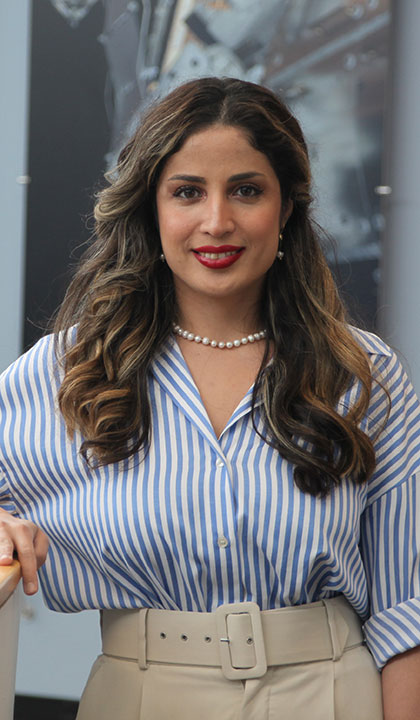
Madi Babaiasl is a Clare Booth Luce Assistant Professor in the Department of Aerospace and Mechanical Engineering at Saint Louis University's School of Science and Engineering. Her research focuses on developing innovative robotic solutions for assistance, rehabilitation, agriculture, and education applications. Education: Ph.D. in Mechanical Engineering (Robotics) from Washington State University M.S. in Mechatronics Engineering from Tabriz University, Iran B.S. in Electrical Engineering from Tabriz University, Iran Dr. Babaiasl's research spans multiple domains at the intersection of robotics, machine learning, control theory, and artificial intelligence. Her primary focus centers on developing safe and efficient human-robot interaction systems, particularly for assistive and rehabilitation applications. She investigates human intention detection, agricultural automation, and novel approaches to robotics education, integrating knowledge from psychology, physical therapy, agriculture, and education to create comprehensive robotic solutions. Her work addresses real-world problems such as developing devices to suppress hand tremors for Parkinson's patients and creating steerable needles for surgical applications. Analysis of her recent publications (2022-2025) reveals a clear evolution from medical robotics (particularly steerable needles) toward more diverse applications including assistive and agricultural robotics. The newer publications increasingly incorporate advanced AI techniques like transformer models, large language models, and multimodal signal processing for human-robot interaction, with strong emphasis on practical implementation using ROS2, edge computing, and real-time control systems for applications where cloud connectivity may be limited. Scientific Recognition: Featured in RSIP Vision Magazine as a Woman in Science (January 2022) Featured in SWE's 'A Day in The Life of Robotics Engineer' blog (April 2022) Multiple features in university publications for steerable needle research (2018-2019) Wanda Munn Scholarship for outstanding academic achievement (2019) Top 0.2% in national university entrance exams in Iran (2006) Recent lab achievements including Midwest Robotics Workshop 2025 Travel Grant (2025) Dr. Babaiasl actively mentors students through her Mecharithm Lab at SLU, seeking those with robotics foundations, programming skills (particularly Python), and familiarity with ROS. She has successfully blended academic and entrepreneurial pursuits by founding Mecharithm in 2021, which generated $73,000 in its first year. Her mentorship philosophy emphasizes project-based learning, self-directed growth, and developing as an independent researcher. Leading the Mecharithm Lab, Dr. Babaiasl oversees research projects including WheelArm (enhancing independence in assistive robotic systems), multi-modal human intent recognition, and deploying large language models for intuitive human-robot interaction. Her lab comprises graduate and undergraduate students primarily from Mechanical Engineering and Computer Science backgrounds, working on meaningful projects that aim to leave a lasting legacy for society through robotics innovation.
Aurora Hoel is a Professor of Media Studies and Visual Culture at the Department of Art and Media Studies at the Norwegian University of Science and Technology (NTNU), where she also serves as Deputy Head of the strategic focus area "Ocean and Coast." She leads the NFR project "Visualizing the Deep Sea in the Age of Climate Change" (2023-2027) and the research group "AI Media." Previously, she served as Vice-Dean for Art and Innovation at the Faculty of Humanities at NTNU (2021-2024). Hoel has held various prestigious academic positions, including Novo Nordisk Foundation Visiting Professor in Art & Art History at Aarhus University, Professor of Media Aesthetics at the University of Oslo (2019-2020), and Marie Skłodowska-Curie Actions (MSCA) Fellow at Humboldt University in Berlin (2015-2017). She has also been a visiting professor at Harvard University, UC Berkeley, Stony Brook University, the University of Copenhagen, École des hautes études en sciences sociales, and École polytechnique. Her research focuses on images and imaging technologies, including photography, scientific instruments, medical visualization, and underwater robots and sensors, with particular attention to their epistemological implications. Hoel's work explores the active dimension of images and image technologies (their "agency") and aims to develop operational aesthetics and theories of knowledge. Her research spans disciplines such as image theory, visual culture, media philosophy, and science and technology studies. Hoel's recent publications reveal a strong focus on operative images, technological mediation, and the philosophical dimensions of visualization. Her work increasingly examines how AI-generated imagery and deep learning systems transform our understanding of visual representation and knowledge production. She has developed frameworks for analyzing the "operational" status of images that go beyond traditional representational models. She has led several major research projects, including the MSCA project "Styles of Objectivity: Agency, Alignment and Automation in Image-Guided Surgery" (2015-2017), "Face of Terror: Understanding Terrorism from the Perspective of Critical Media Aesthetics" (2016-2021), and "Picturing the Brain: Perspectives on Neuroimaging" (2010-2014). She has also participated in projects like "Digitization and Diversity" and "Photography in Culture." Her artistic collaborations include exhibitions such as "Operating Fields: Medical Imaging Across Art and Science" (2014), "A-me: Augmented Memories" (2013), and her 2007 exhibition "Maktens bilder" at the Norwegian Museum of Justice, demonstrating the interdisciplinary nature of her scholarly practice.
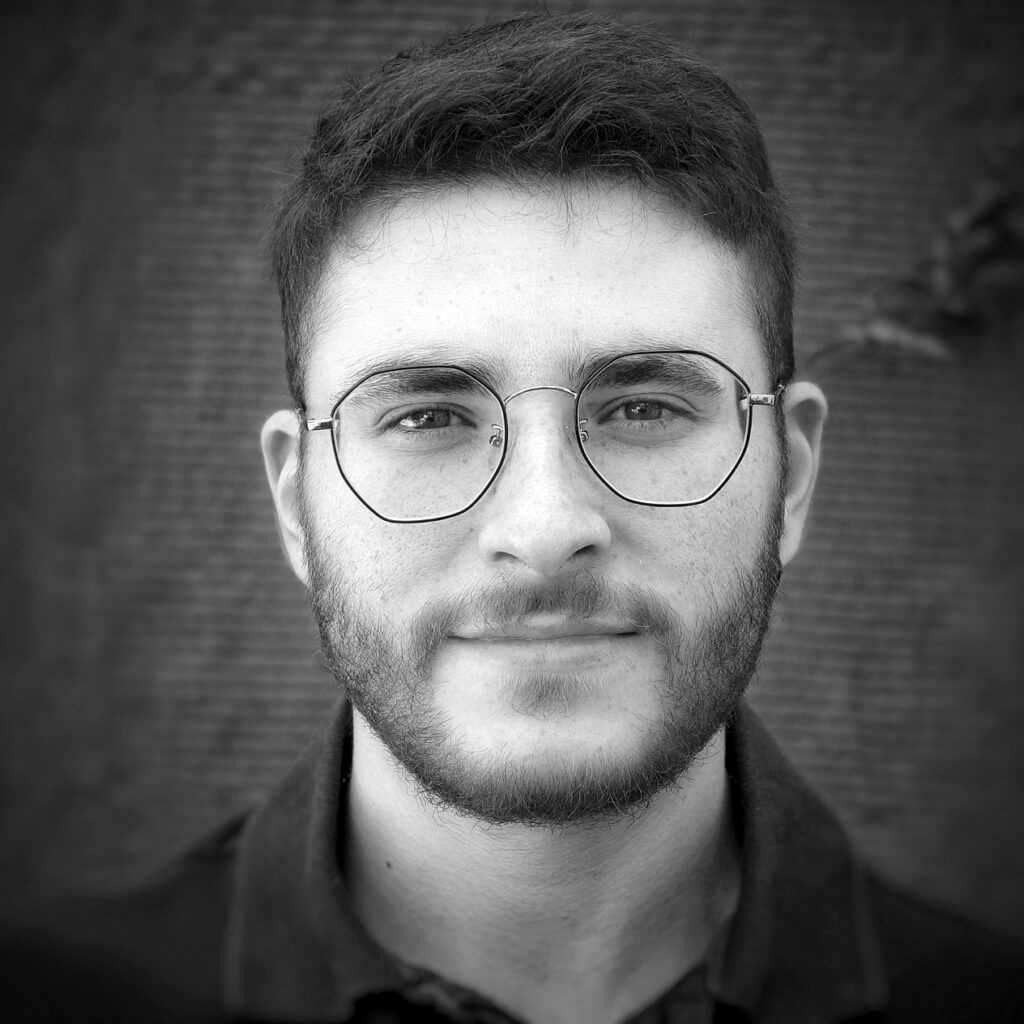
Jaime Barranco is a Researcher at the Computational Neuroanatomy & Fetal Imaging Section of the Center for Biomedical Imaging (CIBM SP CHUV-UNIL), supervised by Prof. Meritxel Bach Cuadra. His work integrates biomedical image processing, deep learning, and web/software engineering. Education: MSc in Telecommunication Engineering (2020) from Universidad Politécnica de Madrid, specializing in machine learning and multimedia data science. His research includes the A-eye project, funded by the Gelbert Foundation, which develops AI systems for MRI assessment of the eye to advance disease degeneration studies and personalized surgical planning. Collaborators include experts from Rostock University Medical Center and the ARTORG Center. Scientific Awards: Certified Widevine Implementation Partner (CWIP) from Google Jaime combines technical expertise in software engineering (Unity, DRM systems) with biomedical applications, leveraging his background in video streaming technology to innovate in medical imaging.
Xiao Dong is an Assistant Professor at the University of Minnesota in the Genetics, Cell Biology and Development (TMED) department. Their research focuses on aging biology, somatic mutations, and cancer mechanisms, with significant contributions to understanding cellular senescence and its therapeutic implications. Research Interests: Aging and longevity mechanisms Genetic variants in age-related diseases Senolytic drug discovery Computational biology applications Recent Publications highlight advancements in: Machine learning for transcriptome analysis Somatic mutation profiling via single-cell sequencing Senomorphic microRNA identification TREM2 macrophage roles in metabolic liver disease Current collaborative projects include: Genetic variant-based drug discovery (NIH-funded) Cardiovascular regeneration with pioneer factors Exogenic organ development in gene-edited pigs
Young-Jo Kim, MD, PhD is a Professor of Orthopedic Surgery at Harvard Medical School and an Orthopedic Surgeon specializing in the Orthopedics and Sports Medicine Department at Boston Children's Hospital. He serves as Associate Chief of Clinical Operations, Director of the Child and Young Adult Hip Preservation Program, and Director of the Hip Preservation Fellowship. His clinical focus centers on pediatric and young adult hip disorders, with expertise in hip preservation surgeries including periacetabular osteotomy. Dr. Kim's educational background includes: Medical School: Harvard Medical School (1994, Boston, MA) Internship: Beth Israel Deaconess Medical Center (1995, Boston, MA) Residency: Orthopedic Surgery, Harvard Combined Orthopedic Residency Program (1999, Boston, MA) Fellowship: Boston Children's Hospital (2000, Boston, MA) Fellowship: Texas Scottish Rite Hospital (2000, Dallas, TX) Dr. Kim's research focuses on hip preservation techniques, particularly for pediatric and young adult patients with hip dysplasia and femoroacetabular impingement. He has pioneered the use of delayed gadolinium-enhanced MRI of cartilage (dGEMRIC) to assess subtle biochemical changes in hip cartilage following surgical interventions. His work bridges biomechanics, cartilage biology, and clinical orthopedics to develop better diagnostic and treatment approaches for hip disorders. He has established collaborations with leading researchers in cartilage imaging and has contributed significantly to understanding how mechanical forces affect cartilage biology in the hip joint. Analysis of Dr. Kim's most recent publications reveals a strong focus on hip preservation surgery, particularly periacetabular osteotomy for hip dysplasia. His research spans from basic science investigations of cartilage imaging techniques like dGEMRIC to clinical outcomes studies of surgical interventions. A significant portion of his work examines the relationship between hip anatomy (particularly acetabular and femoral morphology), cartilage health, and patient outcomes. His recent publications also demonstrate growing interest in computer adaptive testing for outcome measurement and the application of advanced imaging techniques to understand early osteoarthritis development. Dr. Kim has received several prestigious awards throughout his career: Kappa Delta Award of the American Academy of Orthopaedic Surgeons (1993) Harris Yett Award in General Surgery at the Beth Israel Hospital, Boston (1995) Kappa Delta Award, American Academy of Orthopedic Surgeons (2007) As Director of the Child and Young Adult Hip Preservation Program and Hip Preservation Fellowship, Dr. Kim mentors numerous orthopedic trainees and fellows. His research has been supported by various grants focused on hip imaging and preservation techniques. He serves on editorial boards for several prominent orthopedic journals including Osteoarthritis and Cartilage, Orthopedic Reviews, and Journal of Hip Preservation Surgery, contributing to the advancement of knowledge in the field. Dr. Kim leads the Child and Young Adult Hip Preservation Program at Boston Children's Hospital, which specializes in innovative approaches to preserving hip joints in pediatric and young adult patients. The program focuses on conditions including hip dysplasia, femoroacetabular impingement, and slipped capital femoral epiphysis. Through this program, Dr. Kim has established a multidisciplinary team approach to hip preservation that integrates advanced imaging, biomechanical analysis, and surgical innovation to optimize outcomes for young patients facing hip disorders.
Qi Luo is an Assistant Professor in the Department of Business Analytics at Tippie College of Business, University of Iowa. His research focuses on developing data-driven decision-making models in supply chain management, emerging mobility services, and healthcare systems, alongside designing efficient algorithms for online learning, dynamic games, and nonlinear optimization. Education: While specific educational background details are not provided in the text, Dr. Luo's extensive research portfolio and academic position suggest advanced training in operations research, business analytics, or related quantitative fields. Research Interests: Core Areas: Data-driven decision making, supply chain optimization, urban transportation systems, healthcare operations Methodological Focus: Online learning algorithms, dynamic game theory, stochastic optimization, nonlinear programming Application Domains: Emerging mobility services (ride-sharing, autonomous vehicles), multimodal transit systems, inventory management with fixed costs, clinical trial optimization Research Impact: Dr. Luo's work spans from theoretical algorithmic developments to practical applications in transportation and healthcare. His publications demonstrate a consistent focus on solving real-world problems through advanced optimization techniques, with particular emphasis on stochastic modeling and learning-based approaches. The research addresses critical challenges in modern transportation systems including ride-pooling, multimodal transit, and autonomous vehicle operations, as well as healthcare applications like clinical trial design and robotic surgery optimization. Scientific Recognition: TRB Kikuchi-Karlaftis Best Paper Award INFORMS APS Best Student Paper (finalist) IEEE I-Sim Best Student Paper Award Research Funding & Support: Principal Investigator: "Early-Stage Clinical Trials with Patient Choice" - National Science Foundation (NSF), funded June 2023 - August 2026 ($XXX,XXX) Investigator: "Exploring Passenger-Parcel Comodality Transportation in Rural Regions" - Tippie College of Business, funded March 2025 - February 2026 Professional Affiliations: Dr. Luo maintains active memberships in leading professional organizations including the Association for Computing Machinery (ACM) since 2020, Institute of Electrical and Electronics Engineers (IEEE) since 2019, and Institute for Operations Research and the Management Sciences (INFORMS) since 2015.
Cynthia Ann Toth is the Joseph A.C. Wadsworth Distinguished Professor of Ophthalmology at Duke University, with additional appointments as Professor of Ophthalmology and Professor of Biomedical Engineering. Her extensive career has positioned her as a leading authority in vitreoretinal diseases and surgery, particularly in the development and application of optical coherence tomography (OCT) technologies for both adult and pediatric patients. She has made significant contributions to retinal imaging, with a special focus on retinopathy of prematurity and age-related macular degeneration. Joseph A.C. Wadsworth Distinguished Professor of Ophthalmology Professor of Biomedical Engineering Specialist in Vitreoretinal Diseases & Surgery Director of advanced imaging research programs Dr. Toth received her M.D. from Drexel University in 1983, followed by ophthalmology training at Geisinger Medical Center (1984-1987) and the University of California, Davis, School of Medicine (1989-1991). Her educational background provided the foundation for her pioneering work in retinal imaging technologies. Dr. Toth's research primarily focuses on advancing optical coherence tomography for clinical and surgical applications. Her work spans several critical areas including: development of handheld OCT devices for infant and pediatric imaging; intraoperative OCT for vitreoretinal surgery; OCT angiography for microvascular assessment; and application of OCT in retinopathy of prematurity and age-related macular degeneration. She has been instrumental in translating OCT technology from research settings to clinical practice, particularly for vulnerable patient populations like premature infants who require bedside imaging. Her publication record demonstrates a clear trajectory from foundational OCT technology development to sophisticated clinical applications. Recent work shows increasing integration of artificial intelligence, robotics, and novel optical clearing techniques with OCT systems. The research consistently bridges engineering innovation with immediate clinical needs, particularly in pediatric ophthalmology and retinal surgery. ARVO/Alcon Keynote (2022) Gertrude Pyron Award from American Society of Retina Specialists (2021) Scientific Achievement Award from Women in Ophthalmology (2019) Wacker Prize from Club Jules Gonin (2018) Paul Henkind Award and Lecture from Macula Society (2018) Rockefeller Foundation Academic Writing Residency (2017) As a mentor, Dr. Toth has guided numerous students and junior faculty in ophthalmic research, with particular emphasis on imaging technology development. Her research has been supported by significant grant funding from NIH and other organizations, enabling her team to develop innovative imaging approaches that have transformed clinical practice in retinal diseases. She has been particularly active in collaborative research efforts, often leading multi-center studies that establish standards for retinal imaging and diagnosis. Dr. Toth leads a multidisciplinary research team that includes ophthalmologists, biomedical engineers, computer scientists, and clinical researchers. Her laboratory focuses on developing next-generation imaging technologies that can be deployed at the bedside for infants and during surgery for precise guidance. The team has pioneered several handheld OCT systems specifically designed for pediatric use and has developed novel image processing techniques that extract maximum diagnostic information from OCT scans.
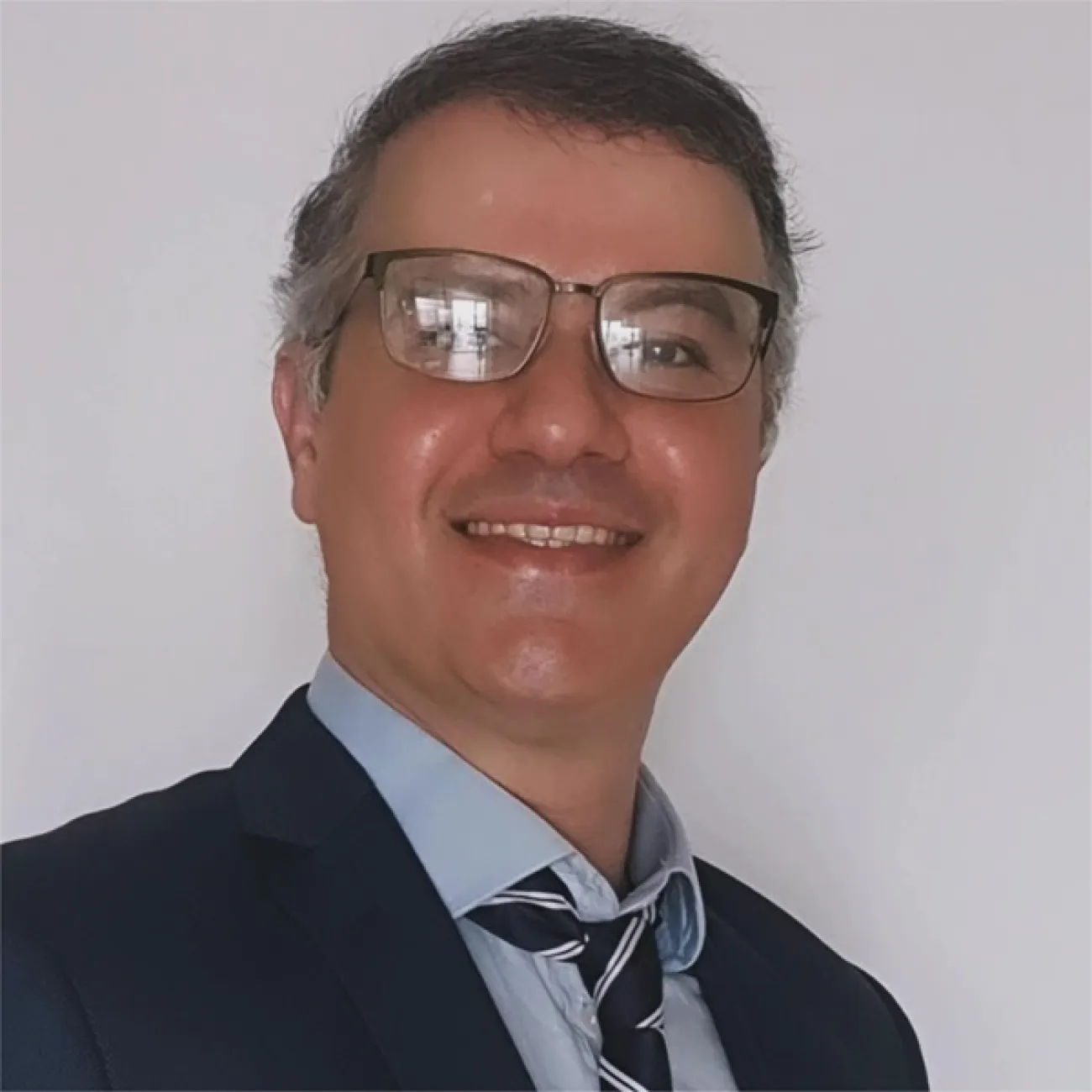
Dr Majid Zamani is a Lecturer in the School of Electronics & Computer Science at the University of Southampton. His research focuses on implantable and wearable biomedical devices, applied AI in biomedical engineering, and hardware-efficient processing frameworks. Member of: Digital Health and Biomedical Engineering Institute for Life Sciences Member of: Centre for Internet of Things and Pervasive Systems Member of: Centre for Health Technologies Member of: UKRI AI Centre for Doctoral Training in AI for Sustainability (SustAI) Current research addresses key challenges in scalability, signal processing, sensing, energy efficiency, and miniaturization for next-generation implantable brain-machine interfaces (iBMI). He explores hardware-efficient computational platforms for biomedical applications, including AI-driven algorithms for neural signal/image processing, augmented navigation in constrained anatomical spaces, and low-power real-time processors in 180/90/45 nm CMOS technologies. Recent publications focus on deep learning for spike sorting, binarized neural networks, noise-aware speech enhancement, and AI integration in surgical navigation. His work bridges biomedical engineering with AI and hardware optimization. Teaching: Digital system design (ELEC6236) 42+ publications in journals like IEEE Transactions on Medical Imaging, Journal of Neural Engineering, and IEEE Access
Maximilian Lenz is a Professor at the University of Freiburg's Faculty of Medicine, affiliated with the Institute of Anatomy and Cell Biology. His research focuses on neural plasticity, brain stimulation, and neurophysiological mechanisms, with emphasis on synaptic adaptation and neural network dynamics. Research interests include: Synaptic Plasticity : Homeostatic scaling, structural adaptations, and denervation-induced changes. Neurostimulation : Magnetic stimulation protocols (e.g., iTBS600) and neuromodulation platforms. Neuropathology : Stroke recovery, microglial responses, and inflammation-related synaptic alterations. His publications (15 most recent) predominantly explore plasticity mechanisms across rodent and human neural tissues, with methodological innovations in slice-culture models and transcriptomic/proteomic analysis. Awards: Doctoral Prize of the Dr. Walter and Luise Freundlich Foundation (2018) Advising & Collaborations: He mentors doctoral candidates (e.g., Kruse, Pia) and collaborates on interdisciplinary projects involving neuroengineering, molecular biology, and clinical neuroscience.
Dr. Leo Wu is a Senior Lecturer at the School of Mechanical and Manufacturing Engineering, University of New South Wales (UNSW), Sydney, Australia. He earned his BS and PhD in Mechanical Engineering from Tsinghua University, followed by postdoctoral roles at National University of Singapore (2014-2015) and Queensland University of Technology (QUT) as a Vice-Chancellor’s Research Fellow (2016-2018). From 2016-2020, he was affiliated with the Australian Centre for Robotic Vision, an ARC Centre of Excellence. PhD in Mechanical Engineering, Tsinghua University (2013) BS in Mechanical Engineering, Tsinghua University (2008) His research focuses on medical robotics , particularly flexible robots and intelligent perception systems for minimally invasive surgery . He has also made significant contributions to Lie groups theory in robotics , kinematic modeling and calibration for surgical and industrial robots, and wearable assistive technologies . His work integrates soft robotics with variable stiffness mechanisms and multimodal sensing , often leveraging machine learning and control engineering to enhance robotic autonomy and precision. Scientific awards include prestigious fellowships such as the QUT Vice-Chancellor’s Research Fellowship , QUT ECARD/VCRF Travel Fellowship , and Associate Fellowship of Higher Education Academy . He has received multiple academic honors from Tsinghua University and national scholarship programs. Dr. Wu actively supervises HDR students, focusing on surgical robotics and teleoperated orthopaedic systems . His research portfolio includes grants from the ARC Discovery Projects , UNSW MME RIS , and QUT internal schemes , covering topics like bioinspired flexible haptics , vision-guided robotic assembly , and precision motion capture systems . Collaborations extend to institutions like QUT, NUS, and clinical partners in robotic vision.
Fan Yang Wallentin is a Professor in Statistics at Uppsala University, Sweden, where she works in the Department of Statistics. She serves as the Coordinator for International Exchange Programs and has been responsible for the statistical consultant service at the department since 2009. Her academic career is deeply rooted at Uppsala University, where she earned her PhD in Statistics in 1997. Her educational background includes: PhD in Statistics from Uppsala University (1997) Professor Wallentin's research primarily focuses on structural equation modeling and multivariate statistical analysis, with particular applications in social and behavioral sciences. Her work bridges theoretical statistical advancements with practical applications across diverse fields including public health, psychology, economics, and education. She has made significant contributions to psychometrics, particularly in the development and validation of measurement instruments used in healthcare and education settings. Her methodology work addresses specification issues, robustness properties, and computational aspects of statistical models. Her publication record demonstrates an evolving research trajectory that has recently incorporated pressing global issues such as the statistical analysis of the COVID-19 pandemic, while maintaining her core expertise in structural equation modeling and related methodologies. Her work often involves cross-disciplinary collaborations, reflecting the broad applicability of her statistical expertise across healthcare, energy policy, and development economics. Among her notable recognitions: Arnberg Prize from the Swedish Royal Academy of Sciences (2000) for her PhD thesis "Non-linear structural equation models: Simulation studies of the Kenny-Judd model" Professor Wallentin has extensive experience providing statistical consultation to researchers in social and behavioral sciences. Her role as Coordinator for International Exchange Programs suggests active engagement in global academic networks. Her research has been applied in diverse contexts including pandemic response analysis, women's empowerment through microfinance, healthcare quality assessment, and educational statistics, demonstrating the versatility and impact of her methodological contributions.
Dr. Albert Yoon-Kyu Han is an Assistant Professor of Clinical Otolaryngology-Head and Neck Surgery at the Keck School of Medicine of the University of Southern California. He is a fellowship-trained head and neck surgical oncologist and board-certified otolaryngologist at Keck Medicine of USC, where he provides expert care for benign and malignant tumors of the head and neck at the USC Norris Comprehensive Cancer Center. Dr. Han completed his MD-PhD through the UCLA-Caltech Medical Scientist Training Program. His educational background includes undergraduate studies in computer science at UC Berkeley, reflecting his early recognition of technology's critical role across future domains. Dr. Han's research focuses on the molecular mechanisms driving head and neck cancer formation and recurrence, with particular emphasis on the tumor microenvironment. His work explores how fibroblasts and other non-cancerous cells interact with tumors to support cancer growth and treatment resistance. He investigates the "ecosystem" in which cancer cells live, studying how to reprogram fibroblasts to deprive tumors of their supportive environment. His research also examines the role of viruses (particularly HPV) and bacteria in cancer progression, as well as biomarkers for early, noninvasive cancer detection. Analysis of Dr. Han's recent publications reveals a strong focus on head and neck oncology with particular attention to surgical outcomes, tumor biology, and translational applications. His work spans basic science investigations of tumor microenvironment mechanisms, clinical studies of surgical techniques and outcomes, epidemiological analyses of cancer patterns, and innovative approaches to cancer detection and treatment. A notable trend is his growing interest in the interplay between microbiome, viruses, and cancer development. Mentored Career Development in Clinical and Translational Science Scholar through the Southern California Clinical and Translational Science Institute (SC CTSI) Dr. Han is deeply committed to mentorship, designing research projects that align with trainees' interests and timelines to facilitate lead-author publications. He provides immediate access to equipment, reagents, and patient-derived samples to minimize logistical barriers for medical students and residents spending limited time in his lab. His mentorship philosophy emphasizes equipping trainees with both scientific judgment and practical skills, guiding them through the entire research process from hypothesis development to publication. Dr. Han credits the mentorship of Dr. Yang Chai (Interim Dean of the Herman Ostrow School of Dentistry) and Dr. Uttam K. Sinha (Division Chief of Head and Neck Surgery) as pivotal to his development as a physician-scientist. Dr. Han leads the Han Lab at USC, where his research team investigates molecular mechanisms of head and neck cancers. He collaborates with leaders in cancer biology, population science, and translational medicine within the USC research ecosystem. His lab focuses on innovative approaches to cancer therapy that target the tumor microenvironment rather than cancer cells directly, representing a paradigm shift in cancer treatment strategy.
Nicole Li-Jessen, PhD is an Associate Professor in the Department of Surgery at McGill University's Faculty of Medicine and Health Sciences and holds the Canada Research Chair (Tier 2) in Personalized Medicine of Upper Airway Health and Diseases. She serves as Graduate Program Director for the School of Communication Sciences and Disorders and is an Associate Investigator at The Research Institute of the McGill University Health Centre (RI-MUHC). Dr. Li-Jessen maintains additional affiliations with the Departments of Otolaryngology and Biomedical Engineering, and is a Research Member of Quantitative Life Sciences and McGill Regenerative Medicine Network. Dr. Li-Jessen's research laboratory integrates in vitro, in vivo, and in silico (computational) approaches to study vocal fold biology and wound healing, with the goal of generating computational platforms that guide surgeons and speech pathologists in voice repair methods. Her key research areas include: Non-invasive assessment of airway reflux Designing 3D printable biomaterial for laryngeal tissue and muscle reconstruction Creating wearable e-health devices for upper airway monitoring Agent-based modeling of vocal trauma and repair response Development of tumor-on-a-chip platforms for studying laryngeal cancer chemoresistance Her work is funded by a Canada Research Chair, the CIHR, NSERC, SSHRC, FRQS, and NIH in the United States. Dr. Li-Jessen has published extensively in high-impact journals across biomedical engineering, otolaryngology, and regenerative medicine fields, with recent publications focusing on vocal fold biomaterials, computational modeling of vocal pathology, and audio-based digital biomarkers for respiratory diseases. Dr. Li-Jessen has received several prestigious awards including the Canada Research Chair (2021), Principal's Prize for Excellence in Teaching (2018), and the Rosemary Wedderburn Brown Prize (2018). She serves as Section Editor of PLOS Digital Health and is actively involved in science policy as a Delegate for Science Meets Parliament. As Graduate Program Director, Dr. Li-Jessen oversees graduate thesis programs in the School of Communication Sciences and Disorders and has mentored numerous PhD, Master's, and undergraduate students. She leads the Voice and Upper Airway Research Lab (VUA Lab), which advocates for EDI principles in STEM and currently has open positions for PhD and post-doctoral researchers in computer modeling and digital health projects.
Talmage D. Egan, MD, is Professor and Chair of the Department of Anesthesiology at the University of Utah School of Medicine, with a joint appointment as Adjunct Professor of Neurosurgery. He directs clinical practice in neuroanesthesia and obstetric anesthesia at the University of Utah Health Sciences Center. Previously, he served as Chief of Neuroanesthesia and President of the Medical Staff. Education : B.A. in Humanities (Magna Cum Laude) from Brigham Young University M.D. from the University of Utah School of Medicine (AΩA honor society) Residency in Surgery and Anesthesiology at the University of Utah and Stanford University Fellowship in Clinical Pharmacology at Stanford Physician Executive Training at Harvard School of Public Health Research Focus : Dr. Egan pioneers studies in intravenous anesthetic pharmacology, including pharmacokinetic-pharmacodynamic modeling of sedatives/analgesics, novel drug delivery systems, and optimization of total intravenous anesthesia (TIVA). His work on remifentanil-propofol interactions and propofol formulations has influenced global anesthesia protocols. He holds patents for drug delivery technologies and founded the Safe Sedation Training platform. Publications : His 200+ articles emphasize anesthetic pharmacology, drug interactions, and monitoring technologies. Recent works explore opioid alternatives, respiratory monitoring algorithms, and obesity-adjusted pharmacokinetic models, reflecting a consistent focus on precision anesthesia and patient safety. Awards : Inaugural Teaching Recognition Award (International Anesthesia Research Society) K.C. Wong Presidential Endowed Chair in Anesthesiology Leadership : Past President of the International Society for Anaesthetic Pharmacology; Associate Editor for British Journal of Anaesthesia and Anesthesiology ; authored the textbook Pharmacology and Physiology for Anesthesia (Elsevier). Mentored 20+ trainees who became independent investigators.