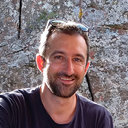
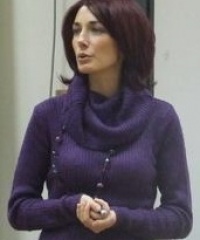
Florent Rivals is an ICREA Research Professor at the Catalan Institute of Human Paleoecology and Social Evolution (IPHES) since 2013. He holds a PhD in Prehistory (2002) from the University of Perpignan and has conducted postdoctoral research at the American Museum of Natural History (2004) and Universität Hamburg (2005). His work focuses on Neanderthal behavioral ecology, paleoecology, and dental microwear analysis. Education : Biology (undergraduate), PhD in Prehistory (University of Perpignan) Research Focus : Neanderthal diet reconstruction, cave bear dietary evolution, Pleistocene fauna taphonomy His recent publications emphasize multi-proxy paleodietary reconstructions using dental microwear, stable isotopes, and bone taphonomy. Key projects include excavations at Toll and Teixoneres caves in Spain. Scientific Awards 2009 Research Certificate (Catalan University Quality Agency) 2006 Initiative Post-Doc Award (French Académie des Sciences) Grants : Ministerio de Ciencia e Innovación, COST Action, Palarq, ERC Florent has supervised 7 PhD and 7 Master's theses while contributing to over 170 peer-reviewed publications . He co-directs fieldwork and participates in international collaborations across Europe, North Africa, and the Levant.
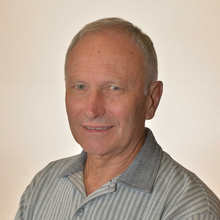
Professor Ernst Meyer is a distinguished faculty member in the Department of Physics at the University of Basel, Faculty of Natural Sciences. He serves as an executive board member of the Swiss Nanoscience Institute and represents Switzerland in the COST Action "Understanding and Controlling Nano and Mesoscale Friction" (MP1303), highlighting his leadership in the international scientific community. Position: Professor, Department of Physics Institution: University of Basel Research Focus: Scanning probe microscopy and nanoscale surface phenomena Key Affiliations: Swiss Nanoscience Institute, COST Action MP1303 Ernst Meyer earned his Ph.D. from the University of Basel in 1990 with research on force microscopy of ionic crystals and layered materials. Following a postdoctoral fellowship at IBM Research Center Zurich, he joined the University of Basel faculty where he has remained a prominent researcher for decades. Professor Meyer's research program centers on scanning probe microscopy investigations of physical processes at surfaces, with particular emphasis on friction and energy loss mechanisms at the nanometer scale. His work bridges fundamental physics and potential applications, with notable contributions including the investigation of graphene nanoribbons' frictional properties and the observation of Majorana bound states on iron wires deposited on lead superconductors. His group maintains strong connections with the Swiss Nanoscience Institute and contributes to the Basel Quantum Center initiatives. An analysis of Professor Meyer's recent publications reveals a strong focus on nanoscale friction phenomena, superlubricity, quantum effects in 2D materials, and surface science. His work spans multiple disciplines including physics, materials science, and chemistry, with applications ranging from fundamental science to potential technological implementations in quantum computing and nanoelectronics. A notable trend is the increasing interdisciplinary nature of his research, combining surface science, quantum physics, and materials engineering to tackle complex problems at the nanoscale. Professor Meyer leads several significant research projects including the Werner-Siemens Research Center for Molecular Quantum Systems (MolQ), ITER First Mirror cleaning, and research on new insights into tip-sample interaction by scanning probe methods. His collaborative approach is evident in numerous co-authored publications with researchers across Europe and beyond. Within the Department of Physics at the University of Basel, Professor Meyer's research group operates as part of the Nano- & Quantum Physics division. The department hosts over 20 research groups with more than 180 teaching staff members and is recognized as a center for international top-level research in nano and quantum physics, as well as cosmology and particle physics. His work contributes significantly to the department's reputation as a leader in quantum technology research, including their role in heading NCCR SPIN for the development of silicon-based quantum computers.
Professor Dr. Friedrich W. Herberg serves as Head of the Biochemistry Department and Full Professor at the University of Kassel, Germany. He has held significant leadership roles including Dean of the Faculty of Mathematics and Natural Science (FB10), Executive Director of the Institute of Biology, and Vice Chair of the Centre for Interdisciplinary Nanostructure Science and Technology (CINSaT) in the Section Biosensing. Herberg completed his academic foundation at Ruhr-University Bochum, studying Biology and Chemistry from 1980-1987, earning his PhD in Physiological Chemistry (1987-1990), and completing his Habilitation in 1999 with the thesis 'Structure, Function and Regulation of cyclic nucleotide-dependent protein kinases.' He conducted postdoctoral research at the University of California, San Diego from 1990-1994. His research focuses on protein kinase signaling pathways , biomolecular interactions , and nanoscale biosensing technologies . Professor Herberg has pioneered work in proteomics and the functional analysis of post-translational modifications , establishing two doctoral colleges at the University of Kassel to advance these fields. His interdisciplinary approach bridges fundamental biochemistry with practical applications in drug development and diagnostic technologies. His notable recognition includes the Bennigsen-Foerder Preis from the federal state of Nordrhein-Westfalen in 1998. He has founded and led significant research initiatives including the Promotionskolleg 'Proteomics' (2006-2011) and the Promotionskolleg 'Functional analysis of modifications on macromolecules' (since 2012). As an academic leader, Herberg has served as Ombudsman at the University of Kassel since 2014 and has been actively mentoring women in science through the SciMento program at the University of Frankfurt since 2008. He maintains a strong industry connection as Chief Scientific Officer of BIAFFIN GmbH & CoKG, which he co-founded in 2001 to advance biomolecular interaction analysis. Herberg's research group operates within the Centre for Interdisciplinary Nanostructure Science and Technology (CINSaT), which he helped establish in 2002. His laboratory specializes in surface plasmon resonance technologies and maintains close collaboration with BIAFFIN GmbH & CoKG, applying fundamental biochemical research to solve practical problems in pharmaceutical development and diagnostic applications.
Akhilesh Kumar, PhD, serves as an Assistant Professor in the Department of Medicine at the University of Minnesota Medical School, specializing within the Division of Hematology, Oncology & Transplantation. His academic appointment bridges regenerative medicine and oncology, focusing on the development of novel cellular therapies through stem cell engineering and immunological research. Dr. Kumar's research program centers on hematopoietic stem cell differentiation, with particular emphasis on T cell and natural killer cell development from pluripotent stem sources. His work investigates molecular regulators like BCL11B in lymphoid specification and explores therapeutic targets such as DLL3 in neuroendocrine tumors. Current projects include engineering multi-antigen targeting cellular therapies for thoracic cancers and multiple myeloma, generating vasculogenic cell populations for regenerative applications, and enhancing natural killer cell function through metabolic modulators like nicotinamide. This research integrates stem cell biology, immunology, and translational oncology to address unmet needs in cancer treatment. Analysis of Dr. Kumar's recent publications (2023-2025) reveals a strong translational focus with significant contributions to hematopoietic development and cancer immunotherapy. His team has pioneered methods for arterial hemogenic endothelium production, elucidated transcription factor networks in blood cell specification, and advanced clinical applications including NK cell therapy for lymphoma. The work demonstrates interdisciplinary reach, spanning from basic mechanisms of lymphoid development to computational approaches in drug delivery and building aerodynamics, reflecting collaborative efforts across engineering, computational biology, and clinical oncology domains.
Prof. Greg Hughes is a Full Professor at the School of Physical Sciences , Dublin City University, with a career spanning over 30 years in semiconductor surface science. Holding a B.Sc in Chemistry and a PhD in Semiconductor Physics from the University of Ulster, he conducted postdoctoral work at IBM’s Yorktown Heights lab and held sabbaticals at Technical University of Berlin (Alexander von Humboldt fellowship) and Boston University. Research Focus : Surface interactions on semiconductors, including Schottky barriers, heteroepitaxy, and dielectric layer characterization for transistor technology. His work bridges fundamental surface chemistry and applied semiconductor device engineering, with recent emphasis on novel materials for interconnects and sensors. Academic Leadership : Served as Vice-President for Research and Innovation at DCU for five years and contributes to the European Consortium of Innovative Universities (ECIU) alliance. Scientific Contributions : Authored over 170 papers, with expertise in synchrotron radiation-based XPS, scanning tunneling microscopy, and electrical-chemical interface analysis. Key collaborators include institutions like IBM, Boston University, and Humboldt University. Awards : Alexander von Humboldt Research Fellowship (1994). Contact : greg.hughes@dcu.ie
Chunlin Xu is a Professor in the Faculty of Science and Engineering at Åbo Akademi University, leading the Laboratory of Natural Materials Technology. His research focuses on developing sustainable materials from biorefinery feedstocks, with significant contributions to lignin valorization, nanocellulose engineering, and bio-based coatings. Current affiliations include principal investigator roles in major EU and national projects advancing circular bioeconomy solutions. Xu's research spans Lignin chemistry and nanoparticle formation Nanocellulose-based hydrogels and composites Biomaterials for packaging and medical applications Photosynthetic biohybrid systems for chemical production Machine learning applications in biorefining His work demonstrates strong alignment with UN Sustainable Development Goals, particularly for sustainable materials and clean water technologies. Analysis of Xu's 2025 publications reveals dominant trends in Advanced lignin modification for additive manufacturing Multi-functional hemicellulose derivatives for emulsion stabilization Scalable production of bio-based barrier coatings Nanocellulose integration in environmental remediation These works emphasize practical applications in packaging, agriculture, and water treatment while maintaining strong fundamental science. Scientific recognition includes: Chancellor’s Prize (2023) for renewable materials innovation Election to Swedish Academy for Engineering Sciences in Finland (2023) Xu directs substantial research funding through projects like S2B (EU-funded solar butanol production) and CIMANET (doctoral network for circular materials). His laboratory hosts numerous academic visitors and collaborates internationally across Europe. The research group operates within Åbo Akademi's Natural Materials Engineering ecosystem, with facilities for advanced biopolymer characterization and processing. Current activities include organizing the European Workshop on Lignocellulosics and Pulp while developing next-generation biohybrid systems for sustainable chemical production.
Abdelaziz Houmam is a Professor in the Department of Chemistry at the University of Guelph . His work bridges organic chemistry and electrochemistry, focusing on surface science and nanomaterials for advanced technological applications. PhD , Universite Denis Diderot, 1994 Houmam’s research explores organic and interfacial electrochemistry , surface chemistry , and nanoscience . His team investigates electron transfer mechanisms in organic compounds, develops methods for surface modification, and synthesizes metal sulfide materials for solar energy applications using eco-friendly techniques. Scientific Awards : Top 10 Fall 2017 Favourite Professors Award Presidential Distinguished Professor and Librarian Award, University of Guelph, 2005 Houmam has secured multiple grants from the Natural Sciences and Engineering Research Council of Canada (NSERC) and the Canada Foundation for Innovation , including Discovery Grants and Research Tools and Instruments funding. His work has advanced understanding of molecular electronic devices and sustainable material synthesis.
Vittorio Scardaci is a Lecturer in Physical Chemistry at the Department of Chemistry, University of Catania. With a PhD in Engineering from the University of Cambridge (2009), his career spans academic research and industrial R&D at Hewlett-Packard Ireland (2008-2013) before returning to academia in 2018. His work focuses on carbon nanomaterials , plasmonic nanoparticles , and photonic composites , with over 50 peer-reviewed publications (h-index 27) and 2 patents. His recent research includes graphene oxide reduction , metallic nanowire networks , and ultrafast laser applications . Publications highlight plasmonic sensing , nanoparticle aggregation , and photonic device integration of nanomaterials. He is co-inventor of transparent conductive films and optical saturable absorbers . Scardaci's work intersects material synthesis , optical characterization , and applied device fabrication . He collaborates with international institutions and contributes to projects in nanostructured materials for sensors and photonic systems . His expertise spans chemical processing , nanotube-polymer composites , and laser-materials interaction .
Dr. Carl Webster is a Principal Lecturer in Paramedic Practice & Emergency Care at Nottingham Trent University (NTU) within the School of Social Sciences. He provides strategic leadership for Allied Health programs, including Paramedic Science, Ambulance Technician Practice, and Occupational Health. Academic Leadership: Paramedic Degree Apprenticeship approval, BSc Paramedic Science course lead Committee Roles: Knowledge Exchange Seed Fund Chair, Fitness to Practice Panels, Learning and Teaching Committee His research focuses on simulation-based learning, workplace violence in healthcare, and pharmacology education for paramedics. He has published in journals like Journal of Paramedic Practice and Critical Care Innovations , with recent work on AI integration in emergency healthcare education. Externally, he contributes to the European Prehospital Research Network, College of Paramedics, and Journal of Paramedic Practice editorial board.
Szende Tonk is an Associate Professor at the Department of Environmental Science, Sapientia Hungarian University of Transylvania, Faculty of Sciences and Arts. She teaches courses including General Biochemistry, Organic Chemistry, Meteorology-Climatology, and Sustainable Waste Management at both undergraduate and master's levels. Research Focus: Environmental chemistry, biosorption, phytoextraction, chemical pollution analysis, and environmental remediation technologies. Recent Publications: 2024 study on tetracycline adsorption using waste biosorbents; 2023 work on drug residue toxicity; extensive 2022-2020 studies on dye adsorption mechanisms using brewery waste, mineral clay, and eggshell biosorbents; and PM10 pollution analysis in Eastern Carpathians. Collaborations: Regularly works with researchers like E. Rápó, K. Posta, and Á. Szabó on adsorption studies and environmental monitoring projects.
Salvatore Daniele is a Senior Researcher at Ca' Foscari University of Venice, affiliated with the Department of Molecular Sciences and Nanosystems and the Research Institute for Complexity Communications. His work focuses on analytical and electrochemical methodologies, with applications in material science, environmental monitoring, and cultural heritage preservation. He holds a SSD qualification in Analytical Chemistry (CHIM/01). Key research interests include electrochemical sensor development, nanomaterials for energy storage, corrosion studies, and non-invasive analysis of archaeological artifacts. Daniele has authored over 200 publications, with recent contributions on micro-supercapacitors for biosensors, X-ray tomography for Roman coins, and electrochemical characterization of metallic surfaces. His research often bridges fundamental electrochemistry with applied challenges in health, environment, and heritage conservation. Collaborations involve interdisciplinary teams addressing topics like SARS-CoV-2 detection, corrosion protection of artworks, and advanced catalytic materials.
Arnau Carne Sanchez is a researcher in the Department of Chemistry. He serves as Principal Investigator for the active project LiMOPs: Porous liquids to capture and convert CO₂ (2025–2027). His research focuses on metal-organic polyhedra (MOPs), metal-organic frameworks (MOFs), and their applications in catalysis, material science, and surface engineering. Key areas include designing porous materials, functionalizing surfaces via click chemistry, and developing recyclable catalytic systems. His work contributes to UN Sustainable Development Goal 13 (Climate Action) through CO₂ capture technologies. Collaborations span material characterization (e.g., crystal structures deposited at the Cambridge Crystallographic Data Centre) and interdisciplinary partnerships in catalysis and nanomaterials. Recent publications highlight advancements in oligomeric porous cages, meltable MOPs for mixed-matrix composites, and post-synthetic aerogel modifications. His research bridges fundamental chemistry with applied materials innovation.
Mohammadbagher Fathi is a Research Fellow in Geometallurgy/Engineering Geology at the University of Tasmania's School of Natural Sciences, part of the CODES (Centre for Ore Resource Engineering) research group. He holds a PhD in Mining & Mineral Processing from Amirkabir University of Technology, Iran, and previously served as an Assistant Professor at Urmia University's Mining Engineering Department from 2012 to 2022. His research focuses on hydrometallurgy, separation technologies, and mineral processing, with a particular emphasis on critical minerals recovery and sustainable processing methods. He is a key researcher in the Regional Research Collaboration (RRC) project's Element 2: Pathways to Production of Critical Minerals. Education: PhD in Mining & Mineral Processing, Amirkabir University of Technology, Iran Research Interests: Critical minerals recovery (e.g., rhenium, tungsten, cobalt) Hydrometallurgical and physical beneficiation techniques Adsorption and ion-exchange processes Flotation optimization and machine learning-driven process modeling Environmental sustainability in mineral processing Grants & Collaborations: Lead researcher in the $3.5M Australian Government-funded 'Regional Research Collaboration' project (2022–2027), collaborating with industry and government partners to advance critical metals production. Supervision: Current doctoral supervision includes projects on critical metal potential in Tasmanian deposits (e.g., Arthur River Magnesite, Kara W deposit). Labs/Teams: Member of CODES at the University of Tasmania, specializing in ore resource engineering and critical minerals research.
Arthur P Baddorf is a Senior Research Scientist at the Scanning Tunneling Microscopy Group within the Center for Nanophase Materials Sciences (CNMS) at Oak Ridge National Laboratory (ORNL). With over 35 years of experience in nanoscale materials research, he specializes in surface/interface physics , electron excitations , and quantum material synthesis . Education: B.A. in Math and Physics from Wheaton College (1980), Ph.D. in Physics from University of Pennsylvania (1987) His research focuses on atomic-scale property mapping using advanced microscopy techniques like scanning tunneling microscopy (STM) and atomic force microscopy (AFM) . Key areas include ferroelectric switching , 2D material assembly , and energy transport mechanisms at the nanoscale. Recent publications highlight work on quantum material creation , defect-engineered catalysts , and intercalation dynamics in MXenes . His group operates over 15 high-precision microscopes for atomic-level analysis. Scientific Awards : Fellow of the AVS (2017) Cosslett Award (2008) ORNL Team Accomplishment Award (2006) ORNL Science and Technology Award (2006) He serves on multiple advisory committees including the µAtoms EFRC (2023-present) and the Nanomaterials Editorial Board (2020-present), while also contributing to instrumentation patents related to semiconductor compositions and ferroelectric memory devices.
Assoc. Prof. Dr. Mariana Calin is a researcher at the Leibniz Institute for Solid State and Materials Research Dresden (IFW Dresden) in the Department of Chemistry of functional materials. With over 104 journal publications and 72 invited talks worldwide through 2025, she is a recognized expert in metallic biomaterials, particularly focusing on titanium-based alloys for medical applications. Her work bridges fundamental materials science with practical biomedical engineering challenges. Dr. Calin's research focuses on metallic materials for biomedical applications , with particular expertise in low modulus beta-type Ti-based alloys , biomaterials for hard-tissue implant applications , metallic glasses and nanostructured alloys , and ni-free Ti-based shape memory alloys . Her work addresses critical challenges in orthopedic and dental implants, particularly the mismatch between bone and traditional metallic implants, and the problem of implant-associated infections. She develops novel alloys with reduced elastic modulus to prevent stress shielding while incorporating antibacterial elements like gallium and copper. Analysis of Dr. Calin's recent publications (2020-2025) reveals a strong focus on gallium-containing titanium alloys with antibacterial properties, surface modification techniques for improved biocompatibility, and the development of metallic glasses for biomedical applications. Her research shows a clear trend toward creating 'smart' biomaterials that actively prevent infection while maintaining excellent mechanical properties for load-bearing applications. She has pioneered work on beta-type titanium alloys with gallium additions that demonstrate both antibacterial properties and suitable mechanical characteristics for orthopedic implants. Dr. Calin has been actively involved in significant European research projects including BIOREMIA (H2020-MSCA-ITN) - 'BIOfilm-REsistant Materials for hard tissue Implant Applications' and BioTiNet (FP7-MC-ITN) - 'Academic-Industrial Initial Training Network on Innovative Biocompatible Titanium-base Structures for Orthopaedics'. These projects have provided substantial funding for her research and supported numerous early-career researchers. She frequently collaborates with international institutions and industry partners to translate laboratory discoveries into potential clinical applications. At IFW Dresden, Dr. Calin works within the biomaterials research group, collaborating with scientists from various disciplines to develop next-generation metallic biomaterials. Her laboratory focuses on alloy design, processing (including additive manufacturing), comprehensive characterization, and biological testing of novel metallic biomaterials. Recent work has expanded into developing MRI-compatible metallic glasses with ultralow magnetic susceptibility, opening new possibilities for miniaturized implants that won't interfere with medical imaging.