Dr. Xiaomin Liu is a Group Leader at the Max Planck Institute for Polymer Research's Department of Molecular Spectroscopy, specializing in optical super-resolution microscopy and laser technology. Her work focuses on developing advanced imaging techniques using nanomaterials and fluorescence dyes. PhD in Optical Engineering, Technical University of Denmark (2011) Postdoctoral Research, Technical University of Denmark (2011-2015) Postdoctoral Research, Max Planck Institute for Polymer Research (2015-2017) Her research explores fluorescent blinking mechanisms of nanomaterials and super-resolution imaging applications , leveraging laser systems and novel fluorescence dyes. Recent publications emphasize nanographene-based microscopy tools and room-temperature phosphorescence in advanced materials. Key trends in her work include: Development of broadband wavelength-tunable femtosecond fiber lasers Investigation of acid-induced fluorescence enhancement in nanographenes Engineering room-temperature phosphorescence via molecular charge-transfer effects Designing polarized emission materials through asymmetric center manipulation Her group collaborates with international researchers in laser technology and material science, supported by Danish FTP and NIH grants. She works with partners like Klaus Müllen, Mischa Bonn, and Andrey Turchinovich.
Jie Chen is an Assistant Professor in the Department of Mechanical Engineering at Virginia Tech's College of Engineering. Their research bridges machine learning with engineering analysis and design under uncertainty, focusing on process-structure-property-performance relationships. PhD, Mechanical Engineering (2022) – Arizona State University MS, Civil Engineering (2018) – Beihang University BS, Civil Engineering (2015) – Beihang University Research interests include: physics-informed machine learning, uncertainty quantification, predictive maintenance, materials design, and advanced manufacturing. The SEAD Lab develops methods to integrate engineering analysis into stochastic machine learning algorithms and uses AI for knowledge discovery in uncertain environments. Recent publications emphasize: Digital twin frameworks combining machine learning and Bayesian optimization Graph neural networks for high-entropy alloy and molecular mixture property prediction Physics-guided neural networks for fatigue life analysis of additively manufactured alloys Uncertainty quantification in imbalanced regression tasks and multi-fidelity data fusion Real-time imaging of polymer deformation mechanisms The lab actively mentors students, including PhD candidate Yisheng Lu, and manages projects in predictive maintenance, fatigue modeling, and materials design.
Peter Burke is a Professor of Electrical Engineering and Computer Science (joint appointments in Biomedical Engineering and Materials Science and Engineering ) at the Samueli School of Engineering, University of California, Irvine . His research bridges nanoelectronics with biotechnology , focusing on carbon nanotubes , graphene devices , and mitochondrial bioenergetics . He has received prestigious Young Investigator Awards from the Office of Naval Research and Army Research Office. Education: B.A. in Physics, University of Chicago (1992) Ph.D. in Physics, Yale University (1998) His work spans quantum electronics , high-speed semiconductor devices , and bio-nano interfaces . Recent publications highlight drone technology , mitochondrial electrical activity , and AI-driven nanoscale sensing . Research trends include terahertz spectroscopy , super-resolution imaging , and open-source medical devices like the NanoStat potentiostat . Scientific Awards Young Investigator Award, Office of Naval Research Young Investigator Program Award, Army Research Office As director of the BurkeLab , he develops nano-electronic interfaces for biological systems, including mitochondrial membrane potential assays and graphene-based biosensors . His lab's innovations in carbon nanotube arrays and scanning microwave microscopy have advanced bio-nano applications.
Ellen Rothenberg is the Edward B. Lewis Professor of Biology at the California Institute of Technology (Caltech). She earned her A.B. in Biochemical Sciences from Harvard University (1972) and a Ph.D. in Molecular Biology from MIT (1977). Her academic career at Caltech spans roles from Assistant Professor (1982–88) to her current position. She holds the Ruddock Professorship (2007–21), Distinguished Professor (2021–), and Lewis Professor (2021–). Her research focuses on transcriptional networks governing T-cell development and signaling, particularly how hematopoietic stem cells commit to T-lymphocyte lineages. Using in vitro systems, molecular genetics, and genomic approaches, her lab explores transcription factor interactions, chromatin dynamics, and signaling pathways that drive T-cell identity. Key interests include understanding stem-cell multipotentiality loss, irreversible commitment mechanisms, and links to autoimmune predisposition. Rothenberg is an Andrew D. White Professor-at-Large at Cornell University (2021–2027), collaborating with immunology and molecular biology departments. She has organized international conferences, served on NIH review panels, and advises biotech firms like Century Therapeutics. Her honors include membership in the National Academy of Sciences, AAAS and American Academy of Arts and Sciences fellowships, and the Feynman Teaching Prize (2016). Education: A.B., Harvard University, Biochemical Sciences, 1972 Ph.D., Massachusetts Institute of Technology, Molecular Biology, 1977 Awards: AAAS Fellow, American Academy of Arts and Sciences Fellow Member, National Academy of Sciences American Association of Immunologists Distinguished Fellow Richard P. Feynman Prize for Excellence in Teaching (2016) External Roles: Cornell’s ADW-PAL (2021–2027), collaborating with faculty hosts Brian Rudd and Andrew Grimson Scientific Advisor, Century Therapeutics, A2 Biotherapeutics, Kite Pharma Her work bridges basic research and clinical applications, including immunogenomics symposia and public lectures on T-cell programming. Ongoing projects explore evolutionary origins of lymphocyte development through comparative analysis of basal vertebrates.
George M. Church is a Professor of Genetics at Harvard Medical School and affiliated with MIT, where he directs PersonalGenomes.org, providing open-access genomic, environmental and trait data. His laboratory focuses on transformative technologies for reading and writing 3D/4D biological structures with attention to ethics, safety, and equitable access. Church has co-initiated major scientific initiatives including the BRAIN Initiative (2011) and multiple Genome Projects (GP-Read-1984, GP-Write-2016, PGP-2005). Church's research spans multiple cutting-edge domains including genome engineering, synthetic biology, aging reversal, and space genetics. His lab pioneered foundational methods for direct genome sequencing, molecular multiplexing and barcoding in 1984, leading to the first genome sequence in 1994. His innovations contributed to nearly all next-generation DNA sequencing methods and companies. Current research directions include machine learning for protein engineering, tissue reprogramming, organoids, gene therapy, and in situ 3D DNA/RNA/protein imaging. His work bridges fundamental biology with therapeutic applications across diverse fields from Alzheimer's disease to de-extinction biology. Church's recent publications reveal a remarkable breadth of scientific inquiry, spanning from fundamental genome editing techniques to applications in aging research, neuroscience, and space biology. His work increasingly integrates artificial intelligence with biological systems, as seen in papers on machine-guided cell-fate engineering and automation of systematic reviews with large language models. His research maintains a strong translational focus, with numerous papers addressing therapeutic applications in cancer immunotherapy, gene therapy, and diagnostics. The consistent theme across his diverse publications is the development and application of transformative technologies to address fundamental biological questions and medical challenges. National Academy of Sciences (NAS) membership National Academy of Engineering (NAE) membership Franklin Bower Laureate for Achievement in Science Co-initiator of the BRAIN Initiative (2011) Director of multiple NIH Centers for Excellence in Genomic Science (2004-2020) Church directs numerous research centers including the NIH-CEGS, Personal Genome Project (PGP), Lipper Center for Computational Genetics, and Wyss Institute Synthetic Biology center. His laboratory has trained PhD students across multiple Harvard and MIT programs including Biophysics, BBS, Biomedical Informatics, ChemBio, Chemistry, SSQB, MCO, Virology, HST, EE/CS, Physics and Applied Math. His commercial impact is extensive through companies spanning medical diagnostics (Knome/PierianDx, Alacris, Nebula, Veritas) and synthetic biology/therapeutics (AbVitro/Juno, Gen9/enEvolv/Zymergen/Warpdrive/Gingko, Editas, Egenesis). Church also pioneered new privacy, biosafety, ELSI, environmental and biosecurity policies. The Church Lab operates across multiple research domains including molecular multiplexing, next-generation sequencing, nanopore technology, and genome engineering. The lab maintains strong connections with the Personal Genome Project, Wyss Institute, and multiple commercial ventures. Current research directions include the Spatial Atlas of Human Anatomy (SAHA), human skin rejuvenation via mRNA, and space genetics research through the Consortium for Space Genetics and BioAstra. The lab's mission focuses on transformative technologies for reading and writing 3D/4D structures at any scale, inspired by but not limited by biology.
Dr. Stephanie de Alcantara Fernandes is a Minerva Fast Track Group Leader at the Max Planck Institute for Biology of Ageing in Cologne, Germany, where she leads research on muscle metabolism and aging. Her laboratory investigates how spatial and functional regulation of mTORC1 signaling influences skeletal muscle health, growth, and regeneration throughout the lifespan, with implications for understanding and promoting healthy aging. Dr. Fernandes completed her academic training through a distinguished path: PhD in Biology (Summa cum laude, with distinction), University of Cologne/Max Planck Institute for Biology of Ageing (2017-2023) Master of Science in Genetics, University of São Paulo (2015-2017) Bachelor of Science in Biological Sciences, University of São Paulo (2009-2014) Exchange year at University of Birmingham, UK (2013) Her research focuses on skeletal muscle biology, particularly the balance between anabolic and catabolic processes that maintain muscle health. Dr. Fernandes investigates how mTORC1 (mechanistic Target of Rapamycin Complex 1), a central signaling hub, is spatially organized within cells to selectively regulate specific cellular functions in response to different nutrient sources. Her work reveals that mTORC1 is not simply "on or off" but can be finely tuned to control distinct processes in different cellular compartments, particularly in skeletal muscle cells. A key aspect of her research examines how these regulatory mechanisms change with age, contributing to age-related muscle loss (sarcopenia). By understanding the molecular basis of muscle maintenance and regeneration, her laboratory aims to identify targets for interventions that could promote healthier aging and prevent age-related decline in muscle function. Analysis of Dr. Fernandes' publication record shows a clear trajectory of increasingly independent research focused on mTORC1 signaling, nutrient sensing, and their roles in aging and muscle biology. Her most recent work demonstrates sophisticated understanding of mTORC1's spatial regulation, revealing how different pools of mTORC1 respond to distinct amino acid sources to control specific cellular processes. This research bridges fundamental cell biology with translational applications for aging-related conditions. Dr. Fernandes has received numerous prestigious awards recognizing her scientific excellence: Minerva Fast Track Fellowship (2025) - Group Leader Position for Outstanding Female Scientists from Max Planck Society Graduate School for Biological Sciences (GSfBS) doctoral award for 2023 (2025) World Muscle Society Fellowship (2016) Cologne Graduate School of Ageing Research fellowship (2017-2020) Master's scholarship from São Paulo Research Foundation (2015-2017) Science Without Borders Scholarship from Brazilian Council for Scientific and Technological Development (2013) As a newly appointed Group Leader through the Minerva Fast Track program, Dr. Fernandes is establishing her independent research program with substantial institutional support. Her laboratory combines advanced techniques including high-throughput omics approaches (proteomics, metabolomics), molecular biology, biochemistry, cell biology, and super-resolution microscopy. She utilizes multiple model systems including mouse models, skeletal muscle cell lines, and iPSC-derived skeletal muscle cells to identify evolutionarily conserved mechanisms relevant to human health. Dr. Fernandes leads the Minerva Fast Track Group at the Max Planck Institute for Biology of Ageing, which focuses specifically on "Muscle metabolism and aging." Her team investigates how selective mTORC1 signaling is coordinated between different skeletal muscle cell types and how it changes with age, with the ultimate goal of understanding how muscle health can be maintained throughout life.
Stephanie Kramer is a Full-time Lecturer in the Department of Chemistry at Case Western Reserve University. She holds a PhD in Physical Chemistry from Carnegie Mellon University (2022) and a B.S. in Chemical Physics from Elizabethtown College (2016). Her research focuses on advanced microscopy techniques, polymer self-assembly, and biomaterials characterization. She actively contributes to the development of super-resolution imaging methods, particularly in extracellular matrix analogues and nanoporous materials. Key research interests include fluorescence correlation spectroscopy (FCS), light-sheet microscopy, and cross-correlation analysis for improving imaging resolution. Her work bridges physical chemistry with biophysical applications, addressing challenges in nanoscale imaging and biomolecule dynamics. Recent studies involve solvent-driven transitions in chiral polymers and diffusion-based imaging in complex environments. Kramer’s publications span topics like super-resolution optical fluctuation imaging (SOFI), light-sheet microscopy innovations, and polymer aggregation mechanisms. Her presentations at conferences such as the American Physical Society March Meeting and American Chemical Society Spring meetings reflect her interdisciplinary approach to chemical physics. No scientific awards are listed. Her advising and grant activities remain unspecified in the provided text. She collaborates extensively with research groups focused on optical methods and biomaterials.
Skirmantas Janusonis is an Associate Professor in the Department of Psychological and Brain Sciences at the University of California, Santa Barbara (UCSB). He is a core faculty member of the UCSB Neuroscience Research Institute and the Interdepartmental Graduate Program in Dynamical Neuroscience, and a member of the California NanoSystems Institute. His research program lies at the intersection of neuroscience, complex systems, and computational modeling. Education: Ph.D. in Neuroscience and Behavior, University of Massachusetts Amherst Postdoctoral Research, Department of Neuroscience, Yale University School of Medicine B.S./M.S. in Biology, Vilnius University, Lithuania Dr. Janusonis's research focuses on the stochastic (random walk-like) behavior of serotonergic axons in the brain, particularly within the ascending reticular activating system and the broader serotonergic matrix. His work integrates molecular neurobiology, comparative neuroanatomy (from sharks to rodents to humans), advanced microscopy, and supercomputing simulations. He investigates how these complex systems self-organize and their relevance to mental disorders, especially autism and the enigma of platelet hyperserotonemia. His lab collaborates with physicists, mathematicians, and engineers to model anomalous diffusion and fractional Brownian motion in 3D brain spaces. His recent publications reveal a strong trend toward computational and theoretical neuroscience, using high-resolution data and mathematical generalizations to model axonal distributions. Key themes include reflected fractional Brownian motion, self-organization of serotonergic densities, and the interface between central and peripheral serotonin systems. His work challenges traditional views of the blood-brain barrier and proposes interdisciplinary solutions involving immunology, physiology, and computer science. Scientific Awards and Recognition: Elected to the Board of Directors of the Organization for Computational Neurosciences (2024) NSF, NIMH, and California NanoSystems Institute grant funding Multiple student awards under his mentorship, including the Harry J. Carlisle Award and NIH IRTA NSF CRCNS and Frontera supercomputing grants UCSB Art of Science People's Choice Award (awarded to lab member) Dr. Janusonis actively mentors PhD students such as Justin Haiman and Dahyana Arroyo, and has advised alumni including Dr. Angela Chen, Dr. Kasie Mays, and Dr. Melissa Hingorani. His lab has received numerous grants from the NSF and NIH, supporting research on stochastic axon systems and super-resolution imaging. He teaches graduate and undergraduate courses including Neuroanatomy (Psy 269), Neurobiology of Brain States (Psy 136), and Complex Systems (Psy 113L). Research Team and Collaborations: The Janusonis Lab is an interdisciplinary group combining neuroscience, mathematics, and engineering. It collaborates with institutions such as UC San Diego, the University of Pisa, and MIT. The lab is equipped with advanced imaging tools and has access to Frontera, a leading NSF supercomputer. Outreach includes science nights at local schools and public lectures at the Santa Barbara Museum of Natural History.
Prof. Dr. Thomas Taubner serves as a Professor at the Institute of Physics within the Faculty of Mathematics, Computer Science and Natural Sciences at RWTH Aachen University. He leads the IR Nano-Optics and Metamaterials research group, operating from Campus Melaten (Physics Building 26, Room A 104). His team focuses on cutting-edge nanophotonic technologies with applications in infrared optics and reconfigurable optical systems. Taubner's research spans nanophotonics, infrared spectroscopy, metamaterials, and phase-change materials, with particular expertise in plasmonic phase-change materials like In 3 SbTe 2 . His group pioneers techniques for dynamic control of light at the nanoscale through near-field microscopy, beam steering, and thermal emission manipulation. Key areas include 2D material characterization, phonon polariton engineering, and ultrafast optical phenomena in semiconductor heterostructures. Analysis of his recent publications reveals a dominant focus on programmable infrared nanophotonics using plasmonic phase-change materials. His work consistently demonstrates reconfigurable optical devices through direct laser writing, geometric phase metasurfaces, and real-space imaging of confined electromagnetic waves. The research shows strong interdisciplinary connections between condensed matter physics, materials science, and optical engineering, with practical applications in thermal management, sensing, and next-generation optical computing. Prof. Taubner actively supervises doctoral and master's students, regularly advertising thesis positions and doctoral openings through his research group. His team maintains advanced laboratory facilities for nanofabrication, near-field optical characterization, and ultrafast spectroscopy, supporting both fundamental research and technology development in infrared nanooptics.
Guanghan Meng is an Assistant Professor at the University of California, Berkeley , with dual appointments in the Herbert Wertheim School of Optometry and Vision Science and the Department of Electrical Engineering and Computer Science (EECS) . He leads the Visionary Optical Imaging Lab (VOILA) , focusing on interdisciplinary research combining optical physics and computational science to develop advanced microscopy technologies for eye and brain imaging. Education : PhD (2021, UC Berkeley), BE (2015, Shanghai Jiao Tong University) PhD Programs Affiliated With : Vision Science, Applied Science & Technology (AS&T), EECS His research integrates optical physics , computational biology , and artificial intelligence to create cutting-edge imaging tools. Recent work includes differentiable wave-optics libraries (Chromatix), super-resolution microscopy techniques, and high-speed neural imaging systems. Publications highlight applications in neuroscience (cerebral circulation, synaptic activity) and biomedical imaging (OCT, two-photon microscopy). VOILA is a highly interdisciplinary team spanning physics , engineering , and biology . In 2025, the lab will welcome 2 PhD students and 1 postdoc, though funding is currently at capacity for new members. Meng is affiliated with the Berkeley Artificial Intelligence Research Lab (BAIR) and Berkeley Center for Computational Imaging (BCCI) .
Professor Bianxiao Cui is the Job and Gertrud Tamaki Professor of Chemistry at Stanford University and a fellow of the Wu Tsai Stanford Neuroscience Institute. Her research integrates biophysics, cell biology, chemistry, and nanotechnology to develop tools for studying the nano-bio interface, membrane curvature, electrophysiology, and signal transduction in health and disease. Ph.D. in Chemistry, University of Chicago (2002) B.S. in Material Science & Engineering, University of Science & Technology of China (1998) Her group bridges biochemistry, material science, and neuroscience to probe cellular processes at nanoscale. Key projects include: Mechanisms of Membrane Curvature: How nanoscale topography regulates integrin adhesions, ER-PM contacts, and ion channel activity. Electrophysiological Tools: Nanoelectrode arrays (NEAs) and electrochromic optical recording (ECORE) for scalable, label-free action potential monitoring. Protein Relocalization: Using shuttle proteins to rewire subcellular localization for disease intervention. Recent articles highlight advancements in 3D cell adhesion , AI-driven electrophysiology , and optogenetic pain models . Her work spans biochemical assays, nanofabrication, and in vivo studies . Scientific Awards: Ono Pharma Breakthrough Science Initiative Award (2022-2025) NIH New Innovator Award (2012-2017) NSF CAREER and INSPIRE Awards Packard and Searle Fellowships Teaching & Advising: She mentors PhD students in Chemistry and Biophysics, including Krishna Raghavan and Pengwei Sun , and supervises postdoctoral fellows like Dr. Wei Zhang . She teaches Biophysical Chemistry and advises on cellular nanomechanics and optogenetics . Labs & Collaborations: The Cui Lab collaborates with the Melosh and Khosla labs, focusing on cell-material interactions and neurotechnology development (e.g., Kirigami electronics for organoid stimulation).
Randy Bartels is a Professor in the Department of Biomedical Engineering at the University of Wisconsin-Madison. His laboratory specializes in developing advanced biomedical imaging techniques to study complex biological phenomena and translate these methods into applications that enhance fundamental understanding of biology and disease treatments. Education: PhD, University of Michigan (2002) MS, University of Michigan (1999) BS, Oklahoma State University (1997) Research Interests: Bartels focuses on creating novel coherent nonlinear optical imaging modalities, such as spatial frequency modulation imaging (SPIFI), impulsive stimulated Raman scattering (ISRS), and synthetic aperture holography. His work emphasizes label-free imaging, optical scattering robustness, and computational enhancements for resolution and sensitivity. Scientific Awards: 2021 Institut Fresnel Visiting Professor 2013 American Physical Society Fellow 2011 Optical Society of America Fellow 2006 Presidential Early Career Award in Science and Engineering (PECASE) 2005 Sloan Research Fellow (Physics) 2004 NSF CAREER Award Recent Article Trends: Bartels' publications highlight innovations in label-free imaging, nonlinear microscopy, and computational techniques. Key themes include hyperspectral coherent Raman imaging, quantum-classical fusion for super-resolution, and robustness to optical scattering in biological and industrial applications. His work spans fundamental physics, engineering, and biomedical translation. Laboratory: Bartels leads a research group dedicated to advancing imaging technologies, with a focus on overcoming limitations in resolution, depth, and sensitivity through optical and computational methods.
Prof. Alessandro Bertucci is an Associate Professor at the University of Parma, Department of Chemical, Life and Environmental Sustainability Sciences, specializing in Analytical Chemistry (CHIM/01). He earned his Ph.D. in Chemical Sciences through a dual Italian-French program at the University of Parma and the University of Strasbourg, receiving the "Best Scientific Thesis in France" award. Education: Master's in Chemistry (2011, University of Parma), Ph.D. in Chemical Sciences (2015, University of Parma/Strasbourg) Postdoctoral Experience: University of Rome Tor Vergata (2015-2016), Sanford Burnham Prebys Medical Institute (2016), University of Melbourne (2016), UC San Diego (2017-2020) His research integrates molecular recognition with synthetic design for biomolecular systems programming , focusing on nanoscale diagnostics and precision medicine . Key methodologies include DNA nanotechnology, electrochemical biosensing, and responsive nanomaterials. Recent publications highlight CRISPR-based diagnostics and low-cost spectrophotometric platforms . His work has been recognized with the Galileo Galilei International Prize (2021) and ISSNAF Young Investigator Finalist (2018). Scientific Awards: Galileo Galilei Prize (2021), ISSNAF Finalist (2018) Fellowships: Marie Skłodowska-Curie Global Fellowship (2017), Endeavour Research Fellowship (2016), Umberto Veronesi Fellowship (2020) He teaches Bioanalytical Methods (Master's in Genomic, Molecular and Industrial Biotechnology) and Analytical Chemistry for Materials (Bachelor's in Materials Science), with extensive experience in course coordination and curriculum development.
Aleksandra Radenovic is a Full Professor at École Polytechnique Fédérale de Lausanne (EPFL) holding multiple positions across the institution. She is a Full Professor at the Laboratory of Nanoscale Biology (LBEN) within the School of Engineering (STI), a Full Professor in Teaching at the School of Life Sciences (SV), and a Full Professor in Teaching at the School of Engineering (STI). Additionally, she serves as Co-Director of both the IBI-STI and IBI-SV administrative units, and is a Member of both the STI School direction and SV School direction. Dr. Radenovic received her PhD from the University of Lausanne in 2003, where she worked with Prof. Dietler in the Laboratory of Physics of Living Matter. Prior to that, she studied physics at the University of Zagreb from 1994-1999, and completed her baccalaureate at a Classical gymnasium in 1994. She conducted postdoctoral research at the University of California, Berkeley from 2004-2007 in the group of Prof. Liphardt. Her research focuses on single molecule biophysics, with particular emphasis on developing techniques and methodologies based on optical imaging, biosensing, and single molecule manipulation. Her laboratory works on three major research directions: (i) developing and using nanopores as platforms for molecular sensing and manipulation, particularly solid-state nanopores in glass nanocapillaries and 2D-material membranes; (ii) studying biomolecular function, especially protein and nucleic acid interactions, using force-based manipulation techniques like optical tweezers and Anti-Brownian Electrokinetic traps; and (iii) developing super-resolution optical microscopy based on single molecule localizations for quantitative cellular imaging. Her work bridges physics, engineering, and biology to create innovative tools for understanding molecular processes at the nanoscale. Analysis of her recent publications reveals a strong focus on nanofluidics, 2D materials (particularly MoS 2 and hBN), nanopore sensing, super-resolution microscopy, and the development of novel instrumentation for biophysical applications. Her research demonstrates increasing interdisciplinary collaboration, integrating materials science, nanotechnology, and biological applications to address fundamental questions in molecular biophysics. Dr. Radenovic has received numerous prestigious awards and grants, including: 2021: ERC Advanced Grant 2021: Optica Fellow 2016: CCMX Materials challenge award 2015: SNSF-ERC Consolidator Grant 2010: ERC Starting Grant 2003: SNSF Fellowship She has successfully advised numerous PhD students whose research spans single molecule biophysics, nanofluidics, and optical techniques. Her laboratory, the Laboratory of Nanoscale Biology (LBEN), is well-equipped for advanced biophysical research, with capabilities in nanopore fabrication, optical trapping, super-resolution microscopy, and 2D materials characterization. Dr. Radenovic has secured significant research funding through competitive grants, including multiple ERC grants, which have supported her innovative research program at the intersection of physics, engineering, and biology.
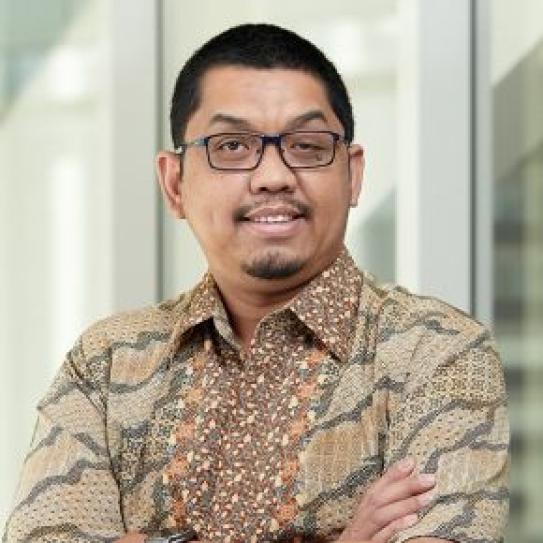
Azhar Zam is an Associate Professor of Bioengineering at NYU Abu Dhabi (NYUAD) and associated faculty at NYU Tandon School of Engineering's Biomedical and Electrical Engineering departments. He holds a B.Sc. from University of Indonesia, M.Sc. from University of Luebeck (Germany), and Ph.D. from Friedrich-Alexander-University Erlangen-Nuremberg (Germany). His research focuses on developing smart optical devices for medical imaging/diagnostics, including laser surgery, OCT, photoacoustics, and AI-driven imaging systems. He leads the Laboratory for Advanced Bio-Photonics and Imaging (LAB-π) at NYUAD and has authored 85+ publications/patents. Education: Bachelor of Science, University of Indonesia M.Sc. Biomedical Engineering, University of Luebeck Ph.D. Engineering, Friedrich-Alexander-University Erlangen-Nuremberg Research Interests: Innovations in biomedical optics, optical-based smart sensors, AI-enhanced diagnostics, and miniaturized medical imaging systems. His work integrates advanced optical technologies with surgical robotics and clinical applications. Professional Contributions: Associate Editor for Frontiers in Photonics Biophotonics section; Reviews Editor for Frontiers in Ophthalmology Retina section. Previously held positions at University of Basel (Assistant Professor), University of Waterloo, and other institutions globally. Labs & Teams: Directs NYUAD's LAB-π lab focusing on bio-photonics innovations. Collaborates across NYU's global network and international partners.