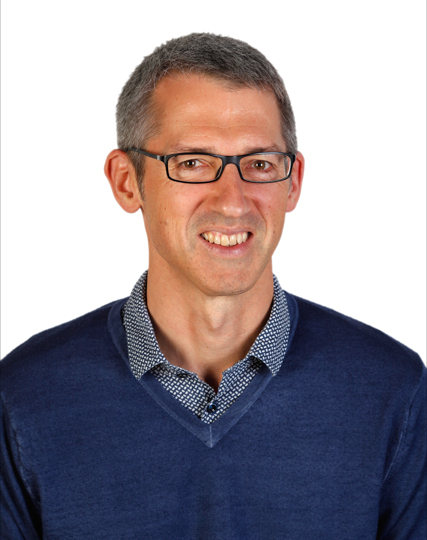
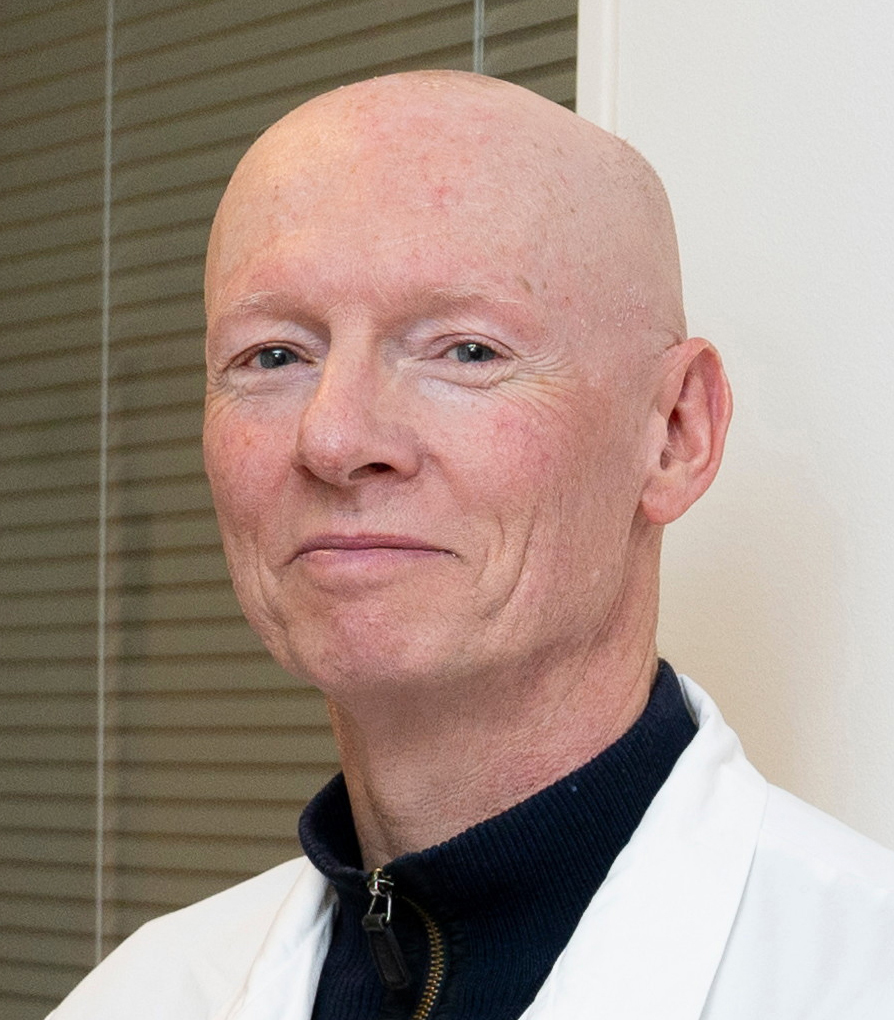
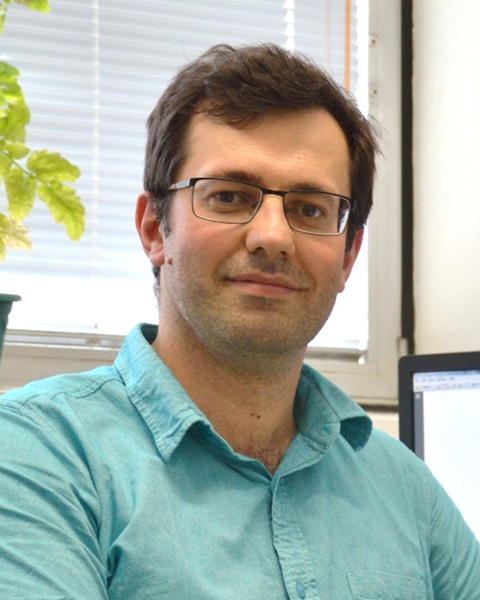
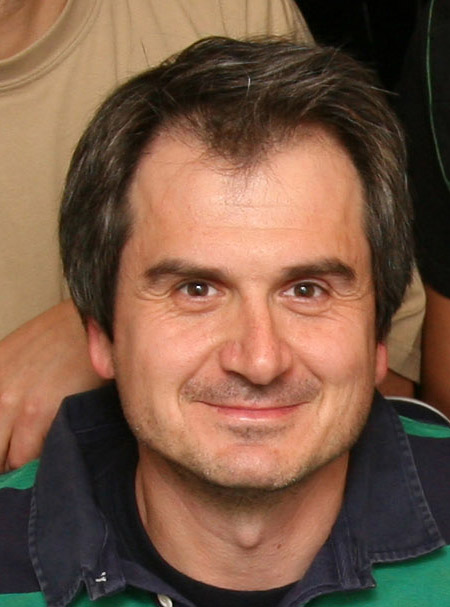
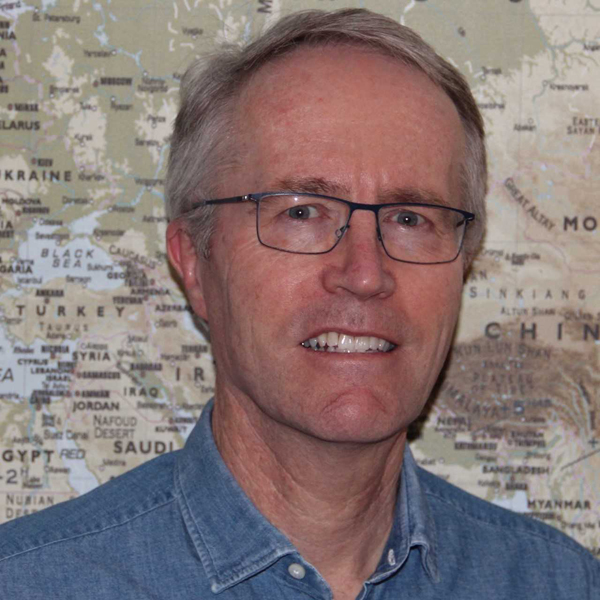
Jan Ellenberg is a Senior Scientist and Head of the Cell Biology and Biophysics Unit at the European Molecular Biology Laboratory (EMBL) since 2006 and 2010, respectively. He also serves as EMBL Delegate to the Euro-BioImaging Interim Board since 2014 and has coordinated multiple EMBL units and pan-European imaging infrastructure projects. PhD in biochemistry (1998, NIH & Freie Universität Berlin) Diploma in biology (1994, Universität Hamburg) His research focuses on cell biology , nuclear and chromosome dynamics , and advanced microscopy technologies . Key areas include mitosis/meiosis , nuclear pore complex organization , and super-resolution/light-sheet microscopy development. Scientific awards include the Allen Distinguished Investigator (2017), ERC Advanced Investigator (2016), and Walter Flemming Medal (2004). His publications (>130) frequently appear in top journals like Nature, Science, and Cell. 2017 Allen Distinguished Investigator 2016 ERC Advanced Investigator 2016 Honorary Doctor of Philosophy at Åbo Akademi University 2006 EMBO Member
Lea Atanasova is a Senior Researcher and Principal Investigator at the Institute of Food Technology, Department of Biotechnology and Food Science, University of Natural Resources and Life Sciences Vienna (BOKU). She holds a PhD (Dr. rer. nat.) and a Master’s degree (Mag. rer. nat.) and has extensive postdoctoral experience in fungal molecular biology and genomics. Her research is centered on mycoparasitic fungi such as Trichoderma and Clonostachys , with a focus on carbohydrate-active enzymes, signal transduction, gene expression, and ecological genomics. Her research interests span molecular biology, genetics, genomics, microbiology, mycology, and enzyme technology. She investigates the functional roles of genes and proteins in fungal biocontrol, nutrient acquisition, and host interactions. Her work integrates comparative genomics, transcriptomics, and functional proteomics to understand fungal evolution and ecological niches. The most recent publications highlight a strong trend in understanding fungal signaling pathways (e.g., TOR and MAPK), enzyme diversification (e.g., CDHs, pectate lyases), and the molecular mechanisms of mycoparasitism. Her work also extends to fungal secondary metabolites, host-microbe interactions, and advanced imaging techniques for protein localization. Scientific Awards: Carl Trygger scholarship for research at SLU (Uppsala, Sweden) GSA fungal meeting award, Genetics Society of America (Asilomar, CA, United States) FEMS Young Scientist Meeting Grant, Federation of European Microbiological Societies (Sant Feliu de Guíxols, Spain) Price Award for best Master-/Diploma research, Ecological Society of Germany, Austria and Switzerland (GFÖ) (Bayreuth, Germany) Austria National Park Research Award, Austrian Federal Ministry of Agriculture, Forestry, Environment and Water Management (Vienna, Austria) Ad Futura Special Achievements Fellowship for studies abroad, Slovene human resources development and scholarship fund (Ljubljana, Slovenia) Lea Atanasova has supervised several Master’s and Diploma theses on topics related to fungal biotechnology and enzymology. She leads an Austrian Science Fund (FWF)-funded project on GMC oxidoreductases in Clonostachys rosea . She is actively engaged in the scientific community, serving on editorial boards and as a guest editor. She has organized and chaired sessions at major conferences, including ECFG, and frequently presents her research internationally. She is a key member of the research community at BOKU, contributing to knowledge transfer through student supervision, editorial roles, and conference participation. Her work bridges fundamental fungal biology with applications in agriculture and biotechnology.
Harald Stenmark is a Professor at the Faculty of Medicine, University of Oslo, and heads the Department of Molecular Cell Biology at the Institute for Cancer Research, Oslo University Hospital. He is also Director of the Centre for Cancer Cell Reprogramming and previously held leadership roles including acting director of the Institute for Cancer Research and head of its Biochemistry Department. His research focuses on molecular mechanisms of cellular membrane dynamics in cancer progression. Key Research Areas: Rab GTPases, phosphoinositides, endocytosis, autophagy, ESCRT proteins, intracellular membrane traffic. Stenmark’s work has led to groundbreaking discoveries, including identifying the FYVE zinc finger domain and its role in phosphatidylinositol 3-phosphate binding. He has published over 300 papers with 34,000+ citations (H-index 101) and has been invited as a speaker at 90+ international conferences (23 keynote lectures). Recent publications highlight lysosomal membrane homeostasis, redox enzyme dynamics, and super-resolution microscopy advancements. Scientific Awards: Nordic Fernström Prize (2023), Anders Jahre’s Major Prize (2022), Fridtjof Nansen’s Award (2021), European Research Council Advanced Grants (2018, 2008), King Olav V’s Prize for Cancer Research (2014), Sir Hans Krebs Medal (2010), and memberships in EMBO, European Academy of Cancer Sciences, and Norwegian Academy of Science and Letters.
Thomas Juffmann is a Professor at the Faculty of Physics, specializing in Quantum Optics, Quantum Nanophysics, and Quantum Information. His research bridges quantum imaging, electron microscopy, and computational optics, with a focus on super-resolution techniques and quantum coherence. Recent trends in his publications highlight advancements in cavity-enhanced microscopy, fluorescence lifetime imaging, and alkali photocathode engineering. Key subfields include quantum metrology, optical near-field sensing, and interference microscopy. Scientific Awards: micrograph award 'novel microscopy' (2012) ERC Starting Grant (2018) ESG-Nano-Prize on Nanosciences 2010 (2010) He leads funded projects like COBLIM (label-free bacterial lysis imaging), ONEM (optical near-field electron microscopy), and EOFLIM (super-resolution fluorescence lifetime microscopy for brain surgery). His outreach work includes the Seec Photography initiative for real-time quantum imaging.
Wolfgang F. Graier is a Full Professor at the Institute of Molecular Biology and Biochemistry, Medical University of Graz, and leads the Gottfried Schatz Research Center for Cell Signaling, Metabolism and Aging. He also serves as CEO of Next Generation Fluorescence Imaging (NGFI) and heads the Nikon Center of Excellence for Super-Resolution Microscopy at BioTechMed Graz. Education: Pharmacy, University of Graz (1981-1988) PhD in Pharmacology, Department of Pharmacology and Toxicology, University of Graz (1988-1991) His research spans mitochondrial Ca²⁺ signaling, spatiotemporal signal transduction in endothelial cells under pathological conditions (diabetes, lipotoxicity), and metabolic flexibility. Methodologically, he pioneers fluorescent sensors for ATP dynamics, ER Ca²⁺ content, and mitochondrial protein modifications. Current projects within DK-MCD focus on UCP2-based anticancer/senolytic peptides, structured illumination microscopy applications, and spatial heterogeneity of mitochondrial Ca²⁺ uptake in cardiomyocytes. Students under his mentorship investigate topics ranging from β-cell metabolism to vascular aging. Roles: Chair of Molecular Biology and Biochemistry (2009-) Head of Research Unit for Molecular and Cellular Physiology (2006-) Head of Gottfried Schatz Research Center (2018-) CEO of NGFI (2015-)
Andrey Klymchenko is a CNRS Research Director of the 1st class (DR1) at the Laboratory of Bioimaging and Pathologies, UMR 7021 CNRS, University of Strasbourg, where he leads the Nanochemistry and Bioimaging research group. His position represents one of the highest research ranks within the French National Center for Scientific Research (CNRS) system, equivalent to a full professorship with primary research focus. Dr. Klymchenko received his PhD in chemistry from Kyiv National University in 2003. His academic journey includes postdoctoral research at Université Louis Pasteur in Strasbourg (2003-2005), followed by a postdoctoral fellowship at Katholieke Universiteit Leuven in Belgium (2005-2006). He joined CNRS in 2006, was promoted to CNRS Research Director 2nd class (DR2) in 2014, and subsequently to Research Director 1st class (DR1) in 2019. His research primarily focuses on developing functional fluorescent molecules and nanomaterials for biosensing, imaging and theranostics. Klymchenko has pioneered the development of solvatochromic dyes, fluorescent nanoparticles based on synthetic polymers and lipids, and light-harvesting nanoantennas. His work bridges chemistry, nanotechnology, and biomedical applications, with particular emphasis on cancer diagnostics, molecular imaging, and nucleic acid detection. Many of his fluorescent probes have been commercialized and are used in hundreds of research laboratories worldwide. Analysis of his publication record reveals a consistent focus on developing increasingly sophisticated fluorescent tools with enhanced sensitivity and specificity. His research has evolved from fundamental dye chemistry to complex nanoparticle systems capable of single-molecule detection and RNA imaging in live cells. The trajectory shows increasing translational potential, with several patented technologies moving toward clinical applications and commercialization through planned startup companies. His honors include the prestigious ERC Consolidator grant (BrightSens, 2015) and ERC Proof-of-Concept grant (ApliFISH, 2020), the CNRS Bronze medal (2010), and the CNRS Award for scientific excellence. With 224 peer-reviewed articles, 10 patents, and citation metrics showing 11,192 citations with an H-index of 57 (Google Scholar, 2021), his work has had significant impact in the field. As head of the Nanochemistry and Bioimaging group, Klymchenko leads a multidisciplinary team developing ultrabright dye-loaded nanoparticles for cancer diagnostics based on RNA analysis. His laboratory has pioneered concepts for polymer- and lipid-based fluorescent nanoparticles that dramatically enhance sensitivity in biomolecular detection, enabling new approaches in biosensing and molecular diagnostics.
Fabian Hauser is a Researcher at the Research Center Linz, University of Applied Sciences Upper Austria (FH OÖ), actively leading and contributing to biomedical research projects since 2014. He serves as Principal Investigator for the TCA-NanoBacDeath project (2024) and as Co-Investigator in seven completed projects including TCA3, LiSSCeD, and Bioceta, focusing on platelet dynamics, extracellular vesicles, and microfluidics-based cellular analysis. His educational background includes a Bachelor of Science (BSc), Diplom-Ingenieur (Dipl.-Ing. equivalent to Master's in Engineering), and Doctorate (Dr.). Hauser's research centers on Platelet Biochemistry and Single-molecule Localization Microscopy , with pioneering work in 3D localization techniques for studying protein distribution in extracellular vesicles. He integrates deep learning with atomic force microscopy for bioparticle characterization and develops microfluidic platforms for real-time analysis of thrombocyte aggregation. His fingerprint reveals dominant expertise in platelet activation pathways (100%), single-molecule imaging (92%), and extracellular vesicle analysis (75%). Recent publications demonstrate a clear trajectory toward quantitative imaging methodologies, combining super-resolution microscopy with AI-driven analysis to decode platelet-endothelial interactions and stem cell differentiation mechanisms. His work bridges biophysics, bioinformatics, and clinical applications through rigorous single-molecule approaches. Hauser secures substantial research funding through Austrian national programs including FTI-Strukturförderung and FWF grants. As PI for TCA-NanoBacDeath and CoI across eight projects, he directs interdisciplinary collaborations spanning bioparticle characterization, stem cell scaffolding, and thrombosis modeling under flow conditions. He operates within FH OÖ's Bioinformatics Center of Excellence and Medical Engineering/TIMed Center, leveraging the NASAN Nano Structuring and Bio-Analytics infrastructure for cutting-edge microscopy. His team develops open-source image analysis tools while maintaining strong industry partnerships through the Food Technology and Nutrition Center of Excellence.
Sarah Schweighofer is a Researcher at the Max Perutz Labs within the Department of Structural Biology and Computational Biology . Her work bridges structural and computational approaches to investigate dynamic cellular processes. Research Focus: Mitochondrial fission during apoptosis Key Techniques: SMLM (Single-Molecule Localization Microscopy), MINFLUX super-resolution imaging Collaboration: Co-investigator with Dr. J. Ries on a funded project (2025–2027)
Birgit Plochberger is a Professor at FH-Linz, affiliated with the NASAN - Nano Structuring and Bio-Analytics department within the Linz Center of Excellence for Medical Engineering. Her research focuses on lipoprotein biology, cell membrane interactions, and lipid metabolism. She leads projects such as TC-Hyperchol (2019-2020), investigating lipoprotein-cell membrane interactions in familial hypercholesterolemia, and BF-LipoShuttle (2018-2020), developing modified lipoproteins for drug delivery. Recent work includes advancements in single-particle profiling and high-throughput analysis of bioparticles. She has delivered presentations on topics like super-resolution microscopy and biomedical nanotools. Key Projects: Lipoprotein interactions, proton gradients in bacterial proteins, miRNA transfer via HDL particles. Research Highlights: Development of VISION software for cellular imaging, T cell receptor clustering tools. Her work integrates biophysics, nanotechnology, and medical applications, with over 60 publications and collaborations across Europe.
Dmitry Sivun is a researcher at the Fachhochschule Oberösterreich (Linz University of Applied Sciences) within the School of Medical Engineering . His work focuses on interdisciplinary research at the intersection of nanotechnology, biomedical engineering, and 3D microscopy, particularly in developing advanced optical lithography techniques and analyzing extracellular vesicles for neurodegenerative disease applications. Research Themes: Multi-photon lithography, stem cell differentiation scaffolds, plasmonics, biophysical characterization of bio-particles, and super-resolution fluorescence microscopy. Key Collaborations: Projects include ImageHeadstart (Industry 4.0 computer vision), LiSSCeD (3D scaffolds for stem cells), and Bioceta (extracellular vesicles for therapeutics). Technical Expertise: Specializes in 3D single-molecule localization, Coulomb blockade analysis, and gold nanoparticle dimer fabrication.
Eva Benková is a Professor and Dean of the Graduate School at the Institute of Science and Technology Austria (ISTA) , where she leads research on plant hormonal networks since 2016. Her work focuses on auxin-cytokinin interactions in root development, stress adaptation, and tissue patterning. 2016–present: Professor, ISTA 2021–present: Dean of Graduate School, ISTA 2013–2016: Assistant Professor, ISTA Research Themes : Plant Hormonal Signaling Networks Auxin-Cytokinin Crosstalk Root Development Under Stress Microtubule Dynamics and Polarity Nutrient Sensing in Plants Regeneration and Wound Healing Recent Article Trends : Her 2025 studies examine pectin methyl esterase in cell wall mechanics, super-resolution microscopy of root structures, and glutathione in regeneration. Earlier work (2024–2021) investigates decoy cytokinin receptors , mechanical force effects , and phosphoproteome responses to nitrate. Scientific Awards : EMBO Member (2017) Highly Cited Scientist (2014) FWF-ANR Bilateral Grant (2014) FWO Grants (2011) ERC Starting Grant (2008) FWF-funded Nitrate Project Advising : Mentors 10 PhD students, including David Babic, Syamala Inumella, and Yiqun Wang, focusing on hormonal networks and root development.
Eva Benková is a Professor and Dean of the Graduate School at the Institute of Science and Technology Austria (ISTA). She leads the Benková Group focused on Plant Developmental Biology, investigating how plants integrate environmental signals through complex hormonal networks. Her research has significantly advanced our understanding of auxin and cytokinin signaling pathways and their roles in plant adaptation to environmental conditions. Benková received her academic training through postdoctoral positions at the Max Planck Institute for Plant Breeding in Cologne and the Centre for Plant Molecular Biology in Tübingen. She held a habilitation position at the University of Tübingen before establishing her independent research group at the Flanders Institute for Biotechnology and later at the Central European Institute of Technology. In 2013, she joined ISTA as an Assistant Professor and was promoted to Professor in 2016. Her research interests center on plant hormonal networks, with particular focus on: How plants integrate environmental signals through hormonal signaling cascades Auxin and cytokinin crosstalk in root development Nitrate-hormone interactions in nutrient-dependent growth Mechanisms of hormonal network establishment and maintenance Transport-dependent auxin distribution and its regulation Convergence points that integrate different hormonal inputs Analysis of her recent publications reveals a strong emphasis on the molecular mechanisms underlying plant adaptation, particularly through hormonal signaling networks. Her work increasingly integrates advanced imaging techniques, computational modeling, and systems biology approaches. A significant portion of her research examines the intersection of nutrient signaling (particularly nitrate) with hormonal pathways that control root development. Benková's scientific achievements have been recognized with several prestigious awards: EMBO Membership (2017) Highly Cited Scientist designation (2014) FWF-ANR Bilateral Grant (2014) FWO Grants (2011) ERC Starting Grant (2008) Margarete von Wrangell Habilitation Program (2003-2007) As an academic mentor, Benková supervises multiple PhD students and postdoctoral researchers. Her lab includes PhD students David Babic, Valentin Leitner, Stefan Riegler, Tereza Tomickova, Ljupka Trajkova Petrova, and Yiqun Wang, as well as postdocs Marina Borges Osorio and Dekel Cohen Hoch. Her research is supported by grants including an Austrian Science Fund grant for her nitrate project. The Benková Group maintains a specialized research platform including a vertical confocal microscope (LSM700) equipped with root tracker software, enabling long-term observations of root growth in real time. This technology has been instrumental in their discoveries regarding the earliest changes in root growth in response to environmental stimuli.
Wolfgang F. Graier is a Full Professor of Molecular Biology and Chair of the Institute of Molecular Biology & Biochemistry at the Medical University of Graz, Austria. He also serves as Chair of the Molecular Biology & Biochemistry department at the Gottfried Schatz Research Center and is Head of the NIKON-Center of Excellence for Super-Resolution Microscopy. Since 2016, he has been CEO of Next Generation FLuorescence Imaging Inc. (NGFI, INC.). Education: 1981-1988: Study of Pharmacy & Pharmaceutical Chemistry, University of Graz, Austria July 12, 1988: Master degree (Mag. pharm.) in Pharmaceutical Science (suma cum laude) February 7, 1991: Ph.D. in Pharmacology, Faculty of Sciences, University of Graz, Austria (suma cum laude) June 1995: Habilitation in Biochemical Pharmacology at the Medical Faculty at the University of Graz January 1, 2001: Habilitation in Physiology at the Medical Faculty at the University of Graz Professor Graier's research focuses on mitochondrial bioenergetics, aging mechanisms, and drug development against aging. His work extensively covers mitochondrial ion regulation and transporters, energy metabolism, beta cell function and dysfunction related to diabetes, endothelial and vascular cell biology, and calcium regulation. His interdisciplinary approach bridges molecular biology, physiology, and pharmacology to address fundamental questions about cellular aging processes and metabolic diseases. Scientific Awards: Herba Award 1991 and Otto-Loewi-Award 1994 Multiple Paracelsus Awards (1995, 1999) and Sanofi-Aventis Awards (2004, 2006, 2007) Member of the ACADAEMIA EUROPAEA since 2008 Teacher of the year 2009/2010 at the Medical University of Graz Professor Graier has served as Associate Editor for Diabetologia (2000-2003), Editor for British Journal of Pharmacology (2000-2003), and Editorial Board Member for multiple journals including Journal of Cardiovascular Pharmacology (since 2001) and Pflugers Archive (since 2008). He has been an active reviewer for major journals in cardiovascular and molecular biology fields and served on international grant review panels. His leadership includes directing the Research Unit for Molecular and Cellular Physiology (2006-2024) and the Gottfried Schatz Research Center for Cell Signaling, Metabolism and Aging (2018-2024).
Professor Grant Seth is a leading molecular neuroscientist at the University of Edinburgh's Centre for Clinical Brain Sciences. His primary roles include Professor of Molecular Neuroscience (since 2000) and Director of the Genes to Cognition Programme. He holds honorary positions at institutions like the Florey Institute and the University of Cambridge. Education: BSc(Med), MB, BS from the University of Sydney (1980–1984), followed by postdoctoral training at Cold Spring Harbor Laboratory and Columbia University. His research focuses on synapse diversity and its role in behavior and neurological diseases such as Alzheimer’s and schizophrenia. Research Interests: Synaptome architecture, lifespan synapse dynamics, and the molecular basis of cognition. Key achievements include developing brain-wide synaptome mapping techniques and identifying synapse proteins linked to over 100 brain disorders. Awards: Includes the 2017 Wesley College Medal, 2014 Kenneth B. Myer Award, and 2020 FENS EJN Award. He is a Fellow of the Royal Society of Edinburgh and the Academy of Medical Sciences. Labs/Teams: Leads a multidisciplinary team at the Grant Lab, collaborating on projects funded by Wellcome Trust, ERC, and Simons Foundation. Research outputs include the Mouse Brain Synaptome Atlas and Human Brain Project contributions.
Prof. Gilad Haran is a Full Professor in the Chemical and Biological Physics Department at the Weizmann Institute of Science, Israel. He served as Dean of the Faculty of Chemistry (2012–2018) and Director of the Dwek School of Chemical Research (2008–2010). His research focuses on single-molecule biophysics, nanophotonics, and protein dynamics, employing advanced spectroscopic techniques like fluorescence and Raman scattering. He holds prestigious positions such as the Hilda Pomeraniec Memorial Professorial Chair and has been recognized with major awards including the American Chemical Society Nakanishi Prize (2023) and the European Research Council Advanced Grant (2017). Education: PhD in Chemical Physics (1993, Weizmann Institute), postdoctoral training at the University of Pennsylvania (1994–1998). His academic progression includes Senior Scientist (1998–2005), Associate Professor (2005–2011), and Full Professor (2011–present). Research Interests: Single-Molecule Biophysics: Dynamics of proteins in action, including enzyme catalysis and molecular machines like ClpB. Nanophotonics: Surface plasmon excitations, quantum dot-light emission interactions in nanocavities. Super-Resolution Microscopy: 3D localization of T-cell receptors and membrane protein organization. His work bridges chemical physics and biology, with a focus on real-time molecular processes. Key Achievements: Pioneered methods in single-molecule FRET for studying protein dynamics. Discovered ultrafast dynamics in AAA+ protein disaggregases. Advanced plasmon-exciton coupling studies in nanophotonic systems. Grants & Awards: Over 10,000 citations, H-index 53. Major grants include ERC Advanced Grant (2017) and Israel Science Foundation Breakthrough Grant (2022). Honors include Fellowships from the Royal Society of Chemistry and Biophysical Society. Labs/Teams: Leads a multidisciplinary group at Weizmann, integrating spectroscopy, nanotechnology, and computational modeling to study molecular mechanisms at the single-particle level.