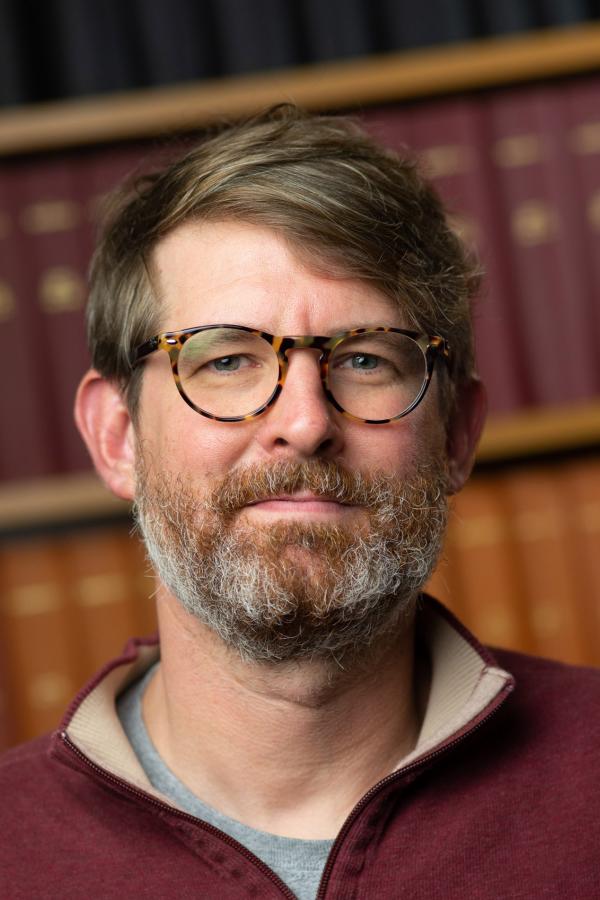
Thomas Perlmann is a Professor in Molecular Developmental Biology at the Karolinska Institutet , leading research at the Department of Cell and Molecular Biology and serving as Director of the Stockholm Branch of the Ludwig Institute for Cancer Research. He also holds the position of Secretary General of the Nobel Assembly and Nobel Committee for Physiology or Medicine since 2016. Ph.D. , Karolinska Institutet, 1991 M.Sc. , Stockholm University, 1987 Research Interests : The Perlmann lab investigates the specification and maintenance of dopamine neurons in the central nervous system, with a focus on transcriptional regulation , signaling pathways , and regenerative medicine applications for Parkinson’s disease and other neurodegenerative disorders. His work bridges developmental biology and neuroscience , emphasizing the role of transcription factors in neuronal identity and function. Recent Research Trends : Perlmann’s recent publications highlight the use of single-cell RNA sequencing to dissect dopamine neuron heterogeneity , epigenetic regulation during development, and transcriptomic changes in Parkinson’s disease models. His studies increasingly leverage multiomics and bioinformatics to map neuronal lineage trajectories and gene expression dynamics. Scientific Awards : Royal Medal by HM the King (2025) Nicholson Lecturer, Rockefeller University (2011) Göran Gustafsson Prize in Molecular Biology (1999) Eric K. Fernström Young Investigator Prize (1997) Advising & Collaborations : While no student names are explicitly listed, Perlmann collaborates extensively with researchers such as Malin Parmar , Agnete Kirkeby , and Per Svenningsson on projects related to neuronal development and cell therapy . His lab receives funding from institutions like the Ludwig Institute for Cancer Research . Labs & Teams : The Perlmann Lab at Karolinska Institutet includes researchers like Linda Gillberg , Laura Lahti , and Behzad Yaghmaeian Salmani , who work on mouse models , single-cell transcriptomics , and bioinformatics to study dopamine neuron biology.
Aysegul Gunduz, Ph.D., is a Professor and Fixel Brain Mapping Professor at the University of Florida's Herbert Wertheim College of Engineering, Department of Biomedical Engineering. She leads the Brain Mapping Laboratory, focusing on neural networks and clinical translation for neurological disorders. Her work integrates electrophysiology, bioimaging, and neuromodulation to develop diagnostic and therapeutic systems for conditions like Parkinson’s disease, epilepsy, movement disorders, and stroke. Education: B.S., Electrical Engineering, Middle East Technical University (2001) M.S., Electrical Engineering, North Carolina State University (2003) Ph.D., Electrical Engineering, University of Florida (2008) Post-doctoral Fellowship in Neurology, Albany Medical College (2011) Research interests include human brain mapping, closed-loop deep brain stimulation (DBS), neuromodulation strategies for movement disorders, and wearable sensor technologies for neurological monitoring. Her lab emphasizes translational research, bridging basic science with clinical applications to improve patient outcomes. Awards include the BMES Fellowship (2024), AIMBE Fellowship (2022), and PECASE (2019), reflecting her leadership in neural engineering. Her articles explore cutting-edge topics like DBS efficacy, neural network dynamics, and ethical considerations in neural device research. Grants and collaborations focus on advancing adaptive DBS and brain-computer interfaces. She mentors students in neuroengineering and advocates for equitable participation in clinical research. The Brain Mapping Laboratory actively engages in multidisciplinary projects with neurologists, surgeons, and industry partners. Future work includes optimizing closed-loop systems for Tourette syndrome and Parkinson’s disease, developing open-source neuroimaging tools, and expanding wearable sensor applications for real-time neurological monitoring.
Mark Jenkinson is a Professor of NeuroImaging at the University of Oxford's Nuffield Department of Clinical Neurosciences and also holds positions at the University of Adelaide's Australian Institute for Machine Learning and the South Australian Health and Medical Research Institute (SAHMRI). He heads the Structural Modelling and Analysis Group at the FMRIB Centre, where his research focuses on multimodal population modeling and structural brain segmentation. Education: DPhil in Robotics Research (University of Oxford, 1999) BSc (Hons I) in Mathematical Physics (University of Adelaide, 1994) BE (Hons I) in Electrical and Electronic Engineering (University of Adelaide, 1993) Professor Jenkinson's research spans two major themes: multimodal modeling of populations to describe disease processes and apply to individual patient diagnoses, and structural segmentation and analysis of brain anatomy and pathology, particularly focusing on sub-cortical structures and lesions. His work integrates advanced computational methods with neuroimaging to develop tools for understanding neurological disorders. As the developer of key components of the FMRIB Software Library (FSL), he has significantly contributed to standard neuroimaging analysis pipelines used worldwide. His recent publications demonstrate a strong focus on deep learning applications in neuroimaging, uncertainty quantification in medical AI, and advanced segmentation techniques. There's a clear trend toward developing more robust, anatomically plausible models that preserve topological structures while improving diagnostic capabilities for conditions like multiple sclerosis, Huntington's, and Parkinson's diseases. Scientific Awards: Highly Cited Researcher (Clarivate Analytics 2018-2021, Thomson Reuters 2014-2016) ISMRM Outstanding Teacher Award (2009, 2014) Teaching Excellence Award, University of Oxford (2012) David Phillips Fellowship from BBSRC (2005-2010) Professor Jenkinson has supervised over 25 doctoral students whose work spans brain segmentation, connectivity analysis, and clinical applications of neuroimaging. His research is supported by significant grants including the Medical Research Future Fund (AU$2m), Wellcome Trust Centre for Integrative Neuroimaging (£11m), and NIH Human Connectome Project (US$30m), reflecting the high impact and translational potential of his work. As head of the Structural Modelling and Analysis Group at FMRIB, Jenkinson leads a team developing the FSL (FMRIB Software Library), one of the most widely used neuroimaging analysis packages globally. His group collaborates extensively with clinical researchers on applications ranging from multiple sclerosis to traumatic brain injury, translating computational advances into clinical practice.
Professor Tim Denison FREng holds a joint appointment in the Department of Engineering Science and Nuffield Department of Clinical Neurosciences at the University of Oxford, where he serves as the Royal Academy of Engineering Chair in Emerging Technologies and an MRC Investigator. His research focuses on the fundamentals of physiologic closed-loop systems and developing next-generation neural interface technologies for treating chronic neurological diseases. Professor Denison received his A.B. in Physics from The University of Chicago, followed by M.S. and Ph.D. degrees in Electrical Engineering from MIT. He later completed an MBA at The University of Chicago, where he was named a Wallman Scholar. His research spans neural engineering, closed-loop neuromodulation systems, and computational neuroscience, with particular emphasis on deep brain stimulation, neural oscillations, and adaptive neurostimulation techniques. His work integrates engineering principles with clinical neuroscience to develop innovative treatments for neurological disorders. Professor Denison's approach combines computational modeling with experimental validation to optimize brain stimulation parameters for individual patients. Professor Denison has received numerous prestigious awards, including membership in the Bakken Society (2012, Medtronic's highest technical honor), the Wallin leadership award (2014), election to the College of Fellows for the American Institute of Medical and Biological Engineering (2015), and recognition as a Fellow of the Royal Academy of Engineering (FREng). As a former Technical Fellow at Medtronic PLC and Vice President of Research & Core Technology for the Restorative Therapies Group, Professor Denison brings significant industry experience to his academic work. His research group focuses on developing advanced neurostimulation technologies that incorporate chronobiology principles and adaptive algorithms to improve treatment outcomes for neurological conditions.
Dr. Annemieke Apergis-Schoute is a Lecturer in Psychology (Teaching and Research) at Queen Mary University of London, affiliated with the School of Biological and Behavioural Sciences and the Centre for Brain and Behaviour. Her research focuses on obsessive-compulsive disorder (OCD), cognitive flexibility, prefrontal mechanisms, and student mental health. She holds a PhD from New York University, where her early work explored threat learning in rats and humans using fMRI. Subsequent roles at the University of Cambridge and UCL expanded her expertise into clinical OCD studies, including deep brain stimulation trials. Her research investigates how prefrontal control deficits and inflexible learning contribute to OCD and related disorders, with a focus on adolescents and young adults. Collaborations include pioneering DBS studies targeting basal ganglia regions to reduce compulsive behaviors. She also explores connections between brain function, interoception, and mental health in daily decision-making contexts. Key publications analyze reversal learning deficits in OCD under serotonergic modulation, neuroimaging markers of cognitive rigidity, and developmental trajectories of compulsivity. Her work bridges basic neuroscience with translational clinical interventions, emphasizing early intervention strategies and cognitive-behavioral approaches.
Peter A. Tass is a Professor of Neurosurgery at Stanford University's School of Medicine, where he leads the Tass Lab within the Department of Neurosurgery. His research focuses on developing groundbreaking neuromodulation techniques designed to impact the course of neurological diseases including Parkinson's disease, stroke, epilepsy, and tinnitus. The Tass Lab is part of several prestigious Stanford initiatives including Bio-X, the Wu Tsai Human Performance Alliance, the Maternal & Child Health Research Institute (MCHRI), and the Wu Tsai Neurosciences Institute. MD from Universities of Ulm and Heidelberg, Germany (1989) PhD in Physics from University of Stuttgart, Germany (1993) Diploma (master's degree) in Mathematics from University of Stuttgart, Germany (1993) Habilitation thesis in Physiology from RWTH Aachen University, Aachen, Germany (2001) Dr. Tass's primary research interests center around computational neuroscience approaches to understanding and treating neurological disorders. His lab pioneers neuromodulation techniques based on thorough computational modeling that employs dynamic self-organization, plasticity, and other neuromodulation principles to produce sustained therapeutic effects after stimulation. He specifically focuses on developing stimulation methods that cause sustained neural desynchronization by unlearning abnormal synaptic interactions. His work spans both invasive techniques like deep brain stimulation and non-invasive approaches such as vibrotactile and acoustic stimulation. Current projects involve developing novel therapies for Parkinson's disease, epilepsy, tinnitus, and other neurological conditions using comprehensive computational neuroscience methods derived from non-linear dynamics, statistical physics, and numerics. Analysis of Dr. Tass's recent publications reveals a strong focus on coordinated reset stimulation techniques, neural network modeling with plasticity mechanisms, and computational approaches to brain stimulation. His work consistently bridges theoretical computational neuroscience with clinical applications, particularly for Parkinson's disease treatment. A significant portion of his recent research examines how stimulation parameters, sequences, and timing affect long-lasting desynchronization effects in neural networks. His publications demonstrate an interdisciplinary approach combining physics, mathematics, neuroscience, and clinical medicine to develop novel therapeutic interventions. Member of the European Academy of Sciences and Arts (2012) Nicolaus August Otto Innovation Prize (2011) German Innovation Award in Medicine (2011) Rapid Response Innovation Awards from The Michael J. Fox Foundation (2009, 2010) Runner-up for the German future prize (2006) Erwin Schrödinger prize (2005) Fritz Winter prize (2000) Dr. Tass actively mentors a diverse team of researchers including staff scientists, postdoctoral fellows, clinician-scientists, and students. His lab currently includes researchers with backgrounds in physics, computational neuroscience, biomedical engineering, and clinical neurology. The lab is involved in multiple clinical trials, including studies on coordinated reset spinal cord stimulation and vibrotactile coordinated reset stimulation for Parkinson's disease. His research is supported by various funding sources including foundations focused on neurological disorders and innovation in medical technology. Dr. Tass collaborates extensively with both internal Stanford researchers and external collaborators worldwide. The Tass Lab at Stanford is a multidisciplinary research group comprising physicists, neuroscientists, engineers, and clinicians working together to develop novel neuromodulation therapies. The lab team includes staff scientists like Justus Kromer (theoretical physicist), postdocs like Daniel Ehrens and Kanishk Chauhan, clinician-scientists like Tina Munjal, and clinical research coordinators. The lab maintains active collaborations with Stanford colleagues across departments including Kwabena Boahen, Vivek P. Buch, and Jaimie Henderson, as well as external collaborators like Alexander Neiman and Kęstutis Pyragas. Current research directions include developing non-invasive vibrotactile treatments for Parkinson's disease, acoustic coordinated reset therapy for tinnitus, and responsive deep brain stimulation for conditions like loss-of-control eating.
Lori L. Holt is a Professor of Psychology at the University of Texas at Austin (UT-Austin), where she leads the Holt Lab. Previously, she served as faculty at Carnegie Mellon University (1999–2023), contributing to the Center for the Neural Basis of Cognition. Her research focuses on auditory cognitive neuroscience, exploring how learning, attention, and neural mechanisms shape speech perception and communication. She holds a BS and PhD in Psychology from the University of Wisconsin-Madison (1995, 1999). Her work investigates the neural foundations of listening, emphasizing adaptive plasticity in speech perception, statistical learning dynamics, and the interplay between sensory input and cognitive processes. Recent studies examine how short-term sound statistics influence perceptual weighting, the impact of accent exposure on speech production, and neural correlates of auditory category learning. The Holt Lab, equipped with EEG facilities, advances understanding of voice perception, speech motor control, and neurocognitive adaptation. Dr. Holt teaches courses such as Behavioral Neuroscience (PSY 332) and Biopsychology (PSY 308), reflecting her expertise in linking biological mechanisms to psychological processes. Her research has been published in leading journals, with a focus on auditory neuroscience, statistical learning, and neurorehabilitation.
Marco Ghislieri is an Assistant Professor at the Department of Electronics and Telecommunications (DET) of Politecnico di Torino, Italy. He is a member of the Interdepartmental Center PolitoBIOMed Lab and teaches in the Biomedical Engineering program, including courses like Neuroengineering and Design of Programmable Biomedical Devices . His research spans Artificial Intelligence, Biomedical Signal Processing, Neuroscience, and Rehabilitation Engineering . PhD in Bioengineering and Medical-Surgical Sciences (2017-2021) at Politecnico di Torino Thesis: Muscle Synergy Assessment during Cyclic and Non-Cyclic Movements His research focuses on muscle synergy analysis in Parkinson’s Disease (PD) patients post- Deep Brain Stimulation (DBS) , AI-driven gait analysis for fall prevention, and wearable sensor applications for stress-cognitive decline monitoring. He leads the S-CoDe and OMNIA-PARK projects, and contributes to PRIN as a team member. Recent publications highlight advancements in machine learning for intraoperative DBS targeting , statistical gait analysis , and neurorehabilitation tools . He serves as Associate Editor for Scientific Reports and Applied Bionics and Biomechanics , and Guest Editor for Frontiers in Neural Circuits . Awards include the Carlo J. De Luca Award (2022) , GNB Doctoral Award (2022) , and the Best Poster Award at M. Grattarola Summer School (2022) . He supervises Fabrizio Sciscenti (PhD candidate) and collaborates on neuroengineering and biomedical device design courses. His work addresses Goal 3 (Good Health) and Goal 4 (Quality Education) of the UN SDGs.
Dr. Enrico Opri is an Assistant Professor in the Department of Biomedical Engineering at the University of Michigan , where he directs the Opri Lab. His research focuses on engineering novel methodologies to automate and enhance clinical procedures in neuromodulation for neurological disorders such as Parkinson’s, Tourette syndrome, essential tremor, and epilepsy. Research Focus Neurophysiological activity in basal ganglia-thalamocortical circuits Therapeutic effects of neuromodulation (e.g., Deep Brain Stimulation, cortical stimulation mapping) Identification of neurological biomarkers for improved clinical procedures Advancements in closed-loop neurostimulation systems Article Trends Dr. Opri's recent publications emphasize closed-loop deep brain stimulation (DBS) systems, computational modeling of neural activity, and the identification of biomarkers for neurological disorders. Key subfields include Parkinson’s disease motor dynamics, Tourette syndrome tic detection, essential tremor treatment, and cortico-thalamic coupling mechanisms. His work bridges biomedical engineering and clinical neuroscience, focusing on translating technological innovations into therapeutic applications.
Hauke Heekeren is a full Professor in the Division of Biological Psychology and Cognitive Neuroscience within the Department of Education and Psychology at Freie Universität Berlin. He leads a research group focused on the neural mechanisms underlying human decision-making, emotion regulation, and social cognition, utilizing neuroimaging and computational approaches. His research interests center on understanding how the human brain processes value, makes perceptual and economic decisions, regulates emotions, and engages with social environments, including digital platforms like social media. His work integrates methods from cognitive neuroscience, psychology, and computational modeling to explore fundamental aspects of brain function. The recent publications highlight a strong trend in investigating decision-making under uncertainty, the neural valuation system, emotion regulation strategies, and the social brain. His studies frequently employ fMRI and behavioral paradigms to dissect the prefrontal-striatal and fronto-parietal circuits involved in cognition. Over time, his research has expanded from basic perceptual decisions to complex social and economic behaviors. While no specific awards are listed in the provided content, his publication record in top-tier journals such as Nature Human Behaviour , Nature Neuroscience , and PNAS reflects significant scientific impact and recognition in the field of cognitive neuroscience. As a principal investigator, he likely supervises graduate students and postdoctoral researchers, though no named students are listed. His work is supported by research grants, implied by his extensive publication output and institutional position, though specific funding sources are not detailed in the provided text. He is affiliated with the Division of Biological Psychology and Cognitive Neuroscience at Freie Universität Berlin, where he conducts research using advanced neuroimaging techniques to explore the neural basis of human behavior.
Joshua I. Gold is a Professor of Neuroscience at the Perelman School of Medicine, University of Pennsylvania , where he co-directs the Computational Neuroscience Initiative . His research focuses on the neural mechanisms underlying inference and learning in decision-making, integrating computational modeling with human and non-human primate studies . Education: Sc.B. in Neural Sciences from Brown University (1991), Ph.D. in Neurosciences from Stanford University (1997) Grants: NIH R01 EY015260, NIH F31 MH093099, NIH F21 MH093099 Gold's work explores how uncertainty, contextual information , and neural computations shape adaptive behavior. His lab employs psychophysics, electrophysiology , and pupillometry to study decision-making in dynamic environments. Recent publications highlight Bayesian inference, dual anticipatory processes , and neural correlates of reward prediction . Scientific Contributions: Developed computational models for learning rate regulation Investigated subthalamic nucleus and caudate nucleus roles in decision-making Linked noradrenergic systems to adaptive learning
Lucy L. Brown is a Clinical Professor in the Saul R. Korey Department of Neurology and holds a Professor title in the Dominick P. Purpura Department of Neuroscience at Albert Einstein College of Medicine. Her research focuses on basal ganglia neuroanatomy, reward systems, and the neuroscience of romantic love and attachment. She is based at the Jack and Pearl Resnick Campus in Bronx, NY. Dr. Brown’s work includes pioneering studies on somatotopic mapping in rat striatum and collaborative research on cerebral correlates of mobility and executive function in aging with Dr. Helena Blumen. Her research interests are deeply rooted in understanding how brain circuits underpin complex behaviors, particularly love and attachment. Using neuroimaging techniques, she explores the neural mechanisms behind romantic love, rejection, and altruism in human relationships. Notable contributions include studies on striatal organization (1992), reward system dynamics (2005–2010), and the genetic and neural basis of sexual satisfaction (2019). Her publications span over four decades, combining animal models (e.g., dopamine’s role in rat brain circuits) with human neuroimaging. Recent work emphasizes social neuroscience, linking brain activity to emotional and relational processes. While no awards are explicitly listed, her prolific and interdisciplinary research underscores significant contributions to neuroscience. Dr. Brown’s academic roles include teaching and mentoring, though her advisees are not listed here. She collaborates widely, evidenced by co-authored studies with Arthur Aron, Helen Fisher, and others. Her lab or team details are not specified in the text, but her work integrates clinical, cognitive, and systems neuroscience.
Professor Simon Lewis is a Consultant Neurologist and Professor of Cognitive Neuroscience at the University of Sydney's Brain and Mind Centre within the Faculty of Medicine and Health. He serves as Clinical Director of the Ageing Brain Clinic and Director of the Parkinson's Disease Research Clinic, while also heading the NSW Movement Disorders Brain Donor program. With over 200 peer-reviewed publications, 2 books, and 8 book chapters to his name, Professor Lewis has secured more than $10 million in research funding from prestigious sources including the NHMRC, ARC, and Michael J Fox Foundation. Professor Lewis's research primarily focuses on dementia and Parkinson's disease, with particular expertise in cognitive neuroscience, movement disorders, and REM sleep behavior disorder. His work spans from basic neuroimaging studies to clinical trials investigating novel interventions for neurodegenerative conditions. He has pioneered research on freezing of gait in Parkinson's disease, visual hallucinations in Lewy body disorders, and the relationship between circadian rhythms and neurodegeneration. His laboratory employs a multidisciplinary approach combining clinical assessment, neuroimaging (structural and functional MRI), neurophysiological measurements, and innovative computational methods to understand disease mechanisms. The trajectory of Professor Lewis's recent publications reveals a growing emphasis on biomarker discovery for early diagnosis and disease progression, with increasing integration of artificial intelligence and machine learning approaches to analyze complex movement and sleep data. His work increasingly bridges basic neuroscience with clinical applications, particularly in developing targeted interventions for non-motor symptoms of Parkinson's disease. The collaborative nature of his research is evident in the international authorship patterns across his publications. Among his notable accolades is the Leonard Cox Award (2014) from ANZAN recognizing his significant contributions to neuroscience as an early career neurologist. Professor Lewis serves on multiple editorial boards including Movement Disorders, Translational Neurodegeneration, and Journal of Neurology, Parkinson's and Related Disorders. He actively contributes to international committees such as the Movement Disorders Society Asian Oceanian Section Executive Committee and the International REM Sleep Behaviour Study Group. Professor Lewis leads the world-leading Parkinson's and Related Diseases Research Group at the Brain and Mind Centre, which attracts PhD students interested in understanding disease mechanisms, developing biomarkers, and creating novel treatment modalities for Lewy body-related diseases. His international collaborations span institutions in the Netherlands (Radboud UMC), United Kingdom (King's College London, Cambridge, Newcastle), and other global centers of excellence in Parkinson's research. His work exemplifies a translational approach from bench to bedside, with particular focus on improving quality of life for patients with neurodegenerative conditions.
Warren M. Grill is the James B. Duke Distinguished Professor and Bass Fellow at Duke University, holding appointments in Neurobiology, Neurosurgery, and Biomedical Engineering. He serves as Core Faculty in Innovation & Entrepreneurship, a Faculty Network Member of the Duke Institute for Brain Sciences, and an Associate of the Duke Initiative for Science & Society. His research employs engineering approaches to understand and control neural function, with a focus on electrical stimulation of the nervous system to restore function in neurological disorders. Ph.D., Case Western Reserve University (1995) M.S., Case Western Reserve University (1992) B.S., Boston University (1989) Dr. Grill's research spans multiple areas of neural engineering and neuromodulation. His work focuses on developing engineering approaches to understand and control neural function, particularly through electrical stimulation of the nervous system. Current projects include deep brain stimulation for movement disorders, peripheral nerve stimulation for bladder function restoration, spinal cord stimulation for chronic pain, transcranial magnetic stimulation, and novel electrode and waveform design. His research integrates computational modeling with experimental approaches to advance bioelectronic medicine. Dr. Grill's recent publications (2023-2025) demonstrate a strong focus on computational modeling of neural stimulation, with particular emphasis on deep brain stimulation, vagus nerve stimulation, and transcranial magnetic stimulation. His work increasingly integrates advanced computational methods with experimental validation across multiple species. There's a clear trend toward developing more selective and efficient stimulation paradigms, understanding cross-species translation of stimulation parameters, and identifying novel therapeutic targets for neurological disorders. Fellow, National Academy of Inventors (2022) Capers & Marion McDonald Award for Excellence in Teaching and Research, Pratt School of Engineering (2018) Javits Neuroscience Investigator Award, NIH-NINDS (2015) Scholar / Teacher of the Year Award, Duke University (2014) Outstanding Postdoc Mentor, Duke University (2013) Fellow, Biomedical Engineering Society (2011) Fellow, American Institute for Medical and Biological Engineering (2007) Dr. Grill has mentored numerous students and postdocs, many of whom have gone on to successful careers in academia and industry. His lab has been consistently supported by major NIH grants, including the Javits Neuroscience Investigator Award from NIH-NINDS. He has also secured funding from various foundations and industry partners to advance his research in neural engineering and bioelectronic medicine. Dr. Grill is known for his collaborative approach, working with clinicians, engineers, and basic scientists across multiple institutions. Dr. Grill leads a vibrant research laboratory at Duke University that combines expertise in neural engineering, computational neuroscience, and experimental neurophysiology. His team includes graduate students, postdoctoral fellows, and research staff working on various aspects of neural stimulation. He is actively involved in the Duke Institute for Brain Sciences and collaborates with members of the Deep Brain Stimulation Think Tank. His lab has developed several innovative computational models and experimental approaches that have significantly advanced the field of neuromodulation.
Julie Miwa serves as an Associate Professor in the Department of Biological Sciences within the College of Arts and Sciences at Lehigh University. Her research laboratory investigates complex neurobiological processes with a specific focus on the cholinergic system and its regulation through lynx genes. Dr. Miwa's work employs a highly multidisciplinary approach that combines molecular genetics, genetic engineering, electrophysiology, behavioral analysis, and biochemical techniques. Dr. Miwa's research centers on lynx proteins, which function as molecular brakes on nicotinic acetylcholine receptors. Her laboratory generates genetically engineered mouse lines to characterize how these regulatory proteins influence neural function and behavior. Key findings from her research demonstrate that manipulating lynx proteins affects learning capabilities, critical period plasticity, anxiety responses, and neuronal survival. Her work has significant implications for understanding neural adaptation mechanisms and potential therapeutic approaches for neurological conditions. Analysis of Dr. Miwa's publication record reveals a consistent trajectory of research focused on cholinergic regulation, with particular emphasis on lynx proteins and their interactions with nicotinic receptors. Her work spans molecular mechanisms, cellular function, and behavioral outcomes, demonstrating a comprehensive approach to neuroscience research. The publications show increasing sophistication in techniques and expanding applications to understanding neural plasticity, learning mechanisms, and potential relevance to neurological disorders. Dr. Miwa's laboratory actively seeks researchers with expertise in molecular genetics, genetic engineering, behavioral pharmacology, and biochemical techniques. Her research program appears to be well-established with consistent publication output across nearly two decades, indicating sustained funding and productive research operations. While specific grant information isn't provided in the available text, the longevity and productivity of her research program suggest successful grant acquisition and management. The laboratory focuses on investigating how lynx proteins regulate the cholinergic system through multidisciplinary approaches. Current research directions include examining the role of lynx proteins in motor learning, anxiety-related behaviors, and neuronal health during aging. The lab utilizes genetically engineered mouse models combined with electrophysiological, behavioral, biochemical, and microscopic techniques to unravel the complex relationships between molecular regulation and behavioral outcomes.