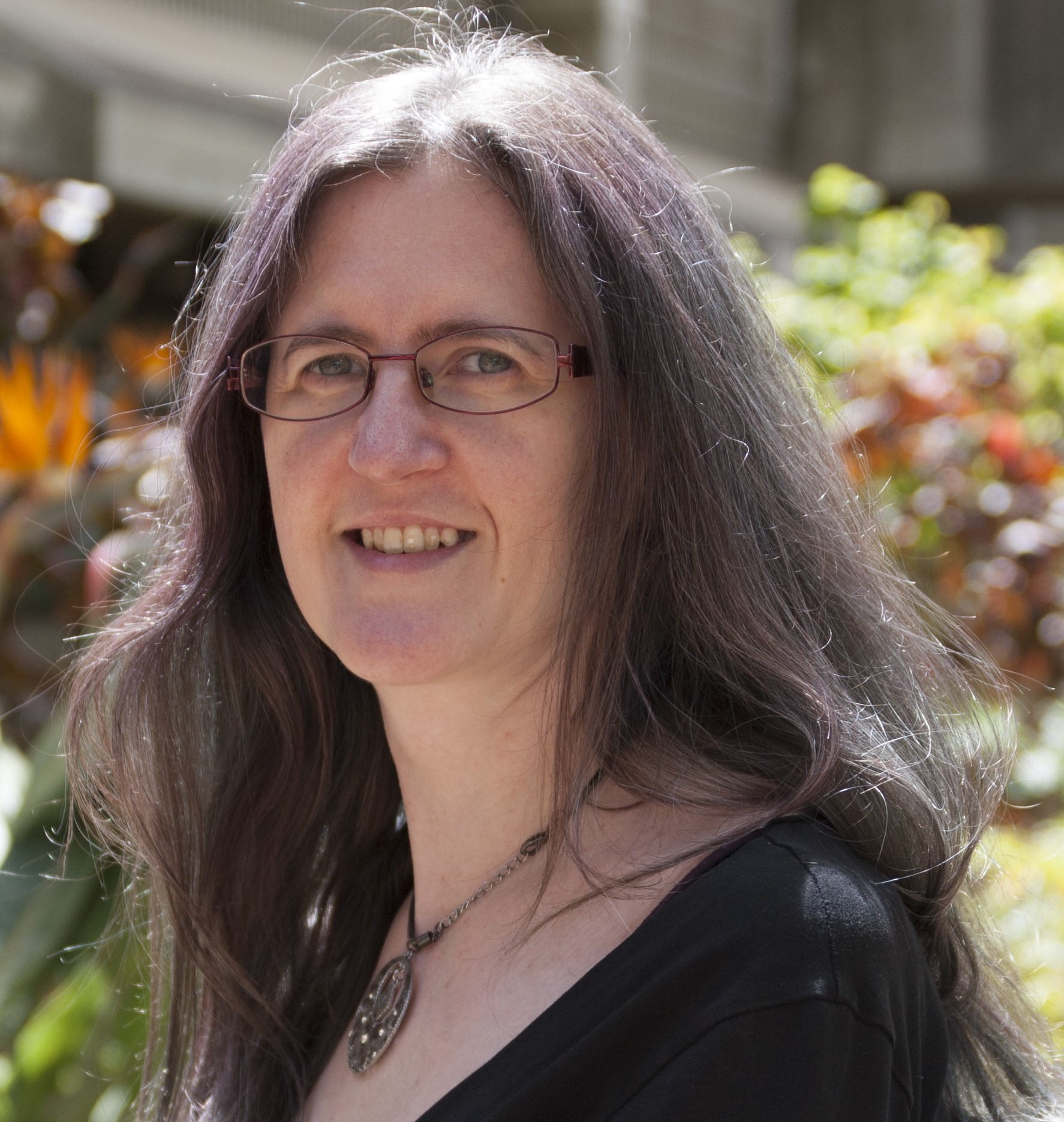
Alison Blyth is an Associate Professor and Course Lead for the Bachelor of Science program at Curtin University's Faculty of Science and Engineering. She oversees 23 majors and over 600 students, focusing on inclusive education and student well-being. Her teaching emphasizes universal design, active learning, and authentic assessment, spanning units in climate science, environmental challenges, and interdisciplinary STEM integration. Research interests include groundwater ecology, paleoenvironmental reconstruction, and biodiversity in SW Australia, utilizing isotopic and molecular techniques. Awards include the 2023 AAUT Citation for Student Learning and multiple teaching excellence recognitions. She holds fellowships from the Geological Society of London and is a life member of Clare Hall, Cambridge. Education: Not explicitly listed in the text. Affiliations: Geological Society of Australia, Clare Hall (Cambridge). Her research bridges earth sciences, ecology, and chemistry, with recent work on WA groundwater ecosystems, subterranean biodiversity, and climate change impacts. Publications span 15+ years, addressing speleothem analysis, stygofauna trophic dynamics, and paleoenvironmental reconstruction. She supervises PhD students exploring pre-colonial biodiversity and ecosystem resilience. Grants and collaborations are implied through multi-institutional research. Labs/Teams: Collaborations with global institutions on subterranean ecology and paleoclimatology.
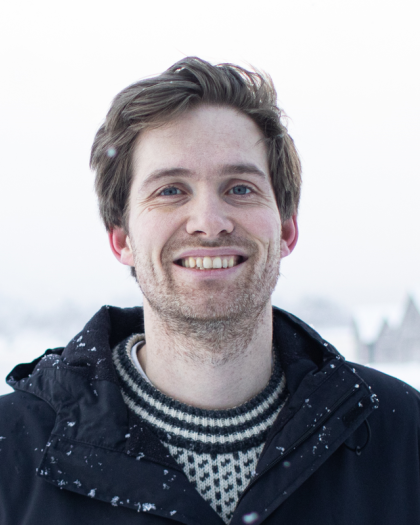
Ian Moffat is a Professor of Archaeological Science at Flinders University, specializing in the application of geological and geophysical techniques to archaeological questions. He holds academic appointments including a former Commonwealth Rutherford Fellowship at the University of Cambridge and has collaborated with institutions globally. His research focuses on landscape evolution, human migration, and forensic archaeology, with notable work on Australia’s prehistory and rock art analysis. Moffat has received prestigious awards such as the HG Andrewartha Medal and South Australian Tall Poppy Award, reflecting his contributions to scientific and public engagement. Education : PhD, Research School of Earth Sciences, Australian National University BSc (Hons), Earth Sciences, University of Queensland BA, English and History, University of Queensland Research Interests : Moffat’s work bridges archaeology and geoscience, emphasizing geophysical methods (GPR, ERT) for subsurface imaging, isotopic analysis of mobility, and paleoenvironmental reconstruction. He explores human adaptation to climate change, rock art’s environmental context, and forensic applications of geophysics in locating clandestine graves. His projects span Australian deserts, Southeast Asia, and Mediterranean landscapes, often involving Indigenous communities and heritage management. Grants & Awards : ARC Future Fellowship (2022): Investigating Central Australian landscapes and human-climate interactions ARC Discovery Grant (2022): Morphodynamics of Younghusband Peninsula Labs & Collaboration : Moffat collaborates with the Australian Facility for Taphonomic Experimental Research (AFTER), community groups like Mapoon Aboriginal Shire Council, and institutions such as the McDonald Institute for Archaeological Research. His work integrates cutting-edge technology with traditional archaeological methods to address both academic and societal challenges.
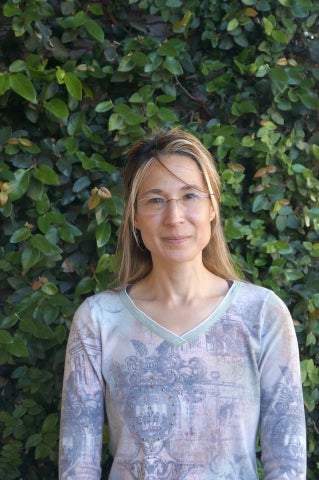
Christian Haug Eide is a Professor of Sedimentology at the Department of Earth Science, University of Bergen. His research focuses on clastic sedimentology, sedimentary basin dynamics, and geohazard analysis. He leads projects like the ISBAR and FueBAR initiatives studying the Barents Sea's Triassic sediment routing systems. His work integrates geophysics, reservoir modeling (e.g., GEOPARD algorithm), and climate change impacts. He advises numerous graduate students and collaborates on offshore wind site surveys and CO2 storage feasibility studies. Key roles include co-leader of the offshore wind geological survey project and work package leader for reservoir modeling initiatives. Teaching includes advanced sedimentology courses and fieldwork in the Spanish Pyrenees and Utah's Book Cliffs.
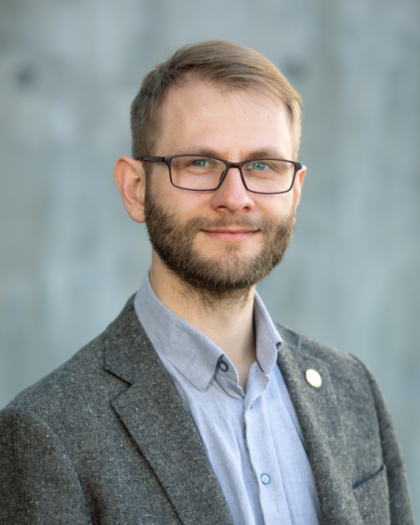
Nikos Pasadakis is a Professor at the School of Mineral Resources Engineering, Technical University of Crete. His office is located in the MICHOP Building (Office M1.207), and he can be contacted via email at npasadakis@tuc.gr or phone at +30 2821037669. His academic profile indicates active engagement in petroleum geochemistry and hydrocarbon research. Professor Pasadakis's research focuses on: Geochemical characterization of hydrocarbon systems Source rock evaluation and kerogen kinetics Sedimentary basin analysis Reservoir characterization Petroleum exploration methodologies His work frequently integrates analytical chemistry with geological modeling to assess hydrocarbon potential across Mediterranean and Southeast Asian basins. His recent publications (2021-2025) demonstrate a strong focus on: Advanced analytical techniques for petroleum characterization Integrated basin modeling approaches Source rock potential in diverse geological settings Innovative methods for reservoir assessment Publications frequently examine Greek sedimentary basins while incorporating comparative studies from Australia, Brunei, and Mediterranean regions.
Dr. Josef Vlček is affiliated with the University of Alaska Fairbanks , University of Iceland, Reykjavik , and the National Research Council of Italy . His work spans geophysics , seismology , and geothermal energy . Dr. Vlček's research includes earthquake swarm dynamics , geothermal reservoir characterization , and CO2 degassing in mofette systems . His recent publications highlight fieldwork in Iceland and the Czech Republic, focusing on seismic activity and geothermal exploration. 2024 : Real-time monitoring of tectonic graben formation in Iceland 2023 : Hydraulic injection tests in Czechia's EGS borehole 2023 : Analysis of fast-migrating sequences in earthquake swarms 2022 : Pressure perturbations affecting CO2 degassing in Hartoušov, Czech Republic Collaborations include researchers from the University of Pardubice, Seismik, and the Multidisciplinary Digital Publishing Institute. No explicit awards or student advisement details are provided.
Elke Kossel is a Researcher in Marine Biogeochemistry at GEOMAR Helmholtz Centre for Ocean Research Kiel, Germany, where she has worked since 2009. Her research focuses on marine gas hydrates, microplastics in marine sediments, and marine carbon dioxide storage. She is affiliated with Research Division 2: Marine Biogeochemistry and Research Unit Marine Geosystems within the institution. Dr. Kossel's educational background includes: PhD in Physics from University of Ulm (1999-2004), promoted to Dr. rer. nat. in 2005 Physics studies at University of Hamburg (1992-1998) Her primary research interests center around marine biogeochemical processes , with specific focus on: Marine gas hydrates and their potential as energy resources Microplastic pollution in marine environments and sediments Carbon capture and storage (CCS) in marine settings Biogeochemical processes in marine sediments Dr. Kossel employs advanced techniques including magnetic resonance imaging and high-pressure flow-through experiments to investigate these topics at both micro and macro scales. Analysis of Dr. Kossel's recent publications reveals a strong dual focus in her research. The first trajectory centers on gas hydrate systems, examining CH 4 -CO 2 exchange processes, hydrate formation/dissociation dynamics, and the geomechanical properties of hydrate-bearing sediments. The second trajectory investigates microplastic pollution in marine environments, with emphasis on detection methods, spatial distribution patterns, and ecological impacts in the Baltic Sea and North Atlantic regions. Her work bridges fundamental science with practical applications for environmental monitoring and energy resource development, demonstrating consistent interdisciplinary approaches throughout her publication record. Dr. Kossel has secured funding for and participated in multiple significant research projects: GEOSTOR I-II (2022-2027) - Focused on geological storage of CO 2 LABPLAS (2022-2024) - Investigating microplastics in marine environments HOTMIC (2020-2023) - Studying microplastics in the ocean STEMM-CCS (2018-2020) - Sub-seafloor carbon dioxide storage SUGAR I-III (2009-2018) - Submarine gas hydrate resources At GEOMAR, Dr. Kossel works within the Marine Geosystems research unit, utilizing specialized laboratory facilities for high-pressure experiments related to gas hydrates and sediment analysis. Her work often involves extensive international collaborations with researchers across Europe and beyond, as evidenced by her publication co-authorship patterns. She has developed expertise in magnetic resonance imaging applications for studying subsurface processes and has contributed significantly to the development of monitoring strategies for carbon dioxide storage sites, with her research having practical implications for both environmental protection and energy resource management.
Jörg Bialas is a Senior Scientist in the Marine Geodynamics Research Unit at GEOMAR | Helmholtz Centre for Ocean Research Kiel, Germany. He has been a key figure in marine geophysics research since joining the institution in 1995, with a long-standing focus on ocean floor dynamics, fluid migration, and marine resources. His primary research interests lie in marine geophysics, particularly high-resolution seismics, gas hydrates, cold seeps, submarine landslides, and the development of advanced geophysical equipment such as tiltmeters and deep-towed streamers. He has led and coordinated major projects like PERBAS (CO2 storage in basalt) and SAFAtor (smart cables), demonstrating leadership in both academic and applied marine science. His work integrates seismic, electromagnetic, and geoacoustic methods to study fluid flow systems in diverse settings including the Black Sea, New Zealand’s Hikurangi Margin, and the Chilean continental margin. The 15 most recent publications reflect a strong trend in gas hydrate systems, fluid migration pathways, and seafloor deformation, with significant contributions to understanding gas chimney dynamics, slope stability, and the interplay between tectonics and fluid flow. His research often employs 3D seismic imaging and multi-method geophysical integration, particularly in the Danube deep-sea fan and accretionary complexes. Senior Scientist, GEOMAR (1995–present) Scientific Associate, IFM-GEOMAR (1993–1995) Diploma in Geophysics (1987) Doctorate (1993) He has extensive experience mentoring and collaborating on international expeditions and scientific parties, though no formal advisees are listed. He participates in major research cruises and leads data acquisition efforts, contributing to both academic knowledge and potential energy resource applications. Bialas is actively involved in laboratory and field-based research, working within teams focused on gas hydrate monitoring, seafloor imaging, and geohazard assessment. His lab work emphasizes data interpretation from ocean-bottom seismometers and controlled source electromagnetics, often in coordination with international partners.
Antje Helga Luise Voelker is a Senior Researcher at the Portuguese Sea and Atmosphere Institute (IPMA), affiliated with the Oceanography and Climate Change research group in Lisbon. She holds a Doctorate in Natural Sciences (PhD) from the Christian Albrechts University of Kiel, Germany (1999), following a Marine Geology diploma (1993). Her expertise spans paleoceanography, stable isotope geochemistry, and planktonic foraminifera ecology, with a focus on understanding climate transitions, ocean circulation changes, and Mediterranean Outflow Water dynamics. Education & Positions: PhD (1999): Christian-Albrechts-Universität zu Kiel, Germany Diploma in Marine Geology (1993): Christian-Albrechts-Universität zu Kiel Senior Researcher at IPMA (2012–present) Invited Visiting Scientist, University of Quebec in Montreal (2014) Research Focus: Dr. Voelker’s work centers on centennial-to-orbital-scale climate variability, including abrupt climate change during glacial periods and the Mid-Pleistocene Transition. She investigates thermohaline circulation impacts using stable isotopes, foraminiferal assemblages, and trace element proxies. Key topics include surface water dynamics (e.g., Iberian Margin upwelling), Mediterranean Outflow Water variability, and interglacial climate analog studies. Publications & Grants: She has authored/co-authored over 240 peer-reviewed articles, led four major projects (e.g., PORTO, MOWCADYN), and contributed to IODP Expedition 339. Notable collaborations include studies on Dansgaard-Oeschger events and Heinrich Stadials. Awards: Gulbenkian Foundation Award (2007) EU-ARI grant (2003) PAGES support grants (2006) Labs & Teams: Part of the CCMAR research network and collaborates with institutions like GEOTRACES and LOCEAN. Active in training early-career researchers, supervising 2 PhD students and mentoring visiting scholars.
Dr. Carl Jacquemyn is an Advanced Research Fellow in the Department of Earth Science & Engineering at Imperial College London, affiliated with the NORMS group and Petroleum Geoscience & Engineering. His work focuses on grid-free surface-based reservoir modelling, geothermal systems, and subsurface flow dynamics. He holds a PhD from KU Leuven (2013) and an MSc in Mining & Geotechnical Engineering from the same institution (2007). Research interests include quantifying geological heterogeneity, carbonate sedimentology/diagenesis, and integrating 3D outcrop models with reservoir simulations. His Sketch-Based Reservoir Modelling (RRM) tool enables rapid prototyping of geological scenarios for flow diagnostics. Current projects explore geothermal well design, Arab-D Formation storm scours, and CO2 storage mechanisms. Key contributions include developing dynamically adaptive mesh optimisation for geothermal reservoirs and advancing surface-based methodologies to preserve complex geological features in simulations. His work addresses challenges in grid limitations, well trajectory representation, and multi-scale heterogeneity impact assessment.
Zohreh Askari serves as an Assistant Research Scientist in Geology at the Illinois State Geological Survey, part of the University of Illinois system. Her research focuses on geological carbon sequestration and basin analysis within the Illinois Basin, with particular expertise in the Cambrian-Ordovician sequence including the St. Peter Sandstone and Potosi Dolomite formations. Her primary research interests span Carbon Sequestration , Sedimentary Geology , and Hydrogeology , with specific focus on reservoir characterization, paleokarst systems, and structural controls on fluid flow. Current work emphasizes CO₂ storage feasibility, saline aquifer characterization, and risk assessment for geological storage projects. Analysis of her 34 scholarly outputs reveals strong emphasis on practical applications for carbon management, particularly through DOE-funded initiatives like CarbonSAFE. Her publications demonstrate expertise in integrating field observations with reservoir modeling for storage site assessment, with recurring themes in dolomite reservoir quality, sandstone storage complexes, and basin-scale fluid dynamics. Major collaborations include the U.S. Department of Energy on technical reports for the Wabash CarbonSAFE project, focusing on geologic analysis of reservoir intervals and confining units. Her work frequently involves multi-institutional teams addressing site-specific injection feasibility and long-term storage security. Research outputs include 16 conference contributions, 8 technical reports, 6 abstracts, and 4 peer-reviewed articles, with recent work highlighting practical applications for carbon management in Midwestern geological formations.
Irene Beyerlein is a Distinguished Professor and Mehrabian Interdisciplinary Endowed Chair in Mechanical Engineering and Materials at the University of California, Santa Barbara. She is a member of the National Academy of Engineering and a Fellow of the Materials Research Society, The Minerals, Metals, and Materials Society (TMS), and the American Academy of Arts and Sciences. Her educational background includes: PhD in Theoretical and Applied Mechanics from Cornell University BS in Mechanical Engineering from Clemson University Professor Beyerlein's research focuses on the creation and design of advanced materials with unprecedented structural performance under extremes of strains, stress, and temperature. Her work aims to understand and predict how to design and make novel lightweight materials that attain strengths nearer to their theoretical limits. These materials include multi-phase microstructures or nanostructures that can be manufactured in sizes suitable for structural applications. Such advanced structural materials in bulk are critical for achieving the desired fuel economy and other critical performance metrics of a vast array of applications for aircraft, aerospace, automotive, medical, space, energy and defense industries. The Beyerlein group brings together multiscale modeling, experimentation, and theory to guide the design of materials manufacturing processes or microstructures for target properties. Their research builds and advances high-throughput computational materials science; aims to uncover and understand key deformation mechanisms, to model and predict prevailing defect interactions with internal grain boundaries and interfaces, and to simulate manufacturing processes in order to design pathways for target micro- or nanostrutures. Analysis of her recent publications reveals a strong focus on dislocation dynamics, nanolaminates, and advanced materials design. Her work spans multiple materials systems including refractory multi-principal element alloys, titanium alloys, magnesium alloys, and intermetallic compounds. Key research themes include understanding slip transfer mechanisms, twin boundary migration, phase boundary effects, and temperature-dependent deformation behavior at multiple length scales. Her scientific accolades include: Elected Member, National Academy of Engineering Elected Fellow, Materials Research Society Elected Fellow, The Minerals, Metals, and Materials Society (TMS) Elected Fellow, American Academy of Arts and Sciences (AAAS) Light Metals Magnesium Best Paper - Fundamental Research Award Brimacombe Medal, TMS TMS/AIME Champion H. Mathewson Award NSF Advanced STEM Professor Fellowship Visiting Professor Fellowship, University of Lorraine, Metz LANL Distinguished Postdoc Mentor Award International Journal of Plasticity Young Researcher Award LANL Fellow's Prize for Research Professor Beyerlein has been actively mentoring students and postdocs, with recent success including Dr. Morgan Jones. Her research is supported by various grants and collaborations with national laboratories and industry partners. She leads a research group that combines computational modeling with experimental validation to advance the field of materials science. The Beyerlein research group focuses on radically improving the mechanical performance of advanced materials via multiscale understanding of processing-microstructure-property relationships. They employ phase-field modeling, dislocation dynamics simulations, and experimental techniques to study deformation mechanisms in various material systems. Current research thrusts include new lightweight Mg and Ti alloys, nanolayered multi-phase materials, advanced 3D mechanical modeling techniques, and atomic scale modeling to bridge length scales.
Ramachandrudu Arasada serves as a Postdoctoral Fellow at the Bureau of Economic Geology (BEG), part of the Jackson School of Geosciences at the University of Texas at Austin. His research spans critical energy and environmental geoscience domains including reservoir characterization, carbon sequestration, and geothermal systems. His research focuses on energy transition technologies with emphasis on CO2 storage security, hydrogen infrastructure, and unconventional resource recovery. Key projects involve developing novel carbon storage incentive frameworks, optimizing formate-alternating-gas injection methods, and analyzing seismotectonic risks in hydrocarbon basins. His work bridges fundamental geoscience with practical energy-water nexus challenges. Analysis of recent publications reveals strong trends in geological carbon management (60% of output), energy-water interdependencies (25%), and advanced reservoir characterization (15%). His research consistently integrates field data with computational modeling, particularly in CO2 sequestration optimization and induced seismicity assessment. Arasada contributes to major BEG consortia including the Gulf Coast Carbon Center (GCCC) and Center for Injection and Seismicity Research (CISR), focusing on subsurface energy systems where geoscience intersects with energy security and environmental stewardship.
Matt Bailey Ross is a Lecturer in Environmental and Engineering Geology at the School of Geography, Earth and Environmental Sciences, University of Plymouth. He joined the university in 2022 after a 13-year career in industry, bringing extensive experience in geo-energy, geochemistry, and radioactive waste management. He is actively involved in research and supervises postgraduate students in areas related to subsurface sustainability and decarbonisation. Education: Doctorate in Engineering and Technology – Resource recovery from passive mine water treatment sites, Newcastle University (Awarded: 1 Jan 2016) MSc in Contaminated Land – University of Portsmouth (Awarded: 1 Oct 2007) His research focuses on the role of the subsurface in decarbonisation, particularly in low-temperature geothermal systems and the safety of radioactive waste disposal. He investigates groundwater-rock interactions, bentonite engineered barriers, and resource recovery from abandoned mines. His work bridges environmental geology and engineering, with strong applications in sustainable development and pollution remediation. His recent publications highlight a trend toward sustainable urban energy systems, nuclear waste safety, and resource recovery. Key themes include the environmental impact of heat pumps, the geochemical behavior of engineered barriers, and the mechanical properties of backfill materials in geological repositories. Scientific Awards and Professional Memberships: Chartered Scientist (CSci), Science Council (2013–Present) Fellow of the Geological Society (FGS) (2006–Present) Member of the Royal Society of Chemistry (MRSC) (2019–Present) Committee Member, South West Regional Group of the Geological Society He has led research projects in collaboration with Nuclear Waste Services, the Environment Agency, and DEFRA. His industry experience includes managing research for the UK’s geological disposal facility programme and optimizing remediation techniques for contaminated land. He is currently accepting PhD students for projects in geo-energy, geochemistry, and resource sustainability, supporting both self-funded and externally funded candidates. His work contributes to UN Sustainable Development Goals, particularly in affordable and clean energy (SDG 7), industry innovation (SDG 9), climate action (SDG 13), and life on land (SDG 15). He is actively engaged in interdisciplinary research and collaborates with academic and industrial partners across the UK and internationally.
Gustavo Zvirtes is a Research Fellow at the School of Geosciences, University of Aberdeen. He holds a BSc and MSc in Geology from Universidade Federal do Rio Grande do Sul (2012–2013), and a PhD in Geology from the University of Aberdeen (2019). His research focuses on sedimentary and structural geology, with specializations in sand injection complexes, metamorphic processes, and tectonic evolution. Key interests include fluidization mechanisms, fault-related deformation, and basin analysis. Education: BSc Geology (2012), Universidade Federal do Rio Grande do Sul MSc Geology (2013), Universidade Federal do Rio Grande do Sul PhD Geology (2019), University of Aberdeen Research interests span structural analysis of metamorphic rocks, petrographic diagnostics of sandstone intrusions, and the interplay between volcanism and sedimentation. His work integrates field observations, laboratory analysis (e.g., U-Pb geochronology), and 3D modeling to address questions in sedimentary systems and tectonics. Publications highlight studies of sand injection complexes in California (e.g., Tumey Giant Injection Complex), metamorphic evolution in Brazil (Várzea do Capivarita Complex), and paleoenvironmental reconstructions (e.g., Permian wildfires). These contributions emphasize subsurface analogues, hydrocarbon migration pathways, and tectonic history. No scientific awards are explicitly mentioned. Advising and grants are not detailed in the provided text, but he is affiliated with research groups like the Basin Fill Group and participates in projects such as the StratLIP initiative. Zvirtes collaborates with institutions globally, including fieldwork in Brazil, California, and Scotland. His involvement in the Boltysh Meteorite Impact Crater Project underscores his interdisciplinary approach to geological processes.
Jakub Wiktor Both is a permanent researcher at the Department of Mathematics, University of Bergen (UiB). He is affiliated with the Porous Media Research Group and the Center for Modeling of Coupled Subsurface Dynamics. His research focuses on numerical methods for multiphysics problems in porous media, including image-based data analysis for laboratory experiments and mathematical modeling of CO2 storage. His work involves developing tools like the DarSIA (Darcy Scale Image Analysis) toolbox for fluid displacement analysis and PorePy, a Python simulation framework for fractured porous media. He leads projects on CO2 storage validation and has been awarded an NFR FRIPRO grant for his TIME4CO2 initiative, aiming to enhance CO2 storage capacity through mathematical modeling. Key research themes include optimal transport metrics, robust numerical solvers for coupled systems, and gradient flow structures in dissipative systems. His contributions span experimental validation frameworks (e.g., FluidFlower), digital twins (PoroTwin), and open-source software for subsurface dynamics. Notable awards include election as Chair of the Board of InterPore Norway (2024) and leadership in international projects like ERC CoG MaPSI and NFR Petrosenter CSSR. His interdisciplinary approach bridges mathematics, geoscience, and engineering for sustainable subsurface resource management.