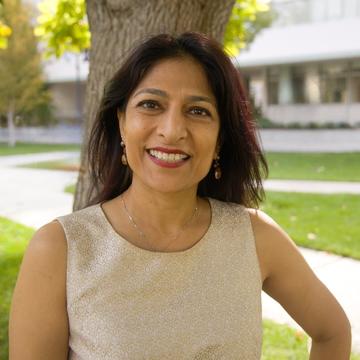
Allison McFall is an Assistant Research Professor in the Department of Epidemiology at Johns Hopkins University Bloomberg School of Public Health. Her work focuses on HIV epidemiology among key populations in India, particularly people who inject drugs (PWID) and men who have sex with men (MSM). Primary Division: Infectious Disease Epidemiology Active Since: 2013 Her research emphasizes optimization of HIV prevention, care, and treatment systems. Key methodologies include: Respondent-driven sampling Monitoring and evaluation of service delivery Electronic database design for epidemiological research Recent publications analyze: Antiretroviral therapy outcomes in PWID and MSM HCV treatment adherence support HIV self-testing technologies Geospatial targeting for health services McFall's work spans 59 research outputs with active collaborations across India on viral hepatitis-HIV coinfections and integrated care models.
Jesse Cougle is a Professor of Psychology at Florida State University, focusing on anxiety disorders , obsessive-compulsive and related disorders (OCRD), and problematic anger . He leads the Cougle Lab, which develops computerized treatments and investigates distress intolerance , courage , and transdiagnostic factors . Education: University of Texas at Austin (2008), Oxford University (postgraduate) Research: Cognitive-behavioral mechanisms in anxiety disorders, technology-based interventions for social anxiety and BDD, and biological processes in problematic anger Students: Mentoring Tapan Patel, James Zech, Victoria Swaine, and others His work spans interpretation bias modification , safety behavior reduction , and 'not just right' experiences in OCRD. Recent publications emphasize digital interventions for mental health and distress tolerance as a key transdiagnostic factor. Scientific Awards: President’s New Researcher Award (ABCT) Graduate Faculty Mentor Award (FSU) He serves as Editor-in-Chief of the Journal of Obsessive-Compulsive and Related Disorders and holds editorial roles in major journals. The Cougle Lab explores anxiety , perfectionism , and appearance-related psychopathology through multimodal research .
Amna Jaffer is an Adjunct Professor in the Department of Counseling Psychology at the School of Professional Psychology and Health, California Institute of Integral Studies (CIIS). She has served as a counselor educator in the Bay Area for 15 years, holding roles such as Graduate Fieldwork Coordinator and Undergraduate Courses Coordinator. Her work extends beyond academia, including roles as a Court Appointed Special Advocate (CASA) and support for women in recovery and runaway youth. Education: Ed.D. in Educational Leadership, San José State University MA in Counseling and Guidance, San José State University TEP (Trainer, Educator and Practitioner) in Psychodrama and Group Psychotherapy Her research focuses on Social Justice in Education , Psychodrama Applications in Schools , and Mental Health Interventions for Vulnerable Populations . She emphasizes using psychodrama to address systemic inequities and foster resilience in educational settings. Awards: Excellence in Teaching (Peer Connections SJSU, 2020) Ayse I. Carden Alumna in Residence (Agnes Scott College, 2013) Innovators Award (American Society for Group Psychotherapy, 2012) Her publications explore psychodrama’s role in education and crisis response. She actively bridges clinical practice with community advocacy, emphasizing trauma-informed approaches in counseling.
Brooks Casas, Ph.D., is a Professor at the Fralin Biomedical Research Institute at VTC, with joint appointments in the Department of Psychology (College of Science), Department of Biomedical Engineering and Mechanics (College of Engineering), and the Department of Psychiatry and Behavioral Medicine (School of Medicine) at Virginia Tech. He is also a College of Science Faculty Fellow, recognized for his contributions to decision neuroscience and computational psychiatry. Ph.D. in Psychology, Harvard University Postdoctoral Fellowship, Baylor College of Medicine Former Assistant Professor of Neuroscience and Psychiatry, Baylor College of Medicine Brooks Casas investigates the neural computations underlying social decision-making, focusing on how valuation, learning, and social preferences shape human choices. His research integrates decision neuroscience, behavioral economics, and social psychology to understand both normative and pathological decision processes. Key areas include trust, risk preferences, social influence, and impaired decision-making in psychiatric disorders such as substance abuse and borderline personality disorder. His lab employs fMRI, computational modeling, and longitudinal studies to explore these phenomena. His recent publications span topics such as machine learning applications in diagnosing borderline personality disorder, neural predictors of adolescent risk behaviors, and the role of cognitive control in substance use. His work often involves large-scale longitudinal studies, such as the decade-long investigation into early life adversity and brain development with Jungmeen Kim-Spoon. He has not received any explicitly mentioned scientific awards in the provided text. Casas leads the Casas Lab within the Center for Human Neuroscience Research and collaborates extensively with students and researchers across disciplines. His work is supported by grants from the National Institutes of Health and the Institute for Society, Culture, and Environment. He advises multiple graduate students and early-career researchers, contributing significantly to training in computational psychiatry and decision neuroscience. His lab, the Casas Lab, is part of the Fralin Biomedical Research Institute and focuses on human neuroscience research, particularly using neuroimaging and behavioral experiments to study social and economic decision-making.
Joy S. Kaufman is a Professor in the Department of Psychiatry at Yale School of Medicine. She serves as Deputy Chair for Career Development, Director of the Yale Consultation Center, and Director of YaleEVAL. Her work focuses on large-scale evaluations of health service delivery systems in under-resourced communities, emphasizing community-based participatory research and stakeholder training. Education: PhD in Clinical and Community Psychology, DePaul University (1994) Postdoctoral Fellow, Yale University (1993) MA in Psychology, DePaul University BA in Psychology, Assumption College Dr. Kaufman specializes in health equity , trauma exposure in children , and program evaluation . Her research bridges public health , social justice , and behavioral health policy through rigorous methodologies. Recent publications highlight her work on opioid use disorder in obstetric care , perinatal substance use reporting , and system-level mental health evaluations . She employs latent class analysis and CBPR frameworks to address disparities. Scientific Awards: Fellow, American Psychological Association Fellow, Society for Community Research and Action Gold Medal, Substance Abuse and Mental Health Services Administration Exemplary Evaluation, American Evaluation Association As principal investigator, she has secured funding from the National Institute of Justice , PCORI , and Connecticut state agencies . Her leadership extends to training community members in evaluation methods and developing trauma-informed healthcare systems .
Denise Esserman is a Professor of Biostatistics at the Yale School of Public Health, where she joined the faculty in 2014. She is a member of the Yale Center for Analytical Sciences and collaborates with multiple departments at the Yale School of Medicine, including the Clinical and Translational Science Award Program, Patient-Centered Outcomes Research Institute, and the Cancer Center. Her research focuses on methodological aspects of clustered randomized trials and sample size calculations. Education: PhD in Biostatistics from Columbia University (2006) MS in Statistics from University of Georgia (2001) Dr. Esserman's research interests span several critical areas in biostatistics and public health methodology. She specializes in clustered randomized trials, with particular expertise in understanding how intraclass correlation coefficients (ICC) and other factors impact sample size calculations. Her work extends to longitudinal studies methodology, randomized controlled trial design, and sampling techniques. She has contributed significantly to statistical methods for clinical trials, healthcare data analysis, and public health research. Her interdisciplinary approach bridges theoretical statistics with practical applications in healthcare settings. Analysis of Dr. Esserman's recent publications reveals a strong focus on methodological innovations in clinical trial design and analysis, particularly for cluster-randomized trials. Her work spans healthcare applications including fall injury prevention in elderly populations, opioid use disorder treatment in international settings, pain management for hemodialysis patients, and validation of medical coding algorithms. She frequently employs advanced statistical techniques including Bayesian methods, mediation analysis, and methods for handling clustered data. Her research demonstrates a consistent commitment to improving the rigor and applicability of statistical methods in public health and clinical research. Dr. Esserman serves as a reviewer for several prestigious journals including the American Journal of Epidemiology, Arteriosclerosis, Thrombosis and Vascular Biology; Statistics in Biopharmaceutical Research; Clinical Trials; and Obesity. As a member of the Yale Center for Analytical Sciences, Dr. Esserman collaborates with numerous researchers across Yale University. Her current projects include the EQuIP trial (HIC ID 2000033355), where she serves as Sub Investigator with primary completion date of 08/31/2027, focusing on mental health and behavioral research for sexual minority women.
Anne Berit C. Samuelsen serves as Associate Professor at the Department of Pharmacy, University of Oslo, where she also holds the position of Head of Education. Her academic foundation includes a Cand.pharm. degree and Dr.scient. doctorate, establishing her expertise in pharmaceutical sciences. Her research centers on polysaccharides from natural sources—particularly higher plants, cereals, and fungi (Basidiomycota)—with specialized focus on β-glucans. Key interests include carbohydrate chemistry, pharmacognosy, and the development of biopolymer-based pharmaceutical applications. Her work bridges fundamental structural characterization with practical drug delivery solutions, notably through liposome coating technologies and immunomodulatory compound development. Recent publications reveal a strong trajectory in fungal polysaccharide research, particularly with Pleurotus eryngii and Albatrellus ovinus species. Her team employs advanced techniques like diffusion-ordered NMR spectroscopy to analyze polysaccharide structures while investigating biological activities related to immune receptor binding (Dectin-1, Toll-like receptors) and therapeutic applications. This work demonstrates consistent output in high-impact journals including Carbohydrate Polymers and ACS Applied Bio Materials . She actively contributes to academic instruction through courses such as FARM1150 (Pharmaceutically Oriented Biochemistry), FARM3100 (Pharmacognosy), and FARM5200 (Use of Biopolymers in Pharmaceuticals). Her leadership extends to the Bioactive Natural Substances and Health Effects (BioNatH) research group and the Glyconor Consortium, where she investigates natural product applications for health improvement.
Karin Coifman is a Professor and Chair at Kent State University's Department of Psychological Sciences. She holds a Ph.D. from Columbia University (2008) and specializes in clinical psychology with a focus on emotion regulation, stress, and psychopathology. Her research examines emotion processing and regulation in relation to mental health adjustments during acute and chronic stress. This includes studying resilience, mental illness development, and the role of psychophysiological and behavioral indices in emotion regulation. She leads the Kent Clinical Affective Science Lab and frequently teaches courses in Psychological Interventions and Introduction to Psychotherapy. Dr. Coifman's recent publications analyze pandemic response behaviors, emotion differentiation, and gene-environment interactions in affective disorders. Her work combines experimental methodologies with community and clinical populations. Labs/Teams: Kent Clinical Affective Science Lab
Aaron J. Chalfin serves as Associate Professor and Graduate Chair of Criminology within the Department of Criminology at the University of Pennsylvania's College of Liberal and Professional Studies. He maintains significant external affiliations as a Senior Fellow at the Niskanen Center, faculty research fellow at the National Bureau of Economic Research, and research affiliate at the University of Chicago Crime Lab. His academic foundation includes: PhD in Public Policy, University of California, Berkeley (2013) MA in International and Development Economics, Yale University (2004) BS in Industrial & Labor Relations, Cornell University (2003) Chalfin's research program centers on policing economics, officer behavioral preferences, place-based crime prevention strategies, and victimization determinants. He concurrently advances methodological rigor in social science through innovations in measurement error correction, spatial crime concentration metrics, and administrative data linkage techniques. His empirical approach consistently bridges theoretical criminology with practical policy evaluation. Recent publications reveal evolving research trajectories across bias-motivated violence measurement during pandemics, low-cost gun violence interventions, racial disparities in traffic fatalities, and methodological improvements for policy analysis. This body of work demonstrates sustained commitment to evidence-based criminal justice solutions through experimental and quasi-experimental designs. His ongoing collaboration with the University of Chicago Crime Lab exemplifies integration between academic research and real-world crime laboratory operations, focusing on scalable public safety innovations.
Dr. Oye Gureje is a Professor of Psychiatry at the University of Ibadan , Nigeria, and a leading figure in global mental health research. He serves at the Faculty of Health Sciences and collaborates internationally through institutions like the World Health Organization and Stellenbosch University. Research Focus: His work bridges psychiatric epidemiology, cultural psychiatry, and public health policy, with emphasis on low- and middle-income countries. Key areas include: Antidepressant discontinuation and treatment gaps Bipolar and anxiety disorders Substance use and perinatal depression Digital mental health interventions Global health equity frameworks Impact of pandemics on mental health professionals Funding & Collaborations: His research has been supported by: National Institute of Mental Health Wellcome Trust European Commission (Horizon 2020) Fogarty International Center Medical Research Council
Yeonhwa Park is a Professor and holder of the Francis Chair in the Department of Food Science at the University of Massachusetts Amherst. Her research focuses on functional foods, bioactive components, and environmental contaminants' effects on obesity and aging. She investigates food bioactives like conjugated linoleic acid (CLA) and environmental pollutants like PFAS to understand their roles in metabolic disorders and aging mechanisms. Her work spans multiple models, including C. elegans, zebrafish, and rodent studies, emphasizing translational applications for human health. Teaching responsibilities include courses such as 'Science of Food' (FS150), 'Biology of Food in Human Health' (FS270), and 'Bioactive Food Components' (FS750). Awards include Clarivate Highly Cited Researcher (2017–2018), Faculty Convocation Award (2015), and the Timothy Mounts Award (2015). Her research has been published in over 150 peer-reviewed articles, with recent emphasis on environmental contaminants' impact on obesity and type 2 diabetes, and the use of C. elegans for screening bioactives. Key findings include CLA's role in fat reduction, PFAS-induced metabolic disruption, and the application of alternative models (e.g., C. elegans) to reduce animal testing. Her lab integrates molecular biology, toxicology, and food science to address global health challenges like the obesity epidemic and environmental toxin exposure.
Dr. Dean G. Kilpatrick is a Distinguished University Professor in the Department of Psychiatry and Behavioral Sciences at the Medical University of South Carolina (MUSC). He holds leadership roles as Director of the National Crime Victims Research and Treatment Center and Director of the Charleston Consortium Clinical Psychology Internship Program. His career spans over 50 years with continuous NIH funding since 1985 and extensive extramural grants from agencies like CDC, NIMH, and NIJ. His research focuses on traumatic stress, particularly PTSD prevalence, sexual violence epidemiology, and mental health impacts of mass violence. He pioneered rape crisis advocacy in South Carolina and has authored over 300 peer-reviewed publications (h-index 109), with eight papers cited over 1,000 times. His work influences policy through roles in IOM committees and testimony to U.S. Congress. Key areas of expertise include posttraumatic stress disorder, trauma exposure measurement, and disaster mental health interventions. His recent studies address mass violence community responses, lead exposure screening, and mobile health apps for PTSD mitigation. He has directed major initiatives like the Bounce Back Now intervention trial and the National Survey of Adolescents. Awards include the Presidential Award for Victims of Crime (1990) and the South Carolina Order of the Palmetto (2020). Professional service includes Editor-in-Chief of the Journal of Traumatic Stress (1997-2005) and ISTSS presidency (2005-2006). His grants total millions, funding projects on sexual assault policy, disaster preparedness, and trauma genetics. He advises federal agencies on victim services and has trained generations of psychologists through MUSC's clinical programs.
Kris Baetens is a Professor in the Department of Psychology Brain, Body and Cognition at Vrije Universiteit Brussel (VUB). His research focuses on the neural mechanisms underlying social cognition, mentalization, and inhibitory control, particularly exploring the role of the cerebellum and prefrontal cortex in these processes. He employs techniques such as transcranial direct current stimulation (tDCS), EEG, and fMRI to investigate cognitive and clinical phenomena. Leading projects like ANI423 (neural correlates of inhibitory control in adolescents) and FWOAL1160 (cerebellum's role in social cognition). Recipient of the EUTOPIA Young Leaders Academy fellowship (2024-2026). Active collaborations in the PRISM network for mental health research. Key research interests include: - Cerebellar contributions to cognitive and social functions - Neurostimulation techniques for mental health interventions - Mentalizing processes in social action prediction - Personality and learning mechanisms His articles consistently analyze the interplay between neural structures like the cerebellum and behavioral outcomes in clinical and cognitive contexts. Recent work emphasizes applications of tDCS in treating alcohol use disorders and disordered eating, highlighting translational research in non-invasive brain stimulation. Advising/Grants: Supervises student research projects and manages grants from FWO and OZR agencies. Labs/Teams: Core member of the PRISM network and involved in the EUTOPIA fellowship initiative.
John Z. Ayanian serves as the Alice Hamilton Distinguished University Professor of Medicine and Healthcare Policy at the University of Michigan, holding joint appointments as Professor of Internal Medicine in the Medical School, Professor of Health Management and Policy in the School of Public Health, and Professor of Public Policy in the Gerald R Ford School of Public Policy. As inaugural Director of the Institute for Healthcare Policy and Innovation (IHPI), he leads a consortium of 700 faculty members across 15 schools and maintains clinical practice as a general internist at Michigan Medicine. His academic foundation includes a Bachelor of Arts in history and political science from Duke University (1982), medical degree from Harvard Medical School (1987), and master's in public policy from Harvard Kennedy School (1987), followed by residency and fellowship at Brigham and Women’s Hospital and post-doctoral training in health services research at Harvard School of Public Health. Dr. Ayanian's research program investigates health equity, access to care, and quality of care with particular attention to social determinants including race/ethnicity, gender, socioeconomic status, and insurance coverage. His work critically examines Medicaid expansion impacts, Medicare Advantage disparities, and policy responses to health inequities, often utilizing large-scale claims databases and cross-institutional collaborations. Current projects include the federally-authorized evaluation of Michigan's Medicaid expansion program serving over 700,000 adults. Analysis of his 15 most recent publications (2025) reveals three dominant research thrusts: (1) Medicare Advantage vs Traditional Medicare comparisons across diverse clinical conditions, (2) Medicaid policy evaluation including unwinding impacts and expansion effects, and (3) innovative measurement of health equity through new indices and AI applications. His work consistently emphasizes methodological rigor in health services research while maintaining strong policy relevance. His scientific honors include: Election to the National Academy of Medicine Master status in the American College of Physicians John Eisenberg National Award for Career Achievement in Research Distinguished Investigator Award from AcademyHealth Election to Alpha Omega Alpha and Association of American Physicians Dr. Ayanian leads the federally-funded Healthy Michigan Plan evaluation team of 15 faculty members and serves as founding Editor-in-Chief of JAMA Health Forum, previously holding editorial positions at the New England Journal of Medicine. His research receives substantial federal support focused on health policy evaluation, with particular emphasis on vulnerable populations. He actively mentors students and junior faculty across multiple disciplines. As Director of IHPI, he fosters interdisciplinary collaboration across 15 schools at the University of Michigan. His leadership extends to center memberships in AI and Digital Health Innovation, Caswell Diabetes Institute, and Center for Global Health Equity, where he promotes data-driven solutions to health disparities through cross-campus partnerships and innovative research methodologies.
Jennifer Mitchell, PhD is a Professor in the Departments of Neurology and Psychiatry & Behavioral Sciences at the University of California, San Francisco (UCSF) School of Medicine. She serves as the Associate Chief of Staff for Research and Development at the San Francisco VA Medical Center. Dr. Mitchell is affiliated with the UCSF Weill Institute for Neurosciences and is a member of both the UC Berkeley Center for the Science of Psychedelics and the UCSF Neuroscape Psychedelics Division. Dr. Mitchell's research focuses on identifying and developing novel therapeutics for drug and alcohol abuse, PTSD, stress, anxiety, impulsivity, and depression. Her work examines the neural mechanisms responsible for these disorders through translational neuroscience research that bridges psychology, behavioral pharmacology, and neuroanatomy. She has made significant contributions to the field of psychedelic therapeutics, particularly in developing MDMA for PTSD treatment and psilocybin for demoralization and depression. Dr. Mitchell's research portfolio demonstrates a strong emphasis on human and animal pharmacology, hypothesis-driven neuroscience, human proof-of-concept studies, translational models, and clinical trials. Her work on MDMA-assisted therapy for PTSD has reached phase 3 clinical trial status, representing a significant advancement in the field. Her recent publications show a consistent focus on psychedelic therapeutics, with particular attention to MDMA for PTSD treatment, but also extending to policy considerations, cost-effectiveness analyses, and the broader application of psychedelic compounds for various psychiatric conditions. Dr. Mitchell has received multiple DoD grants for the Institute for Translational Neuroscience from 2007 through 2014, demonstrating sustained funding support for her research program. Her work has been published in high-impact journals including Nature Medicine, Neuropsychopharmacology, and JAMA Neurology. As an advisor and mentor, Dr. Mitchell has contributed to the training of numerous researchers in the field of neuroscience and psychedelic therapeutics. Her laboratory work combines behavioral pharmacology with neuroimaging techniques to understand the mechanisms underlying addiction and stress-related disorders.