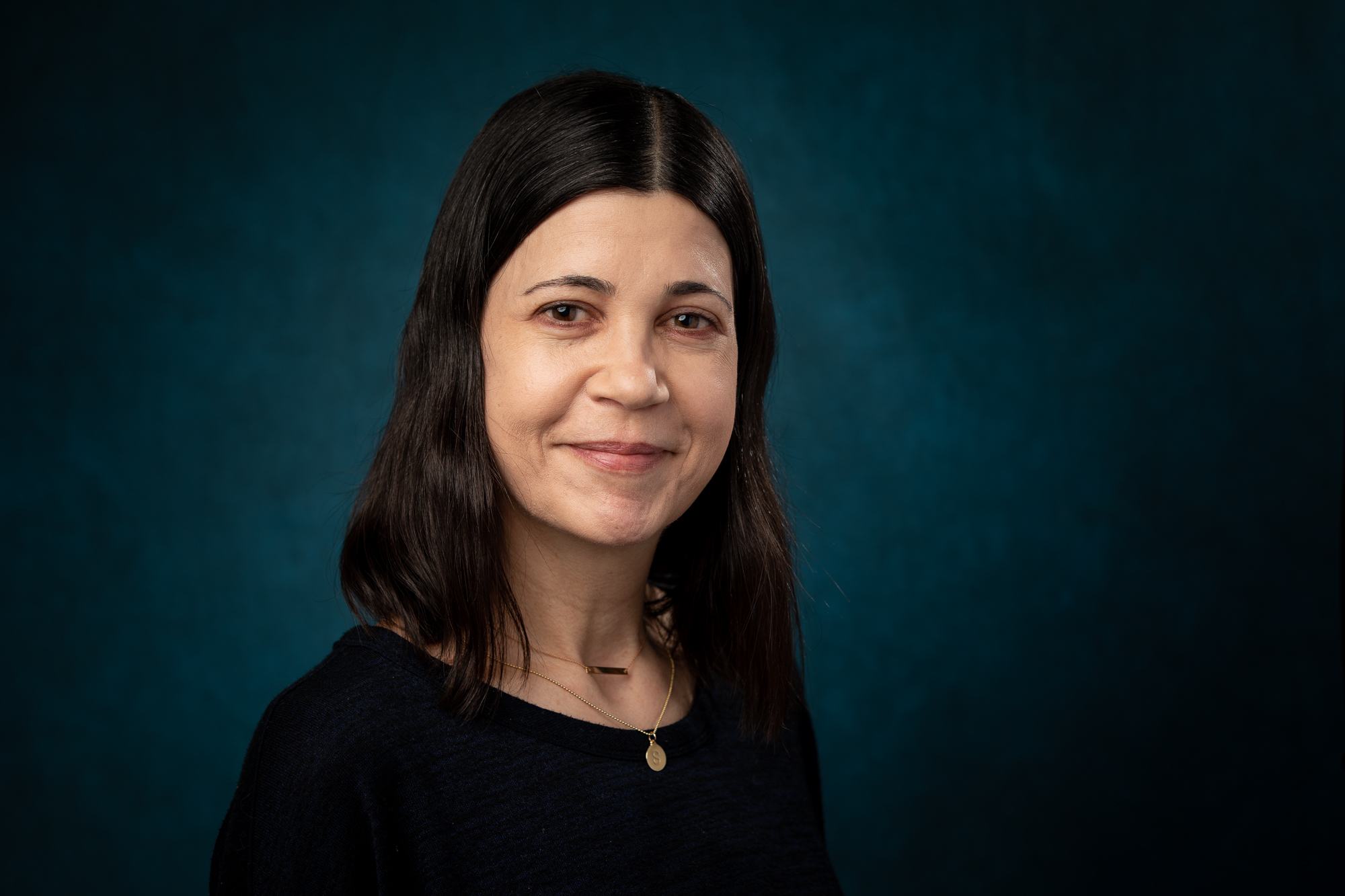
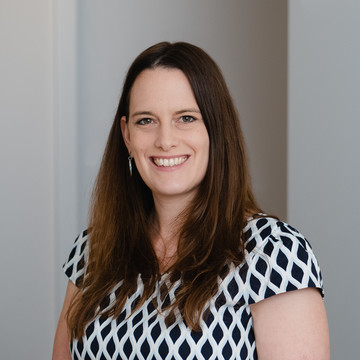
Anna-Lisa Cohen is a Professor of Psychology at Yeshiva University's Katz School of Science and Health. Her research focuses on prospective memory mechanisms, the psychology of film, and cognitive processes underlying goal-directed behavior. She holds a PhD and MS from the University of Victoria (Canada) and additional education from York University. Cohen teaches courses including Cognitive Psychology, Experimental Psychology, and Statistics for Psychology, emphasizing both theoretical and applied aspects of her field. Her work investigates how future intentions interact with ongoing tasks, and how narrative films influence attention and emotional responses. Recent studies explore implementation intentions in stroke rehabilitation and the role of BA 10 brain region in memory retrieval. Despite her extensive contributions, no specific awards are listed in the provided materials. She is based at the Wilf campus Belfer Hall and actively engages in academic publishing across cognitive and clinical domains.
Prof. Beatrice G. Kuhlmann is a Professor of Cognitive Psychology at the University of Mannheim, leading the Chair for Cognitive Psychology and Cognitive Aging. Her research focuses on memory processes across the lifespan, particularly in aging contexts, exploring objective memory performance and subjective metamemory beliefs. She investigates strategies to enhance memory in older adults and studies emotional influences on source memory. Prof. Kuhlmann teaches developmental psychology and experimental psychology, emphasizing lifespan perspectives. Her team includes doctoral students like Hilal Tanyaş and Nikoletta Symeonidou, who have successfully defended their theses on source monitoring and emotional memory. She received the 2022 Early Career Award from the Psychonomic Society for her impactful research since her Ph.D. completion. Prof. Kuhlmann also serves as an Associate Editor for Cognitive Research: Principles and Implications . Key research themes include source monitoring, metamemory, and the interplay between emotion and memory. Her work employs advanced methodologies like multinomial processing tree models and diffusion modeling to dissect memory storage and retrieval processes. Teaching and supervision focus on fostering experimental psychology skills and thesis development in cognitive aging domains.
Nairán Ramírez-Esparza is an Associate Professor in the Department of Psychological Sciences Education at the University of Connecticut. She directs the Language and Behavior Cultural Lab (LAB-C-Lab), where her research examines how culture and language shape personality, behavior, and health through methodologies including digital recording, text analysis, and neurophysiological measures. Education: Ph.D. from University of Texas at Austin (2007). Research Focus: Her interdisciplinary work bridges cultural psychology, bilingualism, and social cognition. Key interests include cultural influences on auditory perception, bilingual identity formation, and the relationship between conversational quality and well-being. Recent investigations analyze accent diversity, multicultural experiences, and neural mechanisms of language processing. Publication Trends: Her articles predominantly explore bilingual cognition, cross-cultural communication, and social behavior. Methodological innovation is a hallmark, with studies employing recurrence quantification analysis, large-scale linguistic corpora, and neurocognitive measurements. Recent works increasingly focus on socio-acoustic environments and anti-racism frameworks. Laboratory Leadership: The LAB-C-Lab investigates cultural schemas, language acquisition, and behavioral patterns across diverse populations, emphasizing real-world applications of psychological science.
Dr. Suzanne Hall serves as Associate Professor of Music Education at Temple University's Boyer College of Music and Dance, where she teaches general music and music education introduction courses. With extensive K-5 teaching experience in Florida and Tennessee, she previously coordinated Augusta University's music education program and taught at the University of Central Florida. Her academic credentials include: PhD from University of Memphis MEd from University of Central Florida BME from University of Central Florida Dr. Hall's research pioneers the integration of music with language arts, focusing on pre-service teacher development and comprehensive musicianship. She examines how storybooks enhance music experiences while advancing literacy skills, with recent work emphasizing diversity and inclusion strategies. Her scholarship bridges cognitive theory with practical classroom applications across early childhood through K-12 settings. Analysis of her 2012-2020 publications reveals consistent exploration of music-literacy intersections, evolving toward stronger emphasis on cultural diversity after 2016. Her work demonstrates systematic progression from foundational parallel analysis to actionable diversity frameworks, featuring practical strategies like picture book sequencing and culturally responsive repertoire selection. Dr. Hall actively contributes to professional communities as advisory board member for the International Journal of Education and the Arts and committee member for the College Music Society's Cultural Inclusion initiative. She has delivered nationwide professional development workshops on music-literacy integration for school districts including Boston Public Schools and Philadelphia School District. Her research program includes curriculum development projects such as the language arts-integrated music curriculum commissioned by a Memphis charter school, with current work focusing on overcoming diversity barriers in music education through culturally responsive texts and inclusive pedagogical models.
MARIA CAMPOS MAGDALENO is a Professor at the University of Santiago de Compostela , affiliated with the Faculty of Psychology and the Department of Developmental and Educational Psychology . She serves as a principal investigator for the NeuCogA research group focused on Applied Cognitive Neuroscience and Psychogerontology . Education : Doctorate in Psychology from the University of Santiago de Compostela (2017) with thesis on memory evaluation in Mild Cognitive Impairment Primary Research Interests : Cognitive aging, mild cognitive impairment, neuropsychological assessment, cognitive reserve, dementia prediction Her research focuses on understanding cognitive changes in aging populations, particularly through longitudinal studies like the Compostela Ageing Study (CompAS) and the SCAND initiative . She investigates language patterns, functional abilities, and behavioral symptoms in individuals with Subjective Cognitive Decline (SCD) and Mild Cognitive Impairment (MCI) , aiming to develop predictive models for dementia progression. Recent work analyzes: Longitudinal language differences across cognitive states Serial-position effects in memory assessment Role of dyadic reporting in cognitive decline prediction Frailty-cognitive status interactions Validation of clinical assessment tools (CVLT, RBMT, Lawton-Brody IADL) Her publications demonstrate strong emphasis on cross-cultural studies (Iberian region) and methodological innovations in cognitive assessment. She contributes to normative data development for clinical tools and explores digital interventions (web-based applications, narrative video games) for cognitive training. Contact: maria.campos@usc.es
Françoise DORO-MÉGY is a Lecturer at Université Paris-Est Créteil Val de Marne (UPEC), specialized in linguistics with a focus on contrastive analysis between English and French. Her research explores syntax, semantics, and discourse structures through an enunciative approach, emphasizing subjectivity markers, modalization, and cognitive-perceptual expressions. She co-heads the IDEAL group (Discursive Interactions and Linguistic Analysis) within the IMAGER laboratory, contributing to interdisciplinary linguistic research. Her work addresses translation challenges by analyzing linguistic specificities, particularly in how languages encode subjectivity and perception. Key areas include adverbs of enunciation, verbs of evaluation, and the interplay between syntax and meaning. She collaborates with institutions like SAES and ALAES, advancing contrastive linguistics and English language studies. Teaching commitments include English grammar, syntax, general linguistics, and contrastive linguistics. Her recent publications (2021–2025) explore interlingual variation, editorial contributions to linguistic theory, and methodological advancements in contrastive analysis. Her research consistently bridges theoretical frameworks with practical translation insights.
Jeremy R. Cooperstock is a Professor at McGill University in Montreal, Canada, with a distinguished career spanning over three decades in human-computer interaction, haptics, and multimodal interface research. His work has established him as a leading figure in the development of practical haptic communication systems and accessibility technologies. Professor Cooperstock's research focuses on creating novel interfaces that enhance user experience through touch, sound, and visual feedback. His laboratory has pioneered significant advancements in vibrotactile feedback systems, telepresence technologies, and audio-haptic integration for improved user awareness and communication. His work bridges fundamental research in human perception with practical applications across multiple domains including accessibility, social interaction, and immersive environments. His recent publications demonstrate a strong trajectory in developing practical haptic applications for everyday use, with notable contributions to web accessibility frameworks, social touch interfaces, and context-aware haptic feedback systems. Cooperstock's research has evolved from foundational work in multimodal telepresence to increasingly applied research addressing real-world challenges in human communication and interaction. Throughout his career, Cooperstock has mentored numerous graduate students who have become significant contributors in the field. His collaborative approach is evident in his extensive publication record with students and colleagues across multiple institutions. His research group has consistently produced high-impact work published in top-tier venues including IEEE Transactions on Haptics, CHI, UIST, and WHC.
Christina Lentz is an Associate Professor in Media and Documentation Science at the Department of Language and Culture, UiT The Arctic University of Norway, where she is actively involved in research, teaching, and editorial work. She is a key member of the AI-Edu project and contributes to multiple research groups including ENCODE, ConGender, and Teknologi og læring, focusing on digital transformation in education. Her research interests include AI in education, critical AI literacy, feminist pedagogy, democratic learning processes, textbook research, graphic novels in education, information literacy, fake news, propaganda, and Critical Race Theory . She investigates how digital tools, especially generative AI, can be responsibly integrated into teaching and learning environments, with a strong emphasis on equity, inclusion, and critical thinking. The recent publications of Christina Lentz (2020–2025) reveal a strong thematic focus on the intersection of technology and education, particularly the ethical and pedagogical implications of AI and chatbots in schools and teacher education. Her work spans critical analysis of historical narratives in textbooks, the use of graphic novels to teach racial awareness, and the challenges posed by disinformation. She frequently collaborates with scholars like Holger Pötzsch and Heike Wolter, indicating a collaborative research approach. Christina Lentz has no listed scientific awards in the provided text. She supervises bachelor theses and teaches a wide range of courses in media and documentation science, digital competencies for teachers, German language and media, and historical perspectives. She is also involved in teacher training initiatives such as Cu2RVE and contributes to courses on gender studies and interdisciplinary teaching. Her editorial role for Edda. Nordic Journal of Literary Research highlights her academic leadership. While no specific grants are mentioned, her project involvement suggests active participation in funded research. She is a member of several research groups: ENCODE (Engaging Conflicts in a Digital Era) LÆREVERKFORSKNING (NTNU) Teknologi og læring (UiT, ILP) ConGender (UiT, SKK) These affiliations reflect her interdisciplinary engagement in digital education, gender studies, and curriculum research.
James Michael Lampinen is a Distinguished Professor and Chair in the Department of Psychology at the University of Arkansas, within the College of Arts and Sciences. He is a leading researcher in memory and face perception, with a strong focus on forensic applications of cognitive psychology. Education: Postdoctoral Fellow, Binghamton University, 1996–1998 Ph.D., Northwestern University, 1996 B.S., Elmhurst College, 1991 His research spans both basic and applied aspects of human memory. He investigates the subjective experience of true and false memories—particularly 'phantom recollections'—and memory editing strategies used to avoid false memories, especially in children. His applied work centers on eyewitness identification, forensic facial recognition, and prospective person memory, including the ability to spot individuals one is on the lookout for, such as missing persons or fugitives. He has also contributed to research on forensic age progression. His recent publications show a consistent focus on eyewitness accuracy under various conditions (lighting, distance, expectations), lineup procedures, ROC analysis, and developmental aspects of memory monitoring. His work bridges cognitive theory with real-world legal and law enforcement applications. Scientific Awards and Honors: Distinguished Professor of Psychological Science, University of Arkansas Master Researcher, Fulbright College of Arts and Sciences Certified Law Enforcement Instructor - State of Arkansas TEDx Talk – Hendrix College Best of CLE, Eyewitness Identification, Arkansas Bar Association Visiting Scholar, University of Chicago Featured Speaker, Memory Development Pre-Conference, Society for Research in Child Development Sixth Annual Goldsmith Speaker in Psychology, Elmhurst College Keynote Speaker, Multi-disciplinary Conference on Human Memory, University of Arkansas at Little Rock Outstanding Mentor, University of Arkansas Lampinen serves as Managing Editor of Psychology, Crime and Law and is a member of the editorial board of Memory Research Activity . He mentors graduate students and teaches courses such as Statistics, Cognitive Psychology, Perception, and Advanced Research. His lab is actively engaged in improving eyewitness procedures and understanding the cognitive limits of human memory in legal contexts. He is affiliated with a research lab focused on experimental psychology and forensic applications, contributing to both theoretical advances and practical reforms in eyewitness science. His ongoing work includes refining lineup procedures, understanding memory development, and enhancing forensic identification accuracy.
Matthew Wagers is a Professor in the Department of Linguistics at the University of California, Santa Cruz, where he focuses on syntax, psycholinguistics, and memory mechanisms in language processing. His research explores how linguistic features act as 'traffic signals' for memory access, with particular emphasis on syntactic boundaries, resumptive pronouns, and cross-linguistic comparisons in Austronesian and Zapotec languages. Education: Ph.D. in Linguistics, University of Maryland (2008), supervised by Colin Phillips A.B. in Molecular Biology, Princeton University (2003), with Certificates in Neuroscience and Linguistics Wagers leads the z/lab , conducting NSF-funded research (BCS 2019804) on animacy and resumption in Zapotec and Hebrew. He has directed a UCOP MRPI Planning Grant (2025-2027) to leverage California's linguistic diversity for improving large language models. His lab investigates memory systems in languages like Chamorro, Tagalog, and Georgian, producing 15+ recent publications on topics spanning filler-gap dependencies, subject islands, and discourse anaphora. Key Research Themes: Working memory in syntactic encoding and retrieval Role of morphological cues in parsing Experimental methods in understudied languages Signal detection theory in acceptability judgments Temporal dynamics of agreement and focus He teaches courses in psycholinguistics, syntax, and experimental methods, and serves as Faculty Director for Curriculum and Enrollment in UCSC's Division of Humanities (2025-2026). His lab alumni include researchers now at institutions like Saarland University and Oxford, with recent graduates defending dissertations on memory for covert dependencies, Turkish wh-in-situ processing, and structural prediction mechanisms.
Dr. Syed Hassan Shah is a distinguished adjunct faculty member at California State University, Fullerton's Department of Computer Science, where he teaches graduate-level courses. Concurrently, he serves as a Wi-Fi connectivity subject matter expert and Product Director for Short Range Technologies at Quectel Inc., and previously held roles as Product Manager for Mobile & Compute Connectivity at Qualcomm Inc., focusing on Mi-Fi, CPE, and UWB technologies. Ph.D. in Computer Science & Engineering, Kyungpook National University, South Korea (2013-2017) BS in Computer Science, Kohat University of Science & Technology, Pakistan (2007-2012) Dr. Shah's research spans interdisciplinary domains in Wireless Communications , Cyber-Physical Systems , and Smart Cities , with significant contributions to Vehicular Networks , Internet of Things , and Future Internet Architectures . His recent publications demonstrate expertise in Neural Networks , Optimization Theory , and Security & Privacy applications. Scientific recognition includes: Qualcomm Innovation Award (2016) IEEE Senior Member (2018) ACM Distinguished Speaker (2018) Best Research Contribution Award (Brain Korea, 2016) Multiple travel grants from ACM and IEEE KNU Honors Scholarship (2013) Dr. Shah actively contributes to academic governance as: Editorial Board Member for 60+ special issues in top-ranked journals TPC Member for 100+ international conferences including IEEE Globecom and ACM MobiHoc IEEE Vehicular Technology Society Board appointee (2018-2019)
Dr. Myrthe Plaisier is an Assistant Professor at the Human Technology Interaction group within the Industrial Engineering and Innovation Sciences school at Eindhoven University of Technology . She holds a PhD in Experimental Physics from Utrecht University (2010) and conducted postdoctoral work at Bielefeld University and Vrije Universiteit Amsterdam. Research Interests : Multisensory technology for sensory substitution Haptic perception and tactile feedback systems Assistive technology for deafblind individuals Audiovisual temporal integration in virtual environments Vibrotactile spatial acuity Article Trends : Her research spans haptic device design, spatial perception studies, sensory substitution methodology, and tactile communication frameworks. Recent works focus on outdoor virtual reality synchronization, wearable navigation aids, and vibrotactile co-design tools for accessibility. Scientific Awards : 2010: Thesis award from Dutch Psychonomics Society 2011: NWO Rubicon grant 2013: NWO VENI grant 2024: Horizon 2020 Marie Sklodowska-Curie grant #812719 Grants & Collaborations : She has secured multiple competitive grants including NWO VENI and Rubicon, and participates in European consortiums like SUITCEYES. Her work involves cross-disciplinary collaboration with institutions across Germany and the Netherlands.
Bijan Pesaran is a Global Distinguished Professor at New York University's Center for Neural Science, where he leads an active research laboratory focused on understanding large-scale brain circuits and developing brain-based therapies. His research investigates the dynamics of neuronal activity to understand how brain areas interact during decision-making processes. Pesaran's research interests focus on neuronal dynamics and decision-making, with particular emphasis on how distributed brain networks coordinate movements such as saccadic eye movements and reaches. His work examines how specific patterns of neural activity can predict our choices before movements are executed. He employs a combination of experimental and engineering approaches, including multiple-area neural recordings and stimulation, to probe the network mechanisms of decision-making, coordination, and other cognitive functions. His research has significant implications for developing brain-machine interfaces that can translate thought into action, with potential applications for treating neurological disorders. Pesaran's laboratory has produced influential research on local field potential (LFP) activity and its relation to spiking and behavior, finding that oscillations in LFP predict movement direction and are coherent with single cell spiking. His work on correlations between neural activity in different brain areas has revealed how these correlations reflect whether a subject is making choices or following instructions, potentially reflecting communication between decision-making areas. His lab continues to expand tools for multi-area recordings and stimulation to understand how different brain systems work together to guide behavior. Pesaran has mentored numerous postdoctoral fellows and students who have gone on to academic and research positions. His laboratory has received funding for research on brain-machine interfaces, neural prosthetics, and understanding the neural basis of cognitive processes. The lab utilizes advanced technologies including virtual reality, motion capture systems, and neural recording systems to investigate large-scale brain networks.
Minna Johanna Niemi is a Professor of English Literature at the Department of Language and Culture, UiT The Arctic University of Norway. Her academic work focuses on postcolonial literary studies, Anglophone African literature, trauma theory, and ethics, with additional interests in ecocriticism and African American literature. PhD in English, University at Buffalo (2011) Specializes in postcolonial complicity, moral responsibility, and migrant narratives Author of Complicity and Responsibility in Contemporary African Writing (Routledge, 2021) Co-editor of The Politics of the Past in Zimbabwe (Brill, 2025) Her research explores intersections between political philosophy and literary analysis, particularly in contexts of historical violence, readerly complicity, and environmental justice. Publications span journals like Callaloo , Journal of Postcolonial Writing , and Postcolonial Studies , alongside book chapters addressing African diasporic and modernist texts. Niemi is affiliated with the Border Poetics / Border Culture research group and the Engaging Conflicts in a Digital Era (ENCODE) project. She teaches courses including Introduction to Literature , Literature and the Environment , and Border-Crossing Narratives .
Joel S. Snyder, Ph.D., is a Professor in the Department of Psychology at the University of Nevada, Las Vegas (UNLV), where he also directs the Auditory Cognitive Neuroscience Laboratory (ACNL). His research integrates cognitive psychology and neuroscience to explore how humans perceive and remember complex auditory environments, with a special focus on musical rhythm, groove, and emotional responses to sound. Education: While specific degrees are not listed in the provided text, Dr. Snyder holds a Ph.D. and is a tenured Professor at UNLV, indicating extensive academic training in psychology and neuroscience. Research Interests: Auditory Scene Perception: How listeners parse and remember real-world auditory environments. Musical Rhythm and Groove: Neural and cognitive mechanisms underlying beat perception, rhythm production, and emotional responses like groove and chills. Memory for Natural Sounds: Long-term memory for auditory and visual stimuli in naturalistic contexts. Misophonia and Musicality: The relationship between sound sensitivity disorders (e.g., misophonia), musical training, and brain function. Cognitive Neuroscience Methods: Use of EEG, fMRI, and brain stimulation to study auditory cognition. Publication Themes: Dr. Snyder’s recent work spans consciousness theory critique, replication studies in EEG and rhythm perception, auditory scene analysis in natural environments, and the psychological impact of sound in both neurotypical and clinical populations (e.g., autism, misophonia). His collaborative output includes theoretical reviews and empirical studies in high-impact journals like Nature Neuroscience , Nature Reviews Psychology , and Philosophical Transactions B . Scientific Contributions & Recognition: Dr. Snyder has co-authored open letters critiquing prominent theories of consciousness, participated in large-scale replication efforts (e.g., #EEGManyLabs), and contributed to public science communication through interviews with The New York Times and podcasts. His lab’s work has been featured in international conferences (e.g., Neurosciences and Music, ICMPC, Timing Research Forum). Teaching & Mentorship: He teaches undergraduate and graduate courses in Perception and Cognitive Neuroscience. His lab has mentored students including Maggie McMullin, Solena Mednicoff, Dan Berkowitz, and Karli Nave, some of whom have gone on to medical school or presented at international venues. Labs & Collaborations: The Auditory Cognitive Neuroscience Laboratory (ACNL), founded in 2007, collaborates with scholars worldwide on projects exploring auditory cognition, rhythm, and consciousness. The lab uses state-of-the-art EEG, behavioral, and neuroimaging techniques to study auditory perception in both natural and controlled settings.