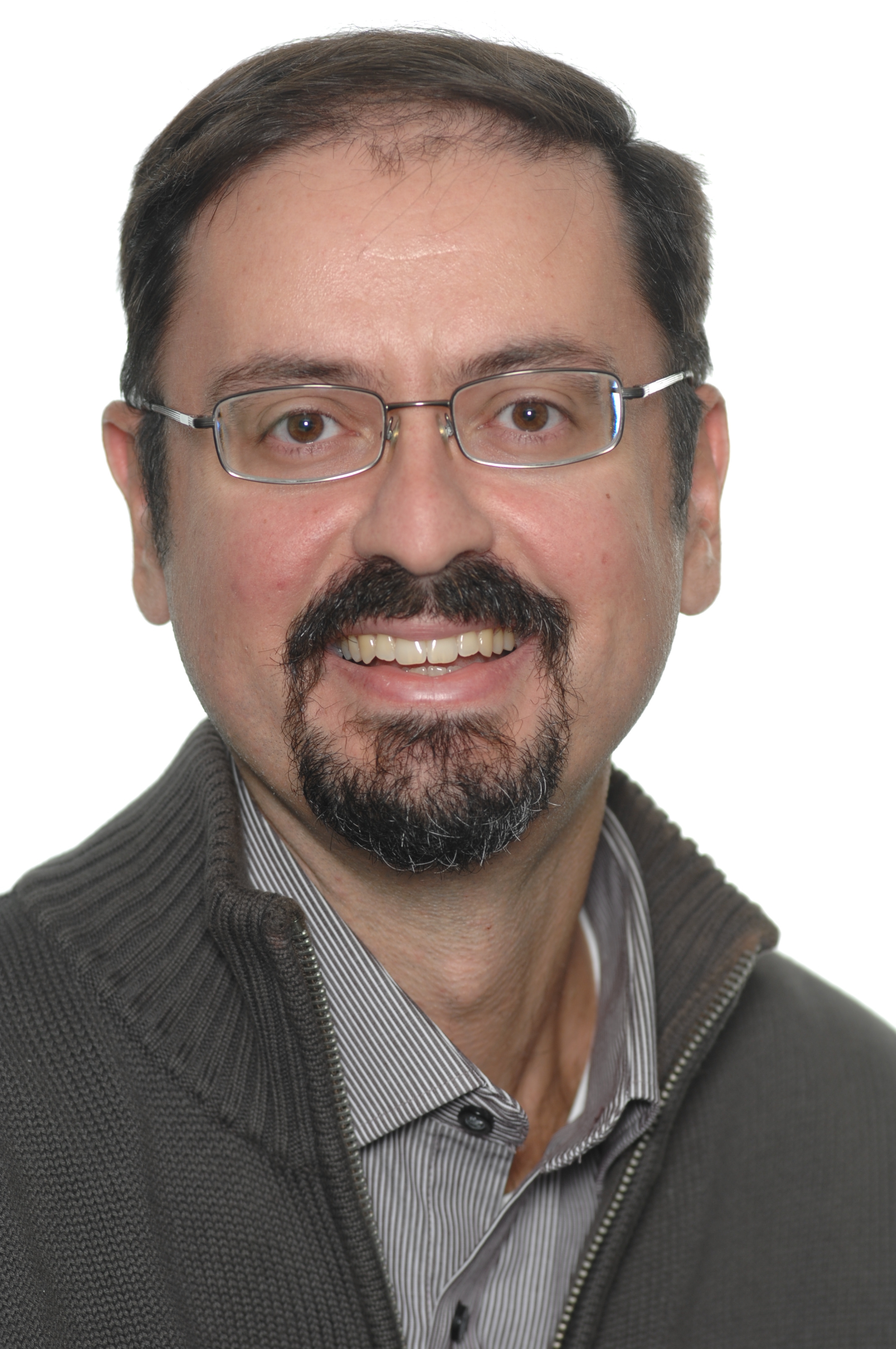
Professor Ioannis P. Nezis at the University of Warwick's School of Life Sciences is a leading authority in autophagy research. Using Drosophila melanogaster and mammalian cell models, his work explores selective autophagy mechanisms in aging, neurodegeneration, obesity, and infectious diseases. Current: Professor of Cell Biology (2020-) Prior: Reader (2018-2020), Associate Professor (2012-2017), Assistant Professor (2009-2012) Key affiliations: Warwick Antimicrobial Interdisciplinary Centre (WAMIC), Tissue Image Analytics (TIA) Centre His research focuses on selective autophagy receptors/adaptors , cellular aging mechanisms , and disease pathologies through lysosomal degradation pathways. Current work develops molecular markers for in vivo autophagy monitoring and investigates therapeutic strategies for autophagy-related disorders. Selected publications demonstrate autophagy's role in Golgi quality control , LIR motif interactions , and innate immune regulation . His lab employs RNAi knockdown , confocal microscopy , and bioinformatics to study autophagy's physiological significance.
Ole Østergaard is a Researcher at the Novo Nordisk Foundation Center for Protein Research within the Faculty of Health and Medical Sciences at the University of Copenhagen. His work focuses on advancing proteomics techniques and applying them to understand disease mechanisms, particularly through the study of extracellular vesicles. His research spans several critical areas in modern biomedical science: Extracellular vesicles and their role in health and disease Proteomics and biomarker discovery using high-resolution mass spectrometry Applications in neurodegenerative diseases and autoimmune conditions Development of novel proteomic methodologies for minimal sample analysis Dr. Østergaard's recent publications demonstrate significant contributions to the field, particularly in cerebrospinal fluid analysis for pediatric CNS cancers, standardization of extracellular vesicle research through the MISEV2023 guidelines, and development of innovative techniques like One-Tip for single-cell proteomics. His work in high-impact journals such as Nature Communications, Nature Biotechnology, and Journal of Extracellular Vesicles reflects his expertise in both technical proteomics and clinical applications. He is actively involved in the Olsen Group at the Center for Protein Research, contributing to cutting-edge research in spatial proteomics, phospho-signaling dynamics, and deep plasma proteome analysis through extracellular vesicle enrichment. His collaborative network spans multiple institutions, as evidenced by his co-authorship on numerous high-impact publications with international researchers.
Anita Huttner, MD is an Associate Professor of Pathology at Yale School of Medicine with extensive affiliations across Yale's research ecosystem. She holds primary appointments in the Department of Pathology and participates in numerous specialized research centers including the Alzheimer's Disease Research Center (ADRC), Brain Tumor Center, Genomics, Genetics, and Epigenetics Program, and Yale Cancer Center. Her dual expertise spans neuropathology and molecular diagnostic pathology, creating a unique interdisciplinary approach to understanding brain diseases. Dr. Huttner's research focuses on neurological disorders with particular emphasis on Alzheimer's disease, brain tumors, and epilepsy. She employs innovative techniques including subcellular proteomics, induced pluripotent stem cell (iPSC) modeling, and advanced imaging analysis to investigate disease mechanisms. Her work bridges traditional microscopic examination with modern genomic analysis, allowing her to incorporate genetic sequencing results into visual tumor analysis. Recent publications demonstrate her leadership in identifying biomarkers for neurological conditions and developing novel diagnostic approaches for brain disorders. Analysis of Dr. Huttner's recent publications (2023-2025) reveals a strong focus on Alzheimer's disease mechanisms, brain tumor classification using advanced imaging techniques, and neurological conditions like Tourette Disorder and epilepsy. Her work frequently employs cutting-edge methodologies including single-cell transcriptomics, subcellular proteomics, and AI-based analysis of medical imaging. These publications appear in high-impact journals such as Nature Neuroscience, Nature Aging, and Biological Psychiatry, demonstrating the significance of her contributions to the field. Averill A. Liebow Award for Excellence in the Teaching of Pathology Residents (2009) Nomination for the Alice Bohmfalk Teaching Award in Basic Science (2005) Dr. Huttner maintains an active research program with numerous collaborations across Yale and beyond. Her work involves both basic science investigations and clinical applications, with a particular focus on translating laboratory findings into improved diagnostic approaches and potential treatments. She serves as a Sub Investigator for the SV2A PET Imaging clinical trial focused on epilepsy patients, demonstrating her commitment to translational research that directly impacts patient care. Her mentorship extends to pathology residents, with recognition for excellence in teaching. Based at the Brady Memorial Laboratory at Yale, Dr. Huttner's work integrates multiple research approaches to understand brain pathology at both cellular and molecular levels. Her laboratory investigations focus on recreating brain disorders using stem cell technology to model conditions like epilepsy and Alzheimer's disease, with the ultimate goal of developing better treatments for neurological conditions and brain tumors.
Dr. Philipp Denninger serves as a Group Leader at the Chair of Plant Systems Biology within the TUM School of Life Sciences at Technical University of Munich. Appointed in July 2019, he leads an independent research group focused on plant cell polarity mechanisms under the supervision of Prof. Dr. Claus Schwechheimer. His habilitation process in Plant Cell Biology began in March 2022, marking his progression toward a professorial qualification in the German academic system. Dr. Denninger's research centers on understanding cell polarity and signal transduction in plants, particularly investigating the RhoGTPases (ROP) and their activating guanine nucleotide exchange factors (ROPGEFs). His laboratory employs model systems including Arabidopsis thaliana , Marchantia polymorpha , and Zea mays to study pollen tube growth, cell division, and other polarization events. The group utilizes advanced techniques such as confocal microscopy, image analysis, and quantitative protein-protein interaction studies (MST, FRET) to unravel the spatiotemporal composition of ROP signaling complexes during polar growth. Analysis of Dr. Denninger's publication record reveals a consistent focus on ROP signaling mechanisms across multiple plant developmental contexts. His work demonstrates how specific ROPGEFs establish polar membrane domains that drive processes like pollen germination and root hair outgrowth. The research trajectory shows progression from identifying individual ROPGEF functions to understanding the dynamic repositioning of polarity domains and the negative regulation of polar growth pathways. 2019: Otto Schmeil Award from the Schmeil Foundation Heidelberg for an excellent dissertation 2013: Master's Prize from the Biochemistry Center Regensburg 2012: DAAD scholarship for research at Carnegie Institution of Science, Stanford University Dr. Denninger's laboratory operates within the Chair of Plant Systems Biology, collaborating with international research groups across Europe and North America. His research program integrates in vivo imaging approaches with in vitro biochemical techniques to address fundamental questions about how plants establish and maintain cellular polarity during development. Current projects focus on determining how polarity domain positions are established and how uncontrolled polar growth is regulated to ensure normal plant development.
Marko Vendelin is a Tenured Full Professor at Tallinn University of Technology's School of Science, Department of Cybernetics, where he also leads the Laboratory of Systems Biology. His academic career spans over two decades with continuous appointments at Tallinn University of Technology since 1997, including prestigious fellowships from Wellcome Trust and EU Marie Curie programs. His educational background includes a Doctor's Degree (2001) and Research Master's Degree (1997), both from Tallinn University of Technology under supervision of Jüri Engelbrecht, focusing on cardiac mechanoenergetics and electrical activation modeling. His research interests center on heart muscle biophysics, bioenergetics, and biomechanics, with particular emphasis on energy transfer systems in cardiomyocytes. Analysis of his recent publications reveals strong focus on cardiac metabolism, sex-specific differences in heart structure, and advanced imaging techniques. His work frequently examines creatine kinase systems, calcium handling mechanisms, and metabolic compartmentalization in cardiac cells. The publications span high-impact journals including American Journal of Physiology, PLoS Computational Biology, and FEBS Letters. Awarded the National Science Award in 2008 and recognized as Tallinn University of Technology's Young Investigator of the Year in 2007, his scientific contributions have been widely recognized. His editorial service includes roles at American Journal of Physiology: Cell Physiology and numerous manuscript reviews for leading journals. Prof. Vendelin has supervised two postdoctoral researchers and served as external reviewer for PhD theses at multiple European institutions. His administrative roles include leadership positions in COST Actions CA16225 and CA15203, and chairing joint meetings of major physiological societies across Europe.
Dr. Mladena Glavaš is a Researcher at the NMR Centre of the Ruđer Bošković Institute in Zagreb, Croatia, specializing in organic synthesis and biochemical applications. Her work integrates advanced spectroscopic techniques with molecular design to develop novel compounds for biological and medical research. Her research focuses on Organic Chemistry with emphasis on Peptide Chemistry and Fluorescent Dye Development . Key areas include synthesizing modified amino acids for peptide engineering, designing BODIPY-based fluorescent sensors for cellular imaging, and creating photochemically reactive compounds for DNA interaction studies. Her work bridges synthetic organic chemistry with biochemical applications, particularly in developing tools for intracellular visualization and molecular recognition. Analysis of her 2017-2025 publications reveals consistent innovation in fluorescent probe design—especially BODIPY derivatives for pH sensing and organelle staining—and peptide modification techniques. Her research demonstrates strong interdisciplinary connections between synthetic chemistry, photochemistry, and biomedical applications, with increasing focus on practical tools for cellular imaging and molecular diagnostics. Dr. Glavaš serves as academic supervisor, having directed Antonija Karakaš's 2023 master's thesis on oligopeptide photophysics at the Faculty of Chemical Engineering and Technology in Zagreb. Her collaborative work spans international institutions including Polish and Israeli research groups, reflecting strong cross-border scientific engagement.
Tatjana Mijošek Pavin is a Postdoctoral Fellow at the Laboratory for the biological effects of metals within the Institute for Marine and Environmental Research at Rudjer Boskovic Institute in Zagreb, Croatia. She holds a PhD in Biological responses in indicator organisms to wastewater exposure in Dinaric and Pannonian rivers from the Faculty of Science, Zagreb (2021), and a Master's degree in Morphological and genetic diversity of populations of the invasive crayfish Pacifastacus leniusculus from the same institution (2015). Her educational background includes doctoral research at the University of Zagreb focusing on biomarker responses in aquatic organisms exposed to wastewater in Croatian river systems. Her Master's thesis examined genetic diversity of invasive crayfish populations, establishing her early interest in aquatic ecology and anthropogenic impacts on freshwater systems. Dr. Mijošek Pavin's research program centers on environmental toxicology with emphasis on metal bioaccumulation in aquatic food webs. She investigates how wastewater discharges affect metal(loid) distribution in karst river ecosystems, particularly the Krka River in Croatia. Her innovative work explores acanthocephalan parasites as sensitive bioindicators of environmental pollution, examining molecular mechanisms through transcriptomics and advanced imaging techniques. She has developed expertise in electrochemical determination of metallothioneins, metal distribution in fish calcified structures, and multi-biomarker approaches to assess ecological risks. Analysis of her publication record reveals a sophisticated evolution from basic ecotoxicology to integrated molecular approaches. Her recent work combines traditional biomonitoring with cutting-edge techniques like NanoSIMS imaging and CiteSpace literature analysis. A consistent theme is the examination of parasite-host systems as environmental sentinels, with particular attention to spatial and temporal patterns of pollution in karst hydrological systems. While specific awards are not documented in the available information, her extensive publication record in high-impact journals including Scientific Reports, Environmental Pollution, and Science of the Total Environment indicates significant recognition within the environmental toxicology community. Dr. Mijošek Pavin actively participates in collaborative research networks, frequently co-authoring with Vlatka Filipović Marijić, Zrinka Dragun, and Sara Šariri. Her work appears to be supported by institutional research programs at Rudjer Boskovic Institute focused on environmental monitoring and pollution assessment in Croatian aquatic ecosystems. Within the Laboratory for the biological effects of metals, she contributes to multidisciplinary teams investigating metal speciation, bioavailability, and toxic effects in freshwater systems. Her research integrates field studies in contaminated river sites with laboratory analyses of biomarkers, metal distribution, and molecular responses across multiple trophic levels.
Christoph Krafft serves as Group Leader ( Arbeitsgruppenleiter ) at the Leibniz Institute of Photonic Technology (Leibniz-IPHT) in Jena, Germany, where he leads the Raman and IR Spectroscopic Analytics research group within the Spectroscopy/Imaging Research Department. His research program bridges physics, chemistry, and biomedical applications through advanced optical technologies. Dr. Krafft's expertise centers on vibrational spectroscopy techniques, particularly Raman and infrared methods. His research spans biomedical diagnostics (cancer detection, cellular analysis, infection mechanisms) and environmental applications (microplastic detection). He has developed innovative instrumentation including specialized Raman imaging systems, 1064 nm fiber probe spectrometers, and high-throughput screening platforms that address fluorescence interference challenges in biological samples. Analysis of his publication record reveals a strategic focus on clinical translation of spectroscopic technologies. His recent work demonstrates progression from fundamental methodology development toward practical diagnostic applications, particularly in intraoperative settings. The consistent collaboration with Jürgen Popp and international research teams across multiple disciplines highlights his position within a robust scientific network focused on advancing optical technologies for real-world challenges. Dr. Krafft actively participates in large-scale collaborative efforts, including international interlaboratory comparisons for microplastic detection standardization. His laboratory at Leibniz-IPHT maintains a dual focus on pushing technical boundaries in spectroscopic instrumentation while ensuring practical applicability in medical and environmental contexts.
Morten Schak Nielsen is an Associate Professor at the Department of Biomedical Sciences within the Faculty of Health Sciences at the University of Copenhagen. He serves as head of the Gap Junction Group and has maintained a continuous academic career at the university since 1999, progressing from Assistant research professor to his current position. His educational background includes: 1994: Cand.scient. (M.Sc.) in biology 1999: Ph.D. Scient. Dr. Nielsen's primary research focuses on cardiac electrophysiology and cellular communication mechanisms in the heart. His work centers on understanding the role of gap junctions and pannexin channels in cardiac conduction and arrhythmogenesis. He investigates how conductance disturbances associated with ischemia, metabolic syndrome and diabetes contribute to cardiac dysfunction. His research employs a multidisciplinary approach combining molecular biology, electrophysiology, and advanced imaging techniques to unravel the complex mechanisms underlying cardiac conduction abnormalities. The Gap Junction Group he leads has established important connections between cellular communication structures and clinical cardiac conditions. Analysis of Dr. Nielsen's publication record reveals consistent contributions to understanding cardiac conduction mechanisms. His work spans fundamental channel physiology to clinical implications, with particular emphasis on how intercellular communication structures like gap junctions and pannexin channels function under pathological conditions. Recent publications demonstrate growing interest in mitochondrial pannexin channels and their role in ischemia-reperfusion injury, as well as detailed investigations of the intercalated disc as a critical structure for cardiac function. His research bridges basic science with potential clinical applications in cardiac arrhythmia treatment. Dr. Nielsen serves as a dedicated educator and PhD supervisor with extensive teaching experience across multiple levels: Pregraduate: Course in Excitable Cells, Course in Heart and Lungs, Human Anatomy and Systems Physiology, Cardiac Physiology Postgraduate: Cardiac Physiology, Cardiovascular Summer School, Cardiac arrhythmias: Pathophysiological mechanisms and interventions He has held significant administrative roles including Chairman of the Danish Cardiovascular Research Academy (2011-2018) and Chairman of the cardiovascular graduate program under the PhD school of Health Sciences. Dr. Nielsen maintains active roles in the scientific community as a reviewer for journals including Heart Rhythm, Pflügers Archiv, and Clinical and Experimental Pharmacology and Physiology, and has participated in organizing major international conferences on gap junctions and cardiovascular physiology.
Ezgi Hacisuleyman serves as an Assistant Professor in the Department of Molecular Medicine at the University of Florida, where she leads the Hacisuleyman Lab focused on RNA-centric mechanisms in neuronal communication and cellular adaptation. Her research bridges molecular biology, neuroscience, and virology with significant contributions to understanding RNA localization, translation dynamics, and viral pathogenesis. Education Ph.D. in Molecular Biology and Biochemistry, Harvard University (2010-2015) Bachelor of Engineering in Chemical Engineering, MIT (2006-2010) Bachelor of Science in Molecular Biology and Genetics, MIT (2006-2010) Dr. Hacisuleyman's research centers on RNA biology in neuronal contexts , particularly how localized translation regulates synaptic plasticity. Her lab pioneered proximity-based ribosome profiling to map dendritic translation mechanisms, revealing how eIF4G2-uORF interactions rapidly reprogram protein synthesis in response to neuronal activity. Additional work explores lncRNA-mediated genome organization and viral-host interactions, notably SARS-CoV-2 transmission dynamics and vaccine efficacy. Her interdisciplinary approach integrates molecular techniques with computational analysis to uncover fundamental principles of RNA regulation in health and disease. Her publication portfolio shows consistent focus on RNA-centric mechanisms across cancer biology, neurodevelopment, and virology. Early work established foundational knowledge of lncRNA functions in genome architecture (Firre locus) and adipogenesis, while recent studies reveal novel cancer dependencies (EXOSC2) and neuronal translation control. The SARS-CoV-2 research during 2021 represents a strategic pivot to address urgent pandemic challenges, demonstrating methodological versatility. Scientific Awards Kavli Neuroscience Postdoctoral Fellowship (2021-2023) Helen Hay Whitney Fellowship (2016-2019) Dr. Hacisuleyman mentors graduate students including Madison Jones (neurological disorders focus) and Ulas Kaplan (5'UTR peptide research), while previously supervising SURF undergraduates. Her active NIH/NIGMS-funded grant "Decoding RNA Localization and Local Translation" supports investigations into cellular adaptation mechanisms. The lab maintains collaborations with Rockefeller University and UCSF, building on her postdoctoral work with Darnell and Weissman. The Hacisuleyman Lab comprises graduate students, research technicians (including Alexander Valera studying synaptic transmission and Alperen Baran exploring immune-neural connections), and administrative support. Current projects examine small peptide functions in neurons and RNA dysregulation in aging-related pathologies, with infrastructure for advanced molecular profiling and neuronal imaging.