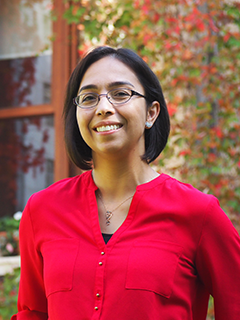
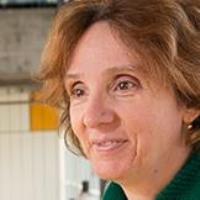
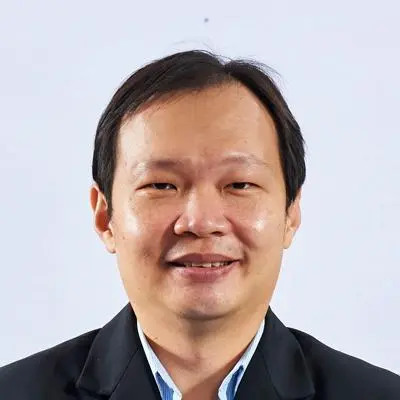
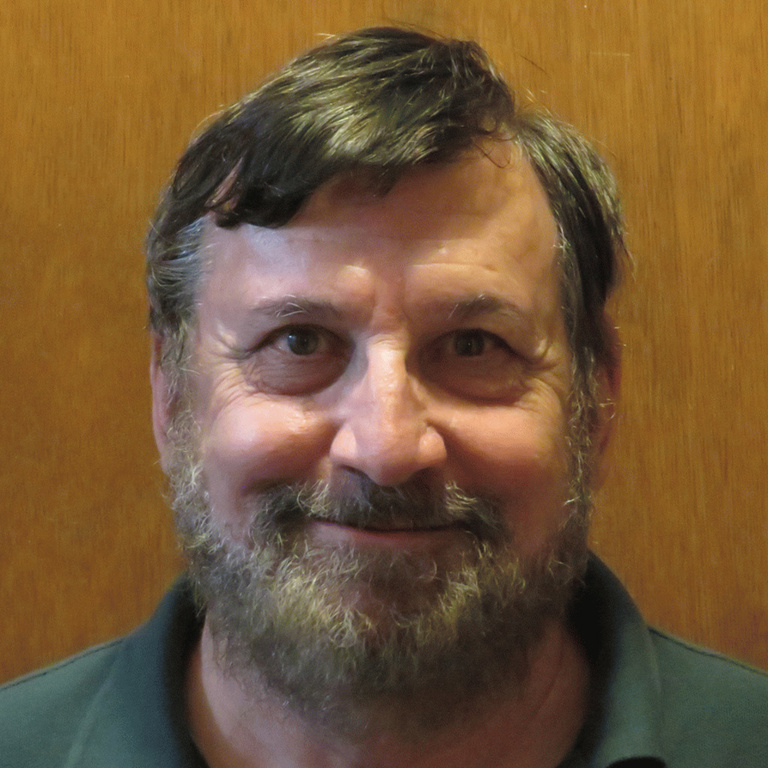
Nurcin Celik is a Professor in the Department of Industrial Engineering at the University of Miami's College of Engineering. Their research focuses on integrating machine learning with dynamic systems for applications in smart grids, urban air mobility, and advanced manufacturing. University of Miami, College of Engineering Industrial Engineering Department Research interests include: Dynamic Data Driven Applications Systems (DDDAS) Deep reinforcement learning for network slicing Computer vision in surgical skill assessment Resilience modeling for environmental systems Machine learning applications in energy systems Recent publications highlight: Smart grid resource allocation using deep learning Generative AI for disaster evacuation planning Microgrid optimization with particle swarm algorithms DDDAS frameworks for 5G/6G network management Contamination prediction in recycling systems No scientific awards or students information were found in the provided text.
Martin Eder is an Associate Professor at the Department of Wind and Energy Systems , Technical University of Denmark (DTU) , located in Roskilde, Denmark. He leads and contributes to research on wind-turbine rotor-blade engineering, composite materials, fatigue, and additive manufacturing, and is currently supervising several PhD students. Research Interests Eder's work centers on the engineering science of wind-turbine blades , with emphasis on: composite materials durability and testing, high-cycle fatigue and fracture mechanics of adhesively bonded joints, cross-sectional analysis of tapered composite beams, thermoplastic composite additive manufacturing, corrosion-fatigue of offshore steel structures. These themes are reflected in DTU’s fingerprint analysis, showing his leadership in wind-turbine engineering, rotor-blade engineering, and related fatigue topics. Recent Publications & Trends His latest papers (2024-2025) reveal a dual focus: advancing digital-industrial concepts such as human-cyber-physical systems for Industry 5.0 wind turbines, and refining mechanics-based models for fatigue, thermoplastic 3D printing, and adhesive joints. Together, these works push towards lighter, more durable, and smarter turbine blades. Scientific Awards No specific awards or honors are listed in the provided material. Supervision & Projects Eder currently supervises three PhD projects: “In-situ corrosion fatigue tests for offshore steel structures” (V. Golshani) “Multi-physics modeling of 3D printing processes for sustainable composite structures” (H. P. Nowruzani) Industrial PhD “Advanced accurate and computationally efficient numerical methods for wind-turbine rotor-blade design” (P. Bertolini) He has also participated in major research initiatives such as WindWeld and national corrosion-fatigue consortia, demonstrating strong collaboration with both academia and industry. Laboratories & Teams He is affiliated with DTU Wind Energy’s Composites Manufacturing and Testing and Wind Energy Materials and Components divisions, where experimental facilities for fatigue, composite manufacturing, and structural testing support his research group’s work.
Cristina Anton serves as Professor in the Department of Mathematics and Statistics within the Faculty of Arts and Science at MacEwan University, Edmonton, Alberta. Her contact information includes email popescuc@macewan.ca and office phone (780) 633-3939. Her research expertise spans: Dynamical systems in applications Numerical analysis Probability theory Statistical learning Stochastic Differential Equations Stochastic Processes Recent publications (2022-2025) reveal three dominant research thrusts: (1) Advanced functional data clustering using parsimonious models, t-distributions, and outlier-robust techniques; (2) Development of symplectic numerical methods for stochastic Hamiltonian systems with conservation properties; (3) Applied work in cytotoxicity assessment and pandemic policy impact modeling. Her methodological innovations frequently address locally Lipschitz coefficients and skewed distributions in stochastic frameworks. Scientific awards: No awards mentioned in source materials. Advising and grants: Source text provides no information about graduate students, postdoctoral researchers, or research funding. Labs and teams: No research laboratories, collaborative groups, or institutional centers are referenced in the provided documentation.
Francesca Ghirga is an Associate Professor at the Department of Chemistry and Pharmaceutical Technologies, "Sapienza" University of Rome, Italy. With expertise in natural product chemistry and supramolecular systems, her research spans drug development for Hedgehog-dependent tumors, antibiotic resistance reversal, and fluorescent probes for neurodegenerative diseases. Current Position: Associate Professor (2025–Present) Previous Roles: Fixed-Term Researcher (2022–2025), Research Grant Holder (2021) Key Collaborations: Italian Institute of Technology (IIT), COST Actions EURESTOP and STRATAGEM Research Interests focus on four main areas: Macrocyclic Chemistry : Design of resorc[4]arene-based artificial receptors and bioconjugates for immunosensors. Natural Product Drug Discovery : Isolation/optimization of compounds targeting Hedgehog and Notch pathways in cancer. Fluorescent Probes : Development of Tau protein-selective NIR probes for Alzheimer's diagnosis. Antibiotic Resistance : Inhibitors of ArnT-mediated colistin resistance in Gram-negative pathogens. Recent Publications highlight her work on: Nanovehicles co-delivering colistin and resistance inhibitors Glabrescione B as Hedgehog antagonist for cholangiocarcinoma Rotenone's antiviral mechanism against adenovirus Resorc[4]arene-immunosensor platforms for cancer diagnostics Scientific Awards include competitive scholarships from Società Chimica Italiana and Sapienza University for her PhD and postdoctoral research. She holds multiple patents related to Hedgehog inhibitors, Notch antagonists, and immunosensor technologies. Grant Leadership features projects like: NIRNA (2022): NIR-guided RNA delivery systems (€190k) PREPNAT (2022): Natural compound isolation/optimization (€99.7k) Joint Lab with CrestOptics (2018–2021): Tau imaging probes (€150k) Laboratory Involvement includes coordinating SYNLAB research group and participating in European networks like EURESTOP. She has lectured extensively on organic chemistry and supervised numerous student research projects across multiple Italian universities.
Dr. John See Su Yang is an Associate Professor at Heriot-Watt University's School of Mathematical and Computer Sciences, Malaysia Campus. He serves as Programme Director for BSc Computing Science and leads the Multimedia Data Analysis (MuDA) Lab. Previously, he was a Senior Lecturer at Multimedia University and founded the Visual Processing (ViPr) Lab, and served as a Visiting Research Fellow at Shanghai Jiao Tong University from 2017-2019. Received Bachelor, Masters, and PhD degrees from Multimedia University Published over 140 articles in top journals and conferences including IEEE T-PAMI, CVPR, and NeurIPS Secured over MYR 3 million in research funding as PI/Co-PI Dr. See's research spans multimedia signal processing and computer vision with particular focus on affect and emotion understanding from images and videos. His work includes facial micro-expression analysis, image aesthetics, visual surveillance tasks, activity recognition, and classical image/video processing algorithms. His research has practical applications in micro-expression detection, human-robot interaction, and multimodal content generation. His recent publications (2023-2025) demonstrate strong activity in wind turbine blade inspection using UAVs, micro-expression analysis networks, drowsiness detection, and human-robot interaction. His work bridges theoretical computer vision advances with practical applications in renewable energy, transportation safety, and human-computer interaction. Best Reviewer Award, IEEE ICIP 2020 Outstanding Reviewer Award, CVPR 2021 Dr. See actively mentors PhD students and serves on editorial boards for Signal Processing (as Subject Editor), IEEE Transactions on Multimedia, and several other prestigious journals. He is a Senior Member of IEEE and has served on technical committees for IEEE Multimedia Systems and Applications and Multimedia Signal Processing. His MuDA Lab collaborates with the Visual Processing Lab at Multimedia University and Shanghai Jiao Tong University, focusing on emotional analysis and multimodal systems for solving real-world problems. Dr. See accepts PhD students for projects on aesthetics and emotion processing in media and new paradigms for understanding human emotions in real-world scenarios.
Linas Petkevičius serves as an Associate Professor at Vilnius University's Faculty of Mathematics and Informatics, actively teaching courses including Introduction to Quantum Computing across 10 consecutive academic years from 2016/2017 through 2025/2026 as evidenced by institutional schedules. His research demonstrates remarkable interdisciplinary breadth spanning quantum computing algorithm optimization, medical diagnostics through digital pathology analysis, and satellite-based environmental monitoring. He develops machine learning solutions for breast cancer prognosis using Ki67 heterogeneity metrics, creates quantum circuit schemes adapted to hardware constraints, and implements deep learning models for algal bloom detection in Baltic waters using Sentinel-2 data. His work consistently bridges theoretical computer science with practical healthcare and environmental applications. Analysis of his 15 most recent publications (2023-2025) reveals three dominant research thrusts: 1) Quantum computing optimization for NISQ devices, 2) Medical image analysis focusing on spatial tumor microenvironment characterization in breast cancer, and 3) Remote sensing applications using transformer models and few-shot learning for satellite change detection. His publications show increasing specialization in combining deep learning architectures with domain-specific constraints across these fields. Scientific Awards: No scientific awards were mentioned in the provided materials. Advising and Grants: The provided texts contain no information regarding student advisement, research grants, or funded projects.
Amy M. Sawyer, PhD, RN is a Professor of Sleep & Health Behavior at the University of Pennsylvania School of Nursing, Department of Biobehavioral Health Sciences, where she serves as Director of the Doctor of Nursing Practice Program. She maintains a joint appointment as Clinician Educator & Scientist at the Corporal Michael J. Crescenz VA Medical Center, advancing evidence-based practice for Patient Care Services. Her academic leadership spans program direction, curriculum development, and fostering academic-practice partnerships between Penn and the VA healthcare system. PhD, University of Pennsylvania (2007) MScN, Johns Hopkins University (1995) BSN, Millersville University (1992) Dr. Sawyer's research centers on health behaviors related to sleep disorders, particularly focusing on treatment adherence for obstructive sleep apnea (OSA). Her clinical experience in pulmonary medicine and sleep laboratories revealed critical gaps in patient acceptance of sleep-disordered breathing treatments, leading to the development of the Index for Nonadherence to PAP (I-NAP) screening tool. She investigates how patient perspectives influence treatment effectiveness, emphasizing that treatments must be both efficacious and acceptable to patients. Her work bridges scientific discovery with practical implementation, translating sleep science into everyday best practices through behavioral interventions and healthcare system innovations. Analysis of her recent publications reveals a strong focus on CPAP/PAP adherence disparities across racial and ethnic groups, innovative telehealth interventions for sleep disorder management, and the development of culturally relevant care models. Her research increasingly addresses social determinants of health while maintaining technical rigor in sleep medicine methodology, with significant contributions to understanding behavioral mechanisms underlying treatment success. Dean’s Award for Distinguished Teaching (2023) Penn Fellows Program Fellowship (2023-2024) Samuel T. Kuna Excellence in Research Mentoring Award (2019) NIH Early Career Reviewer (2015) American Nurses Foundation Scholar (2011-2013) Dr. Sawyer actively mentors PhD candidates, postdoctoral trainees, and DNP students, with a particular focus on developing nurse scientists through the Penn Fellows Program. Her grant portfolio includes NIH-funded studies on adherence disparities and telehealth interventions, with recent projects examining CPAP adherence in minority populations and cost-effectiveness of tele-messaging interventions. She serves on editorial boards for Behavioral Sleep Medicine and Sleep Health journals, contributing to the field's scholarly discourse while building research capacity within nursing. Through her VA appointment, Dr. Sawyer collaborates with interdisciplinary teams including staff nurses, clinical nurse leaders, and executive leadership to implement evidence-based practices across healthcare delivery systems. Her work integrates clinical practice, research, and education to advance sleep health as a pillar of overall wellbeing, particularly focusing on veteran populations and addressing healthcare inequities in sleep disorder management.
John Matthew Maris, M.D., is Professor of Pediatrics (Oncology) at the University of Pennsylvania’s Perelman School of Medicine and a leading physician-scientist at the Children’s Hospital of Philadelphia (CHOP). In addition to his faculty appointment, he serves as Co-Chair of the Genetics, Genomics and Pediatric Diseases Research Affinity Group at CHOP and holds the Giulio D’Angio Endowed Chair in Neuroblastoma Research. He is also a member of the Hematology/Oncology Fellowship Committee and the Abramson Family Cancer Research Institute. Education: B.S. in Biology, Wheeling College, 1983 M.D., University of Pennsylvania, 1989 Research Focus: Dr. Maris is internationally recognized for his comprehensive investigations into neuroblastoma biology and precision therapy. His work integrates high-resolution cancer genomics, circulating tumor DNA analyses, epigenetic profiling, and radiopharmaceutical development to identify actionable targets and improve outcomes for children with high-risk neuroblastoma. By leveraging large clinical cohorts and pre-clinical models, his laboratory has uncovered novel molecular subtypes, prognostic biomarkers, and immune-based therapeutic strategies that are reshaping clinical trial design. Across more than 500 peer-reviewed publications, a consistent trend emerges: the translation of genomic discoveries into first-in-human or first-in-child clinical trials. Recent articles emphasize liquid biopsy monitoring, alpha-particle radiotherapy, antibody-drug conjugates, and universal CAR-T platforms, reflecting a trajectory toward individualized, less-toxic treatments for pediatric solid tumors. Honors & Awards: Giulio D’Angio Endowed Chair in Neuroblastoma Research, CHOP Training & Mentoring: As a member of the Hematology/Oncology Fellowship Committee, Dr. Maris contributes to the education and mentorship of clinical fellows and graduate students across the Genomics and Computational Biology, Pharmacology, and Cell and Molecular Biology graduate groups. His lab website and AFCRI profile serve as hubs for collaborative, multi-disciplinary training in translational pediatric oncology. Laboratory & Team: The Maris Laboratory operates within the Colket Translational Research Building at CHOP and is affiliated with the Abramson Family Cancer Research Institute. The team encompasses bioinformaticians, wet-lab scientists, clinical research coordinators, and physician-scientists working synergistically to accelerate cures for neuroblastoma and other high-risk childhood cancers.
Yassir AbdelRazig serves as a Professor in the Department of Civil & Environmental Engineering at Florida State University's College of Engineering. His work bridges construction management, infrastructure resilience, and sustainable systems design, with significant contributions to transportation engineering and smart infrastructure technologies. His academic foundation includes: Ph.D. in Civil Engineering from Purdue University (1999) M.S. in Civil Engineering from Bradley University (1995) B.S. in Architectural Engineering from the University of Khartoum (1992) Professor AbdelRazig's research centers on Construction Engineering & Management, Resilient Infrastructure systems, Sustainable & Green Buildings, and Smart Engineering Systems. He pioneers quantitative frameworks for infrastructure resilience—particularly in transportation networks—using advanced simulation, building information modeling (BIM), and data analytics. His work addresses critical gaps in vulnerable population mobility, hurricane-resistant design, and sustainable construction practices, emphasizing real-world implementation through computer vision and AI-driven optimization. Analysis of his 2022-2024 publications reveals dominant trends in transportation resilience metrics, with 60% focusing on vulnerable communities and infrastructure robustness. Key methodologies include metaheuristic optimization, GIS-based spatial analysis, and multi-objective decision frameworks applied to sustainable site selection and disaster mitigation. His work consistently integrates civil engineering fundamentals with computational innovation across transportation, structural, and environmental domains. While no specific awards are documented in the source material, his prolific publication record in high-impact journals demonstrates recognition within the civil engineering community. Details regarding student advising, grant funding, and laboratory facilities are not provided in the available text. Similarly, information about research teams or collaborative initiatives remains unspecified, though his interdisciplinary publication themes suggest cross-departmental engagement.
Hercules Avramopoulos is a full Professor at the National Technical University of Athens (NTUA) within the School of Electrical and Computer Engineering, where he heads the Photonics Communications Research Laboratory (PCRL). His work bridges academic research and industrial application in photonics, with leadership in European collaborative projects. His educational background includes a BSc and MSc in Physics and Applied Optics from Imperial College London, followed by a PhD in Physics (1989) focusing on nonlinear effects in lasers and optical fibers. Prior to NTUA, he conducted research at AT&T Bell Laboratories. Avramopoulos' research spans photonic integrated circuits , quantum communications , optical interconnects , and biophotonics sensing . Current work emphasizes monolithic/hybrid photonic integration (silicon, InP, polymers), quantum key distribution (QKD) for satellite/terrestrial networks, and photonic sensors for composite manufacturing. His group develops advanced modulation formats, DSP techniques, and all-optical switching systems. Recent publications show strong focus on quantum-classical coexistence in fiber/FSO networks, 6G X-haul architectures combining fiber/mmWave/FSO, and embedded photonic sensors for industrial processes. Key trends include satellite QKD feasibility, SDN-controlled hybrid transport, and machine learning-enhanced optical signal processing. He has supervised 26 completed PhD theses with 12 current doctoral students. Alumni include 10 faculty members at Greek/European universities and professionals at Cisco, Nokia, and the European Patent Office. PCRL has participated in over 60 European projects (coordinating ~30), including current initiatives like POLYNICES and TWILIGHT. PCRL maintains a 30-member team developing photonic solutions across five domains: optical interconnects, DSP, PIC design, biophotonics, and quantum communications. The lab holds 5 patents and has produced 500+ publications (200+ journal articles). Current infrastructure supports quantum communications research for IYQ2025 (International Year of Quantum 2025) initiatives.
Magnus Dahlbom is a Professor at the University of California, Los Angeles (UCLA), where he has maintained continuous faculty service since 1989, progressing from Assistant Professor (1989-1996) to Associate Professor (1996-2002) and full Professor (2002–present). His work bridges clinical nuclear medicine and advanced imaging research within UCLA's medical ecosystem. His academic foundation includes a BSc in Physics from Stockholm University (1982), a PhD in Medical Physics from UCLA (1987), and postdoctoral training at the Karolinska Institute (1987-1989). These credentials established his trajectory in quantitative imaging physics. Dahlbom's research centers on radionuclide imaging quantification and theranostics, with current emphasis on PSMA-targeted radioligand therapy for prostate cancer. He pioneers methods to integrate PET/SPECT functional imaging with anatomical data for precise radiation dose estimation to tumors and organs. His lab develops computational frameworks to optimize therapeutic dosing—maximizing tumor kill while minimizing normal tissue damage through serial imaging-based pharmacokinetic modeling. Analysis of his 2023-2025 publications reveals dominant themes in prostate cancer theranostics, particularly Lu-177-PSMA therapies. Key trends include flexible dosing protocols (FLEX-MRT trials), kidney toxicity monitoring, image reconstruction optimization, and 3D virtual reality surgical planning. His work consistently addresses the clinical translation of quantitative dosimetry for personalized treatment. He actively mentors graduate students, including current lab member Zach Ells (ZElls@mednet.ucla.edu), focusing on image processing and dosimetry algorithm development. His research is supported by clinical trial infrastructure and likely NIH/DoD grants targeting radiopharmaceutical therapy advancement, though specific funding sources aren't detailed in the source text. Dahlbom leads a specialized laboratory at UCLA developing next-generation tools for theranostics, including patient-specific 3D anatomical modeling, partial volume correction techniques, and real-time dosimetry systems. His team collaborates extensively with urologic oncology and nuclear medicine clinicians to implement these innovations in prostate cancer treatment pathways.
Tom Foster is a Professor in the Department of Earth & Environmental Sciences at the University of Iowa , where he has held academic positions since 19712. His research focuses on metamorphic petrology , high-temperature reaction kinetics , computer modeling of geological processes , and Proterozoic tectonics . He has also contributed to interdisciplinary projects in planetary geology and geoinformatics . Education: Ph.D. and M.A. in Geology, Johns Hopkins University B.S. in Geology, University of California, Santa Barbara His research integrates thermodynamic modeling with field studies to understand metamorphic processes, mineral assemblages, and tectonic evolution. Recent work spans 3D metamorphic textures , contact aureole dynamics , and geochemical databases like NMITA for Neogene marine biota. Key trends in his 15 most recent publications (2010–1999) include: Metamorphic reaction kinetics using computer simulations Proterozoic tectonic modeling in Colorado and Greenland Fluid infiltration processes in metamorphic rocks Planetary geology and Mars mission data analysis Geochemical databases for fossil biodiversity Scientific Awards: Fellow, Geological Society of America Fellow, Mineralogical Society of America GSA Best Poster Award (1997) Foster has supervised 12 Ph.D. and M.S. students , including Elizabeth Goeke, Claudia Sartini-Rideout, and Alessandro Moretti. He has also advised visiting scholars from institutions in Switzerland, Italy, and Germany. His collaborative work extends to interdisciplinary projects in informatics and planetary exploration .
Long Bai is an Algorithm Expert (Senior Research Scientist) at the Alibaba DAMO Academy and a PhD candidate in Electronic Engineering at The Chinese University of Hong Kong (CUHK) since 2021. He is also a Visiting Student at the Technical University of Munich (TUM) since 2024, affiliated with the Chair of Computer Aided Medical Procedures (CAMP) under Prof. Nassir Navab. PhD Student, CUHK (2021–Present) Visiting Student, CAMP, TUM (2024–Present) Algorithm Expert, Alibaba DAMO Academy (2025–Present) His research focuses on multimodal AI , medical image analysis , surgical data science , and vision-language models for robotic surgery. He has pioneered work in 4D Gaussian Splatting for endoscopic scene reconstruction, diffusion models for surgical video generation, and transformer-based architectures for depth estimation. His recent publications include 15+ works in top venues like MICCAI , IROS , and CoRL , with key themes in endoscopic surgery , human-robot interaction , and vision-language-action systems . Awards include the MICCAI 2024 Best Paper Runner Up , IPCAI 2024 Best Paper Shortlist , and multiple IEEE Travel Grants . He has mentored over 15 students and interns, including Junyi Wang (PhD, NUS) and Boyi Ma (PhD, University of Toronto). He also serves on editorial boards and conference committees for MICCAI , ICRA , and IROS .
Barbara Wyslouzil is a Professor at The Ohio State University , with joint appointments in the Department of Chemical and Biomolecular Engineering and the Department of Chemistry & Biochemistry . Her research focuses on aerosol science , particularly particle formation from vapor phases, internal structure analysis, and structural transitions like crystallization. PhD in Chemical Engineering (minor: Applied Physics), California Institute of Technology (1992) Previous affiliations: Worcester Polytechnic Institute (10 years), Physical Sciences Inc. (2 years) Her Wyslouzil Aerosol Lab employs techniques such as supersonic nozzles , small-angle neutron scattering (SANS) , small-angle X-ray scattering (SAXS) , and infrared absorption spectroscopy to study nucleation rates, droplet composition, and phase transitions. Collaborations include Argonne National Laboratory (12ID experimental station). Scientific Awards : NSF Career Award WPI Trustees Award for Outstanding Research and Creative Scholarship Kenneth T. Whitby Award for Outstanding Contributions to Aerosol Science Her research has significant applications in climate modeling , industrial processes , and biomedical technologies , including nonviral gene delivery via electrohydrodynamic spraying . She actively welcomes new graduate students , undergraduates , and postdoctoral researchers to her group.
Carla Green is a Professor in the Department of Neuroscience at UT Southwestern , where she has worked since 2009. Prior appointments include Associate Professor and Assistant Professor at the University of Virginia (2003-2009) and roles at the University of Kansas Medical Center (1986-1997), including a postdoctoral fellowship and Research Assistant Professor position. Her academic journey spans over 35 years of circadian biology research. 2009–present : Professor, Department of Neuroscience, UT Southwestern 2003–2009 : Associate Professor, Department of Biology, University of Virginia 1997–2003 : Assistant Professor, Department of Biology, University of Virginia 1996–1997 : Research Assistant Professor, Department of Anatomy & Cell Biology, University of Kansas Medical Center 1986–1991 : Graduate Student, Department of Biochemistry and Molecular Biology, University of Kansas Medical Center Dr. Green’s research focuses on circadian clock mechanisms, posttranscriptional regulation, and their metabolic implications. Key areas include: RNA deadenylation by Nocturnin CLOCK:BMAL1 complex dynamics Cryptochrome structure-function relationships Time-dependent lipid and glucose metabolism Circadian-metabolic disease links Evolutionary clock conservation Her publications reveal a thematic progression from characterizing circadian proteins (1996-2007) to mechanistic studies on metabolic integration (2008-2012), followed by translational work on aging (2017-present). Articles span interdisciplinary journals including Science , Cell , and PNAS .