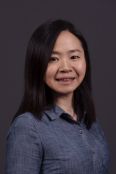
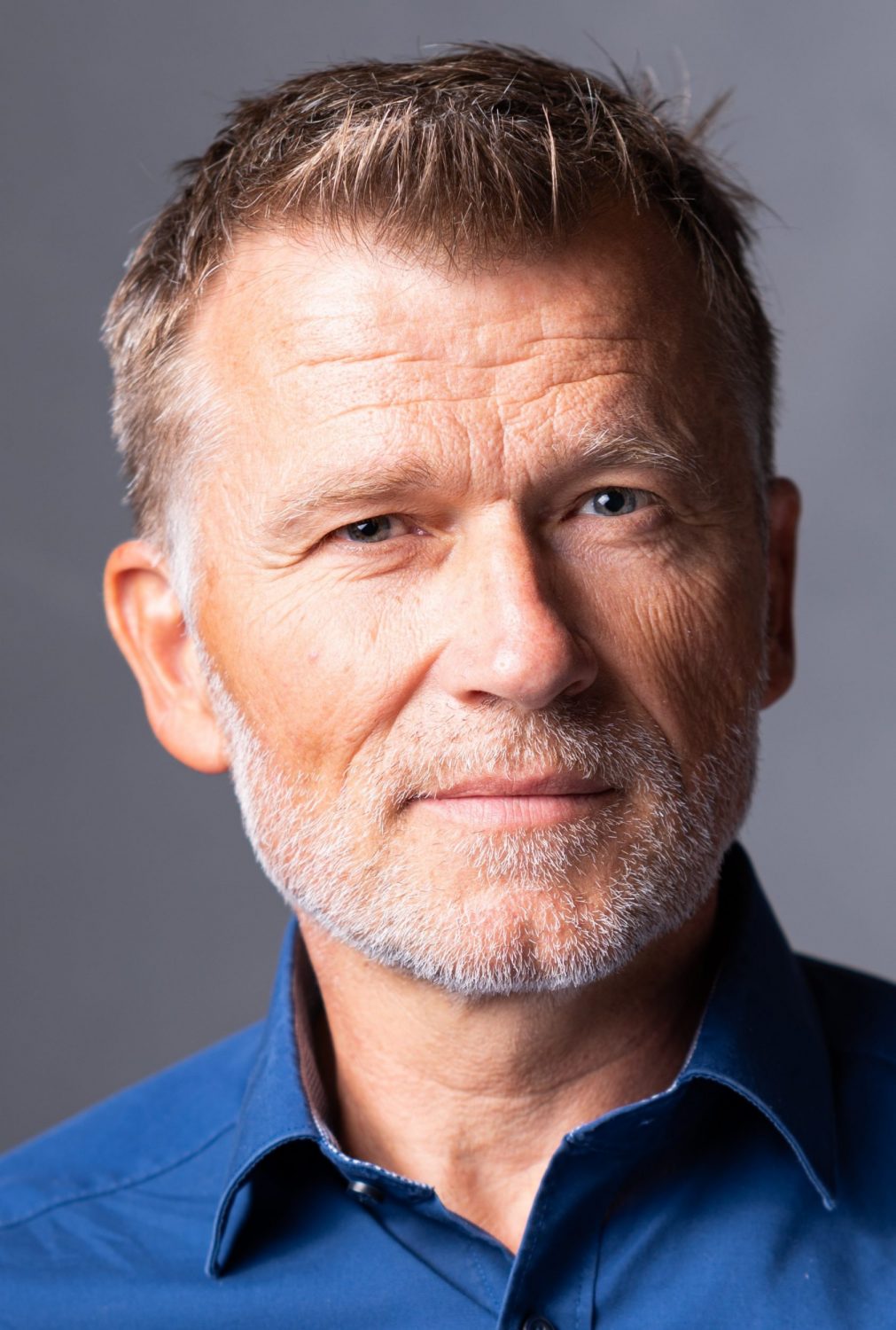
Ruwen Qin is an Associate Professor in the Department of Civil Engineering at Stony Brook University. Her research focuses on integrating data analytics, machine learning, and systems engineering into civil infrastructure systems to develop cyber-physical systems and intelligent automation. She applies these technologies to enhance human-AI collaboration, improve transportation safety, and advance smart infrastructure monitoring. Developing AI models for structural health monitoring Applications in worker safety and transportation systems Specializes in computer vision and sensor fusion Her recent work includes deep learning frameworks for drone-assisted inspections, structural component segmentation using weak annotations, and attention-based networks for traffic risk prediction. She also explores explainable AI for crash anticipation and interactive systems for bridge inspectors. Ruwen Qin's research spans interdisciplinary domains, combining civil engineering with AI-driven analytics to address challenges in infrastructure resilience, transportation safety, and human-centric automation systems.
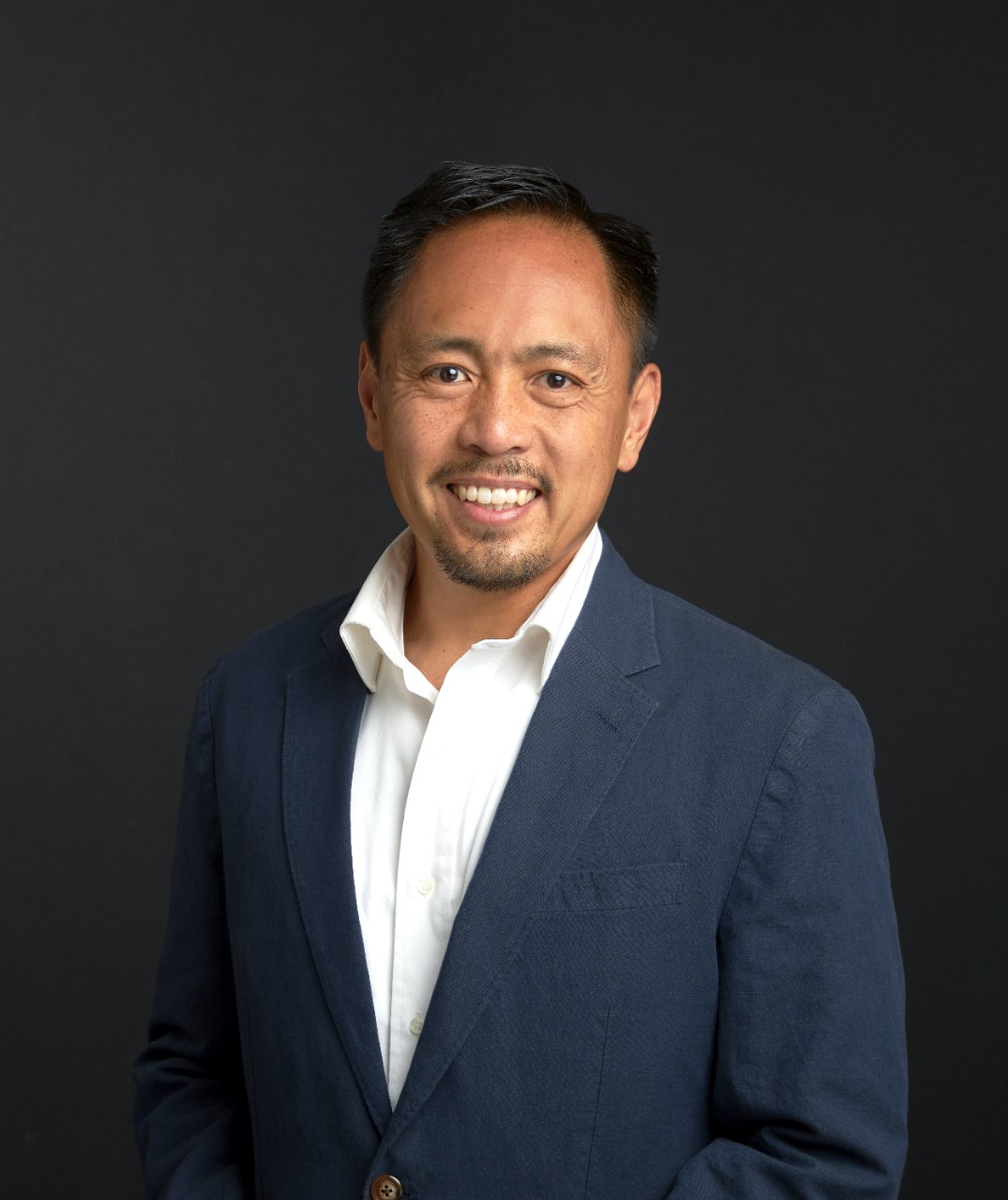
Vincent Cho serves as Associate Professor and Program Director for the Educational Leadership (Ed.D.) and Professional School Administrator Program (PSAP) at Boston College's Department of Educational Leadership & Higher Education. His research bridges educational leadership theory with practical technology integration challenges in K-12 settings, focusing on the human dimensions of digital transformation in schools. His academic credentials include: Ph.D. from the University of Texas at Austin M.Ed. from the University of Houston B.A. from Boston College Cho's research examines how technologies reshape school discipline systems, data-informed decision processes, and professional identities of educators. With extensive experience as a former classroom teacher and school administrator, he investigates the 'people problems' that emerge during technology implementation, particularly how digital tools create unintended consequences in school organization and culture. His work emphasizes practical solutions for educational leaders navigating the digital age. Analysis of his recent publications (2016-2024) reveals three evolving research trajectories: (1) the impact of behavior management technologies on school discipline equity, (2) data system implementation challenges in educational leadership, and (3) social media's role in professional learning networks. His 2024 work on 'The New Discipline Machinery' critically examines algorithmic behavior tracking apps, while earlier award-winning research (2012-2021) established foundational insights into Twitter-based knowledge brokering among school leaders. His scholarly recognition includes: Carol Weinstein Outstanding Research Award from AERA's Classroom Management SIG (2021) Early Career Scholar of Color award from AERA's Committee on Scholars of Color (2013) Best Paper Award from AERA's Organizational Theory SIG (2012) As Program Director for BC's Ed.D. program, Cho mentors doctoral candidates in educational leadership while maintaining active research collaborations. His current affiliations include serving as Affiliate Faculty for UCEA's CASTLE Center (2021-present) and Advisory Board Member for UMass-Lowell's Center for Program Evaluation (2020-present), reflecting sustained engagement with national educational technology initiatives. Funded projects include EU Parliament presentations on digital-era school innovation and multi-year studies of data system impacts on student achievement.
Dr. Paul Lerner is a researcher at the Institute for Intelligent Systems and Robotics (ISIR), affiliated with Sorbonne University (formerly Université Pierre et Marie Curie). His work focuses on machine translation, multimodal learning, and knowledge-based visual question answering systems. Research Interests: Machine translation for scientific neologisms and inclusive French Cross-modal retrieval in visual question answering Integration of knowledge bases into multimodal systems Development of NLP datasets for emerging tasks Publications: Active in top venues like COLING, ECIR, and SIGIR since 2019, with recent 2025 work on BPE segmentation limitations in LLMs and scientific translation challenges. Projects: Creator of datasets including ViQuAE (visual QA), Bazinga! (dialogue structuring), and INCLURE (inclusive translation toolkit).
V. Jo Hsu is an Associate Professor in the Departments of Rhetoric and Writing and Women's, Gender, and Sexuality Studies at the University of Texas at Austin. They are core faculty for the Center for Asian American Studies and a leading scholar in trans, queer, and disability studies. Education: Ph.D. and M.F.A. from Pennsylvania State University Research Focus: Their work examines how stories shape policy and culture, particularly through trans of color critique , crip theory , and racialized medical rhetorics . Current projects analyze anti-trans politics, chronic illness narratives, and intersectional approaches to justice. Recent Article Trends: 75% of their 2021-2024 publications focus on trans health rhetorics , disability justice , and racialized policy analysis . Recurring sub-fields include slow death , non/images of trans bodies , bed activism , anti-carceral frameworks , affective drift , and fractal belonging . Scientific Recognition: 2024 Rhetoric Society of America Book Award 2024 National Communication Association Diamond Anniversary Book Award 2023 Leadership Award for People with Disabilities (NCTE) 2023 Conference on Community Writing Innovations Award
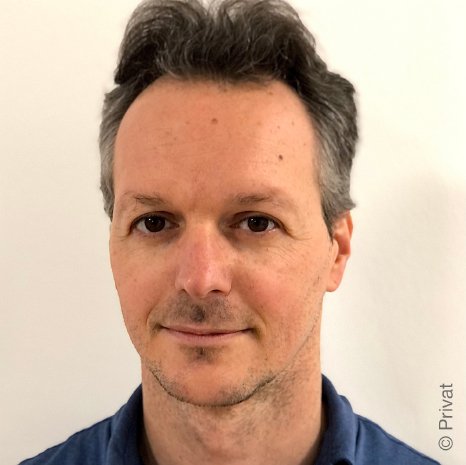
Riccardo Zaccone is a Ph.D. candidate in Computer and Systems Engineering at Politecnico di Torino’s Department of Control and Computer Science (DAUIN), specializing in machine learning and computer vision. He also serves as an external lecturer and teaching assistant, contributing to courses in Machine Learning, Deep Learning, and Algorithms and Data Structures for Computer Science Engineering. Education : Ph.D. in Computer and Systems Engineering (2022–2025), Politecnico di Torino. His research focuses on Federated Learning and Visual Place Recognition, addressing challenges in communication efficiency, distributed training, and cross-domain adaptation. Recent work includes Communication-efficient Federated Learning with Heavy-Ball Momentum (2025) MeshVPR for 3D-based Urban Navigation (2025) Distributed CosPlace Training for Large-Scale Localization (2024) He collaborates with the VANDAL laboratory on multimodal learning applications and has co-authored publications in top-tier venues like ECCV, Frontiers in Robotics and AI, and ICPR.
Simon Ganahl is a Researcher and Lecturer at the Institute of Creative Media Technologies (ICMT), Department of Media and Digital Technologies, St. Pölten University of Applied Sciences. He directs the research agenda InSituEx and founded the digital research lab Campus Medius with its project Mapping Austrofascism. Ganahl co-founded and serves as editor-in-chief of the scholarly journal Genealogy+Critique in the Open Library of Humanities. Education includes PhDs in Communication Science and German Philology from Universities of Vienna, Hamburg and Zurich, completed with distinction. Research stays include the New School (New York) and UCLA's Center for Digital Humanities. Research Focus: Integrates digital humanities with cultural/media studies through: Digital mapping methodologies Media archaeology and genealogy Actor-network theory applications Austrofascism historical analysis Foucaultian critical frameworks Publication Trends: Recent works demonstrate strong focus on digital methodologies in humanities, particularly spatial analysis of historical phenomena, critical media theory, and interdisciplinary approaches bridging literary studies with digital visualization techniques. Earlier publications established foundations in Austrian modernism studies. Awards & Recognition: DOC and APART Fellowship - Austrian Academy of Sciences Schrödinger Fellowship - Austrian Science Fund (FWF) Projects & Leadership: Directs InSituEx research agenda; founded Campus Medius digital lab; leads Mapping Austrofascism project; co-founded open-access journal Genealogy+Critique ; lectures internationally at universities in Vienna, Zurich, Liechtenstein, and Innsbruck.
Wendy Woodson serves as the Roger C. Holden Professor of Theater and Dance at Amherst College and the Five College Dance Department, where she has taught since 1987. Founder and Artistic Director of Present Co. Inc., she has created over 100 interdisciplinary performance works presented globally at venues including the Kennedy Center, Jacob's Pillow, and LaMaMa theaters in NYC and Melbourne. Her research centers on interdisciplinary performance , exploring tensions between individual voices through mediation, reconciliation, and translation across media. She emphasizes kinesthetic empathy and collaborative improvisation, developing frameworks where movement, text, and video interact to examine belonging and identity. Her artistic practice consistently investigates how individuals navigate relationships within specific cultural and physical contexts. Analysis of her 15 most recent works reveals an evolution from stage-based choreography toward video installations addressing displacement ( NELA , DORA ) and environmental change ( Shore ), while maintaining core interests in multilingual expression and psychological archetypes. Her pieces frequently engage refugee narratives, memory reconstruction, and cross-cultural dialogue. Prestigious Recognition: Fulbright Senior Scholar (2006-07), multiple international film festival Grand Prizes Major Residencies: Rockefeller Bellagio Center, Bogliasco Foundation, Royal Melbourne Institute of Technology Foundation Support: National Endowment for the Arts (6 fellowships), Massachusetts Cultural Council (12 awards) Woodson has mentored through guest artist residencies at 15+ institutions worldwide while developing innovative curricula like The Art of Noticing seminar. Her Present Company Inc. has sustained 40+ years of collaborative production with over 50 associate artists across dance, theater, and visual media, creating experimental works that challenge conventional performance boundaries through interdisciplinary integration.
Laurie Parsons is a Reader in Human Geography at the Department of Geography, Royal Holloway, University of London. His work critically examines climate change's intersection with socio-economic systems, global production networks, and inequality. He leads major projects like The Disaster Trade and Hot Trends , focusing on climate vulnerability in Cambodia's garment industry and UK overseas investments. Previously, he co-led the award-winning Blood Bricks project on climate change and labor exploitation in Cambodian brick kilns. Parsons' research emphasizes translocality and global precarity, documented in his 2020 Oxford University Press monograph Going Nowhere Fast: Inequality in the Age of Translocality (EuroSEAS Social Science Book Prize shortlist) and a 2021 Routledge edited volume on climate change in workplaces. He collaborates with international NGOs like Transparency International and CARE International, addressing development inequalities in Cambodia. Key Projects : Explores climate impacts through global supply chains, labor conditions, and transnational environmental governance. Policy Engagement : Advises on climate resilience, credit systems, and malnutrition in Cambodia/South India through interdisciplinary projects. His 2024 book Climate Control (Royal Geographical Society series) analyzes climate politics and power structures. Notable recognition includes the 2024 American Publishers Economics Book Award and 2020 Times Higher Education Research Project of the Year.
Steven Luke is an Associate Professor in the Department of Psychology within the College of Life Sciences at Brigham Young University. His research focuses on reading and language comprehension, utilizing eye-tracking, MRI, and EEG technologies to study cognitive processes across diverse populations including children, second language learners, and clinical groups. Dr. Luke's research interests encompass reading, language development, word and sentence comprehension, scene perception, and visual search. He investigates how visual and linguistic information is integrated during reading, and how this process varies across individuals and populations. His work often employs eye-tracking as a primary methodology, but also incorporates neuroimaging to uncover the neural underpinnings of these cognitive activities. His recent publications (2019-2024) reveal a strong emphasis on reading disorders (particularly dyslexia), second language acquisition, and the role of social factors in physiological stress responses. Methodologically, his work bridges cognitive psychology, neuroscience, and clinical applications through the use of eye-tracking and neuroimaging. He directs the Eye Tracking Lab at BYU, which serves as a hub for innovative research on eye movements in cognitive tasks.
Patrick Keating is Professor of Communication at Trinity University, where he teaches courses in film studies and video production. He currently serves as chair of the interdisciplinary minor in Film Studies and chairs the University's committee on Advising and Registration. Keating earned his B.A. in Film Studies from Yale University, M.F.A. in Film Production from the University of Southern California, and Ph.D. in Communication Arts from the University of Wisconsin-Madison. A native of Los Angeles, his academic journey reflects a deep commitment to both the theoretical and practical aspects of cinema. His research spans multiple dimensions of film studies with particular focus on cinematography, Hollywood cinema history, and narrative structure. Keating has established himself as a leading scholar in lighting techniques and camera movement in classical Hollywood cinema, with significant contributions to understanding film noir aesthetics. His work increasingly explores the intersection of traditional scholarship with digital media through videographic criticism, representing an innovative approach to film analysis. Analysis of Keating's recent publications reveals a consistent focus on visual storytelling techniques, with a notable shift toward digital scholarship methods in the last five years. His work maintains strong connections between historical film practices and contemporary analytical approaches, demonstrating how classical Hollywood techniques continue to inform modern cinematic expression. Frederick Burkhardt Residential Fellowship for Recently Tenured Scholars, American Council of Learned Societies (2014) Early Career Faculty Award for Distinguished Teaching and Research, Trinity University (2013) Academy Film Scholar, Academy of Motion Picture Arts and Sciences (2011) Best First Book Award, Society of Cinema and Media Studies (2011) Student Writing Award, Society of Cinema and Media Studies (2003) Keating actively mentors students through the Film Studies minor program and has contributed significantly to curriculum development in film and media studies. His research has been supported by prestigious fellowships including the Frederick Burkhardt Residential Fellowship, which enabled him to spend a year at the Radcliffe Institute for Advanced Study. His work bridges academic scholarship with creative practice, particularly through his video essays which have gained recognition in the field.
Dr. Mara K. Berkland serves as Professor of Communication and Coordinator of Middle Eastern & North African Studies at North Central College in Naperville, Illinois. A member of the faculty since 2003, she has also served as faculty mentor for the baseball team since 2011 and works as a Title IX investigator. Her academic journey includes a BA from Gustavus Adolphus College (1997), MA from University of Denver (1998), and PhD from University of Utah (2003). Dr. Berkland's educational background prepared her for her current research focus in socio-linguistics and cultural studies. As a socio-linguist, she examines how language and communication shape our perception of the world, with particular interest in gender expectations, cultural socialization, and law. Her fluency in Spanish, French, and Arabic has supported her international research, especially in Morocco where she has conducted studies on cultural tourism and retail aesthetics. Areas of scholarly focus include gender studies, human sexuality, and intercultural communication Her research increasingly addresses sexual violence prevention and domestic violence awareness She advocates strongly for equal options and opportunities regardless of race, class, or gender Dr. Berkland's recent publications reveal a clear trajectory toward examining communication in contexts of power, gender, and cultural difference. Her 2024 in-press work on surviving sexual violence represents the culmination of her longstanding interest in gender-based violence prevention. The 2023 edited volume on intercultural communication for business professionals demonstrates her ability to bridge academic theory with practical applications. Among her professional recognitions: Green Dot trained violence prevention specialist Active Title IX investigator on campus Coordinator of the Middle Eastern & North African Studies program Dr. Berkland mentors student athletes while teaching courses including Intercultural Communication, Human Sexuality, Gender Studies, Communication Theory, and Business and Professional Communication. Her commitment to student development extends beyond the classroom through her baseball team mentorship and involvement with campus initiatives addressing sexual assault prevention.
Susan Nittrouer is Professor in the Department of Speech, Language, and Hearing Sciences at the University of Florida, where she heads the Speech Development Laboratory. She has held faculty positions at Utah State University and the Ohio State University prior to her current appointment. Dr. Nittrouer received her PhD in 1985 from the City University of New York in Speech and Hearing Science, following a Master's degree in deaf education from Smith College where she taught for five years. Her academic journey began with a Bachelor's degree from West Chester University. Her research focuses on how children learn language and what goes wrong when they encounter challenges, with special interest in children with hearing loss and dyslexia. Dr. Nittrouer aims to develop more effective intervention strategies for children facing language-learning difficulties. Her work spans multiple areas including language development, speech production, phonological processing, and the effects of hearing loss on cognitive and linguistic abilities. Dr. Nittrouer's recent publications demonstrate her continued focus on understanding the relationship between auditory processing, speech perception, and language development in children with hearing challenges. Her work increasingly incorporates sophisticated methods like electromagnetic articulography to examine speech motor control and coordination. Alumna of the Year 2023 from Graduate Center of the City University of New York Honors of the Association 2023 from American Speech, Language, and Hearing Association Dr. Nittrouer has been actively mentoring students through various courses including Fundamentals of Hearing, Special Clinical, and Public Health and Health Professions Senior Honors Thesis. She has received multiple research grants, most notably from the National Institutes of Health (NIDCD), including the current "Poverty-Related Risk Factors for Auditory and Language Deficits in Children" project where she serves as Principal Investigator. She leads the Speech Development Laboratory at the University of Florida, which focuses on understanding language acquisition processes in typically developing children and those with hearing challenges.
Rafael Pinilla-Redondo is an Assistant Professor in the Department of Biology at the University of Copenhagen's Faculty of Science, where he leads the Bacterial Immunity research group within the Section of Microbiology. His laboratory, located at Universitetsparken 15 in Copenhagen, focuses on the molecular mechanisms of bacterial defense systems against phages. His research interests center on bacterial immunity, particularly how CRISPR-Cas and other bacterial immune systems evolve and function. He investigates the molecular mechanisms driving these complex systems to answer fundamental biological questions and develop novel biotechnologies. His work spans phage biology, molecular evolution, molecular biology, and genetics, with a specific emphasis on bacterial defense mechanisms against viral threats. Dr. Pinilla-Redondo's recent publications demonstrate significant contributions to understanding bacterial immune systems, particularly CRISPR-Cas variants, retrons, and other defense mechanisms. His research shows strong trends in structural biology approaches to understanding immune system function, with increasing focus on the supramolecular organization of defense complexes and their evolutionary implications. Villum Young Investigator grant (2023) His laboratory maintains active collaborations across multiple institutions, as evidenced by the international authorship on his publications. The lab has developed specialized software tools including CRISPR-Cas Typer for automated identification of CRISPR-Cas loci, Plasmid Network for exploring the global plasmidome, and Hoodini (coming soon) for genome neighborhood visualization. His work has received significant attention, with multiple papers picked up by news outlets, blogged about, and widely shared on social media platforms. The Pinilla-Redondo Lab is part of the vibrant microbiology research community at the University of Copenhagen, focusing on the evolutionary arms race between bacteria and their viral predators.
Bojan Godina is Professor of Media and Religious Education at Friedensau Adventist University since June 2025, contributing to theological education with a focus on the intersection of media, religion, and psychology. His academic journey includes doctoral studies at the University of Heidelberg and extensive teaching experience across multiple institutions including Andrews University (USA), University of Heidelberg, and University of Cologne. His educational background includes: Doctorate at the University of Heidelberg, Faculty of Behavioral and Empirical Cultural Studies (2004-2007) MA in Social Behavioral Sciences from the Institute of Psychology and Pastoral Care at Friedensau University of Applied Sciences (2000-2002) Studies in Clinical Psychology and Psychotherapy at IPS Freudenstadt (1998-2000) Theological studies at Free Theological University of Giessen (1985-1988) Godina's research spans media education, religious studies, and psychology, with particular emphasis on how media influences religious understanding and personal development. His work explores the intersection of digital culture with spiritual formation, examining how religious deep structures operate beneath secular consciousness. His phenomenological approach to media literacy has informed numerous educational programs, including the award-winning Medienscout project which has been implemented in schools across Germany. He has developed innovative educational concepts like 'Naturecode' and 'Kimko' that integrate media competence with spiritual and environmental awareness. His publications reveal a consistent interdisciplinary trajectory connecting theology, psychology, and media studies. Godina's scholarly work demonstrates how religious deep structures operate across diverse worldviews, examining media manipulation techniques while developing practical tools for media literacy education. His recent work increasingly addresses digital age challenges to spiritual formation and mental health, particularly focusing on social media's impact on personality development and religious experience. Scientific recognition includes: 2012 Schutzbengel-Award (5,000 EUR) 2012 'Aktiv für Demokratie und Toleranz' award (5,000 EUR) 2014 Stuttgarter Kiwanis-Preis (2,000 EUR) Godina serves as Director of Studies at the German Society for Biblical-Therapeutic Pastoral Care (BTS) and previously chaired its Scientific Advisory Board. His teaching extends beyond traditional academic settings to practical ministry contexts, including numerous church-based educational initiatives. He has collaborated extensively with the Center for Empirical Research on Religion at the University of Novi Sad and with the ECPD Heidelberg on psychosomatic health research. As founder of the IKU Institute (University Institute for Culturally Relevant Communication and Values Education), Godina has led numerous innovative projects including the Medienscout initiative, Naturecode educational concept, and development of the 'Kimko' school subject for media competence in Baden-Württemberg. His work bridges academic research with practical application in educational and church contexts.
Dr. Ingo Lieberwirth serves as Group Leader at the Max Planck Institute for Polymer Research, heading the Electron Microscopy Core Facility since 2006. His work bridges advanced microscopy techniques with polymer and nanomaterial sciences. His academic background includes: Physics studies at TU Dortmund University Doctorate from Eindhoven University of Technology focused on polymer crystallization Research centers on correlative microscopy —integrating light and electron microscopy for nanoscale molecular identification in biological systems—and precision polymer crystallization , where controlled defect placement enables tailored material properties. Key applications include nanoparticle-cell interaction analysis and protein-surface visualization, addressing fundamental challenges in soft-material characterization. Recent publications (2016-2019) reveal a consistent focus on overcoming beam-sensitivity limitations in polymeric and biological specimens while advancing quantitative nanoparticle analysis. This work establishes critical methodologies for correlating fluorescence data with ultrastructural details. No scientific awards were documented in the source material. Current responsibilities include overseeing all electron microscopy services at MPI-P, with no advising or grant details provided. The Electron Microscopy Group specializes in multimodal imaging of diverse materials—from inorganic nanoparticles to biological complexes—using low-dose SEM/TEM protocols, cryogenic techniques, and correlative workflows to minimize artifacts in beam-sensitive samples.