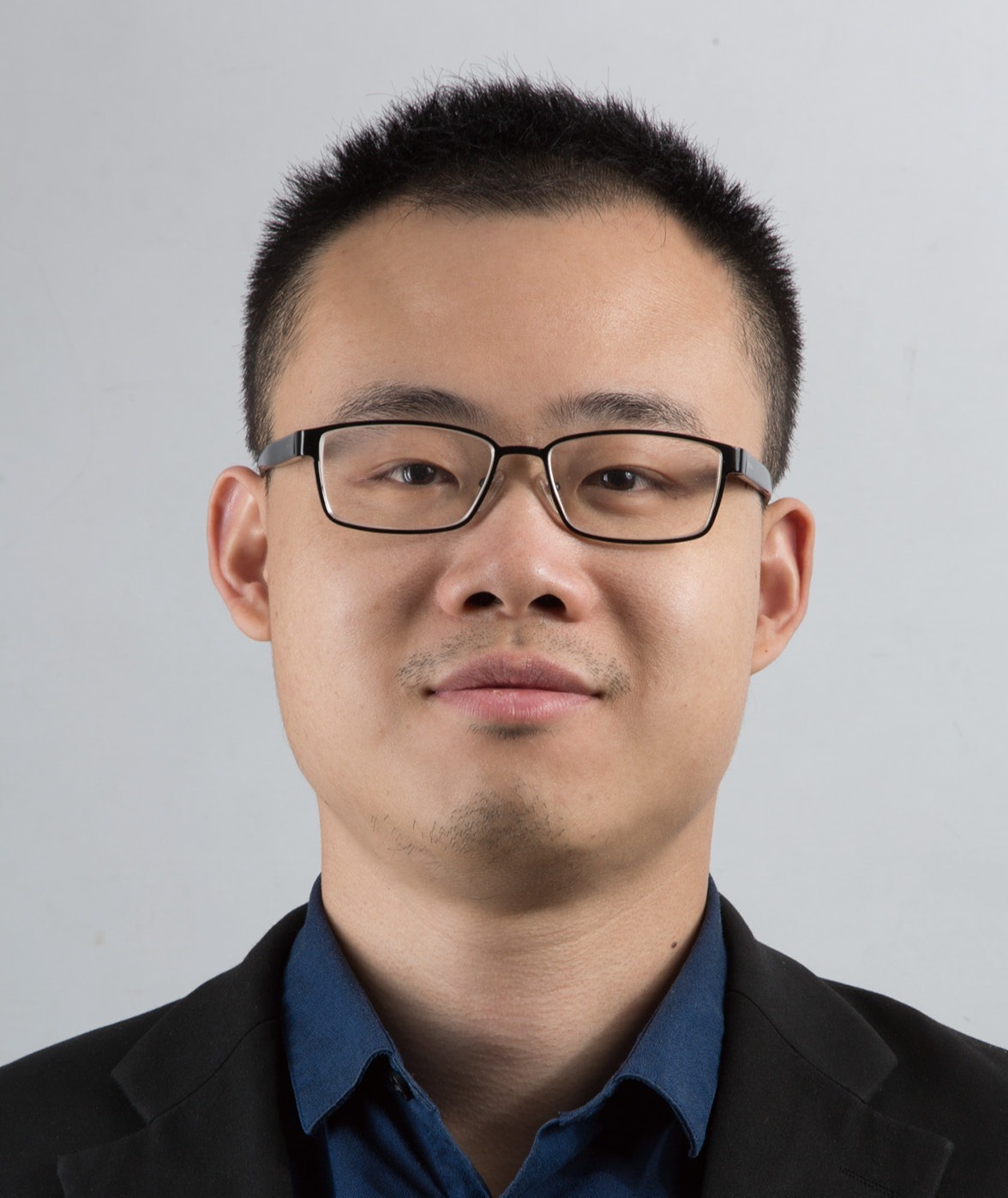
Anders Nørgaard Sørensen is a Postdoctoral Researcher at the University of Copenhagen's Faculty of Health and Medical Sciences, specifically within the Department of Veterinary and Animal Sciences and the Veterinary Clinical Microbiology section. He is actively engaged in bacteriophage research as a member of the PHAGEBio group led by Professor Lone Brøndsted. His educational background includes both a Master's and Bachelor's degree in Molecular Biology from Aarhus University. His academic training has provided a strong foundation for his current research in microbial genetics and bacteriophage biology. Sørensen's research primarily focuses on bacteriophage mechanisms, particularly examining phage-host interactions and receptor binding proteins. His expertise extends to phage engineering and CRISPR-Cas systems, with a strong emphasis on understanding and manipulating the molecular mechanisms that determine host specificity. His work has significant implications for developing alternative antimicrobial strategies against bacterial pathogens. His publication record shows a consistent output of high-impact research, with recent publications spanning from 2020-2024 in reputable journals including microLife , Frontiers in Microbiology , iScience , and Trends in Microbiology . His research demonstrates a clear trajectory toward engineering phages for targeted antimicrobial applications. Sørensen has been active in the academic community through various professional activities, including visiting researcher positions at KU Leuven (Belgium) in both 2022 and 2023, as well as at ETH Zürich (Switzerland) in 2023. He has presented his research on tail spike proteins at multiple conferences and completed pedagogical training through the Introduction to University Pedagogy course in 2023. His research is conducted within collaborative frameworks, as evidenced by his international co-authorships and visiting research appointments. The PHAGEBio group at the University of Copenhagen appears to be well-connected within the international phage research community, with collaborations spanning multiple European institutions.