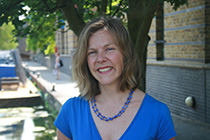
Clemens V. Verhoosel is an Associate Professor in Computational Methods for Model- and Data-Driven Engineering at Eindhoven University of Technology (TU/e). He holds positions in the Department of Mechanical Engineering under the Energy Technology and Fluid Dynamics section, and is affiliated with the EAISI Foundational initiative. His research focuses on scan-based immersed isogeometric analysis, uncertainty quantification, and Bayesian inference for complex engineering problems. He leads the Group Verhoosel and manages the Engineering Mechanics Graduate School since 2018. Education: MSc (Aerospace Engineering, TU Delft, 2005, cum laude PhD, TU Delft, 2009). Postdoctoral research at University of Texas at Austin (2009-2010). Awarded NWO VENI Grant (2011). Research interests include numerical methods for solid mechanics, fluid dynamics, coupled problems, and applications in biomedical engineering (e.g., cardiac mechanics). He develops open-source tools like the Nutils toolkit and collaborates with industry partners such as Evalf Computing. Key contributions include isogeometric analysis for fracture mechanics, phase-field models, and mesh-free simulation workflows. Honors: NWO Veni Award (2011). Teaching includes Advanced Discretization Techniques and Scientific Computing courses. Active in professional activities, including invited talks on cardiac mechanics and computational methods.
Umer Farooq is a Professor at Dhofar University's College of Engineering, specializing in Electrical and Computer Engineering. His research spans interdisciplinary areas including artificial intelligence, nanotechnology, educational technology, and cybersecurity. He has contributed to over 90 publications since 2002, focusing on topics such as neural networks, federated learning, IoT security, and biomedical applications. His work bridges theoretical advancements with practical implementations in fields like medical imaging, renewable energy systems, and smart education platforms. Research interests emphasize innovative solutions at the intersection of engineering and computing. Notable contributions include federated learning frameworks for education, neural network-based medical diagnostics, and secure IoT systems. Recent trends in his publications highlight advancements in machine learning for healthcare, nonlinear dynamics in electronic systems, and sustainable energy solutions. No scientific awards or grants are explicitly listed in the provided texts. Collaborations span global institutions, reflecting his active role in international academic networks.
Mike Lisa is a Professor of Physics at The Ohio State University, specializing in nuclear and high-energy physics. His research focuses on quark-gluon plasma studies through heavy ion collisions and intensity interferometry applications in astrophysics. He collaborates with major facilities like RHIC, LHC, and VERITAS. Education: Ph.D. (Michigan State, 1993), M.A. (Stony Brook, 1990), B.S. (Notre Dame, 1988) Key Roles: Member of STAR and VERITAS Collaborations Research interests include hyperon polarization, vorticity in quark-gluon plasma, and adapting interferometry for astronomical imaging. Awards include APS/AAAS Fellowships, Sambamurti Prize, and multiple teaching recognitions. Publications span quark-gluon plasma dynamics, femtoscopy techniques, and astrophysical interferometry. Active in education through textbook authorship and puzzle-solving projects.
Dr. Evangelos (Evan) Oikonomou is an Assistant Professor in the Section of Cardiovascular Medicine at Yale School of Medicine. A physician-scientist specializing in AI applications for cardiovascular disease, he leads research at the intersection of computer vision, machine learning, and precision cardiology. His work focuses on developing scalable digital tools that can be integrated into clinical care pathways to improve cardiovascular diagnosis and risk assessment. Dr. Oikonomou's educational background includes: MD from the University of Athens Medical School (graduated as valedictorian) D.Phil. in Medical Sciences from the University of Oxford Internal Medicine Residency and Cardiology Fellowship at Yale School of Medicine His research spans multiple domains of AI in cardiovascular medicine, with particular focus on precision phenotyping and digital biomarkers. Key areas include developing perivascular adipose tissue imaging biomarkers for vascular inflammation assessment, designing deep learning algorithms for point-of-care echocardiography, and leading data-driven evaluations of treatment effect heterogeneity across clinical trials. His work aims to leverage multimodal AI to redefine diagnostic and prognostic frameworks in cardiovascular disease, emphasizing real-world implementation and equity in access to advanced diagnostics. Dr. Oikonomou's recent publications demonstrate a strong trend toward developing and validating AI algorithms that can be deployed in clinical settings for cardiovascular disease detection and risk stratification. His research increasingly focuses on multimodal approaches combining echocardiography, electrocardiography, and other data sources to create comprehensive cardiovascular assessment tools. His work has particular emphasis on making these tools accessible and applicable across diverse patient populations. Dr. Oikonomou has received numerous prestigious awards, including: NIH F32 Ruth L. Kirschstein National Research Service Award Young Investigator Awards from American Heart Association, American College of Cardiology, and European Society of Cardiology Heart Tank For the Cardiovascular Investigator - Imaging (Winner) from American College of Cardiology Trainee Poster Award Winner from CERSI Summit 2024 ASCI emerging generation (e-Gen) award from American Society of Clinical Investigation Elizabeth Barrett-Connor Research Award in Epidemiology and Prevention from American Heart Association Dr. Oikonomou leads the Cardiovascular Data Science Lab (CarDS) at Yale, where his team develops and implements AI-driven solutions for cardiovascular disease diagnosis and risk assessment. The lab focuses on creating practical, scalable tools that can be integrated into existing clinical workflows to enhance precision medicine approaches in cardiology.
Malika Datta is a Research Fellow in Neuroscience at Yale School of Medicine, Yale University. Her work focuses on advanced neuroimaging techniques and molecular mechanisms in neuroscience. She holds appointments in the Neuroscience department and contributes to interdisciplinary research in biomedical engineering and pharmacology. Her research interests include light-sheet microscopy innovation for large-scale biological imaging, dopaminergic system analysis under drug exposure, and genome editing via focused ultrasound. She has published extensively on topics such as Norrin-mediated astroglia-neuron interactions and optogenetic systems development. Recent publications highlight her contributions to scalable microscopy technologies and brain mapping methodologies. Her work bridges engineering and basic neuroscience, with applications in drug impact studies and neurotechnology. No scientific awards are explicitly mentioned in the provided information.
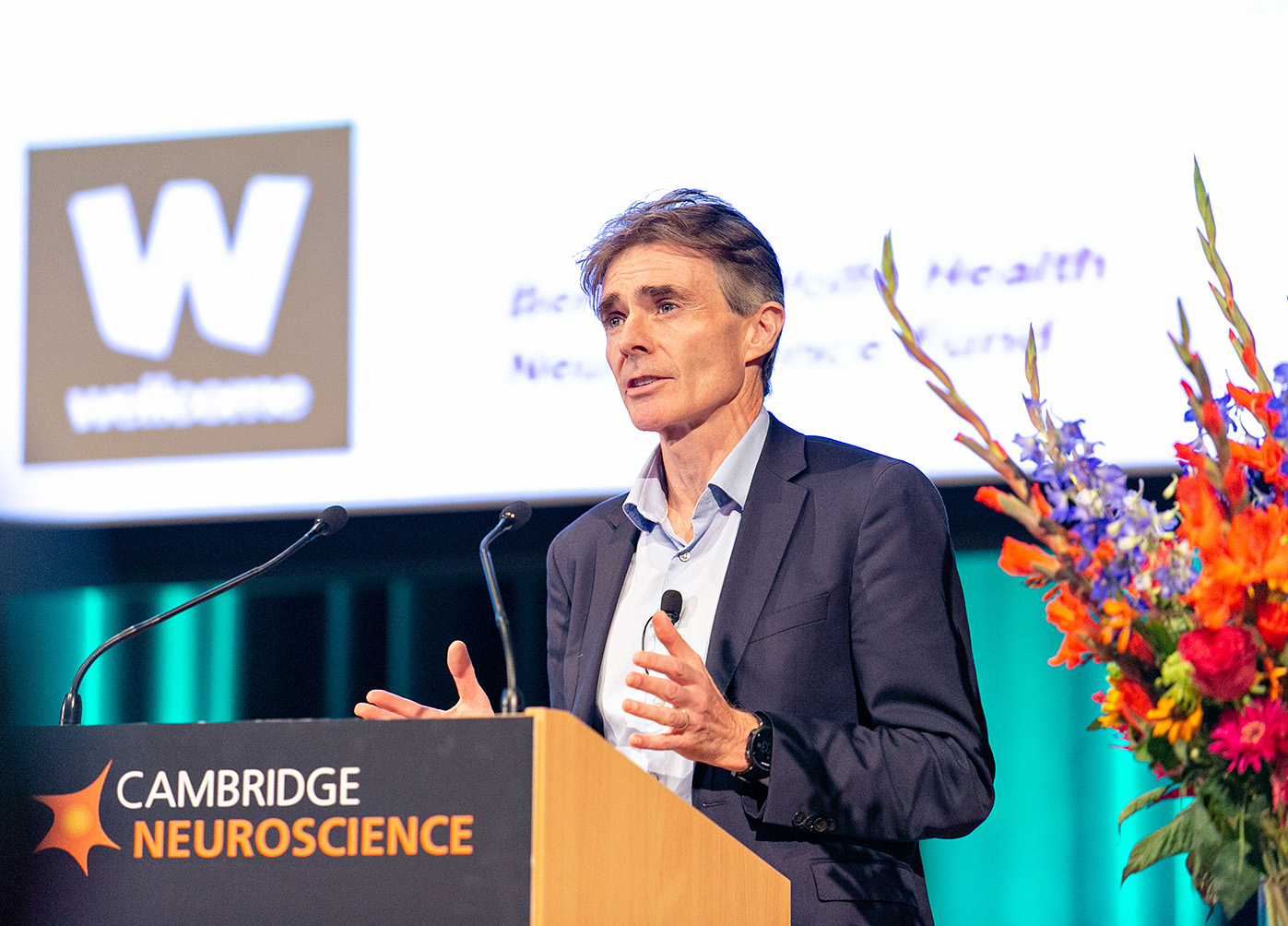
Professor Paul Fletcher serves as the Bernard Wolfe Professor of Health Neuroscience at the University of Cambridge Department of Psychiatry and Clinical Director of the Cambridge Neuroscience Interdisciplinary Research Centre. He holds concurrent appointments as a Wellcome Trust Investigator and Honorary Consultant Psychiatrist with the Cambridgeshire and Peterborough NHS Trust and Cambridge University Hospitals NHS Trust. His research centers on neurobiological mechanisms of psychosis , computational psychiatry , and appetite control in disordered eating . Fletcher pioneered influential theories linking prediction error signaling to psychotic symptoms, demonstrating how perturbations in frontal lobe responses explain hallucinations and delusions. His work integrates neuroimaging, psychopharmacology, and computational modeling to bridge clinical observations with neural mechanisms. Analysis of his recent publications reveals a dominant focus on prediction error computation in psychosis cortical structural changes in mental illness neurobiological correlates of eating disorders computational modeling of perceptual inference dopaminergic mechanisms in learning translational neuroscience approaches His work increasingly incorporates multimodal neuroimaging and real-world applications like the Hellblade: Senua's Sacrifice project. Key recognitions include: BAFTA Award for Games Beyond Entertainment (2017) James Bull Lectureship (2017) Election to Academy of Medical Sciences (2012) WFSP Research Award in Biological Psychiatry (2005) Fletcher maintains significant research funding through Wellcome Trust appointments spanning over two decades, including current status as a Wellcome Trust Investigator. His clinical neuroscience program bridges the Department of Psychiatry with NHS trusts, emphasizing translational pathways from basic mechanisms to clinical applications. The Fletcher Group operates within the Cambridge Neuroscience network, collaborating extensively across departments and healthcare systems.
Professor Lachlan Thompson is a leading academic in neurogenesis and neural transplantation, affiliated with the School of Medical Sciences. His work focuses on advancing stem cell therapies for neurodegenerative diseases like Parkinson’s, particularly through engineered neural grafts and hydrogel-based delivery systems. He leads research on optimizing stem cell differentiation, immune evasion, and functional integration within host neural circuits. Current research students include Laura Ancellotti and Alex Johnson. Key grants include a 2024 NHMRC Ideas Grant for improving Parkinson’s cell therapies and 2023 startup funding for establishing his research programs. His lab collaborates with the Charles Perkins Centre, focusing on translational neuroregenerative strategies. Research interests span stem cell engineering, neural circuit reconstruction, and disease modeling using patient-derived iPSCs. Recent work emphasizes hydrogel oxygen reservoirs, suicide gene activation in grafts, and developmental timing of neural progenitors. Over 80 publications detail advancements in neural transplantation safety, gene therapy approaches, and rodent models of neurological disorders. Awards and recognitions are not explicitly mentioned, though his high-impact publications and NHMRC grants highlight his academic standing. His lab integrates biomaterials science, genetic engineering, and clinical translation to address unmet needs in neurodegenerative therapies.
Karim Jerbi is a Full Professor at the University of Montreal's Department of Psychology, within the Faculty of Arts and Sciences. He holds the Canada Research Chair (CRC) in Systems Neuroscience and Cognitive Neuroimaging (Junior 2) and leads interdisciplinary research programs. His affiliations include the CRM — Centre de recherches mathématiques, CERNEC — Centre de recherche en neuropsychologie et cognition, CRIUGM — Centre de recherche de l'Institut universitaire de gériatrie de Montréal, PhysNum — Laboratoire de physique numérique, BRAMS — Laboratoire international de recherche sur le Cerveau, la Musique et le Son, and CIRCA — Centre interdisciplinaire de recherche sur le cerveau et l'apprentissage. These affiliations emphasize his collaborative and interdisciplinary approach to neuroscience and neuroimaging. His research investigates cognitive functions and dysfunctions using advanced signal processing and machine learning applied to multimodal brain data. Key interests include neural oscillations, brain connectivity, and the interplay between cognitive processes and neuroimaging techniques like MEG and EEG. He explores topics such as sleep dynamics, decision-making, mindfulness meditation effects, and neurodegenerative disorders, bridging computational models with clinical applications. Jerbi's recent work highlights trends in AI-driven neuroimaging tools (e.g., MEEGNet, NeuroPycon), criticality in brain networks, and the impact of consciousness states on neural activity. His grants include leading the UNIQUE initiative (2019–2024) and co-directing projects like 'Partnership for Abundant Intelligences' (2024–2029), funded by organizations like FRQNT and SSHRC. These efforts aim to integrate AI, mathematics, and clinical research for transformative insights into brain function. Scientific Awards: Canada Research Chair (CRC) in Systems Neuroscience and Cognitive Neuroimaging (Junior 2). In advising, he has guided students in topics like AI-based biomarker identification, hypnosis dynamics, and motor intention decoding. His labs and teams, such as the CRM and CERNEC, focus on mathematical foundations of neural systems and neuropsychological cognition, respectively. Collaborations span diverse fields, including gériatrie, music cognition, and computational intelligence, reflecting his commitment to cross-disciplinary innovation.
Dr. Min Chen is a Professor in the Department of Mathematical Sciences at the University of Texas at Dallas (UTD), affiliated with the School of Natural Sciences and Mathematics. He holds an adjunct professorship at the University of Texas Southwestern Medical Center. His expertise spans statistical genomics, bioinformatics, Bayesian methods, and sampling techniques. He completed his Ph.D. in Statistics and Decision Science at the University of Texas at Austin and a postdoctoral fellowship in statistical genomics at Yale University. Education: B.S. in Computer Science (University of Science & Technology of China, 1994); M.A. in Statistics (University of Pittsburgh, 1999); Ph.D. in Statistics (UT Austin, 2006); Postdoc in Statistical Genomics (Yale University, 2008–2010). Research focuses on statistical methodologies in genomics, including genome-wide association studies, network-based modeling, and Bayesian integrative analysis. He also explores spatial modeling and ranked set sampling. His work addresses challenges in cancer genetics, epigenetics, and single-cell gene regulation. Notable awards include the NIH Career Development Award (2013), David Bruton Fellowship (2006), and R.L. Anderson Student Paper Award (2006). He is a member of the American Statistical Association and International Chinese Statistical Association. He advises graduate students in Data Science, Statistics, and Bioinformatics & Computational Biology (BCBM) programs. His teaching includes courses on advanced statistical methods and data science. Research contributions span over 40 peer-reviewed articles, with recent work in tumor pathology imaging, antibiotic resistance, and Alzheimer’s disease mechanisms.
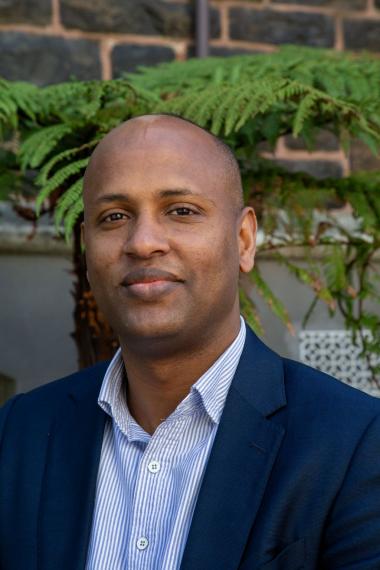
Dr. Biniam Kebede is an Assistant Professor in the Department of Food Science at the University of Guelph. His research focuses on integrating bioprocessing, food analytics, and data science to enhance food functionality and sustainability. He leads the Food Bioprocessing and Data Science Research Group, which explores fermentation, enzymatic treatments, and machine learning for food innovation. Academic History: B.Sc. in Food and Biochemical Technology, Bahir Dar University (Ethiopia) M.Sc. in Food Technology, Ghent University (Belgium) Ph.D. in Bioscience Engineering, KU Leuven (Belgium) Research Interests: Dr. Kebede's work addresses sustainable food systems through: Optimizing fermentation to unlock bioactive compounds from plant-based sources Mitigating off-flavors in pulses via value-chain analysis Engineering food structures to improve nutrient bioaccessibility Developing portable machine learning tools for food authenticity Valuing indigenous food ingredients and traditional processing methods His approach combines multi-omics, imaging, and AI to create predictive models for food innovation. Awards & Affiliations: 2022 IUFoST Young Scientist Award 2014 EFFoST PhD Student of the Year Award Member of IFT, CIFST, and IUFoST Honorary affiliation with University of Otago (New Zealand) Training Philosophy: Dr. Kebede emphasizes personalized mentoring through Individual Development Plans (IDPs), biweekly lab meetings, and interdisciplinary collaboration. Students engage in all research phases, including conference presentations and industry partnerships to build technical and professional skills.
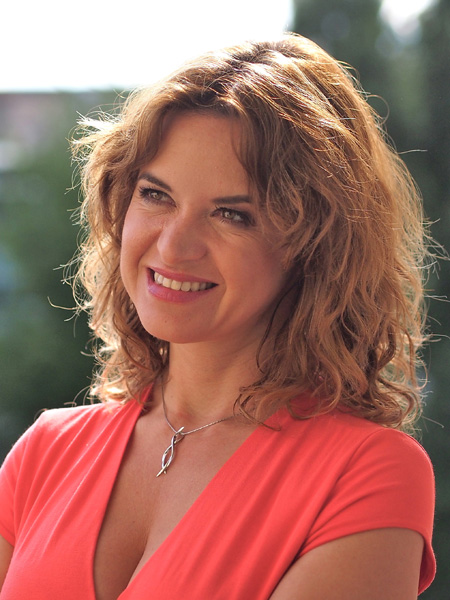
Iva Tolic is a Full Professor and Senior Research Group Leader at the Ruđer Bošković Institute in Zagreb, Croatia, with tenure since 2019. She is an elected associate member of the Croatian Academy of Sciences and Arts (2020) and an EMBO member (2018). Her work bridges molecular biology and biophysics to study mitotic spindle mechanics. Education: PhD in Biology (2002, University of Zagreb); Diploma in Molecular Biology (1996, University of Zagreb) Her research focuses on mitotic spindle dynamics, including microtubule sliding, kinetochore forces, and spindle chirality. She employs optogenetics, theoretical modeling, and advanced microscopy to uncover mechanisms preventing aneuploidy in human cells. Recent publications highlight her contributions to understanding spindle mechanics, including microtubule-sliding modules and biomechanics of chromosome alignment. She has secured major grants like the ERC Synergy Grant (2020) and ERC Consolidator Grant (2014). Scientific awards: ERC Synergy Grant (2020), Ignaz L. Lieben Award (2017), National Science Award of Croatia (2015), etc. With over 91 peer-reviewed papers and a Google Scholar h-index of 36, Tolic has delivered more than 150 invited talks globally. She leads interdisciplinary projects integrating microscopy protocols for biomedical research and investigates molecular origins of aneuploidies.
Ricardo Benavente is an Extraordinary Professor and Academic Director in the Department of Cell and Developmental Biology at the University of Würzburg's Biocenter. He leads the Benavente Lab, focusing on meiotic processes and synaptonemal complex (SC) structure. His career includes a Dr. med. from the University of Heidelberg, a habilitation (Dr. rer. nat. habil.), and postdoctoral work as an Alexander von Humboldt Fellow at the German Cancer Research Center. Research interests center on the functional organization of the cell nucleus during meiosis, particularly the synaptonemal complex and telomere dynamics. Techniques used include super-resolution microscopy and electron tomography, applied to mouse models and comparative studies across metazoans. Key findings include insights into SC protein conservation and meiotic chromosome behavior. Publications highlight structural studies of SC components (e.g., SYCP proteins), telomere-nuclear envelope interactions, and evolutionary aspects of meiosis. He contributed to the Latin-American Academy of Sciences since 2001 and collaborates with institutions like Uruguay's Clemente Estable Institute. His work bridges molecular mechanisms of meiosis with evolutionary biology, emphasizing structural and functional insights into genetic variability.
Professor Kate Spencer is a leading environmental geochemist at Queen Mary University of London, serving as Professor of Environmental Geochemistry and Deputy Dean for Research Impact in the School of Geography. Her research bridges geomorphology, hydrology, and ecology to address critical issues in estuarine and coastal sediment management. She is actively involved in teaching across undergraduate and postgraduate programs, emphasizing experiential and consultancy-style learning. Her research focuses on sediment-bound contaminants, cohesive sediment dynamics, flocculation, saltmarsh restoration, and the environmental impacts of historical coastal landfills and dredging. She employs advanced techniques such as X-ray computed tomography and 3D imaging to study floc structure and microplastic transport. Her work is supported by major funders including NERC, Defra, and the Environment Agency, and she collaborates with institutions like the Environment Canada and the Natural History Museum. Kate Spencer’s recent publications highlight a trend toward interdisciplinary environmental science, combining traditional geochemistry with cutting-edge imaging and modeling. Key themes include climate change impacts on coastal landfills, microplastic sedimentation, and 3D quantification of floc porosity. Her work has significant policy relevance, particularly in pollution risk assessment and coastal management. President elect of the Estuarine and Coastal Science Association (2012–present) Invited keynote speaker at international conferences in Venice and Germany International visiting fellowships at National Water Research Institute (Canada) and University of Xiamen (China) She has successfully supervised over ten PhD students and is actively recruiting new researchers through programs like the EU Erasmus Mundus SMART and the London NERC DTP. Her supervision focuses on hydrology, sediment structure, biogeochemistry in saltmarshes, and environmental impacts of flooding and landfills. She has led major projects on mine water pollution, coastal waste, and hydrodynamic dredging. Her research group utilizes advanced laboratories and field methods, including in-situ XRF and 3D imaging, to support both fundamental science and applied environmental solutions.
Susan L. Ustin is a Professor in the Department of Land, Air, and Water Resources at the University of California Davis, where she has been a faculty member since 1999. She is also the Associate Director of the John Muir Institute of the Environment and Head of the Center for Spatial Technologies and Remote Sensing (CSTARS). Her academic journey began with a Ph.D. in Botany from UC Davis in 1983, followed by a postdoctoral fellowship working with NASA's Jet Propulsion Laboratory on imaging spectroscopy. Ph.D. in Botany, University of California Davis, 1983 M.A. in Biology, California State University, Hayward, 1978 B.S. in Biology, California State University, Hayward, 1974 Dr. Ustin is a leading expert in remote sensing, with over 30 years of experience applying imaging spectroscopy, LiDAR, thermal, and multispectral data to ecological and environmental problems. Her research spans landscape and ecosystem ecology, focusing on vegetation mapping, invasive species detection, canopy water content estimation, wildfire risk modeling, and climate change impacts. She has developed novel methods for quantifying biophysical and biochemical properties of vegetation using remote sensing technologies. Her recent publications demonstrate a strong trend in integrating multiple remote sensing platforms (LiDAR, hyperspectral, thermal, satellite) to study complex ecological systems. Key research areas include fuel type and canopy structure mapping for wildfire risk, biochemical analysis of plant species, and monitoring environmental disturbances such as oil spills and hurricanes. She has been a key member of NASA's MODIS Science Team and the HyspIRI Preparatory Science Team, contributing to major Earth observation missions. Elected Fellow, American Geophysical Union (AGU), 2017 Honorary Doctorate, University of Zurich, Switzerland, 2010 Outstanding Service Award, American Society of Photogrammetry and Remote Sensing, 2004 Elected Senior Member, IEEE, 2004 SERDP Conservation Project of the Year Award, 2004 Elected Fellow, The Remote Sensing and Photogrammetry Society, 2002 Dr. Ustin has advised numerous graduate students and postdoctoral scholars and has led major research initiatives including the Center for Spatial Technologies and Remote Sensing. She has secured significant research funding from NASA, DOE, and other agencies to support her work on global environmental change and remote sensing applications. Her collaborations span across institutions and disciplines, including work with the National Research Council and Battelle on NEON. She leads the Center for Spatial Technologies and Remote Sensing (CSTARS), which focuses on developing and applying advanced remote sensing technologies for environmental monitoring. The center works on projects ranging from agricultural productivity to wildfire risk assessment and ecosystem health monitoring using airborne and satellite platforms.
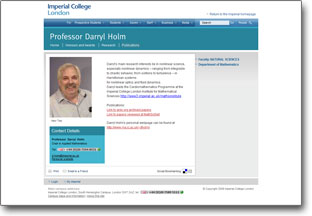
Roles & Affiliations : Darryl D. Holm is a Professor of Applied Mathematics at Imperial College London and a Lab Fellow at Los Alamos National Laboratory. His primary affiliation is with the Department of Mathematics within the Faculty of Natural Sciences. He holds the Chair in Applied Mathematics and is affiliated with the CNRS-Imperial Abraham de Moivre UMI, Dynamical Systems, Fluid Dynamics, and other research groups. Research Interests : Holm’s work focuses on Geometric Mechanics and its applications to nonlinear science, including integrable systems, turbulence, and shape analysis. His research emphasizes Lie symmetry reduction , particularly in fluid dynamics, and explores emergent singular phenomena. Key areas include: Integrable systems and solitons Nonlinear dynamics in fluid dynamics and plasma physics Geometric approaches to turbulence and climate modeling Mathematical foundations of ocean plastic solutions Publications & Grants : Holm has authored over 150 papers (see arXiv and MathSciNet ). His work includes foundational contributions to the Camassa-Holm equation and turbulence modeling (LANS-α). He has collaborated widely, including with the Simons Foundation and Los Alamos National Lab. Labs & Teams : Holm contributes to Imperial’s Mathematics of Planet Earth initiative and leads research groups in geometric mechanics and fluid dynamics.