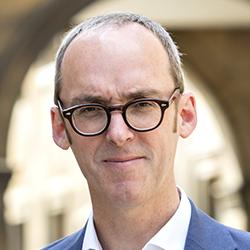
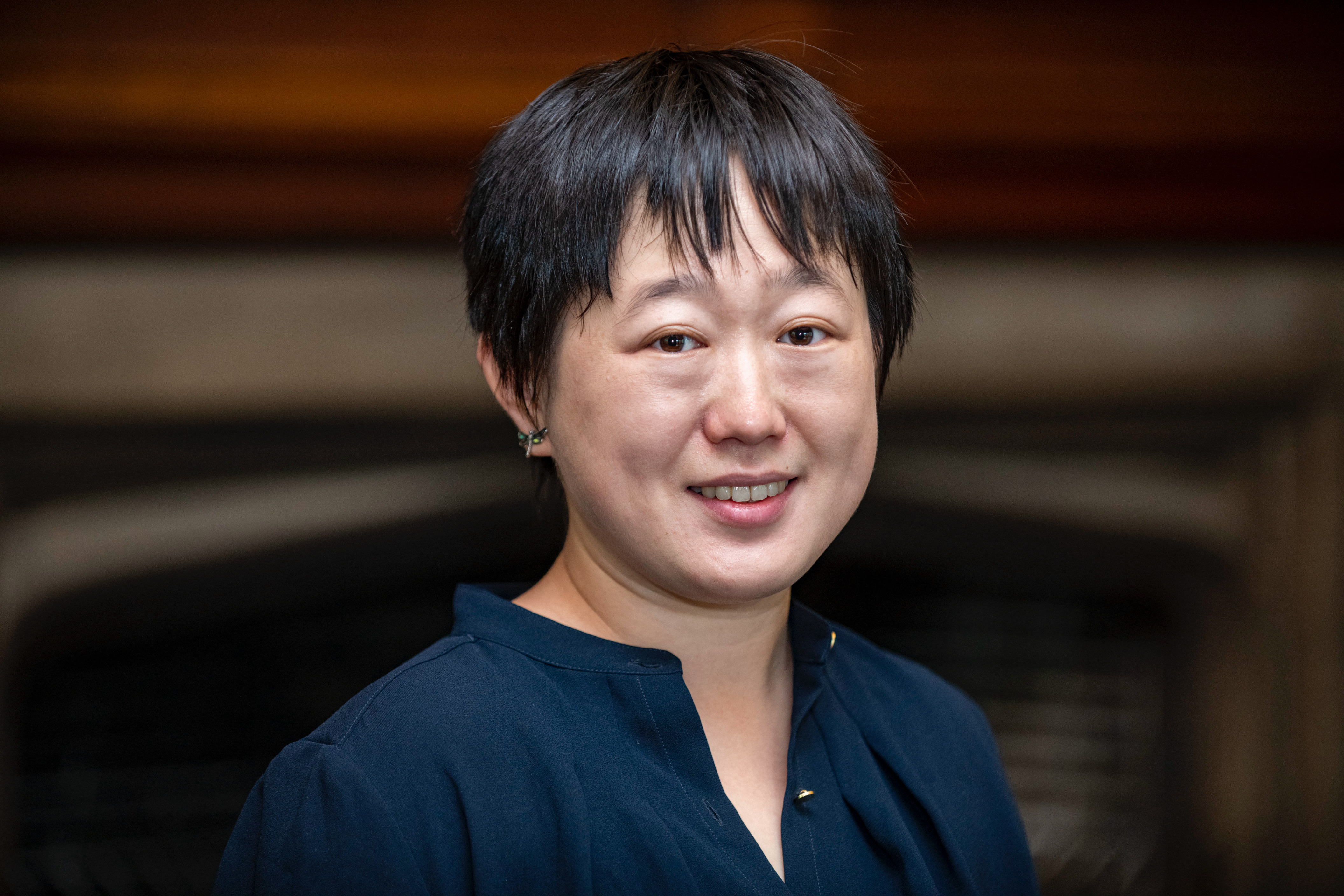
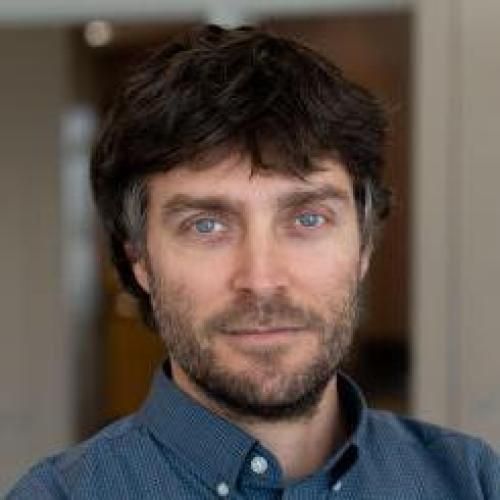
Steve Jackson is a Professor in the Department of Biochemistry at the University of Cambridge, where he leads the Jackson Group focused on DNA damage response research. His work is affiliated with the Cancer Research UK Cambridge Institute, reflecting the translational nature of his investigations into genome stability mechanisms. Department of Biochemistry, University of Cambridge Cancer Research UK Cambridge Institute Leader of the Jackson Research Group Professor Jackson's research centers on understanding how cells detect and repair DNA damage, particularly double-strand breaks. His work examines the structure and function of DNA damage response (DDR) proteins, how chromatin structure and cell cycle status affect DDR events, and the application of gene editing and whole genome sequencing to identify potential therapeutic targets for cancer treatment. His research has significant implications for understanding cancer development, neurodegenerative diseases, and premature aging. Analysis of Jackson's publication record reveals consistent focus on DNA repair mechanisms, with recent work (2018-2019) emphasizing chromatin dynamics in DNA damage response, BRCA1-related repair pathways, and connections between DNA damage and aging. His research bridges fundamental molecular biology with clinical applications, particularly in cancer therapeutics. Professor Jackson actively mentors the next generation of scientists, with his group accepting interns, undergraduate students, postgraduate students, and postdoctoral researchers. While specific grant details aren't provided in the text, his affiliation with Cancer Research UK suggests significant research funding supporting his work. The Jackson Group maintains a dedicated research facility focused on genome stability research, utilizing advanced techniques including gene editing and whole genome sequencing to investigate DNA damage response mechanisms and their relationship to human disease.
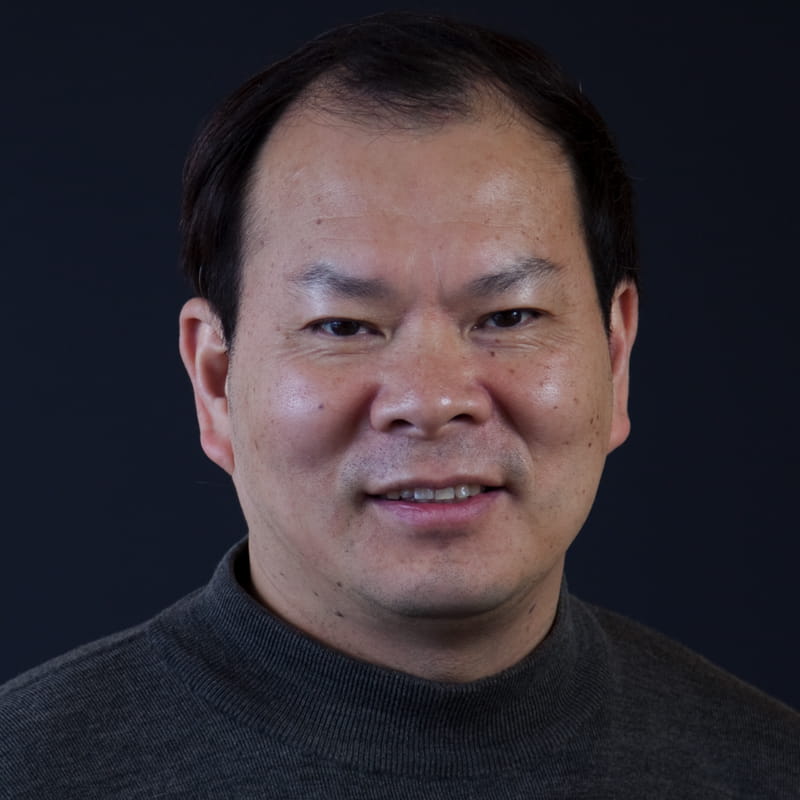
Graham Christie serves as an Associate Professor in the Department of Chemical Engineering and Biotechnology at the University of Cambridge. His research is centered on bacterial spore biology, with particular expertise in spore structure, germination mechanisms, and structural biology approaches including protein crystallography. Christie collaborates with Professor Ian Wilson and Professor Lisa Hall within the Cambridge research ecosystem. Christie's research interests focus on bacterial spore structure and germination , structural biology (protein crystallography) , and coronavirus testing and inactivation . His work bridges fundamental microbiology with practical applications in biotechnology and public health. He has made significant contributions to understanding the molecular mechanisms of spore resistance and germination in Bacillus species, with implications for food safety, decontamination protocols, and antimicrobial development. Analysis of Christie's recent publications reveals a consistent focus on bacterial spore biology, particularly examining cortex lytic enzymes, germination triggers, and spore resistance mechanisms in Bacillus species. His research spans structural biology, molecular microbiology, and applied biotechnology, with increasing attention to antimicrobial applications and environmental microbiology. The publications demonstrate sophisticated integration of biochemical, genetic, and structural approaches to address fundamental questions in spore biology. Christie actively supervises PhD students and contributes to graduate education in chemical engineering and biotechnology at Cambridge. His research program appears to be well-funded through multiple projects examining spore biology from structural, functional, and applied perspectives. His work on holographic sensors for spore detection indicates translational research efforts with potential commercial applications. Christie maintains laboratory facilities within the Department of Chemical Engineering and Biotechnology, with research groups focused on spore structure-function relationships, protein engineering related to spore biology, and antimicrobial applications derived from spore research. His work on coronavirus testing suggests adaptation of spore-related technologies to address pandemic challenges.
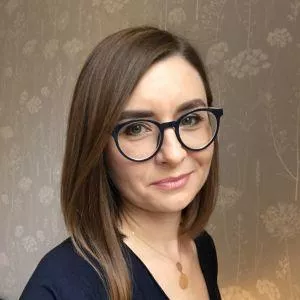
Adam T. Schmidt serves as an Associate Professor in the Department of Psychological Sciences at Texas Tech University, where he conducts research at the intersection of neuropsychology, developmental cognitive neuroscience, and forensic psychology. His work primarily investigates the effects of traumatic brain injury and environmental adversity on brain and behavioral development in youth, with a focus on resilience and positive outcomes in high-risk populations such as justice-involved adolescents. Dr. Schmidt's research program, centered in the Pathways to Resilient Youth Development (PRYDE) laboratory, explores how cognitive abilities, neurobiology, and psychosocial environments interact to influence resilience. He examines mechanisms of chronic neuroinflammation, structural neuroimaging correlates, and the role of protective factors in mitigating the impact of adverse childhood experiences and traumatic brain injuries on youth development, particularly within forensic contexts. His translational approach integrates neuroscience with real-world applications for vulnerable populations. Analysis of Dr. Schmidt's 15 most recent publications (2023-2025) reveals a dominant focus on justice-involved youth, pediatric and adolescent traumatic brain injury, and neurocognitive mechanisms of resilience. Key thematic clusters include adverse childhood experiences and mental health outcomes, executive function deficits in forensic populations, structural neuroimaging biomarkers of recovery, and the moderating role of protective factors in treatment response. His work consistently bridges basic neuroscience with clinical and forensic applications. Dr. Schmidt leads the PRYDE laboratory, which employs multidisciplinary methodologies including structural neuroimaging, neuropsychological assessment, and longitudinal designs to study resilience pathways. The lab's research specifically targets youth experiencing traumatic brain injuries or justice system involvement, investigating how cognitive, biological, and environmental factors interact to foster positive development despite adversity. He is actively recruiting graduate students for the 2025-2026 academic year, indicating ongoing mentorship in the Department of Psychological Sciences. His training program emphasizes neuropsychological assessment techniques, neuroimaging analysis, and research ethics with high-risk youth populations, preparing students for careers in clinical, forensic, and research settings.
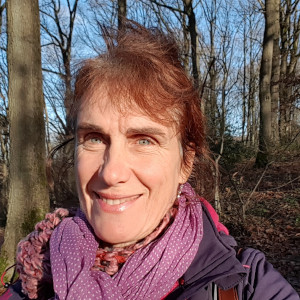
Associate Professor Kai-Hsiang Chuang is a Principal Research Fellow at the School of Biomedical Sciences within the Faculty of Health, Medicine and Behavioural Sciences at the University of Queensland. He is also affiliated with the Queensland Brain Institute and the Centre for Advanced Imaging. His research focuses on understanding brain networks, developing advanced imaging techniques, and translating these findings to improve diagnosis and intervention for neurological disorders. Dr. Chuang received his Ph.D. in electrical and biomedical engineering from the National Taiwan University, Taiwan, in 2001. His doctoral research focused on improving the detection of brain activity using functional magnetic resonance imaging (fMRI). Ph.D. in Electrical and Biomedical Engineering, National Taiwan University (2001) Dr. Chuang's research spans multiple areas of brain imaging and neuroscience. His primary focus is on functional brain mapping , where he develops in vivo imaging techniques including functional MRI and multimodal integration with optogenetics, calcium imaging, and electrophysiology. He applies these techniques in both humans and animal models to improve understanding and intervention of brain function, disease processes, and treatment effects. Another key area is brain networks in learning, memory, and dementia . His work explores how brain network wiring and activity underpin cognition and behavior, with particular focus on understanding the causal relationship between brain network activity and memory formation. He develops techniques to modulate behavior by manipulating brain network activity. More recently, Dr. Chuang has expanded into brain waste clearance research, studying the brain's fluid drainage system that clears waste and toxic molecules like amyloid plaques. His lab is developing imaging techniques to track this system's function and understand its regulatory mechanisms, which could provide new treatment targets for dementia. Analysis of Dr. Chuang's recent publications reveals a strong focus on advancing functional MRI techniques for brain network analysis, particularly in rodent models. His work consistently bridges basic neuroscience with clinical applications, especially in understanding memory formation and dementia. A notable trend is the development of multimodal approaches that combine fMRI with optogenetics, calcium imaging, and electrophysiology to establish causal relationships in brain networks. His research increasingly addresses the translation of preclinical findings to human applications, with growing emphasis on Alzheimer's disease mechanisms and potential interventions. Dr. Chuang serves on the editorial boards of multiple prestigious journals including Frontiers in Neuroscience: Brain Imaging Methods , Imaging Neuroscience , and Scientific Reports , reflecting his standing in the field. Editorial Board Member, Frontiers in Neuroscience: Brain Imaging Methods Editorial Board Member, Imaging Neuroscience Editorial Board Member, Scientific Reports Dr. Chuang is actively involved in research supervision, currently serving as Principal Advisor for one PhD student working on "Developing imaging and neuro-technologies for decoding memory formation" and Associate Advisor for two other PhD projects. He has successfully completed supervision of three PhD students on topics related to resting-state networks, memory consolidation, and functional MRI. ARC Discovery Projects (2024-2028): "Decoding the brain network of memory formation" ARC Training Centre for Innovation in Biomedical Imaging Technology (2017-2024) NHMRC-NIH BRAIN Initiative Collaborative Research Grants (2016-2023) Universities Australia - Germany Joint Research Co-operation Scheme (2017-2018) Mater Medical Research Institute Limited grant for mindfulness-based cognitive therapy research (2017-2020) Dr. Chuang leads the Functional and Molecular Neuroimaging Group at the Queensland Brain Institute. His laboratory focuses on understanding the functional connectome of the brain and developing functional and molecular imaging techniques to study brain connectivity associated with behavior. The group has developed various MRI techniques to track neuronal connections, map large-scale brain synchrony, and quantify cerebral blood flow and metabolism in vivo. His research team collaborates extensively with other experts at UQ and internationally, including collaborations with Associate Professor Darryl Eyles, Professor Jürgen Götz, Professor Tianzi Jiang, Dr. Fatima Nasrallah, Professor Linda J. Richards, Professor Pankaj Sah, Professor Elizabeth Coulson, Dr. Patricio Opazo, Professor Feng Liu, and Professor Markus Barth.
Gina van Kleef is a Researcher and Teacher at the Faculty of Veterinary Medicine , Utrecht University , affiliated with the Institute for Risk Assessment Sciences (IRAS) and Department of Population Health Sciences . Her work focuses on neurotoxicity screening , developmental neurotoxicity , and environmental health using in vitro and hiPSC-derived neuronal models . Specializes in occupational health & safety and environmental toxicology Employing microelectrode array (MEA) recordings for neurotoxicity assessment Research trends from 2025-2020 reveal her focus on: Chemical neurotoxicity (insecticides, PFAS, flame retardants) Viral neurotoxicity (Enterovirus D-68, snake venom) Neurotransmitter receptor interactions (GABAA, nicotinic acetylcholine receptors) Novel assay development for high-throughput toxicity screening Contact: g.vankleef@uu.nl Location: Jeannette Donker-Voetgebouw, Yalelaan 104-106, Utrecht
Stephan H. von Reuss is a Full Professor at the Institute of Chemistry within the Faculty of Science at the University of Neuchâtel, Switzerland. He has served as Director of the Laboratory of Bioanalytical Chemistry since 2016 and additionally leads the Neuchâtel Platform for Analytical Chemistry (NPAC) . His research focuses on the intersection of chemistry and biology , particularly secondary metabolism and chemical signaling in nematodes like Caenorhabditis elegans . Education: MSc in Chemistry (2004, University of Hamburg); PhD in Bioorganic Chemistry (2009, University of Hamburg, summa cum laude) Key Research Areas: Secondary Metabolism in Nematodes Chemical Signaling via Ascarosides Biosynthetic Pathway Elucidation Comparative Metabolomics Stable Isotope Labeling Ceramide Biosynthesis Regulation Grants & Projects: Swiss National Science Foundation (FNS) grant: Lier la lipogenèse et la biosynthèse des ascarosides in C. elegans FNS grant: Comparative analysis of secondary metabolism in Caenorhabditis nematodes Characterization of non-canonical homosesquiterpenoid biosynthesis Contact: Email: stephan.vonreuss@unine.ch Phone: +41 32 718 25 10 Address: Institute of Chemistry, Avenue de Bellevaux 51, 2000 Neuchâtel, Switzerland
Agnieszka Bojanowska, Ph.D. (dr hab.), serves as an Associate Professor at SWPS University of Social Sciences and Humanities within the Faculty of Psychology and Institute of Psychology. Her academic profile centers on the therapeutic applications of psychedelic substances and comprehensive well-being research. Her primary research investigates psychological mechanisms linking psychedelic use to emotional regulation, learning processes, relationship quality, and spiritual dimensions. She leads significant projects including the National Science Centre-funded study 'Can some values facilitate happiness? Values, engagement and self-efficacy and their significance for hedonistic and eudaimonic well-being,' examining how value systems influence different well-being constructs. Bojanowska's publication record reveals consistent focus on value systems, temperament patterns, and their intersections with well-being across diverse populations. Her work spans adolescent development, pandemic impacts, perfectionism pathology, and cross-cultural value comparisons, demonstrating methodological versatility in longitudinal studies, psychometric validation, and experimental interventions. Principal Investigator for National Science Centre grant project on values and well-being Creator of wellbeing-focused platform pathsstowellbeing.nl As an educator, she teaches research methodology and statistics while conducting specialized workshops on well-being psychology. Her collaborative network includes researchers from University of Warsaw, University of Zurich, and Northwestern University, reflecting international engagement in happiness studies.
Claire Damesin is a Professor at the University of Paris-Saclay, affiliated with the Plant Ecophysiology team at the Laboratoire Écologie, Société et Évolution (IDEEV). Her work bridges plant physiology, ecology, and interdisciplinary studies with art, focusing on tree carbon dynamics and human-nature relationships. Her educational background includes: Admission to Ecole Normale Supérieure (ENS Lyon) in 1988 French national agrégation in Life and Earth sciences in 1991 Master of General Ecology (DEA) from University Paris Sud in 1992 PhD from the Center of Functional and Evolutionary Ecology in Montpellier (1993-1996) Professor Damesin's research centers on tree ecophysiology , particularly in carbon functioning of woody parts (ring growth, reserve dynamics, stem respiration, and stem photosynthesis), stable carbon isotope composition (13C/12C) in leaves and rings, and tree responses to drought and climate variations. She pioneers art-science collaborations exploring intimacy with trees and interdisciplinary approaches to human-nature relationships, integrating ecology, art, anthropology, and philosophy. Her methodology combines field studies on mature forest trees and potted plants. Analysis of her publications reveals a strong focus on carbon cycling in trees using stable isotopes to understand climate responses and tree decline across species like beech, oak, and pine. A notable evolution is her expansion into human-nature relationship studies through art-science projects, reflecting interdisciplinary innovation. She actively contributes to academic leadership as co-manager of the EVEF sector in the Master BEE program and manager of the 'Adaptations to change' teaching unit. Her teaching spans all levels from undergraduate to master's programs, covering botany, plant anatomy, soil-vegetation relationships, and field trainings, with recent innovations in creativity workshops and human-nature relation courses. Professor Damesin leads the Plant Ecophysiology team within IDEEV laboratory, driving research on tree responses to environmental changes and fostering science-art collaborations that redefine ecological engagement.
Yuting Dong serves as Assistant Professor of East Asian History in the Department of History at the University of Chicago, with cross-appointments to the Committee on Japanese Studies and Committee on Environment, Geography, and Urbanization. She joined the university in July 2022 after completing a PhD at Harvard University in 2021 and holding an Academy Scholar position at Harvard Academy for International and Area Studies. Her educational trajectory culminates in a Harvard University PhD (2021), following which she immediately entered prestigious postdoctoral research before assuming her current faculty position. Professor Dong's scholarship critically examines modern Japanese colonialism through interconnected lenses of labor history , environmental history , and history of expertise . Her innovative methodology treats infrastructure as historical archives to expose obscured power dynamics between colonial administrators and local populations. Current projects investigate Japan's infrastructure empire in Manchuria and the politicization of air within colonial contexts, revealing how material environments became sites of imperial control and resistance. Her publication record demonstrates consistent focus on Northeast China (1905-1945), analyzing how roads, bricks, and urban spaces functioned as technologies of colonial knowledge production. These works bridge historical , architectural , and environmental scholarship while interrogating power structures through material culture. Her principal recognition includes: Academy Scholar at Harvard Academy for International and Area Studies While specific advising relationships aren't documented, her active research program suggests graduate mentorship within Chicago's History Department and affiliated committees. Her grant trajectory likely supports ongoing archival work across East Asia, though specific awards aren't detailed in available sources. Dong's collaborative framework operates through interdisciplinary committee affiliations that connect historical research with environmental studies and urban geography, fostering cross-departmental dialogue on colonial legacies in contemporary East Asia.
Dr. Guangyu Wang is an Associate Professor in the Department of Forest Resources Management within the Faculty of Forestry at the University of British Columbia. He serves as Associate Dean for Asian Strategies and Director of the Asia Forest Research Centre, demonstrating significant leadership within the institution. His academic profile includes membership in the Graduate and Postdoctoral Studies program where he supervises students in Forestry (MASc, MFor, MSc, PhD). Dr. Wang's research interests span sustainable forest management and integrated watershed management, with particular emphasis on computer modeling applications. His work focuses on watershed-scale forest restoration, sustainable development projects, and Chinese forest management practices. He has developed innovative management plans and sustainable models specifically for Chinese forests. Current research includes climate change adaptation, forest carbon markets, and strategic planning for natural resources. His research portfolio includes leadership of several major initiatives: the Asia Forest Research Centre, National Park Research Center, Adaptation of Asia-Pacific Forests to Climate Change project, Asia-Pacific Forestry Education Coordination Mechanism, and the Asia-Pacific Network for Sustainable Forest Management and Rehabilitation (APFNet) Americas Office. His recent publications reveal a strong focus on carbon sequestration, forest therapy benefits, national park management, and the impacts of environmental factors on forest ecosystems across multiple continents. Asia Forest Research Centre (AFRC) - Promoting regionally specific research to enhance forestry practices in Asia National Park Research Center (NPRC) - Analyzing and evaluating national park management approaches worldwide Adaptation of Asia-Pacific Forests to Climate Change - Developing management strategies for climate-resilient forests Multidisciplinary Institute of Natural Therapy (MINT) - Bridging scientific understanding of forest therapy impacts Dr. Wang's work demonstrates a strong commitment to international collaboration, particularly between Canada and Asia-Pacific countries, addressing critical challenges in sustainable forest management, climate change adaptation, and the human-forest relationship. His research combines technical modeling approaches with practical applications for forest management policy and practice.
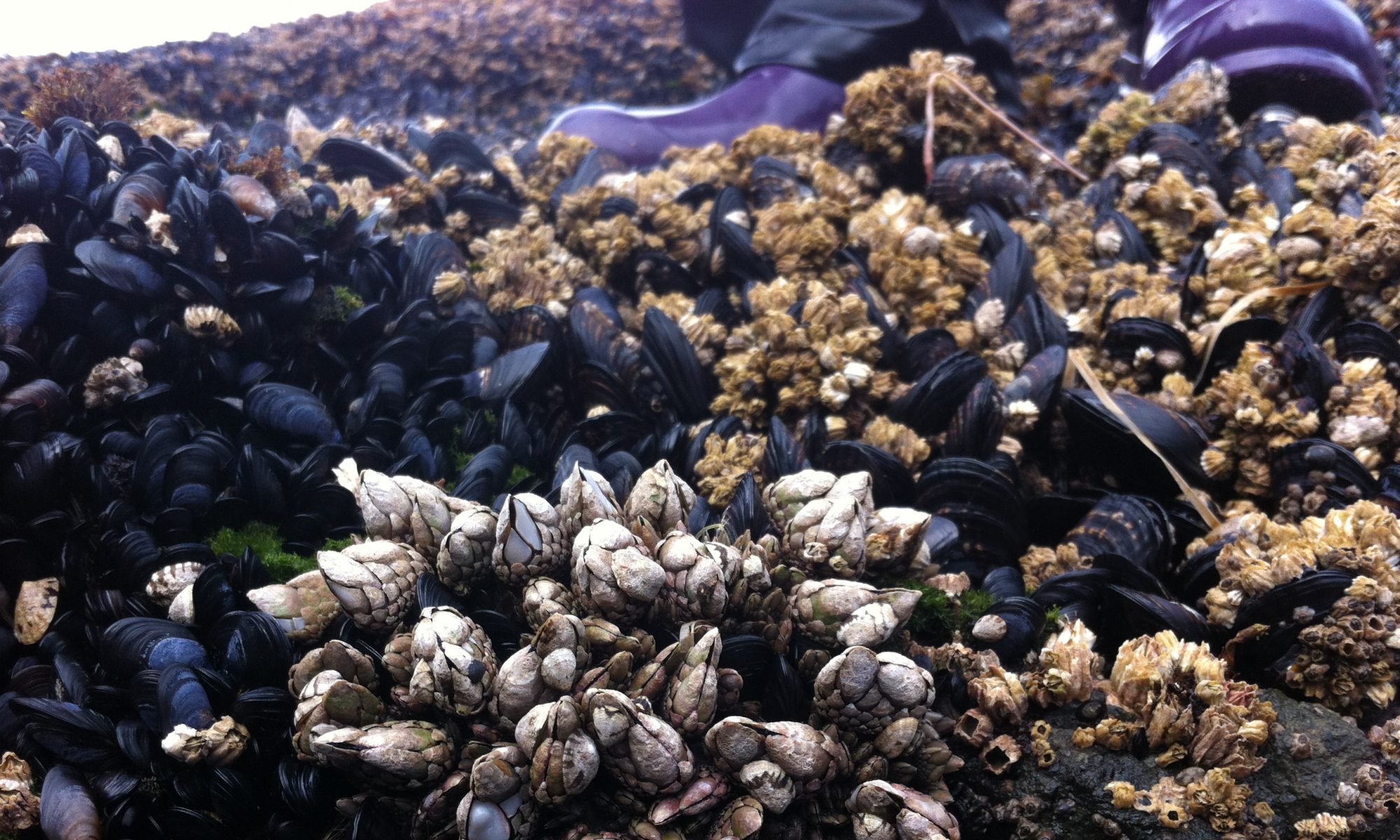
Christopher Harley is a full Professor in the Department of Zoology at the University of British Columbia (UBC) since 2005 and a member of the UBC Institute for the Oceans and Fisheries since 2016. His research focuses on understanding how climatic factors (temperature, ocean acidification, salinity) and biological interactions (predation, competition, facilitation) structure coastal marine communities. Education includes a BSc from Brown University (1994) , a PhD from the University of Washington (2001) , and postdoctoral fellowships at Stanford University (2001-2003) and University of California, Davis (2003-2005) . His lab at UBC investigates five priority areas: changing environmental variability, multiple stressors, life-cycle effects, genetic diversity, and interspecific interactions. Recent publications highlight his work on thermal stress, invasive species, and ocean acidification across marine ecosystems. Over 15 years, his research has spanned topics like Seaweed Responses to Climate Change , Sea Otter Impacts on Mussel Beds , and Ocean Acidification Effects on Calcifiers . Notable awards include the Murray A. Newman Award (2017) , Peter Wall Scholar (2016) , and Killam Faculty Research Fellowship (2011) . Key Research Themes Climate Change Impacts on Rocky Coasts Abiotic-Biotic Interaction Dynamics Intertidal Species Distribution Shifts Marine Biodiversity and Ecosystem Function Scientific Awards Murray A. Newman Award for Excellence in Coastal Ocean Research (2017) Peter Wall Scholar (2016) Killam Faculty Research Fellowship (2011) Distinguished Scholar Award (2012) Current Lab Members Graduate Students: G. Hall, S. Johnston, E. Kabanova, K. Ma, S. Park Collaborative Research on Stressors and Community Resilience
Fernando A. Escobedo is a Professor in the Department of Chemical Engineering at Cornell University's College of Engineering, holding the Marjorie Hart Chair of Engineering since joining the faculty in 1998. His research pioneers computational methodologies for understanding entropy-driven self-assembly in complex soft matter systems, with applications spanning solar cells, battery electrodes, and advanced membranes. His educational background includes: B.S. in Chemical Engineering from Universidad de San Agustin, Peru (1986) M.S. in Chemical Engineering from University of Nebraska-Lincoln (1993) Ph.D. in Chemical Engineering from University of Wisconsin-Madison (1997) Professor Escobedo's work centers on molecular-level simulations of thermodynamic and kinetic properties, with particular emphasis on entropy's role in forming intermediate-ordered phases like liquid crystals and block copolymer mesophases. His group develops novel computational frameworks to establish structure-property relationships for nanoscale building blocks, enabling rational design of materials with tailored mechanical, optical, and transport properties. This research bridges statistical mechanics with practical engineering challenges in nanomaterials synthesis. Analysis of his 2023-2025 publications reveals three dominant trends: (1) machine learning integration for multiscale materials design, (2) entropy-controlled phase behavior in non-additive colloidal mixtures, and (3) molecular engineering of liquid crystalline oligomers for enhanced ion transport. Key advancements include heuristic rules for nanoparticle superlattice stability and diffusionless transition mechanisms in faceted colloids. His scientific recognition includes: Fellow, American Physical Society (2014) AIChE Computational Molecular Science & Engineering Impact Award (2012) Alfred P. Sloan Foundation Fellowship (2004) NSF CAREER Award (2001) Camille & Henry Dreyfus Foundation New Faculty Award (1999) College of Engineering Teaching Excellence Award (2003) Professor Escobedo has secured sustained funding through competitive grants including the NSF CAREER award and Sloan Fellowship, supporting his computational research group's high-impact publications in top journals. His mentorship focuses on training graduate students in advanced simulation techniques, with research outputs frequently appearing in Journal of Physical Chemistry and Macromolecules . While no dedicated lab name is specified, his work operates at the intersection of Cornell's Chemical Engineering department and nanomaterials research initiatives, emphasizing collaborative approaches to entropy-driven assembly problems.
Philip Romero, Ph.D., is an Associate Professor in the Department of Biomedical Engineering at Duke University. He earned his doctorate from the California Institute of Technology in 2012 and leads the Romero Lab, which relocated to Duke in 2023. His research focuses on developing computational and experimental methods for protein engineering, with applications spanning therapeutics, biocatalysis, and synthetic biology. Research Interests: Romero's work integrates machine learning, microfluidics, and high-throughput experimentation to study protein fitness landscapes. Key areas include: Self-driving laboratories for autonomous protein optimization Neural network models for predicting protein functions Therapeutic enzyme engineering (ACE2, caspases, lysins) Microfluidic platforms for deep mutational scanning His recent publications demonstrate a strong emphasis on machine learning-guided protein design, with 80% of post-2022 publications involving AI/ML methods. Therapeutic applications against infectious diseases (particularly SARS-CoV-2) and microbiome engineering represent emerging directions. Lab & Advising: The Romero Lab develops novel technologies for protein engineering, including custom gene library assembly platforms and droplet microfluidics systems. Romero mentors graduate students (e.g., Nishit, who recently defended a thesis on transcription factor engineering) and has collaborated with researchers across computational biology, metabolic engineering, and virology.
Angela Depace is an Assistant Professor at Harvard Medical School, specializing in Gene Regulation , Cis-Regulatory Elements , and Quantitative Developmental Biology . Her research integrates experimental and computational approaches to study how transcription factors and enhancer sequences control gene expression in Drosophila embryos, with implications for evolutionary biology and synthetic biology . B.S., Molecular Biophysics and Biochemistry, Yale University Ph.D., Biochemistry, University of California, San Francisco (advisor: Jonathan Weissman) Postdoctoral Research, University of California, Berkeley (advisor: Michael Eisen) Her work focuses on unraveling the kinetic roles of transcriptional activators , the evolution of regulatory sequences , and the computational modeling of gene networks . Recent publications explore mechanistic principles of enhancer function , transcriptional synergy , and developmental precision . Scientific contributions include the NSF CAREER Award and co-authoring Visual Strategies: A Practical Guide to Graphics for Scientists and Engineers . Her lab emphasizes collaborative research , mentoring , and innovative teaching in systems biology graduate courses.
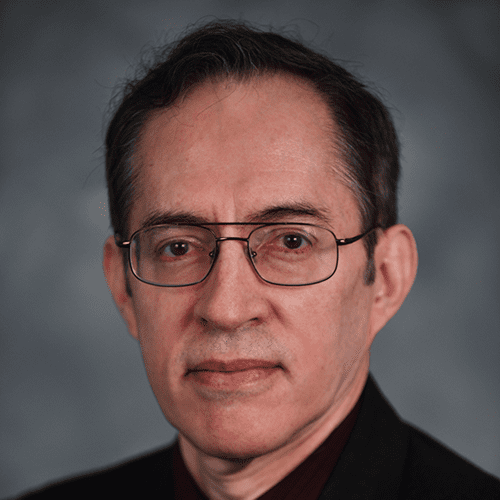
Dario Ringach is a Professor in the Department of Neurobiology at the University of California, Los Angeles (UCLA) School of Medicine . His research focuses on neural coding , visual cortex organization , and population dynamics in sensory processing . Key projects include studies on energy-efficient coding , Bayesian network estimation , and cortical adaptation mechanisms . NIH R01NS116471 (2020-2023): Population codes and sensory discrimination NIH R01EB022915 (2016-2021): Bayesian connectivity estimation NIH R01EY018322 (2007-2019): Theoretical visual cortex studies NIH R01EY012816 (2000-2011): Quantitative cortical processing His work spans Neuroscience , Computational Biology , and Neurophysiology , with recent emphasis on adaptation geometry , population coding , and neural normalization . Publications analyze mouse models and primate visual systems , covering topics like receptive field development , thalamocortical connectivity , and inhibitory circuits . Contributions include theoretical frameworks for energy efficiency and power laws in cortical processing. Key collaborations include researchers such as Joshua Trachtenberg (UCLA), Mario Dipoppa (UCLA), and Mark Frye (UCLA). He advocates for responsible animal research in neuroscience and has contributed to debates on scientific ethics and methodological transparency .