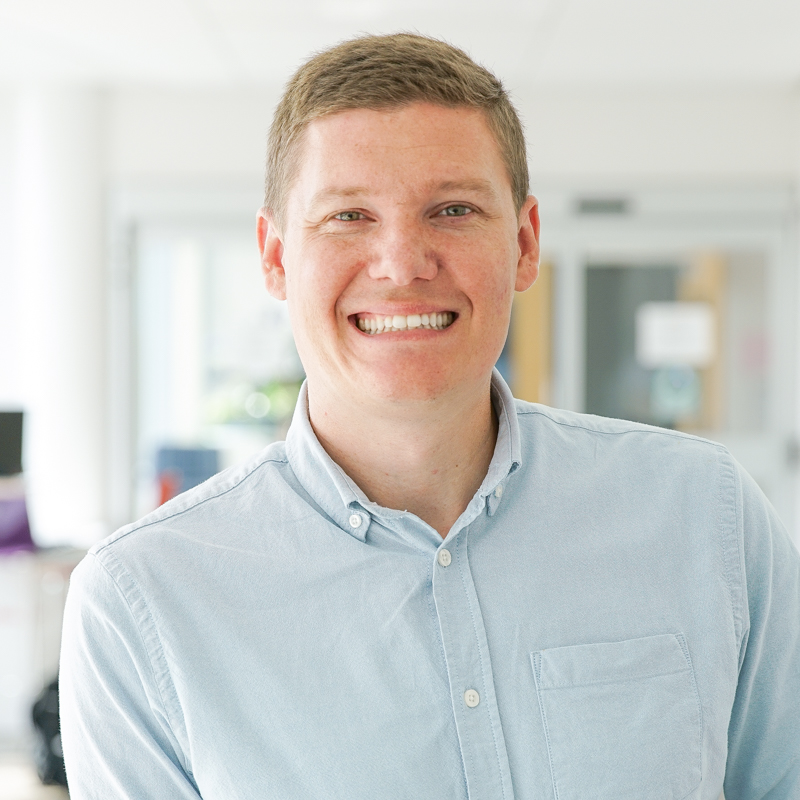
Kevin Griffin is a Researcher III in Computational Science at the National Renewable Energy Laboratory (NREL). His work focuses on integrating advanced computational techniques with energy systems research. Bachelor of Mechanical and Aerospace Engineering, Princeton University PhD in Mechanical Engineering, Stanford University Master of Mechanical Engineering, Stanford University Griffin's primary research interests include multi-fidelity simulation , neuromorphic computing , and energy-efficient computing . He specializes in computational fluid dynamics and turbulence modeling for energy applications, particularly wind energy systems. His recent publications emphasize adaptive computing frameworks for scale-up problems, pressure-gradient sensors for turbulence prediction, and boundary layer modeling extensions. These works span computational methods, uncertainty management, and energy systems design. Gerald J. Lieberman Fellowship (2022) National Defense Science and Engineering Graduate Fellowship (2017) NREL Key Contributor Award (2023) NREL Outstanding Mentor Award (2024) Stanford Graduate Fellowship (2017) Griffin contributes to collaborative networks like the American Physical Society, Sigma Xi, and Tau Beta Pi, advancing turbulence modeling and computational efficiency in energy applications.
Daniel G Georgiev is a Professor in the Department of Electrical Engineering and Computer Science at the University of Toledo's College of Engineering. He has been on faculty since Fall 2006, following prior roles as a research faculty member at Wayne State University's Center for Smart Sensors and Integrated Microsystems (SSIM). Education : M.S. in Engineering Physics (Quantum Electronics and Laser Equipment) from Sofia University (1994), Ph.D. in Electrical Engineering (Electronic Materials and Devices) from the University of Cincinnati (2003). Research Interests : Dr. Georgiev's work focuses on laser modification and micro-structuring of materials, thin films of semiconducting oxides/nitrides (e.g., NiO, Zn3N2), glassy materials, metal whiskers (Sn, Cu), wide bandgap semiconductors (GaN, Zn3N2), photovoltaics, and biomedical device applications. His expertise spans device fabrication, material characterization, and radiation effects. Article Trends : Recent publications emphasize GaN-based power electronics, hybrid edge termination structures, threshold switching in nanocircuitries, and material innovations via reactive sputtering. Subfields include laser microstructuring, whisker suppression in Sn films, and doping strategies for nitride semiconductors. Collaborations : Co-authorship with researchers across institutions, including contributions to biomedical implants, II-VI nanocrystals, and chalcogenide glasses.
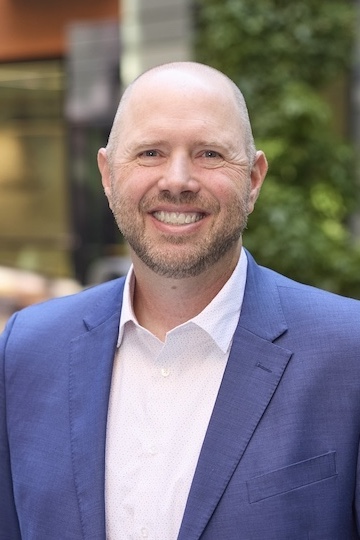
Michael Hilton is an Associate Teaching Professor in the Software and Societal Systems Department of the School of Computer Science at Carnegie Mellon University. He also serves as the Associate Department Head for Education and directs both the Software Engineering Minor and Software Engineering Concentration programs. His work bridges academic research with practical software engineering education. Ph.D. in Computer Science, Oregon State University (2017) M.S. in Computer Science, Cal Poly San Luis Obispo (2013) B.S. in Computer Science, San Diego State University (2002) Professor Hilton's research primarily focuses on understanding and improving the developer experience, with particular emphasis on flaky tests, continuous integration practices, and software engineering education. His work combines empirical studies of real-world development practices with educational innovations to enhance how software engineers are trained. He has conducted extensive research on test flakiness, identifying patterns, causes, and potential solutions to this pervasive problem in modern software development. His scholarly contributions reveal a consistent focus on practical software engineering challenges, particularly those affecting developer productivity and software quality. The research trajectory shows increasing attention to educational aspects of software engineering, including team-based learning, structured feedback mechanisms, and the impact of emerging technologies like AI on programming education. Professor Hilton has over 20 years of professional experience in software development, including 9 years at SPAWAR Pacific where he worked on projects for the US Navy, Coast Guard, and White House. This industry background informs his teaching approach, which emphasizes preparing students for real-world challenges they'll face after graduation. He teaches software engineering-focused courses and has developed educational approaches that integrate practical development experience with theoretical foundations. His teaching philosophy centers on providing students with both immediate practical skills and enduring principles that will serve them throughout their careers, with special attention to software engineering in startup environments.
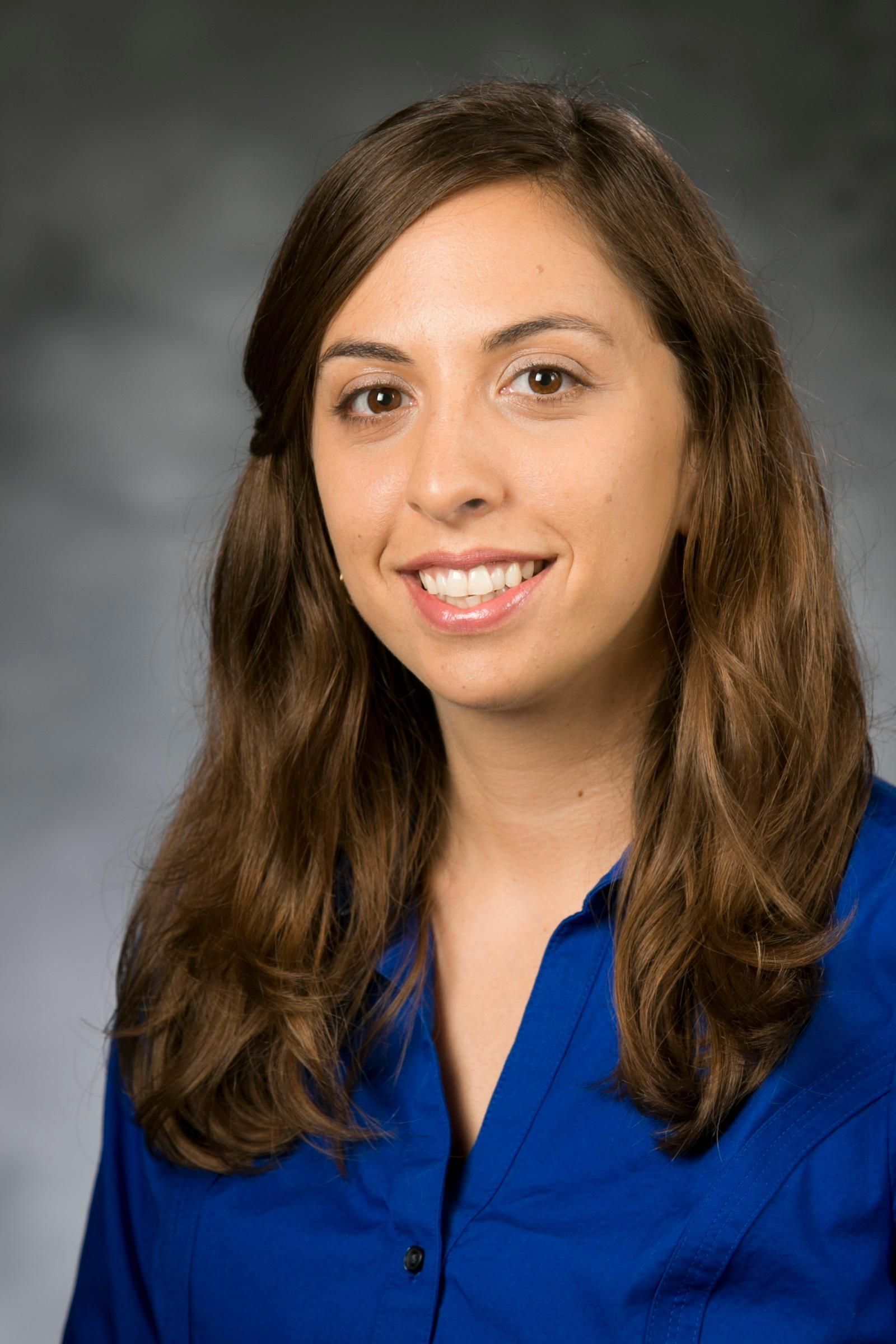
Dr. Kathleen Anne Welsh-Bohmer is a distinguished Professor of Psychiatry and Behavioral Sciences at Duke University School of Medicine, with secondary appointments in Neurology and Psychology and Neuroscience. She serves as the Director of Outreach and Recruitment Core of the Duke/UNC Alzheimer Disease Research Center and is a member of the Duke Clinical Research Institute and Duke Institute for Brain Sciences. Dr. Welsh-Bohmer earned her Ph.D. from the University of Virginia in 1985. Her research career has focused on developing effective prevention and treatment strategies to delay the onset of cognitive disorders in later life. From 2006 through 2018, she directed the Joseph and Kathleen Bryan Alzheimer's Center in the Department of Neurology and oversaw neuropsychology operations for the global TOMMORROW clinical trial. Currently, she directs the Alzheimer's disease therapeutic area within the Duke Clinical Research Institute and collaborates with VeraSci to develop digital cognitive assessment tools for early Alzheimer's disease detection. Her research spans multiple domains of Alzheimer's disease and cognitive aging, with particular emphasis on developing reliable digital cognitive assessment tools informed by neuroscience and technology advances. Her work addresses critical gaps in early pre-clinical Alzheimer's disease detection and has significant implications for both clinical practice and accelerating global clinical trials for Alzheimer's prevention. She has made substantial contributions to understanding genetic factors in cognitive decline, particularly through her work with the TOMM40 and APOE genes. Analysis of her recent publications reveals a strong focus on advancing diagnostic methods, understanding genetic risk factors, developing digital assessment tools, and examining cognitive trajectories in aging populations. Her research bridges basic neuroscience with clinical applications, with increasing emphasis on technology-enabled assessment methods and precision medicine approaches to Alzheimer's disease. Dr. Welsh-Bohmer has been actively involved in numerous major research initiatives including the Cache County Memory Study and the TOMMORROW clinical trial. Her collaborative approach spans multiple institutions and research domains, reflecting the interdisciplinary nature of modern Alzheimer's research. She has contributed significantly to understanding how vascular factors, genetic markers, and lifestyle factors influence cognitive aging and dementia risk. Her laboratory and research team focus on developing and validating cognitive assessment tools that can detect subtle changes in cognitive function before clinical symptoms of dementia emerge. This work involves close collaboration with technology companies, clinicians, and basic scientists to create assessment methods that are both scientifically rigorous and practical for clinical use.
Carlos Batlle is an Associate Professor at Comillas Pontifical University in Madrid. He also serves as a Part-Time Professor at the Florence School of Regulation (FSR) and a Research Affiliate at MIT CEEPR . His academic and professional roles focus on energy economics, regulation of electric power systems, and modeling of electricity markets. Key Affiliations : Comillas Pontifical University (Associate Professor, Institute for Research in Technology) Florence School of Regulation (Part-Time Professor, Training Program for European Energy Regulators) MIT Center for Energy and Environmental Policy Research (CEEPR) (Research Affiliate) Advisory Academic Panel of Ofgem (UK National Regulatory Authority) Research Interests include: Regulation and market design of electric power systems Integration of renewable energy sources Tariff structures and end-user rate design Capacity mechanisms and grid reliability Energy poverty and consumer protection Smart distribution systems and grid modernization Recent Publications highlight trends in electricity market reform, decarbonization strategies, and regulatory frameworks. Key themes include balancing efficiency and equity in residual cost allocation, evolving bidding formats in day-ahead markets, and addressing energy poverty during global crises. His work spans empirical analyses, policy critiques, and taxonomy development for energy systems.
Dale A. Nance is the Albert J. Weatherhead III and Richard W. Weatherhead Professor of Law at Case Western Reserve University School of Law, where he has served since 2002. An internationally recognized scholar in evidence law, he previously held academic positions at Chicago-Kent College of Law, Cornell University, University of Colorado, and University of San Diego. His distinguished career includes authorship of influential monographs and textbooks that shape contemporary legal education and practice. Education Juris Doctor, Stanford University (1977) Master of Arts, University of California, Berkeley (1981) Bachelor of Arts, Rice University (1974) Research Focus Nance's scholarship centers on evidence theory with particular emphasis on burdens of proof, Keynesian weight, and the epistemological foundations of adjudication. His work critically examines procedural-substantive law intersections, conflict of laws, jurisprudential frameworks, and evidentiary standards in archaeological contexts. This research advances theoretical understanding of judicial decision-making while addressing practical courtroom applications. Publication Analysis Nance's recent scholarship demonstrates consistent focus on evidentiary theory development, particularly through mathematical modeling of proof standards and epistemological analysis of judicial reasoning. His work frequently addresses doctrinal tensions in conflicts of law and evidence tampering jurisprudence. Significant contributions include theoretical refinements to burdens of proof frameworks and critical analyses of Supreme Court evidence jurisprudence. Recent publications show increased engagement with international evidence theory harmonization. Awards and Recognition No awards are documented in the available sources. Academic Leadership The available materials do not reference specific student advising, research grants, or laboratory direction. Nance's academic influence manifests primarily through seminal publications that have shaped evidence law discourse internationally. His textbooks remain foundational in legal education curricula concerning evidence and justice systems.
Hui Li serves as Chair Professor in the Department of Materials Science and Engineering at South University of Science and Technology of China (SUSTech), a position she has held since October 2015. She concurrently holds adjunct appointments as Extraordinary Professor at North-West University of South Africa and Adjunct Professor at the University of British Columbia. Her academic foundation includes: PhD in Electrochemical Engineering from the University of British Columbia (2006) MSc in Chemical Engineering from Tsinghua University (1990) BSc in Chemical Engineering from Tsinghua University (1987) Prof. Li's research program centers on electrochemical energy conversion with emphasis on hydrogen technologies. Her work spans fundamental electrocatalysis to commercial fuel cell systems, specifically targeting: PEM fuel cell materials and failure analysis Hydrogen production via water electrolysis Novel membrane development for fuel cells Electrochemical synthesis of ammonia and fuels Recent publications reveal a strategic focus on replacing precious metals in catalysts while enhancing durability of hydrogen energy systems. Her team pioneers nanomaterial engineering for oxygen reduction/evolution reactions and develops standardized testing protocols for industrial deployment. Recognition includes: SUSTech Distinguished Scholars award Level A designation in Shenzhen's High-Caliber Personnel Peacock Plan She leads major collaborative initiatives with the US Department of Energy, German Aerospace Center (DLR), and industry partners including Ballard and Hydrogenics. Her Shenzhen Key Laboratory of Hydrogen Energy drives R&D in membrane electrode assemblies and bipolar plate manufacturing. The laboratory maintains active partnerships with national research councils and global energy corporations to accelerate hydrogen technology commercialization.
Peyman Afzali Gorouh is a Postdoctoral Researcher in the Applied Power Electronic Systems group within the Faculty of Engineering and Science at Aalborg University, Denmark. His research focuses on developing innovative models for energy communities, smart grids, and renewable energy integration. Dr. Afzali's research interests span power engineering, smart grid technologies, renewable energy systems, and energy communities. His work particularly emphasizes prosumer economics, peer-to-peer energy trading, risk modeling in power systems, and energy democracy frameworks. He has developed novel approaches for optimizing energy communities while considering socio-economic-environmental factors, demand response, and uncertainty management. His recent publications (2020-2024) demonstrate a consistent focus on energy community modeling, with particular emphasis on peer-to-peer trading mechanisms, risk-constrained optimization, and multi-objective planning. His work bridges technical power system challenges with socio-economic considerations, creating integrated models that address both engineering and human aspects of modern energy systems. Dr. Afzali maintains an active research profile with numerous publications in high-impact journals including IEEE Transactions on Engineering Management, Energy and Buildings, Applied Sciences, and Sustainable Cities and Society. His research shows strong international collaboration, particularly with researchers from Iranian institutions.
Dr. Stefanie Sharman is an Associate Professor and Associate Head of School (Teaching and Learning) at the School of Psychology , Deakin University . Her work focuses on memory, forensic interviewing, and training investigative interviewers. Doctor of Philosophy, Victoria University of Wellington Graduate Certificate of Higher Education, Deakin University Bachelor of Science, Victoria University of Wellington Research interests include: Memory distortion and false memory formation Forensic interviewing techniques for children and adults Training methodologies for investigative interviewers Cognitive psychology applications in legal contexts Source monitoring and memory accuracy Her recent publications address topics such as forensic interviewer self-assessment, memory accuracy in repeated events, misinformation effects via social media, and cultural adaptations in child interview training programs. Supervision includes doctoral students researching dietary reporting accuracy, ADHD eyewitness susceptibility, and rapport-building in forensic interviews. Current and completed supervisees span topics in credibility assessment, lineup procedures, and narrative identity construction. Grants include a $1.09M contract from Queensland's Department of Justice and Attorney-General to co-design victim advocacy models, and prior ARC and WA Department of Child Protection funded projects on child witness particularisation. Professional roles include serving as Associate Editor for Legal and Criminological Psychology (2023). She has chaired cognitive psychology units at both undergraduate and graduate levels.
Shawn D. Whiteman serves as Professor and Interim Dean in the College of Education and Human Services at Utah State University, where he leads the Department of Human Development and Family Studies. His interdisciplinary work bridges developmental science, family studies, and public health to examine youth outcomes through adolescence and early adulthood. His educational background includes a PhD in Human Development and Family Studies (Statistics) from The Pennsylvania State University (2004), an MA in Psychology from Wake Forest University (2000), and a BA in Psychology from Shippensburg University (1998). PhD, Human Development and Family Studies (Statistics), The Pennsylvania State University, 2004 MA, Psychology, Wake Forest University, 2000 BA, Psychology, Shippensburg University, 1998 Whiteman’s research centers on sibling relationships as critical pathways for social influence and comparison within family systems. He investigates how sibling dynamics shape health behaviors, socioemotional adjustment, and developmental trajectories through adolescence into emerging adulthood. His work integrates longitudinal methodologies with family systems theory to unpack bidirectional sibling influences, differential parental treatment, and contextual factors like military deployment or pandemic disruptions. Current projects examine sibling mediation of substance use pathways, sport participation patterns, and crisis-related family adaptations. Analysis of his recent publications reveals consistent focus on sibling relationship mechanisms across developmental contexts. His work increasingly incorporates crisis events (military deployment, pandemics) as natural experiments to study family resilience. Methodologically, he combines advanced longitudinal modeling with mixed-methods approaches, particularly in military family and sibling sport research. His scientific recognition includes: Faculty Researcher of the Year (2019) from Emma Eccles Jones College of Education and Human Services, Utah State University Purdue University Scholar (2014) Early Career Research Achievement Award (2012) from Purdue University Whiteman mentors doctoral students in Human Development and Family Studies, with recent graduates including Leslie Page, Iliana Wilkinson, Jenna Dayley, and Liam Fischback. His research program receives substantial external funding from the National Institutes of Health and Department of Defense, supporting investigations into military family resilience and youth health behaviors. Current projects include longitudinal studies of wartime deployment effects on sibling relationships and pandemic-related family stress pathways. His work operates within university-wide research infrastructure at Utah State, collaborating with military family research centers and leveraging longitudinal datasets on sibling dynamics across diverse family structures.
Siobhán Clarke is a Professor at the School of Computer Science and Statistics, Trinity College Dublin, specializing in software systems for smart urban environments . Her work addresses dynamic software adaptation in large-scale, mobile IoT ecosystems , with a focus on QoS optimization and collaborative agent models . Director, Enable : National SFI IoT Research Programme Director, Future Cities Centre for Smart & Sustainable Cities Co-Lead, ADVANCE : SFI Centre for Advanced Networks Co-PI, CONNECT (Future Networks) and Lero (Software Research) Her research spans smart city infrastructure , edge computing , and multi-agent coordination , informed by 15+ years of publications on service-oriented architectures , QoS prediction , and self-adaptive systems . Key project contributions include DIVERSIFY (2016) and TRANSFoRm (2015). Scientific awards include election to the Royal Irish Academy (2023) and a Best Student Paper at IEEE ICWS 2011. She has supervised 20+ PhD/MSc students, including Fan Li (2020: SLA Negotiation Systems), Gary White (2020: IoT QoS Forecasting), and Andrei Palade (2019: Stigmergic Optimization).
Houman Zahedmanesh is an Associate Professor in the Department of Mechanical Engineering at KU Leuven's Faculty of Engineering Science. His work focuses on electromigration reliability in nano-interconnects, leveraging machine learning and AI to address thermal hotspots in semiconductor systems. He leads projects like the 2025-2029 BEOL thermal management initiative and contributes to computational materials science research. Current Affiliation: KU Leuven, Faculty of Engineering Science Department: Mechanical Engineering Research Focus: Electromigration, nano-interconnect reliability, AI-driven materials analysis Research Interests: Dr. Zahedmanesh's research bridges materials science and electrical engineering, with emphasis on: Electromigration-induced failure in copper interconnects Thermal gradient effects on electronic reliability Machine learning applications for predictive material modeling Microstructure-aware simulations in nanotechnology Hybrid physical-statistical frameworks for semiconductor reliability Publication Trends: Recent works demonstrate his expertise in AI-driven materials analysis (2025), microstructure modeling (2024), and multiphysics simulations of electromigration (2023). His research aligns with KU Leuven's focus on computational materials science and nanotechnology.
Nikolaos Papaspyrou is a Professor at the School of Electrical and Computer Engineering of the National Technical University of Athens (NTUA) and a member of the Software Engineering Laboratory . His research focuses on the theory and implementation of programming languages, including semantics, type systems, compilers, static analysis, and formal verification. Since October 2021, he has been on leave from NTUA, working as a Software Engineer for Google in the memory management team for the V8 JavaScript and WebAssembly engine. He previously served as Director of the Division of Computer Science (2017-2019) and was on sabbatical with Google's compiler group in Munich (2015-2016). His work includes the RELEASE project (EU FP7 STREP) for reliable large-scale server software and uncertainty handling in distributed databases (European Social Fund). Ph.D. and Diploma in Electrical and Computer Engineering from NTUA M.Sc. in Computer Science from Cornell University His research interests span programming languages , software engineering , and formal verification , with recent publications on coinductive proofs in Liquid Haskell, concurrency semantics, and quantum compilation. He has supervised over 50 diploma projects and mentored numerous students now at institutions like MIT, Princeton, and UC Berkeley. Awards include conference organizing and program committee roles, though no formal scientific prizes are listed.
Mohit Law is an Associate Professor in the Department of Mechanical Engineering at the Indian Institute of Technology Kanpur. His research focuses on machining dynamics, machine tool design and analysis, vibration control, and manufacturing systems. With expertise spanning both theoretical modeling and practical applications, Dr. Law has established himself as a notable researcher in precision manufacturing technologies. PhD (2013), University of British Columbia, Canada. Thesis: "Position-dependent dynamics and stability of machine tools." MSc, Michigan Technological University, USA BE, Pune University, India Dr. Law's research spans multiple areas in manufacturing and mechanical engineering, with a strong focus on machining dynamics and machine tool performance. His work addresses critical challenges in precision manufacturing, vibration control, and advanced machining strategies. He has made significant contributions to understanding position-dependent dynamics in machine tools and developing innovative solutions for vibration damping and isolation. His research integrates analytical methods with experimental validation to improve machine tool performance and manufacturing efficiency. Dr. Law's publication record demonstrates a consistent focus on machine tool dynamics, particularly position-dependent behavior. His work bridges theoretical modeling with practical applications in manufacturing, with emphasis on substructuring techniques, vibration isolation, and stability analysis. He has developed novel approaches that have advanced the field of precision manufacturing, particularly in high-performance machining strategies. International Partial Tuition Scholarship, The University of British Columbia, 2009-2013 Graduate Scholar, Sustainable Futures Institute, Michigan Technological University, 2007-2008 Dr. Law has extensive industry experience as a Machine Tool Design Engineer at TAL Manufacturing Solutions (TATA) and Bharat Fritz Werner Ltd. He also served as a Research Associate at the Fraunhofer Institute for Machine Tools and Forming Technology in Germany. He maintains active professional affiliations as a CIRP Research Affiliate and SME Member. His research has practical applications in industrial manufacturing settings, particularly in improving machine tool performance and reliability. Dr. Law is associated with the Manufacturing Science and Solid Mechanics and Design research groups at IIT Kanpur. His work involves developing advanced modeling techniques and experimental methods to improve machine tool dynamics and manufacturing processes. He collaborates with international research institutions and maintains strong industry connections to ensure his research addresses real-world manufacturing challenges.
Gina-Maria Pomann is an Associate Professor of Biostatistics & Bioinformatics at Duke University's School of Medicine, where she serves as Director of the Biostatistics, Epidemiology, and Research Design (BERD) Methods Core. She leads a diverse team of quantitative experts including biostatisticians, data scientists, and bioinformaticians who contribute to groundbreaking research across clinical and translational domains. Dr. Pomann earned her Ph.D. from North Carolina State University (2015) and has developed expertise in novel statistical methodology for functional data and brain imaging. She has directed 30 collaboration teams across medical fields including Pediatrics, Global Health Institute, and Neurosurgery. Her primary research focuses on the science of team science, developing administrative structures and workforce development programs to support data-intensive biomedical research. Her research program demonstrates a consistent focus on improving how quantitative scientists collaborate with biomedical researchers. Recent publications examine integrating large language models in biostatistical workflows, methods for building quantitative collaboration units, workforce development for biostatisticians, and the organizational aspects of team science. Her 15 most recent articles (2023-2025) span topics from AI in healthcare to statistical education and collaborative research structures, reflecting her dual expertise in methodological statistics and research organization. Dr. Pomann has developed significant workforce development initiatives: BERD Core Training and Internship Program (BCTIP) for Masters of Biostatistics students Duke AI Health Fellowship Program (two-year postgraduate training) R25 grant: "Quantitative Methods for HIV/AIDS Research" as MPI She holds a joint appointment at Duke National University of Singapore and has secured multiple NIH grants including CTSA UM1 (2025-2032), Quantitative Team Science Program (2024-2029), and Quantitative Methods for HIV/AIDS Research (2018-2028). Her leadership has enabled the BERD Core to assist over 1,100 investigators and produce more than 550 collaborative manuscripts, while training over 100 student interns and 40 staff members in data-intensive biomedical research.