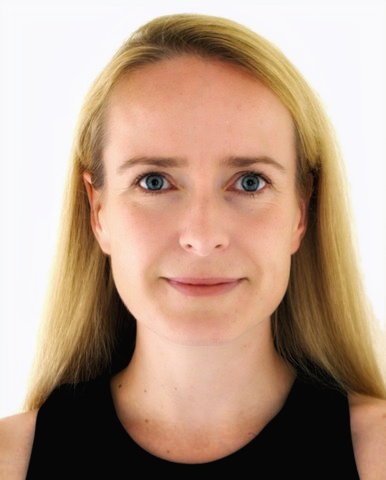
Fleur Knijn is a Lecturer in Dental Material Sciences at the Academic Centre for Dentistry Amsterdam (ACTA), Netherlands. Her research focuses on the intersection of neuroscience, dentistry, and geriatrics, particularly exploring how masticatory/swallowing performance and brain structure relate to cognitive impairment in older adults. She utilizes neuroimaging techniques like MRI and employs statistical methods such as logistic regression analysis. Recent research output includes two peer-reviewed articles (2024) in the Journal of Oral Rehabilitation analyzing cross-sectional neuroimaging data. These studies investigate structural brain signatures (entorhinal cortex, supramarginal gyrus) and demographic factors associated with cognitive disorders in aging populations.
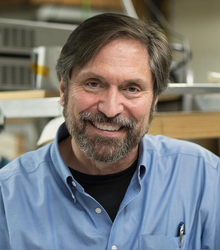
Dr. David Miller is a Senior Lecturer in Biological Chemistry and Director of Postgraduate Taught (PGT) Programmes at the School of Chemistry, Cardiff University. With over two decades of academic experience, he leads research at the intersection of synthetic organic chemistry and biological systems, focusing on enzyme mechanisms and applications in drug discovery. MA in Chemistry with Supplementary Quantum Chemistry, Oriel College Oxford (1989-1993) PhD, Southampton University under Prof. T. D. H. Bugg (1993-1997) Dr. Miller's research centers on applying synthetic organic chemistry to solve biological problems and vice versa. His work explores how small organic molecules can probe the function of biological macromolecules like proteins and DNA. His primary research areas include: Inositol monophosphatase : Studying this enzyme's mechanism as a target for bipolar disorder treatments mu-Calpain research : Developing inhibitors for autoimmune diseases like rheumatoid arthritis and osteoarthritis Terpenoid biosynthesis : Investigating how terpene cyclases generate diverse natural products from common precursors Analysis of Dr. Miller's recent publications reveals a strong focus on enzyme engineering, particularly with terpene synthases. His work combines computational modeling, structural biology, and synthetic chemistry to manipulate enzyme function. A significant trend is the exploration of enzyme plasticity to create novel catalytic activities and non-natural products. His research bridges fundamental enzymology with practical applications in drug discovery and biocatalysis. Dr. Miller is a Member of the Royal Society of Chemistry (MRSC), reflecting his contributions to the field of chemical sciences. As Director of Postgraduate Taught Programmes, Dr. Miller oversees curriculum development and student supervision. He teaches across multiple levels, from foundational organic chemistry to specialized courses in biocatalysis and drug development. His research group receives funding for projects exploring enzyme mechanisms and their applications in therapeutic development. Dr. Miller's laboratory focuses on the structural and mechanistic aspects of enzyme catalysis, with particular emphasis on terpene synthases and calpain proteases. His team combines synthetic organic chemistry, protein engineering, and structural biology approaches to unravel complex biochemical processes.
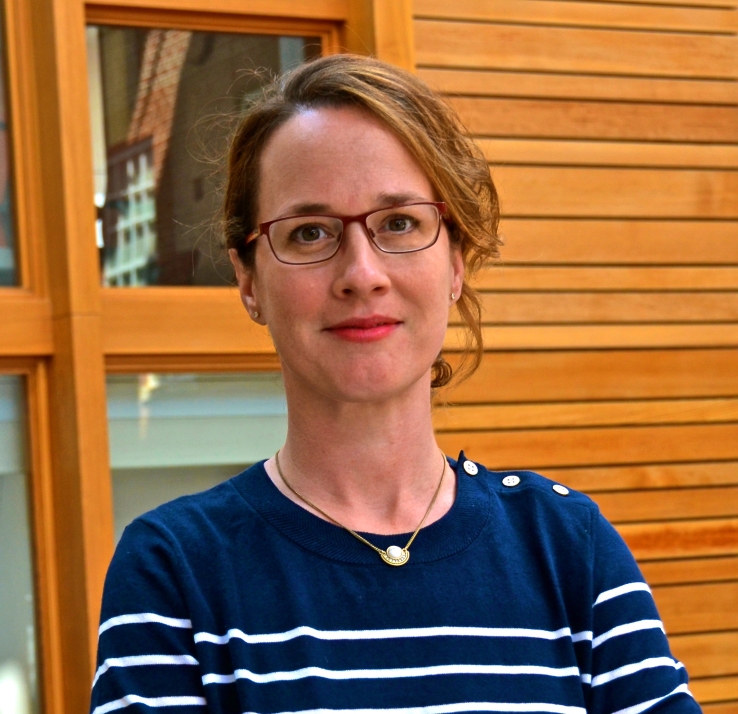
Holly Phelps serves as an Assistant Professor in the Department of Behavioral Medicine & Psychiatry at West Virginia University School of Medicine, where she conducts research at the intersection of cognitive neuroscience and behavioral medicine. Her academic foundation includes a PhD in Psychology from Pacific University's School of Graduate Psychology (2021), providing rigorous training in experimental methodology and clinical assessment. Dr. Phelps' research program focuses on Alzheimer's disease biomarkers and mild cognitive impairment (MCI) , with particular expertise in amyloid-positive versus amyloid-negative differentiation . She employs advanced neuroimaging techniques including structural MRI and metabolic imaging to investigate memory consolidation mechanisms , brain atrophy patterns , and cortical thickness changes in early neurodegenerative processes. Her work uniquely bridges traditional neuropsychology with contemporary behavioral challenges, as evidenced by her research on technology's cognitive impacts. Analysis of her 2023-2025 publications reveals a cohesive research trajectory examining how temporal and parietal lobe atrophy correlates with memory deficits in biomarker-defined Alzheimer's subgroups. Her studies consistently integrate multi-modal assessments of brain structure, metabolism, and cognitive performance, establishing her as a contributor to precision medicine approaches in neurodegenerative disorders. The inclusion of smartphone dependency research demonstrates her expanding focus on environmental modulators of cognitive health. Dr. Phelps maintains active collaborations with neurologists, psychiatrists, and imaging specialists across multiple institutions, as reflected in her co-authorship on high-impact publications in Alzheimer's & Dementia and Journal of Alzheimer's Disease . Her research program demonstrates significant translational potential for early diagnostic frameworks in cognitive disorders.
Dr. Joanne Stocks is a Senior Research Fellow at the University of Nottingham, affiliated with the NIHR Nottingham BRC Musculoskeletal, Surgery, Inflammation and Recovery theme and the Centre for Sport, Exercise and Osteoarthritis Research Versus Arthritis . Her research focuses on healthy ageing, nutrition's role in osteoarthritis and frailty, molecular signatures in military populations, and digital health solutions for musculoskeletal care. Key Projects : Bio-Mil-OA (military osteoarthritis biomarkers), HealthScout app (electronic PROMs collection), ReStARt (arthrofibrosis physiotherapy optimization), and OA Trial Bank (predictive biomarker analysis). Policy Advocacy : Leading efforts for nationwide implementation of electronic musculoskeletal PROMs through the University of Nottingham's Institute for Policy and Engagement. Research Trends : Analysis of 20+ articles reveals expertise in osteoarthritis biomarkers, exercise physiology, digital health technology validation, and pain mechanisms in military and athletic populations. Subtopics include topical treatments for OA pain, arthrofibrosis rehabilitation, and pandemic-related shifts in physical activity patterns. Scientific Awards : NIHR Nottingham BRC conference poster prize, Microsoft Azure grant, QR Policy Support Fund grant, and School of Medicine travel award. Teaching & PPI : Module convenor for BMedSci PPI in Research and developer of the Student Patient Alliance PPI Buddy Scheme.
David H. Adams, MD, is Professor and System Chair of Cardiovascular Surgery at the Icahn School of Medicine at Mount Sinai in New York. He is a leading expert in mitral and tricuspid valve repair, with a strong focus on transcatheter interventions and surgical innovation. His clinical and research work is centered at Mount Sinai Hospital, where he leads a high-volume cardiac surgery program. Education: MD, Duke University School of Medicine Residency in General Surgery, Brigham & Women’s Hospital Fellowship in Pathology, Harvard Medical School Fellowship in Thoracic Surgery (Cardiothoracic Vascular Surgery), Brigham & Women’s Hospital Research Interests: Dr. Adams’ research is primarily focused on improving outcomes in valvular heart disease. His work spans surgical techniques for mitral valve repair, transcatheter edge-to-edge repair for tricuspid regurgitation, and advanced imaging to assess cardiac remodeling. He is a principal investigator in landmark trials such as the TRILUMINATE Pivotal Trial, exploring minimally invasive solutions for severe valve disease. Recent Publications Trends: His most recent publications highlight a strong emphasis on transcatheter therapies, particularly for tricuspid regurgitation, using edge-to-edge repair technology. These studies combine clinical outcomes, imaging, and device integration, reflecting a multidisciplinary approach to structural heart disease. Scientific Awards: Mitral Valve Repair Reference Center Award (2020–2022) Best Doctors in New York Magazine (2002–2021) Award for Achievement in Cardiovascular Science and Medicine (2009) Top 100 Minimally Invasive Surgeons (2006) Marie-Josee and Henry R. Kravis Endowed Professor (2002) Honorary Professor, Capital University of Medical Sciences, Beijing (2000) Advising and Grants: While specific students are not listed, Dr. Adams leads a major research program with extensive NIH and industry-supported grants. He mentors surgical trainees, fellows, and junior faculty in cardiovascular innovation and clinical research. His work is supported by collaborations with industry partners in developing next-generation cardiac devices. Labs and Teams: Dr. Adams leads the Mitral Valve Repair Program and is a key member of the Structural Heart Disease Team at Mount Sinai. His team integrates surgeons, interventional cardiologists, imaging specialists, and research coordinators to advance patient care through clinical trials and translational research.
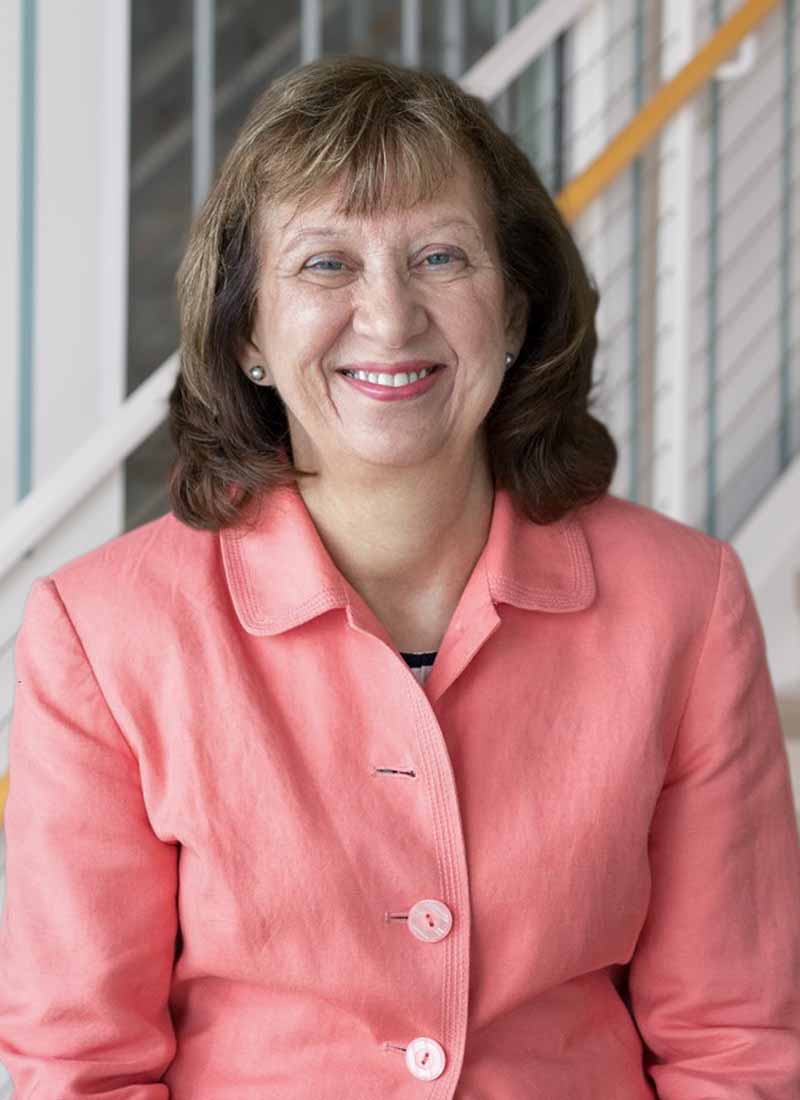
Professor Kathryn Peall is a Personal Chair in the Division of Psychological Medicine and Clinical Neurosciences at Cardiff University's School of Medicine. She is an active researcher and supervisor with a focus on movement disorders, particularly dystonia across the lifespan. Her work is supported by major funding bodies including the Medical Research Council, Dystonia Medical Research Foundation, The Dystonia Society, and Life Sciences Research Network Wales. Her research interests span the etiology and pathophysiology of movement disorders , with a special focus on dystonia and myoclonus-dystonia. She employs a multidisciplinary approach combining epidemiology, neuroimaging (including ultra-strong diffusion MRI), invertebrate models, and pluripotent stem cell-derived cellular models to understand disease mechanisms and identify potential therapeutic targets. Analysis of her recent publications (2023–2025) reveals a strong trend toward digital health applications in neurology, particularly the use of wearable devices and smartwatch data for early detection of Parkinson’s disease and monitoring non-motor symptoms. She also continues to advance knowledge in genetic dystonias , neuroimaging biomarkers , and psychiatric comorbidities in movement disorders. She is actively involved in postgraduate supervision and welcomes students interested in clinical phenotyping, complex disease genetics, and cellular/invertebrate modeling of neurological disorders.
Gordon Cates is the Jesse W. Beams Professor of Physics at the University of Virginia, where he is a faculty member in the Department of Physics within the School of Arts & Sciences. His research spans atomic, nuclear, and medical physics, with a focus on spin polarization techniques using optical pumping and laser-based methods. His research interests include: Experimental Atomic, Molecular, and Optical Physics Experimental Medical Physics, particularly hyperpolarized gas MRI for lung imaging Experimental Nuclear and Particle Physics, including neutron spin structure and parity violation Fundamental tests of the Standard Model and hadronic structure His recent publications highlight work on neutron skin measurement, strange quark contributions in the proton, and spin asymmetries in deep inelastic scattering—largely conducted at national laboratories such as Jefferson Lab and SLAC. These studies contribute to foundational knowledge in quantum chromodynamics and nuclear structure. Notable recognitions include: Elected Vice Chair of the APS Division of Nuclear Physics Service on the APS, AAAS Fellowship & External Recognitions Committee Prof. Cates leads an active research group advancing both fundamental physics and novel imaging technologies. He contributes to departmental governance through membership on the Ph.D. Qualifying Examination and Undergraduate Scholarships Committees. His work integrates advanced laser physics, spin dynamics, and medical applications, positioning him at the forefront of interdisciplinary physics research.
Rong Xu is a Research Fellow at Monash University, affiliated with the Australian Centre for Blood Diseases and the Victorian Heart Institute (VHI), working in the laboratory of Prof Christoph Hagemeyer. She received her PhD in Biochemistry and Exosomes Research in 2017 from La Trobe University under the supervision of Prof Richard Simpson and A/Prof David Greening, and previously held a Research Fellow position there until mid-2020. PhD in Biochemistry and Exosomes Research, La Trobe University (2017) Her research focuses on developing smart therapeutic systems, particularly injury-responsive exosomes for cardiovascular disease prevention (e.g., acute myocardial infarction, stroke) and glucose-responsive insulin nanoparticles for diabetes therapy. She also employs advanced imaging techniques—such as ultrasound, photoacoustic imaging (Vevo F2), PET, MRI, MPI, and CT—to study disease mechanisms and therapy efficacy. Her work intersects with multiple areas of nanomedicine, molecular imaging, and targeted delivery systems. She utilizes phage libraries to discover novel targeting antibodies for disease-specific applications. Recent publications (2024) highlight her contributions to extracellular vesicle proteomics and transcriptomics, consensus guidelines (MISEV2023), molecular imaging of cardiac fibrosis, and insulin analog synthesis. These works reflect a strong trend in precision biomedicine, with emphasis on extracellular vesicle biology, diagnostic imaging, and therapeutic innovation for chronic diseases. Scientific awards and recognitions include: Millennium Science Fellowship Program (2021) Monash Future Leader Postdoctoral Fellowship (2022) JDRF Early and Mid-Career Basic Researcher Fellowship (2024–2026) CASS Foundation Medicine/Science Grant (2023) Bethlehem Griffiths Research Foundation Grant (2023) Rong Xu has been actively involved in research leadership and academic service. She is the Primary Chief Investigator on a project funded by the CASS Foundation to develop targeted nano-carriers for stroke treatment. She has also served as an Associate Editor for Frontiers in Oncology , Guest Editor for Pharmaceutics and Frontiers in Cellular Neuroscience , and Session Chair at academic conferences. Her editorial and organizational roles demonstrate substantial contributions to the scientific community. She leads multiple grant-funded projects and has no indication of advising formal PhD or Master’s students at this stage. She is a key member of research teams at both Monash University and previously at La Trobe University, collaborating with leading scientists such as Prof Christoph Hagemeyer, Prof Richard Simpson, and A/Prof David Greening. Her current work is centered at the Victorian Heart Institute, where she contributes to cutting-edge cardiovascular and diabetes research.
Dr. Alia Alia is an Assistant Professor at Leiden University's Leiden Institute of Chemistry (LIC), part of the Faculty of Science. Her research focuses on advancing MRI and NMR techniques to study neurodegenerative diseases, particularly Alzheimer's, and environmental toxin impacts on organisms like zebrafish. She has held academic positions since 1995, including a JSPS fellowship in Japan and roles at Jamia Millia University, New Delhi. Education: PhD in Bioscience (1992), Jamia Millia University M.Sc. in Biosciences (1989), Jamia Millia University B.Ed. (1988), Jamia Millia University B.Sc. in Life Sciences (1986), University of Delhi Research Interests: Alia's work combines cutting-edge MRI/NMR methodologies with biological systems to explore Alzheimer's biomarkers, neurochemical changes, and toxin effects. She pioneers applications of HR-MAS NMR to study nanoplastics and PFAS toxicity. Her lab uses zebrafish as a versatile model for human disease mechanisms. Publications: Over 50 peer-reviewed articles, including studies on sex-specific GABA alterations in Alzheimer's models, microstructural changes in zebrafish muscles, and nanoplastic-induced amyloid fibrillation. Awards: C.J. Kok Prize for Discovery of the Year (2004) Alzheimer Forschung Initiative Grant (2013) Japan Society for Promotion of Science Fellowship (1996) Labs/Teams: Leads the Alia Group at Leiden University, collaborating internationally on neuroimaging and toxicology projects. Collaborations include Leipzig University and institutions in Japan.
Prof. Caspar van den Berg is a Professor by special appointment in Transitions in the Public Sector at Leiden University's Institute of Public Administration (part of the Faculty of Governance and Global Affairs). His research focuses on comparative bureaucracy, Europeanization of governance, political-administrative relations, and governance dynamics. He has been actively involved in teaching since 2004, offering courses on public management, multi-level governance, and Europeanization. His work often addresses the evolving role of civil services in complex governance systems. Teaching Portfolio: Comparative Bureaucracy Public Management Politics, Governance, and the Media Multi-Level Governance in the EU Qualitative/Quantitative Research Methods Research Interests: Prof. van den Berg explores how EU integration impacts national civil service systems, emphasizing organizational design, personnel systems, and the balance between political influence and administrative impartiality. His work also addresses the 'New Political Governance' paradigm and its implications for public service leadership. Affiliations: He is affiliated with the Centre for Professional Learning at the Faculty of Governance and Global Affairs and contributes to executive education for civil servants and policymakers.
Dr. Stephanie M. Engel is a Professor in the Department of Epidemiology at the University of North Carolina at Chapel Hill’s Gillings School of Global Public Health. She holds leadership roles as Deputy Director of the Center for Environmental Health and Susceptibility (CEHS), Director of the UNC Center for Early Life Exposure and Neurotoxicity, and Associate Director for Population Science at the UNC Biomedical Research Imaging Center. Her expertise spans Perinatal and Reproductive Epidemiology and Children’s Environmental Health, with a focus on xenobiotic exposures’ impacts on pregnancy outcomes and child development. She has secured over $25M in research funding and published extensively in environmental health sciences. Dr. Engel earned a BA/BS in Psychology and Animal Physiology/Neuroscience from UC San Diego (1997), followed by an MSPH (2000) and PhD (2003) in Epidemiology from UNC Chapel Hill. She teaches “Advanced Methods in Perinatal and Pediatric Epidemiology” (EPID 853) and co-directs an NIEHS-funded T32 training program supporting 28 trainees across three departments. Her research integrates environmental exposures (e.g., phthalates, pesticides) with neurodevelopmental and reproductive health outcomes. Notable projects include studies on phthalate exposure and preterm birth (pooled analysis of 16 US cohorts), vaginal microbiome racial disparities in preterm birth, and maternal thyroid function’s role in ADHD risk. She has pioneered neurotoxicity studies using advanced imaging techniques. Dr. Engel’s work has been recognized with the John E. Larsh Jr. Excellence in Mentoring Award (2017). Her grants include NIMHD R01 funding for vaginal microbiome research and an EPA Early Life Center grant. She collaborates widely on initiatives like the HEALthy Brain and Child Development Study and the UNC Baby Connectome Project. Key contributions include advancing methods for exposure mixture analysis, studying prenatal pesticide effects on ADHD, and linking environmental neuroactive chemicals to human health. Her interdisciplinary approach bridges epidemiology, toxicology, and public health policy to address environmental inequities.
Professor Federico Turkheimer is a prominent academic in neuroimaging at King's College London, affiliated with the Department of Neuroimaging and the NIHR Maudsley Biomedical Research Centre (BRC). His primary role is as Professor in Neuroimaging (Analysis & Statistics), focusing on developing in-vivo imaging markers for brain function. His research employs PET and MRI techniques to study brain physiology in health and disease, with a particular emphasis on neuroinflammation, brain immunity, myelination, and drug pharmacokinetics. Key collaborations include work with Dr. Mattia Veronese, Dr. Diana Cash, and Professors Carmine Pariante and Oliver Howes, all at King's College London. He leads the TOBeATPAIN project targeting neuroinflammation in chronic pain and neurodegenerative diseases, and contributes to the Wellcome EPSRC Centre for Medical Engineering, which focuses on medical imaging innovation. His research highlights include constructing precise drug action models, studying the glymphatic system, and identifying novel biomarkers for neurological conditions. Over 350 publications showcase his work in neuroimaging techniques and their applications to understanding brain disorders. He is a co-investigator on multiple grants, including the Glutamate-Energetics in Schizophrenia project and DASEIN, emphasizing translational research. Notable recent findings include identifying a 'missing link' between brain and body inflammation in the skull's dural sinuses and exploring histamine pathways' role in cognition and psychiatric disorders. His lab's work bridges computational neuroscience with clinical applications, advancing diagnosis and treatment strategies.
Eva Meisenzahl is a Professor in the Department of Psychiatry and Psychotherapy at Heinrich-Heine-University, affiliated with LVR-Klinikum Düsseldorf. Her research focuses on neurobiological causes of functional psychoses and personality disorders, particularly through multimodal imaging and imaging genomics, while also developing AI-based tools for early psychiatric disorder recognition and e-mental health programs. Current research trends involve machine learning for psychosis prediction, neurocognitive pattern classification, and genetic-biomarker integration. Key subfields include clinical high-risk syndromes, depression biomarkers, hippocampal and gray matter volume analysis, and AI-driven diagnostics.
Elaine Stashinko, PhD, MS, BS, RN, serves as Assistant Professor at Johns Hopkins University School of Nursing. Her clinical and research expertise centers on child health nursing with specialized focus on cerebral palsy, holoprosencephaly, and brain injury epidemiology. She actively collaborates with the Carter Center for Brain Research in Holoprosencephaly and Related Malformations and maintains membership in the American Academy for Cerebral Palsy and Developmental Medicine. Dr. Stashinko holds multiple advanced nursing degrees and brings extensive experience from prior roles at Johns Hopkins School of Medicine Neurology Department and Kennedy Krieger Institute (where she served as director of nursing research). Her professional trajectory demonstrates deep commitment to research ethics administration, having served nearly a decade on Johns Hopkins Medicine Institutional Review Boards while currently co-chairing the School of Nursing Project Ethical Review Committee (PERC) to mentor Doctor of Nursing Practice students. Her research program integrates neurology, genetics, and clinical management to address complex pediatric conditions. Key investigations examine health-related quality of life metrics, movement disorder treatments, and genetic/environmental risk factors in holoprosencephaly. Her work consistently bridges quantitative research methodology with practical clinical applications in pain management, health disparities, and social determinants of health for children with neurological conditions. Recent publications reveal strong interdisciplinary trends connecting nursing science with neurorehabilitation and pain research. Her 2022 studies on ethical review standardization and cerebral palsy neuroconnectivity demonstrate methodological rigor while her 2020 chronic pain analysis in adults with cerebral palsy highlights patient-centered outcomes research. Collectively, her work advances evidence-based practice through neuroimaging integration and ethical research design. Dr. Stashinko's distinguished recognition includes the 1981 Temple University Outstanding Faculty Award and National Endowment for the Humanities Fellowship in Nursing Ethics. Her 1979 University of Maryland Maternal-Child Health Award and Sigma Theta Tau induction established early career excellence, recently complemented by her 2022 National Symposium presentation on cerebral palsy pain management at the American Academy for Cerebral Palsy Annual Meeting. 2022 National Symposium Presentation: Pain Matters! NINDS Cerebral Palsy Common Data Elements 1981 Outstanding Faculty Award, Temple University School of Nursing 1981 National Endowment for Humanities Fellowship in Ethics 1979 University of Maryland Maternal-Child Health Award 1979 Sigma Theta Tau National Honorary Society As PERC co-chair, Dr. Stashinko provides critical ethical oversight for DNP student scholarly projects, leveraging her decade-long IRB experience to guide regulatory compliance and research design. Her mentorship focuses on translating clinical observations into methodologically sound investigations, particularly for vulnerable pediatric populations. This administrative leadership complements her direct research contributions to cerebral palsy knowledge translation. Her affiliation with the Carter Center for Brain Research positions her within a national collaborative network investigating holoprosencephaly mechanisms and interventions. This work involves multi-institutional data collection on neuroimaging characteristics and clinical management protocols, with emphasis on identifying modifiable environmental risk factors alongside genetic determinants of rare brain malformations.
Xiaojun Xu is a Professor at the School of Computer Science, Beijing Institute of Technology, with a prolific research career spanning machine learning security, medical AI, and robotics. Their work demonstrates strong interdisciplinary collaboration across computer science, healthcare, and engineering domains. Institution: Beijing Institute of Technology, School of Computer Science Research Focus: AI security, medical imaging, robotics, and remote sensing applications Collaborations: Extensive work with Bo Li (29 papers), Dawn Song (11 papers), and medical researchers Xu's research interests center on adversarial machine learning, with significant contributions to model security, backdoor detection, and LLM unlearning. They've pioneered techniques like Meta Neural Analysis for Trojan detection and developed frameworks for certified robustness. Their medical imaging work focuses on quantitative susceptibility mapping for neurodegenerative diseases, particularly Parkinson's and Alzheimer's. In robotics, they've advanced control systems for quadruped and amphibious vehicles. Recent publications reveal a strong trend toward large language model security, with multiple 2024-2025 papers on machine unlearning and watermarking techniques. Their work bridges theoretical security with practical healthcare applications, particularly in medical image analysis where they've developed tools for subcortical nucleus segmentation and brain age prediction. Key venues: NeurIPS, CCS, IEEE S&P, NeuroImage, IEEE Transactions Research impact: High citation count with consistent top-tier publication record Xu has secured significant research funding, evidenced by the volume and diversity of publications across multiple domains. Their work on blockchain-enabled IoT systems and RAFT-based private blockchain demonstrates expertise in distributed systems. The medical imaging research shows strong hospital collaborations, particularly in developing tools for Parkinson's diagnosis. Current projects appear focused on LLM security challenges and multimodal medical AI systems with potential clinical applications.