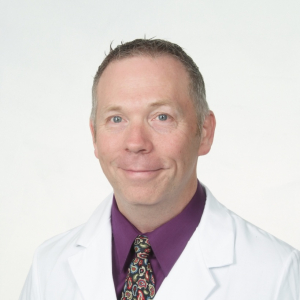
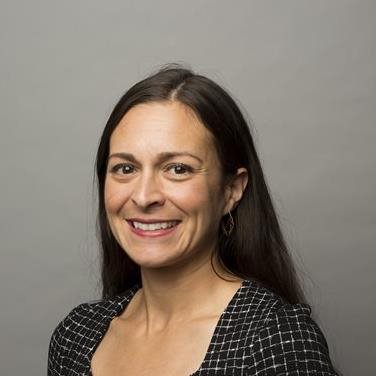
Ulman Lindenberger is a Professor of Psychology and Managing Director of the Max Planck Institute for Human Development . He also serves as Director of the Research Center for Lifespan Psychology and Co-Director of the Max Planck UCL Centre for Computational Psychiatry and Ageing Research . Education : Dipl.-Psych. (1985), Dr. phil. (1990), Habilitation in Psychology (1998), Qualification for Psychology Professorships (France, 1999) Research Interests focus on behavioral and neural plasticity across the lifespan , brain-behavior relations , lifespan developmental theory , and formal models of behavioral change . His work integrates multivariate developmental methodology to study cognitive aging, neuromodulation, and social cognition. Scientific Awards include: Gottfried Wilhelm Leibniz Prize (2010) Fellowships from the Association for Psychological Science, American Psychological Association, and Gerontological Society of America Membership in the German National Academy of Sciences Leopoldina and Royal Society Supervision : Principal advisor for 28 completed doctoral dissertations (1998–2013). Grants : Led 7 DFG-funded and 12 Max Planck Society/Federal Ministry-funded projects (1993–2013). Labs : Directs the Research Center for Lifespan Psychology and co-directs the Max Planck UCL Centre for Computational Psychiatry and Ageing Research.
Associate Professor Mitchell Lawlor is a Clinical Associate Professor at the University of Sydney's Faculty of Medicine and Health, affiliated with the Save Sight Institute. A dual-fellowship holder in glaucoma and neuro-ophthalmology from Moorfields Eye Hospital and Queen Square, he specializes in optic nerve disorders, glaucoma surgery, and neuro-ophthalmology. He consults at Sydney Eye and RPA Hospitals, and Sydney Eye Surgeons clinics in Bondi Junction, Miranda, and Hurstville. Education: BMed, MMed (OphthSci), FRANZCO, PhD. Research Interests: His work focuses on glaucoma surgery outcomes, optic nerve imaging, and neuro-ophthalmological diagnostics. Key projects include chairing the Fight Glaucoma Blindness! Registry, investigating non-invasive intracranial pressure assessment, and differentiating glaucomatous from non-glaucomatous optic neuropathies via OCT. Grants: Recipient of HCF Research Foundation grants (2018) and Ophthalmic Research Institute of Australia grants (2005). Active in international collaborations, including the Optic Disc Drusen Studies Consortium. Clinical Expertise: Glaucoma surgery, neuro-ophthalmology, and optic nerve disease management. He emphasizes multidisciplinary care, particularly in complex cases requiring neuroimaging or MRI. Publications: Over 60 peer-reviewed articles spanning glaucoma surgery outcomes, optic nerve imaging, and neuro-ophthalmology. Recent work explores functional visual loss mechanisms and comparative efficacy of glaucoma devices.
Andrea Dietrich is a Senior Researcher in Child and Adolescent Psychiatry at the University of Groningen's Faculty of Medical Sciences. She holds dual affiliations with the University Medical Center Groningen (UMCG) and Accare, the Child Study Center in Groningen, Netherlands. Her primary focus is on neurodevelopmental disorders, particularly tic disorders, ADHD, and behavioral problems. She leads internationally recognized studies like the TIC Genetics project and the EMTICS study, exploring genetic and environmental factors influencing these conditions. Her research emphasizes gene-environment interactions, biomarkers, stress physiology, and predictors of treatment efficacy. Key areas of investigation include cognitive factors in tic disorders, the interplay between genetic predispositions and environmental stressors (e.g., prenatal complications), and improving quality of life for affected children. Her work bridges clinical research and practice, with a focus on evidence-based interventions and optimizing medication use. She collaborates globally through initiatives like the ENIGMA consortium and the TS-EUROTRAIN network. Dr. Dietrich’s contributions include developing European clinical guidelines for Tourette syndrome and advancing neuroimaging genetics in child psychiatry.
Jan Bernard Marsman is a researcher affiliated with the University of Groningen’s Faculty of Medical Sciences and the UMCG, specifically within the Perceptual and Cognitive Neuroscience (PCN) department and the Clinical Cognitive Neuropsychiatry Research Program (CCNP). His research focuses on neuroimaging techniques, psychiatric disorders, and visual neuroscience. He has contributed to over 77 peer-reviewed publications, with recent work emphasizing schizophrenia, depression, glaucoma, and cognitive impairment. Key research interests include functional MRI applications in emotion regulation, structural brain network analysis in Alzheimer’s precursors, and innovative eye-tracking methods for glaucoma diagnostics. He collaborates globally through initiatives like the ENIGMA consortium to study schizotypy and neuroanatomical correlates of mental health conditions. His articles highlight advancements in using continuous visual tracking for visual field defect detection, gray matter alterations in mild cognitive impairment, and neural mechanisms underlying auditory hallucinations in schizophrenia. Marsman’s work bridges clinical diagnostics with neurobiological insights, contributing to both basic science and translational medicine. Supervised 5 academic works, contributed to 3 datasets (e.g., glaucoma eye-tracking studies), and actively engages in multidisciplinary teams addressing neurodegenerative and psychiatric challenges.
Dr. Mikail Levasseur is a Lecturer in the Department of Chemistry and Applied Biosciences at ETH Zürich. His research focuses on protein engineering, nanomedicine, and bioconjugation chemistry, with applications in drug delivery, biomaterials, and theranostics. He leads projects involving the design of protein cages for targeted delivery and imaging, as well as modular hydrogels for biofabrication. His work bridges fundamental biochemical principles with advanced biomedical technologies. Key research areas include the engineering of nonviral protein cages for MR imaging and targeted therapy, post-assembly protein modification techniques, and the development of glycoprotein-based nanoscale assemblies. Dr. Levasseur also explores thrombospondin-1 mimetic peptides for anticancer applications and investigates cellular quality control mechanisms in protein secretion. His contributions span interdisciplinary collaborations in materials science, synthetic biology, and clinical applications. Dr. Levasseur's laboratory is affiliated with the Laboratory of Organic Chemistry (LOC) at ETH Zürich, where he oversees experimental work in protein design, bioconjugation, and in vitro/in vivo testing of novel therapeutic platforms. His recent articles highlight advancements in modular protein systems and their potential for addressing challenges in healthcare and biotechnology.
Yao Li is a Postdoctoral Associate in the Department of Pathology at Yale School of Medicine. They are affiliated with the Yan Lab and collaborate with researchers such as Qin Yan, David Rimm, and Sabine Martha Lang. Education: MD from Central South University (2020) Research interests include oncology , pharmacology , and neuroscience . Their work spans cancer immunology , chromatin remodeling , and neurodegenerative imaging , with a focus on melanoma , BRD4 inhibitors , and brain iron deposition . Recent publications highlight drug synergy in melanoma , epigenetic mechanisms in neurodegeneration , and neuroimaging in schizophrenia . Scientific awards are not explicitly listed in the provided data. Yao Li mentors students in cancer biology and neuroscience . Their lab collaborates with institutions like Yale Cancer Center and Yale Neuroimaging Lab. Future work may integrate biomedical data science and immunotherapy for cancer-patient outcomes.
Bo Tao is an Associate Research Scientist in the Department of Pathology at Yale School of Medicine, Yale University. His research focuses on neuroimaging in schizophrenia, endothelial cell biology, lipid metabolism, and immunotherapy. He holds a PhD in Basic Medical Sciences/Pathology from Zhejiang University (2014) and a BE in Biological Engineering from Zhejiang University of Technology (2007). Research Interests : Neurobiological mechanisms of schizophrenia, including thymus pathology and brain connectivity Endothelial cell biology, particularly LDL transcytosis and vascular signaling pathways Immunotherapy advancements, such as CAR T-cell therapies and cytokine engineering Medical imaging applications in psychiatry and neurology Publications : His work spans high-impact journals like Nature , Molecular Psychiatry , and Cerebral Cortex . Recent studies include insights into thymus morphology in schizophrenia and the revitalization of exhausted T-cells via Fc–IL-4. His research also explores white matter network alterations in pediatric sleep apnea and brain dynamics in first-episode schizophrenia. Awards & Grants : No specific awards listed, but he actively contributes to interdisciplinary research collaborations and grant-funded projects in cardiovascular and neuroimaging sciences.
Vince Calhoun, PhD, is a Research Professor at Yale School of Medicine. His research integrates neuroimaging, machine learning, and neuroscience to study brain connectivity in disorders like Alzheimer's disease and schizophrenia. He earned his MS from Johns Hopkins University (1996) and PhD from the University of Maryland (2002). Research Focus: Dr. Calhoun's work centers on developing advanced fMRI analysis methods, including dynamic functional connectivity and multimodal MRI techniques. His interests span neuroinformatics, brain network modeling, and AI-driven diagnostics for neurological and psychiatric conditions. Recent Publications: His 15 latest articles (2024-2025) focus on machine learning applications in neuroimaging, such as federated learning for data privacy, graph neural networks for intelligence mapping, and predictive modeling of cognitive decline. Key themes include explainable AI, neurodevelopmental disorders, and cross-modal data fusion.
Professor Antonio Gil is a faculty member at Swansea University within the Faculty of Science and Engineering , specifically in the Department of Civil Engineering . He graduated magna cum laude from the University of Granada (Spain) in 1999 and earned his PhD in computational analysis of non-linear structural membranes at Swansea University in 2005, winning the UK Society for Computational Mechanics best PhD paper in 2004. Education: Ingeniero de Caminos, Canales y Puertos (University of Granada, 1999); MSc in Computational Mechanics; PhD in Computational Mechanics (Swansea University, 2005) Research Interests span Computational Mechanics , Fluid-Structure Interaction , Finite Strain Modeling , and Soft Robotics , with a focus on physics-informed machine learning and multi-physics simulations. His work addresses challenges in electromechanical systems , cardiac mechanics , and high-strain dynamics . Recent Publications highlight advancements in SPH algorithms , topology optimization , and hyperelastic metamodels , reflecting his leadership in numerical methods and material modeling . These contributions have been recognized by prestigious awards including the Philip Leverhulme Award (2011) and the Olgierd Cecil Zienkiewicz Award (2016) . Scientific Awards: UK Philip Leverhulme Award (2011) Olgierd Cecil Zienkiewicz Award (2016) 1st National Award (Spanish Ministry of Education, 2000) Grants include coordination of the Erasmus Mundus PhD Program and leadership in H2020 Marie Curie ETN projects with budgets exceeding €6M. His supervision covers PhD projects in soft robotics , computational fracture , and MRI scanner design .
Charla Nich is a Researcher in the Department of Psychiatry at Yale School of Medicine, specializing in addiction treatment and digital health interventions. Her work focuses on optimizing cognitive behavioral therapy (CBT) for substance use disorders, particularly leveraging digital platforms to enhance accessibility. She has pioneered studies on structural brain changes associated with CBT in cocaine use disorder and evaluates treatment efficacy across diverse populations. Her research emphasizes health equity, addressing racial disparities in clinical trial participation and treatment outcomes for marginalized groups. Key roles: Manager of Psychiatry Data Analysis and Research Collaborations Clinical interests: Digital therapeutics, culturally adapted interventions, and neurobiological mechanisms of addiction Key collaborators: Brian D. Kiluk, Elise DeVito, and Samuel Ball Her articles highlight innovative approaches to treating substance use disorders, including computerized CBT programs and community-developed interventions targeting Black and Latinx populations. Notably, her 2022 systematic review on racial disparities in substance use treatment has informed national policy discussions.
Dr. Suresh Gadde is an Assistant Professor in the Department of Biochemistry, Microbiology and Immunology at the University of Ottawa's Faculty of Medicine. His research focuses on developing innovative nanomedicine approaches for treating cancer, atherosclerosis, and inflammatory diseases. Gadde designs multifunctional nanoparticle systems for targeted drug delivery, gene therapy, and combination therapies, with emphasis on overcoming biological barriers to improve treatment efficacy. His work spans multiple disciplines including biomaterials science, molecular biology, and translational medicine. Key research areas include RNA-based nanotherapies, nanoparticle-mediated drug delivery systems, inflammation resolution strategies, and novel approaches for cancer treatment using nanoplatforms to simultaneously target tumor cells, cancer stem cells, and tumor vasculature. Gadde's recent publications demonstrate a strong focus on advancing nanoparticle applications for challenging medical conditions. His work on SARS-CoV-2 viral mechanisms provides foundational insights for antiviral development. The therapeutic strategies developed in his lab show promising applications across oncology, cardiology, and virology.
Dr. Kathleen Lyons is an Assistant Professor in the Psychology Department at King’s University College. Her research focuses on developmental cognitive neuroscience, particularly how children process sensory, cognitive, and social information through various stages of development. She employs neuroimaging, cognitive testing, surveys, and naturalistic paradigms to study individual differences in these areas. Education: Doctor of Philosophy (Psychology), Western University, 2022 Master of Science (Psychology), Western University, 2016 Honours Bachelor of Arts (Psychology), Toronto Metropolitan University, 2013 Research Interests: Dr. Lyons investigates the neural mechanisms underlying sensory and cognitive development, with a focus on autism spectrum disorders and typical childhood development. Her work explores how neuroimaging techniques can reveal differences in brain activity related to social cognition, sensory processing, and neural synchrony in children. She also examines the impact of interventions like exercise on cognitive functioning and the effects of cognitive training on brain structure and function. Advising and Grants: While her teaching includes courses such as Psychology 2040 (Child Development) and Psychology 3410 (Cognitive Development), specifics about advising and grants are not detailed in the provided information. Labs/Teams: No specific lab or team affiliations are mentioned in the text.
Dr. Han Yu is a Research Associate at the School of Mech., Medical & Process Engineering, Faculty of Engineering, Queensland University of Technology (QUT). He earned his Ph.D. in Biomedical Engineering from QUT in 2022, focusing on cardiovascular biomechanics and surgical outcomes for Tetralogy of Fallot patients. His current research evaluates dementia and stroke risks in patients with Atrial Fibrillation using advanced imaging and computational techniques. Education: Ph.D. (Doctor of Engineering) from QUT. Research Interests: Cardiac biomechanics, medical imaging (4D-CTA, MRI), finite element modeling, and surgical simulation. His work addresses complex cardiovascular conditions such as Tetralogy of Fallot, intracranial aneurysms, and Atrial Fibrillation, with a focus on predictive modeling and non-invasive assessment methods. Publications highlight contributions to biomechanical analysis, medical imaging algorithms, and surgical strategy optimization. His work spans interdisciplinary collaborations in engineering, medicine, and computational science.
Vincent L. Sorrell, MD, is the Anthony N. DeMaria Professor of Medicine and Radiology at the University of Kentucky, where he serves as Chief of the Division of Cardiovascular Medicine and Chair of Cardiovascular Imaging for the UK Enterprise. He is a key faculty member in the Department of Internal Medicine and is affiliated with the Saha Cardiovascular Research Center and the Saha Aortic Center. He holds multiple prestigious fellowships including FACC, FACP, FASE, FSCCT, and FSCMR, reflecting his national leadership in cardiovascular medicine and imaging. Youngstown State University, Pre-Medical Studies, 1983 St. George's University School of Medicine, Basic Sciences, 1986 Youngstown State University, BS Combined Sciences, 1987 St. George's University School of Medicine, MD, 1989 St. Joseph's Hospital (Seton Hall University), Internship in Internal Medicine, 1990 University of Texas Medical Branch at Galveston, Residency in Internal Medicine, 1992 University of Texas Medical Branch at Galveston, Fellowship in Adult Cardiology, 1994 University of Texas Medical Branch at Galveston, Fellowship in Advanced Imaging, 1995 Dr. Sorrell’s research is centered on cardiovascular imaging, with a focus on echocardiography, cardiac MRI, and CT. His work explores coronary artery anomalies, structural heart disease, aortopathies, and resuscitation physiology. He has made significant contributions to understanding bicuspid aortic valve syndrome and myocardial injury in toxic and ischemic conditions. His clinical expertise bridges cardiology and radiology, emphasizing multimodal imaging for diagnosis and management. His recent scholarly output includes a series of case reports and commentaries in CASE (Phila) , covering topics from echocardiographic interpretation to health policy and medical education. These reflect a continued commitment to teaching and innovation in cardiovascular imaging. His earlier research in Circulation , JACC , and Lancet demonstrates a long-standing impact on the field. FACC - Fellow of the American College of Cardiology FACP - Fellow of the American College of Physicians FASE - Fellow of the American Society of Echocardiography FSCCT - Fellow of the Society of Cardiovascular Computed Tomography FSCMR - Fellow of the Society for Cardiovascular Magnetic Resonance Dr. Sorrell has mentored numerous trainees and collaborators in cardiovascular research, contributing to studies on ventricular septal defects, pulmonary hypertension, arrhythmogenic cardiomyopathy, and imaging biomarkers. His leadership roles indicate active involvement in grant-funded research and institutional imaging programs. He is associated with the CardioVascular Imaging Research Team and plays a central role in advancing imaging protocols across the UK healthcare system. His laboratory and team focus on translational cardiovascular imaging, integrating clinical data with advanced MRI and echocardiographic techniques to improve patient outcomes. The research environment supports innovation in diagnostic accuracy, procedural safety, and disease stratification.
Dr. Rosanna Olsen is an Associate Professor (Status Only) at the University of Toronto and a Scientist at the Rotman Research Institute (RRI), Baycrest. She leads the Olsen Lab, which investigates the neural organization of human memory systems using advanced neuroimaging techniques (fMRI, MEG), eye-tracking, and studies of amnesia patients. Her research focuses on medial temporal lobe function, memory formation across lifespan, eye-movement patterns in memory, thalamo-cortical interactions, and early biomarkers of cognitive decline in aging. Education: • PhD in Psychology (Cognitive Neuroscience) from Stanford University • Postdoctoral fellowship at Rotman Research Institute Research Focus: The Olsen Lab specializes in: 1) Structural and functional characterization of medial temporal lobe subregions in memory-impaired populations; 2) Neural oscillations and short-delay memory maintenance; 3) Eye-movement patterns as indirect memory measures; 4) Roles of thalamic nuclei in associative memory; 5) Promoting diversity in neuroscience. Methodologies include high-resolution MRI, fMRI, MEG, and behavioral paradigms. Article Trends: Recent publications (2020-2024) predominantly explore hippocampal subfield volumetry, aging-related memory decline, eye-movement patterns, thalamic contributions to memory, and inclusive academic practices. Over 70% involve neuroimaging analyses, with consistent focus on preclinical Alzheimer's biomarkers and hormonal influences on cognition. Advising: Actively mentors graduate students (Psychology, University of Toronto) and oversees postdoctoral fellows. Current trainees include 4 PhD candidates and 2 postdocs researching thalamic memory pathways, oscillatory dynamics, and visual discrimination in aging. The lab employs 5 research assistants. Lab & Collaborations: Directs the Olsen Lab at Baycrest with 11 active members. Collaborates with Drs. Jennifer Ryan (Baycrest), Brad Buchsbaum (Baycrest/UofT), Morris Moscovitch (UofT), and international consortia including the Hippocampal Subfields Group. Research has been featured in Science Daily and Neuroscience News .