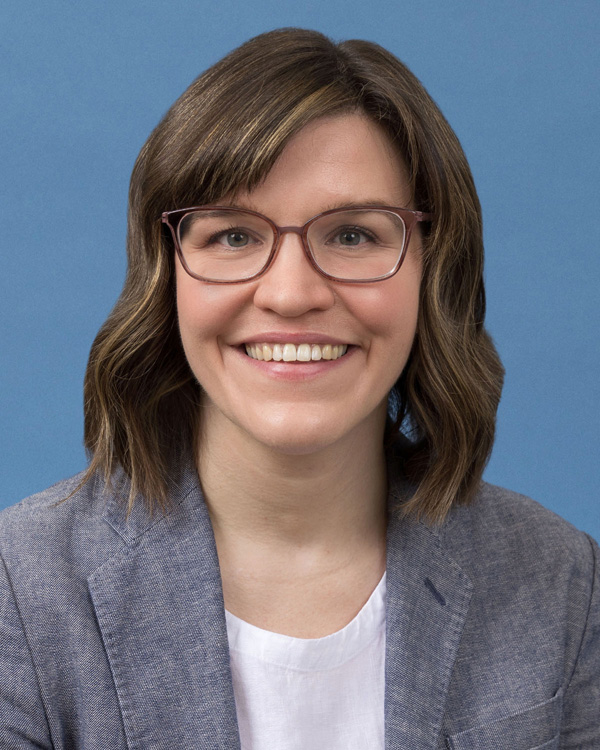
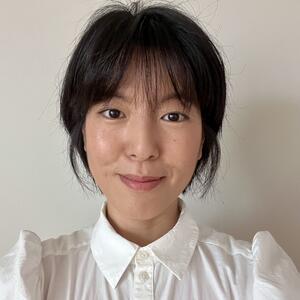
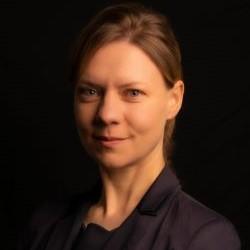
Carolyn Parkinson is an Associate Professor at the University of California, Los Angeles (UCLA), holding the Bernice Wenzel and Wendell Jeffrey Term Endowed Chair in Cognitive Neuroscience. Her research integrates social psychology with computational neuroscience to explore how the human brain represents, navigates, and shapes social environments. University: University of California, Los Angeles (UCLA) Academic Rank: Associate Professor Research Focus: Social and Affective Neuroscience, Social Network Analysis, Neural Mechanisms of Psychological Distance At the Computational Social Neuroscience Lab , Parkinson investigates: Neural encoding of social network structures Shared mechanisms for spatial, temporal, and social distance perception Computational modeling of social cognition Functional MRI analysis of social relationships Her work reveals that: Resting-state brain connectivity predicts social proximity Multivoxel patterns decode social knowledge representations Old cortical structures repurpose spatial processing for social cognition Neural population coding transcends historical phrenology-based approaches Notable awards include the Bernice Wenzel and Wendell Jeffrey Term Endowed Chair. She employs machine learning and social network theory to analyze distributed brain activity patterns, advancing understanding of human social behavior and cognition.
Dr. Matthias Gruber is a Reader (Associate Professor) in Cognitive Neuroscience at Cardiff University's School of Psychology. He leads the Cardiff University Motivation and Memory Lab at CUBRIC, where his research investigates the neuroscience of motivation and its effects on memory using multimodal neuroimaging techniques (structural/functional MRI, M/EEG). His work focuses on how intrinsic motivational states like curiosity enhance learning and memory consolidation. Education includes: PhD in Cognitive Neuroscience, University College London (2007-2011) Research Assistant position at University of Regensburg (2003-2006) Research explores: Neural mechanisms of curiosity and motivation Effects of reward anticipation on memory encoding Hippocampal-prefrontal interactions during learning Developmental aspects of curiosity from childhood to adulthood Real-world applications of motivation research His publications consistently demonstrate how motivational states modulate memory systems, with recent work focusing on spatial exploration dynamics and educational applications. Awards and honors: Sir Henry Dale Fellowship (Wellcome/Royal Society, 2019-2024) Laird Cermak Award (2016) Michael S. Gazzaniga Prize for Cognitive Neuroscience (2015) Elected to Memory Disorders Research Society (2017) Research funding includes major grants from Wellcome Trust, Royal Society, and European Commission. He leads the Motivation and Memory Lab at CUBRIC and is currently accepting expressions of interest from potential research trainees.
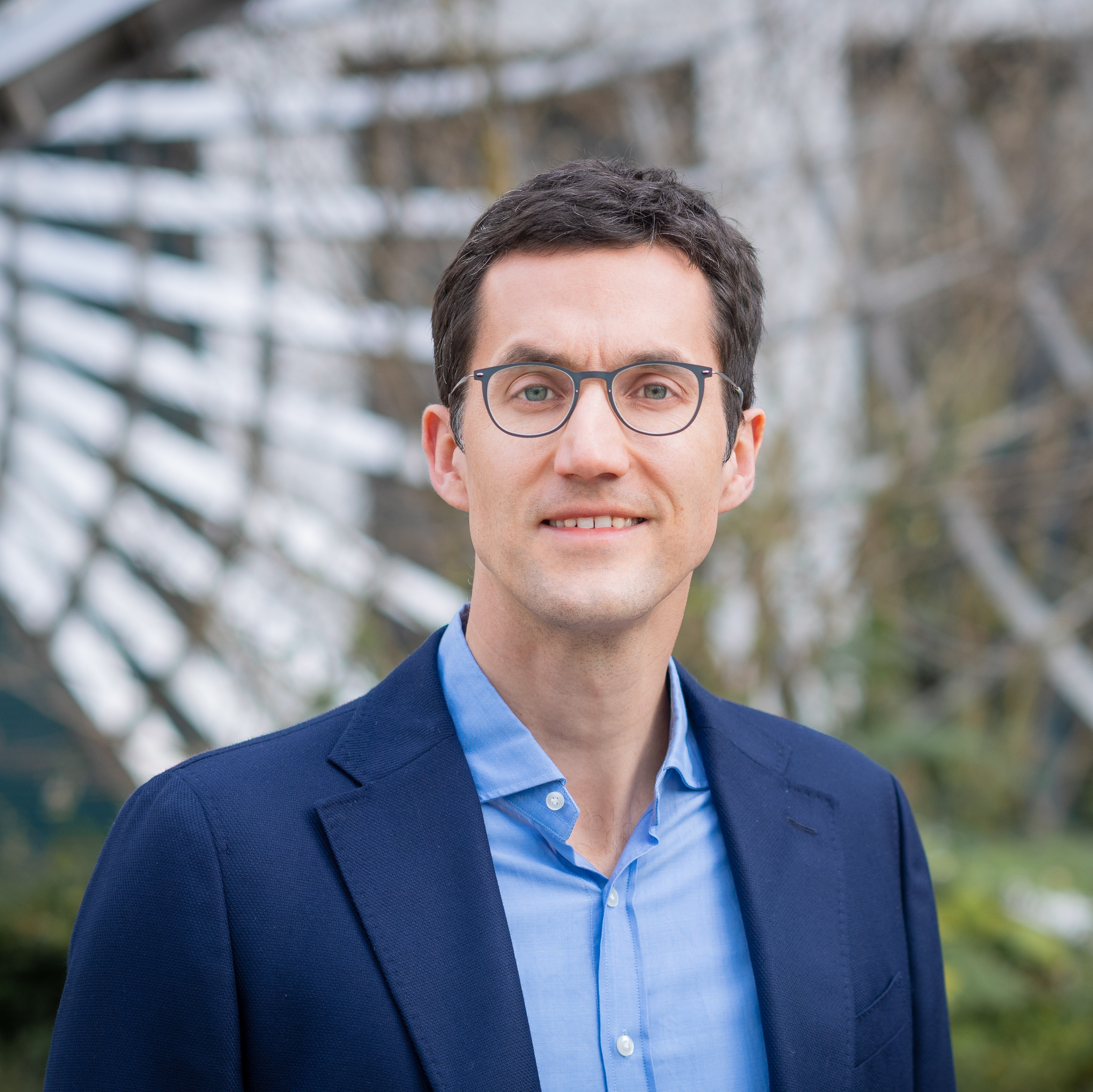
Prof. Dr. Mike Martin is a leading researcher at the University of Zurich's Center for Gerontology . His work spans cognitive aging, social development in old age, and life-span developmental psychology, with a focus on ecological validity in aging research. Professor, University of Zurich Director, Zurich Longitudinal Study on Cognitive Ageing Co-editor, Journals of Gerontology series Key research areas include: Healthy aging and quality of life Cognitive-emotional interactions in aging Dyadic adaptation in dementia caregiving Mobile sensing of aging-related behaviors Participatory research methodologies Language use as a biomarker of aging His recent publications analyze: GPS mobility and cognitive function Machine learning in reminiscence detection Prospective memory trajectories Emotion regulation in couples Digital interventions for cognitive health Neuroimaging correlates of aging
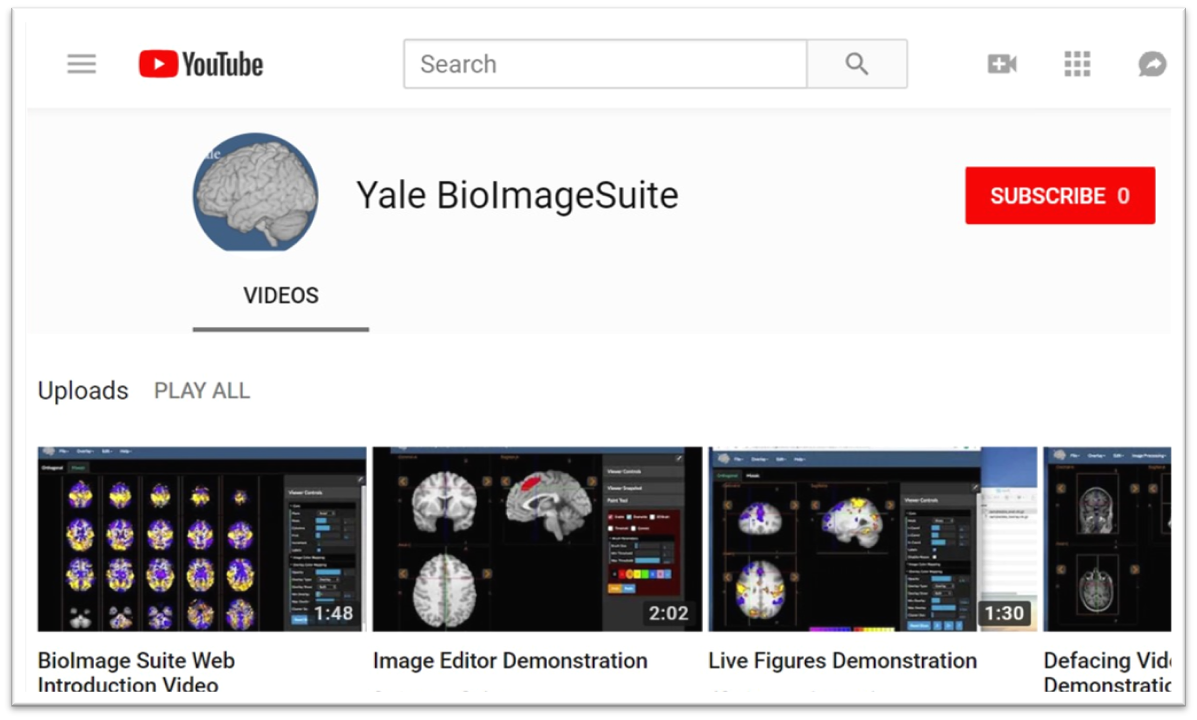
Xenophon Papademetris is a Professor of Biomedical Informatics & Data Science and Radiology & Biomedical Imaging at Yale School of Medicine. He serves as Associate Director of Biomedical Imaging Data Sciences at Yale Biomedical Imaging Institute and directs the Medical Software and Medical Artificial Intelligence Certificate Program. PhD in Electrical and Information Sciences from Yale University (2000) BA from Cambridge University (1994) Postdoctoral Fellowship at Yale University (2002) His research focuses on medical image analysis, machine learning, and biomedical software development. He has developed tools like BioImage Suite Web and contributed to standards committees at the Association for the Advancement of Medical Instrumentation (AAMI). His work spans modalities including MRI, CT, PET, and optical imaging. Recent publications emphasize neuroimaging analysis, explainable AI in healthcare, and multimodal data integration across species. He leads NIH-funded research under the BRAIN Initiative (R24 MH114805) and has authored a textbook on Medical Software published by Cambridge University Press. IEEE Senior Member Yale Brown-Coxe Postdoctoral Fellowship Harding Bliss Prize for Excellence in Engineering He directs the BioImage Suite Project, creating web-based image analysis tools using JavaScript and WebAssembly. His teaching includes both academic courses and a Coursera program on Medical Software with over 14,000 enrollments.
Reinhard Heckel is a Tenured Associate Professor (equivalent to Professor) of Machine Learning at the Department of Computer Engineering, Technical University of Munich (TUM), and Adjunct Faculty in Electrical and Computer Engineering at Rice University. He was previously an Assistant Professor at Rice (2017–2019), a postdoc in the Berkeley Artificial Intelligence Research (BAIR) Lab at UC Berkeley, and a researcher at IBM Research Zurich. Education: PhD, 2014 – ETH Zurich Visiting PhD student – Department of Statistics, Stanford University Research Interests: His work centers on machine learning and information processing with three major thrusts: (1) developing algorithms and theoretical foundations for deep learning, especially for accelerated magnetic resonance imaging ; (2) establishing rigorous mathematical and empirical underpinnings for modern machine-learning systems; and (3) leveraging DNA as a digital information-storage medium , including error-correction coding and system design for DNA-based storage. Across more than 100 peer-reviewed papers since 2017, Heckel’s research exhibits a strong interdisciplinary blend of computational imaging , machine-learning theory , and molecular data storage . Recent 2024–2025 publications show intensive focus on robust MRI reconstruction using diffusion priors, evaluation of bias in large web-text corpora, and state-of-the-art error-correcting codes for DNA storage channels. A forthcoming book, Deep Learning for Computational Imaging (Oxford University Press), consolidates his contributions to the field. Outreach & Media: Keynote and panel talks at DLD, TUM, and major ML conferences Op-eds in Frankfurter Allgemeine on ChatGPT and DNA storage Science features on Netflix, BBC, and German television (Galileo, “Gut zu Wissen”) Research Environment: At TUM he leads a group investigating theoretical and applied aspects of deep learning, compressed sensing, and coding for DNA storage. Open-source repositories on GitHub (e.g., dna_data_storage , supplement_deep_decoder ) provide code and data supplements accompanying his publications.
Professor Sylvia Urban is a distinguished academic at RMIT University, serving as a Professor of Chemistry in the School of Science. She leads the Marine and Terrestrial Natural Product (MATNAP) research group and is the Program Manager for the Bachelor of Science degree, the largest and flagship program in the School of Science. Professor Urban also holds significant leadership roles including Reconciliation and Responsible Practice Facilitator in the School of Science (STEM College) and member of the Nugulu Committee at RMIT University. Her expertise spans natural products chemistry and separation science, with particular focus on chromatography for purification and instrumental analysis for structural characterisation and elucidation. Professor Urban's research interests encompass natural product chemistry isolation and structural elucidation, NMR spectroscopy and mass spectrometry for characterisation of natural products, High Performance/Pressure Liquid Chromatography (HPLC) and other chromatographic techniques for natural product purification, hyphenated spectroscopic techniques such as HPLC-NMR and HPLC-MS for natural product profiling, and biological evaluation of natural products for drug discovery applications. Her work primarily focuses on exploring the biodiversity of Australian marine and terrestrial organisms including plants, fungi, sponges, and algae to discover new compounds with therapeutic potential. She has developed various dereplication and chemical profiling strategies to expedite the discovery process. Professor Urban's publication record demonstrates a strong focus on natural products derived from Australian flora and marine organisms, with particular emphasis on their chemical characterisation and biological evaluation. Her research spans ethnobotanical studies of Indigenous Australian medicinal plants, phytochemical profiling of Australian species, anthelmintic and antimicrobial assessments of natural compounds, and development of analytical methodologies for natural product research. The interdisciplinary nature of her work connects chemistry with pharmacology, ethnobotany, and sustainable development goals related to health, education, and gender equality. STEM College Learning & Teaching Award (Award for Values in Action) 2024 STEM College Athena Swan Award 2023 Top STEM College Media Star 2022 School of Science Reconciliation Champion Award for 2021 School of Science Associate Dean's Impact Award (Applied Chemistry) for 2021 STEM Female Educator of the Year Award in the STEM College in 2021 Fellow of the Royal Australian Chemical Institute (RACI) in 2020 2019 Australian Award for University Teaching (AAUT) Citation for Outstanding Contributions to Student Learning Professor Urban actively supervises Masters and PhD students, with recent projects focusing on nanoparticle synthesis, natural product evaluation from Australian plants and marine organisms, food science applications, and biomedical imaging agents. She has received numerous teaching grants including the SteLR Grant 2017 for Pen-enabled, Real-time Student Engagement for Teaching in STEM Subjects, SteLR Plus Learning and Teaching Grant 2016 for Contextualizing Learning Chemistry, and Global Learning by Design (GLbD) Learning and Teaching Grant 2014. As the leader of the MATNAP research group, Professor Urban oversees a team focused on exploring Australian biodiversity for drug discovery. She has been instrumental in establishing the VICS Molecular Resolution Facility (chromatography node at RMIT University) as part of "The Pipeline – An Integrated Approach to Drug Design and Development." Her research involves collaborations both within and external to RMIT University, including Australian and international university and industry partners.
F. Levent Degertekin is a Regents' Entrepreneur and the George W. Woodruff Chair in Mechanical Systems and Professor at the George W. Woodruff School of Mechanical Engineering at Georgia Institute of Technology. His office is located in Love Building, room 311B, and his contact email is levent.degertekin@me.gatech.edu. Dr. Degertekin's academic journey includes a Ph.D. in Electrical Engineering from Stanford University (1997), an M.S. in Electrical Engineering from Bilkent University, Turkey (1991), and a B.S. in Electrical Engineering from Middle East Technical University, Turkey (1989). Dr. Degertekin's research focuses on micromachined ultrasonic devices and systems for medical applications, particularly in intravascular ultrasound imaging, therapeutic ultrasound, and acousto-optical sensors for MRI. His work spans from fundamental research on novel transduction methods to complete catheter-based imaging systems close to commercialization. He has made significant contributions to capacitive micromachined ultrasonic transducers (CMUTs), developing diffraction grating based optomechanical sensing methods now commercialized by Silicon Audio, novel atomic force microscopy imaging probes, and micromachined ultrasonic ejector structures for cell transfection commercialized by OpenCell Technologies. His research integrates acoustics, optics, and their combinations for various medical applications, utilizing conventional microfabrication (MEMS) and integrated circuit technologies. The Degertekin lab exposes students to applied physics, electrical, mechanical and biomedical engineering, biology, and biomimetic systems, providing them with thorough theoretical and experimental education in acoustics and optics while learning interdisciplinary research. Dr. Degertekin's work has received significant media attention, including coverage in IEEE Spectrum, Wired Magazine, The New York Times, and Fox Business News, highlighting innovations such as handheld ultrasound probes, MRI safety sensors, and minimally invasive cardiac imaging technologies. IEEE Fellow for 'Contributions to micromachined ultrasonic and optomechanical transducers and systems,' 2022 IEEE UFFC Society Inaugural Carl Hellmuth Hertz Ultrasonic Achievement Award, 2014 George W. Woodruff School Outstanding Achievement in Commercialization and Entrepreneurship Award, 2024 National Science Foundation CAREER Award, 2004-2009 Whitaker Foundation Biomedical Engineering Research Grant Award, 2001 66 US and 6 International Patents Dr. Degertekin has mentored numerous students who have gone on to make significant contributions in the field. Several of his students have received IEEE Ultrasonics Symposium Best Student Paper Awards, including Jeff McLean (2003), Sheng-Yu Peng (2006), Rasim O. Guldiken (2005 and 2007), and Toby Xu (2014). His research has been supported by various grants including the NSF CAREER Award and Whitaker Foundation grant. His work has led to multiple commercial ventures including Silicon Audio and OpenCell Technologies. The Degertekin Group at Georgia Tech focuses on transducers and systems for medical imaging and sensing, with current projects including capacitive parametric transducers, acousto-optic sensors for MRI, novel transducer methods for focused ultrasound in the brain, microsystems for intravascular and intracardiac ultrasound imaging, and CMUT-on-CMOS systems for IVUS imaging.
Dr. Jane Garrison is a cognitive neuroscientist and Lecturer at the University of Cambridge, affiliated with Queens’ College. She serves as Director of Studies in both Psychological & Behavioural Sciences and Natural Sciences (Biological) for Part IA students, and as Admissions Tutor at Queens’ College. MA (Cantab), MSc (Hertfordshire), PhD (Warwick), PhD (Cantab) Focus on the neural basis of reality monitoring and hallucinations in schizophrenia and other conditions Current research explores paracingulate sulcus morphology, functional connectivity, and neurofeedback interventions Her recent publications emphasize neuroimaging methodologies, structural MRI analysis, and computational frameworks for understanding hallucination mechanisms. Contact: jrg60@cam.ac.uk
Suyi Li is an Associate Professor in the Department of Mechanical Engineering at Virginia Tech's College of Engineering, where he leads the Dynamic and Architected Robot and structurE (DARE) Lab. Previously, he served as an Assistant Professor at Clemson University from 2016-2022 after completing postdoctoral research at the University of Michigan. Ph.D. in Mechanical Engineering, University of Michigan, Ann Arbor (2014) M.Sc. in Mechanical Engineering, Pennsylvania State University (2008) B.S. Summa Cum Laude in Mechanical Engineering, University of Michigan, Ann Arbor (2006) Dr. Li's research focuses on pioneering new paradigms of intelligent robots and functional structures by exploiting the interplay between geometry, mechanics, actuation, and computation. His work spans origami-inspired morphing structures, physically computing materials that perform machine learning tasks without traditional electronics, and soft/reconfigurable robots that can move like animals or grow like plants. His innovative approach combines mechanical engineering principles with computational thinking to create systems with 'mechano-intelligence'. Analysis of Dr. Li's recent publications reveals a strong trajectory toward embodied intelligence and mechanical computing, where physical structures themselves perform computational tasks. His work increasingly integrates origami/kirigami principles with advanced materials to create systems that can sense, process information, and actuate without conventional electronics. The research shows progression from fundamental mechanics of adaptive structures to sophisticated applications in robotics and computing. Dean's Awards of Excellence – Faculty Fellow, Virginia Tech (2024) C.D. Mote Jr Early Career Award, ASME Design Engineering Division (2022) Gary Anderson Early Achievement Award, ASME Aerospace Division (2021) Junior Researcher of the Year Award, College of Engineering, Clemson University (2020) CECAS Dean's Faculty Fellow, Clemson University (2018) CAREER Award, National Science Foundation (2018) ASME Freudenstein Young Investigator Award Dr. Li has secured nearly two million dollars in research funding, including the prestigious NSF CAREER award and an NSF EFRI project to build mechano-bio hybrid reservoir computers. He advises multiple Ph.D. and Master's students in the DARE Lab, with recent successes including Vishrut Deshpande's Ph.D. defense. His research has generated close to 80 journal and conference papers, demonstrating significant impact in the fields of adaptive structures and materials systems. Dr. Li also serves on editorial boards for several prominent journals including Journal of Intelligent Material Systems and Structures and Philosophical Transactions of the Royal Society A. The DARE Lab at Virginia Tech comprises a multidisciplinary team of researchers working on origami-inspired meta-structures, physically computing materials, and soft robotics. Current projects include developing electronics-free crawling robots with mechanical central pattern generators, creating kirigami-based wearable medical devices, and engineering metamaterials with programmable mechanical properties. The lab actively collaborates with institutions across the country and has received recognition for its innovative approaches to combining mechanical design with computational capabilities.
Taylor Ware is an Associate Professor in Biomedical Engineering and Materials Science & Engineering at Texas A&M University's College of Engineering, holding the Cain Faculty Fellowship. Her research focuses on designing structured biomaterials and medical devices using stimuli-responsive polymers for clinical applications. Education: Ph.D. in Materials Science and Engineering, The University of Texas at Dallas, 2013 Research Interests: Dr. Ware pioneers the development of liquid crystal elastomers as artificial muscles and implantable electronics substrates, engineered living materials for infection treatment, and directed self-assembly of hydrogels. Her lab specializes in polymer formulation, thermomechanical testing, and microfabrication. Key research thrusts include: Smart elastomers, hydrogels, and composites for dynamic medical devices Programming liquid crystalline polymers for shape-morphing applications Engineered living materials that respond to biomolecular cues in urinary tract environments Publication Trends: Recent work (2023-2025) demonstrates convergence of materials science, microbiology, and medical device engineering. Her group advances liquid crystal elastomers for soft robotics and implantable electronics, develops engineered living materials for UTI treatment using microbial competition, and creates novel hemostats and urethral support devices. Publications emphasize translational applications in urology, wound healing, and neural interfaces. Scientific Awards: Invited Participant, NAE Japan-USA Frontiers of Engineering Bilateral (2023) Senior Member, National Academy of Inventors (2022) NSF CAREER Award (2018) Air Force Young Investigator Award (2017) NSF Graduate Research Fellowship (2011) Fellow of AIMBE (American Institute for Medical and Biological Engineering) Advising and Grants: Dr. Ware leads the Ware Lab with significant funding including an NIH R01 grant (with UT Dallas and Case Western collaborators) and the NSF CAREER award. Her lab mentors postdoctoral fellows like Mustafa (winner of a prestigious postdoctoral fellowship) and graduate students. Current projects are supported by the NSF Engineering Research Center HAND, focusing on advanced materials for healthcare applications. Laboratory and Teams: The Ware Lab collaborates globally and is featured in Texas Monthly, Houston Chronicle, and National Geographic for breakthroughs in engineered living materials. As part of the NSF HAND ERC, the lab develops dynamic materials for stress urinary incontinence treatment and collaborates with medical institutions on UTI therapies using engineered E. coli strains.
Dr. James Ashton-Miller is a prominent faculty member in the Department of Mechanical Engineering at the University of Michigan, where he directs the Biomechanics Research Laboratory. He serves as a Center Member of the University of Michigan Injury Prevention Center and maintains affiliations with the Institute of Gerontology. His interdisciplinary work bridges engineering principles with medical applications, focusing on injury prevention across sports medicine, obstetrics, and geriatrics. Dr. Ashton-Miller's educational background includes: PhD from the University of Oslo, Oslo, Norway (1978-1983) MSME from M.I.T., Cambridge, MA, U.S.A (1972-1974) B.SC. (Hons) from the University of Newcastle-upon-Tyne, Newcastle-upon-Tyne, England (1967-1972) His research focuses on the biomechanics of injury prevention across multiple critical domains. In sports medicine, he has demonstrated that some ACL injuries are overuse injuries resulting from too many sub-maximal loading cycles that prevent healing of collagen damage. In women's health, his work on childbirth injuries addresses conditions that affect more women than breast cancer. His research on fall-related injuries in older adults reveals the dual threat of physical and cognitive factors. He also investigates sciatica, disc degeneration, and develops new medical devices for screening, diagnosis and treatment. Dr. Ashton-Miller's recent publications show a strong trend toward developing practical clinical applications from fundamental biomechanical research, with emphasis on advanced imaging methods, wearable sensors, and computational modeling for pelvic floor function assessment. His work consistently aims to translate engineering insights into clinical solutions for injury prevention. His research insights have earned him numerous national and international research awards, though specific awards aren't detailed in the available information. His work involves close collaboration with clinicians and surgeons who meet weekly to discuss progress and next steps. Dr. Ashton-Miller is deeply committed to mentoring, working with NIH K-series fellows along with 1-2 post-doctoral fellows, 3-5 PhD students, 2-4 M.S. students, 4-5 undergraduate students, and 2-4 young clinicians. His research is generously supported by the National Institutes of Health, National Science Foundation, National Basketball Association, Fortune 500 companies, and startup companies including Procter & Gamble and Hologic, Inc. He directs the Biomechanics Research Laboratory and co-leads the Pelvic Floor Research Group, where his teams develop new medical devices to improve screening, diagnosis, and treatment of various biomechanical conditions. These laboratories maintain strong clinical connections, ensuring research remains grounded in real-world medical challenges.
Professor Fernando Calamante is a Professor of Biomedical Engineering at The University of Sydney and Director of Sydney Imaging Core Research Facility. He leads the National Imaging Facility node and focuses on advanced MRI methodologies, particularly Diffusion and Perfusion MRI, to study brain connectivity and neurological disorders. His work includes developing the MRtrix software, widely used in diffusion MRI analysis. He holds extensive funding (~$50M) and has been recognized with awards like ISMRM Fellowship and NHMRC grants. His research spans super-resolution imaging, brain connectomics, and clinical applications in stroke and tumors. Education: BSc (Physics, Argentina), PhD (Magnetic Resonance Imaging, University College London). Career highlights include leadership roles at The Florey Institute and ISMRM presidency (2021-2022). Research interests include: Novel MRI methods for brain connectivity and super-resolution imaging Applications of Diffusion and Perfusion MRI in neurology Integration of structural and functional connectomics Key achievements: Over 200 publications, software innovations, and leadership in global MRI societies.
Lawrence H. Staib is a Professor of Biomedical Engineering at Yale University, with additional academic appointments in Electrical & Computer Engineering and Radiology & Biomedical Imaging. He holds a Ph.D. from Yale University and specializes in automated medical image analysis, including techniques like model-based segmentation, nonrigid registration, and diffusion tensor imaging (DTI). His research focuses on applications in neuroscience, cardiology, and cancer imaging, emphasizing machine learning and functional MRI analysis. His key contributions include advancements in white matter tractography via anisotropic wavefront evolution, real-time neural tract parcellation (Fasciculography), and noise reduction in diffusion tensor fields. Staib is a Fellow of the American Institute for Medical and Biological Engineering (2015), recognizing his impactful work in medical imaging technologies. Staib's research also encompasses statistical deformation models, perturbation-based shape analysis, and 3D deformable models for volumetric segmentation. He has developed patented 3D ultrasound computed tomography systems (USPTO #6878115, 7025725). His work bridges clinical needs with computational methods, addressing challenges in image registration, structural connectivity analysis, and medical robotics.
Lucia Lee is an Assistant Professor in the Department of Chemistry at Queen's University, affiliated with the Faculty of Arts and Science. Her research focuses on applying green chemistry principles to supramolecular interactions involving main-group elements, particularly sigma-hole interactions, with applications in materials science and medicine. She holds a PhD from McMaster University and has completed postdoctoral studies at the University of Geneva and Weizmann Institute of Science. Dr. Lee's educational background includes a PhD supported by an NSERC grant, which explored chalcogen bonding in supramolecular materials. Her postdoctoral work at Weizmann focuses on stimuli-responsive materials using chalcogen elements for photoswitching applications. She has also contributed to academic governance through roles in the McMaster Graduate Students Association. Her research interests span analytical chemistry, quantum chemistry, inorganic and bioinorganic chemistry, organic chemistry, and free radical chemistry. Key projects include integrating chalcogen bonding into d-metal coordination chemistry, catalysis, and chemical biology to create functional materials. Her lab, located in CHE513, emphasizes sustainable approaches to material design through main-group supramolecular systems. Her articles explore topics like chalcogen bonding mechanisms, anion transport, and photoswitching in confined spaces, reflecting a strong focus on molecular assembly and functional materials. She has no listed scientific awards but demonstrates significant contributions to supramolecular chemistry through her publications and cross-appointments at Queen's Carbon to Metal Coating Institute.
Dr Andrea Greve is a Lecturer in the Department of Psychology at the University of Cambridge . Her research focuses on cognitive processes related to memory, prediction error, and learning mechanisms. Key areas of interest include declarative memory formation, semantic predictions, and the influence of novelty on memory retention. She has explored topics such as word learning in variable-choice paradigms, the role of hippocampal lesions in memory binding, and predictive coding in neuroimaging contexts. Her work integrates experimental psychology with neuroscience methodologies, particularly leveraging neuroimaging techniques to investigate memory systems. Notable contributions include studies on false memory effects, the nonmonotonic relationship between object-location memory and expectedness, and the impact of prior knowledge on memory encoding. Dr. Greve has also contributed to methodological advancements, such as improved MRI anonymization for MEG coregistration. While her research spans multiple decades, recent efforts (2023–2025) emphasize predictive frameworks and their applications in understanding cognitive phenomena like semantic surprise and episodic memory formation. Her findings challenge traditional assumptions about fast mapping in adults and highlight the importance of integrating computational models with empirical data. Dr. Greve collaborates extensively with neuroimaging and cognitive science teams, contributing to interdisciplinary projects that bridge theoretical and applied research in memory systems. Her work maintains a strong focus on methodological rigor, particularly in experimental design and data interpretation.