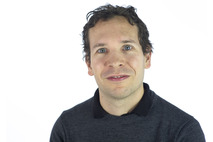
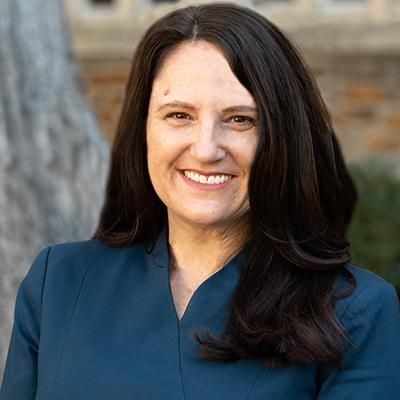
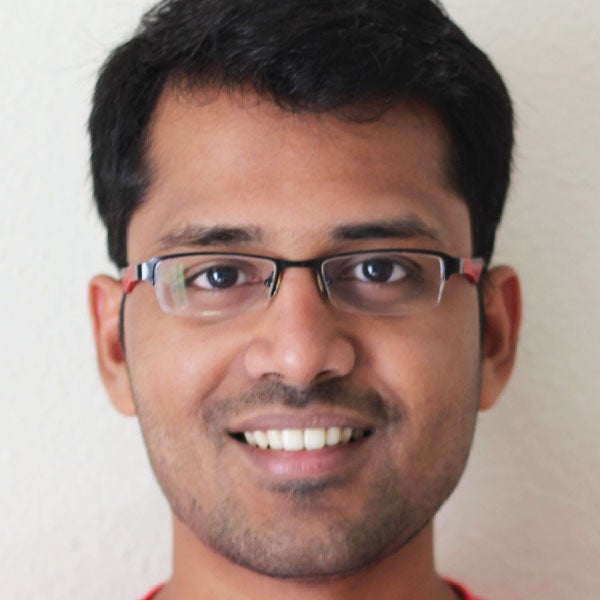
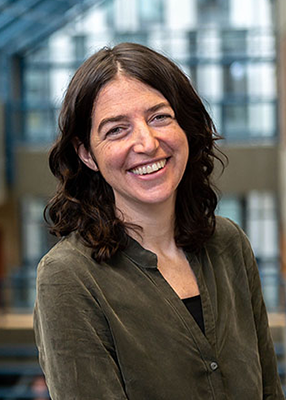
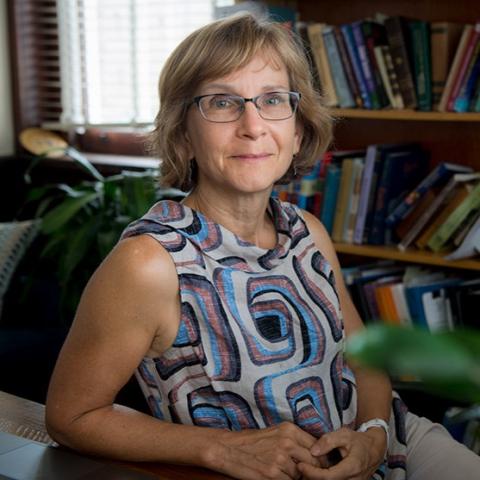
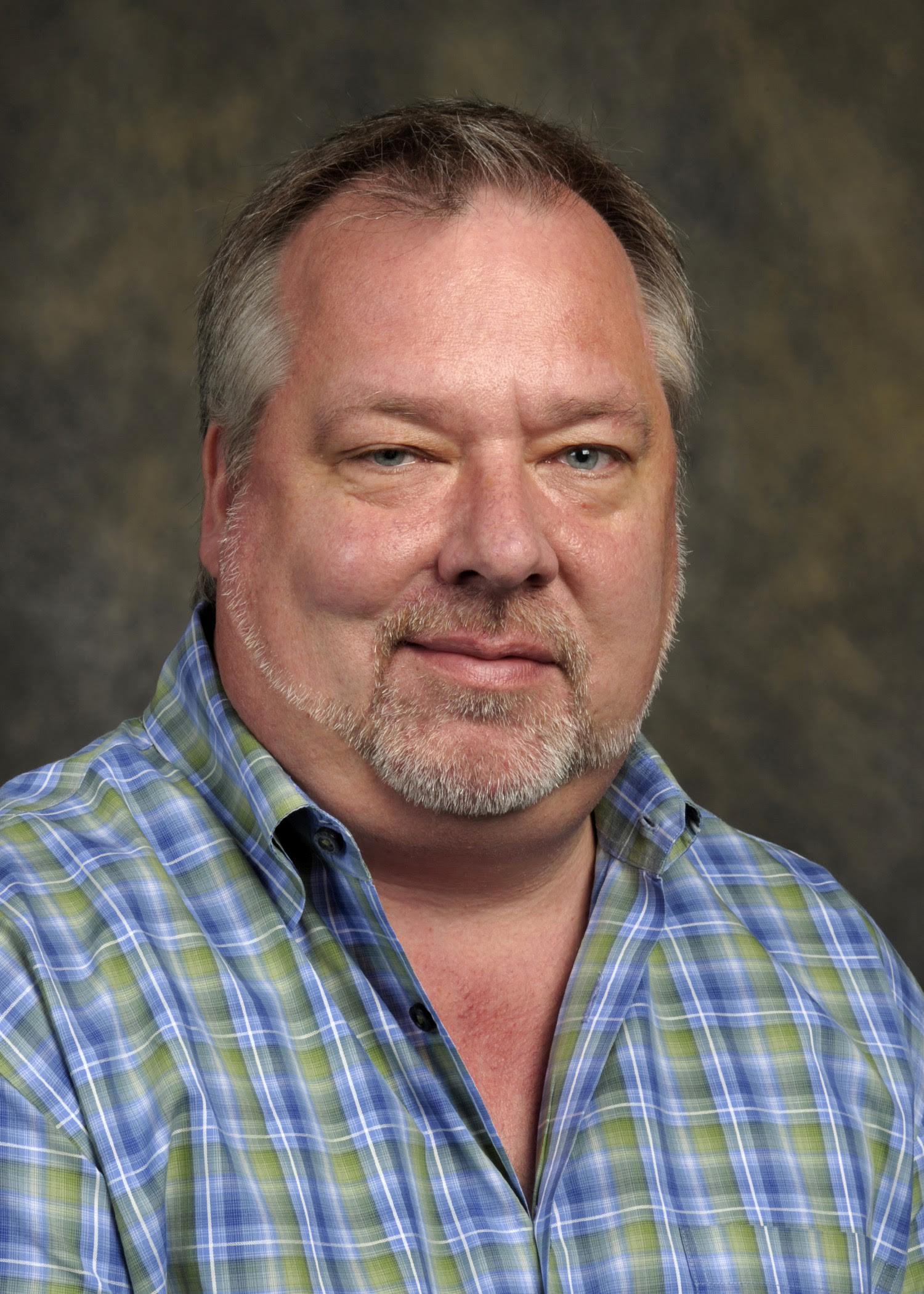
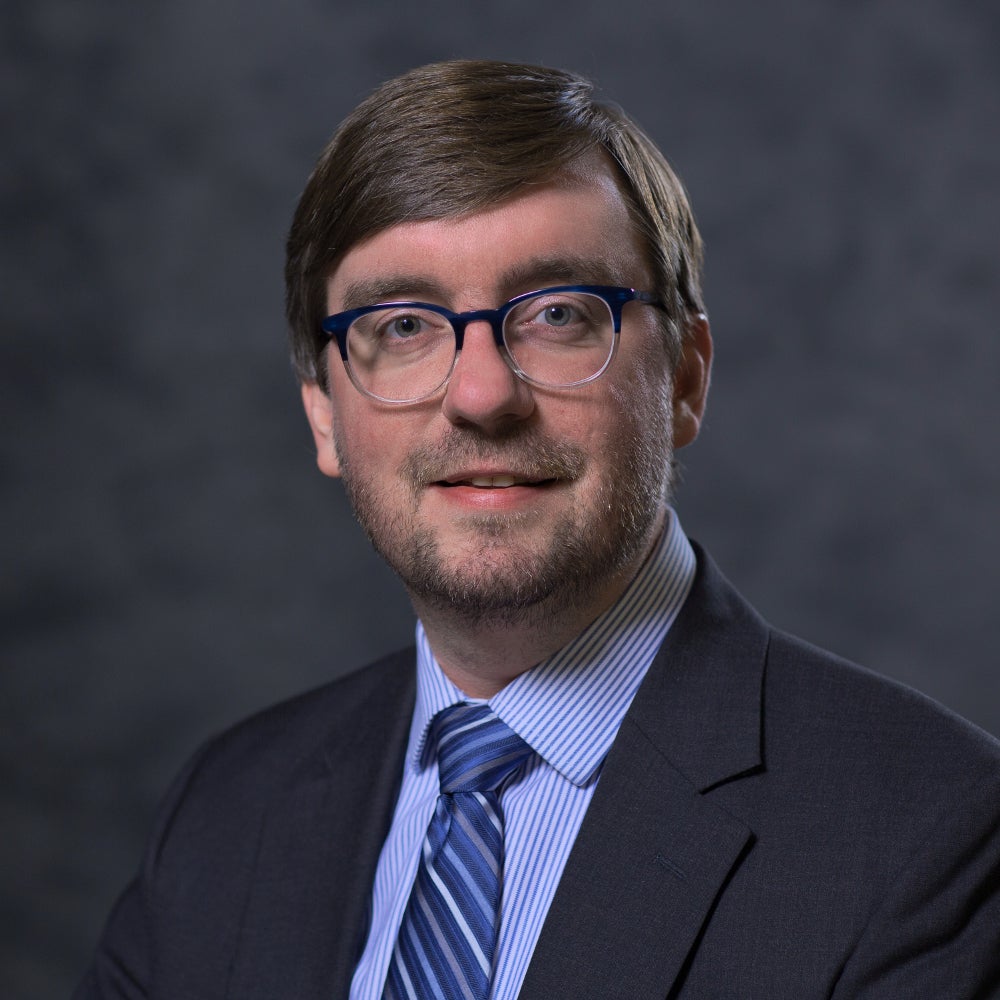
Dr. Daniel Keeser is a Research Fellow and Research Group Leader at the Department of Psychiatry and Psychotherapy of the University of Munich (LMU) and affiliated with the NeuroImaging Core Unit Munich (NICUM). His work focuses on clinical deep phenotyping and multimodal neuroimaging, integrating advanced MRI, EEG, and non-invasive brain stimulation methods to study severe mental and neurological disorders. Research Interests: Elucidating neurobiological mechanisms of schizophrenia, major depressive disorder, and Alzheimer's disease through multimodal neuroimaging and neuromodulation. His recent publications highlight methodologies like resting-state fMRI, diffusion tensor imaging, and transcranial magnetic stimulation combined with MRI, emphasizing personalized treatment strategies. Collaborative affiliations include the University Hospital of LMU Munich and the Clinical Deep Phenotyping (CDP) Working Group. Affiliations: NeuroImaging Core Unit Munich (NICUM) Department of Psychiatry and Psychotherapy, University of Munich (LMU)
Jerome Hastings is a Research Professor at the Photon Science Directorate , Stanford University, and a Principal Investigator at the Stanford PULSE Institute. He is affiliated with the SLAC National Accelerator Laboratory and holds the academic rank of Research Professor (A.R.). His research focuses on advanced X-ray scattering techniques, femtosecond laser interactions, and high-energy-density material physics. Currently on leave from June 15, 2025, to September 15, 2025, Hastings has taught courses such as Advanced Topics in X-ray Scattering (APPPHYS 322) and Principles of X-ray Scattering (APPPHYS 222, PHOTON 222). Teaching : 2025-26: Advanced Topics in X-ray Scattering (Spr), Principles of X-ray Scattering (Win), Directed Studies (Aut/Wi/Spr), Research (Aut/Wi/Spr) Prior courses (2024-25, 2023-24) include similar offerings. Research Interests : His work explores the intersection of photon science and material dynamics, utilizing free-electron lasers to probe ultrafast structural changes, phonon hardening, and electronic responses in materials under extreme conditions. Key areas include X-ray diffraction , time-resolved spectroscopy , and high-intensity X-ray interactions . Publications : Hastings has contributed to 47 publications, with recent studies (2024) on supercooled liquid hydrogen crystallization and phonon hardening in laser-excited gold. Earlier works (2019-2016) address X-ray split-delay systems, photodissociation dynamics, and anomalous Compton scattering. Scientific Contributions : Notable projects include the development of compact X-ray diagnostics and phase-contrast imaging instruments at LCLS, enabling nanoscale temporal and spatial resolution for high-energy-density experiments. Students : He has advised doctoral candidates Arijit Majumdar, Chance Ornelas-Skarin, Madison Singleton, and Catherine Weibel. Contact : Academic email jerome.hastings@stanford.edu
Elizabeth J. Marsh is a Professor of Psychology and Neuroscience at Duke University and a Faculty Network Member of the Duke Institute for Brain Sciences . Her work bridges cognitive psychology, neuroscience, and education, with a focus on memory accuracy, misinformation, and aging. Education: Ph.D., Stanford University (1999) B.A., Drew University (1994) Research Interests: Marsh investigates how memory can be both accurate and erroneous, exploring questions like why people misremember facts, how fiction influences memory, and how aging affects decision-making and belief formation. Her work intersects with social psychology , developmental psychology , and educational psychology . Scientific Awards: Langford Lecture Award (2010) Grants & Funding: Aging and Finding Information: Using Google vs. Relying on Other People (2015–2025) Effects of Aging on Episodic Memory-Dependent Decision Making (2018–2025) When are pictures worth a thousand words? Debunking misinformation with images (2022–2023) Advancing Artificial Intelligence for the Naval Domain (2018–2023) Leveraging Older Adults' Social Goals to Improve Memory and Strategy Use (2018–2020) Exploring the potential of essay testing for improving memory and learning (2013–2019) Courses Taught: PSY 990: Special Readings in Psychology PSY 765S: Psychology and Neuroscience Grant Writing PSY 755: Research Practicum PSY 724S: Survey of Current Topics in Psychology and Neuroscience II PSY 723S: Survey of Current Topics in Psychology and Neuroscience I PSY 102: Cognitive Psychology: Introduction and Survey NEUROSCI 755: Interdisciplinary Program in Cognitive Neuroscience (IPCN) Independent Research Rotation
Guo Ping is an Associate Professor of Mechanical Engineering at Northwestern University, leading the Advanced Intelligent Manufacturing Laboratory (AIM). His research focuses on precision manufacturing, intelligent metrology via deep learning, and advanced manufacturing applications. He holds a Ph.D. from Northwestern University and a B.S. in Automotive Engineering from Tsinghua University. Education: Ph.D. in Mechanical Engineering, Northwestern University, Evanston, IL B.S. in Automotive Engineering, Tsinghua University, Beijing, China Research Interests: Dr. Guo’s work emphasizes innovations in precision engineering, including ductile-regime machining, smart metrology systems, and robotics-driven manufacturing. Key areas include structural coloration, additive manufacturing, and human-robot collaboration in industrial settings. His lab explores cutting-edge techniques like ultrasonic vibration machining and machine learning for defect detection and process optimization. Publications Trends: Recent work spans AI-driven quality control (e.g., photometric stereo networks), robotic swarm patterning, and wearable fatigue monitoring systems. His research bridges machine learning, robotics, and traditional manufacturing to address scalability and precision challenges. Awards: F.W. Taylor Medal (CIRP, 2023) ASME Kornel F. Ehman Manufacturing Medal (2021) SME Outstanding Young Manufacturing Engineer Award (2020) Professional Service: Associate Editor of the Journal of Manufacturing Processes (2017–present). Active in organizing conferences and reviewing for top journals. Labs & Teams: Directs the AIM Lab, which integrates robotics, AI, and advanced materials to solve problems in precision fabrication and smart manufacturing. Current projects include structural coloration for anti-counterfeiting and fatigue prediction in industrial workers.
Brad Sutton is a Professor of Bioengineering at the University of Illinois Urbana-Champaign and Technical Director of the Biomedical Imaging Center at Beckman Institute. He holds affiliate roles in the Neuroscience Program, Department of Electrical and Computer Engineering, and is a Health Innovation Professor at the Carle Illinois College of Medicine. His roles also include fellowship positions with the National Center for Supercomputing Applications and the CZ Biohub Chicago. Education: Ph.D. in Biomedical Engineering from the University of Michigan (2003). Research Interests: Focus on advanced MRI techniques for structural and functional brain imaging, including diffusion-weighted imaging, dynamic imaging, and neuromuscular coupling studies. His work emphasizes multi-scale bioimaging to understand brain function across interventions, aging, and disease. Publications: Over 180 peer-reviewed articles in 2025-2024 highlight innovations in MRI technology and applications in neuroscience, including breakthroughs in laminar fMRI specificity, myelin development modeling, and Alzheimer’s biomarker studies. Recent work extends to clinical applications like aortic imaging automation and mixed reality training tools. Awards: AIMBE and ISMRM Fellowships (2017/2024), Abel Bliss Scholar (2014-), and over 9 patents in imaging techniques. Labs & Teams: Leads the Magnetic Resonance Functional Imaging Lab. Collaborates with interdisciplinary teams across engineering, medicine, and computational science to advance imaging technologies and their clinical translation.
Laura Blecha is an Associate Professor in the Physics Department at the University of Florida, specializing in astrophysics. Her research focuses on supermassive black hole (SMBH) and galaxy evolution through numerical simulations and observational collaborations. PhD from Harvard University (2012) Full Member of NANOGrav pulsar timing collaboration Associate Member of the LISA Consortium Her work spans three primary areas: SMBH Formation & Evolution : Origins of SMBHs, galaxy merger-driven growth, and intermediate-mass black hole demographics AGN Fueling & Feedback : Hydrodynamic simulations of AGN activation mechanisms and observational bias in AGN detection Binary SMBH Dynamics : Gravitational wave recoil effects, three-body interactions, and pulsar timing array detection strategies Recent publications (2025) focus on dual AGN detection with Keck AO, JWST studies of primordial galaxies, and NANOGrav gravitational wave background analysis. Her group develops sub-grid models for SMBH dynamics in cosmological simulations and investigates signatures of black hole mergers in galaxy clusters. Laura's research combines computational methods (Illustris, BRAHMA simulations) with observational validation through: JWST NIRSpec spectroscopy Pulsar Timing Array analysis Multiwavelength imaging campaigns
Vivek Boominathan is an Assistant Research Professor in the Department of Electrical and Computer Engineering at Rice University. He is affiliated with the GLEE lab (Geometry, Light, & Imaging lab). His research focuses on computational imaging, combining computer vision, machine learning, applied optics, and nanofabrication to develop innovative imaging systems for applications such as robotics, medical sensing, and virtual/augmented reality. He has contributed to projects like PhlatCam (a lensless camera) and NeuWS (neural wavefront shaping). His work bridges optics, algorithms, and materials science to overcome traditional limitations in imaging systems. Boominathan's research interests include lensless imaging, optical meta-devices, turbulence mitigation, and bio-inspired imaging systems. He has developed systems like Foveated thermal imaging prototypes and real-time lensless microscopes. His lab emphasizes interdisciplinary approaches, integrating hardware design with machine learning. Key projects include: NeuWS: Neural wavefront shaping for imaging through scattering media CoIR: Compressive implicit radar for sensing applications FlatCam and PhlatCam: Ultra-thin lensless imaging devices Bioluminescence imaging in marine species His work has been published in top venues like Science Advances, Optica, and IEEE TPAMI. He collaborates with institutions like NASA JPL and industry partners on applied imaging solutions. Current research trends emphasize sensor-algorithm co-design and high-speed imaging systems for AR/VR applications. Boominathan holds a PhD in Electrical Engineering and has extensive postdoctoral experience in computational imaging. He advises projects in the GLEE lab and mentors students in hardware-software co-design for imaging systems. His lab focuses on translating theoretical innovations into practical devices with commercial potential.
Dr. Lauren Emberson (she/her/hers) is an Associate Professor in the Department of Psychology at the University of British Columbia, Faculty of Arts. She directs the Baby Learning Lab, which is part of UBC's Early Development Research Group, a consortium focused on infant and child development. Prior to her position at UBC, Dr. Emberson was an Assistant Professor at Princeton University where she co-founded and co-directed the Princeton Baby and Princeton Kid Labs. Education: Postdoctoral Associate, University of Rochester (PI Aslin) Ph.D, Cornell University (PIs Amso, Goldstein, Spivey) B.Sc, University of British Columbia Dr. Emberson's research focuses on learning, perception (audition, vision, crossmodal or multisensory), language development, face/object perception, and attention in infants. She investigates these capacities using behavioral and neuroimaging techniques, particularly fNIRS (functional near infrared spectroscopy), working primarily with very young infants (birth through 1 year) and preterm/premature infants. Her work examines how infants' learning capacities contribute to rapid development of perception in ecological contexts, with implications for understanding how early life experiences affect later outcomes. Analysis of Dr. Emberson's recent publications reveals a consistent focus on infant perception, learning mechanisms, and neuroimaging methodology. Her work increasingly incorporates advanced fNIRS techniques while maintaining focus on fundamental questions about how infants learn from their environment. There's a growing emphasis on individual differences, cross-cultural comparisons, and applications to infants facing developmental challenges. Dr. Emberson serves on the editorial board of Infancy (journal of the International Congress of Infancy Studies) and is a consulting editor for the Journal of Cognitive Neuroscience . Her research has been published in top journals including PNAS, Current Biology, Psychological Science, Cognition, Developmental Science, and the Journal of Neuroscience. Dr. Emberson has secured significant research funding from prestigious organizations including the Bill and Melinda Gates Foundation, James S. McDonnell Foundation, Natural Sciences and Engineering Research Council (NSERC), Canadian Institutes of Health Research (CIHR), and the National Institutes of Health (NIH). She collaborates with clinicians at BC Women's and Children's Hospitals to understand how different early life experiences impact learning and brain development. Dr. Emberson is currently accepting graduate students into her research program. The Baby Learning Lab, under Dr. Emberson's direction, is part of UBC's Early Developmental Research Group and collaborates with multiple institutions. The lab strives to provide interactive research experiences for infants and families while advancing scientific understanding of early cognitive development. The lab acknowledges that it operates on the traditional, ancestral, and unceded territory of the xʷməθkʷəy̓əm (Musqueam) people.
Yolanda Vidal Segui is an Associate Professor in the Department of Mathematics at the Universitat Politècnica de Catalunya (UPC), affiliated with the Escola d'Enginyeria de Barcelona Est (EEBE). Her research focuses on wind energy systems, predictive maintenance, and structural health monitoring of wind turbines. She leads projects in the CoDAlab and WinTurCoM research groups, specializing in data-driven models, condition monitoring, and failure prognosis. Her work integrates machine learning, mathematical modeling, and sensor technology to enhance turbine reliability and energy efficiency. Dr. Vidal holds a PhD in Applied Mathematics and has authored over 350 publications. Her contributions include advancements in SCADA data analysis, vibration-based diagnostics, and AI-driven condition monitoring systems. She has received several accolades, including the WindEurope Technology Workshop recognition and the IFIT Distinction in Mechanism and Machine Science. Her research bridges academia and industry, addressing challenges in offshore wind turbine integrity and maintenance strategies. Active in professional service, she serves on conference committees and editorial boards (e.g., Mechanical Systems and Signal Processing, Wind Energy). Her work emphasizes sustainable energy solutions and has been applied in real-world scenarios like the Alpha Ventus wind farm. She also contributes to educational initiatives, developing innovative teaching materials for engineering students.
Cynthia Ebinger is a Professor in the Department of Earth and Environmental Sciences at Tulane University, affiliated with the School of Science & Engineering. She holds the Marshall-Heape Chair and previously served at the University of Rochester and as an Adjunct Professor at Royal Holloway, University of London. Her research focuses on geophysics, rift systems, seismic monitoring, volcanoes, and plate tectonics in West Africa and East Africa, particularly the Turkana Depression and East African Rift. She has conducted fieldwork in Ecuador, Peru, Kenya, Uganda, Ethiopia, and Australia. Education : Ph.D., MIT/WHOI, Joint Program in Oceanography, Marine Geology & Geophysics (1988) M.A., MIT, Geophysics (1986) B.S., Duke University, Geology (1982) Research Interests : Dr. Ebinger investigates continental rifting mechanisms, magmatic processes, seismic anisotropy, and volcanic systems. Her work integrates geophysical methods (e.g., InSAR, receiver functions) to study deformation in regions like the East African Rift and Gulf of Mexico passive margin. She emphasizes understanding crustal dynamics, lithosphere modification, and the interplay between tectonics and surface processes. Publications : Her recent work addresses rift linkage mechanics, crustal anisotropy variations, and volcanic deformation (e.g., Nyiragongo eruption). Key themes include seismic imaging of rift zones, subsidence patterns in coastal Louisiana, and mantle lithosphere interactions. Awards : American Geophysical Union Distinguished Lecturer (2023-2024) NASEM Jefferson Science Fellow (2022-2023) Woollard Award (2021) Tulane Honors Professor of the Year (2021) Grants & Collaborations : Leads projects funded by NSF and international collaborations, focusing on Turkana Depression geodynamics, Gulf of Mexico subsidence, and volcanic monitoring in East Africa. Active in education initiatives to strengthen quantitative geophysics training. Labs/Teams : Core member of the Tulane Earth Sciences group and collaborates with global networks (e.g., Project TRAILS in East Africa). Engages in field-based research and satellite geodesy applications.
Axel Schülzgen is a Professor of Optics at CREOL, The College of Optics and Photonics, University of Central Florida. He also holds an Adjunct Research Professor position at the University of Arizona's College of Optical Sciences. His research focuses on fiber fabrication, nano-structured fibers, nonlinear materials, and applications in fiber lasers, sensing, and communications. He earned a PhD in Physics from Humboldt-University of Berlin, Germany. His expertise spans optical fiber devices, components, and structures, with a strong emphasis on advancing high-power laser delivery and sensing technologies. Research Interests: - Development of hollow-core fibers for low-loss light transmission - Anti-resonant fiber designs for multi-mode guidance - Nonlinear optical materials for fiber lasers - Applications in fiber optic sensing and medical imaging - Disordered media imaging using optical fibers Awards & Honors: OSA Fellow (Optical Society of America) SPIE Fellow (International Society for Optics and Photonics) 2021 Excellence in Graduate Teaching Award 2015 CREOL Excellence in Research Award Advising & Labs: - Current advisees: Ameen Alhalemi, Caleb Dobias, Md Abu Sufian - Notable alumni: Xiaowen Hu (2022), Stefan Gausmann (2021), and Jian Zhao (2019) - Research Group: Focuses on fiber fabrication technology, nanotechnology in fibers, and photonics applications
Scott Forth is an Associate Professor in the Department of Biological Sciences at Rensselaer Polytechnic Institute's School of Science. He specializes in biophysics, focusing on microtubule networks in cell division and neuronal development. Ph.D. in Physics from Cornell University (2009) B.S. in Physics and B.M. in Music Performance from Oberlin College (2002) Postdoctoral Fellow at Rockefeller University (2010-2016) His research combines optical trapping and fluorescence microscopy to study how forces are transmitted across biopolymer networks. Key areas include: Mechanics of mitotic microtubule networks PRC1-mediated force resistance in cell division Kinesin motor protein dynamics Single-molecule biophysical methods Neuronal cytoskeleton organization Recent work analyzes force generation in reconstituted microtubule bundles and mechanical roles of proteins like PRC1 and kinesin-5. Scientific Awards Ruth Kirschstein National Research Service Award (NIH postdoctoral F32) Rensselaer School of Science Outstanding Teacher Award Rensselaer School of Science Early Career Research Award Biophysical Society Early Career Award (Motility and Cytoskeleton Subgroup) Dr. Forth's lab studies how nanometer-scale proteins coordinate to create micron-scale cellular mechanics. Current projects focus on microtubule network organization during cell division and neuronal development.
Ion Androutsopoulos is a Professor of Artificial Intelligence in the Department of Informatics at Athens University of Economics and Business (AUEB), where he also serves as Head of Department. He is founder and co-director of AUEB's Natural Language Processing Group and an Adjunct Researcher at the Digital Curation Unit and "Archimedes" Research Unit of the Research Centre "Athena". His research spans multiple dimensions of Artificial Intelligence with a focus on Natural Language Processing. Key interests include: Machine learning in NLP, particularly deep learning and large language models Question answering and retrieval augmented generation for document collections Dialog systems for new languages and knowledge domains Sentiment analysis and emotion recognition from text and speech Detecting toxic posts and disinformation online Image-to-text generation for medical diagnostics NLP applications in biomedical, legal, and financial domains His recent publications demonstrate strong activity across medical AI (particularly ImageCLEFmed Caption competitions where his group consistently ranks 1st-2nd), legal NLP (LexGLUE benchmark), financial NLP (EDGAR-CRAWLER), and multilingual challenges. His work shows increasing emphasis on large language models, explainability, and practical applications. Notable awards include: Top 2% scientist worldwide (Stanford University database, 2023) Multiple AUEB Excellent Teaching Awards (2017-18, 2021-22, 2023-24) Three consecutive BioASQ awards (2018-2020) Multiple 1st/2nd place rankings in ImageCLEFmed Caption competitions (2021-2025) He actively organizes major events including the Athens Natural Language Processing Summer School (AthNLP) and SemEval tasks. His group maintains strong industry and research collaborations, particularly in medical AI applications where they've developed systems that generate diagnostic captions from medical images with state-of-the-art performance.
Huazhen Fang is an Associate Professor in the Department of Mechanical Engineering at the University of Kansas School of Engineering, where he joined in 2014. He leads the Information & Smart Systems Laboratory (ISSL) and holds a courtesy appointment in the Department of Electrical Engineering & Computer Science. His research focuses on enabling intelligence for complex systems through information-driven approaches. Dr. Fang received his Ph.D. in Mechanical Engineering from the University of California, San Diego in 2014, following an M.Sc. from the University of Saskatchewan and a B.Sc. in Computer Science & Technology from Northwestern Polytechnic University in China. He was a Visiting Faculty Fellow at Mitsubishi Electric Research Laboratories in 2022. His research interests span Systems and Control, Advanced Battery Management, Energy Storage Systems, and Robotics, with particular focus on system modeling, estimation, control design, machine learning and numerical optimization. Dr. Fang's work has significant applications in energy management, cooperative robotics, and environmental observing systems. His research has been supported by the National Science Foundation, Department of Energy, Army Research Laboratory, and Mitsubishi Electric Research Laboratories. His extensive publication record shows a clear trend toward increasingly sophisticated integration of physics-based modeling with machine learning approaches, particularly in battery management systems and autonomous vehicle control. Recent work demonstrates a growing emphasis on Bayesian inference methods, distributed control architectures, and safety-critical applications of intelligent control systems. Faculty Early Career Award from National Science Foundation (2019) University Scholarly Achievement Award (2024) Miller Professional Development Award (2022) Miller Faculty Scholar Award (2018, 2019, 2023) Wesley G. Cramer Outstanding Mechanical Engineering Faculty Award (2016) Big XII Faculty Fellowship (2015) IEEE Transactions on Transportation Electrification Prize Paper Award (2024) Dr. Fang has successfully mentored numerous graduate students through the Information & Smart Systems Laboratory, with many receiving awards for their research. His research has attracted significant funding from prestigious organizations including the National Science Foundation, Department of Energy, Army Research Laboratory, and Mitsubishi Electric Research Laboratories. He currently serves as an Associate Editor for multiple prestigious journals including Information Sciences, IEEE Transactions on Industrial Electronics, and IEEE Control Systems Letters. The Information & Smart Systems Laboratory (ISSL) under Dr. Fang's leadership has established itself as a center for cutting-edge research in information-driven smart systems. The lab focuses on pushing the frontiers of information extraction, analysis and exploitation for dynamic systems to deal with system complexity and enable system intelligence. The lab actively collaborates with industry partners and local communities, emphasizing research that serves societal needs.
Kalaichelvi Saravanamuttu is an Associate Dean in the Faculty of Science and a Professor in the Department of Chemistry and Chemical Biology at McMaster University. Her research focuses on optochemical self-organization in soft materials, nonlinear optics, and photonics, with applications in light capture, waveguide architectures, and all-optical computing. She holds a PhD in Chemistry from McGill University (2001) and conducted postdoctoral research at the University of Oxford (2001-2003). Her work combines polymer chemistry, photochemistry, and optical physics to develop functional materials like photoresponsive hydrogels and waveguide-encoded lattices. Key research themes include light-induced structural changes in soft matter, dynamic optical systems, and bio-inspired optical devices. Teaching includes courses on equity in science (SCIENCE 2AR3/4AR6) and advanced materials (CHEM 4W03). She has received funding from NSERC, the Canadian Foundation for Innovation, and the US Army Research Office. Her research group collaborates widely, with recent studies exploring electroactive hydrogels and switchable self-trapped light beams.