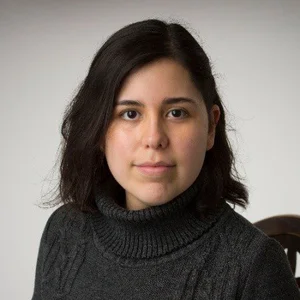
Marjorie Ladd Parada is a Postdoctoral Researcher at the Division of Glycoscience, KTH Royal Institute of Technology in Stockholm, Sweden. She is affiliated with the LINXS community as a Fellow and member of the Food Working Group 1 (Structure of food raw materials). Her research focuses on elucidating the structural properties of wheat bran through advanced analytical methods such as X-ray and neutron scattering and imaging. This work bridges food science and materials characterization techniques.
Jessica Kramer is an Associate Professor at the University of Utah in Biomedical Engineering, with adjunct appointments in Molecular Pharmaceutics and Chemistry. She earned her B.S. at the University of Utah and Ph.D. at UCLA, focusing on polymer chemistry and glycobiology. Education: B.S. University of Utah, Ph.D. UCLA Academic Appointments: Biomedical Engineering (primary), Molecular Pharmaceutics (adjunct), Chemistry (adjunct) Her research spans three major areas: synthetic mucin development for biomedical applications, glycocalyx engineering in cancer and infection, and antifreeze protein mimetics for cryopreservation. Utilizing precision glycoprotein synthesis methods, her lab investigates how mucin glycostructures regulate biomaterial functions and cellular interactions. Recent publications highlight innovations in glycan-dependent mucin analogs, economical antifreeze polypeptides, and supramolecular protein stabilization systems. Her work has significant implications for drug delivery, infectious disease prevention, and biologics preservation. Scientific Recognition NSF CAREER Award (2019) for synthetic mucus gels research 2024 member of Biomacromolecules Early Career Board Kramer's research explores the intersection of polymer chemistry and biological systems, with applications in cancer diagnostics, pathogen inhibition, and cryopreservation technologies.
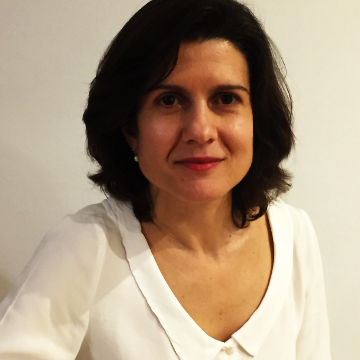
Paula Videira serves as Associate Professor at NOVA University Lisbon's Faculty of Science and Technology (FCT-NOVA) and leads the Glycoimmunology Group at the UCIBIO research unit. With expertise spanning Glycobiology, Immunology, and Oncology, she directs a highly productive research program focused on understanding glycan expression mechanisms and their impact on human disease. Her research centers on three interconnected themes: 1) mechanisms behind aberrant sialylated short O-glycans in cancers and their implications for tumor immunity; 2) the role of sialylated glycans in immunomodulatory molecule expression; and 3) how Congenital Defects of Glycosylation (CDG) affect immune responses and infection susceptibility. Dr. Videira employs cutting-edge methodologies including in vitro and in vivo assays, omics technologies , bioinformatics tools , and patient-centric approaches to translate discoveries into clinical applications. Analysis of her recent publications reveals a consistent focus on glycan-cancer interactions , particularly examining sialyl-Tn and related structures as biomarkers and therapeutic targets. Her work spans bladder cancer, breast cancer, and CDG research, with increasing emphasis on clinical translation through monoclonal antibody development and diagnostic tools. 101 peer-reviewed publications in top journals (BBA, Molecular Oncology) 4 patents as principal investigator 11 invited reviews including highly cited CDG therapy review Nearly 4.5 million EUR secured in research funding Additional 1.4 million EUR for technology spin-off Dr. Videira actively mentors PhD and Master's students while leading international collaborations. She co-founded CDG&Allies-PPAIN , a patient-centric network with nearly 100 professionals worldwide, and CellmAbs (2019), a biopharmaceutical company developing immuno-oncology agents that was recognized among the top 30 biotech startups by Biotecnika. Her leadership extends to editorial boards (Scientific Reports), international advisory roles (Slovak Academy of Sciences), and organization of international glycoscience courses and workshops.
Yoshiki Narimatsu serves as Associate Professor in the Department of Cellular and Molecular Medicine at the University of Copenhagen's Faculty of Health and Medical Sciences. He is an integral member of the Copenhagen Center for Glycomics (CCG) and Clausen Group, where he contributes to groundbreaking research in glycosciences. His research focuses on transforming glycomics from a specialist field into a mainstream 'Omics' discipline through genetic approaches. Key programs include GlycoDisplay, GlycoCRISPR, GlycoDesign, and GlycoView, which develop innovative tools for glycan analysis. His work bridges molecular biology, glycobiology, and genetic engineering to overcome technical barriers in glycoscience. Analysis of his recent publications reveals a strong emphasis on glycan-virus interactions, mucin biology, and CRISPR-based glycomics. His research demonstrates how specific glycan structures (particularly sialylated N-glycans and O-glycans) regulate viral receptor binding, bacterial toxin interactions, and host-pathogen relationships. The work consistently applies genetic editing techniques to uncover fundamental glycosylation mechanisms. Narimatsu maintains active collaborations with international researchers and contributes to significant advancements in understanding how glycosylation defects cause disease. His laboratory develops community resources that make glycoscience more accessible to non-specialists, aiming to establish glycomics with the same analytical ease as genomics and proteomics.
Kelvin Anggara serves as an ERC Group Leader at the Max Planck Institute for Solid State Research in Stuttgart, Germany, leading independent research in Nanoscience with faculty-equivalent responsibilities equivalent to Assistant Professor rank. His academic background includes: PhD in Chemistry from University of Toronto (2013-2018) under Prof. John C. Polanyi Dr. Anggara's research pioneers single-molecule analysis of glycans and glycoconjugates using electrospray ion beam deposition combined with scanning probe microscopy (ESIBD+SPM). His ERC-funded GlycoX project deciphers the 'sugar code' by imaging molecular structures one-at-a-time, overcoming limitations of ensemble-averaged techniques. This work bridges glycoscience, nanotechnology, and analytical chemistry with direct implications for cancer diagnostics and vaccine development. His scientific recognition includes: ERC Starting Grant for GlycoX project Alexander von Humboldt Postdoctoral Fellowship As principal investigator, he secures major research funding and mentors early-career scientists through hands-on training in advanced microscopy and computational modeling. His group maintains active collaborations with leading institutions across Europe including University of Oxford and Max Planck Institute of Colloids and Interfaces. The laboratory operates state-of-the-art facilities including low-temperature STM (11 K) and computational resources for DFT modeling (ORCA, VASP, OpenMX), focusing on electronic structures, primary sequencing, and secondary folding of biomolecules.
Jennifer Kohler is an Associate Professor in the Department of Biochemistry at UT Southwestern Medical Center, leading the Kohler Lab. Her research focuses on developing chemical biology tools to study glycosylation's roles in biological systems, including glycans' interactions with pathogens like cholera toxin and their impact on cellular processes. She completed her Ph.D. at Yale University and postdoctoral training at UC Berkeley. Key research areas include O-GlcNAc modifications, sialic acid pathways, and the structural biology of glycoconjugates. Her lab has pioneered photocrosslinking sugar analogs to study transient glycan-mediated interactions, advancing understanding of cholera toxin mechanisms and nuclear transport. Collaborations span glycobiology, infectious disease, and metabolic disorders. Her work bridges biochemistry and clinical applications, with a focus on glycoscience's underappreciated potential in medicine and biotechnology. Current projects address glycosylation's role in intestinal epithelial biology and glycobiology tools' application to cancer and metabolic disorders. Publications highlight discoveries in cholera toxin receptor dynamics, O-GlcNAc signaling, and glycan engineering. The lab is part of the Simmons Cancer Center, integrating glycoscience with oncology research.
Robert J. Doerksen is the Associate Dean of the Graduate School and a Professor of Medicinal Chemistry at the University of Mississippi's School of Pharmacy. He holds a dual role as a Research Professor in the Research Institute of Pharmaceutical Sciences. His research focuses on computational medicinal chemistry, glycoscience, cannabinoids, and natural products discovery. He earned a Double First Class Honours BSc in Mathematics and Physics from the University of New Brunswick (1986) and a PhD in Chemistry from the same institution (1998). His postdoctoral training included studies at UC Berkeley and the University of Pennsylvania. Doerksen's research emphasizes computational methods to study protein-ligand interactions, glycobiology, and drug design for diseases like Alzheimer’s, malaria, and cancer. He leads the Computational Chemistry and Bioinformatics Research Center (CCBRC) within the NIH-funded GlyCORE Center of Research Excellence (GM130460). His work integrates molecular modeling, QSAR analysis, and collaborative natural product chemistry to develop novel therapeutic agents. Key research areas include: 1) Glycoscience: glycan-protein interactions and glycoprotein bioinformatics; 2) Cannabinoid receptor modulation for neuroinflammation and pain management; 3) Antimalarial and antituberculosis drug discovery; 4) Delivery systems using cyclodextrins and responsive nanoparticles. His lab has pioneered computational tools for drug discovery, including docking algorithms and QSAR modeling. Doerksen has secured over $10 million in NIH funding, including multi-PI leadership roles in GlyCORE and NSF REU programs. He advises students in computational chemistry and medicinal chemistry, contributing to over 200 peer-reviewed publications. His lab collaborates extensively with chemists, biologists, and clinicians to translate computational insights into experimental drug candidates.
Brian Cliff serves as a Senior Lecturer in the Department of Chemistry within the Faculty of Science at the University of British Columbia, where he contributes to undergraduate and graduate teaching programs with a focus on organic chemistry instruction. His research expertise centers on carbohydrate chemistry, specializing in nucleoside analog synthesis and branched-chain sugar derivatives. This work bridges synthetic organic chemistry with medicinal applications, particularly in antifungal agent development. His methodological approach emphasizes stereoselective transformations and protecting group strategies in furanose systems, reflecting deep technical proficiency in glycoscience. Analysis of his publications from 1975-1980 reveals a cohesive research trajectory focused on structurally modified carbohydrates for biological relevance. The work consistently applies organic synthesis techniques to develop novel glycosyl compounds, with particular emphasis on nucleoside-like structures and amino acid-sugar conjugates for potential therapeutic applications. No scientific awards were documented in the available materials. Information regarding graduate student supervision, research grants, or external funding sources was not specified in the provided documentation. No details about laboratory facilities, research teams, or collaborative networks were included in the source text.
Gerardo R. Vasta, PhD is a Professor in the Department of Microbiology and Immunology at the University of Maryland School of Medicine and the Institute of Marine and Environmental Technology. With a distinguished academic career spanning over four decades, Dr. Vasta has established himself as a leading research scientist in glycosciences, particularly in the field of protein-carbohydrate interactions in innate immunity, development, and cancer. Dr. Vasta's research program has been continuously supported by major funding agencies including the National Science Foundation, National Institutes of Health, and National Oceanic and Atmospheric Administration. His work has revealed key insights into the structural and functional relationships of carbohydrate binding proteins across diverse model systems including zebrafish, C. elegans, eastern oyster, and mice. Early in his career, he focused on C-type lectins in innate immune recognition in non-mammalian models, which later evolved into extensive studies on galectins in development, immune regulation, and pathogen recognition. His laboratory has made significant contributions to understanding galectin roles in skeletal muscle development, eye lens development, retinal regeneration, prostate cancer diagnostics, and host-pathogen interactions. Notably, his research demonstrated that galectins can recognize pathogenic viruses such as influenza A and facilitate viral infection while promoting subsequent pneumococcal pneumonia. His work spans fundamental structural and biophysical aspects of protein-carbohydrate interactions to translational applications including the development of natural and synthetic inhibitors for lectin binding. Dr. Vasta's scientific contributions are reflected in numerous high-impact publications, including a seminal 2009 review in Nature Reviews Microbiology titled 'Roles of galectins in infection.' His research shows a consistent evolution from basic characterization of lectins in invertebrate systems to sophisticated molecular understanding of galectin functions across species, with implications for human health and disease. J. William Fulbright Scholar International Award (2007) National Award 'Raíces' from Argentina's Department of Science, Technology, and Innovation (2016) Faculty Award from University of Maryland Biotechnology Institute (2006) Board of Scientific Counselors Review at National Institute of Dental and Craniofacial Research (2011) Editorial Board Member for Glycobiology, Journal of Marine Biology, and Invertebrate Immunity Throughout his career, Dr. Vasta has been deeply committed to education and training, mentoring numerous PhD and MSc students while regularly hosting high school and undergraduate summer interns in his laboratory. His research has involved extensive collaborations across disciplines, demonstrating his ability to bridge fundamental glycobiology with practical applications in immunology, infectious disease, and cancer research.
Dr. Jan Muschiol is a Researcher at the GEOMAR Helmholtz Centre for Ocean Research Kiel within the Marine Ecology Department, where he has held a tenured Staff Scientist position since August 2023. His academic journey includes significant roles at the Technical University of Denmark as a Postdoctoral Researcher (2016-2019) and Researcher (2020), preceded by doctoral studies in Biochemistry at the University of Greifswald. Since 2022, he has managed genetic engineering laboratories and currently serves as GEOMAR's Biological Safety Delegate. Research Focus: Dr. Muschiol specializes in marine enzymology and biochemical processes, with core interests spanning enzyme discovery, protein engineering, and carbohydrate-active enzymes (CAZymes). His work integrates metagenomic and metatranscriptomic approaches to study marine microbial communities, focusing on organic matter degradation pathways and enzyme applications in biotechnology. Key research themes include transglycosylation mechanisms, fucoidanase engineering, and sustainable biomass conversion. Publication Analysis: His recent articles (2018-2024) demonstrate a strong emphasis on enzyme characterization and engineering, particularly glycoside hydrolases for oligosaccharide synthesis. Recurring themes include protein engineering strategies for enhanced transglycosylation, structural analysis of marine-derived enzymes, and chemo-enzymatic approaches for human milk oligosaccharide production. His collaborative work frequently addresses enzymatic solutions for biomass deconstruction and green chemistry applications. Professional Roles: As Biological Safety Officer since 2023, he oversees genetic engineering compliance at GEOMAR. His laboratory leadership includes managing OEB Research Unit facilities and coordinating safety protocols for marine biotechnology research.
Dr. Larissa Dirr is an NHMRC Early Career Fellow and Early Career Research Leader at Griffith University's Institute for Biomedicine and Glycomics. Her research focuses on glycovirology and structural biology, particularly viral and bacterial glycoproteins' roles in host-pathogen interactions. She holds a PhD from Griffith University (2016) and prior degrees in Pharmacy from Saarland University (Germany) and UC San Diego (USA). Her work combines glycobiology, molecular biology, and virology to design antiviral inhibitors. Notable contributions include co-inventor patents for anti-parainfluenza drugs and a pre-clinical licensing deal with Grand Medical Pty Ltd. She has secured funding from NHMRC, ARC, Queensland Government, and the Cumming Global Centre for Pandemic Therapeutics. Research Trends: Recent articles emphasize viral glycome remodeling, bacterial enzyme function, and drug repurposing for human metapneumovirus. Awards: 2019 NHMRC Peter Doherty Fellowship; 2025 Australian Glycoscience Society ECR Award. Grants include leadership on an NHMRC project studying viral glycosylation hijacking and an ARC-funded study on erythropoiesis protein glycosylation. She serves as an editorial board member for Antiviral Research and is an executive member of the Queensland Protein Group.
Jason William Labonte serves as an Assistant Professor in the Chemistry Department within the School of Arts, Sciences & Business at Notre Dame of Maryland University (NDMU). His research integrates computational and experimental approaches to advance understanding of carbohydrate biochemistry and enzyme mechanisms. Dr. Labonte's educational background includes: B.S. in Biochemistry from Grove City College, Grove City, PA Ph.D. in Chemistry from Johns Hopkins University, Baltimore, MD His research program focuses on bioorganic chemistry and biomolecular modeling , with specialization in carbohydrate structures and post-translational modifications . Key initiatives include developing computational tools within the Rosetta suite for glycan modeling, creating glycoengineering algorithms, and studying megasynthase enzyme mechanisms. His work bridges computational prediction with biochemical validation to address challenges in glycoscience. Analysis of his 11 publications (2013-2021) reveals dominant themes in computational carbohydrate modeling, particularly protein-glycan interactions (45% of works), glycoengineering applications (30%), and educational tool development for biomolecular design (15%). His research consistently leverages the Rosetta software platform while expanding into glycosyltransferase specificity and antibiotic resistance mechanisms. Dr. Labonte actively contributes to the scientific community through membership on the Rosetta Commons Executive Board and the D2D CURE Network, demonstrating commitment to collaborative computational biology initiatives and undergraduate research education. His professional activities include developing course-based undergraduate research experiences (CUREs) in computational biochemistry and mentoring students through projects involving glycan docking algorithms and enzyme engineering. Current research directions focus on expanding glycoengineering capabilities within the Rosetta framework and exploring applications in metabolic disease modeling. Dr. Labonte leads a research group focused on computational glycochemistry at NDMU, collaborating with the Rosetta Commons consortium on macromolecular modeling standards. His team specializes in developing open-source tools for carbohydrate structure prediction and design, with particular emphasis on making these resources accessible to undergraduate researchers.
Arnaud Haudrechy is a Professor at the University of Reims Champagne-Ardenne, affiliated with the Faculty of Exact and Natural Sciences and the Institute of Molecular Chemistry (ICMR UMR CNRS 7312). His research focuses on sugar chemistry, natural product synthesis, and medicinal chemistry applications, particularly in vini-viticulture and biodegradable materials. He has contributed to the development of synthetic methodologies for carbohydrates and complex natural products, including work on glycosides, furanose conformations, and drug design. Key research areas include the synthesis of bioactive molecules like Huperzine A and Fumagillin, as well as the creation of the Glycolipid European Network (GLEN). He has presented at international conferences, including sessions on fumagillin synthesis and conformational analysis of carbohydrates. His work bridges organic synthesis with computational tools, exemplified by the Quiral software for chiral molecule design. Publications span over 25 years, with emphasis on stereochemical control, tandem reactions, and structural analysis of sugars and their derivatives. While no awards are explicitly listed, his extensive contributions to carbohydrate chemistry and natural product synthesis highlight his expertise in the field.
Piotr Piwowar, PhD, Eng., serves as Assistant Professor in the Department of Metrology and Electronics at AGH University of Science and Technology's Faculty of Electrical Engineering, Automatics, Computer Science and Biomedical Engineering in Kraków, Poland. His office is located in room 208 of building B-1. His research spans two interconnected domains: Biomedical Engineering : Development of respiratory diagnostics using negative pressure impulse methods, correction of foot deformities through transverse arch restoration, and investigation of protein aggregation phenomena using Congo red as a supramolecular ligand. Traffic Engineering : Design and optimization of weigh-in-motion systems utilizing inductive loop technology, multi-sensor fusion, and real-time traffic parameter measurement. Analysis of his 2015-2024 publications reveals consistent dual-focus contributions: biomedical works include epidural catheter dynamics studies and fetal heart rate monitoring algorithms, while traffic engineering research emphasizes sensor calibration and vehicle load estimation. His methodology frequently integrates electrical engineering principles with biomechanical and transportation applications. Scientific Awards: No awards mentioned in source materials Student advising details and research grant information were not provided in available documentation. Dr. Piwowar participates in the College of the Faculty of Electrical Engineering, Automatics, Computer Science and Biomedical Engineering for collegial governance, but no dedicated laboratory or research team structure was specified.
Dr. Gerardo Vasta is a Professor in the Department of Microbiology and Immunology at the University of Maryland School of Medicine, with a multidisciplinary background in biochemistry, zoology, and immunology. His research focuses on glycosciences, particularly protein-carbohydrate interactions in innate immunity, cancer, and developmental biology. National University La Plata: Chemist (1972), Licenciate in Biochemistry (1973), Licenciate in Zoology (1976), PhD in Biochemistry (1978), PhD in Zoology (1980) Roswell Park Memorial Institute: Post-Doctoral Fellow (1979-1980) Medical University of South Carolina: Post-Doctoral Fellow (1981-1982), Research Associate (1982-1984) His work bridges structural biology and immunology, using zebrafish, C. elegans, eastern oyster, and murine models to investigate galectins' roles in immune regulation, pathogen recognition, and cancer diagnostics. Current projects examine galectin mechanisms in lung infections and viral interactions. Recent publications highlight galectin-mediated immune responses, bacterial adhesion inhibition, and glycan-based therapeutic strategies. Articles focus on zebrafish models, marine pathogens, and translational applications of lectin research. Honor Student Award, Mar del Plata City Council (1968-1973) Fogarty Fellowship, NIH (1981-1983) J. William Fulbright Scholar (2007) National Award 'Raíces', Argentina (2016) Dr. Vasta mentors graduate students and hosts summer interns. His lab receives funding from NSF, NIH, NOAA, and NIH study sections. He serves on editorial boards for Glycobiology and Invertebrate Immunity.