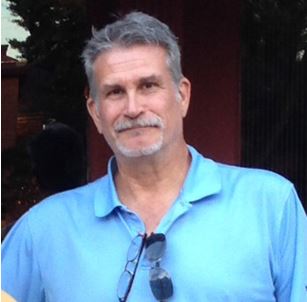
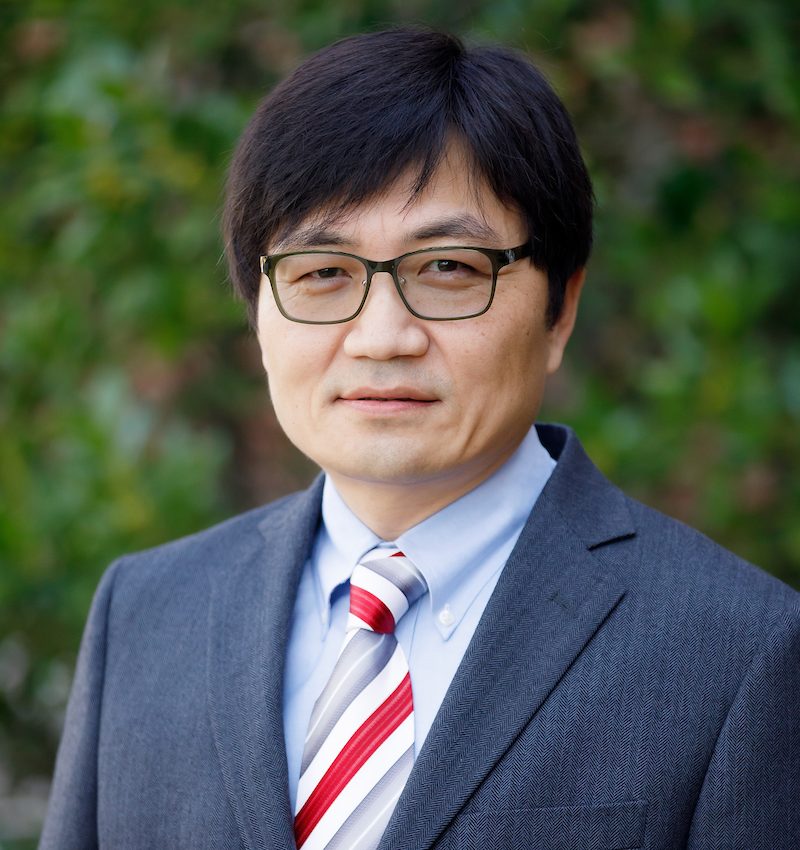
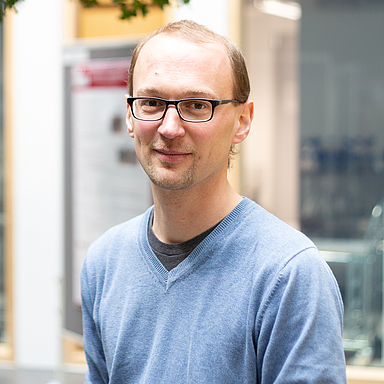
Professor Celso Grebogi, Sixth Century Chair in Nonlinear & Complex Systems at the University of Aberdeen, is a globally recognized leader in nonlinear dynamics , chaos theory , and systems biology . He founded the Institute for Complex Systems and Mathematical Biology and co-founded the Aberdeen-Lanzhou-Tempe Research Centre. His career spans institutions including University of Maryland, University of São Paulo, and Max-Planck-Society (External Scientific Member since 1998).
Dr. CHEN Xia is a Full-time Faculty member and Lee Kong Chian Professor of Accounting at the School of Accountancy (SOA), Singapore Management University (SMU). She serves as Director of the SMU-ZJU Doctor of Business Administration (Accounting & Finance) Program and Recruiting Co-ordinator for the School of Accountancy. Her research focuses on institutional investors, financial analysts, family firms, and earnings restatements, with publications in top-tier journals like Journal of Accounting and Economics and Journal of Financial Economics . Education: PhD in Accounting, University of Chicago, US MBA, University of Chicago, US M.A. in Accounting, Tsinghua University, China B.S. in Management Information System, Tsinghua University, China Dr. Chen’s research interests span corporate governance, auditing, tax aggressiveness, and family firm dynamics. Her work explores how institutional investors and analysts impact corporate disclosures, and the governance mechanisms within family-controlled enterprises. Her awards include the Charles Horngren Fellowship and Deloitte & Touche Doctoral Fellowship. She actively contributes to the academic community through editorial roles at European Accounting Review and peer reviews for major journals like Journal of Accounting Research and Journal of Financial and Quantitative Analysis . Dr. Chen advises several PhD and DBA candidates in accounting, focusing on empirical research methodologies. She also oversees collaborative academic programs between SMU and ZJU.
Miler T. Lee is an Associate Professor at the University of Pittsburgh , focusing on gene regulation during early embryonic development through high-throughput experimental and computational genomics. He earned his Ph.D. in Genomics and Computational Biology in 2009 from the University of Pennsylvania under Dr. Junhyong Kim, followed by postdoctoral work with Dr. Antonio Giraldez at Yale University. Joining the university in 2016, his research spans maternal-to-zygotic transition (MZT), RNA stability, pluripotency networks, and evolutionary developmental biology, utilizing model organisms like zebrafish, Xenopus, and Hydractinia symbiolongicarpus. Key Research Themes: Maternally inherited RNA dynamics during embryogenesis Mechanisms of RNA degradation and transcriptome remodeling Evolution of pluripotency networks in hybrid species Role of zinc signaling in fertilization barriers Computational tools for RNA regulation and sensing Scientific Awards: Pan-American Society for Evolutionary Developmental Biology Junior Faculty Award (2024) Outstanding New Investigator – International Xenopus Board (2023) Basil O'Connor Scholar – March of Dimes (2017-2019) Recent publications highlight his work on enhancer classification, RNA degradation mechanisms, and cross-species MZT comparisons. His lab develops innovative methods like RESA for regulatory sequence analysis and studies evolutionary divergence in RNA localization patterns. While the articles span computational and experimental approaches, they consistently address RNA's role in cellular identity, developmental timing, and evolutionary adaptation. Applications include understanding pluripotency, designing RNA biosensors, and elucidating fertilization barriers. Prospective Ph.D. students are encouraged to contact him for opportunities in gene regulation, development, evo-devo, and computational genomics.
Chris Fuller, Ph.D., is the Samuel Langley Distinguished Professor of Engineering at the College of Engineering , Virginia Tech. He leads the Vibrations and Acoustics Laboratory (VAL) , focusing on active/passive noise control systems, metamaterials, and their application to aerospace, medical devices, and industrial machinery. Education: Ph.D. (1979) and B.E. (1974) from the University of Adelaide, Australia. Research Interests: Structural acoustics, adaptive materials, machine learning in noise prediction, and biomedical acoustics (e.g., neonatal incubators). Awards: ASME Rayleigh Award (2017), NASA Team Achievement Award (1996), and Fellow of the Acoustical Society of America. Recent Publications: Highlight advancements in drone noise reduction using neural networks, metamaterials for HVAC systems, and poro-elastic materials for low-frequency noise control.
Lukas Seitner is a researcher at the Technical University of Munich (TUM), affiliated with the School of Computation, Information and Technology and the Department of Electrical Engineering. He operates within the Associate Professorship of Computational Photonics led by Prof. Christian Jirauschek, focusing on advanced modeling of quantum cascade devices and terahertz photonics systems. His research spans quantum cascade lasers (QCLs), terahertz frequency combs, optical solitons, and computational photonics. Seitner has developed sophisticated simulation frameworks including Maxwell-Bloch and density matrix approaches to study nonlinear dynamics in optoelectronic devices. Key contributions involve passive mode-locking mechanisms in THz QCLs, graphene-integrated saturable absorbers for pulse generation, and backscattering effects in ring-cavity soliton formation. His work bridges theoretical modeling with practical device engineering for next-generation terahertz sources. As an educator, Seitner serves as assistant lecturer for multiple courses including Computational Photonics Laboratory (5 PR), Partial Differential Equations for Electrical Engineering (4 VI), and Simulation of Quantum Devices (4 VI). He actively participates in doctoral candidate seminars and specialized courses on quantum engineering, demonstrating strong commitment to academic training in photonics and quantum device physics. His teaching integrates cutting-edge research concepts into practical computational exercises. Seitner maintains active collaboration within the EU Project QOMBS and contributes to TUM's Computational Photonics group research infrastructure. His technical expertise encompasses numerical methods for partial differential equations, semiconductor device simulation, and nonlinear optical modeling. Current projects focus on optimizing THz comb sources for spectroscopic applications and extending quantum walk models for novel frequency comb generation mechanisms.
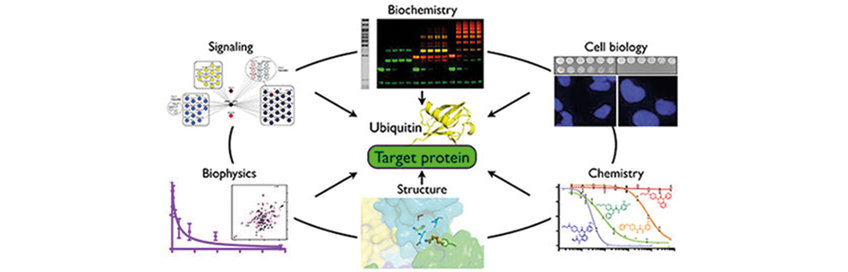
Brenda Schulman is a Professor and Director of the Molecular Machines and Signaling Pathways department at the Max Planck Institute of Biochemistry in Martinsried, Germany. She also holds an honorary professorship at the Technical University of Munich's Department of Chemistry and serves as Adjunct Faculty at St. Jude Children's Research Hospital in Memphis, TN, USA. Her research focuses on understanding how ubiquitin and ubiquitin-like proteins regulate cellular processes through protein modification. Dr. Schulman's research interests center on structural biology of the ubiquitin-proteasome system and ubiquitin-like proteins. Her work has shown that hundreds of dynamic multiprotein complexes are transiently converted into different conformations by specialized regulatory factors that control ubiquitin and ubiquitin-like proteins, thereby monitoring virtually all processes in cell biology. She combines biochemical reconstitution, structural analysis, enzymology, protein design, cell biology, and genetics to understand how these molecular machines function. Her research has significant implications for understanding diseases such as cancer, neurodegenerative disorders, and viral infections where defects in ubiquitin pathways are implicated. Her extensive publication record demonstrates expertise in ubiquitin signaling, protein degradation mechanisms, structural biology of E3 ligases, and molecular machines. Her work spans from fundamental mechanisms of ubiquitin chain formation to therapeutic applications in targeted protein degradation. Among her numerous scientific accolades are the Feldberg Prize for Anglo-German Scientific Exchange (2025), ERC Advanced Grant (2023), Louis-Jeantet Prize for Medicine (2023), Gottfried Wilhelm Leibniz Prize (2019), and election to the National Academy of Sciences (2014). She has also received the Dorothy Crowfoot Hodgkin Award from The Protein Society and has been an Investigator of the Howard Hughes Medical Institute. Dr. Schulman leads an active research group that has produced numerous high-impact publications in top journals including Nature, Cell, and Nature Structural & Molecular Biology. Her team has made significant contributions to understanding the structural mechanisms of ubiquitin transfer, E3 ligase specificity, and the role of ubiquitin in cellular quality control pathways. Current research in her lab focuses on deciphering the ubiquitin code and developing novel approaches for targeted protein degradation.
James R. Farr is the Germaine Seelye Oesterle Professor of History at Purdue University, specializing in European History with emphasis on the Early Modern period, Renaissance, and Reformation. He teaches core courses including European Society and Culture (1450-1800), History of Globalization, and History Theory and Methods. Education: Ph.D. in History from Northwestern University (1983) Research Focus: Professor Farr's scholarship centers on labor systems, cultural practices, and social structures in Early Modern France and Burgundy. His work uniquely bridges artisanal communities, gender dynamics, and authority frameworks through meticulous archival analysis of urban life between 1550-1800. Publication Trends: His seven major works (1988-2008) reveal consistent exploration of work-culture intersections in pre-industrial Europe, with evolving emphasis from localized artisan studies to broader transnational labor patterns. Recurring methodological strengths include microhistorical approaches to legal documents and socioeconomic networks. Scientific Recognition: His research excellence is evidenced by: John Simon Guggenheim Fellowship (1998-99) Shelby Cullom Davis Center Fellowship, Princeton University (1994-95) American Council of Learned Societies Fellowship (1994-95) Academic Contributions: Beyond publications, Professor Farr shapes historical methodology through advanced graduate seminars while maintaining active engagement with European historical societies. His pedagogical approach integrates primary source analysis with theoretical frameworks across undergraduate and graduate curricula.
Bruno Alonso is a CNRS Research Director at the Institute of Chemistry of Montpellier (ICGM), a joint research unit of CNRS, University of Montpellier, and the National School of Chemistry of Montpellier (ENSCM). His work focuses on advanced materials chemistry with emphasis on nanostructured hybrid systems and NMR characterization of organic-inorganic interfaces. Education Engineer, National School of Chemistry of Paris (1993) Doctorate in Materials Science, University of Paris VI (1998) CNRS Research Fellow (2001) Accreditation to Supervise Research, University of Orléans (2006) Bachelor of Fine Arts, University of Paris 1-CNED (2017) Research Interests Dr. Alonso's research centers on hybrid organic-inorganic materials with expertise in sol-gel chemistry , nanoscale self-assembly , and advanced NMR spectroscopy . His group develops: Biomimetic nanocomposites using polysaccharides (chitin/cellulose) and oxides Zeolite systems with controlled heteroelement distribution and acidity Multinuclear NMR methods for probing molecular interactions at interfaces Applications span sustainable materials, energy storage, and catalytic systems with strong emphasis on green synthesis approaches. Publication Trends Analysis of recent publications (2021-2025) reveals dominant themes in zeolite chemistry (40% of output) and biomimetic nanomaterials (30%), with growing integration of computational methods (15%). His work increasingly employs machine learning for NMR prediction and solvent-free synthesis techniques , reflecting industry shifts toward sustainable materials. Collaborative publications span 12 countries with consistent focus on energy applications (hydrogen storage, thermal management) and advanced characterization. Research Infrastructure Based at Montpellier's Balard Research Chemistry Center, Dr. Alonso utilizes ICGM's state-of-the-art facilities including high-field NMR spectrometers and materials synthesis laboratories. His group maintains active collaborations with European institutions for X-ray diffraction, computational modeling, and gas-sensing applications.
Dr. Hwan-Sik Yoon is an Associate Professor in the Department of Mechanical Engineering at The University of Alabama, where he focuses on applying Artificial Intelligence (AI) and Machine Learning (ML) to automotive, transportation, and manufacturing systems. His research spans modeling, simulation, and control of dynamic systems, with a strong emphasis on connected and automated vehicles (CAVs), energy-efficient routing, and sensor fusion technologies. Ph.D., Mechanical Engineering, Ohio State University, 2002 M.S., Mechanical Engineering, Ohio State University, 1998 B.S., Physics Education, Seoul National University, Korea, 1994 Dr. Yoon’s research integrates AI/ML into applications such as traffic signal control , excavator manipulator pose estimation , hybrid electric vehicle powertrain control , and factory floor safety monitoring . He is also involved in additive manufacturing , vision-based control systems , and reinforcement learning -driven automotive innovations. Recent publications highlight trends in deep reinforcement learning for vehicle energy efficiency, sensor fusion for traffic surveillance, and neural networks for dynamic system control. His work addresses challenges in multi-component failure analysis and real-time edge computing platforms . NSF Outstanding Faculty Advisor Award (2019) College of Engineering Faculty Productivity Award, Tennessee Tech University (2012) Dr. Yoon leads the Intelligent Structures and Systems Laboratory and serves as the lead CAVs faculty advisor for the University of Alabama’s EcoCAR student team, which has achieved national recognition in advanced vehicle technology competitions.
Dr. Miguel Rico-Ramirez serves as Associate Professor of Radar Hydrology and Hydroinformatics at the University of Bristol's School of Civil, Aerospace and Design Engineering. His research integrates advanced radar technology with hydrological modeling to address critical water resource challenges including flood forecasting, drought management, and precipitation measurement across diverse global contexts from South Korea to Mexico City. Education: Bachelor of Engineering (Eng.) Master of Engineering (M.Eng.) Ph.D. in Engineering, University of Bristol His research program focuses on radar-based precipitation estimation, hydroinformatics, and flood prediction systems. He pioneers deep learning applications for rainfall nowcasting and develops innovative methods for uncertainty quantification in hydrological modeling. Current work emphasizes cosmic-ray neutron sensor validation, satellite-based flood mapping, and seasonal forecast applications for reservoir operations, with strong emphasis on translating research into operational water management solutions. Recent publications (2023-2025) reveal three dominant research thrusts: (1) deep learning frameworks for spatiotemporal rainfall prediction, (2) global validation of precipitation and soil moisture datasets using novel sensor networks, and (3) operational implementation of seasonal forecasts for drought mitigation in South Korea. His work consistently bridges radar meteorology with practical hydrological applications across urban and data-scarce environments. Scientific Awards: No specific awards documented in source materials Dr. Rico-Ramirez supervises postgraduate researchers in radar hydrology and hydroinformatics, with projects spanning flood early warning systems, precipitation nowcasting, and climate adaptation strategies. His research receives funding for international collaborations focused on water security challenges, particularly in drought-prone regions and data-scarce basins like the Nile Delta. Current grants support development of integrated forecasting systems combining global datasets with machine learning for extreme event management. He leads the Radar Hydrology research group within Bristol's Water and Environmental Engineering division, collaborating closely with Professor Dawei Han on hydroinformatics and Dr. Rafael Rosolem on water-climate interactions. The team maintains active partnerships with meteorological agencies and water authorities globally, particularly in flood forecasting system implementation across South Korea and Mexico.
Martin Kaltenpoth serves as Director at the Max Planck Institute for Chemical Ecology in Jena since 2020 and Professor for Evolutionary Ecology at Johannes Gutenberg University of Mainz since 2015. Previously, he led the Research Group Insect Symbiosis at the MPI for Chemical Ecology from 2009 to 2015. Education: PhD in Biology (summa cum laude), University of Würzburg, 2006 Diploma in Biology (with honors), University of Würzburg, 2003 His research centers on insect-bacterial symbioses , investigating evolutionary, ecological, and chemical dimensions of host-microbe interactions. Key foci include nutritional and defensive symbiosis in beetles, genomic adaptations of symbiotic bacteria, and chemical mediation of symbiotic relationships. His work bridges entomology, microbiology, and chemical ecology to unravel coevolutionary mechanisms. Analysis of recent publications reveals dominant trends in beetle-microbe systems, emphasizing symbiont roles in cuticle synthesis, antifungal defense, and host-plant adaptation. His studies frequently employ genomic, biochemical, and experimental approaches across diverse insect lineages. No scientific awards were documented in the source material. While specific advisees and grants remain unlisted, his leadership of research groups and dual academic appointments indicate active supervision of graduate researchers and externally funded projects in symbiosis evolution. Currently directing research at the Max Planck Institute, Kaltenpoth advances understanding of symbiotic systems with implications for evolutionary theory and sustainable pest management strategies.
Jia Min Chin is an Associate Professor at the Faculty of Chemistry , affiliated with the Institute of Functional Materials and Catalysis . Her research focuses on advanced materials, particularly Metal-Organic Frameworks (MOFs), Gold nanoparticles, and N-Heterocyclic Carbene (NHC) chemistry, with applications in catalysis, environmental remediation, and sustainable technology. Her scientific work contributes to United Nations Sustainable Development Goals (SDGs) through innovations in functional materials and catalytic systems. Key projects include Breaking the ice – novel energy efficient hybrid de-icing systems and DYNAMOF: Electric Field Assisted Dynamic MOF Alignment , funded by major research grants. She received the prestigious ERC Grant in 2020 for her contributions to materials science. Chin's research spans MOF-based nanocomposites, photonic assemblies, and biomedical applications. Her publications highlight trends in Stimuli-responsive materials (electric/magnetic fields) Green catalytic systems Anti-icing and humidity-sensing coatings Cancer therapy platforms Scientific Awards ERC Grant (2020) She collaborates globally on cutting-edge topics like MOF alignment, nerve agent decomposition, and CO2 reduction, with recent activities including lectures at international conferences and workshops on material structuring.
Dr. Andreas Baur is a research associate at the Institute of Ethics and Technology (IZEW) , University of Tübingen, and a PhD candidate at the Amsterdam Institute for Social Science Research (AISSR) , University of Amsterdam. He serves as fellow at the Critical Infrastructure Lab Amsterdam and contributes to the DoingIPS communication team. Education: M.A. in Peace Research and International Politics, University of Tübingen B.A. in Political Science and Economics, University of Tübingen/Universidad de Guadalajara Research Focus: Interdisciplinary analysis of IT infrastructures' political implications, particularly cloud computing's role in power dynamics, digital sovereignty (including EU's Gaia-X initiative), technology ethics, and governance of socio-technical systems. His work bridges International Relations , Science and Technology Studies , and ICT Policy . Recent Research Trends: Examines cloud infrastructure politics through lenses of sovereignty claims, hybrid cloud architectures, and material manifestations of power in digital ecosystems. Publications explore European digital governance attempts, cloud imaginaries, and multi-cloud regulatory challenges. Academic Contributions: Co-editor of Feminist Data Protection special issue ( Internet Policy Review , 2021) Participant in EU Horizon 2020 HEIMDALL project Contributor to EU FP7 SECTOR initiative Member of BMBF-funded Privacy-Arena and digilog@bw projects Teaching & Outreach: Conducts seminars on security in modern information technologies and participates in public workshops regarding AI ethics, digital sovereignty, and cyber security challenges. Regularly contributes to public debates through media appearances and policy discussions.
Ehud Gazit is a distinguished Professor in the Department of Molecular Microbiology and Biotechnology at Tel Aviv University's Faculty of Life Sciences. He holds the Chair for Nano-Biology and serves as Vice President for Research and Development at Tel Aviv University. Professor Gazit has held numerous prestigious visiting appointments including at Umeå University, Fudan University, and Cambridge University. His academic journey began with a B.Sc. (summa cum laude) from Tel Aviv University's Special University Program for Outstanding Students in 1991, followed by a Ph.D. (with distinction) from the Weizmann Institute of Science in 1997, and postdoctoral training at MIT from 1997-2000. Professor Gazit's research focuses on molecular structure and self-assembly at the nano-scale, particularly examining protein folding, unfolding, and misfolding phenomena. His laboratory investigates the mechanisms and significance of protein unfolding and misfolding, with experimental systems including bacterial toxin-antidote systems, type II diabetes-related amyloidogenic proteins, and the VHL tumor suppressor protein. His work bridges fundamental biochemistry with nanotechnology applications, exploring how molecular self-assembly can be harnessed for technological innovation. His recent publications demonstrate a strong trajectory in peptide-based nanomaterials, with particular emphasis on amyloid formation mechanisms, peptide self-assembly for functional materials, and therapeutic applications targeting neurodegenerative diseases. His work spans multiple disciplines including biochemistry, nanotechnology, materials science, and biomedical engineering, showing increasing integration of fundamental research with practical applications. Professor Gazit has received numerous prestigious awards including: 2020 Landau Prize in Sciences and Arts in the Field of Healthy Aging 2019 Rappaport Prize for Excellence in Biomedical Research 2018 Foreign Fellow of the National Academy of Sciences, India 2016 ERC Advanced Grant from the European Research Council 2015 Elected Member of the European Molecular Biology Organization (EMBO) Professor Gazit has been actively involved in mentoring students and researchers, as evidenced by his extensive publication record with numerous collaborators. He has secured significant research funding including an ERC Advanced Grant. His professional activities include editorial board memberships for journals including Journal of Peptide Science, Nanoscience & Nanotechnology - Asia, and Amyloid. He previously served as Chief Scientist of the Ministry of Science and Technology (2012-2014). His laboratory has developed innovative approaches to studying molecular self-assembly, with particular expertise in peptide nanostructures. The research team has made significant contributions to understanding amyloid formation mechanisms while simultaneously developing novel biomaterials with applications ranging from electronics to medicine. They have established strong collaborations with research groups worldwide, creating a dynamic interdisciplinary research environment focused on the intersection of biology and nanotechnology.
Dustin Scheinost is an Associate Professor at Yale School of Medicine, affiliated with the Department of Radiology & Biomedical Imaging, Yale Child Study Center, Department of Statistics, and Yale Biomedical Imaging Institute. His research focuses on connectomics , machine learning , and neuroinformatics through the Multi-modal Imaging, Neuroinformatics, & Data Science (MINDS) Lab. Radiology & Biomedical Imaging (Primary) Child Study Center (Secondary) Statistics (Secondary) Wu Tsai Institute Yale Stress Center Research Interests include developing novel statistical and machine learning methods for functional connectivity in big neuroscience data, leading the BioImage Suite Web (BISWeb) platform, and advancing early life neuroimaging through the Fetal, Infant, Toddler Neuroimaging Group (FIT’NG). His work is supported by grants from NIMH, NIAA, NIDA, and NHLBI. Selected Scientific Contributions span functional connectivity in laterality preferences, anti-racist AI governance in psychiatry, self-citation trends in neuroscience, and predictive modeling of mood disorders. He collaborates extensively with Todd Constable and others on multimodal neuroimaging studies.