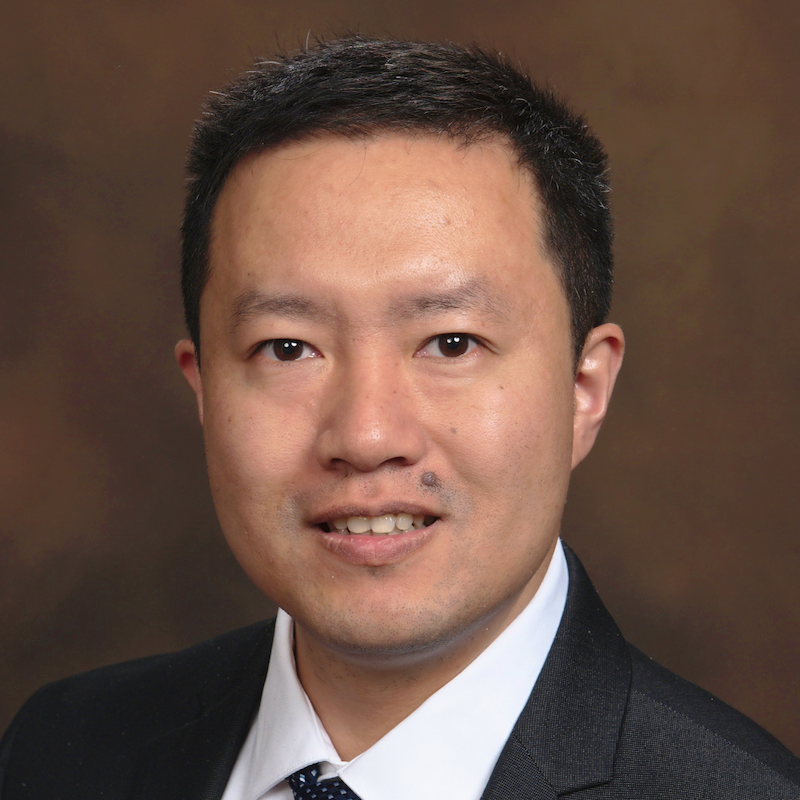
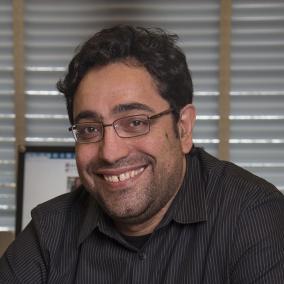
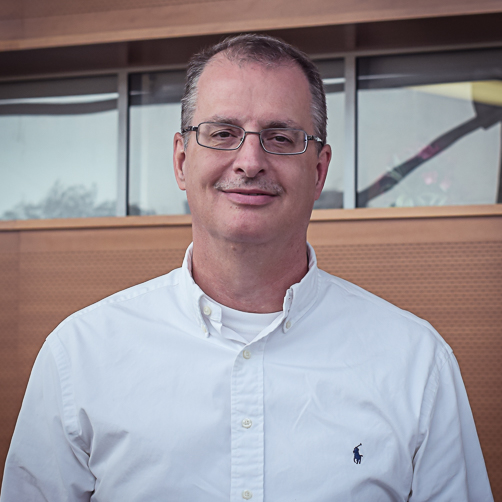
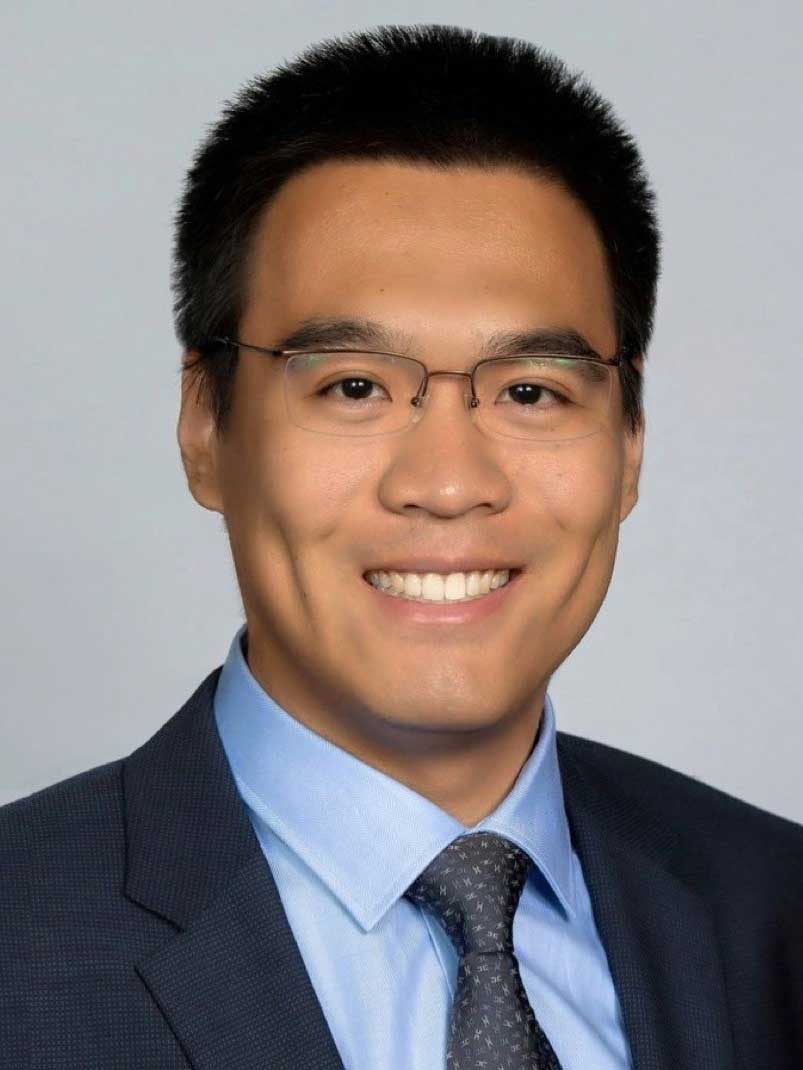
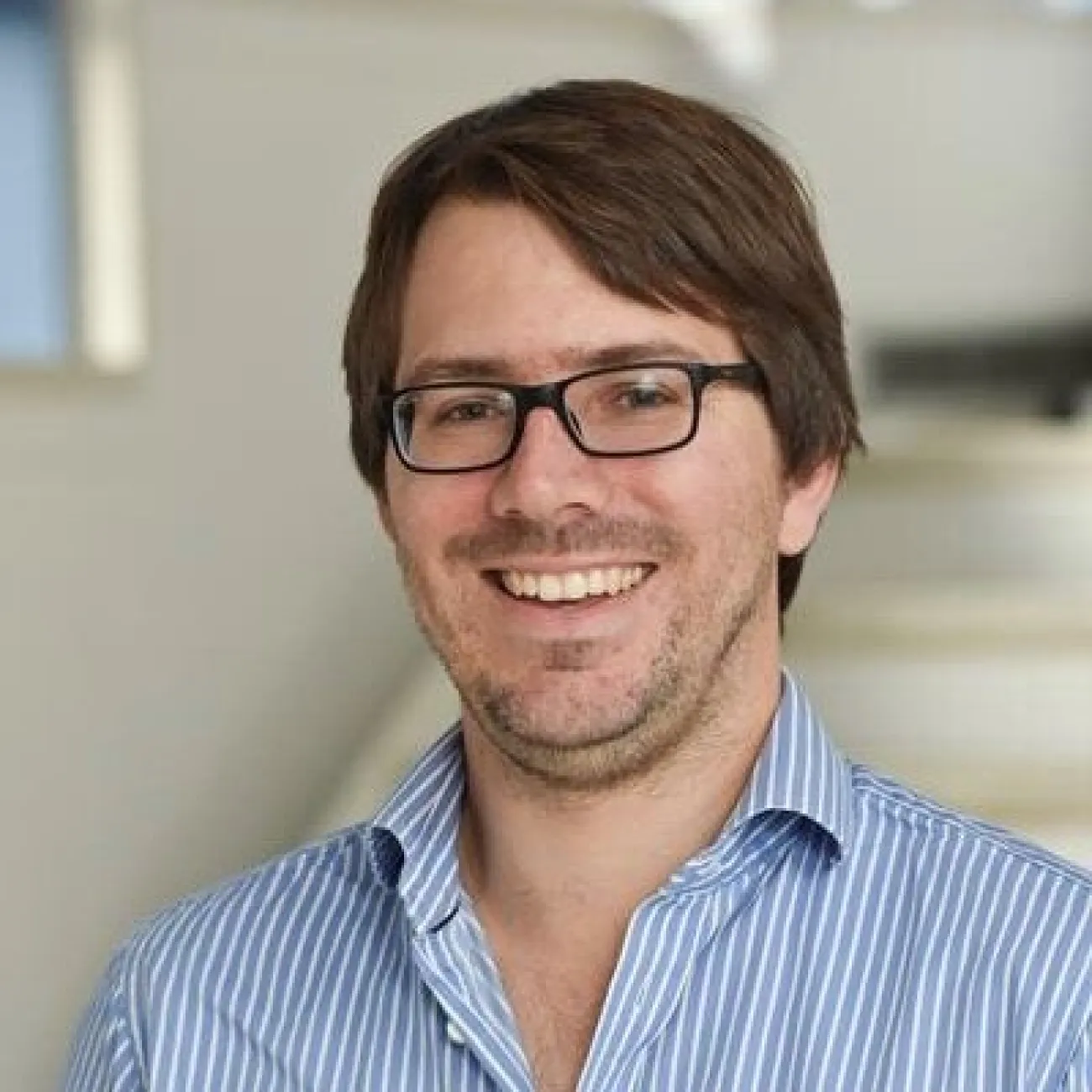
Dr. Min Xu is a Courtesy Professor in the Computational Biology Department within the School of Computer Science at Carnegie Mellon University. His research focuses on advancing computer vision and machine learning for biomedical image analysis, particularly cellular cryo-electron tomography (Cryo-ET) and automated science video analysis. He leads a lab developing cutting-edge computational tools for structural biology and medical imaging. Key research directions include: High-resolution 3D Cryo-ET image analysis AI-driven medical image segmentation Few-shot learning for cryo-EM analysis Video analysis frameworks for laboratory automation Notable contributions include the AITom toolkit for Cryo-ET analysis and pioneering work in adapting foundation models for medical imaging tasks. His work has been published in top venues like CVPR, MICCAI, and Nature-associated journals. No academic awards or grants are explicitly listed in the provided text. He maintains an active lab focused on translating computational methods into impactful biomedical research tools.
Muhamet Yildiz is a Professor of Economics at the Massachusetts Institute of Technology (MIT), affiliated with the Department of Economics within the School of Humanities, Arts, and Social Sciences. His research focuses on Economic Theory, Game Theory, and Microeconomics, with significant contributions to strategic communication, bargaining, and higher-order uncertainty. He teaches advanced courses such as Microeconomics III, Game Theory, and Advanced Topics in Game Theory. Yildiz’s research explores foundational questions in economic theory, including how communication, beliefs, and strategic interactions shape outcomes in uncertain environments. His work has addressed topics like the fragility of Bayesian learning, reputation dynamics in repeated games, and the implications of optimism in bargaining scenarios. Key contributions include analyses of global games, common belief foundations, and the impact of information structures. He has published extensively in top journals such as Econometrica , Journal of Economic Theory , and Review of Economic Studies . His recent work includes studies on equilibrium shifts in crises and the theoretical underpinnings of communication with unknown perspectives. Yildiz advises on graduate and advanced undergraduate courses, maintaining a strong commitment to academic mentorship. His office is located in E52-522, and his assistant is Kim Scantlebury.
Dan McCammon is a Professor in the Department of Physics at the University of Wisconsin-Madison, affiliated with the College of Letters & Science. His research focuses on X-ray astronomy, including studies of the diffuse X-ray background, interstellar and intergalactic media, and the development of advanced X-ray instrumentation. He is a key contributor to the XRISM (X-ray Imaging and Spectroscopy Mission) satellite, leading efforts in high-resolution X-ray spectroscopy and mission operations. McCammon's work emphasizes understanding cosmic plasma dynamics, galaxy cluster physics, and supernova remnant evolution through cutting-edge observational techniques and detector technology. His research interests span multiple subfields, including the thermodynamic properties of galactic clusters, charge-exchange processes in astrophysical plasmas, and the design of cryogenic microcalorimeters for space-based observatories. He has pioneered advancements in transition-edge sensors (TES) and superconducting detectors, enhancing the precision of X-ray spectral measurements. McCammon has contributed to numerous sounding rocket missions, such as Micro-X, and has been instrumental in the development of the Line Emission Mapper (LEM) probe concept, aimed at mapping the soft X-ray sky with unprecedented resolution. His work on the Hitomi (ASTRO-H) satellite demonstrated breakthroughs in resolving the thermal and dynamic properties of cosmic plasmas, such as the Perseus galaxy cluster and the Crab Nebula. His publications highlight a focus on high-resolution X-ray spectroscopy of cosmic sources, including galaxy clusters, active galactic nuclei, and supernova remnants. He has explored topics like non-thermal pressure contributions in cluster cores, ionized plasma diagnostics, and the role of charge-exchange emissions in interpreting diffuse X-ray backgrounds. McCammon's instrumentation innovations have enabled breakthroughs in measuring spectral features with sub-eV resolution, advancing our understanding of astrophysical processes. Despite the absence of explicitly listed awards or grants in the provided text, his leadership in major space missions and pioneering detector technologies underscores his contributions to the field. His research team collaborates on international projects, such as XRISM and LEM, reflecting a commitment to advancing observational astrophysics through interdisciplinary collaboration.
Carles Padro Laimon is a Professor at the Universitat Politècnica de Catalunya (UPC), affiliated with the Department of Mathematics and the School of Telecommunications Engineering. He is a leading researcher in cryptography and information security, focusing on secret sharing schemes, combinatorial structures, and cryptographic protocols. His work integrates discrete mathematics, coding theory, and algorithmic design to address security challenges in digital systems. Padro leads the MAK Research Group (Mathematics Applied to Cryptography) and the ISG-MAK Information Security Group. He has been involved in numerous competitive research projects, including initiatives on post-quantum cryptography and secure multi-user systems. His contributions span over 211 documented activities, including articles, theses, and conference participations. His research interests include the theoretical foundations of cryptography, with a focus on optimizing secret sharing schemes, analyzing matroid-based structures, and developing secure communication protocols. He has collaborated extensively with institutions like the UPC and European research networks, contributing to both academic and practical advancements in cybersecurity. Padro holds a PhD in Mathematics from UPC and has supervised doctoral theses and mentored researchers in his field. His work frequently appears in top journals like IEEE Transactions on Information Theory, Designs, Codes and Cryptography, and SIAM Journal on Discrete Mathematics.
Jian Tang is an Assistant Professor at HEC Montréal and a core member of the Montreal Institute for Learning Algorithms (MILA). His research focuses on graph representation learning, generative models, and their applications in drug discovery and material science. Prior to this, he was a postdoctoral researcher at the University of Michigan and Carnegie Mellon University, and a researcher at Microsoft Research Asia (2014-2016). He has received several prestigious recognitions, including the Canada CIFAR Artificial Intelligence Chairs (CCAI Chair) and best paper nominations at WWW’16. His work on LINE (WWW’15) was recognized as the most cited paper in its year. Tang’s research spans theoretical foundations and practical systems, such as GraphVite for scalable graph embedding and TorchDrug for drug discovery. Key research interests include geometric deep learning for molecular structures, generative models for protein design, and neural-symbolic reasoning for knowledge graphs. He actively collaborates with leading biological labs and leverages industry partnerships for GPU resources. Recent publications emphasize molecular property prediction, 3D conformation generation, and algorithmic reasoning frameworks. He has secured grants from IBM/MILA, Amazon, and the National Research Council Canada, supporting projects like molecular pretraining and geometric representation learning. Tang teaches courses on graph representation learning and deep learning, and mentors a vibrant team of PhD and master’s students. His lab has developed impactful software tools like LINE, PTE, and LargeVis, widely used in the research community.
Alfons Oude Lansink is a Professor and Chairholder in Business Economics at Wageningen University, Netherlands. He holds adjunct professorships at Universitas Padjadjaran (Indonesia) and the University of Florida (USA), and serves on the Dutch Ministry of Agriculture's CDM committee and Rabobank's scientific advisory board. His academic career spans roles as director of Wageningen School of Social Sciences (WASS) and Secretary-General of the European Association of Agricultural Economists. Education: MSc and PhD in Agricultural Economics from Wageningen University Leadership: Head of Business Economics group since 2003 His research focuses on dynamic technical and economic efficiency , sustainable performance of food supply chains , and economics of plant health . Recent work examines climate adaptation strategies, circular economy applications, and cross-border agri-food innovation dynamics using advanced econometric models. Key projects include MINDSTEP (modeling farm decisions), Closing the Loop (insect-based agriculture), and Food Pro-tec-ts (transboundary food technologies). Publications address topics like: Technical efficiency in dairy and arable farming Economic impacts of climate change on agriculture Corporate social responsibility in food manufacturing Policy evaluation for biogas and organic farming He serves as: Secretary/Treasurer of agricultural economics journal foundation Advisor to Universitas Padjadjaran (Indonesia) on policy and PhD supervision Editorial board member of Agronomy Journal and European Review of Agricultural Economics
An Verberckmoes is an Associate Professor at Ghent University in the Faculty of Engineering and Architecture, specifically within the Department of Materials, Textiles and Chemical Engineering. She is affiliated with multiple research units including the Biomolecules Center for Sustainable Chemistry, ChemTech Materials, and the Industrial Catalysis and Adsorption Technology group. Her research expertise centers on heterogeneous catalysis with a strong focus on sustainable chemical processes. Dr. Verberckmoes specializes in catalyst synthesis, particularly zeolite-based catalysts for bio-alcohol conversion and lignin valorization. Her work bridges fundamental catalyst design with practical applications in biomass conversion, aiming to develop more efficient and environmentally friendly processes for producing renewable chemicals and materials. Analysis of her recent publications (2024-2025) reveals a dominant research trajectory focused on lignin depolymerization technologies, with particular emphasis on catalytic approaches using noble and non-noble metals. She has made significant contributions to understanding reaction mechanisms in zeolite catalysis, especially for dehydration reactions of bio-alcohols to valuable chemicals like butadiene. Her work often combines experimental approaches with kinetic modeling to optimize both catalyst performance and process conditions. Dr. Verberckmoes collaborates extensively within Ghent University and with external partners on projects related to sustainable chemistry and biomass conversion. Her research group appears to focus on developing integrated approaches that combine catalyst design, process engineering, and advanced analytical techniques to advance lignin valorization and sustainable chemical production.
Charles Winter is a Professor in the Department of Chemistry at Wayne State University, affiliated with the College of Liberal Arts and Sciences. His research focuses on synthetic organometallic/inorganic chemistry, materials chemistry, nanoparticles, and thin film growth via atomic layer deposition (ALD) and chemical vapor deposition (CVD). He leads the Winter Group, collaborating with institutions like Helsinki University of Technology and Duke University. Education: B.S. from Hope College (1982), Ph.D. in Chemistry from University of Minnesota (1986), followed by an NIH postdoctoral fellowship at University of Utah (1986–1988). Research interests include precursor development for ALD of metal oxides/nitrides, surface chemistry of nanoparticles (e.g., silicon nanocrystals), and energetic materials using nitrogen-rich ligands. Recent work explores metastable materials synthesis via ALD and thermal stability of strontium/barium/lanthanide complexes. Key collaborations include ALD experiments with Prof. Lauri Niinistö in Finland and engineering partnerships for silicon nanoparticle applications. Students participate in internships and cross-institutional projects. Courses taught include Advanced Inorganic Chemistry (CHM 7010), Organometallic Chemistry (CHM 6090/7090), and seminars in Inorganic Chemistry (CHM 8820).
Anders Karlström is a Professor at KTH Royal Institute of Technology, specializing in Transport Modelling and Economics. His research focuses on sustainable transportation systems, emissions reduction, and energy efficiency. Key interests include activity-based modelling, dynamic discrete choice frameworks, and policy analysis for urban mobility. He has contributed to studies on travel behavior, infrastructure planning, and environmental impacts of transport systems across multiple international cities. His work integrates advanced methodologies such as recursive logit models, spatial regression, and machine learning for predictive analytics. Notable research areas involve evaluating weather variability effects on travel patterns, optimizing traffic state estimation with sensor data, and developing scenario-based models for future employment growth. Karlström collaborates with industries to enhance the competitiveness of sustainable transport solutions globally.
Prashant Mali is a Professor in the Department of Bioengineering at the University of California, San Diego . His research bridges genome engineering, RNA biology, and biomedical applications, with a focus on CRISPR-Cas systems and ADAR-mediated RNA editing. Education : Ph.D. in Bioengineering Key Affiliations : UC San Diego, Altman Clinical and Translational Research Institute Dr. Mali's work centers on CRISPR-Cas9 technology , RNA editing , and human pluripotent stem cells . His lab develops tools for programmable gene regulation, synthetic lethal screens, and metabolic pathway analysis in disease contexts. Recent publications highlight innovations in circular RNA engineering , ADAR activity mapping , and metabolic reprogramming in cancer . His team employs multi-omics approaches and in vivo models to translate genome editing into clinical applications. Students and Collaborators Current Lab Members : Sami Nourreddine (Postdoc), Amir Dailamy (Graduate), Andrew Portell (Graduate), Michael Tong (Graduate) Alumni : Kyle Ford (PhD 2022), Nathan Palmer (PhD 2022), Udit Parekh (PhD 2021) Research Themes CRISPR Screens : Synthetic lethal interactions, oncogenic pathways, metabolic vulnerabilities RNA Editing : ADAR engineering, circular guide RNAs, clinical translation Tissue Engineering : Vascularized organoids, cardiac maturation, ex vivo models
Yi Zheng is an Associate Professor in the Department of Mechanical and Industrial Engineering at Northeastern University, where he directs the Nano Energy Laboratory. He previously held positions at the University of Rhode Island before joining Northeastern in 2019. His research focuses on nanoscale thermal transport, renewable energy systems, photon-based cooling, and sustainable materials derived from biomass. Zheng serves on editorial boards for Scientific Reports and Journal of Photonics for Energy , and actively participates in conferences like ASME IMECE. He holds a PhD in Mechanical Engineering from Columbia University (2015), with earlier degrees from Columbia and Tsinghua University. Education: Ph.D., Mechanical Engineering, Columbia University (2015) M.S., Mechanical Engineering, Columbia University (2011) B.S., Mechanical Engineering, Tsinghua University (2009) Research Interests: Prof. Zheng’s work bridges nanotechnology and energy systems, emphasizing novel materials for thermal management, radiative cooling, and sustainable energy harvesting. His lab develops biomass-derived composites for solar desalination, thermophotovoltaics, and smart cooling paints. Key projects include ultra-dark solar absorbers, phase-change material-based thermal devices, and recyclable cellulose-based materials. Grants & Awards: 2024 ASME Rising Star Award 2019 NSF CAREER Award 2025 NASA Glenn Faculty Fellow 3M Non-Tenured Faculty Award (2022) Labs/Teams: The Nano Energy Laboratory at Northeastern collaborates internationally on projects like photonics-enabled biosensors and adaptive radiative cooling systems. Recent innovations include self-cleaning cellulose composites and cooling paints for urban heat reduction.
Professor Peter Wells is an Associate Professor at the University of Southampton, with a joint appointment at Diamond Light Source. His research focuses on operando spectroscopy, heterogeneous catalysis, and nanoparticle design. He coordinates the CHEM3054 module on Inorganic Materials Chemistry and holds a Fellow accreditation from the Higher Education Academy. Education: MChem in Chemistry (University of Surrey, 2003) PhD in tailored metal nanoparticle preparation and characterization (University of Southampton, 2007) His research integrates advanced X-ray techniques (e.g., X-ray absorption spectroscopy) with computational methods like DFT simulations to study catalyst dynamics. Key areas include stabilizing structural changes in palladium nanoparticles and designing nanoparticle catalysts for sustainable chemical production from waste biomass. He collaborates with the UK Catalysis Hub and serves on peer-review panels for Diamond Light Source and the Swiss Light Source. Active Research Projects (EPSRC): Core Equipment 2024 (£1.26M, PI) Nitridic and Carbidic Pd Nanoparticles for Directed Catalysis Peter supervises multiple PhD students in Chemistry and actively mentors researchers through collaborative grants. His work bridges experimental and theoretical approaches to catalysis, emphasizing real-time structural analysis under operational conditions.
Pedro Vilaça is a **Professor and Head of the Department of Energy and Mechanical Engineering** at **Aalto University's School of Engineering**, Finland. Previously, he worked at the Instituto Superior Técnico (Técnico), University of Lisbon, Portugal (1995–2013). His research focuses on **welding technology**, **solid-state manufacturing**, **non-destructive testing (NDT)**, **hydrogen-related materials science**, and **materials safety**, with applications in energy and aeronautics sectors. He leads R&D teams and has collaborated globally, contributing to 142+ publications (h-index 32 via Scopus). **Research Interests**: Advanced welding techniques (e.g., friction stir welding), hydrogen embrittlement in steels, supercapacitor materials, and smart composites. He has pioneered methods for **zero-material-loss welding** and **self-sensing metallic materials**. **Key Projects**: Led initiatives like **THEWFuelCells** (fuel cell welding innovations) and **EARLY/Vilaca** (hydrogen damage assessment). His work aligns with **UN Sustainable Development Goals**, emphasizing renewable energy storage and industrial sustainability. **Awards**: 2011 Eng. Cruz Azevedo Award for outstanding research in Mecânica Experimental. **Collaborations**: Active in international networks, including the International Institute of Welding and European research consortia. He has organized conferences, reviewed patents, and advised doctoral students globally. **Recent Articles**: Focus on corrosion-resistant materials, piezoelectric composites, and hydrogen-induced failure in steels. His 2023–2025 work emphasizes energy storage innovations and advanced joining technologies. **Grants**: Principal investigator for projects funded by Business Finland, EU EIT, and Academy of Finland. **Labs/Teams**: Oversees Aalto’s mechanical engineering research teams and collaborates with institutions like Helmholtz-Zentrum Geesthacht.
Connor Myant is Reader in Digital Manufacturing Systems at Imperial College London's Dyson School of Design Engineering, where he leads the Advanced Manufacturing Group. He holds a PhD from Imperial College (2010) and teaches courses in Solid Mechanics and Design for Additive Manufacture. His research advances multi-material 3D printing technologies with applications in medical devices, energy-absorbing structures, and functional composites. Current projects focus on open-source 5-axis printing platforms and stiffness-matched implants. Publication themes include: Medical device customization Nanocomposite material development Biomechanical optimization Industrial 3D printing systems
Julian Jauk is a Researcher at the Institute for Architecture and Media, TU Graz. His work focuses on innovative material systems, digital fabrication, and sustainable architectural design. He explores the integration of clay composites, mycelium-based materials, and knitted structures with advanced manufacturing techniques like 3D printing. Key research themes include lightweight ceramic structures, biocomposite materials, and computational design methodologies. His research emphasizes material-driven innovation, structural optimization, and environmental sustainability. Notable projects include MyCera (clay-mycelium composites) and ClayKnit (3D-printed clay-knitted hybrids). He also investigates mixed reality tools for architectural sketching and kinetic architectural prototypes. Publications from 2021–2024 highlight trends in bio-based materials, additive manufacturing, and material-property analysis. His work bridges traditional craftsmanship with cutting-edge digital fabrication, aiming to redefine sustainable building practices.