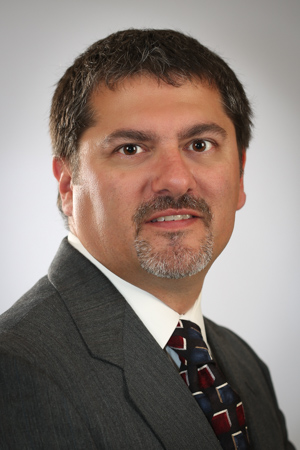
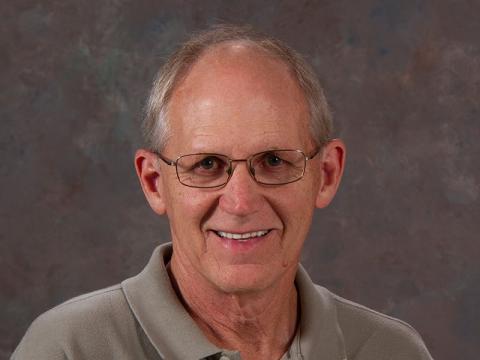
Richard W. Gurney is a Professor and Chair of the Chemistry and Physics Department at Simmons University , where he has pioneered green chemistry education for over two decades. His work focuses on developing sustainable laboratory curricula through Course-Based Undergraduate Research Experiences (CURE) and creating environmentally benign polymers with antimicrobial/antiviral properties.
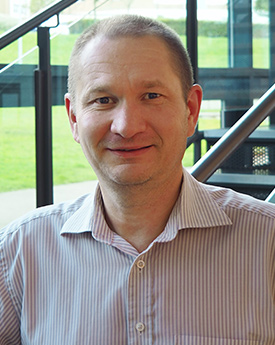
Joseph Chee Chang is a researcher at Carnegie Mellon University's Human-Computer Interaction Institute. His work focuses on Human-Computer Interaction Artificial Intelligence Natural Language Processing He develops tools for scholarly synthesis, literature review, and research ideation. Research Highlights Chang designs mixed-initiative systems like IdeaSynth for research idea development and Social-RAG for socially grounded AI generation. His PaperWeaver system recontextualizes academic recommendations, while Qlarify offers hierarchical paper summaries. Current projects include SciArena (2025) for evaluating scientific foundation models and PaperMage (2023) for document processing.
Michael Zorn is a Professor and Associate Dean at the University of Wisconsin-Green Bay's College of Science, Engineering and Technology. His research focuses on developing chemical sensors for environmental monitoring, including projects on low dissolved oxygen, harmful algal blooms (HABs), and nutrient dynamics in Green Bay using wireless communication buoys and in-situ sensors. He also pioneered a microglow discharge atomic emission sensor for aqueous metals and a magnetoelastic resonance microbalance sensor for gas-phase analytes. Education: B.S. in Chemistry, University of Wisconsin-Green Bay Ph.D. in Environmental Chemistry and Technology, University of Wisconsin-Madison Zorn's work emphasizes sensor innovation for environmental applications and industrial solutions, with a notable focus on smartphone-based colorimeters/fluorimeters. His publications span environmental monitoring, photocatalytic processes, and analytical methodologies. Current research trends include wireless sensor networks for aquatic ecosystems, metal detection technologies, and catalytic purification systems. His projects bridge analytical chemistry, environmental engineering, and sensor design for real-world deployments. Zorn leads interdisciplinary initiatives within the College of Science, Engineering and Technology, though no specific scientific awards or student advising records are documented in the provided materials.
Daniel Grose is a Research Fellow in Research Software Engineering at Lancaster University's School of Mathematical Sciences, specializing in statistical computing and reproducible research methodologies. He teaches advanced programming courses including STOR-601 modules (Introductory Python, R, C++ for Python Programmers, Interfacing R and C++), MATH-550 Python, and STOR-609 Programming for Reproducible Research. His research focuses on time series analysis with emphasis on anomaly detection and change point detection algorithms. He develops practical statistical software implementations in R, creating tools for identifying structural breaks and anomalous patterns in complex datasets. His work bridges theoretical statistics with real-world computational applications, particularly in developing efficient algorithms for large-scale time series analysis. Recent publications demonstrate a clear trend toward creating robust, user-friendly software packages for statistical practitioners, with both 2024 Journal of Statistical Software articles focusing on implementing change detection methodologies in accessible R frameworks. His research outputs prioritize practical utility alongside theoretical rigor. Scientific awards: No awards or fellowships mentioned in available documentation. Advising and grants: No information provided regarding student supervision, grant funding, or research projects beyond publication records. He is actively involved with the Changepoints and Time Series research group, which concentrates on advancing methodological approaches for detecting structural changes in sequential data across various application domains.
Patricia Chia-Ying Liaw is a Professor of Medicine at McMaster University's Michael G. DeGroote School of Medicine. She serves as an Instructor for MEDSCI 733: Vascular Diseases, Haemostasis and Thrombosis II and previously taught HTHSCI 2K03: Inquiry II: Cell Biology. Her academic career spans over three decades with continuous scholarly activity from 1992 to present. Dr. Liaw's primary research focuses on the intersection of sepsis, coagulation disorders, and immunothrombosis. Her work investigates how cell-free DNA, histones, and other damage-associated molecular patterns contribute to coagulopathy in sepsis. She has pioneered research on the protein C pathway, heparin mechanisms, and microfluidic diagnostic devices for sepsis prognosis. Her laboratory studies employ murine models of sepsis to examine therapeutic interventions including DNase and heparin variants. Analysis of her 15 most recent publications (2022-2025) reveals a consistent focus on sepsis pathophysiology, with particular emphasis on sex differences in treatment response, age-related variations in host response, and development of novel diagnostic approaches. Her work bridges basic science with clinical applications, as evidenced by her participation in developing clinical consensus statements for managing antithrombotic therapy in infected patients. Dr. Liaw has made significant contributions to understanding how extracellular DNA and histones drive immunothrombosis in sepsis, with implications for therapeutic interventions targeting these pathways. Her research demonstrates strong translational potential with multiple studies examining practical diagnostic devices and treatment protocols. Her scholarly impact is substantial, with numerous publications cited across various platforms including news outlets, social media, and clinical guideline sources. Many of her papers have been referenced in patents, Wikipedia pages, and clinical practice guidelines, demonstrating the real-world impact of her work.
Geir Johnsen is a Professor at the Department of Biology, Norwegian University of Science and Technology (NTNU), with a part-time research position (Prof II) at the University Centre on Svalbard (UNIS). He is also a co-founder of the NTNU spin-off company Ecotone, which develops optical techniques for marine environmental mapping. Currently, he is on a one-year research stay at the University of Hawaii at Manoa, focusing on spectral bioluminescence in marine taxa and coral reef monitoring. University: Norwegian University of Science and Technology (NTNU) Department: Department of Biology Additional Roles: Prof II at UNIS, Co-founder of Ecotone Research Areas: Marine ecology, bio-optics, photosynthesis, pigment chemotaxonomy, underwater robotics, and sensor development for in situ identification of marine biogeochemical objects. His work integrates autonomous systems for Arctic polar night studies, coral reef mapping, and microplastics analysis. Scientific Output: Over 130 peer-reviewed papers, book co-editorships, and leadership in the Centre of Excellence (AMOS) for autonomous marine systems. Key 2025-2024 publications address climate change in the Arctic, hyperspectral marine mapping, microplastics detection, and photophysiological studies in polar regions. Advising: 3 MSc and 5 PhD students (total 47 MSc and 17 PhD advisees) Outreach: Public articles on deep-sea mining ethics, light pollution in the Arctic, and marine robotics.
Prof. Dr. Christian Mieke is a Professor of Business Administration specializing in Innovation Management at the Department of Economics of the Brandenburg University of Technology (BTU) in Brandenburg an der Havel, Germany. He has held this position since 2010, following his habilitation at the Brandenburg University of Technology Cottbus in 2009. His office is located in Building A (Business and Economics Center), Room A.2.33 at Magdeburger Straße 50, and he can be contacted at christian.mieke@th-brandenburg.de. Prior to his current position, he served as a Professor at Provadis School of International Management & Technology Frankfurt am Main (2009-2010) and held parallel positions as a Privatdozent at BTU Cottbus (2009-2014) and Guest Professor at Alpen-Adria-University Klagenfurt (2013-2014). Prof. Mieke's educational background includes: Habilitation in Innovation Management at BTU Cottbus (2009) Doctorate in Early Technology Detection at BTU Cottbus (2005) Studies in Industrial Engineering at Technical University of Ilmenau and Technical University of Crete (1996-2001) His research focuses on Innovation Management, Technology Management, Production Management, and Logistics, with particular emphasis on strategic planning of innovation processes, technology roadmapping, and integration of innovation management within production systems. He has developed methodologies for scenario-based process portfolios and technology roadmapping, with recent work increasingly addressing the strategic aspects of factory planning and production networks in the context of Industry 4.0. His publication record demonstrates consistent scholarly output with a notable trend toward developing practical methodological handbooks that translate complex theoretical concepts into actionable business practices. His recent work shows increasing attention to strategic factory planning, management of production networks, and integration of innovation processes within organizational structures, particularly relevant to the digital transformation of production systems. Prof. Mieke teaches courses in Supply Chain Management, Technology and Innovation Management, Production and Materials Management, Value Creation Management, and Technology Management. His teaching responsibilities align closely with his research interests, emphasizing the practical application of theoretical concepts in business administration, particularly in innovation, technology, and production management.
Dr. Kerstin Kröger is a Research Fellow at Queen's University Belfast's School of Biological Sciences and serves as an MPA Management Adviser at the Joint Nature Conservation Committee (JNCC) in Aberdeen, UK. She holds an M.Sc from Christian-Albrechts-Universität zu Kiel (CAU University Kiel) and a PhD from Victoria University of Wellington, NZ (2004). Education: M.Sc from CAU University Kiel; PhD from Victoria University of Wellington (2004) Current Roles: Research Fellow (Queen's University Belfast), MPA Management Adviser (JNCC) Dr. Kröger specializes in deep-sea ecology, focusing on benthic biodiversity, anthropogenic disturbance impacts, and recovery trajectories. Her work bridges science, policy, and legal frameworks, particularly in offshore MPA management and deep-sea mining regulation. She contributes to the EU Horizon Project TRIDENT (Work Package 2) and develops management measures for deep-sea mining at international and regional scales. Her recent research trends include legal frameworks for deep-sea mining, ecological thresholds for anthropogenic disturbance, and science-policy integration. She investigates how to balance resource exploitation with ecologically sustainable practices, emphasizing cumulative impact assessment and biodiversity conservation. Dr. Kröger's advisory role at JNCC involves developing efficient MPA management strategies for environments with industrial activity. She participates in marine biodiversity monitoring initiatives like the UK Marine Biodiversity Monitoring Strategy and OSPAR Network assessments.
Stefano Bruno is an Associate Professor at the Department of Pharmacy, University of Parma with a focus on Biochemistry . He holds a PhD in Biochemical Sciences from the University of Turin (2002) and has been teaching since 2004, including courses like Applied Biochemistry and Clinical Biochemical Analysis across multiple degree programs. Education : 1997: MS in Pharmaceutical Chemistry, University of Parma 2002: PhD in Biochemical Sciences, University of Turin His research spans heme proteins , enzyme characterization , and pharmaceutical applications . Key areas include: Structural and functional analysis of hemoproteins (e.g., neuroglobin, cytoglobin) Development of blood substitutes via hemoglobin modifications Investigation of serine racemase and phosphoserine phosphatase in neurological contexts Protein immobilization in silica gels for functional studies His publications (70+ peer-reviewed, H-index 20) emphasize Antarctic bacterial proteins , enzymatic inhibition , and radiopharmaceutical quality control . He has supervised 8 PhD students and contributed to international conferences like the International Symposium on Blood Substitutes . Recent work includes fluorescent biosensors, NO sensing proteins, and covalent enzyme inhibitors for cancer therapy . Awards : No specific scientific awards listed. Teaching & Leadership : Active in PhD programs ( Biochemistry , Pharmaceutical Sciences ), international schools like the ULLA Summer School , and conference organization (e.g., New Challenges in Protein Science ).
Jennifer Anne Doudna is a Nobel Laureate in Chemistry and the Li Ka Shing Chancellor's Chair Professor in the Department of Chemistry and the Department of Molecular and Cell Biology at the University of California, Berkeley. She is also a faculty scientist at Lawrence Berkeley National Laboratory, a senior investigator at the Gladstone Institutes, and an adjunct professor at the University of California, San Francisco. Her academic journey began at Pomona College, continued with graduate studies at Harvard University, and included postdoctoral work at Massachusetts General Hospital, Harvard Medical School, and the University of Colorado Boulder with Thomas Cech. Dr. Doudna is best known for pioneering CRISPR-Cas9 genome editing technology, for which she received the Nobel Prize in Chemistry in 2020 alongside Emmanuelle Charpentier. Her research spans RNA biology, structural biology, and the development of genome editing tools. She directs the Innovative Genomics Institute (IGI), a Berkeley-UCSF collaboration focused on applying genome editing to human health, agriculture, and climate change challenges. Her current research focuses on discovering novel CRISPR-Cas systems, developing new genome editing tools, and creating delivery mechanisms for CRISPR therapeutics. Dr. Doudna's recent publications reveal an expanding application of CRISPR technology beyond basic research into practical solutions for global challenges. Her work now encompasses viral diagnostics (including rapid CRISPR-based COVID-19 tests), microbiome editing for climate applications, and therapeutic approaches for genetic diseases like sickle cell disease. This evolution from fundamental RNA structure research to real-world applications demonstrates the transformative potential of her discoveries. Nobel Prize in Chemistry (2020) Breakthrough Prize in Life Sciences (2015) Japan Prize (2017) Kavli Prize in Nanoscience (2018) Wolf Prize in Medicine (2020) National Medal of Technology and Innovation (2025) Dr. Doudna has mentored dozens of graduate students and postdocs who have established successful research programs and biotechnology companies. Her lab receives substantial funding for CRISPR delivery mechanisms, microbiome editing, and therapeutic applications. She actively participates in ethical discussions surrounding gene editing, supporting somatic editing while advocating caution regarding germline modifications. As founder and chair of the IGI governance board, she leads efforts to apply precision genome editing to microbial communities for climate and health applications, recently securing $70 million for this audacious initiative.
Amanda Callaghan is a Professor of Invertebrate Zoology at the University of Reading, where she serves as Curator of the Cole Museum of Zoology and School Director of Recruitment and Admissions. Her academic work spans teaching, research, and museum curation, with a focus on entomology and invertebrate zoology. Professor Callaghan's research interests primarily center around mosquito ecology and vector control, microplastics research in freshwater ecosystems, and museum specimen conservation. Her work has significant implications for public health, environmental management, and biodiversity conservation. She leads research projects on British mosquito ecology and control in collaboration with Public Health England, and British mosquito population modeling with the Centre for Ecology and Hydrology. Her recent publications demonstrate a strong focus on trends in vector ecology and environmental toxicology . Callaghan's work examines the intersection of environmental change, pollution (particularly microplastics), and vector-borne disease transmission. She has pioneered research on using natural predators for mosquito control and investigated how environmental factors influence mosquito behavior and population dynamics. Among her scientific honors , Callaghan is a: Senior Fellow of the Higher Education Academy Fellow of the Royal Society of Biology Fellow of the Royal Entomological Society Commonwealth Commission Postgraduate Scholarship Advisor She has also served as former editor of Antenna, the bulletin of the Royal Entomological Society. In terms of advising and research support , Professor Callaghan has supervised numerous PhD students over her career, both at the University of Reading and through collaborations with other institutions including the Centre for Ecology and Hydrology and Public Health England. Her current PhD students include Daniel Smith, Alex Vaux, and Claire Smith. She has received funding from various sources including NERC, Public Health England, and self-funding arrangements. Professor Callaghan is actively involved with the Cole Museum of Zoology , where she serves as Curator. She also engages in significant outreach activities, including media interviews on mosquito research and co-authoring the popular science booklets "Garden Entomology" for the Royal Entomological Society. Her international collaborations include researchers from South Africa, Nigeria, and the United States, while her national collaborations involve scientists from the Centre for Ecology and Hydrology, Queens University Belfast, and Public Health England.
Dr. David S. Biedenharn is an Adjunct Professor at Tulane University's School of Science & Engineering and a Research Hydraulic Engineer with the U.S. Army Engineer Research and Development Center (ERDC). With over 40 years of experience in hydraulics, river engineering, and fluvial geomorphology, he has led numerous projects on the Mississippi River system, including the development of the Sediment Impact Analysis Method (SIAM) model. His work spans flood control design, channel restoration, and sediment management frameworks. BS in Wood Science, Mississippi State University (1978) BS in Civil Engineering, Louisiana Tech University (1979) MS in Civil Engineering, Colorado State University (1983) PhD in Civil Engineering, Colorado State University (1995) Dr. Biedenharn's research focuses on hydraulic engineering , fluvial geomorphology , and sediment transport dynamics . His expertise includes the analysis of large river systems, regional sediment management strategies, and the development of engineering tools for channel stabilization and restoration. Recent work emphasizes probabilistic geomorphic modeling for long-term river evolution. The selected publications reflect his specialization in Mississippi River hydrology , sediment load quantification , and river infrastructure impacts . Key themes include channel geometry trends, bed material analysis, and floodplain management techniques. Dr. Biedenharn has developed and taught training programs on streambank stabilization and channel restoration for the U.S. Army Corps of Engineers. His current role involves mentoring young engineers and scientists at ERDC while advancing innovative geomorphic modeling approaches. He leads a multidisciplinary team at ERDC, focusing on river engineering research and applied geomorphology for national waterway projects. His career includes service as Channel Improvement Coordinator for the Mississippi River Channel Improvement Project, managing an annual $100M+ budget.
Dr. Yves Bühler is a leading researcher at the Swiss Federal Institute for Forest, Snow and Landscape Research (WSL) , heading the Alpine Remote Sensing group within the Alpine Environment and Natural Hazards unit. His work focuses on remote sensing applications for snow and avalanche research, rock-ice avalanches, and alpine mass movement monitoring using drones, SAR satellites, and machine learning. Education: PhD in Remote Sensing (University of Zurich, 2005-2009), High-School Teaching Certification (MAS SHE, 2003-2005). Key projects: Large-scale avalanche mapping in India, drone-based snow depth monitoring, and thermomechanical modeling for hazard indication. Research Trends : Recent publications highlight advancements in machine learning for avalanche segmentation , multi-sensor displacement monitoring , and climate change integration into hazard models . His work bridges geomechanics , remote sensing technology , and operational risk mitigation across Switzerland, Himalayas, and international collaborations. Scientific Contributions : He has received a Research Fellowship at the University of Otago and led leadership programs at FHNW. His team developed RAMMS::LSHIM for large-scale hazard mapping and pioneered low-cost lidar for avalanche monitoring.
Dr. Azadeh Khaleghi is a Full Professor of Statistics at École Nationale de la Statistique et de l'Administration Économique (ENSAE) and a permanent member of the Centre de Recherche en Économie et Statistique (CREST). Her research focuses on the mathematical foundations of Statistics and Machine Learning, particularly in devising nonparametric models for long-memory time series and Multi-Armed Bandits problems. Research Interests Statistical learning theory Nonparametric statistics Information theory Long-memory processes Scientific Awards & Grants GRAPH4HEALTH ANR Project (2023) Google Faculty Research Award (2019/20) London Mathematical Society Scheme 4 Grant (2019) Adobe Research Grant (2018) London Mathematical Society Scheme 1 Grant (2017) E.M. Gold Best Paper Award (2013) Teaching Statistics 1 (SE2C1EN) at ENSAE (2022-present) Apprentissage Statistique appliqué (SE308) at ENSAE (2022-present) Machine Learning (MATH336) at Lancaster University (2016-2022) Probability & Stochastic Processes (MATH580/STOR602) at Lancaster University (2015-2021)
Dr. Julienne N Rutherford serves as Professor and John & Nell Mitchell Endowed Chair for Pediatric Nursing at the University of Arizona College of Nursing, where she directs a federally funded research program examining the intrauterine environment as a biosocial determinant of health. With over 20 years of expertise as a biological anthropologist, she integrates bioanthropological theory with biomedical science to investigate how maternal life history shapes developmental trajectories across generations. Her educational foundation includes: Ph.D. in Biological Anthropology from Indiana University (2007) M.A. in Biological Anthropology from Indiana University (2004) B.A. in Anthropology and Zoology (double major) from Miami University (1994) Dr. Rutherford's research centers on developmental origins of health and disease, employing innovative marmoset monkey models to study transgenerational effects of maternal experiences. Her work bridges biological anthropology with clinical obstetrics through investigations of placental biology, epigenetic mechanisms, and the impact of structural violence on maternal-child health outcomes. Justice-informed approaches characterize her studies on obstetric racism and pandemic-related disruptions to maternity care. Recent publications (2023-2025) reveal three dominant research trajectories: (1) epigenetic consequences of genocide exposure across generations in Rwandan populations, (2) placental biomarkers for predicting postpartum hemorrhage, and (3) structural determinants of health disparities among pregnant Black individuals. Her marmoset research provides critical nonhuman primate data on developmental programming mechanisms. Her scientific recognition includes: UIC Researcher of the Year Rising Star in Clinical Sciences American Society of Primatologists Legacy Awardee National Academy of Science Kavli Foundation Fellow American College of Nurse Midwives Excellence in Teaching Award Multiple University of Illinois at Chicago teaching awards As a dedicated mentor, Dr. Rutherford guides nursing students and faculty through her Robert Wood Johnson Future of Nursing mentorship role. Her research program has secured over $6M in federal funding, including NICHD R01 and NIA R56 grants examining marmoset developmental genetics and intergenerational pregnancy outcomes. Current NIH submissions focus on implementing prospective studies of obstetric racism's physiological impacts. She leads a multidisciplinary research team utilizing marmoset models to investigate developmental programming mechanisms, collaborating extensively with nurse midwifery scholars to translate findings into clinical practice improvements for maternal-child health equity.