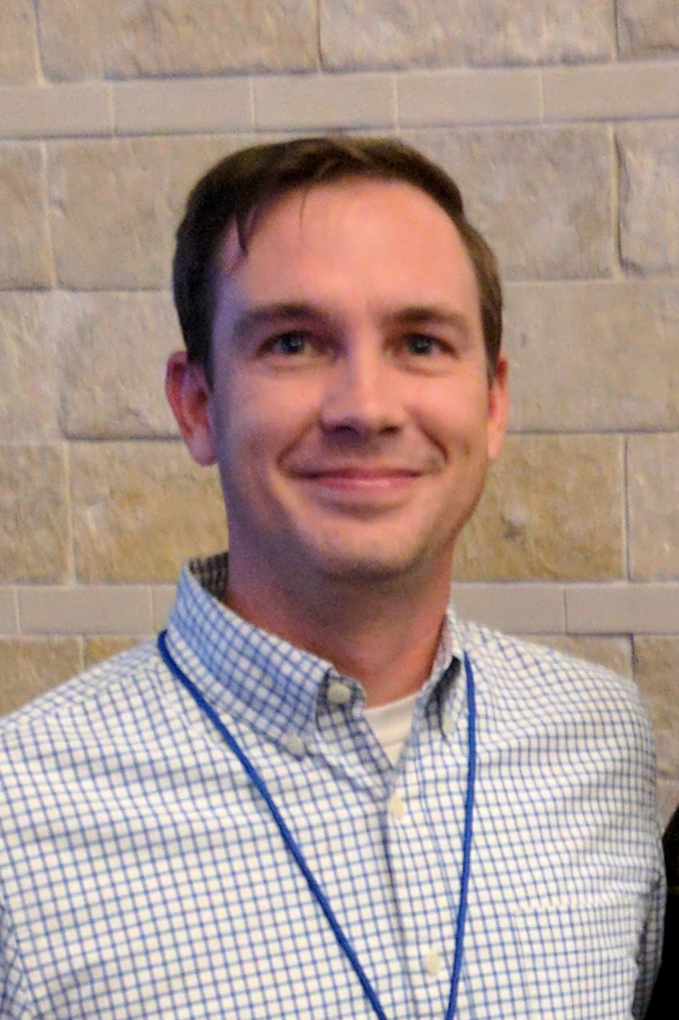
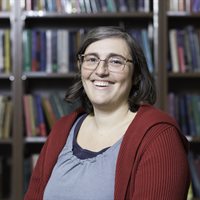
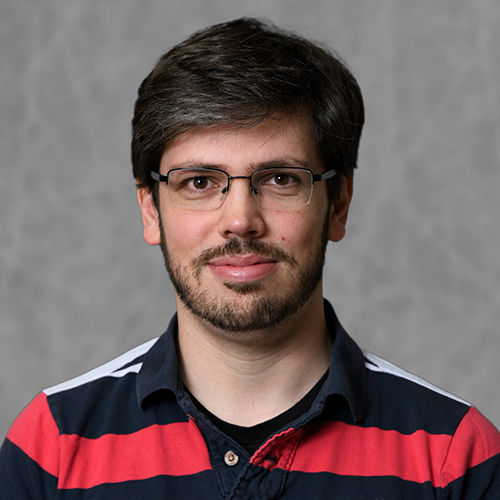
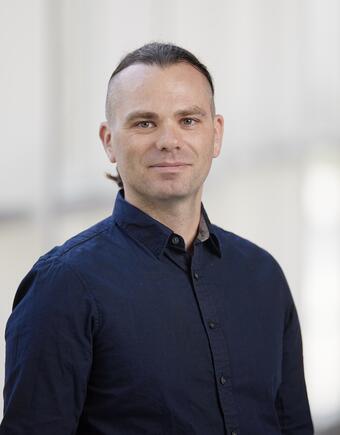
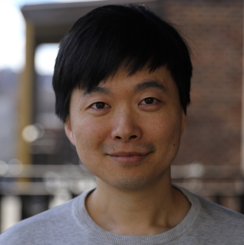
Dr Mustafa Hussein Ajlan Al-jarshawi is an Honorary Research Fellow at the Peninsula Medical School (University of Plymouth) . His academic career integrates clinical practice and medical education research, with affiliations including the University of Baghdad, University of Leicester, and Queen Mary University of London. MBChB (1st class honours, University of Baghdad, 2020) PLAB, General Medical Council, UK (2021) MSc Clinical Education (distinction, University of Leicester, 2022) NIHR-funded MSc Clinical Research (University of Plymouth, 2023) His research focuses on Medical Education (curriculum design, simulation, digital tools) and Cardiovascular Diseases (hypertension, diabetes, cardiovascular structure). Recent publications highlight innovations in medical teaching, clinical ethics, and cardiovascular risk factors. Scientific awards include the TEL Special Group Communication Prize (2023) and Shine Awards 'rising star' recognition (2023) . He has served as an OSCE Examiner for multiple UK medical programs and holds memberships at the Royal Colleges of Physicians (UK) and General Medical Council (UK) .
Matt Sykes is an Associate Professor in Computational Medicinal Chemistry at UniSA Clinical & Health Sciences. His research focuses on computational drug discovery, molecular property prediction, and cytochrome P450 metabolism, with applications in antimicrobial resistance and cancer therapeutics. He holds a PhD from Flinders University and completed postdoctoral work at the University of Sheffield and AstraZeneca. Recent publications employ sequence symmetry analysis for pharmacovigilance studies, structure-based drug design against efflux pumps, and development of kinase inhibitors.
Professor Anne Dell is a distinguished academic in the Department of Life Sciences at Imperial College London, within the Faculty of Natural Sciences. Her research focuses on glycobiology, glycoprotein analysis, and the role of glycans in health and disease. She leads the Biopolymer Mass Spectrometry group and contributes to affiliated networks like Glycobiology and the Vascular Science Network. Her academic career includes prestigious awards such as CBE, FRS, FMedSci, and FAA. Research interests span biochemistry, molecular medicine, and clinical applications of glycan analysis. Notable projects include investigating glycan structures in infectious diseases (e.g., H. pylori, SARS-CoV-2) and their implications for treatments like immunotherapy and antiviral strategies. Publications highlight her work on glycans in preterm birth mechanisms, CAR-T cell efficacy, and post-COVID-19 complications. Collaborations with global networks address issues like antimicrobial resistance and maternal-fetal interactions. Her lab employs advanced techniques like FAB-MS for glycan profiling, contributing to diagnostics and drug development. Awards: Commander of the Order of the British Empire, Royal Society Fellowship, Academy of Medical Sciences Fellowship, Australian Academy of Science Fellowship Labs/Teams: Biopolymer Mass Spectrometry group, Imperial College Glycobiology Network Key Themes: Glycan structure-function relationships, translational glycobiology, pandemic-related health challenges
Stuart Haslam is a Professor in Structural Glycobiology at the Department of Life Sciences, Imperial College London. His work focuses on glycobiology, particularly the structural analysis of glycoconjugates in diverse biological systems, including bacteria and humans. He leads the Analytical Glycotechnology Core for the NIH-funded Consortium for Functional Glycomics (CFG), specializing in glycomic profiling and carbohydrate structure analysis. His research integrates glycosylation mechanisms with clinical applications, such as preterm birth risk factors, cancer biology, and vaccine development. He has affiliations with the EuroCarbDB consortium, advancing carbohydrate database infrastructure. Education: PhD and first degree from the University of Leeds. Postdoctoral research at Imperial College London established methodologies for high-sensitivity mass spectrometry analysis of oligosaccharides, recognized by a Young Scientist Award from the International Symposium on Glycoconjugates. Awards also include contributions to understanding glycan-protein interactions in cell communication. Research interests span glycobiology in disease contexts: infectious diseases (e.g., Helicobacter pylori), cancer glycosylation, placental biology, and immune modulation. Key projects include developing glycan-based biomarkers and engineering glycosylation pathways for therapeutic applications. He collaborates internationally on biotechnology tools like immobilized enzyme cascades for targeted glycosylation. Grants and Funding: NIH (CFG), European Commission 6th Framework Programme (EuroCarbDB). Labs/Teams: Analytical Glycotechnology Core, Biopolymer Mass Spectrometry, Vascular Science Network.
Dr. Scott Parnell is an Associate Professor at the Department of Cell Biology and Physiology, UNC School of Medicine, Chapel Hill. His primary research focuses on understanding how drugs of abuse like alcohol and cannabinoids disrupt early embryonic development, particularly in the context of Fetal Alcohol Spectrum Disorders (FASD). He leads the Parnell Lab, which investigates the pathogenic mechanisms of alcohol-induced birth defects and genetic susceptibilities using mouse models. Dr. Parnell holds a PhD in Medical Sciences/Neuroscience from Texas A&M University (2004) and a B.A. in Biology from Texas A&M (1998). His postdoctoral training was completed at UNC-Chapel Hill (2004-2009). He is affiliated with the Bowles Center for Alcohol Studies and the Carolina Institute for Developmental Disabilities. Key research interests include the Sonic Hedgehog pathway, primary cilia dysfunction, and gene-environment interactions in FASD. His lab employs advanced imaging techniques (e.g., magnetic resonance microscopy) and transcriptomic analyses to study developmental neurotoxicology. Recent work examines synergistic effects of alcohol and cannabinoids, genetic modifiers of alcohol sensitivity, and long-term behavioral impacts of prenatal exposure. Dr. Parnell’s publications emphasize molecular mechanisms of teratogenesis, including studies on CB1 receptor interactions, Hedgehog pathway dysregulation, and N-acetylcysteine as a potential mitigation strategy. His work has implications for prevention and treatment strategies in FASD and related disorders.
Alistair McGregor, PhD is a Professor in the Department of Microbial Pathogenesis & Immunology at Texas A&M University's School of Medicine. His research focuses on cytomegalovirus (HCMV) pathogenesis, vaccine development, and antiviral strategies using guinea pig models. He holds a PhD in Virology from the University of Glasgow (1994), followed by postdoctoral training at UC Berkeley and Cincinnati Children's Research Hospital. Research interests include understanding congenital CMV transmission mechanisms, developing live-attenuated vaccines, and studying viral immune evasion strategies. His lab employs cutting-edge techniques such as bioluminescence imaging and genetically engineered viral mutants. Current NIH/NIAID-funded projects investigate vaccine efficacy and placental infection pathways. Key contributions include demonstrating ganciclovir's limitations in preventing congenital CMV and establishing the guinea pig as a critical preclinical model. His work bridges basic virology with translational medicine, aiming to reduce CMV-associated birth defects and improve antiviral therapies. Grants: Active NIH/NIAID funding Labs/Teams: McGregor Lab Virus Research Future Work: Optimizing multivalent vaccines, understanding placental immune responses, developing non-invasive diagnostic tools
Sara Geneletti is an Associate Professor and MSc Health Data Science Programme Director at the Department of Statistics, London School of Economics and Political Science (LSE). Her research focuses on causal inference methodologies, particularly Bayesian approaches and regression discontinuity design (RDD), applied to healthcare and epidemiological studies. She co-leads an MRC-funded project analyzing drug effects using primary care data. Her work addresses bias correction in observational studies, evidence synthesis from multiple data sources, and methodological challenges in causal analysis. Her research interests include causal inference frameworks, Bayesian modeling, and applications in public health. She explores how clinical knowledge can improve causal analyses of real-world data, emphasizing rigorous statistical methods for addressing confounding and selection bias. Her expertise spans epidemiological study designs, missing data mechanisms, and the integration of Bradford-Hill criteria in genomics. Geneletti’s publications highlight methodological advancements in RDD, longitudinal data analysis, and bias mitigation techniques. Her work bridges statistical theory with practical challenges in healthcare, policy evaluation, and environmental health studies. She actively contributes to advancing health data science education through her role in the MSc programme.
Robin Alexander is a Research Fellow in Medical Statistics at the University of St Andrews' School of Medicine. She holds an M.Sc. in Statistics from The Ohio State University (2014–2016). Her research focuses on applying statistical methods to investigate cardiovascular disease risk factors, pediatric critical care outcomes, surgical interventions, and perinatal epidemiology. Key areas include trace element analysis in biomarkers, thrombosis post-gastric bypass, and birth outcomes related to cesarean sections. Collaborations involve global networks such as the Bronchiolitis And COdetectioN (BACON) Study Investigators and the Red Colaborativa Pediátrica de Latinoamérica Network. Recent studies address pediatric respiratory infections, ECMO patient management, and neonatal biomarker meta-analyses. Education: M.Sc. in Statistics, The Ohio State University, 2014–2016 Research Interests: Medical statistics applied to cardiovascular diseases, pediatric critical care, surgical outcomes, and perinatal epidemiology. Specific topics include biomarker analysis, maternal-fetal environment impacts, and clinical trial emulation. Her work bridges statistical methodologies with clinical applications in neonatology, cardiology, and infectious diseases. Publications Trends: Recent articles emphasize translational research, including cardiovascular risk biomarkers, post-surgical hemostasis, and pediatric critical care challenges. Collaborations highlight interdisciplinary approaches to address global health issues, such as improving ECMO protocols and reducing disparities in developmental screening. Awards: No awards explicitly listed. Grants & Teams: Involved in datasets like the fibrin clot properties study (Roux-en-Y gastric bypass outcomes). Contributes to SDG 3 (Good Health) and SDG 4 (Quality Education) through research and statistical training initiatives. Active in collaborative projects addressing pediatric respiratory infections and maternal-fetal health. Labs/Teams: Engaged in multidisciplinary teams within the School of Medicine, including collaborations with institutions in Latin America and the United States. Data sharing initiatives support open science practices in medical statistics.
Dr. Julio Monti Belmonte is an Assistant Professor at North Carolina State University (NC State), part of the Chancellor’s Faculty Excellence Program cluster hire in Modeling the Living Embryo. He joined NC State in 2018. His research focuses on understanding the physical principles underlying cell mechanics, force production, and pattern formation in biological systems. He employs computational models to study processes at both tissue (e.g., organ formation) and subcellular (e.g., cytoskeletal dynamics) levels. His work bridges biophysics, cell biology, and developmental biology. Education: He holds a bachelor’s and master’s in physics from Universidade Federal do Rio Grande do Sul (Brazil), a Ph.D. in biophysics from Indiana University Bloomington (under Prof. James Glazier), and conducted postdoctoral research at the European Molecular Biology Laboratory (EMBL) with Professors Maria Leptin and François Nédélec. His postdoctoral work centered on cytoskeletal networks and developmental processes. Research Interests: Dr. Belmonte’s group investigates how physical forces and mechanical interactions drive biological organization. Key areas include: (1) mechanisms of force generation by cytoskeletal structures, (2) mechanical control of tissue patterning during embryogenesis, and (3) computational modeling of developmental processes. His studies often integrate experimental data with simulation tools like CompuCell3D. Recent Work Trends: His publications emphasize mechanical competition in cells, cytoskeletal dynamics during cytokinesis, and the interplay between genetics and mechanics in developmental decisions. Notable themes include symmetry-breaking in cells, nuclear recentering in fission yeast, and modeling neural tube defects. Awards/Grants: While no explicit awards are listed, he secured a National Science Foundation CAREER grant (2024) for computational studies of actomyosin contraction systems. This grant underscores his leadership in theoretical and computational biology. Advising & Teams: He mentors students/postdocs in interdisciplinary approaches to biological systems. His research group collaborates with experimentalists to validate computational models. He actively uses open-source platforms like CompuCell3D for simulating tissue-level behaviors.
Sally A. Camper is the Margery Shaw Distinguished University Professor of Human Genetics and Internal Medicine at the University of Michigan's Medical School. She holds dual appointments in Human Genetics and Internal Medicine departments. Her academic career began in 1988 as an Assistant Professor at U-M, where she established the Transgenic Animal Model Core facility and served as Department Chair from 2005 to 2015. Education: BA in Chemistry (University of Delaware, 1977), PhD in Biochemistry (Michigan State University, 1983), followed by postdoctoral training at Case Western Reserve University, Fox Chase Cancer Center, and Princeton University. Research focuses on genetic mechanisms underlying neuroendocrine system development, particularly hypopituitarism. Pioneered transgenic mouse models to study developmental gene expression in human genetic disorders. Collaborates internationally to identify genetic causes of pituitary disorders and elucidate roles of transcription factors like PROP1 and signaling pathways in pituitary development. Recent work emphasizes pituitary stem cell differentiation (WNT signaling), nuclear factor interactions, and translational research linking mouse models to human cases. Key contributions include identifying nucleoredoxin's role in pituitary development and Ash1l's impact on cortical development. Awards: Roy O. Greep Award, NIH Merit Award, AAAS Fellowship Lab Affiliations: Global REACH, Rogel Cancer Center, Center for Computational Medicine & Bioinformatics Active in mentoring and institutional leadership, advancing women in academic medicine through initiatives like the Muraszko Award. Current projects explore long noncoding RNAs in pituitary development and computational tools for gene co-expression analysis (TIME-CoExpress).
Łukasz Sznajder is an Assistant Professor in the Department of Chemistry and Biochemistry at the University of Nevada, Las Vegas (UNLV) College of Sciences. With nearly two decades of research experience in the United States and Poland, his work focuses on molecular mechanisms underlying neurogenetic disorders caused by repetitive DNA sequences and RNA misprocessing. University of Nevada, Las Vegas - Assistant Professor University of Florida - Postdoctoral Researcher Research Focus: His research program investigates neuromuscular and neuropsychiatric disorders including myotonic dystrophy, amyotrophic lateral sclerosis (ALS), and autism spectrum disorder (ASD). Key areas include: RNA misprocessing and repeat expansion pathogenesis Mechanistic studies of splicing factors (MBNL proteins) Development of therapeutic approaches for genetic disorders Identification of blood biomarkers for disease progression Publication Trends: Recent work (2018-2025) shows consistent focus on RNA splicing abnormalities in repeat expansion disorders, with increasing exploration of CRISPR-based interventions and systemic RNA misprocessing in both neurological and peripheral tissues. Training & Collaborations: Dr. Sznajder has trained with prominent figures in human genetics at University of Florida and maintains active collaborations in RNA biology research through publications in Nature Neuroscience , Nature Communications , and PNAS .
April Dione Adams, MD, MS is an Assistant Professor at Baylor College of Medicine in the Departments of Obstetrics and Gynecology and Molecular and Human Genetics. She holds appointments in Maternal Fetal Medicine, Prenatal Genetics, and Reproductive and Prenatal Genetics. She also serves as Fellowship Program Director in Maternal Fetal Medicine/Medical Genetics and Genomics and as Assistant Director of Education in Reproductive and Prenatal Genetics. Clinically, she is Maternal Medical Director, Quality and Safety at Harris Health System’s Ben Taub Hospital in Houston, Texas. Education: BS, Purdue University, West Lafayette MS, Tulane University, New Orleans MD, Wayne State University, Detroit Obstetrics and Gynecology Residency, University of Minnesota, Minneapolis Maternal Fetal Medicine Fellowship, MedStar Washington Hospital Center, District of Columbia Medical Genetics Residency, NIH-NHGRI, Bethesda Dr. Adams’ research focuses on prenatal genetics, placental biology in chromosomal abnormalities (particularly Down syndrome), fetal phenotyping, and health disparities in perinatal outcomes. Her work bridges clinical obstetrics with genomic medicine, emphasizing translational insights from mouse models and population-level data on stillbirth risk. She investigates how genetic conditions affect fetal and placental development and how social determinants impact maternal and fetal health. Her recent publications reveal a strong trend in studying trisomy 21 and placental dysfunction using mouse models, alongside clinical research on aneuploidy screening disparities and structural birth defects like omphalocele. She also contributes to understanding social determinants influencing stillbirth, indicating a dual focus on biological and societal factors in maternal-fetal health. Professional Memberships: International Society for Prenatal Diagnosis – Board Member American College of Obstetricians and Gynecologists – Fellow American College of Medical Genetics and Genomics – Fellow Society for Maternal Fetal Medicine – Member Dr. Adams is actively involved in academic leadership through her role as Fellowship Program Director and Assistant Director of Education, shaping training in maternal-fetal medicine and genetics. While specific grants are not listed, her research output suggests active involvement in funded projects related to prenatal diagnosis and genetic disorders. She is certified by the American Board of Obstetrics and Gynecology and the American Board of Medical Genetics and Genomics. She is affiliated with research and clinical teams focused on prenatal genetics and maternal-fetal medicine at Baylor College of Medicine and Harris Health System, contributing to interdisciplinary efforts in fetal diagnosis, genetic counseling, and quality improvement in maternal care.
Nick Greene is a Professor of Developmental Neurobiology at the Great Ormond Street Institute of Child Health , University College London (UCL). His research focuses on neural tube defects (e.g., spina bifida) and the non-ketotic hyperglycinemia (NKH) disorder, using mouse models , cell line , and iPSC-derived models . He has held leadership roles including Director of Research (2025-present) and Head of Developmental Biology & Cancer Department (2022-present). Education : PhD in Developmental Neurobiology (UCL, 1996), BA (Oxford, 1993) Teaching : Contributes to MSc and BSc courses in Pediatrics, Cell/Gene Therapy, and Developmental Biology at UCL Greene's research explores multi-disciplinary approaches integrating developmental biology , biochemistry , and molecular genetics to address causes and prevention of central nervous system disorders. His recent publications analyze folate metabolism , anti-retroviral drug effects on fetal development, and genetic regulation in neural tube closure . Notable scientific awards include the High Impact Research (HIR) Icon from the University of Malaya (2015-2016). He has supervised 26 PhD students (9 primary, 17 secondary) and actively mentors MSc, MRes, and undergraduate researchers. Greene's work aligns with UN Sustainable Development Goals 3 (Good Health) , 10 (Reduced Inequalities) , and 13 (Climate Action) through developmental disorder research.
Jeremy Schraw, Ph.D. is an Assistant Professor in the Department of Oncology at Baylor College of Medicine , Houston, Texas. His research focuses on the intersection of molecular epidemiology , childhood cancer , and congenital anomalies , utilizing large-scale population-based registry data and genomics. PhD from University of Texas at Austin (2016) Postdoctoral Fellowship at Baylor College of Medicine (2020) His work integrates nutritional epidemiology and metabolomics to explore diet-body composition interactions in cancer risk and outcomes, particularly in pediatric leukemia. He develops prognostic biomarkers using targeted and non-targeted metabolomics. Scientific Affiliations: Children’s Oncology Group Society for Birth Defects Research and Prevention Childhood Leukemia International Consortium Notable Awards: Young Investigator Talent Award, SIOP Junior Investigator Award, Brain Tumor Epidemiology Consortium
Fengzhu Xiong is a Group Leader at the Gurdon Institute and affiliated with the Department of Physiology, Development and Neuroscience at the University of Cambridge . His research bridges Developmental Biology , Biophysics , and Engineering to explore how mechanical forces shape embryonic development. Focuses on Avian Embryos as a model system Developed Tissue Force Microscopy (TiFM) and Magnetic Nanorobotics for mechanical measurements Key themes: Systems Tissue Mechanics , Bilateral Symmetry , and Neural Tube Morphogenesis His work combines Imaging , Mathematical Modeling , and Molecular Genetics to uncover fundamental rules of Morphogenesis , with applications in Birth Defects and Cancer Mechanics . Recent publications emphasize Tissue Deformability , Cell Density Regulation , and Lumen Pressure Modulation in shaping embryonic structures. Scientific Awards : Wellcome Sir Henry Dale Fellowship, Wellcome-Beit Prize, NIH Pathway to Independence Award Current Projects : Paraxial-axial tissue interactions, Fluid pressure effects on organ shape, Magnetic micro/nanorobotics in development The lab maintains a Molecular Biology Workstation , Embryology Facilities , and Custom Mechanical Tools . Collaborations include Theoretical Biophysicists and Bioengineers to refine morphogenesis models.