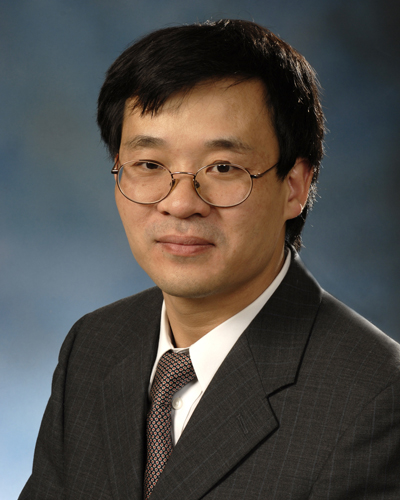
Ruofan Yao serves as an Associate Professor in the Department of Gynecology and Obstetrics at Loma Linda University School of Medicine. Holding dual qualifications as an MD and MPH, Dr. Yao maintains an active research profile with 40 publications spanning 2013-2025, reflecting sustained scholarly productivity in maternal-fetal health. Dr. Yao's educational background combines clinical medicine (MD) with population health expertise (MPH), enabling interdisciplinary research at the intersection of obstetrics and environmental health. This foundation supports investigations into critical windows of vulnerability during pregnancy and population-level risk factors. Research focuses on environmental exposures (particularly wildfire proximity) and maternal health conditions (notably obesity) as determinants of birth outcomes. Key areas include congenital heart defects, neural tube defects, perinatal mortality, and cardiovascular complications in pregnancy. Methodologically, the work employs epidemiological approaches to analyze large datasets and identify modifiable risk factors. Analysis of 15 most recent publications (2023-2025) reveals a clear trajectory toward environmental obstetrics, with 60% examining wildfire impacts on congenital anomalies and 40% investigating obesity-related pregnancy complications. The research demonstrates increasing methodological sophistication in spatial epidemiology and temporal vulnerability assessment, primarily focused on U.S. populations. No scientific awards are documented in the available materials. Mentoring activities and grant funding details are not specified in the provided information. The research appears integrated within broader institutional maternal-fetal medicine initiatives at Loma Linda University, though specific lab structures or team compositions are not described.
Gary M. Shaw is the Rosemarie Hess Professor and Professor (Research) at Stanford University , with courtesy appointments in the Department of Epidemiology and Population Health and Department of Obstetrics & Gynecology - Maternal Fetal Medicine . He serves as Co-PI of the March of Dimes Prematurity Research Center at Stanford and PI of the California Center for Finding Causes and Preventives of Birth Defects . His research focuses on the Epidemiology of birth defects Gene-environment interactions in perinatal outcomes Nutritional factors in reproductive health . He has developed machine learning approaches for precision parenteral nutrition and predictive models for preterm birth, while investigating persistent metabolomic signatures following hypertensive pregnancy disorders. Shaw's recent work explores Climate change impacts on reproductive health Maternal-fetal immune interactions Epigenetic mechanisms in perinatal disease with applications of multiomics to neonatal intensive care units. As a member of Bio-X and the Maternal & Child Health Research Institute , he contributes to translational research networks while serving as Associate Editor for Birth Defects Research and American Journal of Medical Genetics . He supervises Med Scholar Project student Richard Liang Doctoral co-advisor for Saskia Comess and Richard Liang Master's advisor for Lenae Joe while leading the Division of Neonatology as Associate Chair for Clinical Research (2012-2025). His laboratory work integrates Metabolomic profiling Proteomic analysis Computational modeling Machine learning for biomedical data to advance neonatal care through precision medicine approaches.
Frans N. van de Vosse is a full Professor at the Department of Biomedical Engineering , Eindhoven University of Technology. He leads the Cardiovascular Biomechanics research group, focusing on computational and experimental analysis of cardiovascular systems, medical devices, and clinical applications. Academic Background: MSc in Applied Physics (1982), PhD in Numerical Carotid Artery Flow Analysis (1987) from TU/e Professional Affiliations: Full Professor (since 2001), Lecturer in Fluid Mechanics (1987–2001) Research Interests span cardiovascular biomechanics, including Blood in Motion , Heart at Work , and Vessels under Stress . His work emphasizes computational models, experimental techniques, and medical devices for clinical diagnosis and intervention. Key Article Trends include fetal hemodynamics, virtual patient cohorts for coronary disease, abdominal aortic aneurysm progression, and fluid-structure interaction studies in heart valves. Many publications align with UN Sustainable Development Goals related to health and well-being. Media and Public Engagement highlights his contributions to artificial womb technology discussions and clinical device validation studies. His research has been featured in Professional Commentary and PR Activities in cardiovascular engineering.
Odelya Hartung Kaufman, MD, PhD, is a Clinical Geneticist and Associate Research Scientist in the Department of Genetics at Yale School of Medicine. She specializes in diagnosing and managing genetic conditions in children and adults, with expertise in developmental disabilities, inherited eye disorders, hearing loss, and congenital birth defects. Her research focuses on genetic mechanisms underlying early embryonic defects, human infertility (e.g., unexplained female infertility and recurrent pregnancy loss), and rare undiagnosed diseases via the Undiagnosed Disease Network. Education & Training: MD and PhD in Biomedical Sciences from Albert Einstein College of Medicine (2016) Pediatrics and Medical Genetics Residency at Mount Sinai Hospital (2020) Research Interests: Dr. Kaufman’s work combines clinical practice with research into genetic causes of rare diseases. Her studies utilize zebrafish models to investigate RNA binding proteins’ roles in ovary development and Balbiani body architecture. Recent publications highlight advancements in understanding nutrient sensing pathways and genetic mutations linked to syndromes like Shwachman–Diamond syndrome. Awards & Grants: No specific awards listed, though her work aligns with NIH-funded initiatives through the Undiagnosed Disease Network. Grants and funding sources are not detailed in the provided text. Labs & Teams: Member of the Jiang Lab at Yale School of Medicine, collaborating on interdisciplinary projects at the intersection of genetics and clinical care.
Dr. Peixin Yang is the Christopher R. Harman, MD Endowed Professor of Obstetrics, Gynecology, and Reproductive Sciences at the University of Maryland School of Medicine. He serves as Professor with tenure in the Department of Obstetrics, Gynecology and Reproductive Sciences and holds a secondary appointment in the Department of Biochemistry & Molecular Biology. Dr. Yang is the founding director of the Center for Birth Defect Research at the University of Maryland School of Medicine and leads multiple NIH-funded research projects totaling millions of dollars. Dr. Yang's educational background includes: B.S. in Animal Science from Zhejiang Agricultural University (1986-1990) M.S. in Animal Reproductive Sciences from Nanjing Agricultural University (1990-1993) Ph.D. in Biophysics from Tokyo University of Agriculture & Technology and Zhejiang University (1994-1999) Postdoctoral Research Associate at University of Nebraska Medical Center (1999-2002) BIRCWH scholar (NIH K12) at University of Maryland Baltimore (2008-2009) Dr. Yang has built an extensive research program focused on diabetic embryopathy, particularly examining how maternal diabetes induces neural tube defects (NTDs), congenital heart defects (CHDs), and kidney defects. His laboratory was the first to establish a mouse model of diabetic embryopathy and reveal the causal role of JNK1/2 in neural tube defects. He has made significant contributions to understanding the molecular mechanisms of cellular stress, endoplasmic reticulum stress, and autophagy in neural tube defect formation. Dr. Yang also investigates the effects of maternal obesity on placental function and has established the Maryland Maternal Health Research Center of Excellence. His recent work has expanded to include studies on SARS-CoV-2 infection in pregnancy and connections between insulin resistance signaling and Alzheimer's disease. Analysis of Dr. Yang's recent publications reveals a strong focus on the molecular mechanisms of diabetic embryopathy, with particular emphasis on epigenetic regulation, cellular stress signaling pathways, and placental function. His work consistently bridges basic science with clinical applications, developing potential therapeutic approaches for preventing birth defects. A significant portion of his recent research examines the intersection of maternal metabolic conditions (diabetes and obesity) with fetal development, while also expanding into novel areas like viral infections in pregnancy and connections to neurodegenerative diseases. Dr. Yang's notable scientific achievements include: The F. Clarke Fraser New Investigator Award from the Teratology Society (2013) BIRCWH scholar (NIH K12) (2008-2009) The Lalor foundation postdoctoral Fellowship (2002-2003) Dr. Yang currently directs a multi-million dollar NIH-funded research group with multiple active R01 grants. His current projects investigate the intersection of mTOR/p70S6K1 signaling and HIPPO-Yap tissue organizer in neurulation, heightened hypoxia and DNA methylation in heart defects of diabetic embryopathy, hyperglycemia-induced cardiac progenitor dysfunction, and epitranscriptomic alterations in diabetic embryopathy. He has developed a robust research program in maternal diabetes-induced heart defects, which was previously an understudied area. Dr. Yang is also leading efforts to establish the Maryland Maternal Health Research Center of Excellence, focusing on the adverse effects of obesity, placental accreta spectrum, and opioid use disorder. As the founding director of the Center for Birth Defect Research at the University of Maryland School of Medicine, Dr. Yang leads a multidisciplinary team of translational and clinical scientists. His laboratory has made original contributions to understanding the molecular mechanisms underlying maternal diabetes-induced structural birth defects. The team employs genetically modified mouse models, whole-embryo culture systems, and human placental studies to investigate the effects of metabolic conditions on fetal development. Dr. Yang's group has been instrumental in developing natural compounds as potential preventatives for diabetic embryopathy, including trehalose, epigallocatechin-3-gallate, and curcumin.
Dr. Vanessa Aguiar-Pulido is an Assistant Professor in the Computer Science department within the College of Arts and Sciences at the University of Miami. Her research focuses on the intersection of computer science and biomedical sciences, specifically developing computational tools to address challenges in genetic disorders and precision medicine. Her research interests include: Bioinformatics and computational genomics Machine learning and artificial intelligence applications in healthcare Big data analytics for genetic disorders Neural tube defects and spina bifida research Epigenetics and omics data integration Development of algorithms for candidate gene analysis Dr. Aguiar-Pulido's recent publications demonstrate a strong trend toward applying advanced machine learning techniques to understand genetic disorders, particularly neural tube defects and autism spectrum disorder. Her work frequently involves developing novel computational approaches that integrate multiple data types to identify genetic risk factors and biological pathways. A significant portion of her research focuses on spina bifida and epilepsy-related genetic analysis, showing consistent thematic focus in her scholarly output. Her scientific contributions include: Development of RExPRT, a machine learning tool for predicting pathogenicity of tandem repeat loci Creation of EpiPred, a gene-specific model for classifying missense variants in epilepsy-related genes Innovative approaches using embedded feature selection to pinpoint biological pathways in structural birth defects Dr. Aguiar-Pulido leads or participates in several funded research projects: Center for Accelerated Real Time Analytics (CARTA) (2021-2022) - NSF (Project Leader) Epilepsy Multiplatform Variant Prediction (2020-2025) - NIH (Co-Investigator) Progenitor regulation underlying cortical interneuron specification (2018-2023) - NIH (Key Personnel) Risk Genes and Environmental Interactions in Neural Tube Defects (2018-2023) - NIH (Researcher) Hybrid sequencing for improved genetic diagnosis in clinical settings (2019-2020) - Sackler Research Grant (Principal Investigator) She directs the DSaCB Lab, which focuses on developing computational approaches to address challenges in biomedical research, particularly related to genetic disorders. Her lab's work bridges computer science methodologies with real-world clinical applications in precision medicine.
Jennifer Makelarski is an Assistant Professor in the Department of Social, Behavioral, and Population Sciences at the School of Public Health and Tropical Medicine, Tulane University. She holds a PhD in Epidemiology from the University of Iowa and has over 15 years of experience in public health research and education. She has been actively involved in teaching, primarily in online accredited MPH programs, for more than five years. Her research is centered on social epidemiology, with a strong focus on reducing health disparities by addressing social risks such as food insecurity, socioeconomic vulnerability, and access to community resources. She employs both quantitative and qualitative methods in study design and implementation, often in urban, underserved populations. Her recent publications highlight her work during the early phase of the COVID-19 pandemic, examining health-related social risks among U.S. women and female caregivers, food insecurity, and the impact of hospital-based food pantries. She has also contributed significantly to the CommunityRx project—a clinic-based intervention connecting patients to community resources—using both empirical and computational modeling approaches. Her work spans topics including women's health, racial and ethnic disparities, mental health, and public health informatics. Her scientific contributions appear in top-tier journals such as American Journal of Public Health , Journal of Women’s Health , PLoS Computational Biology , and Annals of Family Medicine . She frequently collaborates with interdisciplinary teams, particularly with Dr. Stacy T. Lindau, and is committed to community-engaged research that addresses real-world public health challenges. Scientific Awards: No awards mentioned in the provided text. Advising and Grants: No specific information on students advised or grants received is provided in the text. Labs and Research Teams: While no formal lab is named, her work is closely tied to the CommunityRx initiative and population health research on the South Side of Chicago, indicating active participation in community-engaged research teams focused on urban health equity and resource integration.
Dr. Christine Gray serves as an Assistant Research Professor at Duke University's Duke Global Health Institute (DGHI), where she is a core faculty member of the Center for Health Policy and Inequalities Research (CHPIR). Her work focuses on social epidemiology and mental health disparities in vulnerable populations including orphaned children, sexual and gender minorities, and communities affected by discriminatory practices, with research spanning global (Cambodia, Ethiopia, Kenya, Tanzania) and domestic (North Carolina) contexts. Her educational background includes a PhD in Epidemiology from the University of North Carolina at Chapel Hill and an MPH from Emory University. Prior to doctoral studies, she completed a three-year post-masters fellowship at the Centers for Disease Control and Prevention (CDC) and worked at the Center for the Study of Traumatic Stress at the Uniformed Services University of the Health Sciences. Dr. Gray's research examines social-environmental structures driving mental health and well-being disparities through implementation science and epidemiologic methods. Key focus areas include environmental health, maternal/child health, trauma, non-communicable diseases, and social determinants of health, with particular emphasis on intervention sustainment in resource-limited settings and structural drivers of health inequities. Her recent publications demonstrate consistent methodological rigor across diverse contexts: mental health intervention feasibility in Kenyan schools (2024), environmental quality impacts on birth defects (2023), urban greenspace effects on psychological health in Ethiopia (2022), and HIV testing predictors among orphaned youth in East Africa (2021). These works collectively highlight her expertise in longitudinal cohort studies, implementation science frameworks, and cross-cultural mental health research with vulnerable populations. Dr. Gray leads multiple NIH-funded projects including the SAGE study examining sustainment of school-based mental health interventions in western Kenya, the 15-year POFO longitudinal cohort of orphaned children across five countries, and the SMILE study establishing cohorts of sexual and gender minorities. She also directs a North Carolina feasibility study on SGM recruitment and collaborates with the Environmental Protection Agency on place-based equity research investigating how historical redlining influences present-day health outcomes through gentrification pathways. Her primary research hub is the Center for Health Policy and Inequalities Research at DGHI, where she coordinates international teams across Cambodia, Ethiopia, India, Kenya, and Tanzania. Current initiatives integrate community-engaged approaches with advanced epidemiologic methods to address mental health intervention gaps and structural determinants of health disparities in both global and domestic settings.
Mollie E. Wood, PhD, MPH is an Assistant Professor in the Department of Epidemiology at the University of North Carolina's Gillings School of Global Public Health. Her research focuses on medication safety during pregnancy, particularly for chronic conditions like depression, migraine, and diabetes. She holds a PhD in Clinical and Population Health from the University of Massachusetts Medical School (2015), an MPH in Epidemiology from Boston University (2009), and a BA in Zoology/Psychology from Miami University (2004). Dr. Wood's work bridges reproductive/perinatal epidemiology, pharmacoepidemiology, and epidemiologic methods. She examines how healthcare policies and practices influence maternal and child health outcomes, with recent studies addressing midwifery access, contraceptive use trends, and neurodevelopmental effects of prenatal drug exposures. Her methodological innovations include improving pregnancy cohort identification in insurance claims and addressing structural racism in health intervention evaluations. Her research has been published in high-impact journals, emphasizing rigorous epidemiologic methods and real-world data applications. She collaborates across disciplines to advance evidence-based practices in perinatal health and reduce healthcare disparities.
Terence Ozolins is an Associate Professor in the Department of Biomedical and Molecular Sciences at Queen's University's Faculty of Health Sciences. He holds cross-appointments with the Translational Institute of Medicine (TIME) and teaches courses in pharmacology and toxicology, including PHAR 480: Drug Discovery and Development. His research focuses on the etiology of ventricular septation defects (VSD) using rat models to understand how environmental influences during gestation cause structural heart defects and long-term postnatal cardiac dysfunction even after spontaneous repair. The lab investigates molecular mechanisms underlying teratogen-induced cardiac malformations and persistent physiological abnormalities. Publications demonstrate expertise in high-resolution fetal ultrasound imaging, molecular pathways of teratogenesis, and transgenerational effects of chemical exposures. Recent work explores AP-1 transcription factor regulation in embryotoxicity. Scientific Awards: Safety Sciences Award for Scientific Excellence (2003) Dr. Ozolins maintains collaborations with clinical researchers and previously spent 11 years in pharmaceutical industry research. Current projects examine epigenetic mechanisms in congenital heart defects and developmental origins of adult cardiovascular disease.
Mustafa Khokha, MD, is an Adjunct Professor in the Department of Pediatrics at Yale School of Medicine. His research focuses on understanding the molecular mechanisms underlying congenital malformations and critical illnesses in infants using genetic sequencing and Xenopus tropicalis as a model system. He directs the Pediatric Genomics Discovery Program (PGDP), which identifies genetic causes of undiagnosed diseases in children. Khokha’s work bridges clinical care and research, aiming to translate genetic discoveries into improved patient outcomes. Education: MD from Northwestern University Medical School (1995), BS from Northwestern University (1991), Residency in Pediatrics at St. Louis Children's Hospital (1995–98), Fellowship in Pediatric Critical Care at University of California, San Francisco (2002), and Fellowship in Molecular & Cell Biology at University of California, Berkeley (2006). His research integrates developmental biology and genetics to study embryonic patterning defects, particularly in congenital heart disease and facial malformations. Using high-throughput screens in Xenopus, he identifies genes responsible for birth defects and elucidates their functional roles. Key achievements include discovering the role of GALNT11 in laterality and cilia function, and linking CACNA1G to left-right patterning. His work on β-catenin nuclear transport and Wnt signaling has advanced understanding of developmental pathways. Awards: Mallinckrodt Scholar (2014), Mae Gailani Junior Faculty Teaching Award (2010), Harvey Colten Award (2009). Labs/Teams: Khokha Lab, part of the Program in Translational Biomedicine and the Yale Center for Genomic Health. Collaborations include the Pediatric Critical Care Transport Program and the Yale Medicine team.
E. Albert Reece, MD, PhD, MBA, is a Professor at the University of Maryland School of Medicine in the Department of Obstetrics, Gynecology and Reproductive Sciences. He serves as the CARTI Endowed Professor and Director of the Center for Advanced Research Training and Innovation (CARTI), and is a Senior Scientist at the Center for Birth Defects Research. Dr. Reece is a member of the National Academy of Medicine and previously served as Executive Vice President for Medical Affairs and Dean of the School of Medicine. His educational background includes: Bachelor of Science (Magna Cum Laude) from Long Island University MD from New York University School of Medicine PhD in Biochemistry from the University of the West Indies MBA from Temple University Residency in Obstetrics and Gynecology at Columbia University Medical Center Postdoctoral Fellowship in Maternal-Fetal Medicine at Yale University School of Medicine Dr. Reece's research focuses on the molecular mechanisms of diabetes-induced birth defects , particularly examining cytoarchitectural changes at the cellular level and biochemical alterations including membrane lipid depletion and oxidative stress. His laboratory employs rat and mouse models to investigate apoptotic pathways, JNK signaling, and protein kinase C isoforms in diabetic embryopathy, with emphasis on developing preventive interventions through vitamin and lipid therapies. His work bridges basic science with clinical applications in prenatal diagnosis and fetal therapy. Analysis of his recent publications reveals a consistent trajectory toward molecular mechanistic understanding of diabetic embryopathy, with increasing focus on oxidative stress signaling, specific apoptotic pathways, and genetic factors. His research demonstrates the progression from clinical observations of birth defect patterns to detailed cellular and molecular investigations, culminating in targeted therapeutic strategies. The interdisciplinary nature spans obstetrics, biochemistry, developmental biology, and molecular pharmacology. Scientific recognition includes: Distinguished Leadership Award (2009) Berson Medical Alumni Achievement Award in Health Sciences (2010) Distinguished Service Award from Loma Linda University (2010) Election to the National Academy of Medicine Dr. Reece has directed NIH-funded multi-million dollar research programs and served on influential committees including the FDA, NIH, Institute of Medicine, and March of Dimes Scientific Advisory Committee on Prematurity. His leadership extended to chairing the Association of American Medical Colleges Council of Deans and developing the ANGELS telemedicine system for rural obstetrical care. He has mentored numerous faculty and established performance-based incentive models for academic medicine. He directs the Center for Advanced Research Training and Innovation (CARTI), fostering interdisciplinary research in maternal-fetal health, and co-founded embryofetoscopy techniques for early prenatal diagnosis and potential fetal therapy. His laboratory group maintains active investigations into diabetes-induced embryopathy mechanisms while translating findings into clinical practice.
Vincent BARRA is a full professor in Computer Science at the LIMOS lab of Clermont-Auvergne University and CNRS. He serves as Vice dean of Clermont-Auvergne-INP (education and training), Assistant director of LIMOS, and Artificial Intelligence Special Advisor for Clermont-Auvergne University. He is also a member of the scientific board and Executive committee of MIAI Cluster. His academic work is primarily conducted through ISIMA, the engineering school in computer science of Clermont-Auvergne INP. Professor BARRA's research focuses on data analysis from both methodological and applicative perspectives. His work spans image and video processing, mesh processing, computational geometry, and machine/deep learning techniques. His interdisciplinary research connects computer science with applications in medical imaging, geothermal systems, polymer dynamics, mental health diagnostics, semiconductor manufacturing, and environmental monitoring. His publications demonstrate consistent innovation in developing algorithms for segmentation, feature extraction, and pattern recognition across diverse domains. The analysis of his recent publications reveals strong trends toward deep learning applications in specialized domains. His work shows increasing focus on medical applications (depression diagnosis, preterm birth prediction), geoscience (geothermal systems analysis), and industrial applications (semiconductor metrology, structural health monitoring). A consistent theme across his research is the development of robust, domain-specific deep learning architectures that address unique challenges in data analysis across different scientific fields. Professor BARRA maintains active collaborations across multiple institutions and disciplines, as evidenced by his extensive co-authorship network. His work bridges theoretical computer science with practical applications in diverse fields, demonstrating a commitment to solving real-world problems through innovative computational approaches. He leads research within the LIMOS laboratory, which focuses on computer science, modeling, and systems optimization.
John Davis is an Associate Research Scientist in Neurosurgery at Yale School of Medicine, part of Yale University. His primary affiliation is with the Neurosurgery department, and he is associated with the Moliterno Lab. Davis holds a Master of Science from the University of Virginia in Biological & Physical Sciences and a Bachelor of Science from Charter Oak State College in Biology. His research focuses on oncolytic viruses, neuro-oncology, and virology, with a particular emphasis on developing viral therapies for brain tumors and other cancers. Key projects include investigating Lassa-VSV chimeric viruses for glioblastoma and ovarian cancer treatment, studying Zika virus neurotropism in developing brains, and exploring mood stabilizers' antiviral effects. Publications highlight his work on viral oncology, including oncolytic selectivity, preclinical models, and safety profiles. Collaborators include notable researchers like Anasuya Pal and Anthony van den Pol. Davis’s contributions span peer-reviewed journals such as Molecular Therapy Oncology, Virology, and the Journal of Neuroscience. He actively participates in interdisciplinary research, leveraging virology and neuroscience to advance cancer therapies. No awards are explicitly listed, but his prolific publication record underscores his scientific impact. His work is conducted in collaboration with the Moliterno Lab and other teams at Yale School of Medicine.
Steve Murray is a Professor and Senior Director at Genetic Resource Science , affiliated with the Graduate School of Biomedical Science and Engineering at the University of Maine. His research focuses on developmental mechanisms of morphogenesis and structural birth defects using CRISPR/Cas9 modeling, large-scale mutagenesis programs, and mouse genetic resources. Research Interests Murray's work spans: CRISPR/Cas9 for functional genomics Mouse models of human disease Embryonic morphogenesis and gene function Genetic drivers of behavioral and developmental traits Resource development for the scientific community His recent publications emphasize mouse mutagenesis programs (KOMP2), genome editing applications, and collaborations in developmental biology and immunology. Articles highlight interdisciplinary approaches to understanding genetic pathways, inflammation, and therapeutic interventions in rare disease models. Laboratory & Collaborations Murray leads initiatives at The Jackson Laboratory and contributes to international consortia like the International Mouse Phenotyping Consortium . His lab develops tools such as CrePortal.org for conditional mutagenesis and participates in large-scale phenotyping efforts.