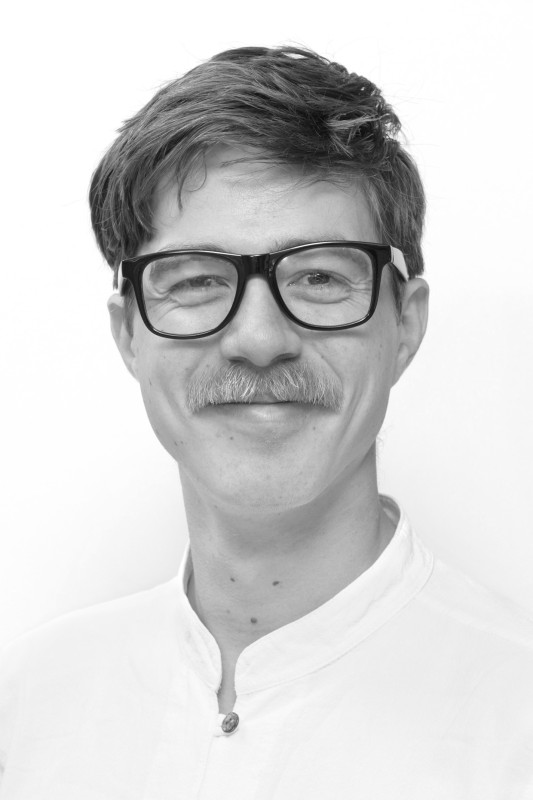
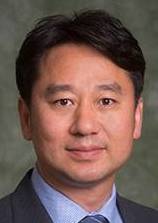
Dr. Cooper Harshbarger is a Lecturer at the Department of Health Sciences and Technology at ETH Zurich , Switzerland. His research bridges biomechanics and acoustofluidics, focusing on spinal surgery and microscale cell manipulation technologies. Email: cooper.harshbarger@hest.ethz.ch Research Interests : Dr. Harshbarger specializes in biomechanical analysis of spinal structures and acoustofluidic device development . His work explores: Biomechanics of the lumbar spine and osteoligamentous complexes Acoustically-driven microfluidic systems for medical diagnostics Cell focusing/trapping technologies using sharp-edge acoustofluidics Scientific Contributions : Recent publications highlight his dual expertise in spinal fusion biomechanics and microscale fluid control , with applications in cancer diagnostics and cell manipulation. Key technologies include BAW-based systems and programmable acoustofluidic chips.
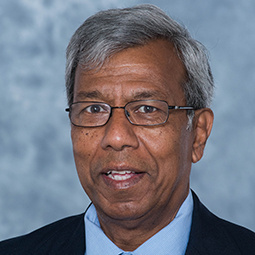
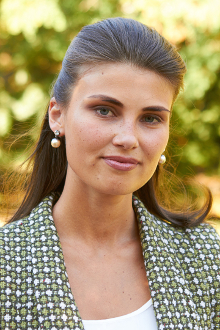
J. Stewart Aitchison is a Professor at the University of Toronto's Department of Electrical & Computer Engineering, holding the Nortel Chair in Emerging Technology. He serves as Associate Scientific Director for the Network Centre of Excellence, IC-IMPACTS, fostering Canada-India research collaborations. Aitchison co-founded ChipCare Corporation, developing portable HIV monitoring systems, and previously directed the Emerging Communications Technology Institute. He received a BSc (1984) and PhD (1987) in Physics from Heriot-Watt University, UK, followed by a postdoctoral position at Bellcore. His research focuses on: Nonlinear optics and plasmonics for optical signal processing Micro/nano-scale photonic devices and integrated circuits Optical biosensors for healthcare applications (e.g., HIV monitoring) Algal biofilm photobioreactors for sustainable energy His 250+ publications emphasize semiconductor waveguides, quantum optics, and lab-on-chip systems, with recent work advancing polarization management, entanglement generation, and point-of-care diagnostics. Awards & Fellowships: Fellow of Royal Society of Canada, Royal Society of Edinburgh, AAAS, OSA, and Institute of Physics Professional Engineering Ontario Research Medal (2016) IEEE Photonics Society Distinguished Lecturer (2016-2017) University of Toronto Inventor of the Year (2012) NSERC Synergy Award (2006) He leads the Aitchison Group, supervising over 60 PhD/Master's students in photonics and microfabrication. His team collaborates globally and utilizes the Toronto Nanofabrication Centre. ChipCare, his spin-off, secured $7M+ funding for blood-testing platforms enhancing healthcare in remote communities.
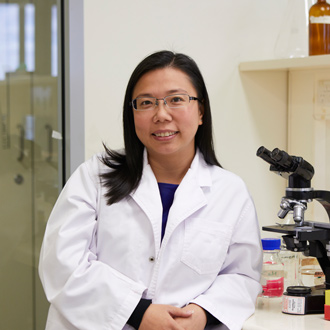
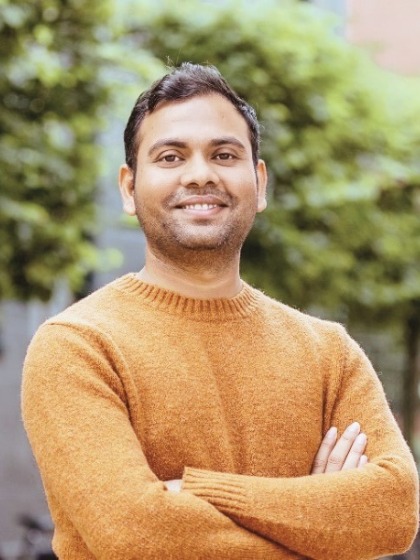
Professor Xiaowei Wang is a leading academic at the Baker Heart and Diabetes Institute , where she heads the Molecular Imaging and Nanotherapeutics laboratory and co-leads the Heart Attack Program and Centre for Cardiometabolic mRNA Therapy . She holds adjunct and honorary academic appointments at the University of Melbourne, La Trobe University, Monash University, Swinburne University, and Torrens University. Professor Wang earned her PhD from Monash University and is a Fellow of the Australian Academy of Health Sciences (FAHA), Cardiac Society of Australia and New Zealand (FCSANZ), and European Society of Cardiology (FESC). Her research integrates physics, chemistry, biology, and biotechnology to develop clinical-ready diagnostic and therapeutic solutions for cardiovascular disease. Her work focuses on preclinical molecular imaging using advanced technologies like MRI, PET, and photoacoustic imaging to enable early diagnosis and real-time monitoring of treatments. She pioneers mRNA therapeutics and vaccines delivered via micro- and nano-particles to prevent heart attacks, strokes, and inflammation with minimal side effects. Key trends in her publications highlight targeted drug delivery , thrombosis prevention , Nanotherapeutics , and translational cardiovascular research . Her studies often explore the intersection of molecular imaging , biomedical engineering , and clinical applications . Scientific awards and recognitions: National Heart Foundation Future Leader Fellowship Level 2 Baker Institute Sir Laurence Muir Prize World Molecular Imaging Society Mid Career Award Inaugural Fellow of the Australian Society of Molecular Imaging National Heart Foundation Paul Korner Innovation Award Inaugural Women of Colour in STEM Award AVBS Achievement and Career Development Award 40 Under 40 Most Influential Asian-Australian Award Finalist Professor Wang is also deeply committed to equity and mentorship, chairing the Baker Institute’s Mentoring Committee and serving on leadership teams for the Women in Molecular Imaging Network and the Gender Equity and Diversity Committee. She has received over 27 national and international travel grants, 18 research prizes, and 14 Young Investigator Awards, underscoring her impact in the field.
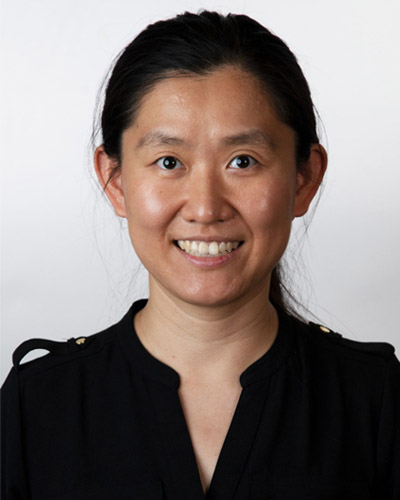
Dr. Ali Kosar is a Professor at Sabanci University's Mechatronics Engineering Program , with affiliations in Materials Science & Nanoengineering and Molecular Biology, Genetics & Bioengineering. As Co-Director of the Center of Excellence for Functional Surfaces and Interfaces for Nano Diagnostics (EFSUN) and Senior Researcher at SUNUM Nanotechnology Center, he leads a multidisciplinary research group spanning 30+ members. His work bridges microfluidics, heat transfer , and biomedical device design , focusing on cavitation-on-a-chip systems and microscale thermal management. Key research themes: Micro/Nanoscale Heat Transfer, Cavitation Dynamics, Biomedical Microdevices, Energy Applications Labs: Microfluidics and Microthermal Systems Laboratory, EFSUN, SUNUM His 175+ journal articles (h-index: 33) appear in journals like Physics of Fluids and Lab on a Chip , with recent work featured in Advanced NanoBioMed Research and Biosensors . He serves as Associate Editor of Applied Thermal Engineering and Subject Editor for Advanced Materials Interfaces . Scientific awards include ASME Fellow , TÜBA Membership , and multiple conference honors. His team has secured substantial national/international grants and developed technologies like the SUTAB (Sabanci University Tissue Ablating Bubbles) system.
Dr. Jamil A. Khan is Professor and Director of College Faculty Affairs in Mechanical Engineering at the University of South Carolina's Molinaroli College of Engineering and Computing. His research focuses on thermal-fluid sciences with applications in energy systems, nuclear safety, and electronics cooling. Research investigates enhanced heat transfer through micro/nano-scale surface engineering, nanofluid development, and multiphase flow optimization. Recent work includes nuclear fuel thermal management, spray cooling enhancements, and ionic liquid-based nanofluids for solar applications. Honors include ASME Fellow status and Research Achievement Award. Funded projects exceed $35 million from DOE, ONR, and NRC, supporting nuclear thermal-hydraulics and naval power systems research. Manages in excess of $35 million in funded projects with industry and government partners. Teaching covers heat transfer, fluid mechanics, and energy systems at undergraduate and graduate levels. Mentors doctoral candidates in thermal sciences and nuclear engineering.
Dr. Seungbae Park is a SUNY Distinguished Professor in the Department of Mechanical Engineering at Binghamton University's Watson College of Engineering and Applied Science. He serves as Director of the Integrated Electronics Engineering Center (IEEC) and leads the Opto-Mechanics and Physical Reliability Laboratory. With over two decades of experience since joining Binghamton in 2002, Dr. Park has established himself as a leading expert in electronics packaging reliability. Dr. Park's educational background includes: BS and MS from Seoul National University PhD from Purdue University Dr. Park's research focuses on electronics packaging reliability, with particular expertise in micro/nanomechanics, optomechanics, and digital image correlation techniques. His work addresses critical challenges in electronic device reliability including thermal cycling, mechanical shock, moisture effects, and electromigration. He has pioneered methods for in-situ warpage measurement and deformation analysis of electronic packages using advanced optical techniques. Dr. Park's recent publications demonstrate a strong focus on emerging packaging technologies including 2.5D/3D integration, through-glass vias, and advanced thermal management solutions. His work increasingly incorporates machine learning approaches for process optimization and reliability prediction, reflecting the evolving nature of electronics packaging research. Dr. Park has received numerous prestigious honors: Elevated to SUNY Distinguished Professor Named IEEE Fellow for electronics packaging research Named ASME Fellow for three decades of electronics packaging innovations Outstanding poster award from ASME InterPACK 2013 Dr. Park has successfully advised over 30 PhD students and numerous Master's students, many of whom now work at leading technology companies including Apple, Intel, Samsung, and Google. His research has been supported by significant funding from industry partners such as IBM, Samsung, Intel, Analog Devices, and Corning, as well as government agencies including NASA and the Department of Energy. Dr. Park directs the Opto-Mechanics and Physical Reliability Laboratory, which features state-of-the-art equipment including a 3D printer, Digital Image Correlation system, high-speed camera, Wyko surface profiler, Bose tester, and nano-characterization system. The lab collaborates with the Integrated Electronics Engineering Center (IEEC) and the Center for Advanced Microelectronics Manufacturing (CAMM).
Jerome Martin is an Assistant Professor at the University of Technology of Troyes (UTT) and a member of the Light, Nanomaterials, and Nanotechnologies (L2n) laboratory, part of CNRS-UMR 7076. His research focuses on aluminum plasmonics, plasmon-assisted photoluminescence in ZnO, and nanospectroscopy/nanofabrication techniques. He has been affiliated with UTT since 2012, with prior postdoctoral work there from 2010–2012. Martin holds a PhD in Physics from Université de Lorraine (2009) and a Master's in Physics (Plasmas, Optoelectronics, Micro-Systems) from the same institution (2005). Research Interests : His work explores aluminum-based plasmonic systems for applications in nanophotonics, including optical antenna design, UV emission enhancement via surface lattice resonances, and nanofabrication methods for precise material structuring. He also investigates the interplay between material morphology (e.g., ZnO thin films) and optoelectronic properties. Key Contributions : Recent articles highlight advancements in scalable broadband optical antennas using Cayley tree geometries, zeptogram-scale chemical sensing via hybrid plasmonic-photonic sensors, and precise characterization of plasmonic resonances in aluminum nanostructures through electron microscopy and spectroscopy. Teaching : He instructs courses in optical technologies, quantum optics, semiconductor materials, and electricity/magnetism at both undergraduate and graduate levels. Labs & Facilities : Active in the L2n lab, which provides advanced resources for nanomaterial synthesis, spectroscopic analysis, and plasmonic device prototyping.
Dr. Hayriye Serra Altinoluk is an Assistant Professor in the Department of Electrical and Electronics Engineering at Muğla Sıtkı Koçman University's Faculty of Engineering. She serves as the Head of the Renewable Energy Resources and Technologies Department, a position she has held since 2019. Her academic career spans over a decade with significant contributions to photovoltaic research and renewable energy technology development. Dr. Altinoluk earned her Bachelor's and Master's degrees from Mersin University's Faculty of Engineering, Department of Electrical and Electronics Engineering (2001-2007). She completed her Doctorate in Micro and Nanotechnology from Middle East Technical University's Institute of Science (2008-2016), focusing on advanced solar cell technologies. Her research primarily centers on photovoltaic systems, with special emphasis on light trapping techniques, surface texturing of solar cells, and energy storage integration. Dr. Altinoluk has pioneered work in micro and nano-hole texturing of silicon solar cells to improve light absorption and energy conversion efficiency. Her recent research has expanded into battery energy storage systems for solar applications and building-integrated photovoltaics, including designing solar-powered houses in the Muğla region. She has also explored biomedical applications of microfabrication techniques, demonstrating the interdisciplinary nature of her work. Analysis of her 15 most recent publications reveals a clear trajectory from fundamental solar cell texturing research toward practical energy system integration. While her earlier work focused on micro and nano-structuring techniques for silicon solar cells, her recent publications increasingly address system-level challenges including battery controllers, energy dispatch optimization, and building-integrated photovoltaic applications. This evolution demonstrates her transition from basic materials research to applied energy systems engineering. Best Paper Award (2017) Best Design Award (2014) Dr. Altinoluk has successfully supervised multiple graduate students, including MUSTAFA LATEEF HASAN-HASAN (2024), AHMED-ABUSNOUBAR (2022), and MOATASEM ABDO MABKHOT-AL (2020). She has secured significant research funding through various projects, including EU-funded initiatives (Cheetah 2014-2017, PhotoNVoltaics 2012-2016), TÜBİTAK projects (2007-2010), and university-supported research (2017-2020). Currently, she serves as Project Supervisor for the "Smart Bee Venom Extraction System" (2023-2025) and as a Project Reviewer for material analysis projects using machine learning (2024-2026). Dr. Altinoluk actively contributes to the academic community through her role on the Institute of Science Advisory Board at Muğla Sıtkı Koçman University and as a thesis defense jury member. She is also involved in the Sustainable Green Campus Commission's Energy and Climate Change Subcommittee, helping guide the university's sustainability initiatives.
Professor Darren Dancey is the Head of Department for Computing and Mathematics at Manchester Metropolitan University (MMU). His academic background includes a PhD in Artificial Neural Networks and expertise in Artificial Intelligence, Deep Learning, and Software Development. He has led major research projects funded by Innovate UK, the European Research Council, and the Digital R&D Fund for the Arts, focusing on collaborations between academia and industry SMEs. Education and Research Interests: Professor Dancey's research spans neural networks, medical imaging applications, cybersecurity, and robotics. He has pioneered interdisciplinary projects such as a biologically inspired deep learning model for vegetation recognition and a spike transformer network for event-based vision systems. His work emphasizes explainable AI and practical industry applications. Grants and Collaborations: He has secured significant funding for initiatives like malware detection frameworks, hyperspectral image processing, and IoT security solutions. His projects often bridge academic innovation with real-world SME needs. Professional Engagement: He actively contributes to academic communities through roles such as organizing the Manchester Raspberry Pi Jam and serving on the BCS Manchester branch committee. His teaching focuses on software development, algorithms, and applied programming courses.
Katie Jones is a Lecturer in Environmental Chemistry at the University of Plymouth’s School of Geography, Earth and Environmental Sciences. Her teaching spans Chemistry and Environmental Science modules, emphasizing advanced topics in porous materials, analytical instrumentation, and environmental pollutants. Research focuses on nuclear graphite characterization, environmental plastics, and materials science using methodologies like fs-laser milling and correlative 3D imaging. Her work contributes to Sustainable Development Goals related to clean energy and environmental sustainability. Research Interests: Environmental Chemistry of pollutants and sustainable materials Nuclear graphite degradation and reactor safety via advanced imaging Non-destructive analysis of porous structures Articles Trends: Recent work (2021–2025) highlights studies on nuclear graphite void analysis, plastic density measurements, and innovative techniques like grand canonical Monte Carlo simulations. She also engages in interdisciplinary projects such as forensic debate showcases and medical combination therapies. Collaborations: Partnerships with industry and academic institutions for nuclear materials research and sustainable technology development. Supervises undergraduate and postgraduate research projects. Labs/Teams: Collaborates in advanced materials labs focusing on correlative microscopy and non-destructive evaluation techniques.
Anastasia Markina is a Research Fellow at the Max Planck Institute for Polymer Research, specializing in the design of non-fullerene acceptors for organic solar cells. She joined the institute's theory group in 2018, focusing on advancing photovoltaic efficiency through material science and computational modeling. Her research integrates experimental and theoretical approaches to understand exciton dynamics, charge generation mechanisms, and interfacial properties in organic semiconductors. Markina holds a PhD in Physics from Moscow State University (2017), where she developed hybrid simulation schemes for molecular systems. Prior to her postdoc, she interned at Schlumberger Moscow Research Center, optimizing nanopore flow estimation methods. Her academic background includes a Diploma in Condensed Matter Physics (Polymer Physics) from Moscow State University (2014). Her research interests span organic electronics, energy conversion materials, and nanoscale mechanics. Key contributions include identifying chemical design rules for non-fullerene acceptors, elucidating exciton diffusion in organic materials, and reducing charge recombination losses in solar cells. Recent work explores semitransparent photovoltaics leveraging intrinsic charge generation and stochastic resonance in nanoscale systems. Publications highlight advancements in charge transport physics, molecular architecture optimization, and device performance limits. Collaborations with groups led by Denis Andrienko and others emphasize interdisciplinary approaches to renewable energy materials. Current projects aim to bridge fundamental photophysics with practical applications in next-generation solar technologies.
Dr. Khoa Nguyen is an ARC DECRA Fellow (2024-2027) at Griffith University's School of Engineering and Built Environment. He is a member of both the Queensland Quantum and Advanced Technologies Research Institute (QUATRI) and the Queensland Micro and Nanotechnology Centre. His research focuses on micro and nanoscale electronics for physical and biological sensing applications, particularly using wide bandgap semiconductors like silicon carbide. Dr. Nguyen has authored over 50 high-impact journal papers, with many published in top 10% journals according to Scopus, including publications in PNAS, ACS Nano, and Nature Communications. Dr. Nguyen's educational background includes: PhD in Engineering from Griffith University (2015-2018) Master of Engineering from Hanoi University of Science and Technology (2009-2011) Bachelor of Engineering (Honours) from Hanoi University of Science and Technology (2004-2009) Dr. Nguyen's research centers on the innovation and development of micro and nano-scaled electronics devices for emerging applications in physical and biological sensing. His work particularly focuses on silicon carbide-based technologies for harsh environment applications, flexible bioelectronics, and wearable sensors. He has made significant contributions to the field of wide bandgap semiconductor devices, with applications ranging from implantable medical devices to environmental monitoring systems. His interdisciplinary approach combines materials science, electrical engineering, and biomedical applications to create novel sensing platforms that can operate in challenging conditions where conventional silicon-based devices would fail. Analysis of Dr. Nguyen's recent publications reveals a strong focus on silicon carbide technology for bioelectronic applications, with significant work on flexible electrode arrays, wearable biosensors, and microfluidic systems. His research demonstrates a clear trajectory toward developing practical, implantable sensing solutions with emphasis on reliability and performance in challenging environments. The publications span multiple high-impact journals across materials science, electrical engineering, and biomedical engineering disciplines, indicating the interdisciplinary nature and broad impact of his work. Dr. Nguyen has received notable recognition including: ARC DECRA Fellowship (2024-2027) 'Rising Stars' recognition among future leaders in nanotechnology and sensors research by Australian Research Magazine (2020) As an academic supervisor, Dr. Nguyen currently advises multiple doctoral students working on silicon carbide sensors, flexible bioelectronics, and wearable sensing technologies. His research is supported by several significant grants including an ARC DECRA grant titled 'Advancing bioelectronics with silicon carbide on microfluidics' (2024-2027) and an internal Griffith University grant 'Low dimensional lab-on-chip silicon carbide biomolecular sensors for early disease detection' (2023-2024). His work aligns with UN Sustainable Development Goals 3 (Good Health and Well-Being) and 9 (Industry, Innovation and Infrastructure). Dr. Nguyen is actively involved with the Queensland Micro and Nanotechnology Centre and the Queensland Quantum and Advanced Technologies Research Institute, where he collaborates with multidisciplinary teams to advance micro and nanoscale technologies for practical applications in healthcare monitoring, environmental sensing, and industrial applications requiring robust electronic systems.
Helge Heinrich is a Research Scientist at the University of Virginia in the Department of Materials Science & Engineering. He serves as the Principal Scientist for High-resolution Transmission Electron Microscopy (HR-S/TEM) and Focused Ion Beam Scanning Electron Microscopy (FIB-SEM) at the National Magnetic Field Center (NMCF), with expertise in advanced microscopy techniques and sample preparation. Contact details include his email hhh8n@virginia.edu and office location in Wilsdorf Hall B018. Research Interests High-resolution Transmission Electron Microscopy (HR-TEM) Focused Ion Beam (FIB) Sample Preparation Cross-sectional Electron Microscopy (FIB-SEM) Materials Characterization Nanotechnology Structural Analysis at Micro and Nano Levels
Ajay Kottapalli is an Associate Professor and Chair of the Department of Bioinspired MEMS and Biomedical Devices at the University of Groningen's Faculty of Science and Engineering. He holds a PhD from Nanyang Technological University (NTU) and MIT through the Singapore-MIT Alliance. His research focuses on developing nature-inspired micro/nano sensors, biomimetic materials, and wearable biomedical devices. Education: PhD in Mechanical Engineering (NTU/MIT, 2013), M.Tech in Solid State Technology (IIT Madras, 2009), M.Sc in Physics (Sri Sathya Sai University, 2007), B.Sc in Physics (Sri Sathya Sai Institute, 2005). Research interests include MEMS/NEMS sensors, nanofabrication, flexible electronics, and 3D printed sensors. His work emphasizes biomimicry of biological sensory systems (e.g., seal whiskers, fish lateral lines) to create ultra-sensitive healthcare sensors. He has pioneered bioinspired sensors for IV infusion monitoring and underwater robotics. He leads the ERC Starting Grant project 'SEAL SENSE' and serves as Associate Editor for IEEE Sensors Journal and PLOS One. Awards include MIT Technology Review's Innovators Under 35 (2017). Collaborations span MIT, SMART (Singapore), and industry partners like Sencilia B.V. Teaching includes courses on MEMS/NEMS, nanoscience, and biomedical sensors at the BSc and MSc levels. His lab develops wearable sensors for applications in health monitoring and robotics.
Xuan Zhou is an Assistant Professor in the Department of Physics and Astronomy at The University of Texas at San Antonio (UTSA), with affiliations in the Department of Mechanical Engineering and the Center for Advanced Measurements in Extreme Environments (CAMEE). His research integrates optics, materials science, physical chemistry, and mechanical engineering to explore phenomena under extreme conditions. B.S. in Materials Physics, Xi'an Jiaotong University (2009) M.S. in Mechanics and Physics (Optics and Nanotechnology), Université de Technologie de Troyes (2010) Ph.D. in Optics and Nanotechnology, Université de Technologie de Troyes (2014) Postdoctoral Research, University of Illinois at Urbana-Champaign (2014–2016, Photoelectrochemistry; 2016–?, Shock Physics) Dr. Zhou's research focuses on nano-optics and photonics , materials under high pressure and shock compression , plasmon-assisted photopolymerization , and electrocatalysis . His lab develops ultra-high-resolution 3D printing techniques using surface plasmons, studies material transformations under GPa-level pressures via diamond anvil cells, and investigates shock-induced changes in semiconductors and energetic materials through optical spectroscopy. His interdisciplinary approach bridges nanofabrication, spectroscopy, and extreme environment physics. The recent publications highlight strong trends in shock wave physics , plasmon-enhanced nanofabrication , and mechanochemistry . His work frequently combines experimental optics with materials synthesis and characterization, often in collaboration with groups at Miami University and UIUC. Keywords across the articles include nano-optics, shock compression, semiconductors, MOFs, and photopolymerization, reflecting a cohesive research program in materials under extreme conditions and nanoscale light-matter interactions . Scientific recognitions include: Front Cover Feature, Accounts of Chemical Research , December 2020 issue Included in Journal of Optics Highlights of 2014 for plasmon-based photopolymerization work Dr. Zhou actively advises graduate and undergraduate researchers, currently mentoring Kade Johnson, Christian Verry, Eric Austin, and Kenneth Mikolaichik. He leads the Zhou Lab at UTSA, which is equipped for high-pressure and shock experiments and optical characterization. The lab has ongoing projects in nano-3D printing, high-pressure plasmonics, and shock spectroscopy, supported by external collaborations. He is actively recruiting PhD, Master’s, and undergraduate students for Fall 2025 and beyond. While specific grants are not listed, his research scope suggests support from agencies interested in materials under extreme environments, nanophotonics, and energy materials. The Zhou Lab operates in the Applied Engineering and Technology (AET) Building at UTSA, with lab space in AET 3.206 and office in AET 3.374. The team uses advanced optical setups for Raman, fluorescence, and dark-field imaging, and conducts experiments involving diamond anvil cells and shock platforms. The lab fosters interdisciplinary training in experimental physics, materials synthesis, and optical instrumentation.