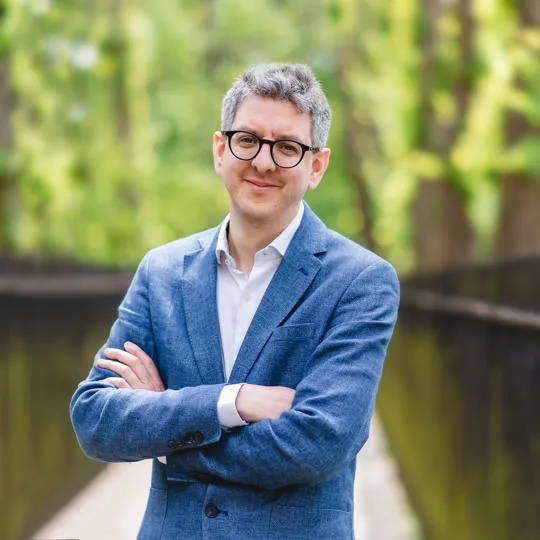
Roles and Affiliations: Ken Olum is a Research Professor in the Tufts Institute of Cosmology at Tufts University, Department of Physics & Astronomy. He is a core member of the NANOGrav collaboration, focusing on gravitational wave detection via pulsar timing arrays and cosmic string dynamics. PhD from MIT (1997), Center for Theoretical Physics, specializing in black hole information radiation. Research Interests: Olum's work centers on gravitational waves from cosmic strings, energy conditions in general relativity, and anthropic reasoning in cosmology. He develops large-scale simulations of cosmic string networks and their gravitational wave emission, contributing to NANOGrav's efforts to detect nanohertz gravitational waves. Publications: His recent work includes advancements in gravitational wave background analysis, cosmic string simulations, and pulsar timing array methodologies. Key contributions address gravitational wave detection techniques, energy condition constraints, and cosmic string dynamics. Collaborations: Active in NANOGrav, focusing on pulsar timing array analyses and cosmic string gravitational wave signatures. His research bridges theoretical cosmology with observational astrophysics.
Dr. Jack Talty is a Lecturer in Irish Traditional Music and Joint Head of the Department of Music at University College Cork (UCC), where he also directs the MA in Irish Traditional Music. He holds a PhD in Ethnomusicology from the University of Limerick, focusing on traditional music pedagogy in higher education. Talty is an acclaimed musician, composer, and producer, with over 100 albums to his name as a performer, arranger, and engineer. He founded Raelach Records in 2011 and has collaborated with major ensembles like Ensemble Ériu and Dave Flynn’s Irish Memory Orchestra. His research explores the intersection of tradition and innovation in music education and policy, with publications in Oxford University Press and contributions to national arts strategies. Talty has received prestigious awards, including the Liam O'Flynn Award (2021) and a Government of Ireland Scholarship (2013). He actively advises the Arts Council on artist remuneration and mentorship, and has curated residencies at UCC and the Irish Traditional Music Archive. Education: Bachelor of Arts in Music and Irish (UCC, 2007) Bachelor of Music (UCC, 2008) MA in Music Technology (University of Limerick, 2009) PhD in Ethnomusicology (University of Limerick, 2019) Postgraduate Certificate in Teaching and Learning (UCC, 2022) Research & Performance: Talty’s work bridges traditional and experimental music, evident in his solo concertina album In Flow (2016) and collaborations with composers like Úna Monaghan and Ailís Ní Ríain. He leads workshops worldwide, teaches courses on traditional music theory and industry practices at UCC, and mentors doctoral students. His performances span prestigious venues like the National Concert Hall and international festivals. Awards & Recognition: 2021 Liam O'Flynn Award 2015 TG4 Gradam Comharcheol 2013 Irish Research Council Scholarship Multiple Deis Recording Awards Grants & Leadership: Talty chairs UCC’s Music Concerts Committee and co-authored the Trad Ireland report on the traditional arts sector. He assesses funding applications for Culture Ireland and advises on national arts policies. His leadership extends to roles on boards of Glór Theatre and the National Association of Record Labels in Ireland. Labs & Collaborations: As Programme Director of UCC’s MA in Irish Traditional Music, he oversees interdisciplinary research and performance initiatives. His projects include Duala (a film-residency with Maurice Gunning) and Visioning (a 2024 film-music collaboration with Dan O’Connell).
Nimrod Guez is a Professor for Viola at the University of Music Würzburg, where he also serves as deputy speaker of the string instruments section. He holds a prominent position in both modern and historical performance practices, contributing significantly to the field of string performance education. His research and artistic interests focus on viola and violin performance, with a deep specialization in early music and historical performance practice. He is particularly active in chamber music and baroque violin, bridging classical and period performance traditions. Nimrod Guez has received recognition through prestigious awards including the first prize at the 'Aviv' competition in 2002 and a scholarship from the American-Israel Foundation. As an educator and performer, he mentors students in string performance and contributes to the academic and artistic life of the institution through ensemble leadership and performance. He has been a principal violist in major orchestras such as the Gewandhausorchester Leipzig, Bavarian Radio Symphony Orchestra, and since 2019, the Chamber Orchestra of Europe. He is a founding member of the early music ensemble 'L'accademia giocosa' and performs regularly at festivals across Europe, including the Utrecht Kamermuziek Festival and Lockenhaus Festival, collaborating with leading musicians such as Janine Jansen, Vilde Frang, and Nicolas Altstaedt.
Professor Jonathan Cole is a composer, teacher, and conductor at the Royal College of Music (RCM), where he has taught since 2005 and served as Head of Composition since 2022. His work bridges experimental composition, music-theatre, and site-specific pieces, earning acclaim from the London Sinfonietta, which premiered three of his works and recorded Testament with Oliver Knussen. Born 1970, Cole studied under Simon Bainbridge, Malcolm Williamson, and Louis Andriessen 1997-2006: Works like Ouroboros II and Testament nominated for RPS Awards 2006: Shift toward Luigi Nono-inspired works, exploring score-performer dynamics and London's environmental sounds 2009-2013: Composer-in-association with London Contemporary Orchestra, premiering burburbabbar za (wordless opera) Co-founded re:sound collective in 2012 for unconventional venue performances Cole’s compositions, such as Lucier Clock (2021) and 50 Florentine Breaths (2016), emphasize spatialization, breath techniques, and the tension between structure and decay. His 2025 co-authored article Personal realities I examines artistic identity in conservatoires. Scientific Awards: Royal Philharmonic Composition Prize (1999) RCM Fellowship (2018) RPS Award Nominations for Ouroboros II and Testament Cole mentors research students like Daniel Musashi and has led educational grants such as the Leverhulme LPO Young Composers Scheme (2007-2012). He collaborates with ensembles including the London Sinfonietta, BBC Philharmonic, and Chicago Symphony Orchestra.
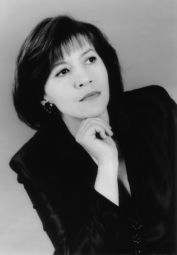
Professor Urszula Kryger, Ph.D., serves as Dean of the Faculty of Vocal and Acting Studies at the G. and K. Bacewicz Academy of Music in Łódź since the 2012/2013 academic year, following her tenure as Head of the Vocal Studies Department (2008-2012). A distinguished mezzo-soprano, she has maintained an international performance career while advancing vocal pedagogy through master classes and competition juries. Her educational background includes dual degrees from the Academy of Music in Łódź: Instrumental Studies in Piano (1988) and Vocal Studies in Acting (1992), supplemented by advanced vocal training under Andrzej Orłowicz in Copenhagen. This foundation informs her holistic approach to vocal artistry. Kryger's research focuses on Classical Vocal Performance with specialization in Art Song Interpretation and Polish Musicology . Her scholarly work centers on authentic performance practices of Chopin, Szymanowski, and Moniuszko, emphasizing textual nuance and historical context in art song. She investigates chamber music collaborations as interdisciplinary laboratories for vocal expression, with particular attention to the interplay between text, timbre, and emotional authenticity. Her publication trajectory reveals deep engagement with Polish musical heritage , progressing from foundational recordings of Russian repertoire to definitive interpretations of Szymanowski and Żeleński. The consistent Fryderyk Award recognition demonstrates scholarly impact in preserving and reinterpreting national musical identity through rigorous vocal scholarship. 2001 Fryderyk Award for 'Russian Duets' (DUX) 2002 Fryderyk Award for 'Moniuszko's Songs' and 'Karłowicz/Szymanowski's Songs' 2004 Fryderyk Award for 'K. Szymanowski's Songs' (Channel Classics) 2006 Karol Szymanowski Foundation Award 2012 Fryderyk Award for 'Żeleński - Pieśni' As an educator, Kryger mentors through master classes across Europe and serves on international competition juries. Her academic leadership includes departmental administration and shaping curriculum for vocal performance programs. Collaborative projects with ensembles like the Tokyo String Quartet and Petersen Quartet demonstrate her commitment to interdisciplinary artistic research. Kryger maintains active performance partnerships with distinguished musicians including Hartmut Höll, Charles Spencer, and Pascal Rogé, while conducting research through recording projects that serve as both artistic output and pedagogical resources for vocal students.
Ioana Galu serves as Associate Professor of Violin and Viola in the Department of Music at the University of South Dakota, directing the Violin/Viola Studio and performing with the Rawlins Piano Trio. Previously on faculty at Heidelberg University (2004-2016) and The College of Wooster (2014-2016), she maintains active roles with the Eastern Music Festival since 2004 and co-founded the Romanian-American chamber music festival 'American Musicians in Transylvania'. Her educational background includes: Doctor of Musical Arts in Contemporary Music, Bowling Green State University (2012) Artist Diploma in Violin Performance, University of Cincinnati College-Conservatory of Music (2011) Master of Music in Violin Performance, Bowling Green State University (2003) Master of Music in Violin Performance and Chamber Music, Gheorghe Dima Music Academy, Romania (1999) Bachelor of Music in Violin Performance and Pedagogy, Gheorghe Dima Music Academy (1998) Dr. Galu's research examines Contemporary Music performance practices, Solo Violin Repertoire interpretation, Injury Prevention methodologies, and Performance Anxiety management. Her work bridges technical mastery with expressive artistry, focusing on physical sustainability and psychological resilience for string musicians through practical pedagogical frameworks. Recent scholarly presentations reveal evolving interests in efficient practice systems, bowing mechanics, and the socio-artistic dimensions of performance. She increasingly explores mindfulness applications, genre-crossing repertoire, and recovery of women composers' works, demonstrating commitment to both technical innovation and social relevance in string performance. Notable awards include The American Prize in Chamber Music (2022), Chamber Music Community Engagement Award (2009), and multiple competition prizes from George Enescu Violin Competition (1996) to CCM Concerto Competition (2004). As advisor and grant recipient, she directs the Rawlins Piano Trio with four consecutive South Dakota Arts Council Touring Arts Roster grants (2018-2026). Her leadership extends to Music4Romania board membership and co-founding initiatives promoting Romanian-American cultural exchange. Dr. Galu performs as concertmaster for multiple orchestras and maintains active chamber music collaborations, notably through her festival work connecting Transylvanian and American artists.
Mara Gibson is an Associate Professor of Composition at Louisiana State University (LSU) School of Music, where she serves as area coordinator with tenure. Originally from Charlottesville, VA, Dr. Gibson completed her Ph.D. at SUNY Buffalo after graduating from Bennington College. She has also studied at London College of Music, L'École des Beaux-Arts in Fontainebleau, France, and the International Music Institute at Darmstadt, Germany. Dr. Gibson's creative work spans contemporary composition with emphasis on cross-disciplinary collaborations. Her music has been described as "shocking, gripping and thought-provoking... conjuring a flurry of emotions" (PARMA Recordings). She is a regular collaborator with choreographers, visual artists, writers, and filmmakers, with notable projects including the ArtSounds initiative which ran for 11 years at UMKC. Her recent compositions demonstrate consistent innovation in technique and interdisciplinary approaches. Works like Escher Keys (2021), a bassoon concerto inspired by M.C. Escher, and Galetea's Dream (2021/23), a staged song cycle, showcase her ability to merge visual art concepts with musical expression. Her compositions often draw inspiration from poetry, visual arts, and natural phenomena, resulting in works that are both technically sophisticated and emotionally resonant. Dr. Gibson has received numerous prestigious awards including: LSU Provost Fund for Innovation in Research ($7,500 for "The Devil's Dream" opera, 2024) GRAMMY nomination eligibility for "Unseen World" album (2024) ATLAS grant through Louisiana Board of Regents ($32,000 for bassoon concerto project, 2021) MacDowell Colony Fellowship (2016) Virginia Center for the Arts residency (2015) Yale University Distinguished Music Educator Award (2015) As an educator, Dr. Gibson has significantly expanded the composition program at LSU, more than doubling its size since her arrival. She founded the Constantinides New Music Ensemble, which debuted at Carnegie Hall in April 2022. Previously, at UMKC Conservatory of Music and Dance, she coordinated undergraduate composition and tripled enrollment in the program. She is currently working on her first opera, "The Devil's Dream," based on Lee Smith's novel and inspired by the country music powerhouse Carter family.
Ed Hughes is a Professor of Composition in Music at the University of Sussex's School of Media, Arts and Humanities. His roles include Head of Music (2013-2018), Deputy Head of School, and Associate Dean for Education. He holds a BA from Cambridge University (1987-1990), an MPhil (Cambridge), and a PhD in Composition from Southampton (2000-2004). His research focuses on composition techniques, music technology, and interdisciplinary projects like Syncphonia, a notation system aiding ensemble performance. Notable works include operas like States of Innocence (2024) and orchestral pieces inspired by landscape, such as Music for the South Downs (2022). He has received grants from AHRC, Arts Council England, and the South Downs National Park Authority. Hughes has supervised numerous PhD students in composition and music technology. His awards include the British Composer Award (2014) and commissions from Brighton Festival and the Mahogany Opera Group. Collaborations with psychologists and educators highlight his commitment to music education and accessibility.
Dr Thomas Hyde is a Lecturer in Music Composition and Education at King's College London's Department of Music, within the Faculty of Arts & Humanities. He concurrently holds a senior research fellowship at Worcester College, Oxford. His roles include chairing the Lucille Graham Trust, supporting London-based music education projects, and serving as a Vice-President of the Presteigne Festival. Hyde's career spans teaching at City University and a junior fellowship at the Royal Academy of Music, where he was later elected an Associate in 2017. His creative output includes orchestral works like the BBC Scottish Symphony Orchestra's Symphony and the opera 'Aiding and Abetting' (2019-22). His research focuses on composition pedagogy, music analysis, and theoretical frameworks. Notable publications include edited volumes on Stephen Dodgson and David Matthews, and contributions to journals like Twentieth-Century Music and Musical Opinion Quarterly . His compositions often explore orchestral and choral forms, reflected in works like Magnificat and Orpheus with his Lute . Hyde's academic contributions emphasize bridging compositional practice with pedagogy, evidenced by his teaching roles at undergraduate, postgraduate, and doctoral levels. His articles and edited works demonstrate expertise in British musical traditions, symphonic structures, and 20th-century composers.
Alla Voskoboynikova is an Associate Teaching Professor of Music and Director of Keyboard Studies at the University of Missouri-St. Louis (UMSL). She holds a Bachelor’s in Piano Performance from Voronezh Music College (Russia) and a Master’s from Moscow’s Gnessins Academy of Music. Her career includes solo performances at Carnegie Hall and collaborative work with the St. Louis Symphony Orchestra and Union Avenue Opera Company. She has organized cultural exchange concerts in Russia and directs UMSL’s Summer Keyboard Camp. Education: Voronezh Music College (BA, 199?), Gnessins Academy (MA, 1996) Research focuses on piano pedagogy, chamber music collaboration, and Russian/Ukrainian musical heritage. Notable projects include Shostakovich’s 100th-anniversary recitals and Mendelssohn bicentennial performances. She actively mentors students in competitions and international tours. Recent performances include collaborations with Arianna String Quartet, Stella Markou, and Christine Brewer. Her pedagogical approach emphasizes cultural exchange and interdisciplinary artistry, with students performing at major St. Louis venues like Touhill Performing Arts Center.
Peter Tuite is a Full Titled Professor and Head of the Keyboard Faculty at the Royal Irish Academy of Music (RIAM), one of Europe’s leading music institutions. He holds dual appointments, previously serving as Head of Piano and Keyboard Instruments at Trinity Laban Conservatoire of Music and Dance in London (2015–2018). His academic roles are complemented by extensive international performance and curation work. Education includes Trinity College Dublin, University of Oxford, and a Fulbright Scholarship at Johns Hopkins University’s Peabody Institute. He is renowned for his specialization in 18th-century keyboard works, particularly Haydn and Bach, and has pioneered innovative recordings such as the Goldberg Variations (2020) and the Art of Fugue project (2025). As a concerto soloist, he collaborates with renowned conductors like Andrei Boreyko and orchestras across Europe and the U.S. Research interests span performance practice, musicology, and interdisciplinary projects blending music with literature. He co-founded the New Lights Festival (2018), a London-based platform for contemporary music innovation, and launched the New Lights Forum for artist-intellectual dialogues. His recent hybrid works merge poetry with ancient instruments, including a 2023 piece premiered in London. Awards: Glenn Gould Bach Fellowship (2020), Loubser Fellowship (2020), Lead Curator of PLF Projects (2022), Poetry Commendation (2015). Grants & Projects: Digital exhibition space development (PLF Projects, 2024), Weimar Bach exhibitions (2021), international masterclasses in 15+ countries. Labs/Teams: Leads the RIAM Keyboard Faculty, collaborates with the Vanbrugh String Quartet and artists like Hakan Hardenberger.
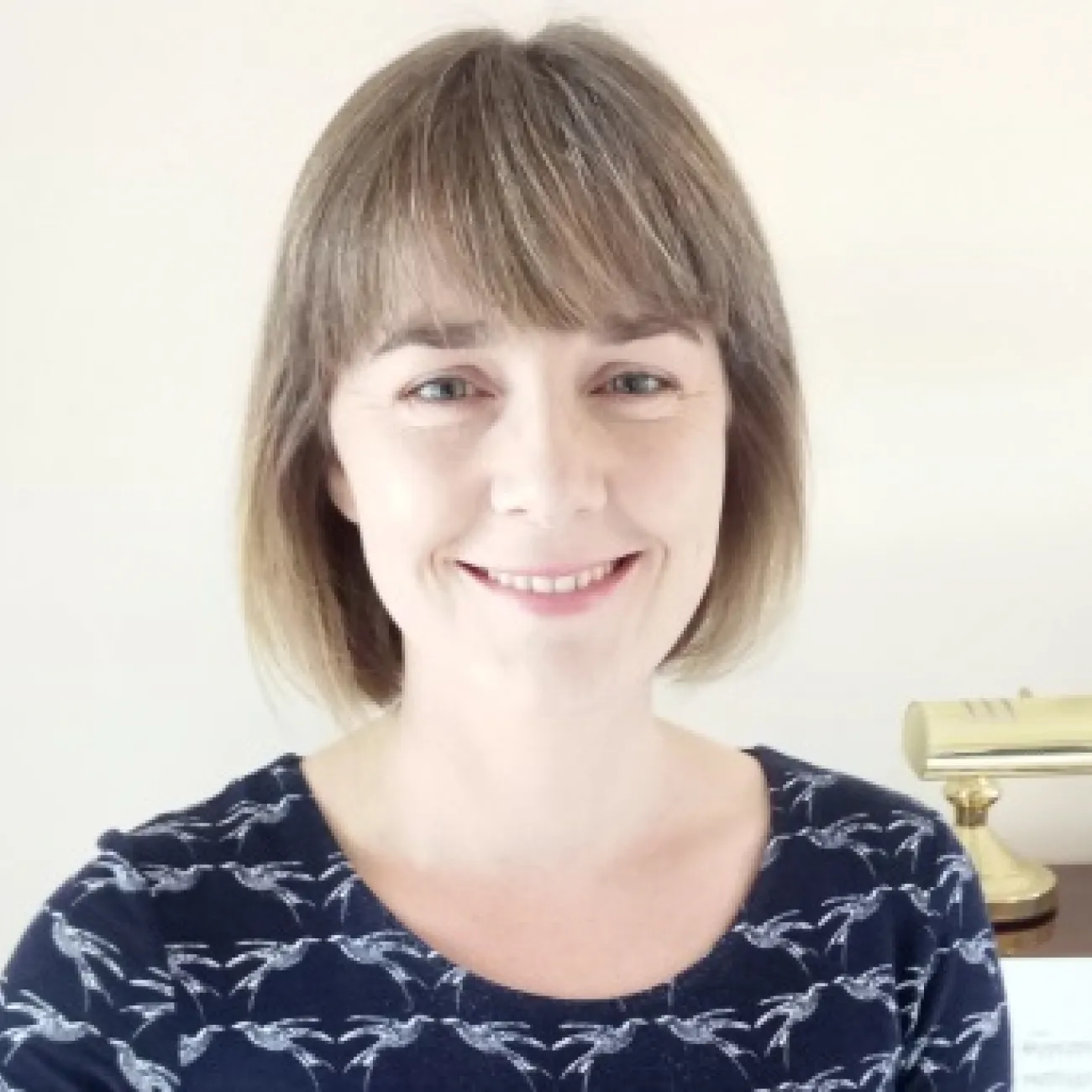
Dr Helen Dromey is a Principal Teaching Fellow in Music Education and Enterprise at the University of Southampton, serving as Associate Director of the Centre for Music Education and Social Justice. She teaches on the Education pathway of the MMus Music programme, focusing on instrumental pedagogies, inclusive music education, and whole-class ensemble tuition (WCET). Her research explores adaptations to instrumental teaching to enhance pupil engagement, collaborating with music hubs and charities to promote equitable practices. Education background includes a PhD from the University of York (2024), BMus and MMus from King’s College London, PGCE from the University of Chichester, and LRAM from the Royal Academy of Music. Her doctoral work introduced the 'Be a Musician' (BeAM) approach for post-WCET learners. External roles include Course Leader for the European String Teachers Association (ESTA) PG Cert, consultancy for ABRSM’s Teacher Hub, and mentorship for UK Music Masters teachers. She retains active teaching roles in violin and viola.
Danilo Pérez is a Grammy Award-winning Panamanian pianist, composer, and educator, currently serving as the Founder and Artistic Director of the Berklee Global Jazz Institute at Berklee College of Music in Boston. He is also the Artistic Director of the Panama Jazz Festival and holds the prestigious title of UNESCO Artist for Peace and Cultural Ambassador for Panama. Educational Background: National Conservatory of Panama (Classical Piano) Berklee College of Music (Jazz Composition) Bachelor’s Degree in Electronics, Panama Danilo Pérez’s research and artistic interests center on Global Jazz , a genre he pioneered by fusing Panamanian roots, Latin American folk music, West African rhythms, and European impressionism. His work transcends music, promoting it as a multidimensional bridge for community, democracy, and social change. He emphasizes values such as listening, compromise, and discipline in his teaching, viewing music as a tool for personal and societal transformation. His recent artistic works, including albums like Lumen (2024), Crisálida (2022), and Children of the Light (2015), reflect a consistent trend of spiritual depth, cross-cultural collaboration, and narrative composition. These works explore themes of identity, history, and human connection, often commissioned by major institutions like Carnegie Hall and the Banff Centre. His compositions range from intimate piano trios to large orchestral and chamber pieces, demonstrating a mastery of both improvisational jazz and structured composition. Scientific and Artistic Awards: Grammy Award (2006, 2019) United States Artists Fellowship (2018) Smithsonian Latino Center’s Legacy Award (2009) Gloria Career Achievement Award (2015) Boston Music Awards (1999, 2000) UNESCO Artist for Peace (2012) Former UNICEF Goodwill Ambassador Danilo Pérez has been a dedicated mentor and educator, advising and influencing generations of jazz musicians through his leadership at the Berklee Global Jazz Institute and the Panama Jazz Festival. His work has been supported by major commissions from Lincoln Center, Carnegie Hall, and the Detroit Jazz Festival, among others. He has not received traditional research grants but has secured significant artistic funding through fellowships and institutional commissions. His leadership extends to founding the Danilo Pérez Foundation, which provides music education for youth in Panama. Labs and Teams: Pérez leads the Berklee Global Jazz Institute , a dynamic educational and performance lab that fosters innovation in jazz. He also directs the Panama Jazz Festival , a major international event and educational platform. His primary performance ensembles include the Danilo Pérez Trio , the Children of the Light (with John Patitucci and Brian Blade), and the Global Messengers , all of which serve as living laboratories for his global jazz philosophy.
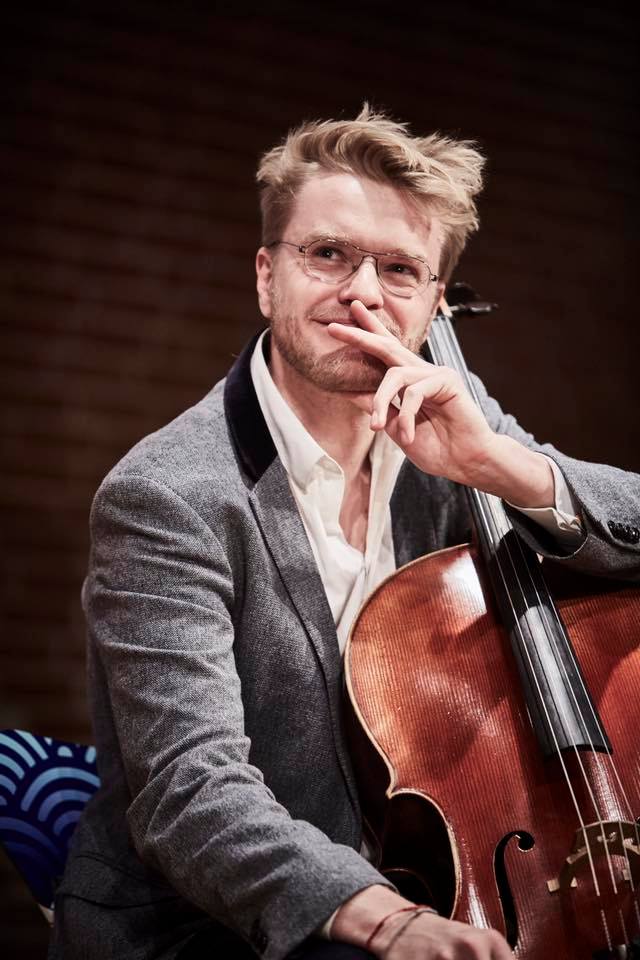
Jacob Shaw is Professor of Cello at the Royal Northern College of Music and Visiting International Chair of Cello at the Royal Welsh College of Music and Drama. An internationally acclaimed British cellist with a career spanning nearly two decades across five continents, he has performed at major concert venues including Carnegie Hall, Berlin Konzerthaus, and Royal Albert Hall. Based in Denmark for over 15 years, he balances his academic roles with leadership of the innovative Scandinavian Cello School. Shaw's research interests focus on transformative approaches to music education, particularly through his groundbreaking work at the Scandinavian Cello School (SCS) , which he founded in 2016. His research spans three key areas: Biodiversity and Sustainability in Performing Arts (2022-2025), Mental Health within Elite Classical Music Training (2016-2024), and the MERITAcubed European partnership project (2025-2029). The SCS represents a holistic approach to music education that combines world-class training with mental wellness practices, sustainable living, and community engagement. His recent publications reveal a consistent focus on innovative approaches to cello performance and music education. The 2024 Strad article 'The Road to Vienna' and corresponding recording explore performance preparation, while the 2021 New York Times feature highlighted his unique 'Musical Farm' concept that went viral with 2.1 billion views. His work increasingly emphasizes the integration of sustainability practices, mental wellness, and community engagement within classical music training. His scientific recognition includes the Danish National Radio Firesoul Award for his mental health work in music education, along with numerous competition prizes during his performing career. Additional honors stem from the viral success of SCS, which has been featured in major global media outlets. Shaw has secured substantial research funding including support from the Danish Arts Council, Augustinus Foundation, W. Demant Foundation, Greenland Resources, and most significantly a €2.8 million grant from Creative Europe. His advisory work extends through SCS Consultancy, serving industry leaders like Deutsche Grammophon and business clients including Ernst & Young and McKinsey & Company. In 2022, he served as Director of Culture for the UNESCO World Heritage Site of Stevns Klint. The Scandinavian Cello School operates from a historic 1800s farm near the UNESCO World Heritage site of Stevns Klint in Denmark, welcoming approximately 150 guests annually. The school has gained international recognition for its unique ethos that achieves a healthy work-life balance alongside world-class music training. Outreach concerts, outdoor experiences, and collective living form part of their philosophy to create more balanced and ultimately better musicians. The school has succeeded in bringing classical music to new audiences in untraditional surroundings, challenging and strengthening both international and Danish musical talents.
Robin André Rolfhamre is a Professor in the Department of Classical Music and Music Education at the University of Agder, Faculty of Fine Arts. His work bridges performance, pedagogy, and research, with a focus on Early Modern music (c. 1400–1700) and its contemporary relevance. His research interests include: Early Modern Music and Performance Practice Music Pedagogy and Digital Education Rhetoric and Performativity in Music Organology and Tone Production Interdisciplinary Approaches to Musicology Historically Informed Performance (HIP) His recent publications reflect a strong trend toward digital music education, the social dimensions of early music, and the philosophical underpinnings of performance. He explores how rhetoric shapes musical expression, how digital tools can enhance conservatory training, and how performance functions as a form of democratic and social engagement. His work often combines historical analysis with contemporary pedagogical and ethical reflection. Scientific awards received: Agder Academy of Sciences and Letters’ Research Prize for Young Researchers Vest-Agder County Council’s Artist Scholarship The Norwegian Arts Council’s Artist Scholarship (Diversestipend) He is an elected member of the Agder Academy of Sciences and Letters and has supervised Master’s and PhD students. He has led significant projects such as the SERVICE project on digital learning in music education and is the organiser of the REMP (Reconfiguring Early Modern Performance) research group. He is also involved in the Arts in Context research platform and the Research Group for Song Lyrics. He is actively engaged in performance as a lutenist and guitarist, is a composer and producer, and serves as a Pyramid Historical Strings Artist, performing on Lauri Niskanen instruments.