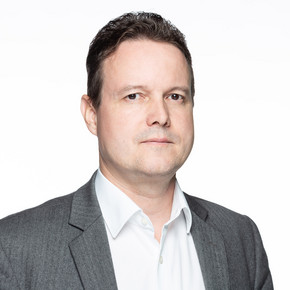
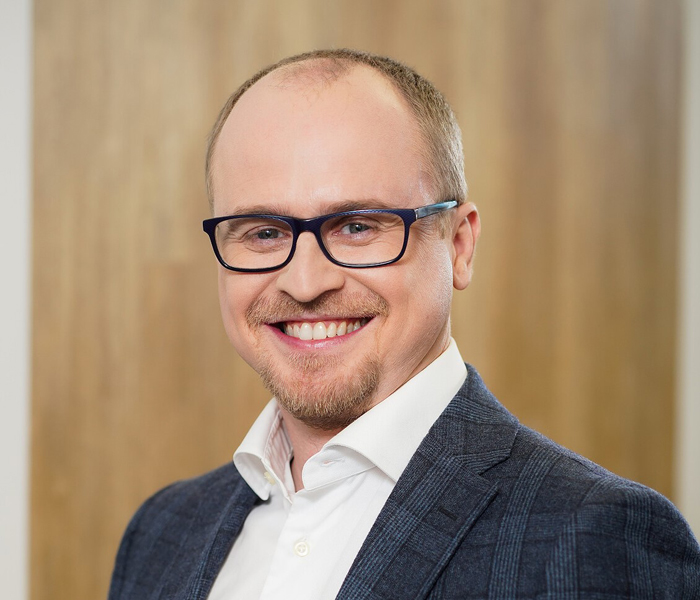
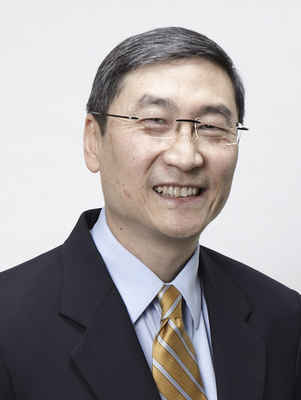
Allen J. Scott is a Distinguished Research Professor at the University of California, Los Angeles, with a joint appointment in the Department of Public Policy (School of Public Affairs) and Department of Geography. He has held prestigious positions at UCLA since 1994 and previously at the University of Toronto (1969–1994). His career spans over five decades, focusing on urban geography, regional development, and cultural economy. Education : BA (1961) from Oxford University; MA and PhD (1962, 1965) from Northwestern University. Research Interests include: Creative cities and cognitive-cultural capitalism Political economy of urbanization and globalization Industrial clusters and labor-intensive economies Human capital distribution in metropolitan areas Cultural landscapes and peripheral development Publication Trends (2005–2014) emphasize: Globalization's impact on low-technology industries Cognitive-cultural capitalism in urban contexts Human capital dynamics in metropolitan hierarchies Celebrity culture and urban glamour Creative field theories and urban policy implications Scientific Awards : 1986 Guggenheim Fellow 2003 Vautrin Lud Prize 2005 Meridian Book Prize 1999–2013: Chaires d’Excellence, Fellowships, and Doctor Honoris Causa 2008 Carol and Bruce Mallen Lifetime Achievement Award 2003 ISI Highly Cited Author
Prof. Martin Messner is a University Professor at the University of Innsbruck, leading the Controlling Institute within the Department of Organization and Learning. His work focuses on management accounting, performance measurement, and the intersection of accounting practices with organizational behavior. He holds editorial leadership roles, including Editor-in-Chief of Accounting, Organizations and Society (2021–present) and previously served on the Management Accounting Research editorial board (2015–2019). Prior to his current position, he was an Assistant Professor at HEC Paris (2006–2011). Research Interests: His research explores performance measurement systems, ethics in management control, and the evolving roles of accounting in organizational narratives and governance. He investigates topics like algorithmic decision-making, narrative reporting, and entrepreneurial governance structures. Professional Activities: Member of the European Accounting Association’s Publications Committee Co-organizer of the MASOP Workshops (2008–2023) His publications span academic journals and edited volumes, addressing themes such as zero-based budgeting, data scientist identities, and the ethical implications of control systems. He actively bridges theoretical and practical accounting issues through interdisciplinary collaboration.
Christian Friedrich Wilhelm Becker is a full Professor at the University of Vienna, holding a position within the Faculty of Chemistry and the Department of Biological Chemistry. His research profile shows extensive activity in protein chemistry and biochemistry, with particular focus on post-translational modifications and their implications in disease mechanisms. His work bridges chemical biology, biochemistry, and biomedical applications, contributing significantly to the academic and research landscape at one of Europe's oldest and most prestigious universities. Faculty of Chemistry, University of Vienna Department of Biological Chemistry Active research leader with numerous ongoing projects Significant publication record spanning multiple disciplines Professor Becker's research primarily focuses on protein chemistry, particularly post-translational modifications and their role in protein function and dysfunction. His work spans multiple interconnected areas including ubiquitination, protein aggregation, prion protein behavior, and biomimetic approaches to protein analysis. His research has significant implications for understanding neurodegenerative diseases and developing novel therapeutic approaches. The fingerprint analysis of his work shows strong connections to biochemistry, molecular biology, and chemistry, with particular emphasis on cysteine chemistry, glycosylation, and amino acid modifications. Analysis of Professor Becker's recent publications (2021-2025) reveals a consistent research trajectory focused on protein modification techniques and their biological implications. His work shows increasing sophistication in chemical biology approaches to study protein function, with particular emphasis on ubiquitination pathways and protein aggregation mechanisms. The integration of chemical synthesis methods with biological analysis represents a hallmark of his research approach. His publications span high-impact journals in biochemistry, chemical biology, and peptide science, demonstrating the interdisciplinary nature of his contributions. Professor Becker has received notable recognition for his research contributions, most prominently the Cathay Award in 2020. This award acknowledges his significant contributions to the field of protein chemistry and chemical biology. His work appears to have practical applications in therapeutic development, particularly in the areas of targeted protein degradation and immunotherapy, which likely contributed to this recognition. Cathay Award (2020) Professor Becker leads multiple significant research projects, including 'Targeted protein degradation - from small molecules to complex organelles' (2020-2024), 'Taktira: Development of an improved, low-side-effect and sustainable immunotherapy' (2019-2023), and 'Structure Zoom: Zooming in on protein functional sites with atomic resolution' (2018-2021). These projects demonstrate substantial grant funding and collaborative research efforts across multiple institutions. His active participation in 290 recorded activities through 2025 indicates a highly engaged research program with numerous collaborators and trainees. Targeted protein degradation project (2020-2024) Taktira immunotherapy project (2019-2023) Structure Zoom project (2018-2021) Professor Becker's research environment includes a robust team of collaborators and junior researchers, as evidenced by the numerous co-authored publications and activities. His work intersects with multiple research groups studying protein function, modification, and therapeutic applications. The international collaboration network shown in his profile indicates significant engagement with researchers across multiple countries, creating a dynamic research ecosystem focused on advancing protein science and its biomedical applications.
Univ.-Prof. Torsten Möller, PhD is a Professor at the University of Vienna and serves as Head of the Research Group Visualization and Data Analysis and Head of the Research Network Data Science. His work spans data visualization, visual analytics, and human-computer interaction, with a focus on biomedical, environmental, and societal data applications. Academic rank: Professor Research group: Visualization and Data Analysis Network: Data Science Email: torsten.moeller@univie.ac.at Research interests include: Visual data analysis for complex systems Interdisciplinary applications in climate science and medicine Human-computer interaction in data exploration Image processing and computer graphics Recent publication trends show expertise in: Visualizing climate change and pandemic data Multi-volumetric and network analysis Algorithmic transparency and user-centered design Interdisciplinary collaborations (e.g., astrophysics, medical imaging) Statistical and uncertainty visualization Design frameworks for visualization recommendation Teaching includes courses in: Computer graphics and visualization Image processing and analysis Human-computer interaction Data analysis projects Doctoral research seminars
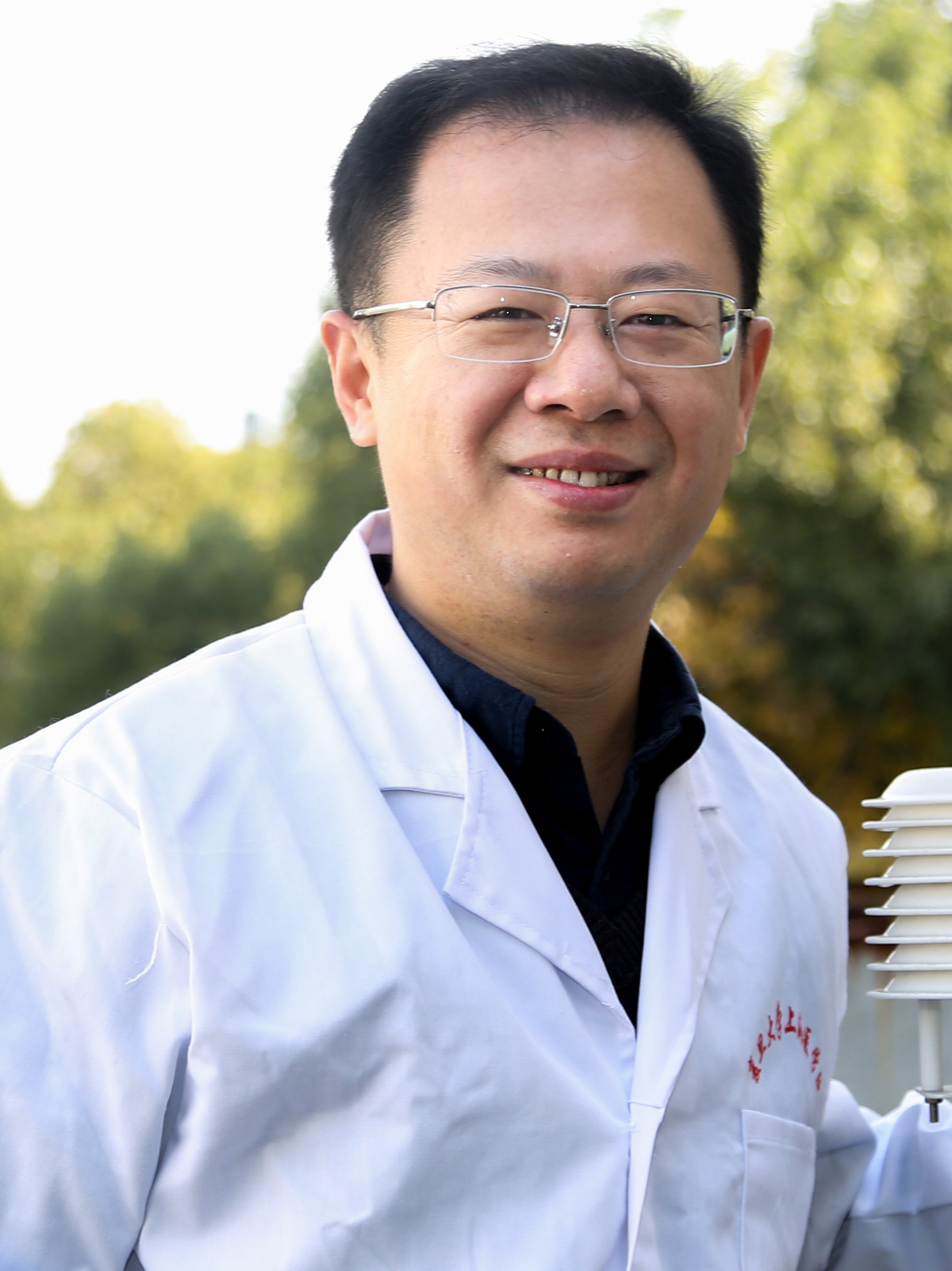
Prof. Yu Jihong is a full Professor at the Department of Chemistry, Jilin University, and serves as Director of the International Center of Future Science and Vice President of the Chinese Chemical Society. She leads the State Key Laboratory of Inorganic Synthesis and Preparative Chemistry. Her research focuses on designing nanoporous materials for energy and environmental applications, with over 320 publications in top journals like Science and Nature Communications. Education: BS (1989), MS (1992), PhD (1995) from Jilin University Postdoctoral: Hong Kong University of Science and Technology (1996–1997), Tohoku University (1997–1998) Research interests include inorganic synthesis, porous materials, catalytic materials, and environmental applications. Her work bridges computational methods with experimental synthesis, yielding innovations in zeolite structures and catalytic systems. Awards: IUPAC Distinguished Women in Chemistry Award (2017), TWAS Fellow (2016), Chinese Academy of Sciences Academician (2015), and multiple national science prizes. She is an Associate Editor of Chemical Science and leads editorial boards for Materials Horizons and others. Her articles emphasize novel synthetic methods, catalytic systems, and sustainable materials. Key themes include accelerating zeolite crystallization, designing nanocatalysts, and developing porous membranes for environmental applications.
Staffan Kjelleberg is a Distinguished University Professor at Nanyang Technological University (NTU), Singapore, and Director of the Singapore National Biofilm Consortium (SNBC) and Singapore Centre for Environmental Life Sciences Engineering (SCELSE). He holds previous positions as Scientia Professor at the University of New South Wales (UNSW), Australia, and has led major research initiatives globally. His academic career spans over four decades, with roles including Head of School at UNSW and Professorships at the University of Gothenburg, Sweden. Education: BSc (Chemistry and Biology, 1975), PhD (Microbiology, 1981), and Docent (Microbiology, 1983) from the University of Gothenburg. He has authored over 384 journal papers with significant citations, reflecting his leadership in microbial biofilm research. Research focuses on microbial biofilms and microbiomes, addressing environmental sustainability, public health, and industrial applications. He employs an interdisciplinary approach to study biofilm community dynamics, matrix properties, and translational technologies for biofilm control. Key contributions include discoveries on quorum sensing inhibitors, biofilm dispersal mechanisms, and eDNA roles in biofilm structure. Honours include Fellowships from the Australian and American Academies of Microbiology, Web of Science Highly Cited Researcher status, and Editor roles for 15 international journals. He leads major programs like the Marine Climate Change Science initiative and has co-directed global research centers such as the Centre for Marine Bio-Innovation. Advising and grants: While specific student names are not listed, his extensive leadership in research programs indicates mentorship of numerous scholars. His work bridges fundamental and applied microbiology, impacting environmental and biomedical fields. Labs/Teams: Directs SCELSE and SNBC, co-founded the Centre for Marine Bio-Innovation, and collaborates internationally on biofilm and microbiome research.
Philip Poole is a Professor of Plant Microbiology at the University of Oxford's Department of Plant Sciences and Senior Research Fellow at Somerville College. His research focuses on plant-microbe interactions, nitrogen fixation, and rhizosphere microbiology. He has led major international projects including the BBSRC-NSF Synthetic Symbioses program (2014-2019) and the India-UK Nitrogen Fixation Consortium (2016-2019). With 26 grants as PI from the UK's BBSRC, he has secured over £10.5 million in funding. His work includes pioneering bacterial Lux biosensors for metabolite analysis, transcriptomics under sterile conditions, and metatranscriptomics in soil to study microbiome-plant interactions. Current projects model nitrogen fixation biochemistry in legume nodules and investigate rhizobia lifecycle transitions from rhizosphere colonization to symbiotic bacteroid differentiation. He co-directs the Oxford Centre for Plants for the 21st Century and serves on editorial/advisory boards for Microbiology UK, The Journal of Bacteriology, and Pivot Bio. His contributions include elucidating the ammonia-alanine pathway for nitrogen secretion and demonstrating symbiotic auxotrophy dependencies in bacteroids. Key achievements include developing global mutagenesis strategies (INSeq) and advancing understanding of microbial community structures in the rhizosphere. His research integrates molecular, genetic, and systems biology approaches to address global challenges in sustainable agriculture.
Anita Zehrer is a Professor at the MCI Management Center Innsbruck, serving as Head of the MCI Management Center and the MCI Family Business Center. She holds a habilitation in Business Administration from the Catholic University of Eichstätt-Ingolstadt and a PhD in Social and Economic Sciences from the University of Innsbruck. Her academic career includes adjunct roles at institutions like the University of Notre Dame and the University of Canberra. Her research focuses on tourism management, family business dynamics, entrepreneurship, and risk management. Notable contributions include studies on family firm succession, destination competitiveness, and volunteer tourism. She has supervised numerous PhD students across topics like innovation in SMEs and female leadership in digital industries. Zehrer has been recognized with awards such as the AIEST 2021 Best Contribution Award and the Emerald Literati Award. She contributes to academic governance through editorial roles in journals like Journal of Family Business Management and TA | Tourism Analysis . Her work bridges academic research and practical application, addressing challenges in tourism destinations, family enterprise resilience, and sustainable development. Recent projects explore generational shifts, employer branding in family firms, and resilience strategies post-pandemic.
Gerald Reiner serves as Head of the Institute for Production Management at the Vienna University of Economics and Business (WU), within the Department of Information Systems and Operations Management. He holds a Magister Degree, doctorate, and Habilitation in Business Administration from WU. His academic career includes positions as full professor in Production Management and Logistics at the University of Neuchatel (Switzerland, 2007-2014) and Universitaet Klagenfurt (Austria, 2014-2018), where he also served as head of the department of Operations, Energy, and Environmental Management. Dr. Reiner has held visiting professorships at Aston Business School (UK), HEC Lausanne (Switzerland), University of Bergamo, and Università Cattolica del Sacro Cuore in Milan (Italy). His research spans several critical areas including Industry 4.0 implementation, integrated capacity and inventory management, humanitarian logistics operations, circular supply chains, and operations management for base of the pyramid contexts. His work particularly focuses on practical applications addressing food waste reduction, sustainable manufacturing, and blockchain technology in supply chains. His publication portfolio demonstrates a clear evolution toward digital transformation in operations, with recent focus on hydrogen production systems, AI integration in manufacturing, and blockchain applications for food supply chain transparency. The research shows increasing emphasis on sustainability integration within traditional operations management frameworks, particularly addressing European manufacturing challenges and food system inefficiencies. Publication Excellence Award 2021 (2023) Researcher of the month (January 2023) Highly Commended paper in the 2017 Emerald Literati Network Awards for Excellence ISIR Service Award (2014) Emerald Outstanding Paper Award (2013) Dr. Reiner coordinates multiple significant international research projects including EU-project 'Keeping Jobs in EU', EU/Ecsel-project 'Power Semiconductor and Electronics Manufacturing 4.0', 'Integrated Development 4.0', and 'Artificial Intelligence in Manufacturing leading to Sustainability and Industry 5.0'. His current projects focus on FOODIS (cross-border ecosystem for innovation in food supply chains), Circular Design implementation, and blockchain applications for banana supply chains. He actively supervises research teams working on food waste reduction, sustainable packaging systems, and AI applications in operations management.
Wojciech Czakon is a Full Professor and chair of the Strategic Management Department at Jagiellonian University in Poland. He has held leadership roles as Head of the Management Theory Department (University of Economics in Katowice) and Professor at the Higher Schools of Banking in Poznan. His academic career spans multiple institutions, including visiting positions at Universita delli Studi di Roma 2 Tor Vergata. Education: PhD in Management (2002) Habilitation in Management (2007) Professor title in Economics (2013) His research focuses on organizational behavior, strategic management, coopetition, family business dynamics, and qualitative research methodologies. Recent work explores digital transformation, strategic myopia, and the behavioral antecedents of coopetition. Publication Trends: His 2014-2022 papers on coopetition strategies—covering trust, behavioral factors, and performance metrics—have received significant citations. Recent projects analyze innovation ecosystems and entrepreneurial failure. Scientific Awards: 2022 Best book award (Organization and Management Committee of the Polish Academy of Sciences) 2021 Outstanding research achievement award (Prime Minister of Poland) Honoris causa doctor (Wroclaw University of Business and Economics) Top 5 global scholar in coopetition research Community Service: He has served as Vice-president of the European Academy of Management, co-chair of EURAM doctoral colloquium, and organizer for conferences like EURAM, EIASM, and IFERA. He also co-edits anthologies and special issues in journals such as Long Range Planning and Industrial Marketing Management.
Lin Chen is the Chair Professor of Finance and Stelux Endowed Professor in Finance at the University of Hong Kong (HKU), serving as Associate Dean (Research and Knowledge Exchange) in the Faculty of Business and Economics. He holds a PhD from the University of Florida and has held academic leadership roles at HKU and Chinese University of Hong Kong (CUHK). His research focuses on financial technology, banking systems, corporate finance, and economic development, with notable contributions to understanding financial resilience during crises and institutional reforms. Educations: PhD/MBA in Finance from University of Florida, B.E. in Engineering from South China University of Technology Leadership roles: Associate Dean (HKU), Board Member of HKU-Standard Chartered FinTech Academy, Currency Board Committee member Research interests span financial innovation , banking competition , corporate governance , and ESG integration . Key projects include RGC Theme-based grants on FinTech stability/inclusion and HK's financial center development. His work is published in top journals like Journal of Financial Economics and Review of Financial Studies . He has advised major institutions including Hong Kong Monetary Authority, World Bank, and China Construction Bank. Awards include the Jensen Prize (2011), Nobel nomination (2016), and honorary professorships from Edinburgh and Berkeley. Grants coordination includes HK$24.4 million FinTech project (2020-2025) and leadership roles in research centers like HKU’s Financial Innovation & Development Centre. Active in editorial roles for Management Science and policy advisory groups. Media engagements include BBC, Bloomberg, and Harvard Law School forums. Current initiatives focus on Web3.0 development in HK and financial inclusion strategies.
Professor John Eu-Li Wong serves as Senior Vice President (Health Innovation & Translation) at the National University of Singapore (NUS) and Senior Advisor to the National University Health System (NUHS). Previously, he held pivotal roles including Dean of NUS's Yong Loo Lin School of Medicine (2003-2011), Senior Vice President (Health Affairs), and Director of the National University Cancer Institute. His leadership has been instrumental in developing Singapore's Health and Biomedical Sciences initiative through strategic international partnerships. His educational background includes an MBBS from NUS, residency and fellowship at New York Hospital-Cornell Medical Center (where he served as Chief Resident in Medicine), and specialized training at Memorial Sloan-Kettering Cancer Center. He maintains active clinical expertise as a medical oncologist-haematologist. Professor Wong's research spans comprehensive cancer centers , healthy longevity initiatives , and value-based healthcare systems . His work focuses on translating biomedical research into national health strategies, with particular emphasis on global health security , academic health system integration , and cancer clinical trials infrastructure . He champions multinational collaborations to address transnational health challenges through frameworks like the Cancer Therapeutics Research Group. His scholarly output demonstrates consistent leadership in global health policy and translational medicine , with recent publications addressing pandemic response systems (2020), genomic medicine implementation (2015), and sustainable healthcare models (2021-2022). The work reveals a strategic shift toward healthy longevity roadmaps and value-based healthcare ecosystems while maintaining foundational focus on cancer therapeutics. International Member, US National Academy of Medicine (2019) Doctor Philosophiae Honoris Causa, Hebrew University of Jerusalem (2019) President’s Science & Technology Medal, Singapore (2014) Public Administration Medal (Gold), Singapore National Day Awards (2016) Fellow of Royal Colleges of Physicians (London, Edinburgh) and American College of Physicians Professor Wong co-founded the multinational Cancer Therapeutics Research Group (nine institutions) and serves on editorial boards for JAMA and American Journal of Medicine. His grant leadership includes directing Singapore's National University Cancer Institute and spearheading the Global Genomic Medicine Collaborative. Current initiatives focus on the National Academy of Medicine's Healthy Longevity Roadmap and Qatar's Academic Medicine Advisory Board. He established the Cancer Therapeutics Research Group and maintains strategic partnerships with Karolinska Institute, University of Cambridge, Harvard, and Stanford. His leadership extends to the M8 Alliance of Academic Health Centers (past World Health Summit President) and Global Genomic Medicine Collaborative Steering Committee, driving transnational research infrastructure.
Kan Haidong is a Distinguished Professor and Associate Dean at the School of Public Health, Fudan University (Shanghai, China). He holds the Chang-Jiang Scholar Professorship from the Ministry of Education and serves as an Associate Editor for Environmental Health Perspectives and International Journal of Epidemiology . His research focuses on environmental epidemiology, air pollution impacts, and climate change health effects. He has authored over 114 h-index papers and been recognized as a Clarivate Highly Cited Researcher and Stanford Top 2% Scientist. Education: PhD in Environmental Epidemiology, Fudan University (2003) MS in Environmental Health Sciences, Fudan University (2000) MD in Preventive Medicine, Shanghai Medical University (1997) Research Interests: Kan’s work bridges environmental exposures (air pollution, climate change) with human health outcomes. Key areas include particulate matter toxicity, heatwave mortality, and policy-driven health interventions. His studies often involve large-scale epidemiological analyses and global health collaborations. Key Awards: Wu-Jieping Paul Janssen Medical-Pharmaceutical Award (2018) US EPA Scientific Achievement Award (2015) Elsevier Top Influential Chinese Scholar (2014–2023) Grants/Editorial Roles: He leads WHO air quality guideline projects and chairs editorial boards for top journals. His grants focus on climate health adaptation and pollution mitigation strategies in China and globally. Labs/Teams: Directs Fudan’s Environmental Health Department and collaborates with global networks like the China Kadoorie Biobank and Lancet Planetary Health initiatives.
Eva-Maria Holzinger is a Researcher at the Centre for Global Change and Sustainability at the University of Natural Resources and Life Sciences, Vienna (BOKU). Her work focuses on sustainability frameworks and higher education transformation initiatives. Her research examines ecological and social sustainability frameworks, with publications analyzing both theoretical models and practical implementation strategies in academic institutions. Recent work explores interdisciplinary approaches to sustainability challenges. Holzinger contributes to research on institutional change in higher education, investigating how universities can drive sustainable development through initiatives like UniNEtZ.
Uwe Zdun is a Professor at the Faculty of Computer Science, University of Vienna, where he serves as Vice-Director of Studies for Computer Science and Head of the Research Group Software Architecture. His teaching portfolio includes core courses such as Software Engineering 2, Advanced Software Engineering, and Practical Software Courses for Bachelor's and Master's theses across multiple semesters (2024W-2025S). His research spans software architecture with emphasis on microservices, cloud computing, and DevOps. Key focus areas include architectural design decisions, infrastructure-as-code conformance, security in distributed systems, and the integration of machine learning operations (MLOps/RLOps). He investigates cognitive aspects of architecture practices through controlled experiments and develops model-driven approaches for quality assessment in complex systems. Recent publications (2024-2026) reveal three dominant trends: (1) Security and coupling analysis in infrastructure-as-code deployments, (2) MLOps/RLOps integration for Industry 4.0 cyber-physical systems, and (3) Performance optimization patterns for CI/CD pipelines and autoscaling. His work bridges theoretical architecture models with industrial practice, particularly in microservice ecosystems and reinforcement learning applications. Professor Zdun leads the Research Group Software Architecture at the University of Vienna's Faculty of Computer Science. The group focuses on empirical validation of architectural patterns, tool development for conformance checking, and advancing design decision methodologies in cloud-native and AI-driven systems.