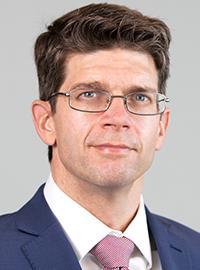
Jeffrey C. Suhling is the Quina Distinguished Professor and Department Chair of Mechanical Engineering at Auburn University . His research focuses on the mechanical and thermal behavior of lead-free solder alloys , particularly in automotive electronics and high strain rate applications . He has extensively studied the reliability of hybrid SAC-LTS solder joints under thermal cycling, vibration, and shock. Scientific awards : Quina Distinguished Professor His work integrates finite element modeling , microstructural analysis , and machine learning to predict solder joint failure and optimize material performance. Key areas include creep behavior , damage accumulation , and interfacial reliability in extreme environments.
S. Mohadeseh Taheri-Mousavi is an Assistant Professor in the Department of Materials Science and Engineering at Carnegie Mellon University (CMU), part of the College of Engineering. She joined CMU in September 2022 after postdoctoral appointments at MIT and Brown University. Her research is supported by major grants from NASA STRI, DARPA, the Army Research Laboratory, and the Naval Nuclear Laboratory, and she is affiliated with the NextManufacturing Center and the Wilton E. Scott Institute for Energy Innovation. Her educational background includes a Ph.D. from EPFL, Switzerland, and M.Sc. and B.Sc. degrees from Sharif University of Technology, Iran. She was awarded both early and advanced Swiss National Science Foundation fellowships during her postdoctoral studies. Taheri-Mousavi’s research focuses on the intersection of materials science, mechanical engineering, and computer science. She develops multi-scale computational models and AI-driven frameworks—such as AlloyGPT and generative AI agents—to design next-generation structural alloys, particularly for additive manufacturing and extreme environments. Her work emphasizes materials sustainability, industrial decarbonization, and uncertainty quantification in alloy design. The integration of machine learning with Integrated Computational Materials Engineering (ICME) and CALPHAD methods enables rapid exploration of high-dimensional composition and processing spaces. Her recent publications (2023–2025) show a strong trend toward AI/ML applications in alloy discovery, hydrogen embrittlement modeling, and high-temperature aluminum and tungsten alloys. These works reflect a deep commitment to accelerating materials innovation through human-AI collaboration and smart experimental validation. Her scientific honors include prestigious Swiss National Science Foundation fellowships. She has also received seed funding from the Scott Institute for Energy Innovation to study hydrogen embrittlement. She advises a dynamic team of doctoral students and a postdoctoral researcher, working on topics including hydrogen embrittlement, generative AI for welding, and gradient alloys. Her research is funded by high-impact grants from NASA, DARPA, the Army, and the Naval Nuclear Laboratory, supporting transformative projects in structural alloy design. She leads the Taheri-Mousavi Group, which operates within CMU’s Materials Characterization Facility and the NextManufacturing Center. The group focuses on developing novel AI-integrated computational frameworks to guide efficient and intelligent experimentation in alloy development.
Lauri Rautkari is an Associate Professor in the Department of Bioproducts and Biosystems at Aalto University, Finland. His research focuses on water interactions in biomaterials, particularly wood, with an emphasis on developing advanced analytical methods for water vapor sorption, creating novel low-sorption materials, and investigating hygroscopicity and fungal decay resistance in modified wood systems. Research Highlights: Gas-phase ozone treatment for improved wettability, thermal and chemical wood modification, hyperspectral imaging for moisture prediction, bioinspired coatings for fungal protection, and interlaboratory studies on sorption data quality. Recent Publications: Key contributions to understanding lignin's role in moisture interactions, acetylation reversibility, and the impact of fungal degradation on heat-treated wood. The trend in his publications reflects a strong focus on hygroscopicity, chemical modification techniques (acetylation, melamine-formaldehyde impregnation), advanced imaging methods (hyperspectral, neutron scattering), and the development of sustainable wood-based materials for construction and acoustic applications. Collaborative interlaboratory efforts dominate his work, ensuring standardized methodologies for moisture analysis.
William Parnell is a Professor of Applied Mathematics at the University of Manchester's School of Mathematics. His research focuses on continuum mechanics, metamaterials, and industrial composites, with applications in soft tissue mechanics and acoustic wave manipulation. He leads the Mathematics of Waves and Materials (MWM) group and co-founded the Manchester Materials Modelling Centre (M3C). He has held roles including EPSRC Fellowship 'NEMESIS' (2014-2019) and its extension, contributing to transformative materials science. Education: BSc Mathematics (First Class), University of Bristol (1996-1999) MSc Mathematical Modelling and Scientific Computing (Distinction), University of Oxford (1999-2000) PhD in Applied Mathematics, University of Manchester (2001-2004) His research interests span elastic wave propagation, cloaking, and viscoelastic modeling. He has pioneered hyperelastic cloaking techniques and developed mathematical methods for metamaterials. His work contributes to UN Sustainable Development Goals related to advanced materials and digital innovation. Key achievements include the 2019 Whitehead Prize and over 80 publications. His grants include funding for microstructured material design and collaborations with Thales UK and the National Physical Laboratory. Grants & Awards: EPSRC Fellowships (NEMESIS and extension) Whitehead Prize (2019) Labs/Teams: MWM Group (focusing on waves and materials) M3C (Manchester Materials Modelling Centre)
Ellen Arruda is the Tim Manganello/BorgWarner Department Chair and Maria Comninou Collegiate Professor of Mechanical Engineering at the University of Michigan. She holds joint appointments in Biomedical Engineering and Macromolecular Science and Engineering. Her research bridges biomechanics and materials science, focusing on soft tissue mechanics and polymer behavior. PhD (Mechanical Engineering, MIT, 1992) MS (Engineering Mechanics, Penn State, 1988) BS (Engineering Science, Penn State, 1985) Her research spans biomechanics , soft tissue engineering , and polymer mechanics , with applications to knee ligament replacement , impact-resistant materials , and brain-protective helmets . She utilizes full-field displacement mapping and computational modeling to analyze tissue and polymer responses under extreme conditions. Recent publications emphasize knee ligament characterization , nanocomposite design , and impact mitigation . Her work has attracted major funding from DARPA , NSF , and NIH , among others. National Academy of Engineering (2017) A.C. Eringen Medal (2021) Nadai Medal (2019) Distinguished Faculty Achievement Award (2014) As Principal Investigator of the Soft Tissue and Polymer Mechanics Lab , she leads a team exploring tissue engineering strategies and advanced material solutions. Her lab has developed 3D scaffold-free constructs for bone-ligament interfaces and blast-resistant composites .
Curt Bronkhorst is the Harvey D. Spangler Professor of Engineering and Professor of Applied Mechanics in the Department of Mechanical Engineering at the University of Wisconsin-Madison. He received his B.S. in Mechanical Engineering and Mathematics (1985), M.S. (1988), and Ph.D. (1991) in Mechanical Engineering from the Massachusetts Institute of Technology. His career includes roles as Senior Scientist at Weyerhaeuser (1991–2002) and Scientist/Project Leader at Los Alamos National Laboratory (2002–2019) before joining UW-Madison. He leads the Army Research Laboratory's Center for Extreme Events in Structurally Evolving Materials and contributes to the Theoretical and Computational Mechanics of Materials Group . PhD (1991) - Massachusetts Institute of Technology MS (1988) - Massachusetts Institute of Technology BS (1985) - University of Wisconsin-Madison Bronkhorst's research focuses on theoretical and computational mechanics of materials , particularly under extreme conditions. Key themes include: Coupled thermo-mechanical deformation Finite elasticity and dislocation slip plasticity Deformation twinning and phase transformations Pore nucleation and adiabatic shear banding Brittle-to-ductile transition mechanisms Multi-scale modeling of damage evolution His 2025–2023 publications emphasize data-driven modeling , void nucleation , and machine learning integration in EBSD analysis. Recent work explores gradient nanostructured metals and low-grain polycrystal stress heterogeneity . 2019: Harvey D. Spangler Professorship 2012: DOE Defense Programs Award (Implosion Predictive Capability) 2009: DOE Outstanding Mentor Award 2007–2008: Los Alamos Distinguished Performance Awards Fellow, American Society of Mechanical Engineers Member, Phi Kappa Phi and Tau Beta Pi Honor Societies Bronkhorst serves as Associate Editor for the International Journal of Plasticity and president of Northland Partners, LLC. He is affiliated with UW-Madison's Nuclear Engineering & Engineering Physics and Materials Science & Engineering departments. No formal advisees are listed, but his computational framework has been adopted in grants like the DMREF collaborative research on grain-interface design.
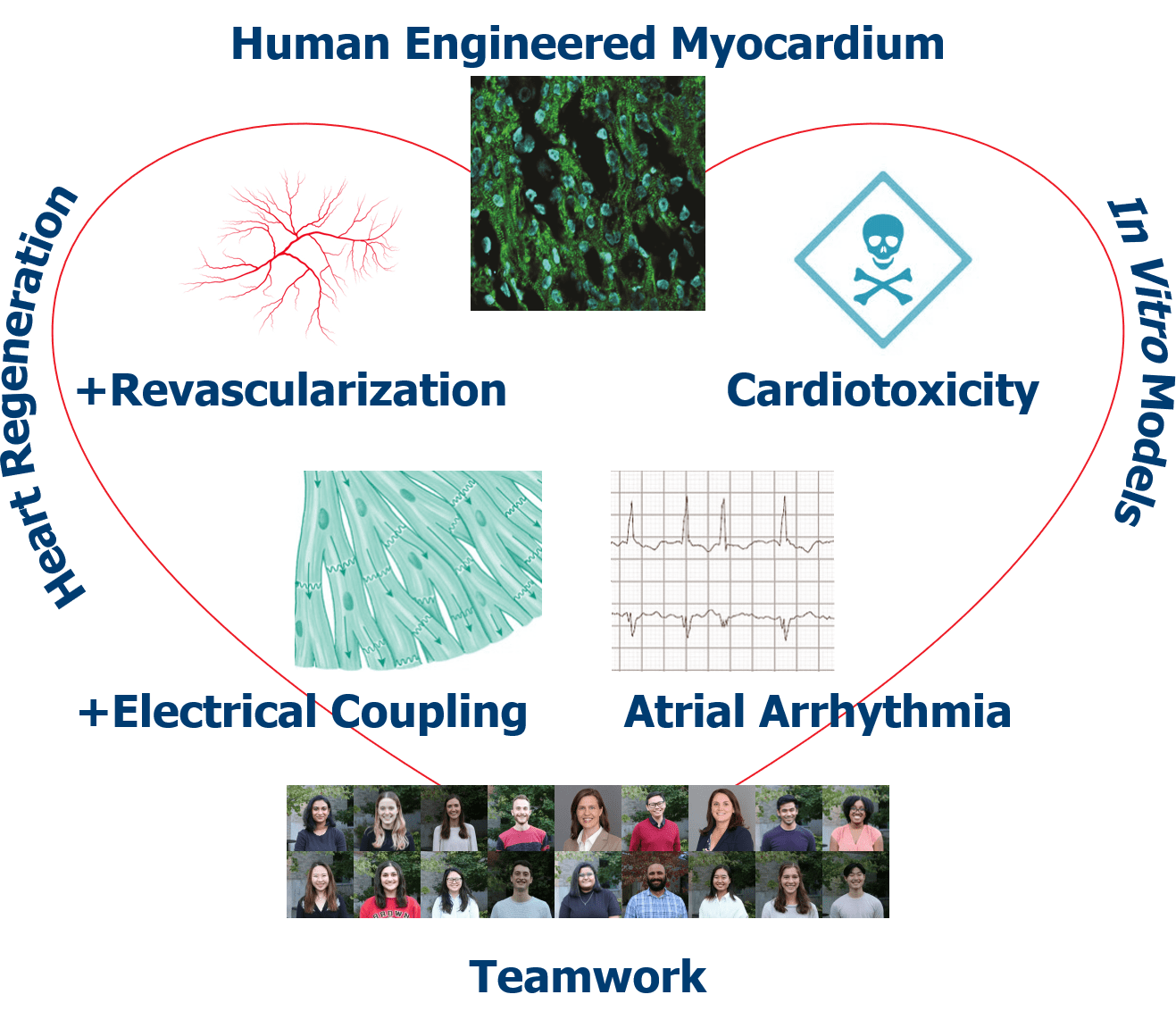
Kareen L.K. Coulombe is an Associate Professor of Engineering at Brown University, affiliated with the Institute for Biology, Engineering and Medicine . She collaborates with researchers from the Department of Medicine and institutions like the University of Edinburgh and ScitoVation, Inc . Education: B.S. in Biomedical Engineering, Summa Cum Laude (University of Rochester, 2001) Ph.D. in Bioengineering (University of Washington, 2007) Her research focuses on cardiovascular regenerative engineering , including: Developing human iPSC-derived cardiac tissues for heart attack therapy Creating anisotropic biomaterial scaffolds to enhance tissue integration Designing in vitro cardiotoxicity testing platforms for pharmaceuticals and environmental chemicals Optimizing electrical coupling between engineered and native heart tissue Recent publications highlight advancements in: Predictive 3D cardiac microtissue models for arrhythmic risk assessment Custom polycaprolactone scaffolds for tailored mechanical properties Immunomodulatory biomaterials that reshape cardiac repair processes Computational strain continuum modeling of cardiac tissue mechanics Scientific Awards: 2023 - Brown University Innovation of the Year 2021 - NSF CAREER Award & Young Innovator Award (BMES) 2019 - Dean’s Award for Excellence in Mentoring 2017-2012 - Rising Star Award & NIH Pathway to Independence K99/R00 Dr. Coulombe mentors students through programs like: Brown Leadership Alliance (undergraduate research) Tougaloo College Partnership (student development) NIH-IMSD Programs (graduate mentoring)
Ares Rosakis is the Theodore von Kármán Professor of Aeronautics and Mechanical Engineering at the California Institute of Technology (Caltech). He has served as Chair of the Division of Engineering and Applied Science (2009–2015) and Director of the Graduate Aeronautical Laboratories (GALCIT) (2004–2009). Rosakis holds visiting professorships at Nanyang Technological University (2018–2023) and Northwestern University (2018). Education : B.A. and M.A. in Engineering Science (Oxford, 1978); Sc.M. and Ph.D. in Engineering (Solid Mechanics, Brown University, 1980–1982) Academic Career : Caltech faculty since 1982 (Assistant, 1982; Associate, 1988; Full Professor, 1993) As a world-leading expert in dynamic failure mechanics of solid materials, Rosakis has pioneered research in dynamic ductile failure of metals, intersonic/supershear ruptures in composites and earthquakes, and Coherent Gradient Sensing (CGS) interferometry . His work spans experimental mechanics, solid mechanics, geophysics, and thin film stress measurement. His 15 most recent articles (2010–2014) focus on dynamic shear ruptures , fault mechanics , brittle failure , high-strain-rate deformation , and laboratory earthquake simulations , reflecting his cross-disciplinary expertise in materials science, geophysics, and mechanics. Scientific Awards & Recognitions Foreign Member of the Royal Society (2024) Two Honorary Doctorates (2023) U.S. National Academy of Engineering (2011) NASA Group Achievement Award (2009) Timoshenko Medal (2018) Multiple SEM and ASME awards (1989–2013) Research Leadership includes directing GALCIT and developing advanced optical and infrared diagnostic methods for real-time crack propagation and temperature measurement. His work bridges fundamental mechanics with applied material failure analysis , influencing aerospace, seismology, and nanotechnology.
Dr Dee Wu serves as a Senior Lecturer at the School of Civil and Environmental Engineering at the University of Technology Sydney (UTS), specializing in the integration of computational mechanics, machine learning, and engineering design. With a strong research profile focused on structural reliability and safety assessment, Dr Wu develops innovative frameworks that bridge theoretical mechanics with practical engineering applications, particularly in the realm of composite materials and uncertain structural behavior. Dr Wu's research interests center on computational stochastic and non-stochastic mechanics, with particular emphasis on machine-learning-aided engineering safety assessment, nondeterministic methods for isogeometric analysis with polymorphic uncertainties, and AI techniques for composite material design. Their work addresses critical challenges in structural engineering where uncertainty quantification becomes essential for safety evaluation. The research output reveals a clear trajectory toward developing virtual modeling techniques that significantly enhance computational efficiency while maintaining accuracy in structural analysis. Dr Wu's publications demonstrate expertise in phase-field methods, support vector regression variants (including Extended SVR, Capped SVR, and Twin SVR), and uncertainty quantification frameworks that handle both aleatoric and epistemic uncertainties. These techniques have been successfully applied to fracture mechanics, buckling analysis, vibration analysis, and impact assessment problems. Dr Wu actively pursues funded research in three main areas: Digital twin applications in Civil Engineering, Machine learning aided engineering analysis and design, and Safety assessment for Smart City initiatives. Currently, they are a key participant in the ARC Discovery Project 'Assessment of Dynamic Pile Driving Using Machine Learning' (DP230102781), running from June 2023 to May 2026, working alongside researchers Khabbaz M, Fatahi B, and Zhang X. In teaching, Dr Wu delivers courses including Introduction to Civil and Environmental Engineering (48310), Advanced Engineering Computing (48371), and Finite Element Analysis (49047), demonstrating commitment to both foundational and advanced engineering education. Their ORCID identifier is 0000-0002-7284-5024, and they maintain an active Google Scholar profile reflecting their substantial research contributions in computational structural engineering.
Dr. Huang Changjin is an Assistant Professor at the School of Mechanical & Aerospace Engineering, Nanyang Technological University (NTU), Singapore. He leads the C.J. Huang Research Group, focusing on interdisciplinary research at the intersection of mechanics, materials, and biology. His work emphasizes the mechanics and manufacturing of soft and living systems, with applications in bio-inspired engineering, biomechanics, and advanced materials. Dr. Huang holds a B.Eng. from the University of Science and Technology of China (2008), a Ph.D. from Pennsylvania State University (2014), and completed postdoctoral fellowships at Northwestern University (2014–2015) and Carnegie Mellon University (2016–2018) before joining NTU. His research explores cell mechanics, biofabrication, lipid membrane dynamics, and soft material manufacturing, with recent advancements in 3D printing, shape-morphing composites, and drug delivery systems. His group collaborates widely, addressing challenges in tissue engineering, nanomedicine, and plant immunity. Key research themes include membrane mechanics, bio-interface transport, and the development of in vitro systems for medical and engineering applications. Dr. Huang has mentored numerous students and postdocs, many of whom have transitioned to academic and industrial roles globally. He actively engages in academic activities, including invited talks at international conferences and editorial roles in journals. His lab facilities include advanced biological and mechanical testing equipment, enabling cutting-edge interdisciplinary research.
Shad Roundy is an Associate Professor at the University of Utah , holding dual appointments in the Department of Mechanical Engineering and Department of Electrical and Computer Engineering within the College of Engineering . He directs the Integrated Self-Powered Sensing Lab , focusing on energy harvesting, wireless power transfer, and ubiquitous sensing systems. PhD in Mechanical Engineering, University of California, Berkeley (2003) Senior Lecturer, Australian National University (postdoctoral) His research bridges mechanical design , smart materials , and sensor networks , with significant contributions to: Self-powered biomedical implants Wearable health-monitoring devices Underground agricultural sensor networks MEMS sensor development His 15 most recent publications demonstrate interdisciplinary work spanning wireless power transfer for soil sensors, flexoelectric materials, and disease severity assessment via wearables. Articles emphasize energy efficiency , novel transducer designs , and environmental sensor applications . Scientific recognition includes: NSF CAREER Award for magnetoelectric implant powering Associate Editor, Smart Materials and Structures and International Journal of Precision Engineering and Manufacturing-Green Technology Research funded by National Science Foundation , NASA , and industry partners through the ASSIST Engineering Research Center . Publications highlight collaborations across biomedical, agricultural, and wearable technology domains.
Panayiotis Papadopoulos is a Professor and the Byron and Elvira Nishkian Chair in Structural Engineering at the University of California, Berkeley. He serves as Director of the CoE Aerospace Engineering Programs and contributes to the Computational Solid Mechanics Lab. Education: Ph.D. in Civil Engineering, University of California, Berkeley (1991) M.S. in Civil Engineering, University of California, Berkeley (1987) Dipl. in Civil Engineering, Aristotle University, Thessaloniki, Greece (1986) Research Interests: Professor Papadopoulos specializes in computational mechanics, solid mechanics, biomechanics, and applied mathematics. His work bridges theoretical modeling with advanced numerical methods, focusing on multiscale analysis, thermomechanical coupling, and material failure mechanisms. Publication Trends: His recent research emphasizes multiscale finite element methods, thermomechanical analysis of deformable solids, and biomechanical modeling. Key themes include contact mechanics, phase transformations in shape-memory alloys, and computational approaches for microstructural analysis. Scientific Awards: Byron and Elvira Nishkian Chair in Structural Engineering Labs and Teams: He leads the Computational Solid Mechanics Lab, which develops advanced numerical frameworks for material behavior under complex thermomechanical conditions.
Kenneth A. Barbee is a Professor and Senior Associate Dean for Research at the School of Biomedical Engineering, Science and Health Systems at Drexel University . His research focuses on cellular biomechanics, particularly the response of neural and vascular tissues to mechanical loading and trauma. Education : PhD in Bioengineering from University of Pennsylvania (1991), MS in Bioengineering from University of Pennsylvania (1988), BS in Engineering Science and Mechanics from University of Tennessee (1986) Barbee's research explores mechanotransduction in the cardiovascular system, including how endothelial cells respond to shear stress and vascular smooth muscle cells adapt to cyclic stretching. He employs advanced techniques such as Atomic Force Microscopy (AFM) , Computational Fluid Dynamics (CFD) , and fluorescence microscopy in his work. His studies also address cellular injury criteria under traumatic loading conditions to aid protective equipment design and therapeutic evaluation. Publications highlight his contributions to understanding shear stress gradients in atherogenesis, calcium signaling in endothelial cells, and deformation models for vascular smooth muscle. These works span disciplines including biomechanics , cell biology , and bioengineering .
William S. Oates is the Cummins, Inc. Professor of Engineering in the Department of Mechanical Engineering at Florida A&M / Florida State University. He holds affiliations with the Mechatronics and Energy Center and the Florida Energy Systems Consortium (FESC). His research focuses on solid mechanics of multifunctional materials, quantum-informed continuum modeling, and applications in robotics, aerospace, and energy systems. He has advised over 20 graduate students and holds awards including ASME Fellow (2018) and NSF CAREER Award (2011). Education: Ph.D. from Georgia Institute of Technology. Research spans smart materials, fractal media mechanics, and quantum computing for material modeling. Key projects include high-temperature sapphire pressure sensors, photomechanical polymers, and Bayesian uncertainty quantification in materials science. Notable awards include DARPA Young Faculty Award (2009) and FSU Guardian of the Flame Teaching Award (2010). His lab collaborates with the National High Magnetic Field Lab and Challenger Learning Center for K-12 outreach. Current research includes quantum algorithm implementation for engineering applications and fractal-based viscoelastic models.
Leijun Li, PhD, P.Eng., is a Professor in the Department of Chemical and Materials Engineering at the University of Alberta, where he also serves as Chair. With a career spanning institutions including Rensselaer Polytechnic Institute, University of Northern Iowa, and Utah State University, he specializes in physical metallurgy , welding metallurgy , and additive manufacturing . His research focuses on microstructure characterization, mechanical properties, and modeling of non-equilibrium phase transformations during welding and AM processes. Current affiliations: University of Alberta, American Welding Society, ASM International Research themes: Additive manufacturing of alloys, Corrosion science, Pipeline metallurgy, Phase transformations, Welding robotics He has received multiple AWS Hobart Awards (4 times) and Savage Awards (2 times) for his work on pipeline welding and metallurgy. His group has published extensively on topics including delta-ferrite retention in Grade 91 steel, inverse bainite transformations , and welding defect analysis . Recent projects include NSERC Alliance Missions Grant for rare earth mineral recovery and Alberta Innovates Ecosystem Program for advanced manufacturing. Key collaborators: Dr. Tom Lienert, Dr. Xiaoying Fang, Dr. P-Q Xu Labs: Rooms 2-158/3-133 (CME Building), Office 12th Floor DICE Building