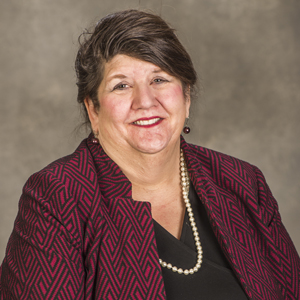
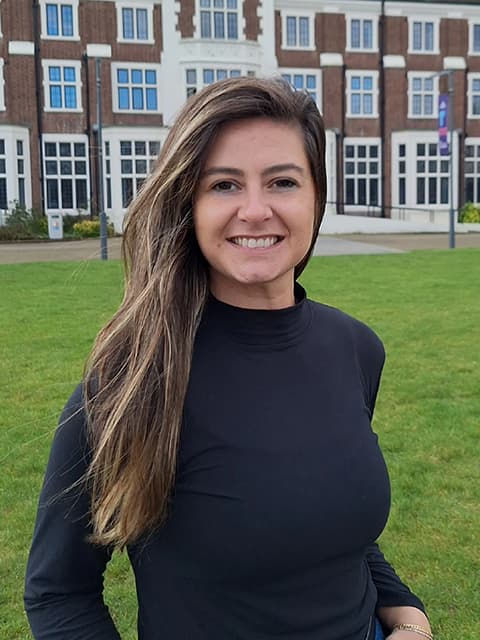
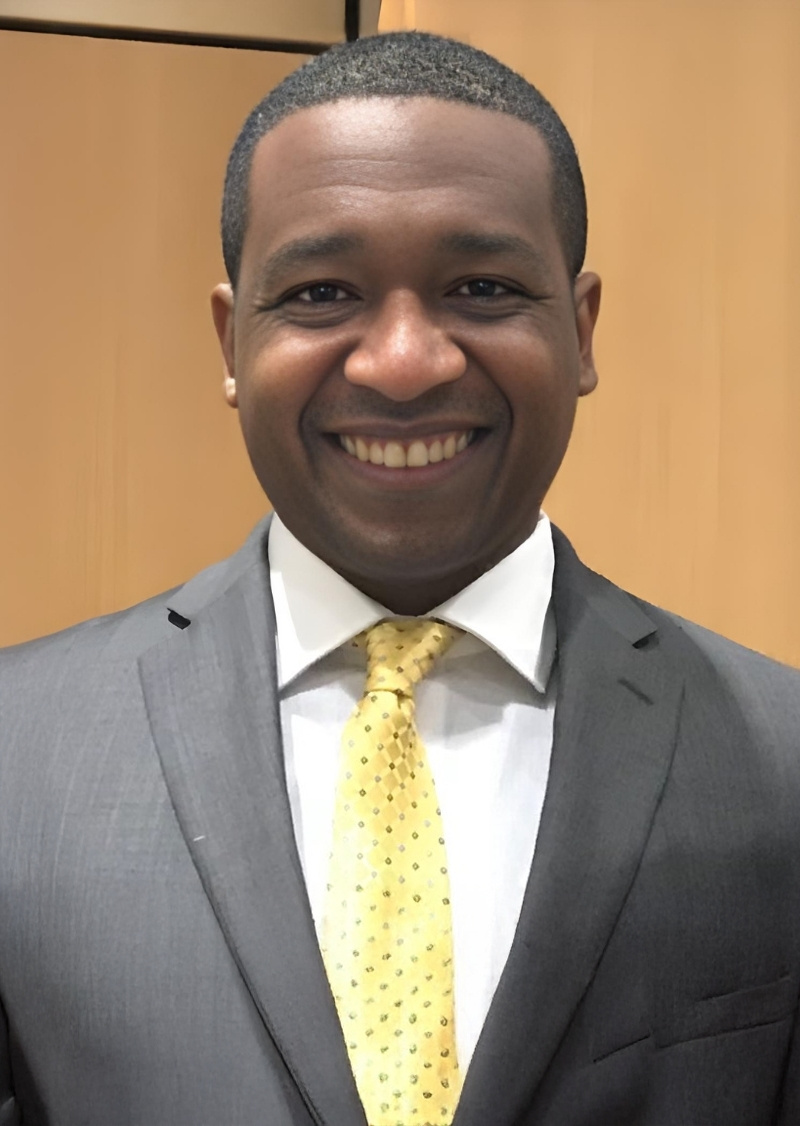
Dr. Melanie Franklin is a pediatric psychologist at Children's Hospital of Philadelphia with expertise in sleep disorders, treatment adherence, and pediatric psychology. She operates within the Department of Child and Adolescent Psychiatry and Behavioral Sciences and collaborates across multiple teams. BA in Psychology – Muhlenberg College PhD in School Psychology – Lehigh University Residency and Fellowship in Pediatric Psychology – Nemours/A.I. DuPont Children’s Hospital Her research focuses on: Sleep behavior in chronic illness populations Mental health communication barriers ADHD functional outcomes Treatment adherence strategies Recent publications demonstrate expertise in ADHD comorbidities , Cystic Fibrosis sleep interventions , and academic functioning analysis . Key collaborations include: Psychiatry and Behavioral Sciences Sleep Center Pulmonary and Sleep Medicine Division
Rachel Arnett is an Assistant Professor of Management at the Wharton School of the University of Pennsylvania, specializing in diversity, identity, inclusion, intergroup relations, and intersectionality within the Organizational Behavior subgroup. She received her Ph.D. from Harvard University's interdisciplinary Organizational Behavior program and holds a B.A. from the University of Pennsylvania. Education: Ph.D., Harvard University (Organizational Behavior) B.A., University of Pennsylvania Her research explores pathways to develop diversity, equity, and inclusion (DEI) through identity-based interactions, including: Identity expression and concealment in workplace relationships Intergroup dynamics and social change Allyship behaviors and bias confrontation Intersectional influences of gender, race, and social class on leadership Psychological safety in DEI advancement Recent publications analyze cultural-identity expression as inclusion mechanisms, bias confrontation strategies, and longitudinal impacts of identity management. Her work combines lab experiments, surveys, and qualitative methods in collaboration with DEI-focused organizations. Key awards include the 2023-2024 Claude Marion Faculty Scholar designation, 2022 Poets & Quants Best 40-Under-40 MBA Professors, and four consecutive Wharton Teaching Excellence Awards (2018-2021).
Dr. Elaine T. Jurkowski serves as Professor in Social Work at Southern Illinois University's College of Health and Human Sciences, holding multiple leadership roles including Graduate Program Director (2021-present) and Program Director for Gerontology Programs (2020-present). She maintains cross-appointments as Adjunct Professor in the School of Medicine's Family Practice Residency Program and Professor in the Department of Health Education, demonstrating her interdisciplinary impact. B.S.W. (Industrial Social Work), University of Manitoba, Canada M.S.W. (Policy and Administration), University of Manitoba, Canada Ph.D., Public Health, University of Illinois at Chicago M.B.A., Southern Illinois University Carbondale (2022) Dr. Jurkowski's research program centers on health disparities, access to mental health services, aging, and disability issues, with particular focus on rural populations. Her work bridges public health, social work, and gerontology through innovative approaches to program evaluation, technology-enhanced teaching, and culture change in long-term care settings. She has developed expertise in international health planning and inter-professional collaboration across diverse cultural contexts. Her publication portfolio shows consistent thematic development across decades, with recent work focusing on medical tourism during the pandemic, rural-urban health disparities, and technology applications in gerontology education. These publications reflect her commitment to addressing healthcare access challenges for vulnerable populations through both scholarly inquiry and practical interventions. Great Cities Research Fellow in Health Provost Faculty Fellow (2018) Provost Assessment Fellow (2016) Student Hotspotting certification (2018-present) A.P.M. Assessment Academy certification (2016, 2017) Dr. Jurkowski has successfully secured over $1 million in research funding from agencies including Health Resources and Services Administration, The Hartford Foundation, and Administration on Aging. Her grant portfolio demonstrates sustained commitment to improving services for older adults and people with disabilities, particularly in rural settings. She has served as Graduate Program Director twice (2003-2014, 2021-present), mentoring numerous social work students through their academic and professional development. Her professional activities extend beyond campus through international consulting in West Africa, Hong Kong, India, China, Russia, and Egypt, and community engagement via the "Dare to Care" radio show and board service with Caring Counseling Ministries, Supporting People in Need, and UNA/USA Southern Illinois Chapter.
Elena Agapie is an Assistant Professor in the Department of Informatics at the Donald Bren School of Information & Computer Sciences, University of California, Irvine. Her research lies at the intersection of human-computer interaction (HCI), health, and behavior change, focusing on designing technologies that support individuals in adopting and maintaining healthy behaviors through human-centered approaches. She is affiliated with the Connected Learning Lab and the Institute for Future Health at UCI. Her educational background includes a PhD in Human Centered Design and Engineering from the University of Washington, an MS in Computer Science from Harvard University, and a BS in Computer Science from Jacobs University Bremen in Germany. She has also conducted research at Microsoft Research, FXPAL, Intel Labs, and NASA Jet Propulsion Lab. Elena's research focuses on designing tools that integrate evidence-based behavioral interventions with user needs, particularly in mental health, chronic disease management, and social support systems. She explores how technology can support therapist-client collaboration, enable tailored health interventions, and leverage crowd expertise for personalized behavior change plans. Her work often involves participatory design, qualitative studies, and prototyping of interactive systems for diverse populations, including youth, hospitalized patients, and underserved communities. Her recent publications, primarily in top-tier venues like CHI and CSCW, reflect a strong trend toward social computing in health, longitudinal behavior support, and the design of inclusive digital health tools. Key themes include goal setting, conversational agents, social sharing in health tracking, and cross-disciplinary collaboration in health technology development. Best Paper Award (top 1%) at CHI 2017 Honorable Mention Best Paper Award (top 5%) at CHI 2016 Best Paper Award (top 1%) at HCOMP 2015 Honorable Mention Best Paper Award (top 5%) at CHI 2013 Elena has been funded by the National Science Foundation, National Institutes of Health, and UCI internal grants. She actively mentors PhD students including Bruna Oewel, Meeshu Agnihotri, and Mehreen Masood, and is currently recruiting students interested in HCI, health, and behavior change. She previously led the outreach program in the HCDE department at the University of Washington, creating workshops that introduced K–12 students to engineering and human-centered design, reaching over 2,000 students across public schools and community events. She runs initiatives to broaden participation in computing and advises undergraduate students in outreach and curriculum development. Her lab collaborates with clinical partners and interdisciplinary teams to ensure real-world impact of her research.
Flavio Vasconcellos Comim is a Full Professor at IQS School of Management in Barcelona, Spain, holding the Chair of Ethics and Christian Thought (intercenter). His research focuses on the intersections of Sustainability, Economics, and Ethics. Fields of Interest : Human Development, Capability Approach, Social Exclusion, Regional Development, AI Ethics, Poverty Stigma (Aporophobia), Sustainable Development, Social Welfare, Justice, and Happiness. Recent research includes publications on youth HDI in Spain (2025), AI bias against the poor (2024), and critiques of Sen's social choice theory (2024). He leads projects like Big data applied to the study of aporophobia and Population Medicine and Sustainable Development collaborations with China. His academic output spans journals like Regional Studies , AI and Society , and Cambridge Journal of Regions, Economy and Society , with keywords spanning Economics, Machine Learning, Human Development, and Social Justice. No formal students or awards are listed in available records.
Sam Yam is a Professor and Head of the Management & Organisation Department at the National University of Singapore's (NUS) Business School. He holds the Jardine Cycle & Carriage Professorship and serves as Associate Dean. His research spans strategy, organisational behaviour, applied psychology, ethics, and human-technology interaction. Yam has contributed to over 125 publications, focusing on AI ethics, workplace dynamics, and cross-cultural management. He explores topics like robot replacement effects, abusive supervision, and financial anxiety's intergenerational impacts. His work bridges psychology, ethics, and organisational theory, addressing contemporary challenges in automation, leadership, and human-AI collaboration. Appointments: Head of Management & Organisation (2022–present), Joint Appointment in Arts & Social Sciences (2023–present). Key Research Themes: Future of work, human-technology interaction, ethical leadership, and Machiavellian dynamics. Notable Contributions: Multimodal ADHD diagnostics, leader biases toward robot-using employees, and cultural impacts on team performance. Yam’s interdisciplinary approach integrates psychology, technology, and management, addressing societal issues like AI ethics and workplace automation. His research frequently appears in top journals like the Journal of Management and Annual Review of Organizational Psychology .
Lisa Gilman is a Professor of Folklore and English at George Mason University, and the outgoing Editor-in-Chief of the Journal of American Folklore . Her research focuses on refugee arts initiatives, intangible cultural heritage, and the intersections of performance, gender, and politics in global contexts. She has conducted extensive fieldwork in Malawi, Turkey, France, and the U.S., emphasizing marginalized communities. Her academic journey includes a PhD in Folklore from Indiana University, followed by roles at the University of Oregon and Mzuzu University (Malawi). Key awards include the Fulbright Teaching/Research Award and Rippey Innovative Teaching Award. She produced the documentary Grounds for Resistance , exploring anti-war activism among U.S. veterans. Her current project, the Dzaleka Art Project , collaborates with refugees in Malawi to document cultural creativity and advocate for visibility. This work has been featured in the Wilson Center and Smithsonian publications. Gilman teaches courses on public humanities, ethnographic fieldwork, and digital storytelling, integrating community engagement with academic rigor. Her publications span topics from African expressive culture to UNESCO policy impacts, with notable books including My Music, My War and co-edited volumes like Africa Every Day . Grants include funding from the Woodrow Wilson Center and the National Endowment for the Arts.
Sabrina Furtado is a Lecturer in Sport Management and Dean’s Associate Fellow at Loughborough University’s School of Sport, Exercise and Health Sciences. She holds a BSc, MSc, and PhD. Previously, she taught at the Federal University of Paraná and State University of Santa Catarina in Brazil, focusing on sport management, sports law, and entrepreneurship in the sports sector. Her research focuses on sports governance, strategic planning, and policy development in public and private sports entities. Key areas include Olympic and Paralympic federations, sports financing, and the impact of media representation on disability inclusion. She contributes to the Sport, Business and Society and Lifestyle for Health and Wellbeing research groups, as well as the Inteligência Esportiva Research Institute . Recent work analyzes governance structures in Santa Catarina municipalities, business intelligence applications in sports management, and modernization processes in Brazilian Olympic federations. Her publications span topics like Paralympic organizational roles, media stigma in disability sports reporting, and funding mechanisms for sports initiatives. No scientific awards are mentioned. Sabrina advises master’s students on sport management and policy but no grant details are provided. Her current projects aim to strengthen sports policies and enhance stakeholders’ engagement in the sport system.
Christopher Weidlich is an Assistant Professor of Clinical in the School of Nursing and Health Studies at the University of Miami. His academic focus includes psychiatric nursing, mental health education, and healthcare provider well-being. He is involved in research addressing simulation-based education, mental health disorders in occupational groups such as fire investigators, and interventions to improve resilience among healthcare providers. His research interests span simulation modalities in psychiatric nursing education, organizational stigma's impact on mental health service utilization, and substance abuse trends like xylazine adulteration. He has also contributed to studies on military healthcare, including resilience programs for providers and PEMF therapy for chronic pain. Dr. Weidlich’s work is supported by his affiliation with the University of Miami’s School of Nursing and Health Studies, leveraging resources such as the Simulation Hospital Advancing Research and Education (S.H.A.R.E.®) facility. His research emphasizes practical applications in clinical settings and improving patient outcomes through innovative educational and therapeutic approaches.
Catherine Butler is a Senior Fellow of the Higher Education Academy and Programme Director of the DClinPsy Programme at the University of Bath's Department of Psychology. She holds external examiner roles at Cardiff University, University College London, and others. Her academic journey includes a Doctor of Clinical Psychology from the University of East London, an MBA from the Open University, and advanced training in Systemic Supervision at the University of Exeter. Her research focuses on Inclusion, Whiteness, Gender and Sexual Minorities, Intersectionality, and Systemic Therapy, with contributions to anti-racism and climate crisis studies. Key projects include exploring systemic therapy supervision, validation of therapeutic scales, and shared learning courses with clinical psychology trainees. Dr. Butler’s scholarly work addresses topics such as gender dysphoria in neurodivergent populations, relapse experiences in addiction therapy, and systemic training in clinical psychology programs. She has been recognized for her contributions through awards like the Senior Fellow of the Higher Education Academy. Her professional activities include roles on the British Psychological Society committee, conference presentations, and advisory roles in academic and clinical settings. She has supervised 18 doctoral students and led projects funded by UK charities such as the Association for Family Therapy.
Dr. Louise Alexander is an Associate Professor in Mental Health Nursing at Deakin University's School of Nursing & Midwifery (Faculty of Health). She holds prior academic roles including Senior Lecturer (ACU, 2018–2023) and Lecturer positions (ACU and Holmesglen Institute). Her research focuses on mental health nursing workforce sustainability, stigma reduction, simulation-based education, and curriculum development. Key interests include nurse resilience, pandemic impacts on healthcare workers, and improving student attitudes towards mental illness. Education: PhD from Deakin University; GCHE qualification Certifications: University of Melbourne's Emerging Leaders & Management Program (2021–2022) Teaching: Leads courses in forensic mental health, therapeutic communication, and health promotion Research Highlights: Recent work examines pandemic trauma among nurses, alcohol consumption trends post-COVID, and leadership's role in workforce retention. Her studies emphasize qualitative methods and integrative reviews to address systemic challenges in mental health nursing education and practice. Awards/Grants: No explicit awards listed; research supported by institutional collaborations. Active in developing transition-to-practice programs and evaluating simulation-based training efficacy. Labs/Teams: Collaborates with interdisciplinary teams on mental health workforce resilience and stigma reduction initiatives. Engages in national and international nursing education networks.
Dr. Wei Peng is a Professor in the Department of Media and Information at Michigan State University, specializing in health communication technology design and human-computer interaction. Her research explores behavior change mechanisms through interactive media. Ph.D. in Communication from University of Southern California (2006) Key research areas include: Psychological and social effects of interactive media AI-driven health promotion systems Conversational agents for wellness Digital games for physical activity Mobile health applications Combating health misinformation through technology Her 2024-2021 publications demonstrate expertise in AI ethics, health gamification, and technology-based behavior change. Grant collaborations include: National Science Foundation (NSF) - Sensor-enabled family routines for child obesity prevention Robert Wood Johnson Foundation (RWJF) - Exergame development Scientific recognition includes multiple ICA Top Paper Awards and MSU Teacher-Scholar honors. She actively serves on editorial boards of: Journal of Communication Health Communication Games for Health Journal BMC Public Health Currently advising in AI applications for health misinformation and persuasive technology research.
Jan Grimell is an Associate Professor and Senior Lecturer at the Department of Sociology, Umeå University. His research focuses on military chaplaincy, veterans' mental health, and identity formation, combining sociological and religious perspectives. He is affiliated with the research groups Sociology of Organizations, Sociology of Religion, and Sociology of Work. Key research themes include Moral Injury, PTSD, and the transition challenges veterans face when leaving military service. His work explores existential and spiritual dimensions of health, identity reconstruction, and the role of chaplaincy in armed forces and healthcare settings. Recent projects include studies on Ukrainian military chaplaincy during the Russia-Ukraine war, the impact of moral injury among healthcare providers during the pandemic, and the long-term identity struggles of Swedish veterans. His publications span journals like Frontiers in Sociology , Journal of Pastoral Care & Counseling , and Health and Social Care Chaplaincy , with a focus on interdisciplinary approaches linking social psychology, medical sociology, and religious studies.
Kora DeBeck is a Distinguished Professor of Substance Use and Drug Policy in the School of Public Policy at Simon Fraser University, a CIHR Applied Public Health Chair, and Dorothy Killam Fellow. She is also a Research Scientist with the BC Centre on Substance Use and Principal Investigator of the At-Risk Youth Study (ARYS), a longitudinal cohort tracking over 1,200 street-involved youth. Her research focuses on substance use policy, health services for marginalized populations, and the structural drivers of drug-related harms. She has published over 200 peer-reviewed articles challenging ineffective drug enforcement models and advocating for policy reforms. Recent publications analyze trends in opioid use, harm reduction during the COVID-19 pandemic, drug decriminalization, and youth-focused interventions. Her work consistently addresses social inequities through data-driven approaches to the toxic drug crisis. CIHR Applied Public Health Chair Dorothy Killam Fellow Michael Smith Health Research BC Scholar Award Distinguished SFU Professorship She has secured over $50 million in research funding, including $21M as principal investigator for ARYS. Her lab collaborates with healthcare providers, community organizations, and policymakers to translate research into practice.
Dr. Derek E. Daniels is an Associate Professor and Director of Graduate Studies in the Department of Communication Sciences and Disorders at Wayne State University’s College of Liberal Arts and Sciences. He is a licensed speech-language pathologist specializing in stuttering therapy and psychosocial aspects of stuttering. His research focuses on identity, stigma, intersectionality, and culturally responsive practices, with a particular emphasis on qualitative methods and social justice. He leads Camp Shout Out, a therapeutic camp for children and teens who stutter, and serves as a former President of the Michigan Speech-Language-Hearing Association. Dr. Daniels holds a Ph.D. from Bowling Green State University (2007), an M.A. from the University of Houston (2002), and a B.A. from Grinnell College (1998). His awards include the 2023 Professional of the Year Scholar and Service Award from the National Stuttering Association and the 2025 William T. Simpkins Service Award. He teaches courses such as 'Stuttering' and 'Normal Language Acquisition,' and his work emphasizes reducing stigma through education and advocacy. Dr. Daniels actively participates in professional organizations like the American Speech-Language-Hearing Association and has contributed to over 50 peer-reviewed publications and presentations globally.