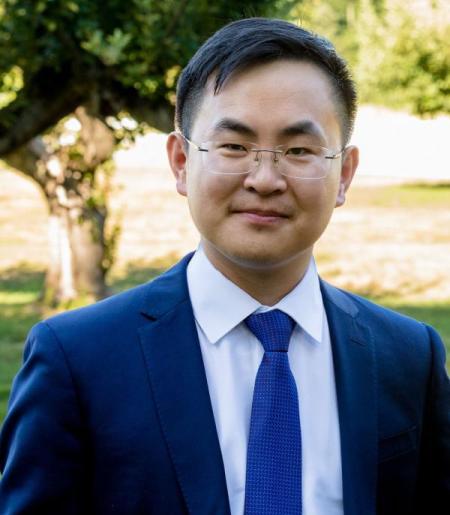
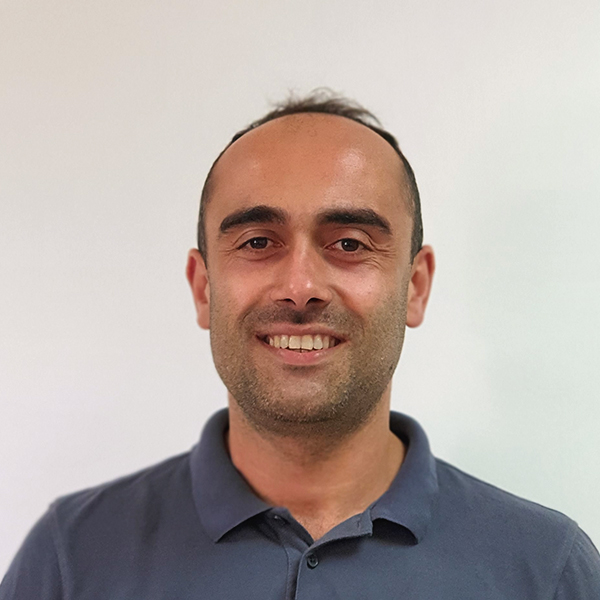
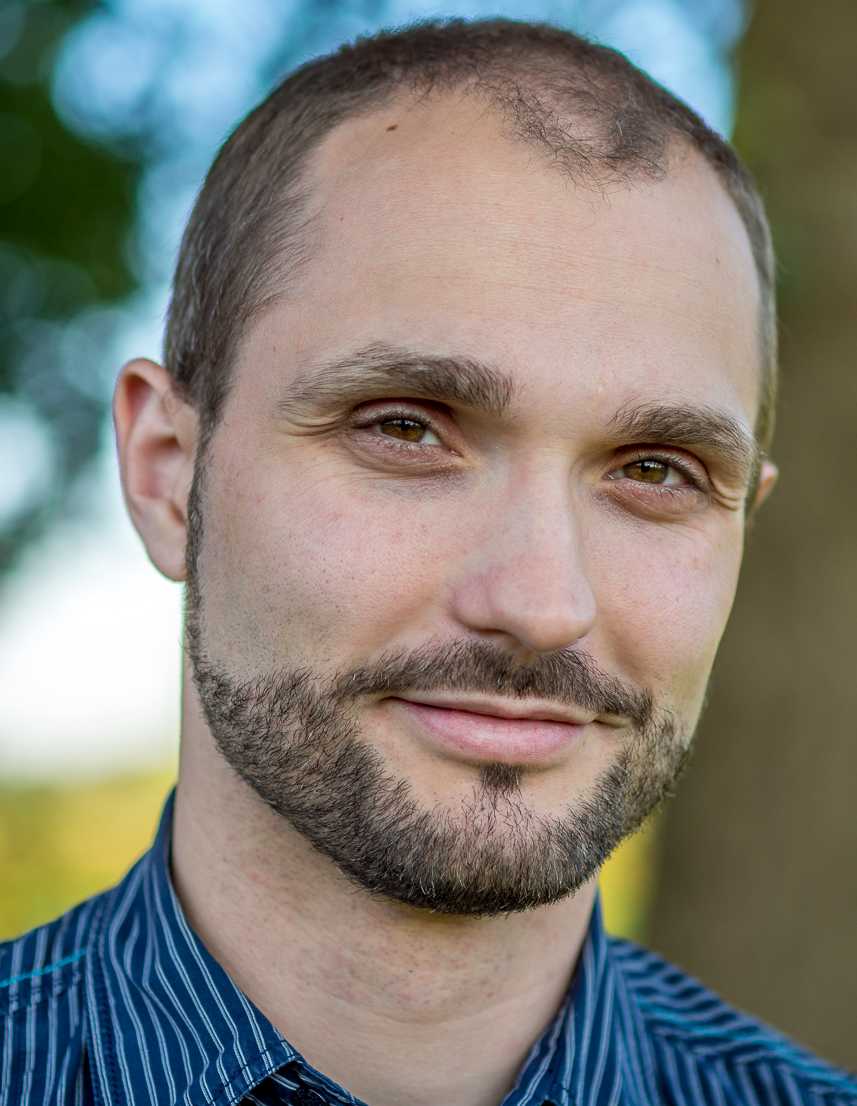
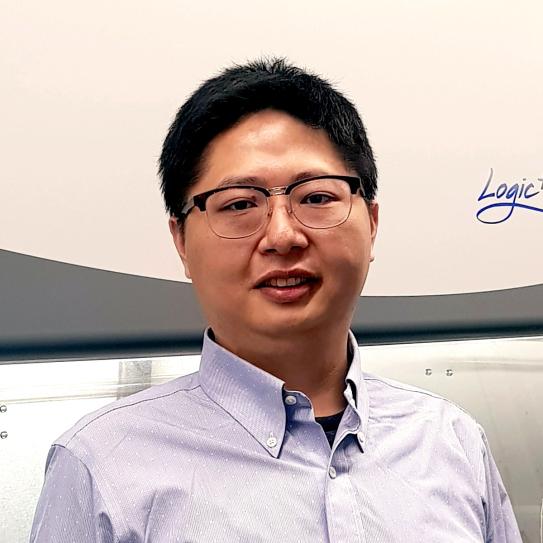
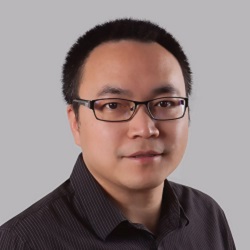
Yao Yang is an Assistant Professor in the Department of Chemistry and Chemical Biology at Cornell University's College of Arts and Sciences. His research focuses on developing multimodal operando electron microscopy and synchrotron X-ray methods to probe electrochemical dynamics at solid-liquid interfaces for energy materials. PhD, Cornell University (2021) Miller Postdoctoral Fellow, UC Berkeley (2021-2024) Research interests span fundamental electrochemistry and energy material interfaces, particularly CO2 reduction, clean H2 production, and rechargeable batteries. The Yang group specializes in operando electrochemical liquid-cell scanning transmission electron microscopy (EC-STEM) and correlative synchrotron X-ray methods at Cornell Center for Materials Research (CCMR) and Cornell High Energy Synchrotron Source (CHESS). Recent publications highlight atomic-scale imaging of catalyst dynamics, Tafel slope analysis, and epitaxial growth techniques for enhanced electrocatalysts. Articles demonstrate interdisciplinary approaches combining electrochemistry, nanoscience, and advanced characterization. Scientific Awards: 2025 ACS Materials and Interfaces Outstanding Presentations by Young Investigators Award 2024 Journal of Materials Research Distinguished Invited Speaker Miller Postdoctoral Fellowship (2021-2024) 2023 Best Early Career Presentation at MRS Spring 2022 ACS AC/DC Rising Stars in Analytical Chemistry Contact: yaoyang@cornell.edu
Dr. Yogambha Ramaswamy is a Senior Lecturer in the School of Biomedical Engineering at The University of Sydney and a member of the Sydney Nano Institute. She holds a Master’s in Biotechnology from the University of Queensland and a PhD in Biomedical Engineering from the University of Sydney (2009). Her postdoctoral career began as a Vice-Chancellor’s Postdoctoral Research Fellow at the University of New South Wales, followed by a Peter Doherty Early Career Fellowship in 2013 before joining the University of Sydney in 2015. Dr. Ramaswamy’s research focuses on biomaterials, tissue engineering, and mechanobiology, with a particular emphasis on developing calcium silicate-based ceramics and biopolymers for orthopedic and regenerative applications. Her recent work explores the role of physical cues in modulating stem and cancer cell behavior. She teaches courses such as AMME1961 (Introduction to Biomedical Engineering B) and AMME5962 (Introduction to Mechanobiology). Her research has been supported by grants including the NHMRC Early Career Fellowship and collaborations with institutions like the CSIR-Indian Institute of Chemical Technology and the University of Otago. Her publications span biomaterials, nanotechnology, and mechanobiology, with recent work addressing atherosclerosis, hydrogel design, and nanomedicine. She currently supervises PhD students Frank (biomaterials) and Alexander (atherosclerosis research).
Dr. Ahmet Acar is an Associate Professor at the Department of Biological Sciences, Middle East Technical University (METU), Ankara, Turkey. He leads the Cancer Precision Medicine and Drug Resistance Laboratory, focusing on understanding mechanisms of drug resistance in cancer. His research integrates experimental models, next-generation sequencing, and deep learning to address clinical challenges in cancer therapy. Dr. Acar holds a B.Sc. from METU's Biological Sciences department and a Ph.D. from the Cancer Research UK Manchester Institute. He completed postdoctoral training at the Institute of Cancer Research, London, and the University of Manchester. Research Interests: Drug resistance mechanisms, precision oncology, tumor microenvironment modeling, patient-derived organoids, computational pathology, and evolutionary cancer biology. His lab develops 2D/3D co-culture systems, PDO biobanks, and AI-driven histopathology tools to improve treatment strategies. Recent Work Trends: Recent publications emphasize tumor evolution modeling, matrix mechanics in drug resistance, and AI applications in histopathology. Collaborations with hospitals in Turkey and Europe support PDO biobank initiatives. His team explores evolutionary steering strategies to exploit collateral drug sensitivities. Labs/Teams: Precision Medicine and Drug Resistance Lab at METU focuses on interdisciplinary approaches combining wet-lab experiments with computational methods. Current projects include ex vivo tumor modeling and AI-driven diagnostic tools for oncology.
Kelly Arnold is an Associate Professor in the Department of Biomedical Engineering at the University of Michigan. Her research integrates systems engineering principles with immunology to investigate variability in immune responses across infection, vaccination, and injury, with a focus on computational modeling and clinical translation. Research Focus Systems-level immune response modeling Vaccination and antibody functionality Vaginal microbiome-host interactions Chronic lung disease progression Computational serology and proteomics Recent Work Her 2025 studies examine SARS-CoV-2 vaccination responses in cancer patients and computational frameworks for vaginal probiotics. Earlier works (2024-2007) span COPD progression, lupus fibrosis, HIV susceptibility, and tissue engineering for fertility preservation. Methodologies include proteomic profiling, network modeling, and microfluidic systems.
Prof. Dr. Helmuth Gehart is a faculty member at the Institute of Molecular Health Sciences , ETH Zurich . He leads the Tumor and Stem Cell Dynamics research group, focusing on dynamic cell identity in regeneration and cancer. Research Interests : Stem cell-environment interactions, organoid technology, single-cell sequencing, and mechanisms of tissue repair/tumorigenesis. Publications : 10+ articles (2015-2024) on organoid models, stem cell dynamics, and cancer biology.
Sushmita Roy is a Professor at the University of Wisconsin–Madison, affiliated with the Department of Computer Sciences and the College of Letters and Science. Her research focuses on developing computational methods in statistical machine learning to understand gene regulatory networks in living cells, particularly under environmental, developmental, disease, and evolutionary contexts. She explores bulk and single-cell genomic data integration to study processes like cell fate specification, host-microbe interactions, and diseases such as cancer and neurodevelopmental disorders. Her work emphasizes three key areas: inference of genome-scale transcriptional networks, evolutionary analysis of regulatory networks, and 3D genome organization dynamics. Roy’s lab collaborates across disciplines, leveraging genomic data from plant and mammalian systems. She has contributed to methodologies for analyzing chromatin accessibility, single-cell profiling, and network-based models of pathogen systems. Her affiliations include Wisconsin Institutes for Discovery, and she is a leader in computational biology and systems genomics research.
California Institute of Technology (Caltech)United States
Changhuei Yang is the Thomas G. Myers Professor of Electrical Engineering, Bioengineering, and Medical Engineering at California Institute of Technology, serving as Executive Officer for Electrical Engineering and Investigator at Heritage Medical Research Institute. He holds a Ph.D. and three master's degrees from MIT, with appointments at Caltech since 2003. Research focuses on: Advanced microscopy techniques including Fourier Ptychography Wavefront shaping for biological tissue imaging Optical phase conjugation for deep-tissue applications Compact medical devices for cerebral monitoring Publications demonstrate leadership in computational imaging, with recent advances in stain-free embryo analysis, portable cerebral blood flow monitors, and high-resolution volumetric imaging techniques using neural representations. Honored as National Academy of Inventors member. Research applications span deep-tissue biochemical imaging, incisionless surgery, and optogenetic activation systems.
Weiqiang Chen is a Professor of Mechanical and Biomedical Engineering at New York University's Tandon School of Engineering and Director of Research and PhD Programs. He holds a joint appointment at NYU Langone's Perlmutter Cancer Center as a Faculty Member of the Tumor Immunology Research Program. B.S. in Physics (Nanjing University, 2005) M.S. in Electrical Engineering (Shanghai Jiao Tong University, 2008) M.S. in Electrical and Computer Engineering (Purdue University, 2009) Ph.D. in Mechanical Engineering (University of Michigan, 2014) His research focuses on Lab-on-a-Chip , Organ-on-Chip systems, Biomaterials , and Mechanobiology , with applications in cancer biology, stem cell engineering, and immune monitoring. He pioneers microfabrication technologies for real-time observation of cellular interactions, including CAR T-cell immunotherapy efficacy and tumor microenvironment dynamics. Recent grants include NSF funding for leukemia bone marrow niche modeling, NIH Trailblazer Awards for glioblastoma immunotherapy research, and collaborations with the Arthritis Foundation for synovium-on-chip rheumatoid arthritis studies. His work has been supported by over $2M in federal and institutional research funding. National Science Foundation (NSF) grants for leukemia-on-chip and glioblastoma modeling National Institutes of Health (NIH) awards for immunotherapy research American Heart Association fellowships and institutional training programs Chen's scientific awards include the American Heart Association Fellow distinction, multiple Young Investigator Awards from Lab on a Chip and Biomedical Engineering Society, and recognition for his dissertation on nanotopography in stem cell differentiation. He leads the Applied Micro-Bioengineering Laboratory (AMBL) , which develops microphysiological systems for drug testing and personalized medicine. His team has created the first immunocompetent leukemia-on-a-chip for CAR T-cell therapy screening and glioblastoma models that enable patient-specific immunotherapy validation.
Manuel R. Amieva is a Professor at Stanford University School of Medicine , holding joint appointments in Pediatrics - Infectious Diseases and Microbiology & Immunology . He is also a member of the Maternal & Child Health Research Institute (MCHRI) . His clinical practice at Stanford Medicine Children's Health focuses on pediatric infectious diseases. Education: Medical Education: Stanford University School of Medicine (1997) Fellowship: Stanford University Pediatric Infectious Disease Fellowship (2004) Internship & Residency: Stanford Health Care at Lucile Packard Children's Hospital (1998-1999) Dr. Amieva's research investigates host-pathogen interactions at epithelial barriers, with specific expertise in Helicobacter pylori , Listeria monocytogenes , Salmonella enterica , and Staphylococcus aureus . His lab develops innovative organoid culture systems with controlled polarity to study microbial colonization and oncogenic mechanisms. Key discoveries include: H. pylori's manipulation of epithelial junctions via the CagA protein Listeria's exploitation of cell extrusion sites for invasion Staphylococcus toxin interactions with adherens junctions Gastric stem cell activation by pathogens Recent publication trends show continued leadership in infectious disease mechanisms (2020-2025), with a focus on: Pathogen-specific epithelial breach strategies Organoid modeling of viral/bacterial interactions Redox-dependent host factor regulation Single-cell spatial transcriptomic analyses Multi-institutional educational frameworks His scientific collaborations span disciplines including: Gastric cancer genomics initiatives COVID-19 lung infection models Stem cell-microbe interactions Medical education reform projects Dr. Amieva maintains active clinical research while mentoring students in both the Microbiology & Immunology and Pediatrics programs. His lab at Stanford employs advanced 3D confocal microscopy and organ-on-a-chip technologies to visualize epithelial colonization dynamics.
Rotem Karni, PhD, is an Associate Professor of Genetics at the Perelman School of Medicine, University of Pennsylvania, Philadelphia. He leads a research lab focused on understanding how alternative RNA splicing contributes to cancer and genetic diseases, with a strong emphasis on translating these findings into RNA-based therapies. Karni's lab develops decoy oligonucleotides, small molecules, and splice-switching technologies to modulate splicing factors and enhance immunotherapy. Education BSc in Biological Chemistry from The Hebrew University of Jerusalem (1997) PhD in Biological Chemistry from The Hebrew University of Jerusalem, Israel (2002) Postdoctoral Fellowship at Cold Spring Harbor Laboratory, NY (2002-2007) Karni's research explores the deregulation of alternative splicing in oncogenesis, particularly how splicing factors like RBFOX2 and S6K1 influence metastasis, DNA repair, and immune checkpoint modulation. His team investigates m6A RNA modifications for stabilizing mutant genes, with applications in Duchenne Muscular Dystrophy and pancreatic cancer. The lab's work is commercialized through biotech companies: SKIP Therapeutics, Andlit Therapeutics, and RNAble. Selected Research Trends RNA mis-splicing and neoantigen generation (2025) Splicing factor inhibition for tumor suppression (2023) Metastatic splicing signatures in pancreatic cancer (2023) Immune checkpoint splicing in cancer immunotherapy (2021) m6A modulation for mRNA stabilization (2023) Advising & Collaborations Karni has mentored numerous PhD and postdoctoral researchers, many of whom now hold leadership roles in academia, biotech, and medical institutions globally. His lab collaborates extensively on projects involving RNA innovation, including partnerships with the Institute for RNA Innovation. Contact Department of Genetics & Institute for RNA Innovation, One uCity Square, Room 4018, Philadelphia, PA 19104 Phone: 215-898-5072 Email: Rotem.Karni@Upenn.edu
Zhe Ji is an Assistant Professor in the Department of Biomedical Engineering at McCormick School of Engineering and the Department of Pharmacology at Feinberg School of Medicine, Northwestern University. His research integrates computational and experimental genomics to study gene transcription and RNA translation in cell fate commitment and oncogenic processes, aiming to develop precision medicine strategies. **Education**: Postdoctoral Fellow in Cancer Systems Biology, Harvard Medical School Postdoctoral Fellow in Computational Biology, Broad Institute of MIT and Harvard Ph.D. in Computational Genomics, Rutgers University B.S. in Biotechnology, Nanjing University, China **Research Focus**: Keywords include Data Science, Computational Biology, Functional Genomics, RNA, Cancer, Inflammation, and Machine Learning. The lab explores regulatory mechanisms underlying disease, with a focus on translational control, cancer metastasis, and inflammatory networks. **Grants & Advising**: No specific grants or student advisees listed. The lab emphasizes collaborative projects and computational-experimental approaches. **Lab Affiliations**: Zhe Ji’s lab is part of Northwestern’s interdisciplinary environment, bridging engineering and medicine to advance genomic technologies and therapeutic strategies.
Swiss Federal Institute of Technology in LausanneSwitzerland
Sara Gallini is an Assistant Professor at EPFL, leading the Gallini Lab within the ISREC Department of the School of Engineering (SV). Her research focuses on understanding how healthy and oncogenic cells compete in skin epithelium, aiming to identify therapeutic targets for skin cancer prevention. She holds a Tenure Track position and teaches in the Life Sciences Engineering program. Her lab employs advanced in vivo imaging and single-cell analysis techniques. Education details are not explicitly provided, but her career includes a postdoctoral fellowship with the HFSP. Her research integrates molecular, cellular, and systems-level approaches to study cancer initiation and tissue homeostasis, particularly in injury-driven dynamics. Lab Members: Includes PhD student Mustafa Öztürk and technical staff Mélanie Sipion. Key Research Themes: Oncogenic cell competition, epidermal regeneration, EGFR/ERK signaling, and therapeutic target discovery. Her lab collaborates with clinical teams and uses models like mouse skin to study tumor suppression mechanisms. Future work aims to leverage healthy cell dynamics for cancer treatment strategies. Contact: SV 2527 office, +41216936764, sara.gallini@epfl.ch .
Houman Savoji is an Associate Professor in the Department of Pharmacology and Physiology at the Faculty of Medicine, University of Montreal. He is also a full-time researcher at the CHU Sainte-Justine Research Center and principal investigator in regenerative medicine, organs-on-chip, and bioprinting at TransMedTech Institute. Dr. Savoji received his PhD in Biomedical Engineering from the Institute of Biomedical Engineering at Polytechnique Montréal in 2016. He then completed a postdoctoral fellowship at the Institute of Biomaterials and Biomedical Engineering at the University of Toronto. His research expertise combines advanced manufacturing technologies (micro- and nano-fabrication, 3D bioprinting, microfluidics, cell electrospinning) with functional and composite materials for applications in tissue engineering, regenerative medicine, and organs-on-chip. His work focuses on the design, development, optimization, implementation, and characterization of innovative functional biomaterials using emerging engineering technologies, with particular emphasis on cardiac tissue engineering and biomimetic pulmonary heart valves for pediatric patients. Dr. Savoji has published extensively on biomaterials, tissue engineering, 3D bioprinting, and organ-on-chip technologies. His recent publications demonstrate expertise in viscoelastic characterization of soft tissues, engineering immune responses to biomaterials, ceramic engineering for biomedical applications, and advanced 3D bioprinting techniques for cardiac and vascular tissue engineering. 2017-2020, Postdoctoral Research Grant, CIHR 2017-2019, Postdoctoral Research Grant, FRQNT 2017-2018, Human Society of International Grant, Human Toxicity Assessment Project 2016, CR-CHUM Research Center Award 2015, Star Student-Researcher Award, FRQNT 2014-2015, Jane and Frank Warchol Fellowship, Society of Vacuum Coaters Foundation 2013, Institute of Textile Science Award 2012-2015, Excellence Doctoral Scholarship for Foreign Students, FRQNT Dr. Savoji has supervised Master's students including Ines Barrakad (2024) working on 'Advanced manufacturing technologies versus molding of corneal implants: 3D printing vs molding of a Keratoprosthesis' and Zineb Ajji (2023) researching 'Development of perfusable patches by 3D bioprinting for potential application in cardiac tissue regeneration.' He has secured numerous research grants from organizations including CIHR, NSERC, FRQNT, FRQS, MITACS, and others for projects related to 3D bioprinting of cardiac tissues, biomimetic heart valves, and other tissue engineering applications. The Savoji Laboratory, located within the Department of Pharmacology and Physiology and Institute of Biomedical Engineering of the Faculty of Medicine of the University of Montreal, the Research Center of the CHU Sainte-Justine (CHUSJ), and the TransMedTech Institute, focuses on multidisciplinary research involving 3D bioprinting using stem-cell derived human cardiac cells to fabricate functional cardiac tissues for transplantation and drug discovery applications.
Rhenish Friedrich Wilhelm University of BonnGermany
Prof. Waldemar Kolanus leads the Molecular Immunology and Cell Biology department at the University of Bonn's Life & Medical Sciences Institute (LIMES) . His research bridges immunoregulation , stem cell dynamics , and metabolic stress responses in immune cells. Unit 2 member at LIMES Principal investigator in SFB 704 and ImmunoSensation Cluster Leads a multidisciplinary lab with postdocs, PhD students, and technical staff His work focuses on intracellular signaling pathways connecting immune activation to tissue homeostasis, particularly through: Cytohesin proteins in integrin-mediated adhesion and migration TRIM71 in stem cell regulation and congenital hydrocephalus High-salt environments affecting macrophage function Publication trends show expertise in immune cell migration , genetic models , and chemical inhibition , with frequent use of mice and zebrafish for in vivo studies. Key articles explore: TRIM71's dual role in auditory development and germ cell maintenance Cytohesin family's Golgi regulation and insulin signaling Ruxolitinib's off-target migration inhibition of dendritic cells Contact details: Address: LIMES Institute, Carl-Troll-Straße 31, Bonn Email: kolanus.sekretariat@uni-bonn.de Phone: +49 228 73-62788
Qian Yang is an Assistant Professor in Information Science at Cornell University, with a faculty appointment in Computer Science. Her research focuses on human-AI interaction, designing AI applications for healthcare, autonomous systems, and UX design. She holds a PhD in Human-Computer Interaction from Carnegie Mellon University and has industry experience in design consultancy (2007–2014). Yang co-directs the Cornell Digital and AI Literacy Initiative and is a Senior Fellow at the Cornell Brooks Tech Policy Institute. Her work emphasizes bridging AI technologies with societal needs, supported by awards like the Schmidt Futures AI2050 Fellowship. She leads the DesignAI research group, focusing on AI-driven design methods and tools for practitioners. Education: PhD in HCI (Carnegie Mellon), M.S. in HCI (CMU), M.Des in Design, B.Eng in Industrial Design (Shanghai Jiao Tong University). Research interests include AI ethics, healthcare decision support systems, and context-aware mobile services. Notable contributions include: Developing AI systems for life-critical healthcare decisions (e.g., artificial heart implants) Innovating UX design methods for integrating AI into practice Advancing human-centered AI evaluation frameworks Awards include the SIGCHI Outstanding Dissertation Award and AI2050 Fellowship. She actively collaborates across disciplines, with work published in top HCI venues like CHI and ACM Transactions.