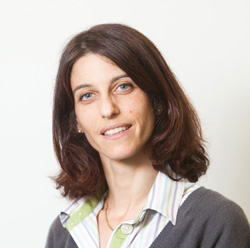
Caterina Ducati is a Professor of Nanomaterials at the Department of Materials Science & Metallurgy, University of Cambridge. Her research focuses on nanomaterials, their structure-property relationships, and applications in energy technologies, particularly photovoltaics, photocatalysis, and optoelectronics. Research Interests: In situ electron microscopy of nanomaterials under external stimuli (electrical, thermal, photonic), growth mechanisms of nanostructures (carbon nanotubes, semiconductor nanowires), and degradation processes in energy devices. Methodologies: Advanced characterization via HAADF STEM, TEM, and development of tools for real-time nanoscale observation. Recent publications highlight her work on perovskite solar cells, battery materials (Li, Zn, Na-ion), and ferroelectric thin films. She actively investigates degradation mechanisms in energy devices and develops novel fabrication techniques for nanocomposites. Scientific Recognition: A&B Post-doctoral Fellowship winners (institutional award) She supervises research groups utilizing the Wolfson Electron Microscopy Suite and contributes to interdisciplinary collaborations in materials for sustainability and healthcare applications.
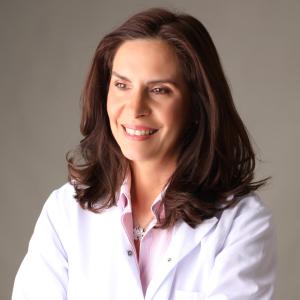
Professor Athina E Markaki serves as Professor of Materials & Biomedical Engineering in the Department of Engineering at the University of Cambridge, leading research in advanced biomaterials and tissue engineering solutions for regenerative medicine with emphasis on vascularization and tubular scaffold development for human conduit replacement. Her academic credentials include a Diploma in Metallurgical Engineering (8.6/10) from the National Technical University of Athens and a PhD in Materials Science from the University of Cambridge. Markaki's research program centers on vascularisation techniques for clinically relevant tissue dimensions and tubular scaffolds to replace diseased or damaged human conduits, integrating biomaterials science with regenerative medicine principles. Key applications span liver tissue engineering, neural crest-derived stem cell differentiation, and vascular graft development, with strong translational focus on orthopaedic and cardiovascular medical devices. Analysis of her recent publications reveals dominant trends in biomimetic scaffold design, particularly collagen-based tubular structures and hydrogel systems for vascularized tissue constructs. Her work demonstrates interdisciplinary convergence of AI-driven retinal assessment, glioblastoma modeling, and self-healing cementitious materials, with consistent emphasis on clinically applicable regenerative solutions for liver, bone, and neural tissues. Her distinguished scientific contributions are recognized by major awards: Rosetrees Trust 2017 Interdisciplinary Award European Research Council (ERC) Starting Grant (2010) Advanced EPSRC Fellowship (2005) De Montfort Award at SET for Britain National Event (2004) Young Scientist Prize 2003 (5th Euromech Solid Mechanics Conference) Multiple academic excellence awards from Greek foundations Markaki directs a well-funded research program including ERC and EPSRC grants, mentoring graduate students in tissue engineering while teaching core engineering curricula covering plastic deformation, fracture mechanics, and medical materials design. Her group maintains strong industry and clinical partnerships to advance regenerative technologies. Her laboratory, accessible via http://www-memti.eng.cam.ac.uk/, specializes in vascularized tissue constructs and tubular scaffolds using laser-based manufacturing, biomimetic design, and hydrogel engineering to address critical challenges in tissue replacement and disease modeling.
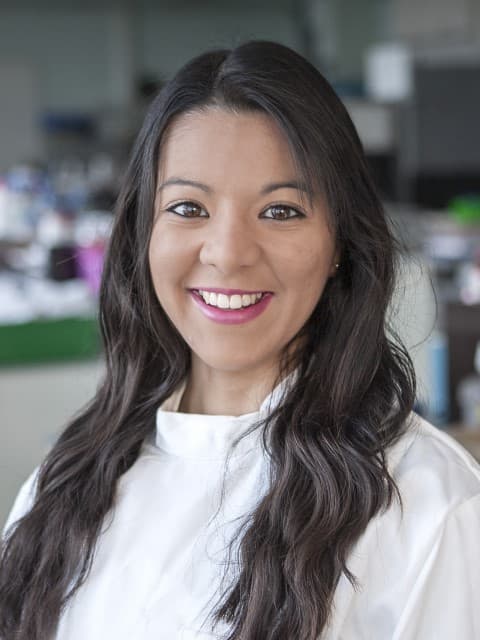
Professor Will Wenmiao Shu is the Hay Chair in Biomedical Engineering and Director of Research at the Department of Biomedical Engineering, University of Strathclyde. He has held positions at prestigious institutions including University of Cambridge (PhD), Heriot-Watt University (Lecturer/Reader), and Stanford University (Visiting Position). His work focuses on 3D biofabrication , bioprinting , and regenerative medicine . PhD in Electrical Engineering & Nanoscience, University of Cambridge His research pioneered the first bioprinting of human embryonic stem cells and induced pluripotent stem cells, enabling animal-free drug testing and 3D printed organs . Current projects include 3D Bioprinting of Vascularised Hepatic Cancer Models and BIOME: Bioplastic Injection-moulding Optimisation . Recent publications address nanometrology and soft tissue resection simulations , reflecting his interdisciplinary approach. Awards include dual Best Presentation Prizes in 2024 for work on microvascular networks and animal-free research. Editorial Board Member, IOP Biofabrication Journal Board Director, International Society for Biofabrication (ISBF) Founding Member (emeritus), Royal Society of Edinburgh’s Young Academy
Julia Camps is a postdoctoral research associate at the University of Oxford, Department of Computer Science. Her work bridges Computational Biology and Health Informatics, focusing on cardiac digital twin development for precision medicine applications. She specializes in combining data-driven and mechanistic approaches for in silico clinical trials, particularly through Purkinje network modeling and ECG-based calibration. Education: Informatics Engineer (2014) and Master's in Artificial Intelligence (2015-2017) from Universitat Politècnica de Catalunya PhD in Computer Science (2017-2021) at Oxford, completed within the Computational Cardiovascular Science research group under Prof Blanca Rodriguez Current role: postdoc in Prof Rodriguez's group since 2021, focusing on post-myocardial infarction disease progression Software development: open-source cardiac digital twin tools available on GitHub Her research interests center on creating patient-specific cardiac digital twins using multimodal clinical data. This work enables virtual therapy evaluation and in silico clinical trials through: Integration of statistical inference and machine learning techniques Development of Purkinje network models from clinical ECG data Electrophysiological and repolarization sequence modeling Gait detection algorithms for Parkinson's disease applications Recent publications (2024-2025) demonstrate trends in: GPU-accelerated cardiac electrophysiology simulations (MonoAlg3D) Topology-informed ECG electrode localization Sex-specific electromechanical cardiac modeling Multi-modal characterisation of diabetic cardiac deterioration Pro-arrhythmic risk assessment for stem cell therapies
Christos Tapeinos is a Lecturer in Pharmaceutical Sciences at the University of Manchester, specializing in pharmaceutical nanotechnology for treating brain diseases (e.g., glioblastoma, neuroinflammation) and pancreatic cancer. His research focuses on developing smart nanomedicines, advanced in vitro models (e.g., fluidic systems mimicking brain environments), and stimuli-responsive nanomaterials to overcome biological barriers like the blood-brain barrier. He leads the development of skin-mimicking models for subcutaneous drug delivery as a Co-Investigator in the HALo program. Education: Docent in Pharmaceutical Nanotechnology (2022) PhD in Materials Science (2013) MSc in Materials Science (2010) BSc in Materials Science (2006) Research Interests: Drug delivery systems, nanoparticle engineering, in vitro disease models, biomimetic materials, and translational nanomedicine. He integrates nanotechnology with precision medicine to address complex diseases. Recent Articles Trends: Focus on nanoparticle-cell interactions, phototherapy systems, graphene-cerium oxide hydrogels, and targeted theranostics. Highlights include ROS-scavenging systems and multi-stage nanovectors for CNS pathologies. Awards: Marie Skłodowska-Curie Actions Fellowship. Grants/Projects: Supported by EPSRC, The Royal Society, and Translation Manchester. Active in the Hub for Long-Acting Technologies (2024–2030). Labs/Teams: Leads research groups developing fluidic BBB models, skin-mimicking drug diffusion systems, and nanomaterial-based therapies.
Dr Stathis Tingas is a Lecturer at Edinburgh Napier University's School of Computing Engineering and the Built Environment. His research focuses on hydrogen fuel systems, combustion engineering, and sustainable transportation technologies. With numerous publications in high-impact journals and conference proceedings, Dr Tingas has established himself as a significant contributor to the field of alternative energy systems. Dr Tingas' research interests center on hydrogen and ammonia as alternative fuels for transportation, with particular emphasis on combustion characteristics, engine performance, and emissions control. His work spans theoretical modeling, computational analysis, and practical applications for decarbonizing various transportation sectors including aviation, heavy-duty vehicles, and maritime transport. Recent publications demonstrate his focus on hybrid propulsion systems combining fuel cells with traditional engine technologies. Dr Tingas' publication record shows consistent productivity with research outputs spanning from fundamental combustion science to applied engineering solutions. His work often employs computational singular perturbation techniques for analyzing complex combustion phenomena, with recent focus shifting toward practical applications of hydrogen and ammonia fuels in real-world engine systems. The trend in his publications indicates growing emphasis on zero-emission transportation solutions aligned with net-zero targets. Dr Tingas serves as a second supervisor for PhD students, including Richard Wallace who is working on subsurface hydrogen storage simulation. He has successfully secured multiple research grants from UK government bodies including the Department for Science, Innovation & Technology, Scottish Government, and the Royal Society of Edinburgh, with projects totaling over £500,000 in funding. His current research portfolio includes projects focused on accelerating clean energy technology development, creating sustainable cities, advancing electromobility, and developing zero-carbon hydrogen engines for heavy transport applications. These projects demonstrate his commitment to addressing practical challenges in the transition to sustainable energy systems.
Dr Amin Ardestani , Senior Lecturer in Metabolic Signaling at the Biomedical Institute for Multimorbidity (BIM), Hull York Medical School (HYMS) , specializes in unraveling molecular mechanisms of pancreatic β-cell failure in diabetes. His research program identifies novel therapeutic targets through signal transduction studies in metabolic disorders. Bachelor's in Biology, Tarbiat Moalem University (2004) Master's in Biochemistry, Institute of Biochemistry and Biophysics (2007) PhD in Biology, University of Bremen (2013) Junior Group Leader at University of Bremen (2014-2023) Research focuses on Hippo and mTOR signaling pathways in β-cell biology, autoimmunity, and regeneration. His work bridges mechanistic biology with drug discovery for diabetes, with significant findings on PHLPP1/2 phosphatases and MST1/2 kinases. Recent publications highlight therapeutic strategies for β-cell protection , including small molecule inhibitors (e.g., MST1/2 inhibitors) and metabolic enzyme modulation (LDHA). Collaborative studies explore SARS-CoV-2 interactions with pancreatic cells and cross-talk between acinar and β-cells in diabetes. 2019 JDRF Advanced Postdoctoral Fellowship 2018 Impulse grant & Career Advancement Award 2017 Early Investigators awards (Endocrine Society, EFSD/Lilly Programme) 2014 Albert Renold Fellowship & Bremer Studienpreis Professional roles include Editorial Board Member at Scientific Reports and Associate Editor at Frontiers in Endocrinology . He reviews grants for DFG, Diabetes UK, and ISF, and evaluates manuscripts for top-tier journals like Cell Metabolism and Nature Communications.
Professor Richard E Douthwaite is a distinguished academic in the Department of Chemistry at the University of York, where he leads research in molecular and materials chemistry with a focus on photocatalysis and solar energy conversion. His work bridges fundamental inorganic chemistry with practical applications in renewable energy technologies. His research interests span multiple areas of sustainable chemistry: Synthesis and application of materials for photocatalysis using renewable energy Development of metal complexes for catalytic applications Photocatalytic water splitting for hydrogen production Environmental applications of photocatalysis for pollutant degradation Structure-property relationships in catalytic materials Analysis of Professor Douthwaite's recent publications reveals a strong emphasis on materials design for solar energy conversion, particularly focusing on: Advanced characterization of photocatalytic materials using in-situ techniques Development of hybrid materials combining semiconductors with metal complexes Engineering of nanostructured materials for improved photocatalytic efficiency Understanding fundamental mechanisms of light-induced chemical reactions Professor Douthwaite has been recognized with the prestigious FRSC (Fellow of the Royal Society of Chemistry) award in 2010 for his contributions to the field. His research portfolio includes significant grant funding from EPSRC and other organizations, with current projects focusing on environmental electron microscopy of photocatalysts and quantum transport for advanced spintronics. As chair of the graduate school and inorganic section leader, he has mentored over 100 undergraduate students and numerous postgraduates. His teaching spans inorganic and physical chemistry, with a focus on metal-ligand bonding, reaction mechanisms, and materials chemistry. Professor Douthwaite's laboratory is equipped with state-of-the-art facilities including UV-Vis and diffuse reflectance spectrometers, electrochemical workstations, and access to the York JEOL Nanocentre for advanced microscopy. His research group collaborates extensively across disciplines, working at the intersection of chemistry, materials science, and renewable energy technologies.
Professor Alberto Saiani is a distinguished academic in molecular materials and biomaterials science at the University of Manchester's Division of Pharmacy & Optometry. He holds a PhD in Polymer Physics from the University of Strasbourg and has held postdoctoral positions in Japan, the UK, and Belgium. Previously a lecturer at Blaise Pascal University (2000–2002), he joined Manchester's Department of Materials in 2002, co-founding the Polymers & Peptides Research Group. In 2022, he transitioned to Pharmacy & Optometry to advance translational biomaterial research for clinical applications. Education: MSc in Soft Condensed Matter Physics, University Louis Pasteur, Strasbourg, France PhD in Polymer Physics, University of Strasbourg Research Focus: His work centers on self-assembling peptides and hydrogels for biomedical applications, including drug delivery, tissue engineering, and regenerative medicine. Key innovations include the PeptiGels® technology commercialized via Manchester BIOGEL (2014–2023), now under Cell Guidance Systems. His research bridges fundamental polymer science with clinical translation, addressing challenges in biomaterial design and biocompatibility. Awards & Fellowships: JSPS Postdoctoral Fellowship (Japan) RAEng Industrial Fellowship (2006) EPSRC 5-Year Research Fellowship (2013) Fellow of the Royal Society of Chemistry (2016) Grants & Projects: Co-Investigator on three BHF PhD Studentships (2017–2023), focusing on cardiovascular and regenerative medicine. His work is supported by interdisciplinary collaborations within the Manchester Institute of Biotechnology and the Advanced Materials in Medicine platform. Labs & Groups: Leads the Polymers & Peptides Research Group, pioneering peptide-based biomaterials for 3D cell culture, bioprinting, and combination therapies. Active in the Manchester Regenerative Medicine Network and Christabel Pankhurst Institute.
Jinhong Meng is a Senior Research Fellow at the Department of Genetics & Genomic Medicine, University College London (UCL), focusing on neuromuscular disorders and gene therapy. He earned his PhD and Bachelor’s degrees from the Fourth Military Medical University. Education: Doctor of Philosophy, Fourth Military Medical University (2000) Bachelor, Fourth Military Medical University (1995) Research Interests: Jinhong Meng’s work centers on Duchenne Muscular Dystrophy (DMD), Spinal Muscular Atrophy (SMA), and gene therapy techniques including CRISPR, lentiviral vectors, and antisense oligonucleotides. His studies explore immune responses to dystrophin, vascular defects in SMA, and dystrophin correction via viral and non-viral delivery systems. Publication Trends: Over the past eight years, Jinhong Meng has published extensively on DMD and SMA, with a focus on gene editing, dystrophin restoration, and cellular therapies. His collaborative work spans lentiviral vectors, foamy virus transduction, and necroptosis mechanisms in muscle degeneration. Labs & Collaborations: He works within UCL’s Genetics & Genomic Medicine Department, collaborating on projects involving dystrophic muscle engraftment, circadian signaling, and RNA editing for genetic mutations.
Professor Cathy Ye is an Associate Professor of Engineering Science at the University of Oxford and Director of the Oxford Centre for Tissue Engineering and Bioprocessing (OCTEB) . She is also a Fellow of Linacre College , with research focusing on Tissue Engineering , Biomaterials , and Bioreactor Design for regenerative applications. Her research spans in vitro cancer modeling , bone-cartilage interface development , and smart bioreactor systems for cell therapy. Current projects include SimCells for Cultured Meat under the Tissue Engineering group, supported by grants like the BBSRC award and EPSRC First Grant (EP/H021442/1). She teaches C10 Biosystem Modelling , C23/BME2 Tissue Engineering , and B17/BME1 Biomechanics while leading lab modules for the MSc in Biomedical Engineering. Her publications cover extracellular vesicle purification , antimicrobial biomaterials , and 3D tumor models , reflecting her interdisciplinary approach to biomedical engineering challenges.
Professor Jim Haseloff is a faculty member at the University of Cambridge, serving as Head of the Synthetic Biology for Engineering Plant Growth Group within the Department of Plant Sciences, School of Biological Sciences. His research focuses on applying engineering principles to construct new genetic systems in plants, with particular emphasis on using Marchantia polymorpha as a model system for understanding and engineering plant growth and development. Professor Haseloff's research interests span synthetic biology, genetic circuit design, plant transformation technologies, and the development of low-cost tools for biological research. His laboratory develops novel DNA tools and imaging techniques for visualizing, manipulating, and modeling genetic interactions and morphogenesis in plants. His work bridges the gap between fundamental plant biology and applied engineering approaches to reprogram plant development and physiology. The lab has established Marchantia polymorpha as a simplified model system with a streamlined genome, haploid genetics, and an open form of development ideal for quantitative analysis. Analysis of Professor Haseloff's recent publications reveals a strong focus on advancing the Marchantia model system for synthetic biology applications. His work spans genetic tool development, chloroplast engineering, plant sensing technologies, and fundamental developmental processes. Notably, his research increasingly integrates low-cost sensing technologies with traditional plant biology, reflecting his commitment to making synthetic biology more accessible worldwide. Professor Haseloff is actively involved in several major initiatives including OpenPlant (promoting open technologies for plant synthetic biology), Biomaker (funding construction of low-cost devices for biology), and the Engineering Biology IRC. He has taught undergraduate courses on Plant and Microbial Sciences (NST PMS 1B), Plant Development (NST CDB 1B), and Synthetic Biology (NST PS 2), with extensive teaching materials publicly available online. His laboratory has pioneered techniques for cell-free expression systems that are 200-400 times cheaper than commercial versions, low-cost microreactors using 3D-printed components, and innovative in vivo plant sensing devices. The group has developed extensive resources for the plant synthetic biology community, including standardized DNA parts, microscopy techniques, and educational materials for no-code programming in biology.
Dario Carugo is an Associate Professor of Biostimulation and Immunological Engineering at University College London (UCL), School of Pharmacy, Department of Pharmaceutics. Previously, he held positions at the University of Oxford (Botnar Research Centre) and University of Southampton. His academic foundation includes a BSc and MSc in Biomedical Engineering from Politecnico di Milano (specializing in Biological Fluid Dynamics & Bio-Machines), and a PhD in Bioengineering Sciences from the University of Southampton. His research spans acoustofluidics , microfluidic drug delivery systems , and biofilm eradication technologies . Key interests include ultrasound-activated drug carriers, mechanistic models for therapeutic physical stimuli, and nano/micro-scale systems for chronic wound treatment, implant infections, and musculoskeletal disorders. His work integrates computational fluid dynamics with experimental models to optimize interventional treatments. Recent publications (2023-2025) reveal a strong trend toward biofilm-targeted therapies using ultrasound-responsive carriers (microbubbles/nanodroplets), oxygen delivery systems for bone healing, and 3D-printed devices for precision drug delivery. Interdisciplinary collaborations span microbiology, urology, and tissue engineering, with emphasis on translating lab innovations to clinical applications for chronic wounds and implant-associated infections. Awards: Italian National Bioengineering Group award IMechE Biomedical Engineering Division award EPSRC Doctoral Prize award FP7 European project funding BBSRC award Junior Research Fellowship at Jesus College, Oxford Carugo teaches Biofluids (Engineering Science) and Micro- & nano-technologies for personalised medicine (MSc Pharmacology), alongside supervising MSc Musculoskeletal Sciences laboratory activities. His Botnar Research Centre lab pioneers vortical flow devices for ultrasound-activated drug delivery and high-speed imaging systems (>1 million fps) to quantify cellular responses to mechanical stimuli.
Overview Soraya Williams is a Researcher at Loughborough University in the School of Sport, Exercise and Health Sciences. She holds a BSc and MSc in Biomedical Sciences from Plymouth University and completed a PhD through the Regenerative Medicine Centre of Doctoral Training Programme at Loughborough University, collaborating with Nottingham University and Keele University. Her PhD focused on optimizing processes for extracellular vesicle (EV) expansion, harvest, and isolation. Currently, she works as a Research Assistant under Dr. Owen Davies, focusing on EV applications in regenerative aesthetics with a private funder. Research Interests Her work centers on extracellular vesicles for regenerative medicine, particularly in dermatology and bone/muscle regeneration. Key areas include EV isolation methodologies, therapeutic applications, and epigenetic modulation of EV efficacy. She has contributed to standardization frameworks like MISEV2023 and explored biomaterial integration for enhanced tissue repair. Publications Trends Her publications emphasize EV isolation techniques, clinical applications in paediatrics, and translational strategies for regenerative therapies. Recent work addresses challenges in EV characterization and large-scale production for translational medicine. Awards & Grants No specific awards are listed, though her PhD training was supported by EPSRC/MRC funding. Current research is privately funded. Advising & Labs Collaborates with industry partners and academic institutions. Her lab focuses on translational EV research in sports medicine and aesthetic applications.
Royal Holloway, University of LondonUnited Kingdom
Roles and Affiliations: Rafael J. Yáñez-Muñoz is a Professor of Advanced Therapy and Director of the Centre of Gene and Cell Therapy at the Department of Biological Sciences, Royal Holloway University of London. He holds expertise in gene and cell therapy, particularly for neurodegenerative and inherited diseases such as ataxia telangiectasia and spinal muscular atrophy. Education: BSc and PhD in Biochemistry and Molecular Biology from the Autonomous University of Madrid. Previously held Lecturer positions at King’s College London and University College London. Research Interests: Focuses on developing safer gene therapy methods using episomal vectors and genome editing (e.g., CRISPR-Cas). Key areas include non-integrating lentiviral vectors, viral vector modification, and treatments for rare diseases. His lab (AGCT) explores therapies for spinal muscular atrophy, spinal injury, Parkinson’s disease, and primary immunodeficiencies. Publications and Impact: Over 85 publications, including seminal work on non-integrating lentiviral vectors and gene editing. Notable contributions to Gene Therapy as Editor-in-Chief and leadership roles in the British Society for Gene and Cell Therapy. Grants and Collaborations: Principal Investigator on projects funded by the SMA Trust, BBSRC, MRC, and others. Collaborates with institutions like Genethon (France) and Harvard University. Key initiatives include the UK SMA Research Consortium and CHASE-IT for spinal injury therapy. Awards and Roles: Trustee and Chair of Genetic Alliance UK, President of the British Society for Gene and Cell Therapy (2021–2025). Recognized for advocacy in rare disease awareness and policy, including contributions to the UK National Strategy for Rare Diseases. Advisees and Teams: Supervised numerous PhD students and postdocs, including Sahar Akbari Vala, Melika Fard, and Ellie Chilcott. Active in mentoring and lab management, with a focus on training the next generation of gene therapy researchers. Labs and Outreach: Leads the Advanced Gene and Cell Therapy (AGCT) lab, hosting annual Rare Disease Day events to raise awareness. Engages in public education through lectures, media interviews, and initiatives like the SMA Trust fundraising cycle events.