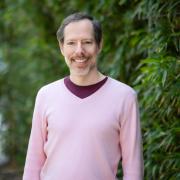
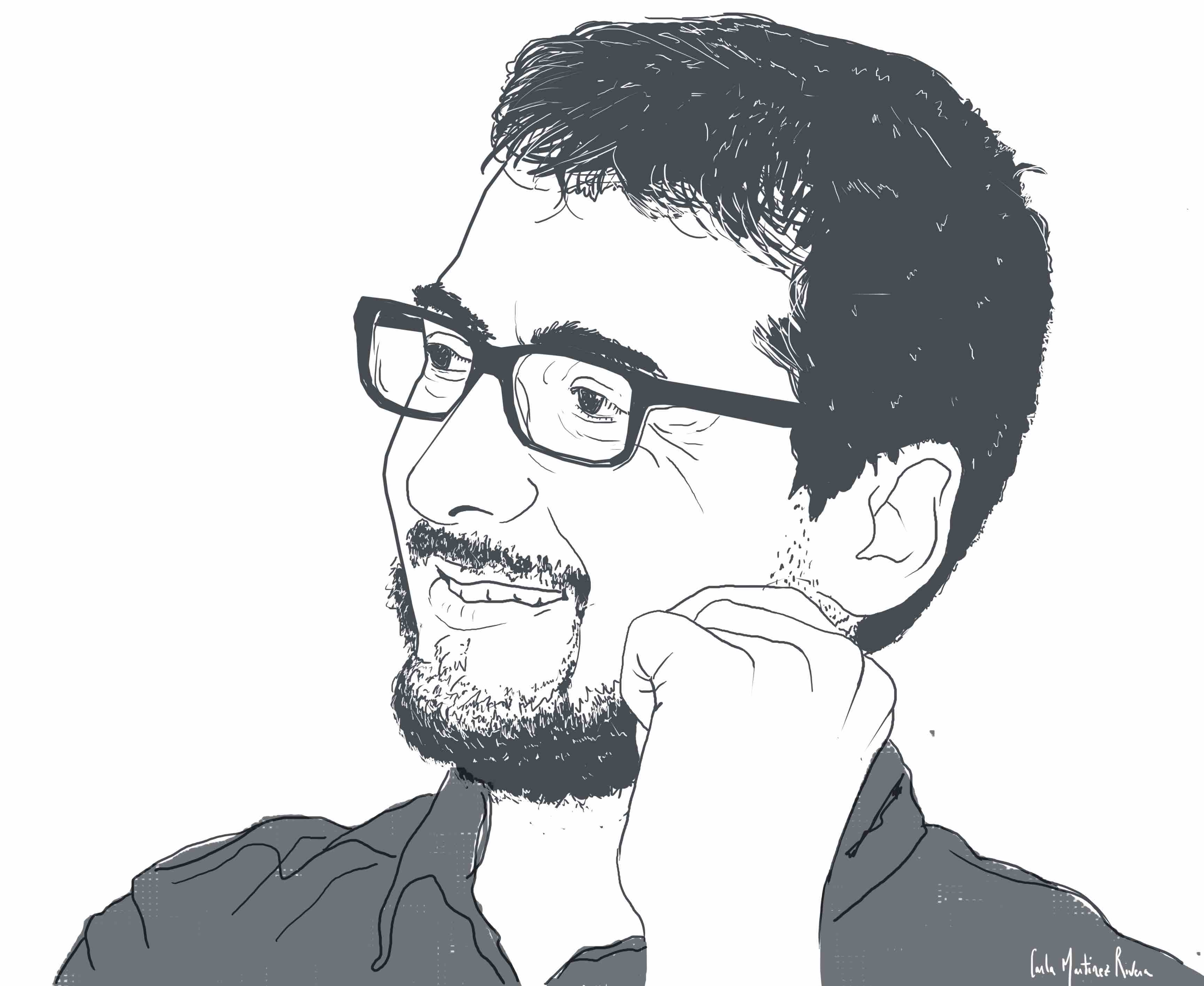
Alejandro Strachan is an Assistant Professor of Materials Engineering at Purdue University's College of Engineering. His research focuses on molecular modeling of advanced materials, with specific emphasis on atomistic and mesoscale simulations of condensed-phase chemistry, active materials, nanotechnology, and mechanical properties of structural materials. Ph.D. in Physics, University of Buenos Aires (1998) Postdoctoral Research, Caltech's Materials Process Simulation Center (1999-2002) Strachan's work integrates computational methods with machine learning to study material behavior under extreme conditions, including shock waves and high-pressure environments. His research spans energetic materials, phase transitions, and multiscale modeling frameworks. Recent publications highlight trends in combining quantum-accurate simulations with deep learning for non-equilibrium systems, FAIR data infrastructure for materials discovery, and multiscale reactive models for energetic composites. He also explores mechanochemistry, defect dynamics, and microstructure-property relationships. His computational simulations often address practical challenges in material stabilization, polymer interactions, and hotspot formation mechanisms. Strachan actively contributes to open science initiatives through platforms like nanoHUB and HUBzero.
Pavel P. Kuksa is a Research Assistant Professor in the Department of Pathology and Laboratory Medicine, specializing in bioinformatics, computer science, and functional genomics. His work focuses on high-throughput sequencing analysis, chromatin interaction data, and developing scalable software platforms for genomics research.
Maria Sharmina is a Professor in Energy and Sustainability at The University of Manchester’s School of Engineering, affiliated with the Tyndall Centre for Climate Change Research and Policy@Manchester. She holds roles including Co-Director of Policy@Manchester, UKRI Digital Security & Resilience Theme advisor, and Sustainable Robotics Committee member at BSI. Her work focuses on low-carbon business models, circular economy, and climate policy, with leadership in projects like the £6M UKRI BuildZero programme. Education: PhD in the Tyndall Centre, background in economics and statistics. She advises governments (e.g., UK Government Office for Science, BEIS) and has served on University Senate and Departmental Research Leadership roles. Research Interests: Energy systems transformation, food-energy-water nexus, emission scenarios, and policy design. She emphasizes sustainable innovation, net-zero housing, and plastics circularity. Key projects include analyzing hydrogen’s role in decarbonization, SME compliance with plastics policies, and financing smart local energy systems. Awards: 2024 Social Responsibility Medal and Making A Difference Award for contributions to social/environmental impact via entrepreneurship. Her work bridges academia and policy, with outputs including 79 research publications and 16 projects. Grants/Consultancy: Principal Investigator on BuildZero (UKRI £6M), funded studies on community energy finance, and consultancy with Oxfam, Manchester City Council, and the Co-operative Group. Labs/Teams: Lead researcher at Tyndall Manchester, collaborates across disciplines (e.g., Digital Futures Institute) to address sustainability challenges through systemic approaches.
Florent Krzakala is a Full Professor at École polytechnique fédérale de Lausanne (EPFL) in Switzerland, holding positions across multiple departments including the School of Basic Sciences (SB), School of Engineering (STI), and specifically within the Department of Physics (IPHYS) and Department of Electrical Engineering (IEM). He leads the Information, Learning and Physics Laboratory (IdePHICS) and maintains an office at ELD 239, Station 11, 1015 Lausanne. His research bridges statistical physics and computational disciplines, with significant contributions to understanding the theoretical foundations of machine learning and optimization problems. Dr. Krzakala received his MSc in Physics from Orsay, France in 1999, followed by a PhD in Statistical Physics from Orsay, Paris XI, France in 2002, and completed a postdoctoral position at Roma La Sapienza in 2004. This strong foundation in physics has informed his interdisciplinary approach to computational problems. His research interests span Statistical Physics, Machine Learning, Probability and Statistics, Computer Science, Information Theory, Inference on Graphs, Random Constraint Optimization, and Computational Optics. Krzakala's work focuses on applying methods from statistical physics to problems in theoretical computer science, probability, and machine learning. He investigates how concepts from disordered systems and phase transitions can illuminate computational barriers in optimization and inference tasks. His research has particular relevance for understanding the behavior of neural networks, compressed sensing, and high-dimensional statistical models. Analysis of his recent publications reveals a strong trend toward understanding the fundamental limits of learning in high-dimensional settings, with particular emphasis on phase transitions, statistical-to-computational gaps, and the theoretical properties of deep learning architectures. His work frequently bridges rigorous mathematical analysis with practical machine learning applications, demonstrating how insights from statistical physics can inform algorithm design and theoretical understanding in AI. Krzakala actively mentors the next generation of researchers, supervising numerous PhD students whose work continues to advance these interdisciplinary fields. His laboratory serves as a hub for researchers exploring the intersection of physics and computation, fostering collaborations across traditional disciplinary boundaries. He teaches advanced courses including Fundamentals of Inference and Learning, Statistical Physics, and Statistical Physics for Optimization & Learning, which examine the connections between physical principles and computational methods. His educational materials, including lecture notes on statistical physics methods in optimization and machine learning, have become valuable resources for students and researchers worldwide. As founder and scientific advisor of the startup Lighton, Krzakala has also demonstrated a commitment to translating theoretical insights into practical applications, particularly in the realm of optical computing for machine learning tasks.
Nico Buls is a Researcher in the Department of Radiology at Universitair Ziekenhuis Brussel (UZ Brussel). His work focuses on translational projects in medical imaging physics, radiation dosimetry, and engineering, with an emphasis on advanced imaging technologies for diagnostic and interventional radiology. Key research areas include imaging physics, spectral CT techniques, iterative reconstruction in CT, radiation dosimetry, neuro MRI applications, and applied statistics in medical imaging. He leads projects such as the PAD flow study (quantitative blood flow assessment via 4D CT) and the evaluation of lung ventilation using Xenon gas-enhanced CT. Buls collaborates internationally, with active research in Belgium and beyond. Affiliations: UZ Brussel, Research Centre for Digital Medicine. Grants/Projects: 12 active projects including OZR4357 (PhD stipend), PAD flow, and Xenon gas imaging studies. Scientific Awards: Editor's Recognition Award (2014, 2016) Radiological Society of North America (RSNA) Fellowship (2011) Young Physicist Grant (2001) Advising/Grants: Supervises 20+ research projects and students, with notable contributions to 4D CT applications and radiation safety protocols. His lab, the Research Centre for Digital Medicine, drives innovation in clinical imaging technologies.
David J. Pine is a Silver Professor of Physics and Chair of the Department of Chemical and Biomolecular Engineering at New York University’s Tandon School of Engineering. He holds joint appointments in Physics and Mathematics within the College of Arts and Science. His research focuses on soft condensed matter, including colloidal self-assembly, complex fluids, and photonics. Pine has pioneered techniques like diffusing-wave spectroscopy to study dynamic systems. Education: Ph.D. in Physics (Cornell University, 1982), M.S. in Physics (Cornell, 1979), B.S. in Physics and Mathematics (Wheaton College, 1975). Research Interests: Pine’s work spans colloids, emulsions, and DNA-functionalized particles. He explores self-assembly mechanisms, rheology, and light-scattering techniques. Notable projects include colloidal diamond lattices and programmable patchy particles. Publications: Over 200 papers, including influential work on lock-and-key colloids (2010), colloidal crystallization (2015), and light-activated swimmers (2013). Recent studies focus on structural colored biomaterials (2025) and entropy-driven assembly (2023). Awards: Guggenheim Fellow, APS Fellow, AAAS Fellow, and Michelin Chair (ESPCI ParisTech). Lab: Pine Research Group at NYU, specializing in soft matter and nanotechnology. Collaborations span materials science, biophysics, and engineering.
Romualdo Pastor-Satorras is an Associate Professor of Applied Physics at the Universitat Politècnica de Catalunya (UPC) since 2006. He earned his PhD in Condensed Matter Physics from the Universitat de Barcelona in 1995, followed by postdoctoral research at MIT (1996–1998) and The Abdus Salam International Centre for Theoretical Physics (1998–2000). His extensive international collaborations include visiting positions at Yale University, University of Notre Dame, Kavli Institute for Theoretical Physics, Helsinky University of Technology, Indiana University, and the ISI Foundation. Research Focus His interdisciplinary work spans statistical physics, network theory, and dynamical systems. Primary research areas include: Modeling epidemic spreading in complex networks Random walks and diffusion processes in temporal networks Social and biological applications of network science Glassy dynamics and energy landscapes His research combines mathematical rigor with data-driven approaches to address problems in public health, social dynamics, and complex system behavior. Publications Overview With over 100 peer-reviewed publications, Pastor-Satorras's work demonstrates consistent focus on network dynamics and epidemic modeling. Recent articles explore COVID-19 herd immunity thresholds (2020), echo chambers in political networks (2019), and non-Poissonian temporal networks (2019). His foundational 2015 review on epidemic processes in networks is highly influential. Publications frequently involve interdisciplinary collaborations across physics, data science, and computational biology. Awards and Distinctions Fellow of Universitat Politècnica de Catalunya ICREA Academia Prize (awarded twice by the Government of Catalonia) Research Infrastructure He maintains active collaborations through visiting positions at leading global institutions. His work involves theoretical modeling and computational analysis, though specific laboratory details are unspecified in the provided text.
Professor Zoheir Sabeur is Professor of Data Science and Artificial Intelligence at Bournemouth University (2019–present) and Head of the Processes and Behaviour Understanding (PRO_BU) Research Group. He concurrently serves as Visiting Professor of Data Science at Colorado School of Mines (2017–present) and held the position of Science Director at the IT Innovation Centre, University of Southampton (2009–2019). Over three decades he has led more than 30 large-scale projects as Principal Investigator, securing over £12 million of funding from the European Commission, UKRI, DSTL, NERC, EPSRC and industry. Education PhD in Theoretical Physics, University of Glasgow (1990) MSc in Theoretical Physics, University of Glasgow (1986) BSc First-Class Honours in Physics and Applied Mathematics, Université d'Oran (1984) Advanced Leadership Programme, Ashridge Business School (2011) Research Interests Professor Sabeur’s research focuses on the fundamental theory and application of data science and artificial intelligence to understand complex human, natural and industrial processes and behaviours. His work spans multi-modal sensing, big-data analytics and machine-learning algorithms that extract actionable knowledge from large heterogeneous datasets. Application domains include: Healthcare: AI-driven diagnostics and prognostics for chronic diseases such as COPD, asthma and cancers through omics and phenotypic data integration. Environmental & Climate: Earth-observation analytics for wildlife migration and climate-change impact assessment using satellite data and global grid systems. Maritime & Cyber-Physical Security: Real-time risk assessment for shipping in extreme environments, smart-city safety and critical-infrastructure protection using computer vision and sensor fusion. Recent research has produced novel AI classifiers that analyse lung-auscultation audio signals to grade COPD severity, as well as digital-twin frameworks for detecting malicious behaviour in urban spaces. Scientific Awards & Recognition Fellow of the British Computer Society (FBCS) Fellow of the Institute of Marine Engineering, Science & Technology (FIMarEST) Chartered Engineer (CEng) and Chartered Physicist (CPhys) Multiple ORS Awards (1987, 1988, 1989) Grants & Doctoral Supervision Professor Sabeur has secured and led more than 40 funded projects since 1996, including recent grants such as INSIGHT (NIHR, 2024) and S4AllCities (H2020, 2020). He currently supervises three ongoing PhD students at Bournemouth University and has successfully graduated three others, covering topics from computational hydrodynamics to AI-based respiratory-disease analytics. He welcomes enquiries from prospective postgraduate researchers interested in data science, AI and interdisciplinary applications under schemes such as UKRI and Horizon Europe.
Fabio Biancalana is an Associate Professor at Heriot-Watt University's School of Engineering & Physical Sciences and leads the Nonlinear Photonic Nanostructures group. He holds affiliations with the Institute of Photonics and Quantum Sciences. His research focuses on nonlinear optics, photonic crystal fibers, graphene-based photonics, and theoretical models of relativistic systems. He earned his Laurea in Theoretical Particle Physics from the University of Roma III (2001) and a PhD in nonlinear optics from the University of Bath (UK). Notable awards include the Deryck Chesterman Medal (2005), IRCSET Postdoctoral Fellowship (2006), and EPSRC Fellowship (2007). Research interests span nonlinear phenomena in photonic nanostructures, quantum optics, and condensed matter systems. Recent work includes studies on graphene's nonlinear properties, epsilon-near-zero regimes in optical fibers, and gravitational analogues in combinatorial systems. His publications explore topics like optical fission, soliton dynamics, and frequency conversion in novel materials. Awards and recognitions highlight his contributions to photonics and theoretical physics. He collaborates internationally, with recent work addressing black hole analogs and topological photonics. His group's activities include experimental and theoretical studies on advanced optical materials and devices.
Jingjing Zou is an Assistant Professor in Residence at the Herbert Wertheim School of Public Health & Human Longevity Science, University of California San Diego. Her research focuses on integrating statistical methodologies with medical imaging and public health challenges, particularly in cancer prevention, physical activity analysis, and radiomics. Education: PhD in Statistics, Columbia University MA in Statistics, Columbia University BS in Statistics, Peking University Research Interests: Dr. Zou's work emphasizes functional data analysis, accelerometer-based physical activity monitoring, and MRI techniques for cancer treatment evaluation. She develops statistical models to analyze longitudinal health data, with applications in cardiovascular disease prevention and oncology. Her studies often bridge clinical outcomes with advanced imaging biomarkers. Grants: NIH/NHLBI (Principal Investigator): Examining Longitudinal Changes in Accelerometer-Measured Physical Activity in Preventing Cardiovascular Disease (2024-2028) NIH R37CA249659 (Co-Investigator): Advanced diffusion MRI for cervical cancer treatment evaluation (2021-2026) NIH R01CA255780 (Co-Investigator): Whole-body radiomics for gynecologic cancers (2020-2024) Labs/Teams: Collaborates with interdisciplinary teams in radiology, oncology, and biostatistics, including co-authors like Loki Natarajan (UCSD) and Loren Mell (UCSD).
Justin Salez is a Professor of Mathematics at Université Paris-Dauphine & PSL University and an Institut Universitaire de France junior fellow. He serves as Principal Investigator for the ERC Consolidator Grant CUTOFF project, focusing on the cutoff phenomenon in Markov processes. His academic affiliations include editorial roles at Electronic Journal of Probability and co-organizing the CEREMADE Colloquium. Education: Mathematics Aggregation (2007-2008), Master in Probability (2006-2007), Master in Theoretical Computer Science (2005-2006), PhD (2008-2011). Professional Experience: Full Professor (2019-present) and Assistant Professor (2012-2019) at Paris Dauphine/Diderot, Postdoc at UC Berkeley (2011-2012). His research centers on Markov chain mixing times , non-negative curvature , and functional inequalities , with applications to random graphs, interacting particle systems, and MCMC algorithms. Key themes include entropy dissipation, cutoff criteria, and spectral analysis. The 15 most recent publications highlight advances in cutoff theory, curvature-entropy relationships, and functional inequalities. These span journals like Transactions of the American Mathematical Society , Annals of Probability , and Annals of Applied Probability , reflecting interdisciplinary work in probability, spectral theory, and statistical physics. Scientific Awards: ERC Consolidator Grant (2023), Marc Yor Prize (2024), Bourbaki Seminar (2024), Saint-Flour Lecture (2025), and Institut Universitaire de France fellowship (2019). As an advisor, he has supervised or is supervising PhD students including Alexandre Bristiel , Hong Quan Tran , and Guillaume Conchon-Kerjan . His lab, CEREMADE, hosts a monthly colloquium he co-organizes, fostering interdisciplinary dialogue in probability, analysis, and statistics.
Professor Garg Vikas holds the position of Assistant Professor in the Department of Computer Science at the School of Science. His research spans quantum computing, artificial intelligence, and machine learning with applications in computational biology, healthcare, and drug design. He leads the HEALED/Garg project focused on human-steered machine learning for drug discovery and collaborates with institutions like MIT and industry partners. He co-founded YaiYai Oy, providing AI/ML solutions to global sectors. Education: PhD from MIT CSAIL under Tommi Jaakkola, with postdoctoral and industry experience at Amazon, Microsoft, and IBM. His work aligns with UN SDGs, particularly in healthcare and sustainable energy. Research interests include graph neural networks, generative models, and quantum AI. Recent projects involve climate modeling via physics-informed neural ODEs and optimizing quantum circuits using graph autoencoders. Key collaborations include MIT’s MLPDS Consortium and the Finnish Center for Artificial Intelligence. He supervises doctoral researchers like Yogesh Verma and postdocs such as Kogkalidis.
Dr. Marina Bock is a Chartered Civil Engineer and Lecturer in Civil Engineering at Aston University's College of Engineering and Physical Sciences. She specializes in structural engineering with expertise in metallic structures, additive manufacturing, and numerical modeling. Currently accepting PhD students, her work bridges academic research and industry applications in sustainable construction. Her educational background includes: PG Cert in Building and Design and Construction Technology, University of Wolverhampton (2017-2018) PhD in Local Buckling and Web Crippling Response of Stainless Steels, Universitat Politècnica de Catalunya (2010-2015) MSc in Patch Loading of Hybrid Plate Girders, Universitat Politècnica de Catalunya (2004-2010) Dr. Bock's research integrates laboratory experiments and numerical modeling to advance metallic structural systems, with pioneering work in additive manufacturing for construction. Her investigations span stainless steel design code development, corrosion prevention in reinforced concrete using hydrogels, and cold-formed steel behavior. Recent projects focus on sustainable infrastructure solutions through novel composite materials. Analysis of her 2022-2025 publications reveals dominant themes in additive manufactured aluminum structures, cold-formed steel design methodologies, and sustainable paving materials for urban heat island mitigation. Her work consistently addresses practical engineering challenges through experimental validation and code-compliant design solutions. Scientific recognition includes: IStructE Academic Research Award Commendation (2021) for research on aluminum SHS/RHS under biaxial bending Dr. Bock has secured significant research funding including a Royal Society Research Grant (£20k, 2023) for additive manufactured Al7075 aluminum and Innovate UK funding (£437k) for UV-reflective resin-based paving. Previous internal projects (£20k) focused on structural aluminum applications. She supervises PhD research in additive manufacturing and corrosion prevention while maintaining industry collaborations. Her experimental work utilizes advanced university laboratories for structural testing, with collaborations spanning European research consortia and industrial partners. Current projects involve multi-institutional teams developing reusable structural systems and solar-energy-harvesting building envelopes.
Michael Grabe is a Professor in the Cardiovascular Research Institute (CVRI) at the University of California San Francisco (UCSF). He holds a joint appointment in the Department of Pharmaceutical Chemistry. His work focuses on computational methods to study biological phenomena, particularly ion transport across membranes and the molecular mechanisms of ion channels/transporters. He has pioneered theoretical approaches to understand membrane protein function and organelle acidity regulation. Education: PhD in Physics, University of California, Berkeley (2002) ScB in Mathematics-Physics, Brown University (1996) Research Interests: Dr. Grabe’s lab investigates ion channel function, membrane remodeling by TMEM16 proteins, lysosomal pH regulation, and computational modeling of membrane-associated processes. Key themes include: Mechanics of ion transport and lipid flipping Protein-induced membrane deformations Simulations of organelle microphysiology Development of computational tools for membrane protein analysis Recent Research Trends: Recent work emphasizes dynamic protein design using AI (e.g., Science 2025), structural studies of K2P channels, and functional insights into TMEM16 scramblases. His team also explores SARS-CoV-2 protein interactions and mitochondrial uncoupling mechanisms. Awards: NSF CAREER Award (2009-2014) Alfred P. Sloan Research Fellowship (2009-2011) Shining Star Community Service Award (2012) Grants & Advising: Principal Investigator of NIH grants studying TMEM16 proteins (R01GM137109) and lysosomal physiology (R21GM100224). His lab trains graduate students and postdocs in computational biophysics and membrane biology. Labs/Teams: Leads the Grabe Lab at UCSF, which collaborates with experimental groups to bridge theory and experiment in membrane systems. Active in developing open-source tools like APBSmem for electrostatic calculations.
Dr. Gines Martinez is a Director of Research at CNRS/IN2P3 and Director of SUBATECH laboratory at IMT Atlantique. His research focuses on experimental study of quark-gluon plasma using relativistic heavy ion collisions at ALICE (LHC) and PHENIX (RHIC) experiments. He teaches Experimental Physics of Strong/Weak Interactions at Université de Nantes and electromagnetism/quantum mechanics at IMT Atlantique. Research Interests: Quark-gluon plasma formation, particle production in hadronic collisions, deuteron formation mechanisms, and ultra-relativistic nuclear collisions. Recent Publications: Focus on femtoscopy, flow harmonics, and QCD phase diagram using LHC data. Research reveals insights into nucleosynthesis in hadronic collisions and QCD matter behavior under extreme conditions. Outreach: Featured in Ouest-France and El País, with seminars on physics education in prisons and schools.