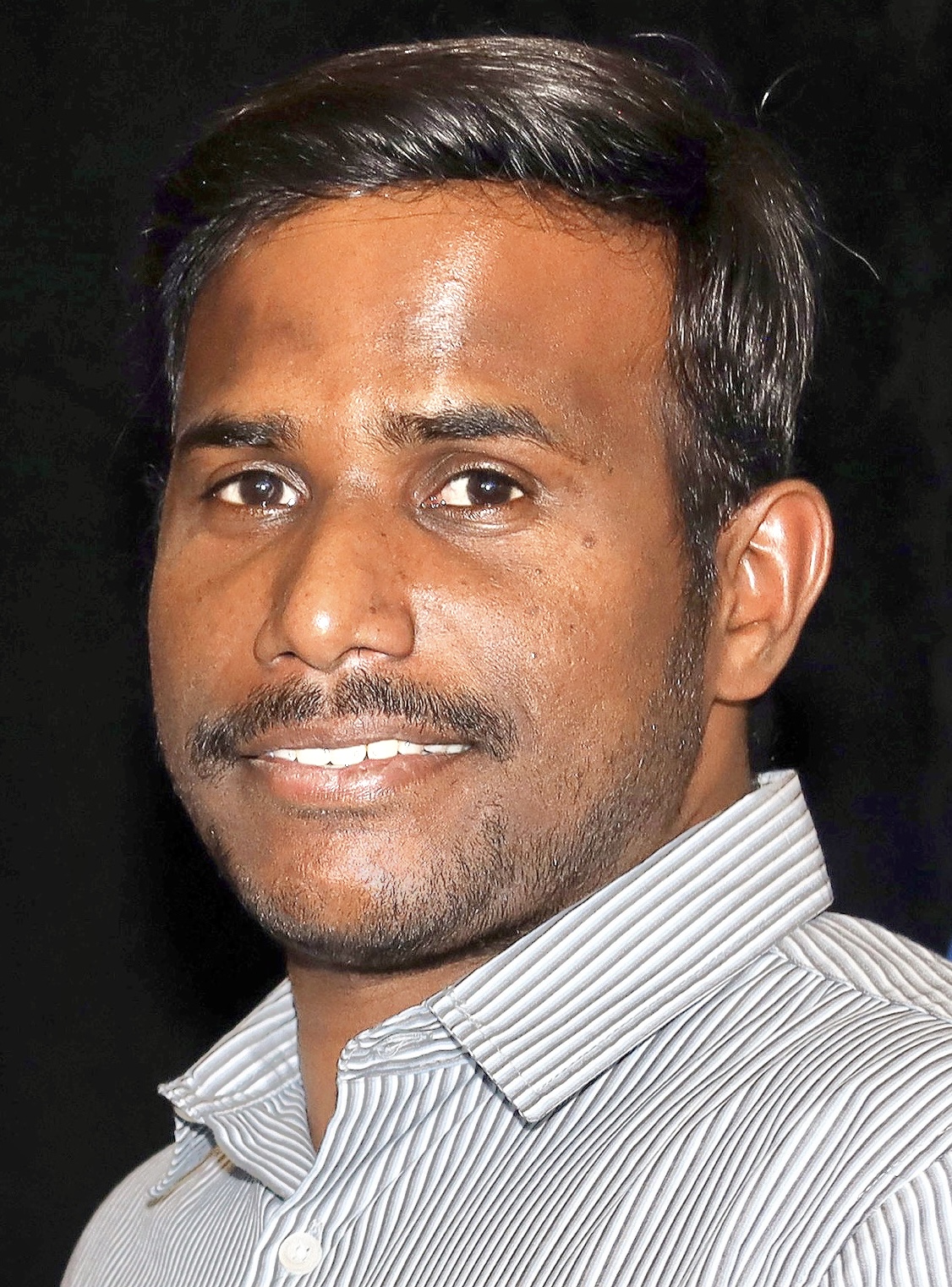
Dr. Armin Agha Karimi is a Lecturer in the School of Surveying and Built Environment at the University of Southern Queensland. He holds a BSc in Civil Engineering from Tabriz University, an MSc from Middle East Technical University (METU), and a PhD from the University of Newcastle. His research focuses on spatial data integration, cadastral systems modernization, environmental monitoring using remote sensing, and sea level variability analysis. Key research interests include 3D cadastral boundaries in BIM environments, digital twin applications in built environments, and the impact of hydrological loading on land motion. He has contributed to studies on erosion hotspot mapping in Queensland and the implications of coal seam gas activities on land subsidence. His work on Baltic Sea sea level dynamics and Australian coastal projections has advanced understanding of climate-driven environmental changes. Dr. Karimi is affiliated with the Centre for Sustainable Agricultural Systems and actively publishes on geomatics, climate science, and legal aspects of digital surveying. His recent articles highlight innovations in VR-ready survey data transformation and the legal challenges of electronic cadastral plans.
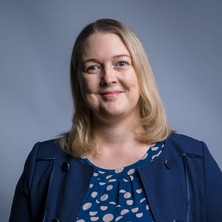
Associate Professor Zhidong Li is a prominent researcher at the Data Science Institute within the Faculty of Engineering and Information Technology at University of Technology Sydney (UTS), Australia. With over a decade of experience in data science and machine learning, he leads impactful research bridging theoretical advancements with practical applications across multiple critical infrastructure domains. Dr. Li earned his PhD from the University of New South Wales, Sydney, Australia, and previously served as a senior engineer at Data61, CSIRO (Commonwealth Scientific and Industrial Research Organisation), Australia's federal government agency for scientific research. His research spans machine learning, data mining, pattern recognition, image processing, and human-computer interaction with applications in water, gas, traffic, urbanization, visitor economy, agriculture, environment, finance, property market, railway, law, electric and health sectors. His work particularly focuses on developing interpretable AI models, temporal point processes, and practical applications for smart infrastructure management. His extensive publication record reveals strong thematic consistency in applying advanced machine learning techniques to infrastructure management problems, with particular emphasis on water systems. His research demonstrates progression from fundamental algorithm development toward increasingly sophisticated applications with real-world impact, especially in temporal modeling, graph neural networks, and fairness in AI systems. Scientific Awards 2022 R&D Excellence Award NSW Water Award 2021 UTS Medal for Research Impact for the Vice-Chancellor's Awards for Research Excellence 2018 Australian Museum Eureka Prize for Excellence in Data Science 2019 Victorian iAwards - Industrial & Primary Industries Merit for 'Predictive Analytics for Water Pipe Maintenance' Multiple AWA research innovation awards (NSW, National, QLD) Dr. Li actively supervises Masters and PhD students and leads numerous funded research projects across diverse sectors. His collaborative approach is evident through partnerships with water utilities, transport agencies, and various CRC projects focusing on Food Agility, Digital Finance, and Smartcrete. His work on the world's first independently-audited ethical talent AI in partnership with Reejig demonstrates his commitment to translating research into real-world solutions that address societal challenges while maintaining ethical standards.
Dr. Maria Yanotti is a Senior Lecturer in Economics at the Tasmanian School of Business and Economics (TSBE) , University of Tasmania. She holds a PhD from the same institution and a Licenciatura in Economics from Universidad Nacional de Tucuman, Argentina. Her academic work centers on housing markets, housing finance, and macroeconomic policy, with strong interdisciplinary engagement in environmental and social economics. Position: Senior Lecturer in Economics Institution: University of Tasmania School: Tasmanian School of Business and Economics Department: Economics Email: Maria.Yanotti@utas.edu.au Languages: English, Spanish (Latin American) Maria’s research expertise lies in empirical economics, particularly in housing market dynamics, household financial wellbeing, and regional development. She applies advanced econometric methods to large datasets, including proprietary loan-level data (e.g., DOMINO), to analyze mortgage behavior, investment patterns, and policy impacts. Her interdisciplinary work extends to valuing environmental assets, energy efficiency in housing, microplastics, and the economic impact of creative industries. Her research aligns with several UN Sustainable Development Goals, including Reduced Inequalities (SDG 10), Sustainable Cities (SDG 11), and Gender Equality (SDG 5). Her recent publications explore topics such as home bias in property investment, the risks of 'liar loans', and the economic implications of federal budget allocations. These works reflect a consistent trend toward policy-relevant economic analysis, often engaging with national institutions like the RBA, ATO, and Housing Australia. The articles demonstrate expertise in behavioral economics, financial regulation, and regional economic disparities. Maria is actively involved in professional service: she is the Tasmanian chair of the Women in Economics Network (WEN) and a member of the Economic Society of Australia (Tasmanian branch). She has received research funding from AHURI (Australian Housing and Urban Research Institute) and has advised the National Housing Finance and Investment Corporation. She supervises and teaches in areas such as microeconomics, statistics, quantitative methods, finance for managers, and data analysis. Her teaching supports both undergraduate and postgraduate programs at TSBE. She is also a sought-after expert for media commentary, public speaking, consulting, and research collaboration. Maria leads and participates in multidisciplinary research teams focused on regional development, environmental management, and social policy. Her work often bridges economics with environmental science, public policy, and urban planning, contributing to a holistic understanding of economic wellbeing in regional contexts like Tasmania.
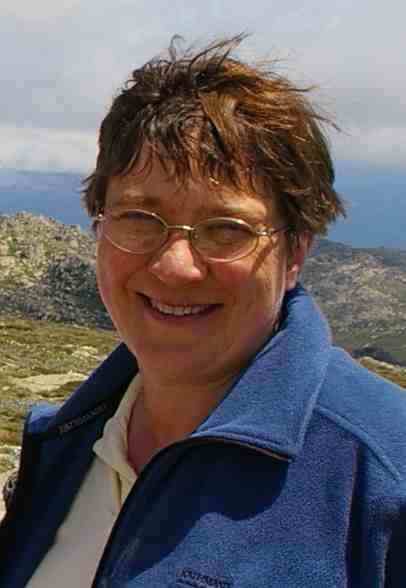
Professor Elias Aboutanios is a distinguished academic at the University of New South Wales (UNSW), serving as Professor in the School of Electrical Engineering and Telecommunications. With a career spanning over two decades in academia and research, he has established himself as a leading expert in signal processing, radar systems, satellite technology, and NMR spectroscopy. Professor Aboutanios earned his BE in Electrical Engineering from UNSW in 1997 and completed his PhD from UTS in 2002, with research focused on frequency estimation for communications with low earth orbit satellites. Following his doctoral studies, he conducted postdoctoral research at the Institute for Digital Communications at the University of Edinburgh from 2003 to 2007, specializing in space-time adaptive processing for radar target detection. He joined UNSW as a senior lecturer in 2007, was promoted to associate professor in 2019, and achieved the rank of Professor in 2022. His research interests span a broad spectrum of signal processing domains including signal and image processing, parameter estimation, array signal processing, statistical signal processing, positioning and localization, radar and sonar signal processing, NMR signal processing, and space systems. Professor Aboutanios has developed significant expertise in nuclear magnetic resonance spectroscopy, global navigation satellite systems, radar target detection, biologically inspired signal processing, power systems and smart grids, and theoretical signal processing. His work bridges theoretical foundations with practical applications across multiple engineering disciplines. Professor Aboutanios's recent publications demonstrate a strong focus on integrated sensing and communication systems, radar technology, satellite applications, and advanced signal processing techniques. His research shows a clear trajectory toward dual-function radar-communication systems, massive MIMO architectures, CubeSat technology for air traffic monitoring, and innovative approaches to NMR spectroscopy. His work consistently addresses challenging problems in signal parameter estimation, adaptive processing, and system design across multiple application domains. Professor Aboutanios has made significant contributions to engineering education, having developed new courses in electrical engineering design and established the master's program in satellite systems engineering. His educational innovations focus on teaching signal processing through frequent and diverse design experiences, enhancing student learning outcomes in technical subjects. He has led significant space projects including UNSW's involvement in the European QB50 project and the UNSW-EC0 satellite mission, which successfully launched in 2017. As a member of the Space Industry Association of Australia's Legislation Working Group, he has contributed to shaping space policy through multiple submissions to the Australian Government's review of the Space Activities Act.
Prof. Adam Deller is a Professor at Swinburne University of Technology, affiliated with the School of Science, Computing and Emerging Technologies. His academic journey includes a BSc, BE (1st class honours), and PhD in Astrophysics from Swinburne. He specializes in radio interferometry, neutron star physics, fast radio bursts (FRBs), and space domain awareness. His research focuses on compact objects like pulsars and black holes, using radio telescopes for high-resolution imaging. He co-founded Fourier Space Pty Ltd, developing signal processing solutions for radio astronomy and space industries. **Research Interests**: Radio interferometry instrumentation, neutron star magnetospheres, FRB localization and cosmological applications, and space domain awareness through radio observations. **Awards**: Includes the Pawsey Medal (2020), Newcombe Cleveland Prize (2022), and multiple grants from ARC and industry partners. His grants focus on SKA pulsar timing, FRB studies, and gravitational wave astronomy collaborations. **Teaching**: Teaches Computational Astrophysics, emphasizing numerical simulations for astrophysical problems. **Grants & Collaborations**: Key roles in ARC Centre of Excellence for Gravitational Wave Discovery, SKA pulsar timing projects, and international telescope collaborations like ASKAP and VLBI networks.
Dr. Ajay Achath Mohanan is a Lecturer at the Malaysia School of Engineering, Monash University. He holds a PhD in Engineering from Monash University Malaysia (2016) and a Bachelor of Engineering in Electrical and Computer Systems Engineering from the same institution (2009). His research focuses on flexible surface acoustic wave (SAW) sensors integrated with ZnO nanostructures, transitioning from rigid to flexible substrates. Key areas include piezoelectric ZnO thin films on polymers, low-temperature hydrothermal synthesis of nanowires, and UV-LED photolithography for sensor fabrication. He teaches ECE2071 - Computer Organisation and Programming and ECE3091 - Engineering Design . Mohanan leads or collaborates on projects such as flexible Lamb wave resonators for wastewater monitoring and graphene-integrated acoustic sensors. He has contributed to over 15 peer-reviewed publications since 2009, addressing topics like SAW resonator design, nanowire growth, and semiconductor defect analysis. His research aligns with UN SDG 4 (Quality Education) and SDG 9 (Industry, Innovation, and Infrastructure). Mohanan’s work emphasizes sustainable sensor technologies for environmental and industrial applications. He operates in the Micro and Nano Devices Lab, advancing flexible electronics and wearable sensor platforms.
Dr. Sirojan Tharmakulasingam serves as a Lecturer and Research and Development Coordinator at the Signals, Information & Machine Intelligence lab within the Faculty of Engineering at the University of New South Wales (UNSW) Sydney. His work bridges theoretical machine learning with practical applications in edge computing and high-performance systems. His research spans multiple cutting-edge domains including machine learning, artificial intelligence, data science, edge computing, and high-performance computing. Dr. Tharmakulasingam specializes in developing next-generation inference models by integrating machine learning, signal processing, mathematical modeling, and computing across diverse data types including images, video, audio, and quantum molecular data. His work has significant implications for scientific computing, telecommunications, and healthcare applications. Analysis of his publication trends reveals a strong focus on practical AI implementations, with increasing emphasis on edge computing solutions, quantum applications, and energy-efficient models. His recent work demonstrates progression from foundational machine learning techniques toward specialized applications in scientific computing and real-time systems. Dr. Tharmakulasingam holds a Doctor of Philosophy from UNSW Sydney and a Bachelor of Science of Engineering from the University of Moratuwa in Sri Lanka. His academic journey reflects a strong foundation in both theoretical and applied engineering principles. As Research and Development Coordinator for the Signals, Information & Machine Intelligence lab, he oversees critical research infrastructure and collaborations. His work location in Room 447 of the EE&T Building (G17) places him at the heart of UNSW's engineering research ecosystem, with access to the Mark Wainwright Analytical Centre's extensive facilities.
Ann Maharaj is an Adjunct Associate Professor in the Department of Econometrics and Business Statistics at Monash University's Caulfield Campus, within the Faculty of Business and Economics. She is an active researcher and educator with expertise in statistical computing and time series analysis. Department: Econometrics and Business Statistics Role: Adjunct Associate Professor Institution: Monash University Campus: Caulfield Her research focuses on advanced statistical methodologies, particularly in time series classification , wavelet analysis , fuzzy classification , and interval time series analysis . These methods are applied in diverse domains such as finance, environmental science, climatology, and human mobility. She has co-authored a book on time series clustering and classification and has published extensively in top-tier journals. The recent trend in her publications (2020–2024) shows a strong emphasis on clustering and classification of complex time series data using wavelet, cepstral, and fuzzy techniques. Her work integrates statistical theory with practical applications, particularly in financial and environmental datasets, contributing to sustainable development goals through data-driven insights. She has received recognition for her teaching excellence: Monash Business School Award for Teaching Excellence (2017) Ann Maharaj is actively involved in academic service and professional communities. She has supervised research students and contributed to statistical consulting and workshops. Her professional affiliations include: Elected member of the International Statistical Institute (ISI) Member of the International Association of Statistical Computing (IASC), serving on its Council (2013–2017) and Executive (2015–2017) Accredited statistician with the Statistical Society of Australia (SSA) Former Secretary and Academic Vice-President of the Monash Branch of the NTEU (2000–2014) She led a research project funded by the Collier Charitable Fund in 2005 on computational infrastructure, indicating early engagement with data-intensive research. Her ongoing scholarly output demonstrates sustained research activity and collaboration with international scholars in statistics and data science. She is associated with research groups and networks focused on statistical computing and time series analysis, contributing to both methodological advancement and real-world application through interdisciplinary collaboration.
Professor Peter Catcheside is a distinguished sleep and respiratory physiologist at Flinders University's College of Medicine and Public Health, where he serves as a Full Member of both the Flinders Health and Medical Research Institute Sleep Health (formerly the Adelaide Institute for Sleep Health) and the Medical Device Research Institute within the College of Science and Engineering. Based in the Mark Oliphant Building's 6-bed sleep research facility in Bedford Park, South Australia, he maintains an active research program with over 265 research outputs spanning more than two decades. His primary research interests focus on obstructive sleep apnea, respiratory control mechanisms, arousal from sleep, environmental noise effects on sleep, upper airway neuromuscular control, cardiovascular disturbances related to sleep disorders, and circadian physiology. Professor Catcheside's work bridges clinical research with technical and computing expertise to investigate the mechanisms and consequences of disturbed breathing and sleep. His current research predominantly centers on improving treatments and diagnostic methods for sleep breathing disorders including obstructive sleep apnea, problem snoring, and central sleep apnea, as well as understanding how respiratory problems and environmental noise exposure affect sleep quality. Analysis of his 15 most recent publications reveals a strong emphasis on clinical applications of sleep research, with particular focus on sleep apnea diagnostics and treatment, cardiovascular consequences of sleep-disordered breathing, circadian rhythm analysis, and the relationship between sleep quality and various health outcomes including diabetes and athletic performance. His research employs sophisticated methodologies including polysomnography, advanced data modeling, and physiological measurements. Over 265 research outputs with consistent publication record through 2025 6877 total citations reflecting significant impact in the field 47 h-index demonstrating substantial scholarly influence Active supervision of students across multiple disciplines including Medicine, Physiology, Engineering, and Psychology Professor Catcheside has completed principal supervisions in Physiology (3) and associate supervisions across Medicine (3), Physiology (3), Engineering (2), and Psychology (1). His research program contributes to multiple UN Sustainable Development Goals, particularly in health and wellbeing. His work combines sleep and respiratory physiology measurements with circadian and cardiovascular physiology expertise to address complex questions in sleep medicine.
Dr Matthias Kramer is a Senior Lecturer at the UNSW Canberra , School of Engineering and Information Technology. He has previously worked at the University of Queensland and the University of Stuttgart. His research focuses on open-channel hydrodynamics with an emphasis on multiphase flows, hydraulic structures, and measurement instrumentation. Education: PhD from University of Stuttgart (2015) on 'Air demand of impulse turbines in counter pressure operation' His research interests include open-channel flow dynamics, multiphase flow analysis, and the development of innovative flow measurement technologies . He has extensively published on topics such as air-water flow properties , turbulent free-surface flows , and plastic pollution transport in fluvial systems. His recent publications demonstrate a focus on environmental engineering , with strong emphasis on fluid dynamics , instrumentation , and hydrological systems . These works include studies on air-water flow measurement , plastic transport modeling , and hydraulic structure design . Dr Kramer has received multiple scientific awards including: UNSW Rector Funded Visiting Fellowship Research Infrastructure Scheme (Combined open-channel/wave flume) Substantial merit-based startup grant (UNSW Canberra) Establishment award (UNSW Canberra) DFG research fellowship on 'Air-water mass transfer at hydraulic structures' He currently supervises PhD candidate Hanwen Cui (joint with Dr Stefan Felder) and Masters student Reilly Cox (UNSW Sydney). Dr Kramer is involved in hydro-environmental research infrastructure at UNSW and serves on the Editorial Panel of ICE Water Management .
Professor James Brown serves as the ABS Professor of Official Statistics and Head of Discipline for Mathematical Sciences at the University of Technology Sydney (UTS). He holds a B.Sc. (Hons) in Mathematics with Actuarial Studies (1993), M.Sc. in Social Statistics (1996), and Ph.D. in Census Coverage Assessment (2000) from the University of Southampton. His research focuses on census methodology, survey design, policy evaluation, and multilevel statistical modeling. He has led major projects including the 2012 Rwanda Census Quality Report and contributed to UK census coverage strategies. Professional roles include Fellow of the Royal Statistical Society, Chair of Scotland’s 2022 Census Steering Group, and member of the ABS Methodology Advisory Committee. He has editorial experience with journals like the Journal of the Royal Statistical Society Series A and International Statistical Review . Key funded projects include studies on HIV legal frameworks, food security during the pandemic, and healthcare safety regulation. Awards : Fellow of the Royal Statistical Society, Member of British Society for Population Studies Grants : Includes $3M for legal-environment assessments in HIV policy and census quality advisory roles in New Zealand and Australia. His advisory work spans national statistical agencies, including collaborations with the Office for National Statistics (UK) and Statistics New Zealand. Current research emphasizes administrative data integration and future population statistics frameworks.
Dr Ann Wallin is a Senior Lecturer in the Marketing Discipline at the UQ Business School within the Faculty of Business, Economics and Law at The University of Queensland. Previously a Senior Project Manager at a global market research firm, she has expertise in industries including Financial Services, Automotive, and Aged Care. She holds a Bachelor, Bachelor (Honours), and PhD from The University of Queensland. Research Interests: Ann focuses on consumer decision making, brand signaling, marketing education, discrete choice experiments, structural choice modeling, and survey research. Her work bridges theoretical consumer behavior with practical educational methodologies. Research Trends: Her publications span tourism behavior during crises (e.g., pandemic impacts on cruising), methodological innovations in marketing education (e.g., improving quantitative research practices), and structural choice modeling in consumer decisions. Recent work explores food authenticity perceptions in post-travel behavior and the role of social norms in charitable giving. Awards & Grants: No specific awards mentioned, though she secured funding (2014–2015) for research on retirement choice metrics. Supervision includes associate advising on two PhDs: 'The Effect of Social Media Complaint Management' and 'Food for Thought: Taste Marketing in Service Settings'. Labs/Teams: Engaged with curriculum development initiatives and education-focused research collaborations, emphasizing student-partnered learning approaches.
Dr. Amin Darvazehban is an Adjunct Research Fellow at the School of Electrical Engineering and Computer Science, The University of Queensland. His research focuses on electromagnetic antenna design for biomedical imaging systems, particularly targeting torso and liver diagnostics. Key Research Areas: Medical microwave imaging systems Metasurface and reconfigurable antenna technologies Dielectric property analysis for diagnostics Biomedical electromagnetic sensors Quantum signal processing applications Publication Trends: Recent work highlights electromagnetic solutions for non-invasive steatotic liver detection, torso imaging optimization, and metasurface-based antenna systems. His articles span IEEE journals in Antennas, Microwaves in Medicine, and Biosensors. Education: Completed his PhD thesis in 2021 on 'Reconfigurable antennas for electromagnetic torso imaging' at the School of Information Technology and Electrical Engineering, The University of Queensland. Patent: Co-inventor of an apparatus for electromagnetic characterization of internal features (US20230228917A1, 2023).
Professor Mary Myerscough is an Associate Professor in the School of Mathematics and Statistics at the University of Sydney. Her research focuses on mathematical biology, particularly modeling atherosclerosis progression, honeybee colony dynamics, and social insect behavior. She has contributed to understanding macrophage lipid dynamics, plaque regression mechanisms, and hive thermoregulation. Her work combines mathematical models with biological systems, addressing topics like cell behavior, population dynamics, and disease mechanisms. Myerscough has secured grants including an ARC Discovery Project on atherosclerosis and collaborations in mathematical biology. Her research spans interdisciplinary areas from cardiovascular science to ecological modeling, with over 55 peer-reviewed publications. Education background and affiliations: Affiliated with the University of Sydney's Faculty of Science. Research interests include mathematical modeling of biological systems, atherosclerosis, and social insect behavior. Grants include projects on lipid-cell interactions and educational initiatives like shark bite analytics. Key contributions include models of honeybee colony collapse, termite architecture, and atherosclerotic plaque development. Her work bridges applied mathematics with life sciences, addressing both theoretical and applied questions in health and ecology.
Dr. Shalini Nagaratnam is a Lecturer at the Malaysia School of Business, Monash University, where she teaches courses such as ETW3510 Applied Econometrics Methods and ETW1001 Introduction to Statistical Analysis . She is actively involved in research and accepts PhD students. Education: PhD in Economics, Universiti Putra Malaysia (awarded 19 Nov 2019) MSc (Hons) in Statistics, University of Malaya (awarded 20 Dec 2012) BSc (Hons) in Mathematics with Economics (awarded 30 Nov 2006) Her research interests include Teaching & Learning, Applied Statistics, Econometrics, Machine Learning, and Education Research . She applies statistical and machine learning models to areas such as unemployment forecasting, online learning engagement, and geophysical data analysis. Her recent publications highlight interdisciplinary work, including environmental science (microplastics) and educational technology. Her recent publications (2024) show a strong focus on Gaussian process regression for modelling in geophysics and economics, and on structural equation modelling (PLS-SEM) in educational research. She also contributes to interdisciplinary topics such as microplastics in medical devices. Professional Affiliations & Service: Member, Malaysian Statistical Society (ISMy) Member, IEEE Education Society External Examiner, Kolej Tafe Seremban (2023–2025) Reviewer for Scopus-indexed journals Scale Item Reviewer for FRGS, Taylor's University Malaysia Session Chair, International Conference on Computer and Automation Engineering 2024 Member, Programme Committee, Monash Business Discovery Day 2024 She provides SPSS training, mentors early-stage researchers, and engages in consultancy and peer review. She has no listed scientific awards yet. There is no mention of labs or research teams in the provided text.