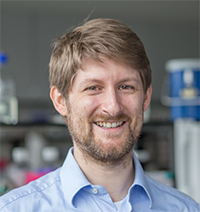
Prof. Dr. Bernd Bodenmiller is a full Professor in Quantitative Biomedicine at the University of Zurich (UZH) and ETH Zurich. He leads the Department of Quantitative Biomedicine (DQBM) and holds a dual professorship between UZH and ETH. His research focuses on developing experimental and computational methods to study cancer biology at the single-cell level, particularly using imaging mass cytometry (IMC) to analyze tumor ecosystems. Education: Ph.D. in Systems Biology from ETH Zurich (2008) Postdoctoral training at ETH Zurich (2008-2009) and Stanford University (2009-2012) Research Interests: Bodenmiller’s lab investigates the regulatory systems governing cancer development, including tumor heterogeneity, immune interactions, and spatial organization of tumor cells. They pioneer technologies like IMC and 3D imaging to map cellular phenotypes and spatial networks in tumors. Key Contributions: The lab has developed tools such as the histoCAT software for IMC data analysis and contributed to understanding cancer-associated fibroblast heterogeneity. Their work bridges basic research with clinical applications, aiming to improve precision oncology through multi-omics approaches. Awards: Friedrich Miescher Prize (2019) ERC Consolidator Grant (2019)
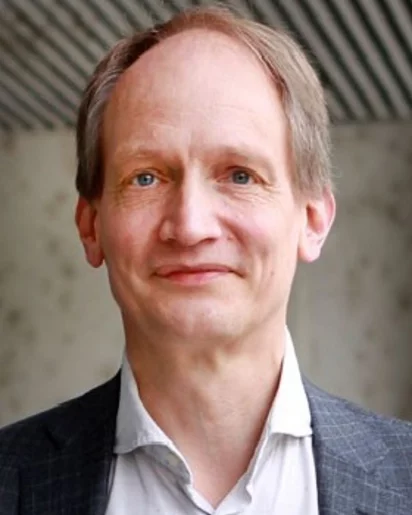
Prof. Ingo Scholtes is a Full Professor of Machine Learning for Complex Networks at Julius-Maximilians-Universität Würzburg's Center for Artificial Intelligence and Data Science (CAIDAS). He holds a doctorate in computer science and mathematics from the University of Trier and has held roles including SNSF Professor at the University of Zurich, Full Professor at Bergische Universität Wuppertal, and Senior Assistant at ETH Zürich. His research focuses on higher-order graph analytics for temporal networks, machine learning, and computational social science. Education: PhD in Computer Science (University of Trier, Germany), Postdoctoral Research at ETH Zürich (2011–2016), and prior roles at Karlsruhe Institute of Technology and CERN. Research Interests: Machine learning on graphs, temporal network analysis, higher-order network models, and their applications in software engineering and social systems. He develops open-source tools like pathpy and git2net for network analysis. Recent Work: Focuses on causality-aware graph neural networks, temporal graph isomorphism, and network science applications in AI. Recent articles include studies on temporal network dynamics, path prediction, and Bayesian inference of network transitions. Awards: SNSF Professorship (2018), Junior-Fellowship (2014), and German Academic Scholarship Foundation (2004-2005). Active in editorial roles for EPJ Data Science and leadership in GI's Computational Social Science working group.
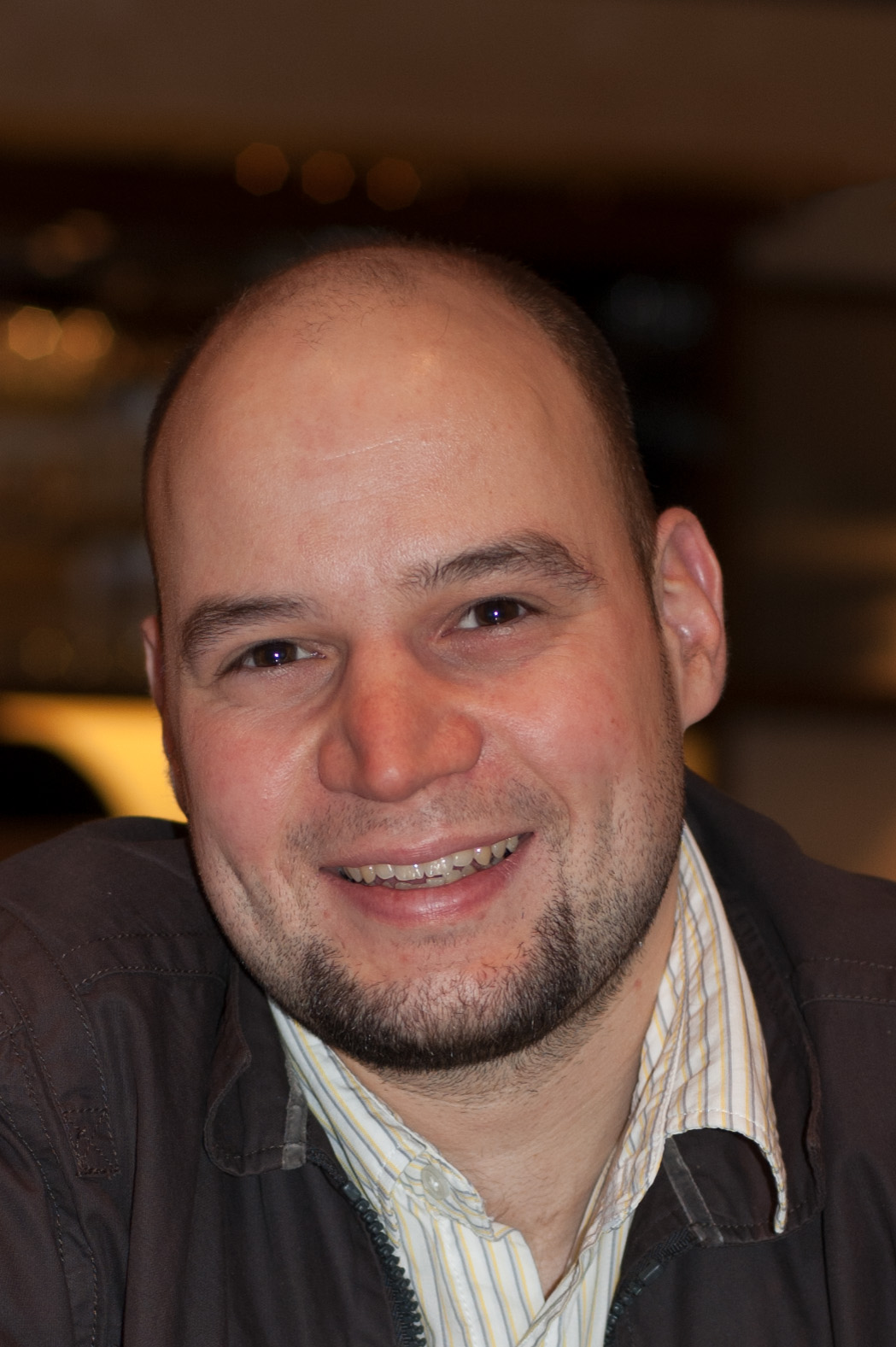
Tobias Dienlin is a Full Professor of Empirical Communication and Media Research at the University of Zurich, affiliated with the Department of Media Psychology & Methods. Previously, he held positions at the University of Vienna as Associate and Assistant Professor of Interactive Communication, and earlier roles as a researcher at the University of Hohenheim and visiting scholarships at UC Santa Barbara and Ohio State University. His research focuses on the psychological and societal impacts of digital media, particularly social media’s effects on well-being, privacy behaviors, and open science practices. Education includes a Ph.D. in Social Sciences (2017) from the University of Hohenheim and a Master’s in Psychology from Johannes Gutenberg-University Mainz (2012). He has received significant grants such as the CHANSE NORFACE-funded €1.5M PROMISE project (2025) as principal investigator, exploring social media policies for youth well-being. His awards include the University of Vienna Teaching Award (2021) and top paper recognitions at ICA conferences (2016–2017). Key research themes include the privacy calculus model, media effects on mental health, and digital media’s role in social competence development. He actively promotes open science practices through publications like An agenda for open science in communication (2021) and methodological innovations in reproducible research. His work bridges empirical rigor with societal relevance, addressing challenges like digitalization’s impact on democracy and mental health. Grants : PROMISE Project (2025): €483k ad personam Freiräume Schaffen Grant (2024): €3,850 DAAD Travel Grants (2013–2016): €1,452–€577 Awards : Teaching Excellence (2021) ICA Top Paper (2017) and Promising Student Paper (2016) Best Diploma Thesis (2012) His research agenda emphasizes interdisciplinary collaboration, with labs focusing on media psychology and open science advocacy. He contributes to policy debates on digital media’s societal implications while maintaining a commitment to methodological transparency.
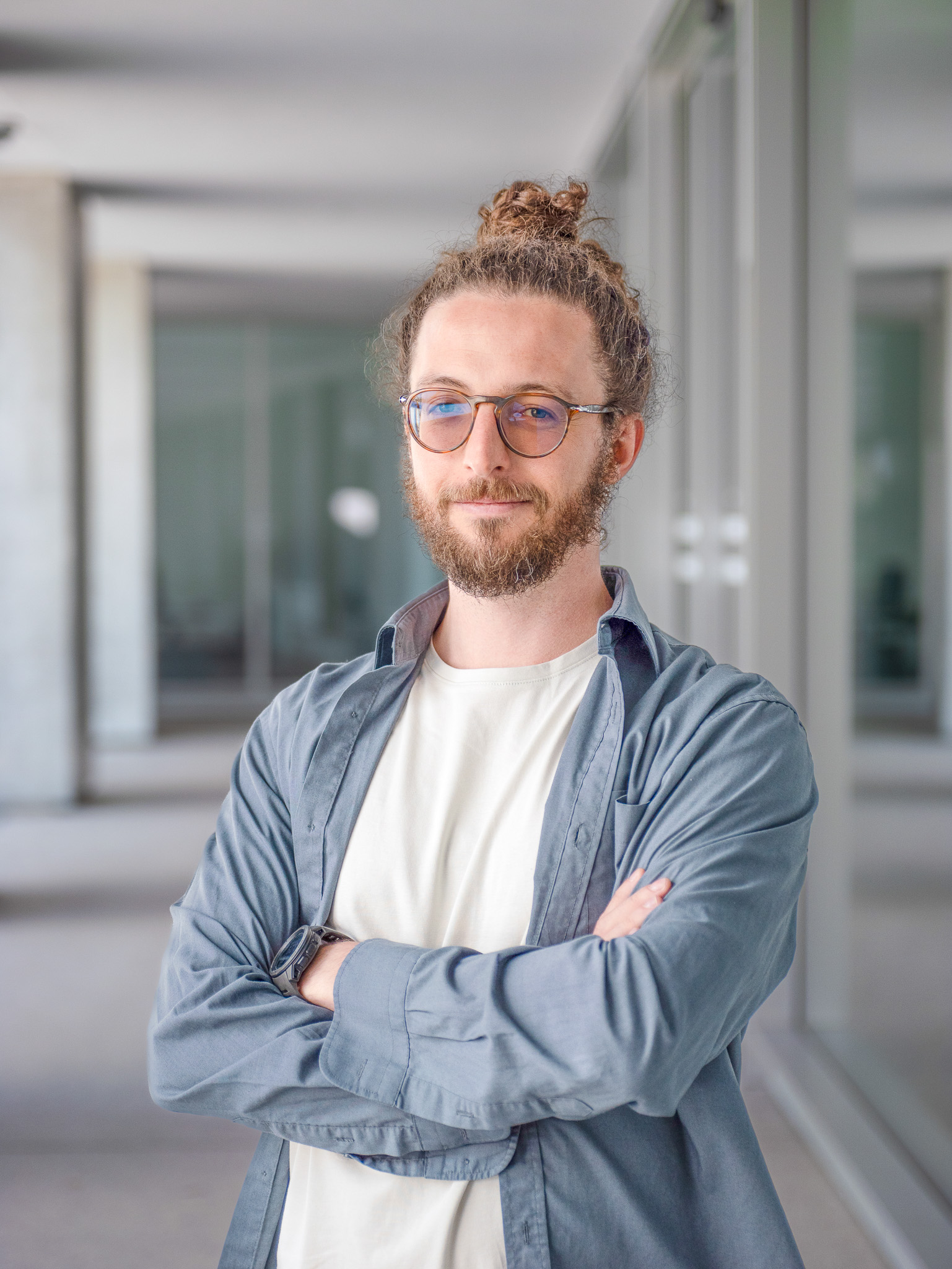
Ruben Seiberlich is a Lecturer at the Zurich University of Applied Sciences (ZHAW), School of Management and Law, Department of Banking, Finance, and Insurance. He holds a PhD in Econometrics from the University of Konstanz (2013) and has taught courses such as Advanced Quantitative Methods, Risk Management, and Finanzinstrumente & Portfoliotheorie. His research focuses on statistics, econometrics, and risk management, with notable work on real estate bubble risk, gender discrimination in housing, and partisan bias in inflation expectations. Education: Diplom Volkswirt (2009), Dr. rer. pol. Ökonometrie (2013) Current roles: Study Program Leader for MSc Banking and Finance, Model Performance and Backtesting Leader at Credit Suisse AG Research Interests span empirical economics, risk analysis, and applied econometric methods. His recent articles analyze real estate and gold market bubbles, gender bias in rental housing, and political bias in economic expectations. Key methodologies include semi-parametric decomposition, propensity score matching, and shrinkage estimation. Scientific Networks: Member of the German Statistical Society’s committee for Empirical Economics and Applied Econometrics; ORCID ID 0000-0002-5258-5499.
Matthias Nyfeler is a Lecturer for Physics and Statistics at the Institute of Computational Life Sciences, Zurich University of Applied Sciences (ZHAW), since 2018. He previously served as a Lecturer at Jönköping University (2016-2018) and as a High School Teacher in Physics and Mathematics (2010-2016). His roles include Programme Director for the MSc specialisation in Applied Computational Life Sciences, Head of the Research Group Advance Signal Analytics, and Head of ICLS statistical consulting. Education: PhD in Theoretical Physics (University of Bern, 2005-2010), Master of Science in Physics (University of Bern, 2006-2009), Teaching Diploma for Physics and Mathematics (PHBern, 2010-2011), Postgraduate Studies in Secondary Education (Jönköping University, 2016-2017). His research focuses on Deep Learning and Statistical Signal Processing for applications like Drone Signal Classification and Bioacoustics . He also contributed to Quantum Antiferromagnetism and Cluster Algorithms earlier in his career. His recent publications highlight Robust CNN-based Drone Detection in low SNR environments and Multiscale Deep Learning for RF signal analysis. He led projects such as ChirpNet for AI biodiversity monitoring and TinyML Grasshopper Classifier. Matthias engages in Statistical Consulting and Mathematical Modeling , with a focus on Physical Computing and Radio Signal Processing . His work spans both academic research and applied technology development, including datasets for drone signal classification.
Daniele Zambon is a postdoctoral researcher at the Dalle Molle Institute for Artificial Intelligence (IDSIA), affiliated with Università della Svizzera italiana (USI) in Lugano, Switzerland. He is a member of the Faculty of Computer Science and the Graph Machine Learning Group, as well as the IEEE Task Force on Learning for Graphs. PhD : Informatics, Università della Svizzera italiana (USI), 2022 Master’s & Bachelor’s : Mathematics, University of Milan, Italy Visiting Researcher : University of Florida, University of Exeter Internship : STMicroelectronics, Italy His research lies at the intersection of machine learning and graph-structured data, with a strong emphasis on graph representation learning , learning in non-stationary environments , and time series analysis . He explores how to model dynamic graphs, detect anomalies and changes over time, and develop deep learning methods for spatiotemporal forecasting. His work integrates statistical testing, geometric deep learning, and neural architectures like Graph Neural Networks (GNNs) and Neural ODEs. The recent publications highlight a clear trend toward temporal and dynamic graph modeling , especially for time series forecasting and irregularly sampled data . There is a growing focus on generative and foundation models for graphs , uncertainty-aware learning , and the creation of benchmark datasets like PeakWeather. His work bridges theoretical contributions (e.g., statistical tests, Kalman filters on graphs) with practical applications in sensing, environmental modeling, and system monitoring. Co-author of patent: Method for the Detecting Electrocardiogram Anomalies and Corresponding System (US10610162B2) PhD thesis featured in D22 Excellent Computer Science Dissertations (2022) Associate Editor, IEEE Transactions on Neural Networks and Learning Systems (IEEE TNNLS) Organizer of tutorials and special sessions at ICML, LoG, KDD, and ESANN Daniele actively contributes to the academic community through advising and teaching at USI’s Bachelor’s and Master’s programs. He has co-supervised research projects and co-organized educational initiatives such as tutorials on graph deep learning. His collaborative work involves grants and partnerships with institutions like MeteoSwiss, leading to impactful datasets and applied research. He is deeply involved in building research capacity through workshops and community engagement in the graph learning field. He is a core member of the Graph Machine Learning Group at IDSIA and contributes to the IEEE Task Force on Learning for Graphs , fostering international collaboration and setting research agendas in the domain of graph-based AI.
Jan Pieter Abrahams is a Professor and Group Leader of the Nanodiffraction group at the Laboratory for Multiscale Bioimaging, Paul Scherrer Institute (PSI) in Switzerland. His work focuses on developing electron diffraction technologies for atomic-resolution imaging of frozen hydrated biological samples, leveraging PSI's detector expertise to advance structural biology beyond conventional microscopy limitations. Current applications target mitochondrial stress mechanisms in neurodegeneration and aging, with active collaborations across international institutions. Research Interests: Abrahams pioneers electron diffraction and cryo-EM methodologies, emphasizing computational-phasing innovations and machine learning integration. His group specializes in: Overcoming dynamical scattering for atomic-level cellular visualization Hybrid pixel detector applications (JUNGFRAU, EIGER) in electron microscopy Deep learning frameworks for diffraction data processing (e.g., DiffraGAN) Structural analysis of protein nanocrystals in disease contexts Mitochondrial protease mechanisms in aging Bacterial cell division and sporulation structures Publication Trends: Recent work (2020–2024) reveals heavy emphasis on AI-driven structural biology, including generative networks for diffraction phasing and lossless data compression. Instrumentation advancements (e.g., Boersch phase shifters) and disease-focused studies (Alzheimer’s amyloid-beta, malaria heme processing) dominate, showcasing interdisciplinary convergence of physics, computation, and biomedicine. Scientific Awards: No specific awards or fellowships documented in source text Advising and Collaborations: Abrahams has mentored PhD students including Thakkar, Pooja; Rheinberger, Jan; Schärer, Martin; and Wennmacher, Julian. His team collaborates with PSI's detector group on sensor development (GaAs/CdTe) and international labs for structural studies. Funding likely stems from PSI instrumentation projects and disease-focused research initiatives. Labs and Teams: He directs the Nanodiffraction group under PSI's Center for Life Sciences, comprising scientists (van Genderen, Latychevskaia) and postdocs (Blum). The lab integrates cryo-EM, electron diffraction, and computational modeling to visualize cellular processes at nanometer scales, with strong ties to detector engineering and pharmaceutical structural analysis.
Prof. Sebastian Huber is a Lecturer at ETH Zürich's Department of Physics within the Institute for Theoretical Physics. His research focuses on classical topological wave phenomena and applications of machine learning to quantum statistical many-body systems. He holds an ERC Consolidator Grant and previously served as an SNSF Professor. Education: Diplom (2004) and PhD (ETH Zürich under Prof. Gianni Blatter), followed by postdoctoral research at the Weizmann Institute of Science supported by SNSF and Swiss Friends of Weizmann fellowships. Research interests span topological materials, metamaterials, and quantum many-body systems. Notable grants include ERC Consolidator (2018-present) and SNSF Professorship (2012-2018). His work bridges theoretical physics with experimental realizations in condensed matter and acoustics. Awards include the Koshland Prize and SNSF Fellowships. Active in teaching via ETH's Zurich Physics Colloquium and advanced graduate courses in theoretical physics.
Dr. Afifa Imtiaz is a scientific researcher at the Swiss Seismological Service (SED), ETH Zurich, since 2019. Her work focuses on earthquake hazard and risk assessment, particularly in Basel, Switzerland. She specializes in seismic ground motion analysis, site effects, and microzonation studies. Dr. Imtiaz holds a PhD in Engineering Seismology from Grenoble Alpes University (2015) and has extensive postdoctoral experience in France and Switzerland. Education: PhD in Engineering Seismology (2015), Grenoble Alpes University MSc in Engineering Seismology (2011), Grenoble Alpes University Research Interests: Dr. Imtiaz investigates spatial variability of ground motion in active seismic regions, focusing on basin effects and near-source dynamics. She develops numerical models to predict amplification and coherence patterns, with applications to urban risk assessment. Her work integrates geophysical data (e.g., shear-wave velocity profiles) with probabilistic risk frameworks. Key Projects: ARES PRD: Earthquake risk reduction in Haiti ANR EXAMIN: Ground motion variability for industrial infrastructure IMAGE: Geothermal exploration in sedimentary basins Basel Urban Seismic Risk Model: 3D geological-seismological integration Scientific Contributions: Her research bridges seismic hazard modeling with practical risk mitigation, particularly in urban environments. She has pioneered methods for combining ambient noise data with morphometric analyses to map resonance effects. Recent work focuses on scenario-based loss assessments and probabilistic amplification mapping.
Daniel Ofoe Chachu serves as a Postdoctoral Researcher at the Institute of Political Science within the University of Zurich's Faculty of Philosophy, and concurrently as a Visiting Postdoctoral Research Fellow in the Department of Economics. He is actively associated with the University Research Priority Program (URPP) on 'Equality of Opportunity,' which investigates multidimensional inequality through interdisciplinary research. His academic foundation includes studies at the University of Ghana and Williams College's Centre for Development Economics (Massachusetts, USA), culminating in a PhD in Development Economics through a UNU-WIDER and University of Ghana collaborative program. This training underpins his empirical approach to governance and fiscal systems. Chachu's research centers on Political Economy at the nexus of Natural Resource Economics, Institutional Economics, and Public Economics, with concentrated expertise on African development contexts. His work rigorously examines subnational governance structures, revenue dynamics in resource-dependent economies, and institutional performance metrics—particularly in Ghana—using mixed-methods approaches to address real-world policy challenges in the Global South. Analysis of his recent publications reveals consistent focus on fiscal sovereignty in resource-rich African states, methodological innovations in measuring local government effectiveness, and the interplay between governance quality and development outcomes. His scholarship demonstrates increasing regional influence through collaborations with UNU-WIDER, African Economic Research Consortium, and Ghanaian policy institutions. His scientific recognition includes: North-South Mobility fellowship (2020) Chachu's professional trajectory spans pre-PhD fieldwork with West African development think-tanks (2004-2011) and UN monitoring roles for child development projects (2011-2016). Current research is supported through URPP 'Equality of Opportunity' frameworks and Department of Economics collaborations, with grant involvement evident in UNU-WIDER and AERC-funded publications. He advises graduate research through his seminar teaching while contributing to institutional knowledge networks. He operates within the Political Economy and Development research cluster at the Institute of Political Science, synergizing with the URPP 'Equality of Opportunity' consortium that integrates economists, political scientists, and sociologists to study inequality drivers across 15+ countries.
Prof. Nathalie Ginovart is a leading academic at the University of Geneva , affiliated with the Department of Psychiatry and Department of Basic Neurosciences . Her research focuses on understanding how behavioral traits like impulsivity, novelty seeking, and risky decision-making interact with dysregulation in the mesocorticolimbic dopamine system to predispose individuals to addictive disorders (substance and behavioral). She employs a cross-species translational approach, integrating behavioral testing, in vivo molecular imaging (PET/SPECT), and pharmacogenetic tools in rodent models. Education: Not explicitly stated in the provided text. Affiliations: University of Geneva, Switzerland. Research Interests revolve around addiction mechanisms, dopamine receptor dynamics, and neural circuitry in impulsive behavior. Her lab investigates baseline and drug-induced changes in dopaminergic signaling, cross-species behavioral paradigms (e.g., rat Gambling Task), and receptor occupancy studies. Recent work examines how cocaine self-administration alters dopamine D2/3 receptor availability and amphetamine-induced release in relation to impulsivity. Publication Trends (2024–2019) span neuroscience, neuropsychopharmacology, and neuroimaging. Key areas include dopamine receptor subtypes (D1/D2/D3), cocaine addiction models, serotonin transporter imaging, impulsive action vs. risk-related decision-making, and computational methods for PET/SPECT data. Lab Members: Raphael Goutaudier (Postdoc) Florian Gilhet-Marchessaux (PhD Student) Laura Rodriguez Peris (PhD Student)
Sylvain Sardy is an Associate Professor in the Department of Mathematics at the University of Geneva, where he conducts research at the intersection of statistics, optimization, and machine learning. He is affiliated with the Analysis, Mathematical Physics and Probability research group and has held significant editorial positions including Associate Editor for Computational Statistics and Data Analysis since 2020. Professor Sardy's research focuses on statistical machine learning, sparsity, and optimization with applications spanning astronomy, chemometrics, finance, and tomography. His work develops innovative methods for high-dimensional data analysis, particularly using wavelet-based approaches and LASSO regularization techniques for feature selection, denoising, and model selection. His publications reveal a consistent focus on finding sparse signals in complex datasets across diverse scientific domains. Professor Sardy has mentored numerous graduate students, currently supervising PhD candidate Maxime van Cutsem and having previously guided Dr. Xiaoyu Ma, Dr. Pascaline Descloux, Prof. Jairo Diaz Rodriguez, and Dr. Caroline Giacobino. His Master's students include Jairo Diaz (now Professor at Universidad del Norte, Colombia), Jean-Luc Baeriswyl, and others who have pursued careers in academia, industry, and education. His academic service includes leadership roles as Swiss representative at the European Regional Committee of the Bernoulli Society (2014-2018), President of the Doctoral School of Applied Statistics and Probability (2010-2013), and Student Advisor for the Mathematics Section (2008-2015). His teaching portfolio includes Optimization with Applications I, Statistical Machine Learning, and Pharmaceutical Statistics and Methodology, reflecting his expertise in statistical methodology and its practical implementation.
Lena Jaeger is an Associate Professor of Digital Linguistics at the University of Zurich, where she leads research at the intersection of linguistics, computational cognitive science, and machine learning. She joined the Chair of Computational Linguistics at UZH in July 2020 after establishing a Machine Learning Junior Research Group at the University of Potsdam, funded by the German Federal Ministry of Education and Research. Her educational background spans multiple disciplines: she earned an MA in Chinese Language and Culture (Sinology) from the University of Freiburg im Breisgau, Tongji University Shanghai, Beijing Language and Culture University, and Université Paris 7 Denis-Diderot; followed by an MSc in Experimental and Clinical Linguistics at the University of Potsdam; and completed her doctorate in cognitive science at the same institution. Notably, she also earned a bachelor's degree in computer science during or after her doctoral studies. Professor Jaeger's research focuses on investigating cognitive mechanisms underlying human language processing using experimental psycholinguistics, computational modeling, and machine learning methods. Her current work develops machine learning techniques for analyzing eye-tracking data to understand cognitive processes reflected in eye movement behavior. This interdisciplinary approach combines insights from linguistics, cognitive science, and artificial intelligence to create models that bridge human and machine language understanding. Her recent publications reveal a strong trend toward developing eye-tracking methodologies, creating multilingual corpora, and applying machine learning to understand reading behavior and language processing. Her work spans from fundamental research on cognitive mechanisms to practical applications in educational technology, medical diagnostics, and AI development. Best student late breaking work award for Reporting Eye-Tracking Data Quality: Towards a New Standard Best short paper award for Bridging the Gap: Gaze Events as Interpretable Concepts to Explain Deep Neural Sequence Models Professor Jaeger actively supervises multiple PhD students across computational linguistics, machine learning, and phonetics disciplines. Her research group collaborates extensively on large-scale projects like the MultiplEYE initiative, which establishes standards for multilingual eye-tracking data collection. She has secured significant research funding, including a Machine Learning Junior Research Group grant from the German Federal Ministry of Education and Research before moving to UZH. Her laboratory work centers on eye-tracking methodologies, developing tools like pymovements for eye movement data processing, and creating comprehensive corpora such as MECO (Multilingual Eye-Movement Corpus), MultiplEYE, and CoLAGaze. These resources support cross-linguistic research on reading behavior and language processing across diverse populations.
Dr. Surya Gupta is a PostDoc researcher at the University of Basel's Department of Environmental Sciences, Faculty of Science, working within the FG Alewell research group. He joined the university in April 2022 after completing his Ph.D. at ETH Zurich. His research focuses on the intersection of soil science, hydrology, and remote sensing applications, with particular emphasis on digital soil mapping and the relationship between soil properties and erosion processes. Education: Ph.D. in Environmental Sciences (2018-2021), ETH Zurich M.Tech in Remote Sensing and GIS (2013-2015), Indian Institute of Remote Sensing, Dehradun B.Tech in Agricultural Engineering (2009-2013), Punjab Agricultural University, Ludhiana Dr. Gupta's research primarily centers on soil hydraulic properties and their applications in environmental modeling. His work involves developing advanced methods for global and national digital mapping of soil properties, particularly saturated hydraulic conductivity and van Genuchten parameters. He investigates the complex relationship between soil erosion and soil hydraulic properties, examining how incorporating hydraulic properties changes soil erosion modeling outcomes. A significant portion of his research focuses on machine learning applications in soil science, where he works on reducing clustering and overfitting in algorithms while developing Pedo-Transfer Functions (PTFs) and Covariate-based GeoTransfer Functions (CoGTFs). His methodological approach combines extensive field data with remote sensing datasets and sophisticated computational techniques to address critical environmental questions related to soil health and water management. Analysis of Dr. Gupta's recent publications reveals a strong focus on global-scale soil property mapping using machine learning approaches. His research demonstrates increasing sophistication in integrating legacy soil data with modern environmental covariates to produce high-resolution global datasets. A notable trend is his work bridging soil physics with practical applications in erosion modeling and agricultural management, particularly in how soil hydraulic properties influence crop responses to climate variability. His publications span top-tier journals in soil science, hydrology, and environmental modeling, indicating strong recognition within these interdisciplinary fields. Dr. Gupta has demonstrated exceptional productivity with numerous first-author publications in high-impact journals. His collaborative network is extensive, working with researchers across multiple institutions in Switzerland, Europe, and India. While no specific major grants are mentioned in the provided text, his publication record suggests involvement in significant research projects addressing global soil and water challenges. As part of the Department of Environmental Sciences at the University of Basel, Dr. Gupta contributes to the institution's strong research profile in environmental systems science. His work aligns with the department's focus on understanding complex Earth system processes and human-environment interactions, particularly through the integration of field observations, remote sensing, and computational modeling approaches.
Mark Robinson is a Professor at the Department of Molecular Life Sciences, University of Zurich, and affiliated with the Swiss Institute of Bioinformatics. He leads the Robinson Research Group, focusing on Computational Biology Bioinformatics Single-Cell RNA Sequencing Statistical Genomics His work bridges computational method development with applications in cancer immunology, epigenetics, and developmental genetics. Key research contributions include Development of bioinformatics tools like pubassistant.ch, scDblFinder, and DESpace Advancements in spatial transcriptomics and single-cell data analysis Studies on epigenetic aging and tumor microenvironment dynamics Notable collaborations span institutions in Switzerland, Germany, and international agricultural pest research groups. His recent publications (2023-2025) emphasize Spatial omics data interpretation Interdisciplinary collaboration frameworks Optimized tissue processing methods Computational benchmarks for reproducible research While no specific scientific awards are mentioned in the data, his software tools and methodological papers demonstrate significant impact on open science and bioinformatics communities.