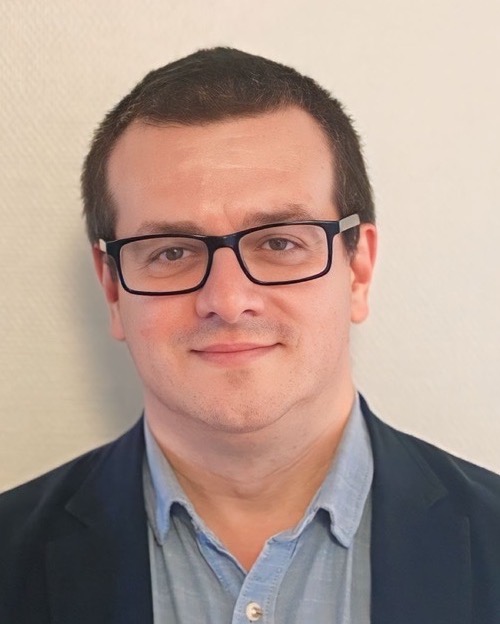
Evgueni Smirnov is an Assistant Professor in the Artificial Intelligence Department of Advanced Computing Sciences within the Faculty of Science and Engineering . His research focuses on Machine Learning , Conformal Prediction , Time Series Forecasting , and Biomedical Data Analysis . Key research areas include data prediction , classification , instance transfer , and conformal prediction with applications in both computer science and biomedical domains. His work spans predictive modeling , gene expression analysis , and inflammatory response mechanisms in cardiovascular diseases. He has contributed to editorial activities, including co-editing books through ML Research Press , and organized academic events like the Symposium on Conformal and Probabilistic Prediction with Applications . His publications demonstrate expertise in transfer learning , multivariate time-series forecasting , and cross-species biomedical modeling .
Sean O'Donoghue is a Conjoint Professor at the School of Biotechnology and Biomolecular Science, University of New South Wales (UNSW). He concurrently serves as a Laboratory Head and Senior Faculty Member at the Garvan Institute of Medical Research and a Visiting Scientist at CSIRO Data61. He holds a B.Sc. (Hons) and Ph.D. in Biophysics from the University of Sydney. His research integrates bioinformatics, structural biology, and data visualization to decode complex biological systems. Key interests include: Development of computational tools for protein structure/function analysis Visual analytics for genomics and multiomics data Mechanisms of viral protein assembly (e.g., SARS-CoV-2) Epigenetic dynamics and cancer transcriptomics Recent publications (2018–2022) demonstrate a strong focus on: Protein annotation frameworks and dark proteome characterization SARS-CoV-2 structural mechanisms Single-cell transcriptomics in breast cancer Innovations in biological data visualization tools He leads the VIZBI initiative (advancing bioinformatics visualization) and VizbiPlus (public science outreach). No awards or student advisories are detailed in the source material.
Jeff Jones is a Senior Proteomics Bioinformatician at the Roukes Group within the Division of Physics, Mathematics and Astronomy at California Institute of Technology (Pasadena, CA). He holds a Ph.D. in Analytical Chemistry (2005, University of Arkansas) and dual BS degrees in Biochemistry and Microbiology (2001, Cal Poly). Expert in proteomics, mass spectrometry, and data science Developed algorithms for single-cell proteomics and spatial proteomics Created open-source tools: tidyproteomics , msfastar Recipient of patents for tandem identification engines and sample workflow systems Research interests span ultra-sensitive mass spectrometry , machine learning , and infectious disease proteomics . Current projects include NEMS for drug-target interactions , spatial proteomics of tuberculosis , and single-cell proteome analysis . His scientific contributions include: Over 20 years of experience in proteomics and bioinformatics Commercial development of colorectal cancer biomarker tests Collaborations with Prof. Steyn (AHRI)
Virginia D. Winn, MD, PhD is a Professor of Obstetrics and Gynecology at Stanford University School of Medicine, where she directs the Reproductive, Stem Cell and Perinatal Biology Division and co-leads the Dunlevie Maternal-Fetal Medicine Center . Her research focuses on human placental biology , particularly the molecular mechanisms underlying preeclampsia and maternal-fetal immune tolerance. Education: PhD in Biochemistry, University of Rochester School of Medicine (1994) MD, University of Rochester (1996) Research: Investigates placental chimerism and vascular remodeling Develops multi-omics predictive models for preeclampsia Explores sex differences in placental gene expression Her lab’s recent studies (2022) highlight Siglec-6 signaling in preeclampsia pathogenesis, ancestral HMOX1 polymorphisms in hypertensive disorders, and exosome-mediated communication between trophoblasts and maternal systems. She has received the MCHRI Harman Faculty Scholar award and leads the NIH K12 Women’s Reproductive Health Research Program . Dr. Winn’s clinical expertise includes Maternal-Fetal Medicine , with a focus on early placental dysfunction. Key Collaborations: Stanford Cardiovascular Institute Bio-X interdisciplinary research hub Maternal and Child Health Research Institute (MCHRI)
Anna Hedman is a Senior Research Specialist and Lecturer at Karolinska Institutet's Department of Medical Epidemiology and Biostatistics (MEB), where she leads the Pediatric and respiratory epidemiology research group under Catarina Almqvist Malmros. Her primary affiliations include examiner and coordinator roles for medical degree projects at KI's medical program (semester 8), and she serves as Course Director for scientific writing and methodology courses. Education: Post-doc in Epidemiology, MEB, Karolinska Institutet (2015-2019) PhD in Neuroscience, Rudolf Magnus Brain Center, Utrecht University (2013) Her research integrates pediatric epidemiology with advanced methodologies including twin modeling, longitudinal data analysis, and biomarker studies (IgE, FeNO, cytokines, metabolic markers) to investigate atopic diseases and non-communicable conditions in children. Current work focuses on asthma endotypes, maternal-child health interactions, and genetic/environmental determinants of respiratory and psychiatric disorders through large-scale cohorts like STOPPA and Born into Life. Analysis of her 15 most recent publications reveals dominant themes in pediatric respiratory epidemiology (60%), psychiatric comorbidity research (25%), and methodological innovation in multi-omics integration (15%). Key trends include leveraging twin registries for causal inference, developing non-invasive biomarkers for asthma control, and exploring bidirectional relationships between mental health and immune disorders. Teaching & Mentorship: Examiner/coordinator for medical degree projects (2017–present) Lecturer in scientific writing (Basvetenskap 1, 2022–2023) Group leader for Medical Scientific Methodology courses (2017–2021) Supervisor for master's theses in medicine Her work operates within Karolinska Institutet's Pediatric and respiratory epidemiology research group, utilizing national registries, clinical cohorts, and biobanks including the Swedish Twin Registry. Current projects emphasize translational applications of inflammatory proteomics and epigenetic clocks for personalized pediatric care.
Vlad Stefan BARBU is an Associate Professor of Mathematics (Statistics) at the Laboratory of Mathematics Raphaël Salem UMR 6085, University of Rouen - Normandy (URN) - CNRS, France. He serves as Director of the Research Federation Normandy-Mathematics, Scientific Secretary of the Romanian Society of Probability and Statistics, and Vice-president of the Romanian Society of Applied and Industrial Mathematics. His research focuses on stochastic processes, particularly semi-Markov models and their applications in reliability, survival analysis, and biostatistics. Education: HDR (Habilitation to Conduct Research) in Statistics (2017) PhD in Statistics (2005) Master in Applied Statistics and Optimization (1997-1998) BA in Mathematics (Bac + 5) (1992-1997) Barbu's research interests center on semi-Markov and Hidden semi-Markov processes, Markov models, statistical inference for stochastic processes, and nonparametric estimation. His work extends to reliability and survival analysis, biostatistics with applications in DNA modeling, entropy and divergence measures, and model selection. He has developed several R packages for semi-Markov modeling, demonstrating his commitment to translating theoretical advances into practical tools for researchers and practitioners. Analysis of his recent publications reveals a consistent focus on advancing semi-Markov theory with applications across diverse domains. His work spans theoretical developments in estimation methods, hypothesis testing, and reliability analysis, while maintaining strong connections to practical applications in reliability engineering, biostatistics, and risk modeling. The interdisciplinary nature of his research is evident in publications spanning statistics journals, mathematics journals, and applied fields. Research Grants: Coordinator of project 'Reliability and Survival Analysis of Multi-State Random Systems' (2024-2025) Team leader for LMRS in ANR project 'Hidden Semi Markov Models: INference, Control and Applications' (2022-2025) Participant in ANR project 'Swimming and Para-swimming: All United for our Champions' (2020-2024) Participant in multiple regional and international research projects Barbu has supervised numerous PhD students and served on doctoral committees in France and abroad. His research leadership extends to coordinating significant research projects and organizing international conferences. He maintains active research collaborations across Europe, with frequent visits to institutions in Greece, Romania, and other countries. His work bridges theoretical statistics with practical applications, particularly in reliability engineering and biostatistics. As Director of the Research Federation Normandy-Mathematics, Barbu leads a substantial mathematical research network. His international engagement is further evidenced by his leadership roles in Romanian statistical societies and his participation in European research networks and projects.
Diego Gallo is an Associate Professor in Industrial Bioengineering at the Department of Mechanical and Aerospace Engineering (DIMEAS), Politecnico di Torino, and a member of the PolitoBIOMed Lab - Biomedical Engineering Lab. With a PhD in Biomedical Engineering from Politecnico di Torino and a Marie Sklodowska-Curie Global Fellowship at the University of Toronto's Biomedical Simulation Laboratory, Gallo focuses on the interplay between blood fluid mechanics, vascular morphometry, and cardiovascular disease development/diagnosis. He has authored 120+ publications and holds 4 patents in cardiovascular device optimization. Editorial Roles: Associate Editor for Frontiers in Pediatrics and Frontiers in Cardiovascular Medicine , Associate Editor for Cardiovascular Engineering and Technology , Topic Editor for Fluids (MDPI). Research Themes: Computational hemodynamics, digital twins, vascular biomechanics, helical flow analysis, and clinical translation of cardiovascular devices/surgical techniques. Scientific Awards: Jack Perkins Prize (2018) Elsevier Highly Cited Research (2016) ISMRM Awards (2014) TERMIS Travel Award (2012) Premio Enzo Belardinelli (2012) Teaching Activities: Courses in fluid biomechanics, bioimaging processing, and cardiovascular surgical strategies for Bioengineering programs. Supervises PhD students in cardiovascular device design, hemodynamic modeling, and computational medical technology.
Brooke N. Wolford is a Marie Skłodowska-Curie Postdoctoral Fellow at the Norwegian University of Science and Technology (NTNU), affiliated with the Department of Public Health and Nursing within the Faculty of Medicine and Health Sciences. She leads the ProtectHearts and HUNT AI for Heart Health projects at the HUNT Center for Molecular and Clinical Epidemiology, while also contributing to the EU-funded INTERVENE project through the Finnish Institute for Molecular Medicine. Her work bridges statistical genetics, computational biology, and clinical applications to advance precision public health initiatives. Dr. Wolford earned her PhD in Bioinformatics and Master's in Statistics from the University of Michigan, where she completed her dissertation on 'Genetic Discovery and Precision Medicine in Cardiovascular Diseases Using Electronic Health Record-linked Biobanks' under Dr. Cristen Willer and Dr. Michael Boehnke. Her undergraduate training includes a Bachelor of Science in Quantitative Biology with highest honors from the University of North Carolina at Chapel Hill, where she was a Phi Beta Kappa honors graduate. Her research program focuses on artificial intelligence-driven precision public health, particularly in cardiovascular disease prediction and prevention. By integrating genomics, proteomics, and clinical data from large biobanks like HUNT, UK Biobank, and FinnGen, she develops novel risk prediction models that address critical gaps in women's heart health and young adult disease prevention. Her work on polygenic risk scores and proteomic biomarkers aims to transform population-scale screening programs through explainable AI methodologies. Dr. Wolford's recent publications demonstrate significant contributions to genetic epidemiology, with high-impact work in Nature Genetics, Nature Communications, and Circulation: Genomic and Precision Medicine. Her research outputs reveal consistent themes in cross-population polygenic score development, sex-specific disease mechanisms, and innovative biobank data integration approaches that enhance cardiovascular risk prediction across diverse populations. 2022/2023 Best Dissemination Award (K.G. Jebsen Centers) 2022 ASHG Trainee Research Excellence Award Finalist 2021 ASHG Trainee Research Excellence Award Semi-Finalist National Science Foundation Graduate Research Fellowship Genome Sciences Predoctoral Traineeship University of Michigan Program in Biomedical Sciences 20th Anniversary Award As a dedicated mentor, Dr. Wolford supervises multiple graduate students across Master's and PhD programs at NTNU, focusing on proteomic risk prediction for diabetes, cardiovascular-Alzheimer's disease connections, and polygenic scoring for women's heart health. She actively promotes open science through R-ladies Trondheim leadership and develops educational resources like the Health AI in R workshop. Her ongoing projects with INTERVENE and ProtectHearts secure substantial European research funding for translational genomics initiatives. Dr. Wolford co-leads the HUNT AI for Heart Health initiative and ProtectHearts project within the HUNT Center for Molecular and Clinical Epidemiology. These teams integrate computational biologists, clinicians, and epidemiologists to develop explainable AI models that translate genomic discoveries into clinical prevention strategies, with particular emphasis on addressing health disparities in cardiovascular outcomes for women and younger populations.
Lloyd M. Smith is the W. L. Hubbell Professor and Hall-Fischer Professor of Chemistry at the University of Wisconsin–Madison. His research focuses on developing cutting-edge proteomics technologies that bridge biology, chemistry, and computational analysis. Key research areas include comprehensive proteoform identification Development of tools like ProteaseGuru, MetaMorpheus, and FlashLFQ Applications in neurodegenerative diseases (Alzheimer's), viral biology (HIV), and diabetes Research trends show strong emphasis on: Mass spectrometry innovations RNA-protein interaction networks Proteoform family concept development Machine learning integration in proteomics
Asta Feodora Sjöberg Burhenne is an Instructor at the Department of Computer Science (DIKU), University of Copenhagen. She is affiliated with the university's Natural Language Processing (NLP) section, which focuses on methods for automated text processing, understanding, and generation using statistical models and machine learning. Research areas include: Natural Language Processing, Machine Learning, Automatic Fact-Checking, Machine Translation, Question Answering, Visually-Grounded Language Learning, and Multi-Modal Language Processing.
Carl Christian Ottesen is an Instructor at the Department of Computer Science, University of Copenhagen. He is affiliated with the Natural Language Processing (NLP) section, which focuses on methods for text processing, understanding, and generation using statistical models and machine learning. Research Interests Natural Language Processing (NLP) Machine Learning Computational Linguistics Multi-modal Language Processing Applications Automatic Fact-Checking Machine Translation Question Answering Visually-Grounded Language Learning
Kenneth Ward Church is a distinguished academic recognized as an ACM Fellow (2023) for pioneering contributions to empirical methods in natural language processing. His work has been instrumental in advancing computational linguistics and machine learning, enabling transformative innovations in how computing technologies understand and process human language. Research Interests : Church’s research focuses on applying empirical approaches to natural language processing, which has fundamentally reshaped the field. These methods leverage statistical models and data-driven techniques to improve machine translation, text analysis, and language understanding systems. Scientific Awards : ACM Fellow (2023) – For contributions to empirical methods in natural language processing
Kevin Sean O'Connell is a Researcher at the University of Oslo , affiliated with the Centre for Precision Psychiatry . His work focuses on genetic epidemiology , psychiatric genetics , and neurogenetics , particularly the genetic overlaps between psychiatric disorders and immune/metabolic traits. Research Themes : Genetic architecture of schizophrenia, bipolar disorder, and major depressive disorder; immune-genetic interactions; polygenic risk scores; neurodevelopmental and metabolic pathways. Publications (2025–2024) reveal trends in psychiatric genetics using genome-wide association studies (GWAS) , polygenic risk scores , and real-world data . Key subtopics include genetic overlap with immune markers (e.g., interleukin-6, C-reactive protein), neurodevelopmental processes , and pharmacogenomics (e.g., clozapine metabolism). He collaborates extensively with teams in neurogenetics , precision psychiatry , and psychiatric molecular genetics , contributing to translational research and neuroinflammatory mechanisms in mental illness.
Associate Professor Zhoubing Xu serves as a Chancellor Faculty Fellow in Vanderbilt University's Department of Electrical Engineering within the School of Engineering. He leads the Medical-image Analysis and Statistical Interpretation (MASI) Lab and maintains strong affiliations with the Vanderbilt Institute for Surgery and Engineering (VISE), driving interdisciplinary research at the engineering-medicine interface. His research concentrates on: Advanced medical image analysis methodologies Statistical interpretation frameworks for clinical data Machine learning applications in surgical contexts Computer vision solutions for diagnostic imaging Professor Xu's research trajectory demonstrates consistent focus on translational biomedical engineering, with particular emphasis on creating clinically viable tools through statistical learning. His work directly supports Vanderbilt's leadership in surgical innovation and medical technology development. Key recognitions include: Chancellor Faculty Fellowship (Vanderbilt University's prestigious early-career award) As an active researcher, he participates in NIH grant writing initiatives and contributes to Vanderbilt's Master of Engineering program. His lab provides specialized training in medical image computing for graduate students pursuing careers at the intersection of engineering and healthcare. The MASI Lab operates as a hub for surgical engineering research within VISE, collaborating with clinicians to develop next-generation image-guided intervention systems. Professor Xu's work exemplifies Vanderbilt's commitment to solving complex medical challenges through engineering innovation.
Jörgen Nissen is a researcher at Linköping University , specializing in educational technology and pedagogical design. He works within the Faculty of Educational Sciences and Department of Social and Welfare Studies , focusing on integrating visual analytics and knowledge visualization tools into K-12 education. Active in multiple research projects (VISE, MAW 20140120, Swedish Research Council grants) Collaborates with Dr. Linnéa Stenliden, Katarina Sperling, and Fredrik Heintz Develops didactic frameworks combining visual analytics and knowledge visualization Investigates AI implementation challenges in primary education Addressing ethical concerns in educational data collection His work examines digital competence development through computational thinking and visual literacy, with particular focus on democratic education in post-truth contexts. Current research explores how interactive data visualization tools can enhance students' analytical reasoning capabilities while maintaining critical awareness of algorithmic decision-making processes. Collaborative projects with the National Centre for Visual Analytics (NCVA) demonstrate his commitment to bridging technical capabilities with pedagogical needs. While no explicit awards are mentioned, his publications in journals like Postdigital Science and Education and European Journal of Education establish his expertise in the field.