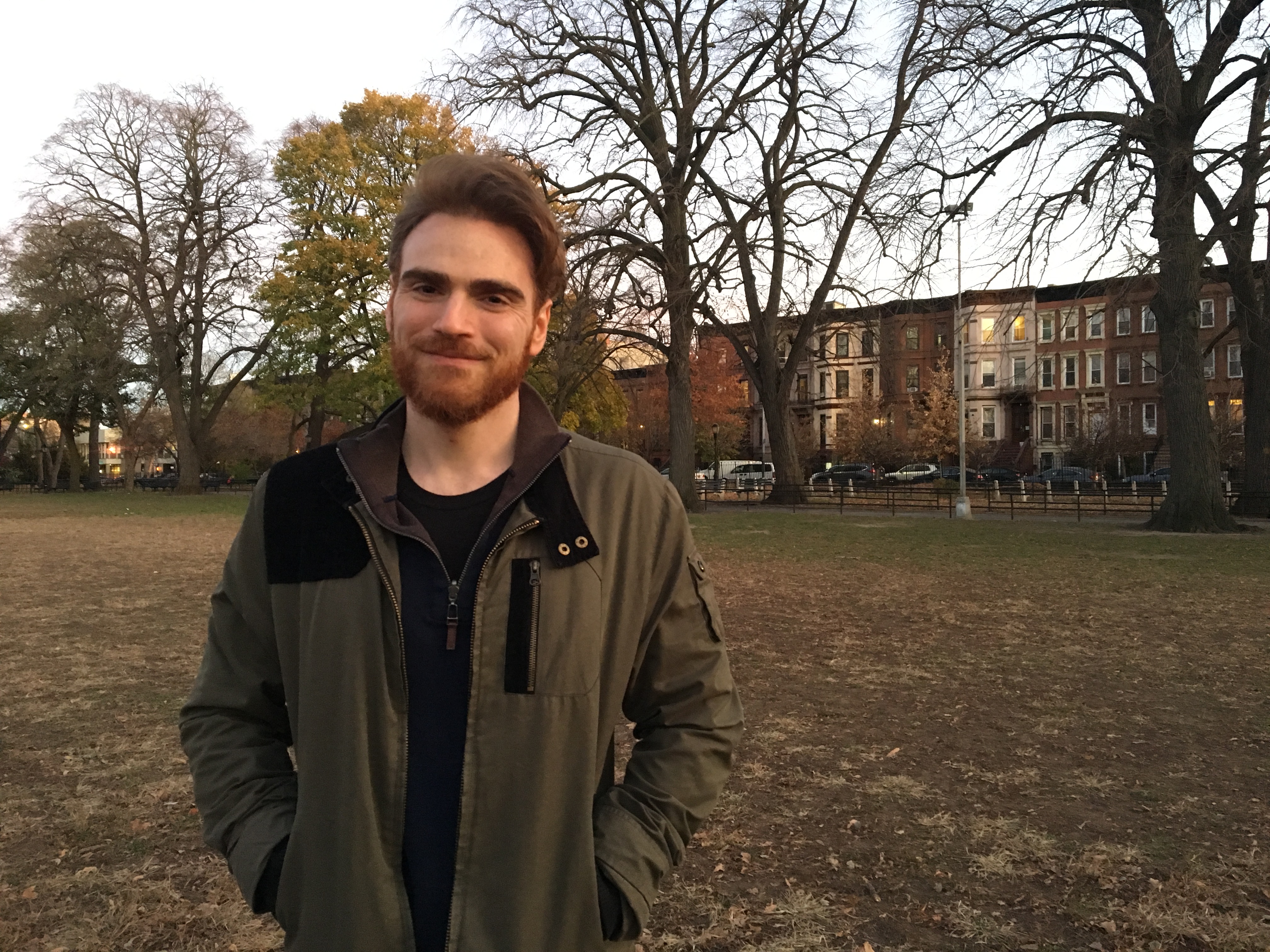
Dr. Francisco Perez-Reche is a Reader in the School of Natural and Computing Sciences at the University of Aberdeen, where he has been a faculty member since 2012. He is actively involved in research, teaching, and supervising PhD students. His work bridges applied mathematics, data science, and public health, with a focus on modeling infectious diseases and food safety risks. His research interests include: Mathematical and computational modeling of infectious disease transmission Machine learning for source attribution in epidemiology Quantitative risk assessment using Monte Carlo simulations Network-based immunization strategies (e.g., explosive immunisation) Dose-response modeling for pathogens like E. coli O157 and Campylobacter His recent publications reveal a strong focus on public health challenges, including the role of untested individuals in COVID-19 spread, post-COVID health outcomes like diabetes and mental illness, and the origins of zoonotic pathogens. He applies interdisciplinary methods combining statistics, machine learning, and mathematical physics to real-world health problems. Dr. Perez-Reche has contributed to high-impact studies involving large datasets and collaborations with public health agencies across Europe. His work has been covered by major media outlets including The Times, BBC, and international science news platforms. He teaches courses in mathematical methods, machine learning, and physics, and serves as Director of Undergraduate Pathways in Physics at Aberdeen. He is a member of the Aberdeen Group for the Mathematics of Infectious Diseases (AGMID) and the Centre for Bacteria in Health and Disease (CBHD).
Saptarshi Chakraborty is an Assistant Professor in the Department of Biostatistics at the School of Public Health and Health Professions, State University of New York at Buffalo. He serves as Director of the Statistical Consulting Lab at the Biostatistics, Epidemiology and Research Design (BERD) Core of CTSI. His research focuses on statistical computing, Bayesian modeling, cancer genomics, and high-dimensional data analysis. Chakraborty holds a PhD from the University of Florida (2018), an MS from the Indian Statistical Institute (2013), and a BSc from Presidency College, Kolkata (2011). He completed a postdoctoral fellowship in statistical genomics at Memorial Sloan Kettering Cancer Center (2018–2020). His work bridges theoretical statistics and applied biomedical research, with contributions to machine learning, computational biology, and drug safety assessment. Notable areas include developing Bayesian frameworks for envelope models, analyzing somatic mutations in cancer, and optimizing nanoparticle drug delivery systems. He is also involved in mentoring through his roles and serves as IBS Biometric Bulletin Correspondent for ENAR. Publications highlight interdisciplinary collaboration, with recent work on photoacoustic imaging, nuclear morphology in cancer, and prenatal exposure effects. Chakraborty is affiliated with the American Statistical Association and International Indian Statistical Association, emphasizing his commitment to advancing statistical methodologies in health sciences.
Alan Marshall is a Professor of Social Research on Inequality at the School of Social and Political Science , University of Edinburgh. He is seconded 50% to the Scottish Graduate School for Social Sciences , focusing on studentships and partnerships. Research Focus: His work bridges social statistics and health inequalities, using longitudinal survey data to explore social and biological determinants of health and well-being in later life. Key areas include frailty, multimorbidity, neighborhood effects, and small-area demographic estimation. Projects: Marshall leads and collaborates on initiatives like Harnessing multiparametric biobank data to develop novel predictive models of frailty and REALITIES in Health Disparities , emphasizing interdisciplinary approaches to health equity. Collaborations: Active in partnerships with UK national statistical agencies, local authorities, and institutions like the University of Strathclyde.
Dr. Shila Ghazanfar is an Australian Research Council DECRA Fellow at the University of Sydney, Faculty of Science. She is an expert in statistical and computational analysis of spatial transcriptomics and single-cell RNA-seq data, with a focus on developing bioinformatic approaches for integrating complex biological datasets across various omics modalities. Her educational background includes: Undergraduate studies in statistics and statistical bioinformatics at The University of Sydney PhD in statistics and statistical bioinformatics at The University of Sydney Royal Society Newton International Fellowship at The University of Cambridge under Dr. John Marioni in computational biology Dr. Ghazanfar's research interests center on developing statistical bioinformatic and biomedical data science approaches for meaningful integration of complex and high-dimensional biological datasets. Her multidisciplinary expertise spans statistics, statistical bioinformatics, and computational biology, enabling her to devise strategies to jointly model processes generating diverse data sources. Her work aligns with the University of Sydney Faculty of Science Research Strengths in Complex Systems, Precision and Digital Health, and Data and Decisions. Analysis of her recent publications (2021-2025) reveals strong focus areas including spatial transcriptomics infrastructure development, single-cell data integration methodologies, and applications in cancer research and cardiovascular biology. Key trends show progression from foundational method development to increasingly sophisticated multi-modal integration approaches, with significant emphasis on creating open-source computational tools for the research community. Her scientific recognition includes: Australian Research Council DECRA Fellowship Royal Society Newton International Fellowship Dr. Ghazanfar actively mentors research students, including Angel GUAN working on melanoma immunotherapy research. Her grant portfolio demonstrates substantial research support: 2023: Statistical Bioinformatics for Single Cell, Spatial and Multiomic Biotechnologies (Faculty of Science) 2022: Defining spatiotemporal mechanisms for peripheral nerve regeneration (Partnership Collaboration Award) 2022: Multiscale data integration for single cell spatial genomics (Chan Zuckerberg Initiative) Australian Research Council DECRA for statistical approaches in spatial genomics As a member of the Charles Perkins Centre, Dr. Ghazanfar participates in interdisciplinary research addressing complex health challenges through computational biology approaches, with collaborations spanning multiple domains from basic science to clinical applications.
Professor Dave Allen is affiliated with the University of Sydney and actively contributes to research in financial econometrics, volatility modeling, and emerging market risk analysis. His work bridges quantitative finance with advanced machine learning techniques. Current research focuses on high-dimensional financial time series and synthetic data generation via GANs Recent publications explore pandemic-related financial impacts and cross-market volatility spillovers Research interests include: Volatility and risk modeling (GARCH, stochastic volatility) Nonlinear time series analysis (NARDL, cointegration) Machine learning applications in finance Covid-19 financial and health data analysis His recent work shows increasing interdisciplinary scope combining financial economics with public health analysis. Publications demonstrate expertise in: Hybrid deep learning for volatility forecasting Extreme value theory applications Autoregressive conditional duration models Correlation asymmetry and causality measures Current advisee: Leonard Mushunje (PhD candidate analyzing high-dimensional financial functional data).
Wesley Tansey serves as Assistant Professor in the Computational Oncology group within the Department of Epidemiology and Biostatistics at Memorial Sloan Kettering Cancer Center (MSKCC). His research bridges statistical machine learning with cancer biology, focusing on developing novel computational frameworks for oncology applications. Dr. Tansey's research program centers on Bayesian statistical methods for biological data analysis, with particular emphasis on spatial transcriptomics (evidenced by his BayesTME framework), drug response modeling , and multi-omics integration . His lab develops scalable algorithms for high-dimensional biological data, including UnitedMet for metabolite imputation and MultiTME for spatial profiling analysis. Current projects address combinatorial drug screening optimization, tumor microenvironment characterization, and predictive oncology platforms for rare cancers. His recent publications (2023-2025) demonstrate strong focus areas: Bayesian active learning for drug screening (6+ publications) Spatial biology methods (BayesTME, MultiTME) Metabolomics-transcriptomics integration (UnitedMet) Causal inference in biological systems Scientific recognition includes serving as Area Chair for AISTATS 2022 and frequent invited talks at major conferences including SIAM's Mathematics of Data Science meeting. Dr. Tansey actively mentors lab members including Sophie Jaro (Spotlight presenter at ICML Workshop), Haoran Zhang (contributed talk presenter), Christopher Tosh (Associate Research Scientist), and Jeff Quinn (Bioinformatics Software Engineer). His lab receives research funding supporting development of computational oncology platforms with clinical translation potential. The VIVO Lab maintains active GitHub repositories for core methodologies including BayesTME, reflecting strong software engineering practices in computational biology.
Alfredo Pulvirenti is a Full Professor of Computer Science at the University of Catania, Italy. He holds a joint appointment with the Department of Clinical and Experimental Medicine and the Department of Mathematics and Computer Science. Born in 1974, he earned his Laurea (1999, summa cum laude), PhD (2003), and post-doc (2004) in Computer Science from the University of Catania. His academic career includes roles as Assistant Professor (2005-2014), Associate Professor (2014-2023), and Full Professor since 2023. His research bridges Bioinformatics and Biomedicine , focusing on RNA interference (microRNAs, long non-coding RNAs) via stochastic and network-based inference methods. Key contributions include subgraph matching , motif finding , and multiple network alignment using Monte Carlo techniques for analyzing biological networks . He also applies time series analysis to seismic and infrasonic signals through collaborations with Italy's National Institute of Geophysics and Volcanology (INGV). Recent publications highlight advancements in graph algorithms (e.g., MultiGraphMatch, ArcMatch) and systems biology tools like MITHrIL and SPECifIC. He co-directs the Jacob T. Schawartz International School for Scientific Research and leads national/regional projects on Bioinformatics and Big Data in Cancer . His group includes 3 researchers, 1 post-doc, and 3 PhD students in Complex Systems. Awards and Leadership : Best Paper Award at CBS 2009 Guest Editor for BMC Bioinformatics, Briefings in Bioinformatics, Elsevier Program Committee Member for major international conferences International Collaborations span institutions like NYU, Ohio State University Wexner Medical Center, Brown University, Tel Aviv University, Toronto University, and Università di Ancona.
Dan Schonfeld is a Professor in the Department of Electrical and Computer Engineering at the University of Illinois at Chicago . His research spans signal, image, and video processing, with interdisciplinary applications in genomic signal processing and multimedia systems. Education: Ph.D. and M.Sc. in Electrical and Computer Engineering from The Johns Hopkins University (1990, 1988), B.Sc. in Electrical Engineering and Computer Science from UC Berkeley (1986). Research Interests: Schonfeld's work focuses on video communications, retrieval, and networks, integrating computer vision, pattern recognition, and stochastic optimization. His contributions include mathematical morphology for image processing and statistical methods for real-time scene change detection. Article Trends: His recent publications emphasize particle filtering for video tracking, hidden Markov models for activity recognition, and multi-camera systems for pose estimation. Applications in genomic signal processing and crowded scene tracking highlight his interdisciplinary impact. Scientific Leadership: He has been a Senior Member of IEEE since 2005 and received multiple Best Student Paper Awards at IEEE ICIP (2006, 2007) and SPIE VCIP (2006). Editorial Contributions: Schonfeld has served as Guest Editor for IEEE journals on video and genomic signal processing and as Associate Editor for key IEEE Transactions since the 1990s.
Dr. Margherita Malanchini is a Senior Lecturer at the Queen Mary University of London within the School of Biological and Behavioural Sciences . She directs the Cognition, Development, and Education research laboratory and contributes to the Centre for Brain and Behaviour and Centre for Evolutionary and Functional Genomics . Her work integrates developmental psychology , genetics , education , and social sciences to study child development, learning, and behavioral problems. Research Focus: Gene-environment interplay, non-cognitive skills, neurodevelopmental disorders, socioemotional development Grants: £943,596 from Medical Research Council (2025-2028), £133,787 from Jacobs Foundation (2025-2027), £103,229 from Baily Thomas Charitable Fund (2023-2025) Students: Supervises PhD researchers including Tom Falkenstein, Yuanyuan Huang, and Wangjingyi Liao Email: m.malanchini@qmul.ac.uk Notable Research Trends: Analysis of polygenic scores in educational outcomes, telomere biology and cognitive aging, gene-environment correlations in behavioral problems, and epigenetic markers of social disparities in mental health. Lab Involvement: Leads the Cognition, Development, and Education research laboratory, collaborating with multidisciplinary teams on projects involving the Twins Early Development Study (TEDS) and EU-ACTION consortium.
Dr. Saonli Basu is a Professor in the Division of Biostatistics & Health Data Science at the University of Minnesota School of Public Health. She serves as Founding Director of the Genomic Data Commons and Co-Director of the Analytics Core at the Masonic Institute for the Developing Brain. Education: PhD in Statistics (University of Washington), MStat (Indian Statistical Institute), BS in Statistics (Presidency College) Her research focuses on developing statistical methodologies for genetic mapping of complex traits, particularly rare variant association and gene-environment interaction modeling. She specializes in computational statistics, nonparametric inference, and statistical genetics applications for diseases like Alzheimer's, type 2 diabetes, and substance abuse. Recent publications show trends in SNP heritability analysis , admixed population genetics , longitudinal pregnancy studies , and multi-variant association tests . Key collaborative projects include cerebral small vessel disease genomics and B. pertussis vaccination outcome prediction models. Scientific honors include: Chair, ASA Genomics and Genetics Section (2020) Fellow, American Statistical Association (2017) NIH BMRD study section member (2017-2021) Young Investigator, International Indian Statistical Association (2016) She has taught graduate-level courses in human genetics statistics and probability models for over 15 years. Current research receives NIH/NIDA R01 and NIDDK R21 grants, with co-investigator roles in epidemiology and psychology-led R01 projects.
Stefan G Kostadinov is an Associate Professor of Pathology and Laboratory Medicine at the Alpert Medical School of Brown University , with affiliations to Women & Infants Hospital . As a Clinician Educator, he combines academic research with clinical practice and teaching. Medical Doctor from Trakia University, Bulgaria Residency: Anatomical & Clinical Pathology at Winthrop University Hospital (1999-2003) Fellowship: Pediatric & Perinatal Pathology at Riley Hospital & Indiana University (2003-2004) Research Interests center on fetal growth restriction , stillbirth , and placental abnormalities , exploring their clinical correlations. Recent work includes studies on: Placental mesenchymal dysplasia and chromosomal anomalies Umbilical cord hemangiomas and perinatal outcomes Neuroinflammation in preterm infants Impact of pandemic policies on mortality AI-driven diagnostics for decidual vasculopathy Teaching & Leadership : He directs the Don B. Singer Fellowship in Developmental and Perinatal Pathology and teaches across multiple disciplines including pathology , pediatrics , and maternal-fetal medicine . Board-certified in Anatomical and Pediatric Pathology by the American Board of Pathology.
Michelle Shardell is a Professor in the Department of Epidemiology and Public Health at the University of Maryland. She serves as Vice Chair of Research and Director of the Division of Biostatistics and Bioinformatics, with additional appointments as Co-Director of the Biostatistics and Informatics Core in the UMB's Claude D. Pepper Older Americans Independence Center (UM-OAIC). Her research integrates biostatistical methodology with aging and dementia studies, focusing on structural models, survival bias, unmeasured confounding, and machine learning applications in harmonized data. Education: B.S. in Mathematics from the University of Florida M.S. in Biostatistics from the University of Michigan School of Public Health Ph.D. in Biostatistics from Johns Hopkins University Bloomberg School of Public Health Her research spans aging-related functional decline, biomarker threshold validation (e.g., vitamin D in PROVIDO), and statistical methods for proxy reporting, missing data, and time-to-event analysis. She has contributed to microbiome harmonization standards (STORMS checklist) and -omics data integration in aging studies. Her 15 most recent publications highlight advancements in multivariate modeling for dual cognitive-physical decline (2023), phenotypic aging metrics (2022), sex-specific vitamin D thresholds (2021), microbiome reporting guidelines (2021), and longitudinal causal inference techniques (2018, 2016, 2015). Earlier works address proxy reporting bias, ICU infection control, and semiparametric modeling. Scientific Awards: 2006 Outstanding Teaching Award (University of Maryland) 2017 Fellow, Gerontological Society of America 2020 Strategic Initiatives Award (ASA Biometrics Section) 2024 Fellow, American Statistical Association She leads NIH/NIA-funded grants including R01 AG079854 (Biomarkers of Aging in Alzheimer’s and Disability), R01 AG048069 (Kidney Markers in Dementia and Disability), and RF1 NS128360 (Biomarkers of Aging). She also co-directs the Biostatistics and Informatics Core for the Pepper Center (P30 AG028747) and collaborates on FNIH Biomarkers Consortium projects.
Albin Gustav Sandelin is a Professor in the Department of Biology at the University of Copenhagen, specializing in bioinformatics and RNA biology. With a PhD in Functional Genomics from Karolinska Institute (2004) and an MSc in Molecular Biology from Stockholm University (2000), his career spans roles at institutions including RIKEN Yokohama Institute and Tokyo Medical and Dental University. His research focuses on Gene regulation mechanisms Transcription start site dynamics RNA sequencing methodologies Promoter architecture analysis Cancer microenvironment interactions . Recent publications highlight his work in pancreatic cancer adaptation to acidic environments (2024-2025), TLDR-seq for RNA analysis, and JASPAR database development. He supervises PhD students including Eivind Valen and Eric Man-Hung, with a history of teaching bioinformatics courses at Karolinska Institute and Copenhagen University. Key collaborations involve institutions in Japan, Canada, and Sweden, with ongoing contributions to open-access genomic resources like JASPAR.
Katherine T. Mills is an Associate Professor in the Epidemiology Department at Tulane University's School of Public Health and Tropical Medicine. Her research focuses on cardiovascular and renal disease epidemiology, implementation science, and health disparities, with particular emphasis on blood pressure control interventions and chronic kidney disease. Dr. Mills received her PhD in Epidemiology from Tulane University, completed a postdoctoral fellowship in cardiovascular disease epidemiology at Johns Hopkins University, earned an MSPH in Epidemiology from the University of North Carolina at Chapel Hill, and completed her undergraduate studies in Chemistry at Colorado College. Her research program spans multiple domains of public health and clinical epidemiology. Dr. Mills has established herself as a leader in studies examining the relationship between cardiovascular disease, kidney function, and health disparities. She has conducted extensive research on implementation science approaches to improve blood pressure control, particularly in underserved populations. Her work also investigates health outcomes in chronic kidney disease patients, including progression to end-stage renal disease, cardiovascular events, and mortality. Through her research, Dr. Mills has contributed significantly to understanding how social determinants of health impact cardiovascular outcomes and how community-based interventions can reduce health disparities. She has been particularly active in engaging Black churches as venues for cardiovascular health interventions. Analysis of Dr. Mills' recent publications reveals a strong focus on cardiovascular epidemiology, kidney disease outcomes, and implementation science for hypertension control. Her work frequently employs advanced statistical methods and large cohort studies, particularly the Chronic Renal Insufficiency Cohort (CRIC) study. She has published extensively on topics including blood pressure management, kidney disease progression, cardiovascular risk factors, and health disparities in minority populations. Her research often examines the intersection of social determinants of health with clinical outcomes. Dr. Mills has received numerous scientific awards including: 2020: Outstanding Achievement in Receiving Your First R01 Award 2018: Young Investigator Travel Award, NIH, NIGMS Seventh Biennial National IdeA Symposium of Biomedical Research Excellence (NISBRE) 2017: Sandra A. Daugherty Award for Excellence in Cardiovascular Disease for Hypertension Epidemiology, American Heart Association Council on Epidemiology and Prevention 2016: Award for Excellence in Research and Presentation by a Postdoctoral Fellow, Health Sciences Research Days, Tulane University 2015-2016: NIH/NHLBI T32 Cardiovascular Disease Epidemiology Training Program, Johns Hopkins University 2014: Dorothy R. LeBlanc Memorial Scholarship Award, Tulane University 2010-2012: Dean's Research Council Scholarship, Tulane University Dr. Mills has secured significant NIH funding for her research on blood pressure control interventions and health disparities. She has mentored numerous students and collaborated extensively with interdisciplinary teams across Tulane and other institutions. Her work on church-based interventions for cardiovascular health has been particularly influential in addressing racial health disparities. She has developed and tested multicomponent implementation strategies that engage community health workers and faith-based organizations to improve blood pressure control in low-income communities. Dr. Mills is actively engaged with the Chronic Renal Insufficiency Cohort (CRIC) study and has led multiple analyses examining cardiovascular outcomes in patients with chronic kidney disease. She collaborates with interdisciplinary teams including nephrologists, cardiologists, biostatisticians, and community health workers to address complex questions in cardiovascular and kidney disease epidemiology. Her current research focuses on identifying which populations benefit most from intensive blood pressure interventions and how social determinants of health influence treatment effectiveness.
Selma Tekir is an Associate Professor in the Computer Engineering Department at Izmir Institute of Technology. She completed her undergraduate studies in Computer Engineering at Ege University in 2001, followed by a master's degree from Izmir Institute of Technology in 2004, and earned her PhD from Ege University in 2010. In 2009, she worked as a visiting researcher at the University of Konstanz, Germany. Her educational background includes: B.Sc.: Computer Engineering, Ege University (2001) M.Sc.: Computer Engineering, Izmir Institute of Technology (2004) Ph.D.: Computer Engineering, Ege University (2010) Dr. Tekir's research spans multiple areas of natural language processing and computational linguistics, with a particular focus on Turkish language processing. Her work explores text mining, news analysis, information warfare, and the application of deep learning techniques to linguistic problems. She has made significant contributions to counterfactual detection in Turkish, multi-modal language models, and the integration of symbolic reasoning with neural approaches. Her research often bridges theoretical advances with practical applications, particularly in the Turkish language context which presents unique challenges as a morphologically rich agglutinative language. Analysis of her recent publications reveals a strong trend toward advancing natural language understanding systems for Turkish, developing methods for counterfactual detection, enhancing question answering systems with knowledge graphs, and applying graph neural networks to biological sequence analysis. Her work demonstrates growing interest in combining symbolic reasoning with neural approaches and exploring self-reflection capabilities in language agents. Dr. Tekir has received research funding for projects including: Consistency and Reliability Assessment in News Chains (TÜBİTAK ARDEB 3501) Application of Data Analysis and Visualization Techniques on Historical Sources (BAP) She teaches courses including CENG 381 - Stochastic Processes, CENG 613 - Scientific Research Methods in Computer Science, and SEDS 501 - Introduction to Data Science.