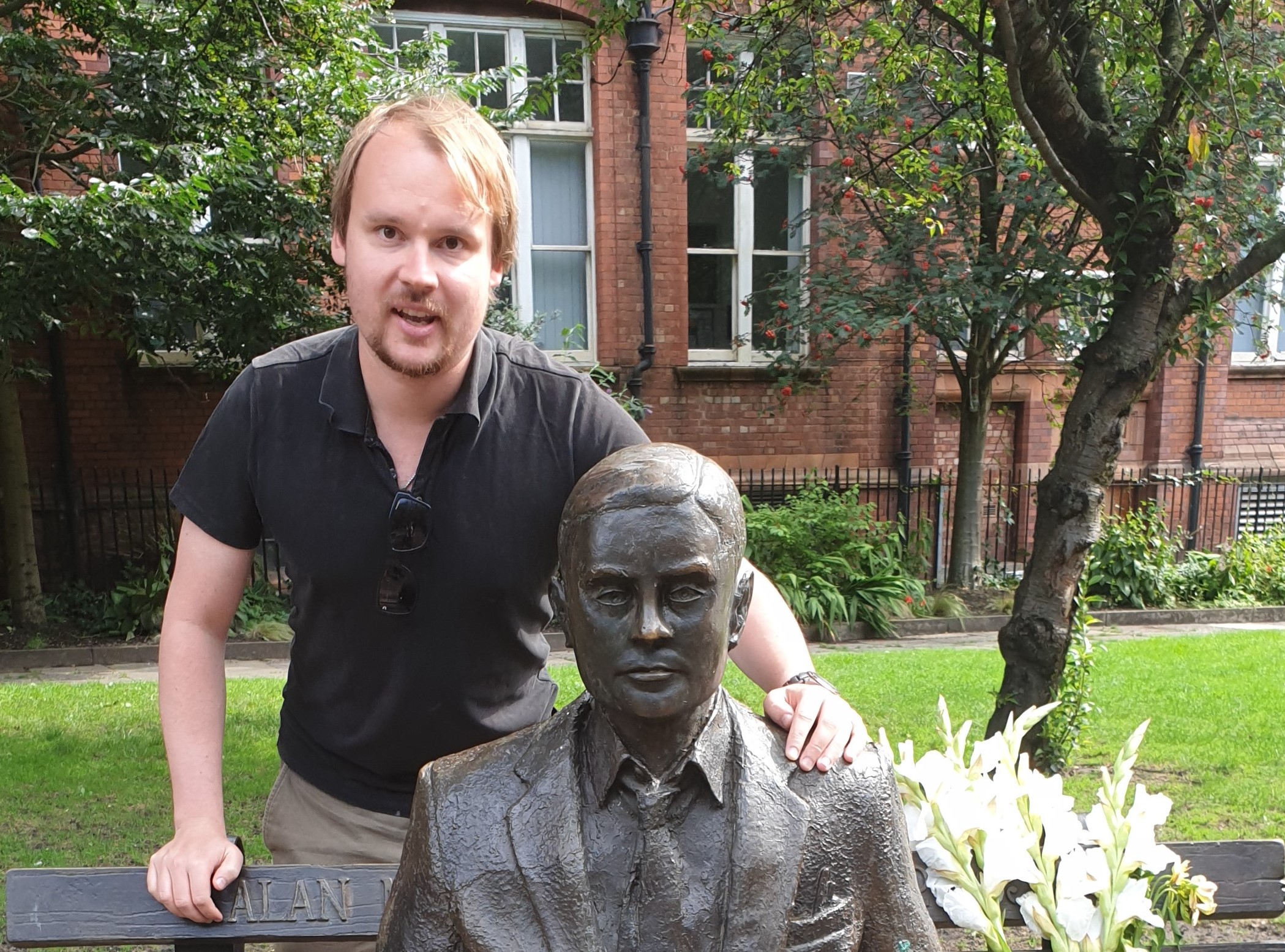
Artem Kaznatcheev is an Assistant Professor at Utrecht University in the Department of Mathematics and Department of Information and Computing Sciences within the Science faculty. His research bridges theoretical computer science and evolutionary biology to analyze biological and social systems through an algorithmic lens. Current role since January 2023 Recruiting PhD students and postdocs Previously: James S. McDonnell postdoctoral fellow at University of Pennsylvania His work focuses on: Computational complexity of evolution Evolutionary game theory Algorithmic biology Mathematical modeling of cancer dynamics Cultural evolution of science Selected article trends show: Interdisciplinary integration of computer science and cancer biology Key themes: fitness landscapes, evolutionary games, treatment optimization 2021-2020 publications dominate Mathematical formalisms applied to biological and social phenomena Scientific contributions include: James S. McDonnell Foundation Independent Postdoctoral Fellowship 2019 Genetics paper on computational complexity as evolutionary constraint 2017 Nature Ecology & Evolution study on fibroblast-drug interactions in cancer Collaborative environments: Worked with Theory, Evolution and Games Group Previous affiliations: Oxford University, University of Pennsylvania, Moffitt Cancer Center, McGill University Developed teaching roles at Oriel College (Oxford)
Chun-Biu Li is an Associate Professor at the Department of Mathematics , Stockholm University , specializing in computational mathematics and statistical physics of biophysical systems. His research bridges information theory, machine learning, and nonequilibrium statistical mechanics to understand complex biological processes. Education: PhD in mathematical & statistical physics from the University of Texas at Austin (supervised by Ilya Prigogine), M.S. in mathematical physics from the University of Utah. Academic Experience: Associate Professor (2016–present) at Stockholm University, Associate Professor (2008–2016) at Hokkaido University, and JST/CREST Researcher (2005–2008) at Kobe University. Research Interests focus on data-driven statistical analyses, nonequilibrium biophysical systems, AI explainability, and fluctuation theorems. His work applies these methods to plant morphogenesis, molecular motor dynamics, and machine learning applications in life sciences. Teaching includes advanced courses on deep learning, reinforcement learning, and statistical methods for life science applications. His Supervision has guided over 30 students in topics ranging from protein mutation modeling to causal inference algorithms. Scientific Awards: Professional Development Award, University of Texas at Austin (2003) Summer Research Fellowship, University of Texas at Austin (2001) National Dean's List for Outstanding College Students (1997) Publications (110+) highlight his contributions to plant morphogenesis, single-molecule analysis, and statistical methods. Recent works examine DNA barcode clustering, rotary motor protein dynamics, and shape-aware data visualization techniques.
Stephanie Koning is an Assistant Professor in the Department of Health Behavior, Policy, and Administration Sciences within the School of Public Health at the University of Nevada, Reno. She maintains multiple significant academic affiliations including Faculty Affiliate at the Department of Gender, Race and Identity at UNR, Adjunct Professor at Mahidol University's Faculty of Public Health in Bangkok, Thailand, and Research Affiliate positions at the Carolina Population Center (UNC Chapel Hill), Institute for Policy Research (Northwestern University), Center for Demography & Ecology (University of Wisconsin-Madison), and School of Medicine and Public Health (University of Wisconsin-Madison). Dr. Koning's research program focuses on how varied sources of contextual stress shape health and inequities across generations, with four key contribution areas: (1) social stress in maternal and child health inequities; (2) violence as a multidimensional determinant of health; (3) biopsychosocial mechanisms underlying early-life health origins; and (4) health implications of migration, forced displacement, and legal status. Her work spans Northern Nevada, North America, and Southeast Asia, with special focus on the Thailand-Myanmar border region where she has conducted extensive fieldwork including the UNESCO Highland Peoples Survey health module - the largest census of statelessness globally covering over 77,000 household members. Her methodological approach integrates both qualitative and quantitative techniques, including ethnographic fieldwork, surveys, interviews, biostatistics, epidemiology, and quasi-experimental designs. Dr. Koning has led multiple major data collection projects, including a population-based maternal and child health survey of 824 mother-child pairs grounded in over a year of preparatory ethnography and three years of total fieldwork on the Thailand-Myanmar border. Analysis of Dr. Koning's 15 most recent publications reveals consistent focus on violence, stress, and health inequities across the life course. Her work demonstrates sophisticated understanding of how structural factors like racism, displacement, and early-life adversity manifest through biological pathways to produce health disparities. Key themes include timing of exposure to adversity, intersectional identities, and cross-generational health transmission. Among her significant scientific contributions are findings on: How maternal early-life disadvantage predicts lower birth weight and signs of accelerated maternal weathering The development of novel measures for 'toxic stressor landscapes' to predict social patterns of adverse birth outcomes How breastfeeding in the first three months explains 80% of the socioeconomic gradient in adult chronic inflammation How historical conflict and displacement shape maternal stress and mental health impacts after childbirth How harmful chains of violence operate through displacement origin and destination contexts jointly Dr. Koning currently serves as Principal Investigator on an NIH-funded project (R21 HD115143) investigating racialized inequities in birth outcomes. She teaches graduate courses including CHS 701: Social and Behavioral Dimensions of Public Health, CHS 729: Applied Multivariable Statistics, and CHS 796: MPH Capstone. Her educational background includes a Ph.D. in Population Health (Epidemiology emphasis) and M.S. in Sociology (Demography emphasis) from the University of Wisconsin-Madison (2018), and a B.S. in Biology from Wheaton College (2008).
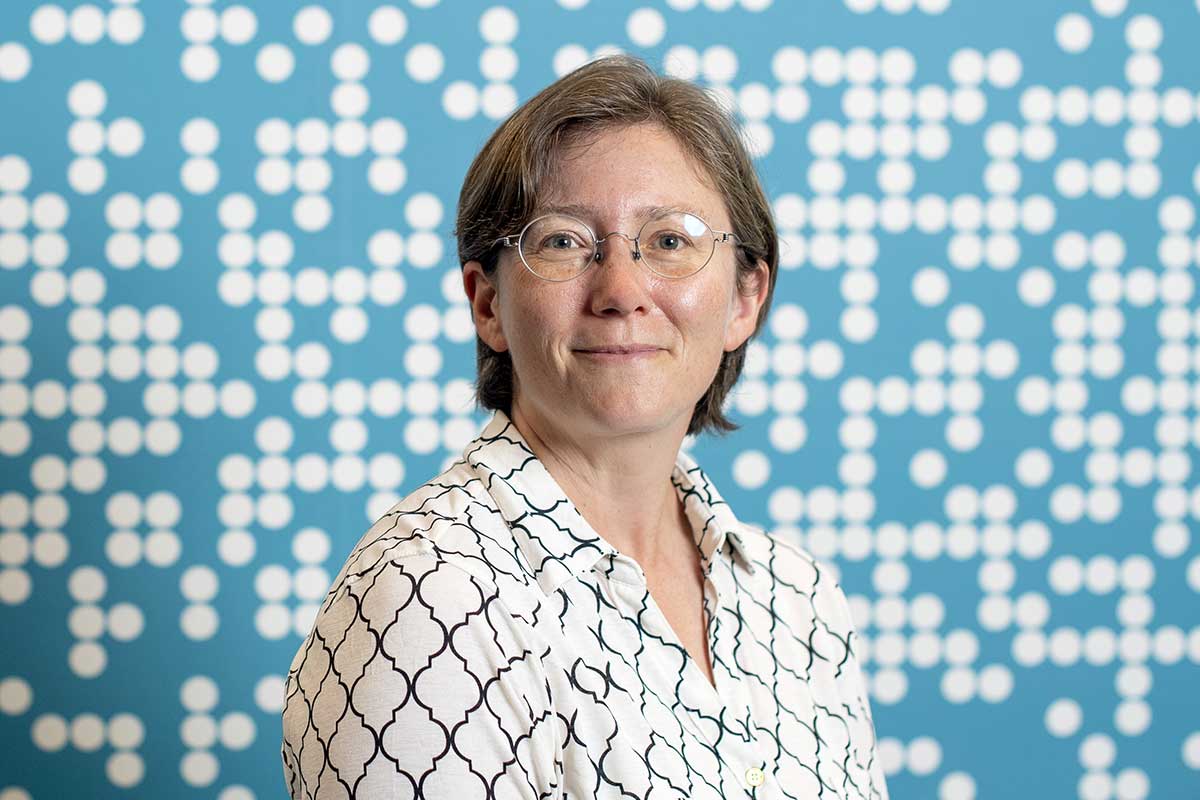
Melanie Tory is a Professor at Northeastern University's Khoury College of Computer Sciences, serving as Professor of the Practice and Director of Data Visualization. Her research focuses on data visualization and human-centered computing, with interdisciplinary applications in healthcare, energy systems, and natural language processing. Her recent work explores the intersection of machine learning and visualization in domains like cardiothoracic care and wind farm optimization. She also investigates conversational interfaces for data visualization, focusing on intent recognition and pragmatic language use in analytical workflows. Key projects include the HEART initiative for real-time medical analytics and schema design for dynamic visualizations. Melanie advises PhD students Carey Barry, Shani Spivak, and Timothy Yim, and contributes to visualization education through research faculty roles. She actively publishes in venues like IEEE PacificVis, addressing challenges in visual utility evaluation, vague command modifiers, and collaborative analysis.
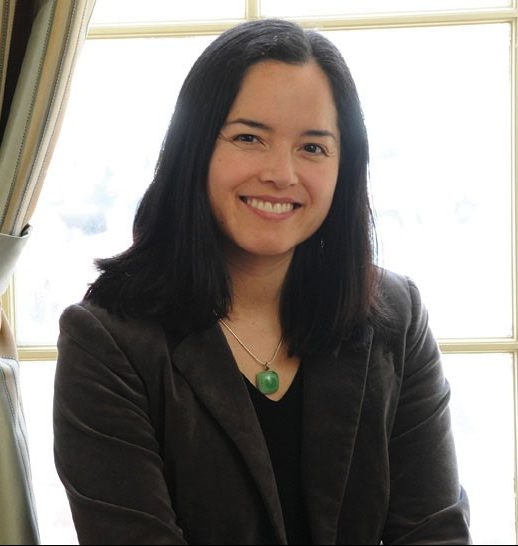
Diane Gilbert-Diamond serves as Professor of Epidemiology, Medicine, and Pediatrics at Dartmouth College's Geisel School of Medicine, with primary appointment in the Department of Epidemiology. Her research program integrates genetic epidemiology and environmental health sciences to investigate developmental origins of child health outcomes, leveraging longitudinal cohort studies and advanced neuroimaging techniques. Her educational trajectory includes an AB in Biology from Dartmouth College (1998) and an ScD in Nutritional Epidemiology from Harvard School of Public Health (2010), followed by a postdoctoral fellowship in Bioinformatics at Geisel before joining the faculty in 2012. Professor Gilbert-Diamond's research centers on gene-environment interactions affecting child health, with dual emphases on in utero environmental exposures (arsenic and Vitamin D impacts on growth and immune function) and genetic susceptibility to obesogenic environments (neurological responses to food advertising, eating behaviors). Her work employs the New Hampshire Birth Cohort Study and fMRI methodologies to uncover biological mechanisms linking environmental factors with developmental trajectories. Her publication record demonstrates consistent focus on early-life determinants of health, spanning environmental toxicology, nutritional sciences, and behavioral genetics. The research portfolio reveals strong thematic continuity in identifying modifiable environmental factors that interact with genetic predispositions to influence obesity risk and developmental outcomes from prenatal stages through adolescence. She directs an active research laboratory funded by multiple NIH and EPA grants including In utero arsenic exposure and early childhood growth , In utero vitamin D exposure and early childhood immune function , and Children’s genetic predisposition to eat without hunger after food advertisements . While specific advisees aren't named, she offers thesis projects on in utero arsenic/Vitamin D exposures and genetic influences on food response, indicating active graduate mentorship. As Course Director for QBS 130: Foundations of Epidemiology, she contributes significantly to medical and graduate education.
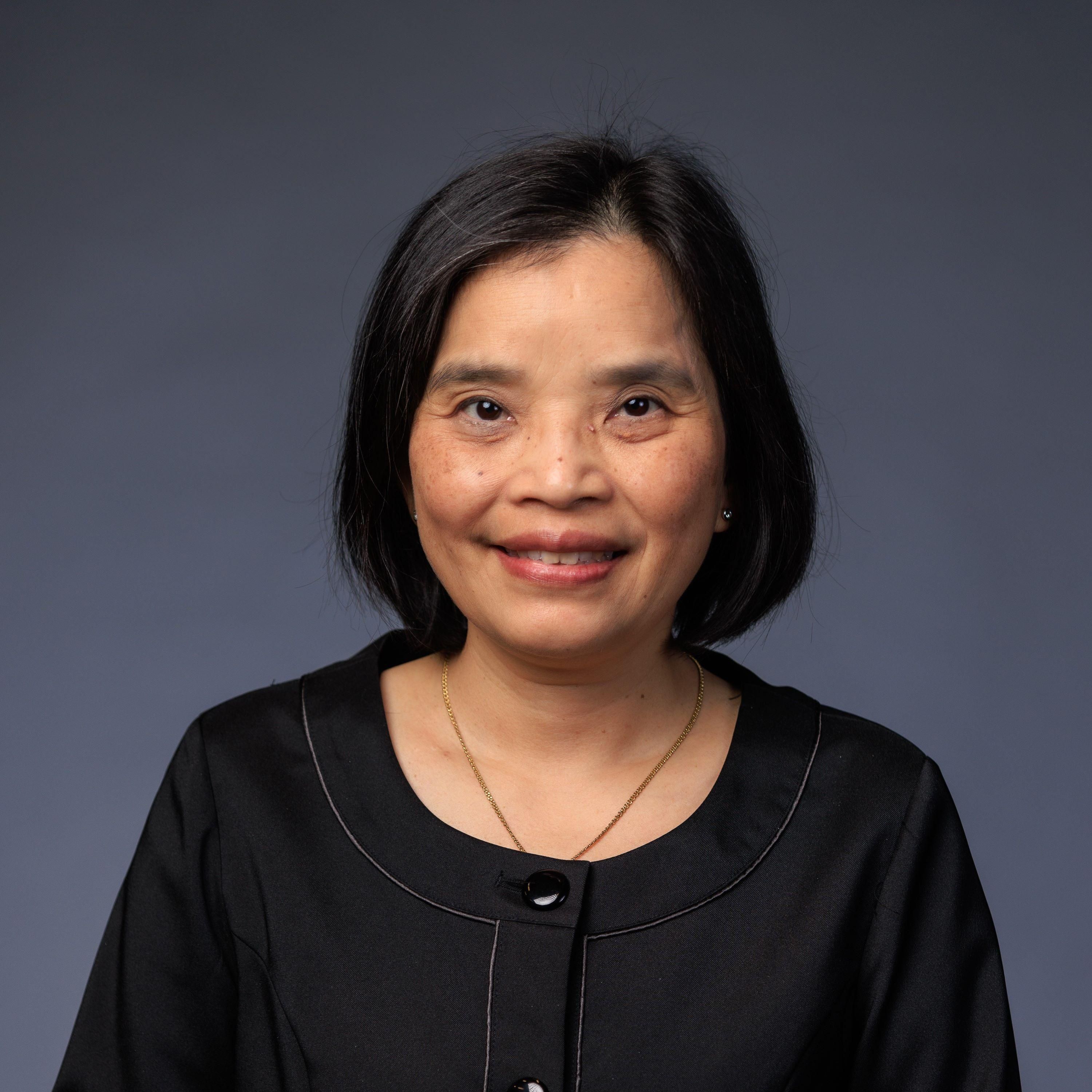
Yi-Ju Li is Professor of Biostatistics & Bioinformatics at Duke University, where she is also a Member of the Duke Molecular Physiology Institute and part of the Division of Integrative Genomics. Her academic journey at Duke includes progression from Assistant Professor to Associate Professor and now to her current position as full Professor since 2021. Professor Li's research focuses on statistical genetics, particularly the development of statistical methods for understanding the genetic predisposition of human complex diseases. Her work encompasses family-based association methods for quantitative traits, detection of X-linked genes for disease risk, analysis of next generation sequencing data for rare variants, and applications in Alzheimer's disease, Fuchs endothelial corneal dystrophy, and peri-operative genomic studies. She has made significant contributions to understanding the genetic basis of age-at-onset of Alzheimer disease and genetic risk factors for postoperative outcomes in patients undergoing cardiac surgery. Her recent publications reveal a strong trend toward translational research with clinical applications, particularly in drug-induced liver injury, cardiovascular outcomes after surgery, and genetic risk factors for various conditions. Her work bridges statistical methodology development with practical applications in multiple disease areas, demonstrating versatility across hepatic, neurological, cardiovascular, and ophthalmological domains. Professor Li serves as Co-Investigator on multiple significant research grants, including the Drug Induced Liver Injury Network Data Coordinating Center (NIH, 2003-2028), Proteomic Biomarkers Predicting Osteoarthritis Onset and Progression (DoD, 2025-2027), and Neurocognition & Greater Maintenance of Sinus Rhythm in AF (NIA, 2021-2026). Her grant portfolio spans multiple funding agencies including NIH, Department of Defense, and various institutes within NIH. She is actively involved in the Duke Center for Statistical Genetics and Genomics, collaborating with researchers across multiple disciplines to advance genomic research methodologies and applications. Her work demonstrates strong interdisciplinary collaboration between biostatistics, medicine, and clinical research teams at Duke University.
Yanbo Tang is a Lecturer (assistant professor) in the Department of Mathematics at Imperial College London, focusing on statistical inference and computational statistics. He earned his PhD (2022), MSc (2016), and BSc (2015) from the University of Toronto and Concordia University, respectively. PhD in Statistics, University of Toronto (2017-2022) MSc in Statistics, University of Toronto (2016) BSc in Actuarial Science, Concordia University (2015) His research spans high-dimensional statistics, computational statistics, statistical genetics, and astrostatistics, with a focus on methods for handling nuisance parameters, adaptive quadrature in Bayesian inference, and approximation techniques like Laplace and saddlepoint methods. His work addresses challenges in reproducibility (P-value behavior) and practical applications in astronomy and genetics. Recent publications highlight trends in high-dimensional statistical theory , Bayesian computational methods , and interdisciplinary applications such as analyzing parental control effects and astrophysical data variability. These works emphasize mathematical rigor and practical utility in complex models. Scientific Awards : NSERC CGS D (2020-2021), NSERC PGS D (2018-2020), Ontario Graduate Scholarship, ISBA Best Student/Postdoc Paper Award (2021), and multiple departmental teaching awards. He supervises MSc and PhD students in statistics and statistical machine learning, emphasizing projects in high-dimensional inference and computational methods. His service roles include organizing workshops and admissions panels, with referee duties for journals like JRSSB and Statistical Sciences.
Clare Davenport is an active Clinical Associate Professor in the Institute of Applied Health Research within the Applied Health Sciences school at the University of Birmingham. With a prolific research career spanning over three decades since 1994, she has produced 105 research outputs and leads multiple significant projects funded by major UK research bodies including NIHR, MRC, and Cancer Research UK. Her research interests center on diagnostic accuracy, systematic reviews, and medical testing methodologies, with particular expertise in ovarian cancer diagnosis, peripartum cardiomyopathy, skin cancer, and direct-to-consumer self-testing. Her work bridges clinical practice and methodological research, focusing on improving diagnostic pathways and decision-making in healthcare settings. Analysis of her 15 most recent publications reveals a strong emphasis on evaluating diagnostic tools and risk prediction models, particularly in women's health and cancer diagnosis. Her research demonstrates consistent methodological rigor with frequent use of systematic reviews, meta-analyses, and large-scale cohort studies. Recent work has increasingly focused on the evaluation of direct-to-consumer testing in the UK healthcare context. CRUK DTCT (Cancer Research UK project, 2024-2025) - Principal Investigator NIHR BRC Theme - Data, Diagnostics & Decision Tools (2022-2027) - Researcher ROCkeTS Study (2014-2026) - Co-Investigator TEST Project (2020-2025) - Researcher APPEAL Programme (2016-2023) - Co-Investigator Her research has garnered significant attention in both academic and public spheres, with several publications being widely covered by news outlets (one paper picked up by 160 news outlets) and discussed across social media platforms. This demonstrates the real-world impact and relevance of her work in shaping healthcare policy and practice.
Luigimaria Borruso is a Tenured Professor at the Faculty of Agricultural, Environmental and Food Sciences at the Free University of Bolzano. Their research focuses on soil and molecular ecology, microbial communities in agro-ecosystems, and environmental DNA (eDNA) applications for biodiversity conservation. University: Free University of Bolzano School: Faculty of Agricultural, Environmental and Food Sciences Email: luigimaria.borruso@unibz.it Research Interests: Soil and molecular ecology Plant-fungal/bacterial-soil interactions (Agro)-ecological networks in apple orchards and vineyards Soil quality indicators Agroecology Environmental DNA (eDNA) in soil biodiversity conservation Science education for soil literacy Recent Publications Trends: Recent works explore microplastics in soil systems, biochar-microbe partnerships for crop growth, microbial dynamics in extreme environments (volcanoes, Antarctica), and applications of metabarcoding in conservation biology (lemurs, bats). They also investigate sustainable agricultural practices, including living labs and soil enzyme analysis via machine learning. Courses Taught: General Chemistry and Biochemistry at the bachelor's level, and advanced topics like Soil Ecology, Statistical Methods for Agricultural Research, and Soil Protection in master's programs.
Dr. Steven M. Carr is Professor of Biology at Memorial University of Newfoundland with a cross-appointment in Population Genetics to the Faculty of Medicine and affiliations with the Department of Computer Science. His research laboratory focuses on molecular and genome evolution within vertebrate species, with particular expertise in phylogeographic analysis using complete mitochondrial DNA genomes. Dr. Carr earned his BSc in Biology from California Polytechnic State University (1975), followed by a CPhil (1978) and PhD (1983) in Genetics from the University of California, Berkeley. His research methodology combines traditional molecular genetics with computational approaches, including Monte Carlo simulations and neural network analysis of genomic data. His primary research areas include: phylogeographic genomics of fisheries and wildlife populations (Atlantic Cod, Wolffish, Harp Seals, Newfoundland Caribou); biogeographic evolution of cods and pollocks; population genomic structure of Newfoundland's founding human populations; and development of novel biotechnologies including DNA sequencing microarrays. His work bridges evolutionary biology, conservation genetics, and computational genomics. Analysis of Dr. Carr's publication record reveals a clear progression from traditional phylogeographic studies toward increasingly sophisticated genomic analyses incorporating machine learning techniques. His recent work on honey bee evolution challenges established hypotheses about their biogeographic origins, while his research on ancient DNA lineages connects Newfoundland's Indigenous history with contemporary populations. Genome Editor's Choice Award, April 2020 Genome Editor's Choice Award, August 2018 Dr. Carr has successfully mentored numerous graduate students through PhD, MSc, and honors thesis programs, with research topics spanning conservation genetics, population genomics, and computational biology. His teaching portfolio includes Principles of Genetics (Biol 2250), Advanced Genetics (Biol 4241), Principles of Biotechnology (Biol 3950), and Evolutionary Genetics (Biol 4250), where he integrates theoretical concepts with practical genomic applications. The Carr Lab operates at the intersection of biology, computer science, and statistics, maintaining active collaborations with fisheries scientists, wildlife biologists, and medical researchers to address complex questions in evolutionary genomics and conservation biology.
Prof. Dr. med. Frederik Trinkmann serves as Head of the Asthma Outpatient Clinic and Managing Senior Physician in Pneumology and Respiratory Medicine at Thoraxklinik Heidelberg. He holds academic appointments at Universitätsmedizin Mannheim and Universität Heidelberg, where he leads pulmonary research initiatives. His research spans Internal Medicine , Pulmonology , and Respiratory Medicine , with a focus on Small airway dysfunction in asthma/COPD Cardiopulmonary risk in chronic lung diseases Smoking-related respiratory effects Post-COVID lung sequelae Bioinformatics in pulmonary diagnostics His work has been recognized with multiple scientific awards, including the Kurt und Erika Palm-Stiftung Science Prize (2nd Place) and DGIM Poster Award . Key publications highlight trends in Advanced oscillometry for small airway assessment Sex-specific differences in weaning outcomes Real-world effectiveness of triple inhalation therapies Cytokine profiling in respiratory inflammation Machine learning for lung function diagnostics He actively contributes to clinical guidelines including the Ers-Deutschland S2k-Leitlinie for cough diagnosis . Scientific Collaborations: Principal Investigator, German Center for Lung Research (DZL) Leadership, Translational Research Section at Universitätsmedizin Mannheim Cooperation with European Respiratory Society (ERS)
Caroline Mitchell, MD, MPH is an Associate Professor of Obstetrics, Gynecology and Reproductive Biology at Harvard Medical School and a faculty member in the Vincent Center for Reproductive Biology at Massachusetts General Hospital. She serves as the Director of the Vulvovaginal Disorders Program at MGH, where she sees patients with complex vulvovaginal disorders and recurrent vaginal infections. Dr. Mitchell's research focuses on the vaginal microbiome's role in women's reproductive health. Dr. Mitchell earned her undergraduate degree from Harvard College with a concentration in Women's Studies, followed by two years in the Peace Corps in Southern Africa as a high school science teacher. She completed medical school at Harvard Medical School and her OB/GYN residency training along with an MPH at the University of Washington in Seattle. After seven years on faculty at the University of Washington, she returned to Boston and Massachusetts General Hospital in 2014. Dr. Mitchell's research centers on understanding how vaginal microbes influence reproductive health and disease. Her lab conducts clinical studies, translational analyses, and bench experiments to identify key pathways in host-microbe interactions. The lab's work includes multiple ongoing clinical trials such as MOTIF (Modifying Organisms Transvaginally in Females), VIBRANT, THRIVE, and RituxiVag, focusing on vaginal microbiome transplants, HPV persistence, and the relationship between vaginal immunity and microbiome. Analysis of Dr. Mitchell's recent publications reveals a strong focus on the vaginal microbiome's role in women's health across different life stages. Her work spans basic science investigations of host-microbe interactions, clinical trials of microbiome-based therapies, and epidemiological studies of vaginal health conditions. Key themes include bacterial vaginosis, menopausal vaginal health, HPV persistence, and the development of novel microbiome-based interventions. Dr. Mitchell has received significant research funding from prestigious organizations including the NIH, Doris Duke Foundation, Bill & Melinda Gates Foundation, American Association of Obstetricians & Gynecologists Fund, and the MGH Claflin Award. She is an active member of the Vaginal Microbiome Research Consortium. Dr. Mitchell leads the Mitchell Lab, which includes several researchers working on various aspects of vaginal microbiome research. Her lab maintains close collaborations with the Kwon Lab at the Ragon Institute and participates in the MsFlash menopause research network. The lab's work bridges basic science, clinical research, and patient care to develop novel interventions for improving women's reproductive health.
Liisa Holm is a Professor at the Institute of Biotechnology, University of Helsinki, and a supervisor in the Doctoral Programme in Integrative Life Science. Her research focuses on computational genomics, structural bioinformatics, and protein function prediction. Research Interests : Computational biology, protein structure analysis, machine learning applications in genomics Key Projects : HiLIFE Grand Challenge (antimicrobial resistance), burn wound infection metagenomics, protein structural aging studies Recent Trends : Holm's work spans protein structure comparison (DALI algorithm), pan-genome analysis of protein crops (faba bean), and aging-related structural changes in proteins. She also contributes to AI-driven advancements in structural biology. Scientific Awards : 2024 Nobel Prize in Chemistry (for AI-driven protein research) Leadership Roles : Project leader for Academy of Finland grants, member of international scientific committees
Addie M. Thompson is an Assistant Professor at Michigan State University, affiliated with the Plant Resilience Institute, Genetics & Genome Sciences Program, and Molecular Plant Sciences Program. Her research focuses on maize and sorghum genetics, phenomics, and environmental response, with agricultural applications in drought tolerance and climate resilience. Degrees: B.S. from Iowa State University, Ph.D. and postdoc from University of Minnesota, postdoc from Purdue University Research Focus: Thompson's lab investigates genotype-environment interactions in maize and sorghum, integrating quantitative genetics, phenomics, and modeling to address agriculturally relevant questions. Key areas include drought stress response, plant morphology, high-throughput phenotyping, and computational breeding tools. Publication Trends: Her recent work spans maize/sorghum comparative genomics, hyperspectral disease detection, climate-resilient breeding strategies, and computational tools for multi-objective breeding optimization. Grants & Projects: Thompson contributes to USDA-funded corn tar spot resistance research and a $2.7 million Department of Energy project on plant genetics. Laboratory: The Thompson Maize Lab develops digital phenotyping technologies and physiological models for crop improvement.
Muhammet Bayraktar serves as a Lecturer in the Department of Internal Medical Sciences and Department of Public Health at the Faculty of Medicine, Niğde Ömer Halisdemir University, where he has been employed since 2020 and previously served as Head of Department from 2020-2021. His academic credentials include: Doctorate in Public Health from Erciyes University (2013-2019), thesis: "Evaluation of the accuracy of information in death certificates in Niğde province" Licence in Medicine from Kahramanmaraş Sütçü İmam University (1999-2008) Dr. Bayraktar's research program demonstrates exceptional breadth across public health disciplines, with particular emphasis on geriatric care interventions, child protection systems, and pandemic response strategies. His innovative work on acupressure therapy for elderly patients represents a significant contribution to non-pharmacological approaches in geriatric medicine. His research consistently addresses practical public health challenges in the Turkish healthcare context through rigorous scientific methodology. Analysis of his publication record reveals a strategic evolution toward interdisciplinary research connecting clinical medicine with social determinants of health. Since 2020, his work has increasingly focused on pandemic-related challenges while maintaining his foundational research in hematology and child protection. His publications span high-impact journals across multiple specialties, demonstrating academic versatility and relevance to contemporary health challenges. Dr. Bayraktar has secured significant research funding including: "The Effect of Acupressure Applied to the Elderly on Constipation Symptoms and Quality of Life" (2021-2022), supported by Higher Education Institutions "Evaluation of the Effects of Acupressure on Neuropathic Symptoms, Balance Confidence, Fear of Falling, and Quality of Life in Elderly Individuals with Painful Diabetic Peripheral Neuropathy" (2025-), a TÜBİTAK 3501 project He has successfully supervised doctoral candidates including Tuğba Aydemir (research on acupressure for elderly constipation) and Rifat Güveli (research on nomophobia and mental health in adults), demonstrating commitment to the next generation of public health researchers.