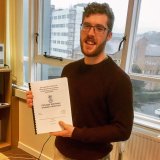
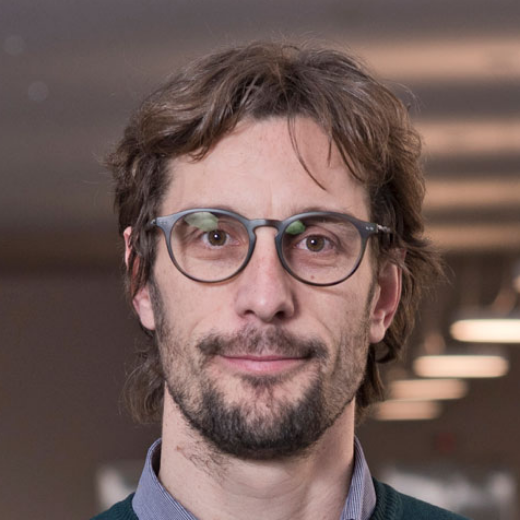
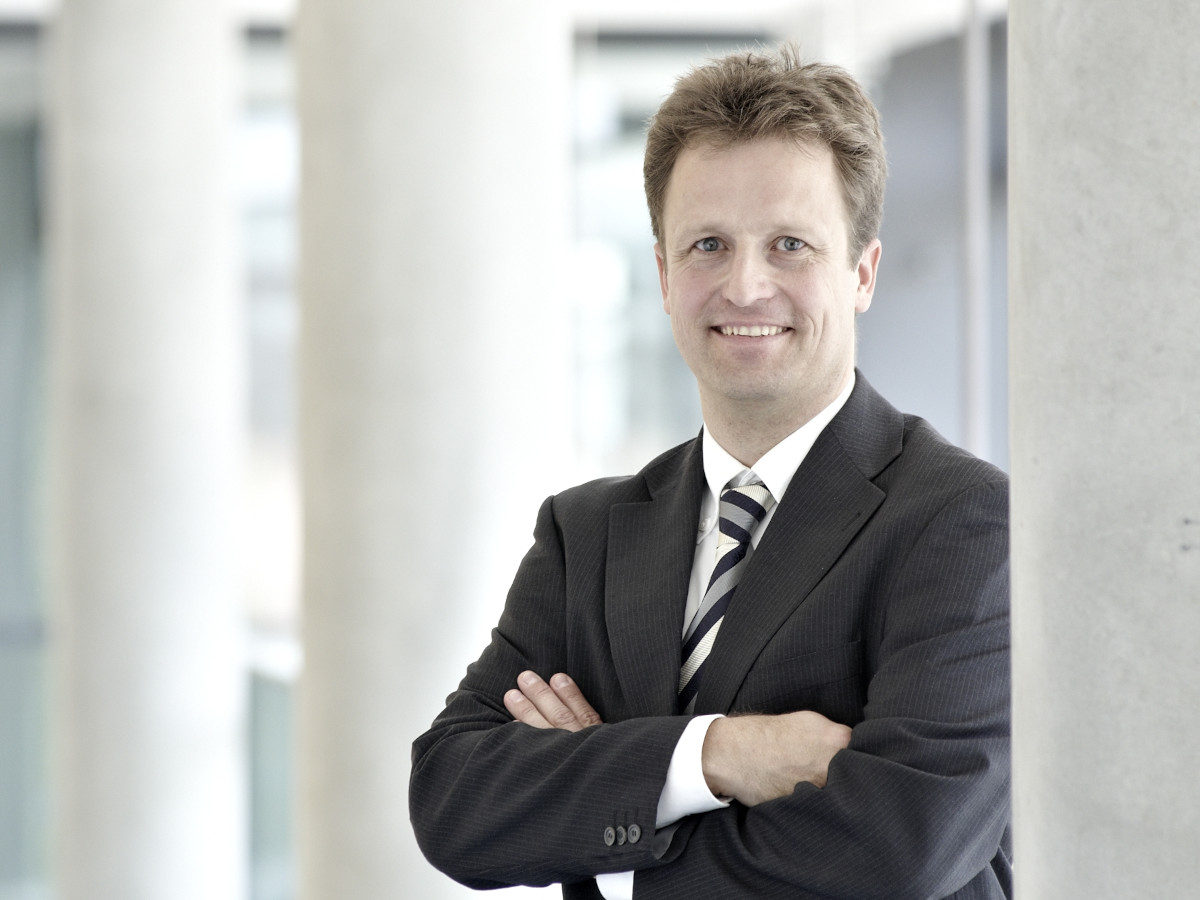
Rolf Vegar Olsen is a Professor at the Centre for Educational Measurement (CEMO) at the University of Oslo . His research focuses on educational measurement, international large-scale assessments (e.g., PISA, TIMSS), school effectiveness, teacher evaluation, and educational policy. He has published extensively on topics such as academic resilience, numeracy development, and the impact of school leadership. Current projects include A scale for numeracy (PhD project) , Linking Instruction and Student Achievement (LISA) , and The Evaluation of the New National Curriculum (EVA2020) . Research Trends : Olsen’s recent work examines resource allocation in education, cross-national performance disparities, and the role of leadership in instructional quality. His publications highlight challenges in educational equity and the importance of data-driven policy decisions.
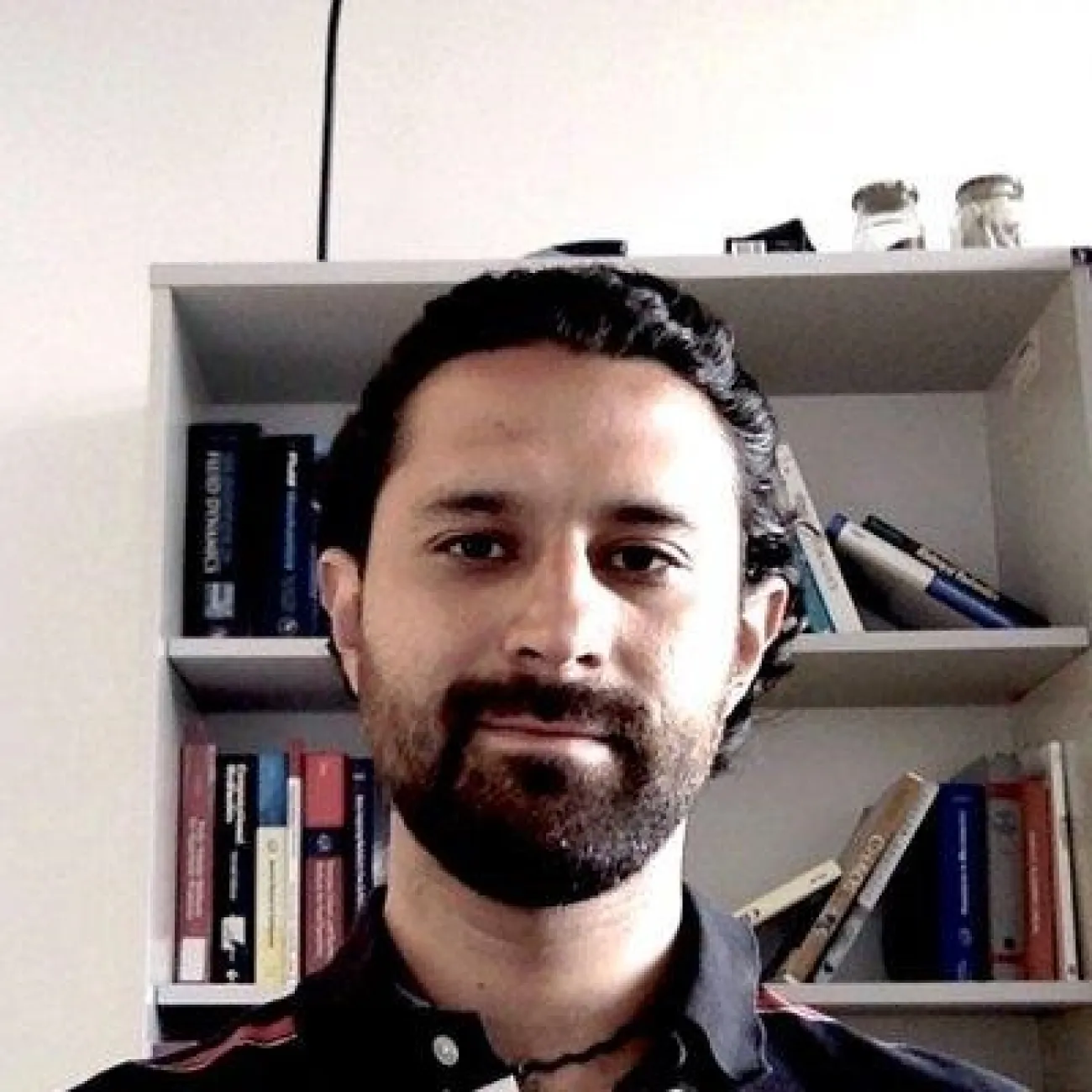
Dr Sergio Maldonado is a researcher at the University of Southampton 's Faculty of Engineering and Physical Sciences , specializing in Environmental Fluid Mechanics and Hydraulics . He leads modules including Environmental Hydraulics and Flood Modelling and Mitigation while supervising PhD students in topics spanning sediment transport, coastal morphodynamics, and fluid-algae interactions. Education: PhD (Environmental Fluid Mechanics, University of Edinburgh), MSc (Hydraulic Engineering, UNAM), BSc (Mechanical Engineering, Tecnológico de Monterrey) Research Focus: His work addresses fundamental aspects of environmental hydraulics, with applications in: Sediment transport mechanics in open channels Coastal and river morphodynamics Fluid dynamics of algae systems Machine Learning for computational hydraulics Experimental fluid mechanics innovations Recent Publications demonstrate expertise in morphodynamic simulations, temperature measurement techniques, and physics-informed neural networks for shallow water equations. He actively supervises PhD students and contributes to interdisciplinary coastal risk reduction research.
Linda Forssman is an Associate Professor and researcher in developmental psychology at Uppsala University's Department of Psychology, Division of Developmental Psychology. She works at the Uppsala Child & BabyLab, where she conducts research on how young children perceive and interact with their world, and how different experiences shape the development of cognitive, social and linguistic skills during early childhood. Dr. Forssman's research focuses on developmental psychology with particular emphasis on early language acquisition, cognitive development, social development, and infant cognition. Her work explores how various experiences shape children's development across multiple domains, with special attention to vulnerable populations and intervention strategies. She employs methodologies including eye-tracking, longitudinal studies, and randomized controlled trials to investigate fundamental developmental processes. Her recent publications show strong trends in cross-cultural developmental research, early language intervention, social cognition in infants, and the impact of socioeconomic factors on child development. Her work spans multiple methodologies from laboratory experiments to field studies in diverse cultural contexts, including research conducted in rural Malawi. Dr. Forssman has secured significant research funding as Principal Investigator and Co-Investigator on numerous projects. Her major grants include: Promoting Children's Early Language Development in Socioeconomic Disadvantaged Areas (PI, Marcus and Amalia Wallenberg Foundation, €312,200, 2025-2029) How does preschool quality relate to children's learning outcomes? (PI, Swedish Institute for Educational Research, €454,000, 2022-2024) The Impact of Book-Sharing on Infant Language and Cognition (PI, Riksbankens Jubileumsfond, €362,000, 2019-2022) Nordic evidence based high quality early childhood education and care research network (Co-I, Swedish Research Council, €102,500, 2023-2026) She is actively involved with the Uppsala Child & BabyLab, a research environment focused on infant and child development using advanced methodologies including eye-tracking. Her work bridges basic developmental research with practical applications for early childhood education and intervention programs, particularly those targeting children in socioeconomically disadvantaged areas.
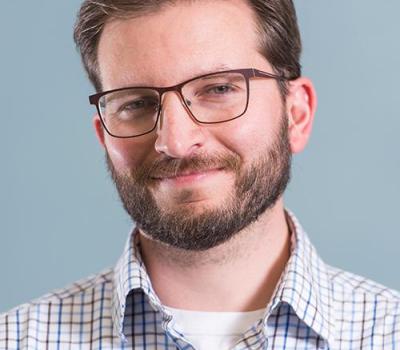
Thomas J. Sharpton is a Professor in the Department of Microbiology and Department of Statistics at Oregon State University's College of Engineering. His research focuses on understanding the gut microbiome's role in health, ecology, and evolution through interdisciplinary approaches that combine computational, experimental, and analytical methods. Dr. Sharpton earned his Ph.D. from the University of California, Berkeley and his B.A. from Oregon State University in 2003. His educational background provides a strong foundation for his interdisciplinary research at the intersection of microbiology, statistics, and computational biology. Sharpton's research program centers on three interconnected areas: the microbiome's connection to health and behavior, the impact of exogenous factors on the gut microbiome, and the link between the gut microbiome and vertebrate ecology and evolution. His lab employs systems biology approaches to measure microbiome features and statistically model data to identify those linked to health. They also develop zebrafish as an experimental model to study environmental impacts on the microbiome and explore evolutionary connections across vertebrate species. Analysis of Dr. Sharpton's recent publications reveals a strong focus on using zebrafish models to investigate microbiome-environment interactions, particularly regarding climate change, toxicant exposure, and nutritional impacts. His work increasingly emphasizes computational approaches, including statistical modeling of microbiome data and multi-omics integration. The research spans human health applications, environmental impacts, and evolutionary perspectives on host-microbiome relationships. Dr. Sharpton's work is generously supported by major funding agencies including the National Institutes of Health, the National Science Foundation, and the United States Food and Drug Administration, along with the Morris Animal Foundation and the Oregon Agricultural Research Foundation. The Sharpton Lab manages the Microbiome Core Facility at OSU, which provides services for microbiome data generation and analysis. They value interdisciplinary collaborations, commercial partnerships, and open science practices, developing open-source software and offering training workshops in microbiome data analytics. The lab has processed thousands of samples spanning human, mice, and zebrafish associated microbiomes.
Dr. Susanna Berkouwer is an Assistant Professor of Business Economics & Public Policy at the Wharton School, University of Pennsylvania. She focuses on the economics of energy and environmental policy in developing countries, with a particular emphasis on energy efficiency, grid reliability, and climate adaptation strategies. Faculty Research Fellow, National Bureau for Economic Research Coase Project Fellow Penn Environmental Innovations Initiative Fellow J-PAL and BREAD Affiliate Her educational background includes a Ph.D. in Economics from UC Berkeley (Energy Institute at Haas), an MA in International and Development Economics from Yale University, and a BSc in Statistics from University College London. Recent research highlights include analyzing transient air pollution exposure in clean cooking transitions, optimizing donor contracting for electrification projects, and addressing voltage quality improvements in Ghana's energy infrastructure. She explores behavioral economics in energy technology adoption and political economy dimensions of electrification in Kenya. Scientific recognition includes NBER affiliation and contributions to energy policy innovation. She previously held research roles at Harvard's EPoD and worked in international trade finance across London, Johannesburg, and Nairobi.
Feng Chen is a Clinical Associate Professor at the Marshall School of Business, University of Southern California, affiliated with the Department of Data Sciences and Operations. She teaches courses in operations management and data analytics for decision-making, with a Ph.D. in Business Administration from USC. Education: Ph.D. in Business Administration from University of Southern California Her research focuses on process analysis , supply chain analytics , and behavioral operations decision-making . She has designed and instructed advanced courses on business analytics, statistics, and operations optimization. Recent publications demonstrate expertise in atmospheric data assimilation , satellite meteorology , and weather system modeling . Key methodologies include multi-sensor integration, cloud-dependent observation-error modeling, and numerical prediction systems for tropical weather phenomena. Contact: fchen@marshall.usc.edu | Phone: 213-740-6319
Guohui Zhang is a Professor of Civil, Environmental and Construction Engineering at the University of Hawaii, where he has served since 2016, progressing from Assistant Professor (2016-2018) to Associate Professor (2018-2022) before attaining his current rank in 2022. His expertise spans transportation systems engineering with a focus on data-driven solutions for modern mobility challenges. His educational foundation includes: Ph.D. in Civil Engineering, University of Washington, Seattle (2008) M.S. in Systems Engineering, Tsinghua University, China (2003) B.S. in Control Engineering, Harbin Institute of Technology, China (2000) Professor Zhang's research integrates advanced computational methods with transportation theory across six core domains: Large-Scale Transportation Systems Modeling, Traffic Control and Operations, Sensor Data Analysis, Cyber-Transportation Security, Congestion Pricing, and Safety/Security systems. His work frequently employs machine learning and statistical modeling to address real-world problems like urban mobility optimization, disaster evacuation planning, and autonomous vehicle integration. Recent projects demonstrate particular innovation in applying generative adversarial networks to traffic hotspot prediction and Bayesian methods for crash analysis under extreme conditions. Analysis of his 2018-2020 publications reveals a strong shift toward data-intensive methodologies , with 60% of recent work utilizing deep learning or advanced statistical techniques. Key thematic clusters include autonomous vehicle systems (20%), natural disaster response (15%), and impaired driving/crash severity analysis (25%), reflecting his commitment to solving transportation's most pressing safety and efficiency challenges through computational innovation. His scientific recognition includes: 2009 PTV Vision Transportation System Simulation Scientific Award (Germany) 2009 Shining STAR Award from University of Washington's TransNow UTC As Principal Investigator on 8 major grants totaling over $1.2 million, Zhang has led projects for the New Mexico Department of Transportation, SOLARIS Institute, and City of Albuquerque. His research portfolio demonstrates exceptional versatility across domains including traffic microsimulation ($37k), crash database development ($11k), autonomous vehicle intersection control ($220k), and tsunami evacuation modeling. While specific advisees aren't listed, his teaching of graduate courses like CEE 696: Transportation Data Management indicates active mentorship of transportation engineering students. Professional leadership includes Guest Editor roles for IEEE Intelligent Transportation Systems Magazine and Transportation Research Part C , plus active committee service with the Transportation Research Board.
Dr. Aneurin "Nye" Grant is a Professor in the Department of Civil Engineering and Construction Management at the University of West Florida , where he has taught since 2010. His research focuses on Sustainable Construction , Life Cycle Assessment (LCA) , Water Conservation , and Construction Safety , with publications in journals such as Building Research and Information and Safety Science . He integrates project-based learning and field experiences into his courses. Bachelor's Degree in Social Ecology (University of California Irvine) Master’s in Urban and Regional Planning (University of Florida, 2003) Ph.D. in Construction Management (University of Florida, 2010) Dr. Grant’s research spans Urban Metabolism , Rudimentary Structures , and Alternative Building Materials , emphasizing practical applications in Developing World Building Technologies and Rapid Manufacturing. His recent publications analyze hurricane resilience, 3D-printed materials, and passive energy-efficient building strategies. He has presented at conferences like the Southern Political Science Association and CIB W099 International Conference , and his work has been featured in peer-reviewed journals including the Journal of Industrial Ecology and Water Science and Technology .
Dr. C. Hendricks Brown is a Professor at Northwestern University's Feinberg School of Medicine with joint appointments in the Departments of Psychiatry and Behavioral Sciences, Preventive Medicine, and Medical Social Sciences. He holds adjunct positions at Johns Hopkins Bloomberg School of Public Health and a courtesy professorship at the University of Miami's Miller School of Medicine. Education: PhD in Social Sciences from the University of Chicago (1981) Dr. Brown's work focuses on developing innovative methodologies in implementation science and prevention research, including generalized behavioral intervention frameworks, mediational analyses, and implementation trial designs. His research spans HIV prevention, drug abuse prevention, suicide prevention, violence reduction, and addressing health disparities through scientific equity frameworks. His recent publications emphasize implementation strategies, pragmatic trial designs, and sustainability assessment of preventive interventions. He cochaired the National Academy of Sciences Forum on Children's Well-Being and serves on multiple federal advisory panels. Scientific Awards: Fellow, Society for Prevention Research (2014) Rema Lapouse Award, APHA (2004) President's Award, SPR (2002) Friend of Early Career Preventionists, SPR (2001)
Liam Kelleher is a Research Fellow at Swansea University's College of Science, specializing in microplastic pollution and clinical tool development . His work bridges environmental science and health research through advanced spectroscopic techniques . Education : BSc Physics with Nanotechnology (1.1), Swansea University (2015) PhD (Centre for Nanohealth, Swansea University) Research Interests focus on environmental microplastic dynamics, including hydrological drivers , sensor development , and clinical applications of photobiomodulation for traumatic brain injury. His projects span from Arctic monitoring to neurodegenerative disease mechanisms. Recent Projects include POLARSENSE: Polar Online Airborne Nano/Microplastic Sensing (Principal Investigator) The Plastic Brain: Micro/Nanoplastics in Cerebrospinal Fluid (Principal Investigator) ADAPT: Photobiomodulation Device for TBI (Co-Investigator)
Damiano Zanotelli serves as Professor at the Free University of Bozen-Bolzano's Faculty of Agricultural, Environmental and Food Sciences, where he conducts pioneering research on climate change adaptation in mountain agriculture. His work bridges fundamental plant science with practical solutions for sustainable food production in Alpine regions, with particular emphasis on water management and fruit tree resilience. His research portfolio centers on: Physiological responses of apple and grapevines to heatwaves and drought stress Evapotranspiration dynamics and precision irrigation systems in mountain orchards Carbon sequestration mechanisms in vineyard and orchard ecosystems Soil-plant-atmosphere interactions under climate extremes Sustainable management of mountain crop ecosystems Analysis of his 15 most recent publications (2023-2025) reveals a dominant focus on climate stressors, with 80% addressing water relations during heat events. His methodology combines isotopic tracing, multi-sensor monitoring, and computational modeling to develop practical irrigation strategies. A distinctive trend is the integration of physiological measurements (sap flow, chlorophyll fluorescence) with ecosystem-level carbon flux analysis, particularly in Italian Alpine vineyards and apple orchards. No scientific awards were documented in the available materials. Professor Zanotelli teaches six courses across bachelor's, master's, and doctoral programs including Sustainable Management of the Mountain Environment and Statistical Methods for Agricultural Research. He leads an active research group focused on water management systems for apple cultivation, as highlighted in university news regarding efficient irrigation solutions for South Tyrolean apple production. His team employs field experiments, sensor networks, and modeling approaches to optimize water use while maintaining productivity under climate change.
Prof. Dr. Hendrik Scholz is a Professor at the Friedrich-Alexander University Erlangen-Nuremberg (FAU) , holding the Chair of Business Administration with a focus on Finance and Banking. His research spans portfolio management, performance analysis of investment funds, ESG (Environmental, Social, Governance) metrics, and capital market-oriented financial strategies. Education: University of Göttingen, Colorado College Academic Career: Habilitation at KU Eichstätt-Ingolstadt (2007), Senior Academic Councilor (2008–2009) Key research trends include ESG integration, sustainable indices, currency-hedged funds, and corporate credit spread analysis. His work combines empirical methods with machine learning, addressing market anomalies and risk management. Recent publications focus on diversity in corporate boards, fund flow dynamics, and ESG rating impacts. Collaborations with researchers like Greger, Hübel, and Webersinke highlight interdisciplinary approaches.
Dr. Polly Smith is a research-focused academic affiliated with the Department of Mathematics and Statistics at the University of Reading, within the School of Mathematical, Physical and Computational Sciences. She has been actively publishing since 2007, with a strong emphasis on data assimilation techniques applied to environmental and geophysical systems. Her research interests center on data assimilation , parameter estimation , and model predictability in complex dynamical systems. These include sea-ice models, fluvial inundation forecasting, morphodynamic modeling of coastal systems, and strongly coupled atmosphere-ocean models. Her work combines advanced numerical methods with real-world environmental data to improve forecasting accuracy and model reliability. The recent publications show a trend toward interdisciplinary applications, integrating satellite remote sensing, image-based monitoring, and hybrid variational-ensemble data assimilation methods. Her work spans climate science, hydrology, and coastal engineering, demonstrating a consistent focus on improving predictive capabilities in Earth system modeling. Scientific Awards: No awards explicitly mentioned in the provided text. Dr. Smith has collaborated extensively with leading researchers such as Sarah L. Dance, Nancy K. Nichols, and Andrew S. Lawless. While no formal students or advising roles are listed, her frequent first-author status and technical reports suggest a leadership role in research projects. There is no mention of specific grants, but her work aligns with major environmental modeling initiatives. She has contributed to both peer-reviewed journals and conference proceedings, including the International Conference on Coastal Engineering. Dr. Smith's research is supported by the computational and mathematical infrastructure at the University of Reading. Her work is part of a larger effort in environmental prediction, likely involving collaborations within the university’s meteorology and climate research groups. While no dedicated lab is named, her research falls within the scope of data-driven environmental modeling teams at Reading.
Professor Katrin Meissner serves as Director of the Climate Change Research Centre at the University of New South Wales and is an Associate Investigator of the Australian Research Council's Centre of Excellence for Climate Extremes. Her research employs Earth System Climate Models and paleoclimate records to investigate abrupt climate change events, thresholds, and feedback mechanisms in the climate system, with particular emphasis on terrestrial biogeochemical cycles and ocean circulation dynamics. Research interests focus on: Dynamics of abrupt climate transitions and tipping points Interactions between ocean circulation and carbon cycling Paleoclimate reconstruction using model-data synthesis Impacts of Southern Ocean processes on global climate Biogeochemical feedbacks in warming and cooling scenarios Publications demonstrate consistent focus on paleoclimate modeling, particularly Last Interglacial and glacial termination dynamics, Southern Ocean processes, ice-sheet interactions, and carbon cycle feedbacks. Recent work expands into climate health impacts, including extreme heat mortality and air pollution effects on birth outcomes. Scientific awards include: Multiple ARC Discovery Grants (2013-2025) UNSW Science Goldstar & Silverstar Awards ARC Future Fellowship (Level II) NSERC Accelerator and Discovery Grants CFCAS Targeted Project Grant Leads the Climate Change Research Centre, coordinating interdisciplinary climate research. Manages significant grant portfolios and collaborates internationally on model intercomparison projects (e.g., CMIP6-PMIP4). Current work investigates Eocene climate dynamics, ocean deoxygenation, and climate-health interactions using high-resolution modeling approaches.
Dr. Karol Tylmann is an Assistant Professor in the Department of Geomorphology and Quaternary Geology at the University of Gdańsk's Faculty of Oceanography and Geography. He leads research at the Laboratory of Geomorphological Reconstructions, focusing on the dynamics of Pleistocene ice sheets and landscape evolution in Northern Europe. His research integrates glacial geomorphology , Quaternary stratigraphy , and geochronological methods (e.g., cosmogenic nuclide dating, gamma-ray spectrometry) to reconstruct deglaciation patterns, ice-marginal processes, and sedimentary environments across Poland and the Baltic region. Key themes include: Ice sheet behavior during the Last Glacial Maximum and Younger Dryas Subglacial deformation mechanisms Coastal and fluvial responses to climatic shifts Geoheritage conservation in postglacial landscapes Recent publications (2018–2023) demonstrate a methodological emphasis on high-resolution geospatial analysis (LiDAR, object-based image processing), advanced dating techniques (10Be exposure, Bayesian modeling), and sedimentological diagnostics . Predominant research clusters include glacial landform mapping, deglaciation chronology, and geomorphic responses to paleoenvironmental change. Dr. Tylmann contributes to geotourism initiatives by evaluating the educational value of Poland's glacial landscapes. He maintains no listed research grants, awards, or supervised students in the available data.