Allison Ross Eckard, MD is Professor in the Departments of Pediatrics and Medicine at the Medical University of South Carolina (MUSC) College of Medicine, serving as Division Chief for Pediatric Infectious Diseases and Director of MUSC's Ryan White Pediatric HIV Clinic and HIV Transition Clinic. She maintains an adjunct faculty position at Emory University and holds board certification in Pediatrics and Pediatric Infectious Diseases. Her primary research focuses on metabolic, cardiovascular, and nutritional complications of chronic HIV and antiretroviral therapy across age groups, with emphasis on inflammation's role in comorbidities like cardiovascular disease and bone disorders. Current investigations include NIH R01-funded research on interventions for weight gain and abdominal fat in HIV, vitamin D supplementation, and statin therapy. She has published nearly 60 peer-reviewed papers on HIV pathogenesis and treatment optimization. Dr. Eckard co-chairs the DHHS panel for Guidelines for the Prevention and Treatment of Opportunistic Infections in HIV-Exposed and HIV-Infected Children and serves on the DHHS panel for Guidelines for the Use of Antiretroviral Agents in Adults and Adolescents with HIV . Her clinical work specializes in comprehensive HIV care for children through young adults, with particular focus on adolescent/young adult transition issues and global health initiatives through Lespwa Timoun in Haiti. Recent efforts include developing COVID-19 treatment guidelines for children and school safety protocols. HIV Specialist certification (American Academy of HIV Medicine) Fellow, Infectious Diseases Society of America Fellow, Pediatric Infectious Diseases Society Fellow, HIV Medical Association Member, HIV Medical Association's 'Ending the HIV Epidemic' working group She leads MUSC's HIV education initiatives and serves as inpatient consultant for pediatric infectious diseases, with advanced training in tropical medicine. Her NIH-funded research examines targeted interventions to minimize comorbidity development in HIV, while her clinical leadership spans the Ryan White HIV program, transition clinics, and global health partnerships.
Dr. Nivee Pradip Amin serves as Clinical Assistant Professor of Medicine at Weill Cornell Medical College and Assistant Attending Physician at NewYork-Presbyterian Hospital, holding leadership roles as Associate Director for Consultative Cardiology and Director of the Women's Heart Program & Preventive Cardiology. Her clinical expertise spans general cardiology, preventive cardiology, and echocardiography with focus on high-risk cardiovascular prevention. Her educational credentials include: B.A., B.S. in International Studies and Business from University of Pennsylvania (2002) M.D. from Johns Hopkins University School of Medicine (2007) M.H.S. in Clinical Investigation from Johns Hopkins Bloomberg School of Public Health (2013) Research centers on sex-based disparities in cardiovascular outcomes, women's heart health across the lifespan, and preventive strategies for coronary/valvular disease. She investigates intersections between cardiology and obstetrics/oncology, emphasizing personalized risk assessment and early intervention to improve quality of life. Analysis of her publications reveals consistent focus on women's cardiovascular biomarkers (e.g., breast arterial calcium), obstetric complications as long-term risk factors, and disparities in revascularization outcomes. Her work leverages large-scale database analysis to address gaps in preventive care for high-risk populations including cancer patients and those with cirrhosis. Dr. Amin maintains active board certifications in Internal Medicine, Cardiovascular Diseases, Nuclear Cardiology, and Echocardiography through the American Board of Internal Medicine, and holds professional memberships in the American College of Cardiology, American Society for Preventive Cardiology, and American Heart Association. She provides inpatient consultative care on cardiac telemetry units while leading the Women's Heart Program, which integrates preventive cardiology services with gender-specific treatment protocols. Fluent in Spanish, she emphasizes culturally competent care tailored to individual patient needs across diverse populations.
Iona Cheng is a Professor in the Department of Epidemiology and Biostatistics at the University of California, San Francisco (UCSF), where she conducts groundbreaking research in cancer epidemiology. She serves as co-Investigator of the SEER Greater Bay Area Cancer Registry and is Principal Investigator of multiple NIH- and foundation-funded projects examining genetics, lifestyle factors, and neighborhood characteristics in relation to cancer risk. Dr. Cheng has developed an extensive research program focused on racial/ethnic differences in cancer risk and leads population-based cancer surveillance studies that document variations in cancer incidence and mortality patterns across diverse racial and ethnic groups. University of California, Davis, BS, 1990–1994, Physiology Yale University, MPH, 1999–2001, Chronic Disease Epidemiology University of Southern California, PhD, 2001–2005, Epidemiology University of California, San Francisco, Postdoc, 2006–2008, Genetic and Molecular Epidemiology Dr. Cheng's research spans multiple disciplines within cancer epidemiology, with particular emphasis on understanding how environmental exposures, genetic factors, and social determinants interact to influence cancer risk and outcomes across different racial and ethnic populations. Her work frequently examines the impact of air pollution, endocrine-disrupting chemicals, and neighborhood characteristics on cancer development and survival. She has made significant contributions to understanding cancer disparities among Asian American, Native Hawaiian, and Pacific Islander populations, bringing attention to the unique cancer risks and outcomes within these understudied groups. Her research often leverages the Multiethnic Cohort Study, one of the largest prospective studies of cancer incidence and mortality across diverse racial/ethnic populations. Analysis of Dr. Cheng's recent publications reveals a consistent focus on environmental and social determinants of cancer risk across multiple organ sites. Her work demonstrates a sophisticated integration of epidemiological methods with environmental exposure assessment, genetic analysis, and health disparities research. Many of her studies examine the intersection of environmental exposures and racial/ethnic disparities in cancer outcomes, particularly regarding breast cancer, lung cancer, and other malignancies. She has published extensively on the impact of air pollution on cancer risk and survival, as well as the effects of endocrine-disrupting chemicals like bisphenol A, parabens, and phthalates. American Association for Cancer Research Scholar-in-Training Award (2007) National Institutes of Health Loan Repayment Award (2007) National Institutes of Health Loan Repayment Renewal Award (2009) American Association for Cancer Research Faculty Scholar Award (2011) National Institutes of Health Loan Repayment Renewal Award (2011) National Institutes of Health Loan Repayment Renewal Award (2013) American Journal of Epidemiology/Society of Epidemiology Research Top 10 manuscripts (2014) Cancer Prevention Institute of California Mentoring Award (2015) American Society of Human Genetics Top poster As Principal Investigator of multiple NIH-funded projects, Dr. Cheng oversees substantial research grants focused on cancer epidemiology and health disparities. Her work often involves large interdisciplinary collaborations with researchers across multiple institutions, including the Multiethnic Cohort Study which follows over 200,000 participants from diverse racial/ethnic backgrounds. She has demonstrated leadership in mentoring junior researchers, particularly those from underrepresented backgrounds in science, as evidenced by her Cancer Prevention Institute of California Mentoring Award. Her research program integrates data from cancer registries, electronic health records, and geospatial information to provide comprehensive insights into cancer patterns and risk factors. Dr. Cheng's research is closely connected to the UCSF Helen Diller Family Comprehensive Cancer Center and leverages collaborations with Lawrence Berkeley National Laboratory, which provides advanced technological resources for cancer research. Her work benefits from access to extensive cohort data, sophisticated exposure assessment methods, and interdisciplinary expertise in genetics, environmental science, and computational biology available through these institutional partnerships. She frequently collaborates with researchers studying the genetic and environmental determinants of cancer across multiple organ systems, contributing to a more comprehensive understanding of cancer etiology and prevention strategies.
Prof. Dr. Tunç ÇATAL is a Professor of Molecular Biology and Genetics at Üsküdar Üniversitesi. He holds a PhD from İstanbul Technical University (2008) and conducted postdoctoral research at Oregon State University and the National University of Ireland Galway. His expertise spans microbial biotechnology, molecular biology, and hydrogen production. Education: BSc in Biology, İstanbul University (2001) MSc in Biology, İstanbul University (2004) PhD in Molecular Biology-Genetics and Biotechnology, İstanbul Technical University (2008) Administrative Roles: Head of Molecular Biology and Genetics Department (English Program) Director of PROMER Research Center Bologna Coordinator and Erasmus Coordinator His research focuses on microbial electrochemical systems, bioremediation, and bioenergy. Notable contributions include optimizing hydrogen production using microbial electrolysis cells and studying the effects of pharmaceuticals on microbial fuel cell efficiency. He has supervised 3 graduate theses and holds TÜBİTAK awards for impactful publications. His work integrates environmental science and molecular biology, with applications in sustainable energy (e.g., hydrogen production) and wastewater treatment. Recent studies explore novel curcumin compounds for toxicity mitigation and marine mucilage-based bioelectrochemical systems.
Gordon Lowe is an Honorary Senior Research Fellow at the University of Glasgow's School of Cardiovascular & Metabolic Health. He holds a DSc from Glasgow University (2006) and has been recognized with prestigious awards, including the Kettle Lecture (2006) and the Investigator Award from the International Society of Thrombosis and Haemostasis (2009). His research focuses on vascular diseases (coronary heart disease, stroke, peripheral arterial disease, venous thrombosis) and haemostasis, particularly in relation to haemophilia. He led the Haemostasis and Thrombosis Research Laboratory from 1987, contributing to clinical trials and epidemiological studies on thrombotic and haemorheological factors. Education: MB, ChB (with Honours and gold medal) from the University of St. Andrews (1972). Postgraduate training in internal and vascular medicine at Dundee, Nottingham, and Glasgow. Career highlights include serving as Professor of Vascular Medicine at Glasgow University (1993–2009) and continuing as an Emeritus Professor. Research interests include the interplay between haemostatic factors and cardiovascular outcomes, with over 550 refereed publications. He chairs editorial boards for journals like Journal of Thrombosis and Haemostasis and contributes to clinical guidelines through the Scottish Intercollegiate Guidelines Network (SIGN). Professional roles include past presidency of the British Society for Haemostasis and Thrombosis, and active participation in clinical trial committees. Scientific contributions span meta-analyses of coagulation factors, epidemiological studies on VTE risk, and historical analyses of thrombosis. He is affiliated with the Diabetes, Renal, Endocrine, and Metabolic Medicine Research Theme within his school.
Caroline Samer is an Associate Professor at the University of Geneva (UNIGE) Faculty of Medicine and serves as the Head of the Division of Clinical Pharmacology and Toxicology at the Hôpitaux Universitaires de Genève (HUG) . She also acts as the Delegate to the Dean's Office for Data Issues since July 2023. Medical Degree (2001), PhD in Pharmacogenomics, Postdoctoral Fellowship in Molecular Pharmacology (Sydney) President of the Swiss Society for Clinical Pharmacology and Toxicology (SSPTC) and Swiss Society of Pharmacology and Toxicology (SSPT) Vice-President of Swissethics and the Geneva Research Ethics Committee (CCER) Her research focuses on personalizing drug therapy through pharmacogenomics and precision medicine , emphasizing gene-environment-disease interactions and omic technologies . Key themes include drug interactions , pharmacokinetic modeling , and therapeutic information . Recent publications highlight her work in pharmacogenomics , drug safety , and clinical pharmacology , with a focus on opioids , antiaggregants , and drug metabolism . Her collaborations span oncopediatrics , internal medicine , medical informatics , and pharmaceutical sciences . She leads the Samer-Daali Research Group , which integrates in vitro , in vivo , and in silico models to advance personalized therapy . Her work is supported by institutional affiliations with the Faculty Center of Translational Investigation in Biomarkers and CIOMS .
Professor Alan Winston serves as Professor of Genito-Urinary Medicine within the Department of Infectious Disease at Imperial College London's Faculty of Medicine. He concurrently holds a Consultant Physician position at St. Mary's Hospital, London, where he directs the HIV and GU clinical trials unit managing over 20 active studies. His clinical and academic work bridges patient care with cutting-edge research in HIV comorbidities. Winston qualified from Glasgow University and completed specialized training in general medicine and HIV care across the UK and Australia. This foundation supports his current focus on non-infectious complications in the modern antiretroviral era, particularly neurological and mental health aspects. His research prominently explores central nervous system complications in HIV, cognitive impairment mechanisms, and mental health disparities including depression and anxiety. He investigates multimorbidity patterns in aging HIV populations and develops person-centered approaches to reduce stigma. His work integrates clinical trials, cohort studies like POPPY, and mixed-methods research to address quality-of-life challenges beyond viral suppression. Analysis of his 2024-2025 publications reveals three dominant trends: (1) neurocognitive effects of specific antiretrovirals (dolutegravir, bictegravir), (2) psychosocial determinants of cognitive performance, and (3) systemic barriers in mental healthcare access for HIV patients. The POPPY cohort study serves as a critical data source across multiple publications examining aging, polypharmacy, and multimorbidity. Winston leads the POPPY study tracking comorbidities in HIV-positive individuals over time and directs the St. Mary's clinical trials unit conducting therapeutic research. His team includes clinical project managers, trials coordinators, and research staff like PhD candidate Merle Henderson. While specific grants aren't detailed, his management of 20+ concurrent studies indicates substantial research funding from sources including European AIDS Clinical Society collaborations. His laboratory and clinical operations are centered at the Winston Churchill Wing of St Mary's Campus, with affiliations to the Section of Virology and St Mary's Clinical Trials Centre. He contributes to European guideline development, notably statin use recommendations for cardiovascular prevention in HIV patients.
Dylan Small is the Universal Furniture Professor and Chair of the Department of Statistics and Data Science at the Wharton School, University of Pennsylvania. His expertise spans causal inference, observational study design, and statistical applications in public health and policy. PhD in Statistics (Stanford University, 2002) BA in Mathematics (Harvard University, 1997) His research focuses on causal inference methodology, measurement error in longitudinal studies, and health policy applications. He has advanced techniques for sensitivity analysis in observational studies and instrumental variable modeling. Recent publications analyze covariate imbalance in hormone therapy studies, zero-inflated treatment effects, and causal frameworks for global health interventions. His work bridges statistical theory with practical healthcare and policy solutions. Awards include: American Statistical Association Fellow (2013) IMS Medallion Lecturer (2022) He has served as Associate Editor for journals such as the Journal of Causal Inference and founded the journal Observational Studies. Current courses include advanced seminars on causal inference and observational study design.
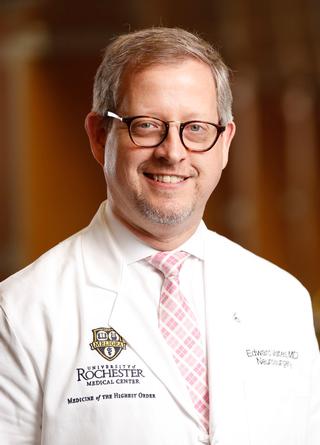
George E. Vates, MD, PhD, is a Professor in the Department of Neurosurgery and the Department of Medicine (Endocrine/Metabolism) at the University of Rochester Medical Center. He serves as neurosurgeon co-director of the University of Rochester Multidisciplinary Neuroendocrinology Clinic and is a key member of the University of Rochester Medical Faculty Group (URMFG), which comprises over 900 providers across 19 departments. Dr. Vates specializes in pituitary tumor surgery, cerebrovascular disorders, and skull base procedures, having performed over 120 transsphenoidal pituitary surgeries. Dr. Vates completed his academic training with exceptional distinction: Duke University: Bachelor's degree, summa cum laude (1988, Phi Beta Kappa) Rockefeller University: PhD in Neuroscience Weill Medical College of Cornell University: MD (1997, Alpha Omega Alpha) University of California, San Francisco: Neurosurgery Residency (1998-2003) Brigham and Women's Hospital, Harvard Medical School: Cerebrovascular/Skull Base Fellowship (2003-2004) His research focuses on pituitary tumor biology, neuroendocrinology, and surgical innovation. He established the Multidisciplinary Neuroendocrinology Clinic as a regional referral center for complex pituitary cases, integrating neurosurgical and endocrinological expertise. Current work emphasizes neuroprotective mechanisms in pituitary adenomas, surgical simulation technology, and optimizing outcomes for elderly glioma patients. Analysis of his 15 most recent publications reveals evolving research trajectories: contemporary studies (2019-2022) concentrate on pituitary tumor management, surgical simulation, and neurosurgical education, while earlier work (2002-2009) explored cerebrovascular anomalies, neural pathway mapping, and vascular malformations. Persistent themes include surgical technique refinement, tumor biology, and clinician training. Dr. Vates' scientific contributions have been recognized through: Phi Beta Kappa (1988) and Alpha Omega Alpha (1991) academic honors Neurosurgery Research and Education Foundation Fellowship (2006) Anspach Award for Cerebral Ischemia Research (2007) AANS Leadership Scholarship and Cone Pevehouse Award (2009) Ongoing service as St. Michael's Hospital Animal Care Committee reviewer As an educator, he mentors neurosurgery residents through clinical supervision and curriculum development, notably publishing on palliative care communication training. His research initiatives, including the 3D-printed cervical laminectomy simulator, demonstrate commitment to advancing surgical education. Current grants focus on neuroprotective strategies in pituitary tumors and resident training methodologies. Dr. Vates co-directs the Multidisciplinary Neuroendocrinology Clinic with endocrinologist Dr. Calvi, fostering collaboration between neurosurgery, endocrinology, and oncology. His clinical team manages complex pituitary cases across Rochester and Hornell campuses, while his research group develops surgical innovations and investigates tumor microenvironment interactions to improve patient outcomes.
Krishnan Bhaskaran is a Professor of Statistical Epidemiology at the London School of Hygiene & Tropical Medicine (LSHTM) , affiliated with the Faculty of Epidemiology and Population Health and the Department of Non-communicable Disease Epidemiology . He leads the Beyond Cancer research group , supported by a Wellcome Senior Research Fellowship . He co-founded the OpenSAFELY platform for real-time pandemic data analysis. Education: Background in Mathematics and Medical Statistics Research Interests: Cancer survivorship, cardiovascular and mental health outcomes in cancer survivors, pharmacoepidemiology of drug interactions, and methodological advancements in electronic health records analysis Publication Trends: His recent work focuses on long-term health consequences of cancer and its treatments, drug interactions in cardiovascular therapies, and the impact of chronic conditions on cancer risk. Many studies utilize large UK datasets and the OpenSAFELY platform. Scientific Awards: Wellcome Senior Research Fellowship Grants & Leadership: He has secured major funding from Cancer Research UK , British Heart Foundation , and Wellcome Trust to investigate cardiovascular risks post-cancer, health inequalities in endocrine therapy adherence, and drug safety in anticoagulant use.
Dr. Vera Deneer is an Associate Professor of Clinical Pharmacology at the Utrecht Institute for Pharmaceutical Research (UIPS) within the Faculty of Science at Utrecht University, specializing in the Division of Pharmacoepidemiology and Clinical Pharmacology since 2019. She also serves as a hospital pharmacist and clinical pharmacologist at the University Medical Center Utrecht (UMC Utrecht) at the Department of Clinical Pharmacy since 2017. Dr. Deneer holds significant leadership positions including Vice-Chair of the Medicines Evaluation Board (MEB-CBG) since 2019 and Chair of the Dutch Pharmacogenetics Working Group (DPWG). Dr. Deneer received her PharmD from Utrecht University in 1991 and her PhD from Groningen University in 2003, with research focused on clinical pharmacology and pharmacokinetics of antiarrhythmic drugs in atrial fibrillation. She completed clinical training in hospital pharmacy in 1994 and clinical pharmacology training in 1998. Prior to her current positions, she served as Head of the Pharmacogenetics, Pharmaceutical and Toxicological Laboratory at St. Antonius Hospital, Nieuwegein/Utrecht from 1998 to 2017. Her research focuses on personalized medicine through the study of biomarkers including genetic variants, patient characteristics, and clinical parameters to optimize drug treatment efficacy and safety. Her work primarily targets cardiovascular disease, lung cancer, and immune-mediated inflammatory diseases. She also investigates clinical reasoning and decision-making by pharmacists to improve medication management in clinical practice. Dr. Deneer serves as principal investigator for multiple research projects funded by The Netherlands Organisation for Health Research and Development. Dr. Deneer's recent publications demonstrate her leadership in pharmacogenetics guidelines development, with numerous Dutch Pharmacogenetics Working Group (DPWG) guidelines published in 2023-2025 covering gene-drug interactions for various medication classes including antidepressants, antipsychotics, anti-epileptics, and cardiovascular medications. Her work spans both clinical implementation research and educational aspects of pharmacy practice. Among her significant appointments, Dr. Deneer serves as Vice-Chair of the Medicines Evaluation Board (MEB-CBG) and Chair of the Dutch Pharmacogenetics Working Group (DPWG). She previously chaired a medical research ethics committee from 2012-2017 and serves on multiple national and hospital committees related to pharmacotherapy and drug safety. Dr. Deneer has been actively involved in mentoring pharmacy students and professionals, with recent publications focusing on clinical decision-making education for pharmacists. Her work bridges the gap between pharmacogenetic research and clinical implementation, with particular emphasis on optimizing drug treatment strategies for individual patients while minimizing adverse drug reactions.
Gokhan Kilic, MD , is a Professor in the Department of Obstetrics & Gynecology at the University of Texas Medical Branch (UTMB). He serves as Director of the Urogynecology Fellowship Program and Division Director of Gynecology, with a focus on minimally invasive and robotic surgery. Dr. Kilic holds the Endowed Faculty Chair in Obstetrics and Gynecology Honoring Alvin L. LeBlanc, MD, Harry M. Little, Jr, MD, and L Charles Powell, MD. Board Certified in Obstetrics and Gynecology Board Certified in Female Pelvic Medicine and Reconstructive Surgery Fundamental Laparoscopic Surgery Certification Dr. Kilic's research emphasizes urogynecology , pelvic floor disorders , and robotic surgical techniques . His work includes clinical studies on urinary incontinence, fall risk in older women, and innovative treatments for adenomyosis, blending laboratory research, non-human studies, and clinical trials. Recent publications highlight trends in geriatric urogynecology , robotic hysterectomy , and pharmacological interventions for pelvic health. Dr. Kilic's studies often address comorbidities in aging populations and the effectiveness of pelvic floor muscle training. Scientific Awards : Fellow of the American College of Obstetricians and Gynecologists (ACOG), Fellow of the American College of Surgeons (ACS), and Endowed Faculty Chair at UTMB. Dr. Kilic actively trains students, residents, and physicians in minimally invasive surgery. He leads research initiatives in UTMB's Obstetrics & Gynecology Department, focusing on improving pelvic health outcomes through interdisciplinary collaboration.
A/Prof HO Han Kiat is an Associate Professor in the Department of Pharmacy and Pharmaceutical Sciences at the National University of Singapore. His research focuses on chronic liver disease progression (from fatty liver to cancer) and drug-induced liver injury mechanisms. He explores nanomaterial applications in disease modification and drug delivery, using techniques like high-throughput sequencing and preclinical collaborations with clinicians. His work bridges cancer biology and toxicology, emphasizing clinical relevance through patient sample correlations. He teaches courses such as PR4207 Applied Pharmacokinetics & Toxicokinetics and FSC4203 Forensic Toxicology & Poisons. His lab’s vision involves developing molecular interventions for liver disorders through in vitro/vivo models. Notable interests include nanomaterial toxicity, hepatoprotective strategies, and cytokine profiles in cognitive impairment post-chemotherapy. Recent articles highlight studies on BDNF biomarkers, gold nanoparticle vascular targeting, and therapeutic hypothermia for hepatotoxicity. His research integrates genetic polymorphism analysis (e.g., CYP7A1) with drug metabolism studies, emphasizing personalized medicine approaches. HO’s work also addresses educational innovations in pharmacy curricula and assessment design, reflecting his dual focus on clinical research and pedagogy.
Associate Professor Jenni Ilomaki holds a position at Monash University's Centre for Medicine Use and Safety. With expertise in clinical pharmacy, epidemiology, and public health, she leads a research group analyzing administrative claims data. Her work spans collaborations with governmental and non-governmental organizations globally, yielding over 150 peer-reviewed publications and $4 million in grants. She previously served as Chair of ASCEPT's Pharmacoepidemiology Special Interest Group and currently serves as Science Lead for the Monash Addiction Research Centre and Executive Editor of the British Journal of Clinical Pharmacology. Education includes a Bachelor of Science (Pharmacy) from the University of Kuopio (1999) and Master of Science (Pharmacy) from the University of Kuopio (2004). She completed a PhD in alcohol epidemiology at the University of Eastern Finland (2011) and a postdoc at the University of South Australia (2011-2014). Notable recognitions include Young Epidemiologist of the Year (2011) and the Ronald D. Mann Best Paper Award (2021). Key research focuses on quality use of medicines, medicine safety, large population studies, and innovative epidemiological methods. Major projects include developing clinical decision support tools for cardiovascular prevention, analyzing preventable hospitalizations in aged care, and investigating psychotropic medication trends in youth. Her work contributes to UN Sustainable Development Goals related to health equity and non-communicable disease reduction. Recent publications emphasize drug repurposing (e.g., SGLT2 inhibitors), opioid prescribing patterns, hip fracture outcomes, and dementia detection algorithms. She chairs multinational studies on stroke and myocardial infarction cost burdens, demonstrating interdisciplinary impact across pharmacology, epidemiology, and health economics.
Sally B. Coburn, PhD, MPH, is an Assistant Scientist in the Department of Epidemiology at the Johns Hopkins Bloomberg School of Public Health. Her research focuses on cancer outcomes and etiology in people living with HIV, with a strong emphasis on health disparities, longitudinal data, and the use of electronic health records (EHR) in large collaborative studies such as the North American AIDS Cohort Collaboration on Research and Design (NA-ACCORD) and IeDEA. PhD, Johns Hopkins University, 2021 MPH, George Washington University, 2015 BS, George Washington University, 2013 Her research interests include HIV, AIDS, HIV and aging, cancer outcomes and risk factors, health disparities, EHR data, and collaborative study design. She employs epidemiologic and statistical methods to understand mechanisms of disease and population-level implications for people with HIV in North America. The trends in her recent publications (2021–2025) reflect a strong focus on cancer risk, comorbidities, and treatment outcomes in HIV populations. Her work spans breast cancer, non-AIDS-defining cancers, anemia, statin use, and hormonal health in women with HIV. She frequently collaborates on large cohort studies and contributes to understanding the long-term health impacts of HIV and antiretroviral therapy. No scientific awards or prizes are mentioned in the provided text. Sally Coburn is actively involved in research grants and collaborative projects, particularly through NA-ACCORD and IeDEA. While no formal advisees are listed, her role as a researcher suggests mentorship within collaborative teams. She contributes to advancing public health knowledge through methodologically rigorous observational studies. She is affiliated with major research initiatives including the North American AIDS Cohort Collaboration on Research and Design (NA-ACCORD), which enables large-scale, multi-site epidemiological research on HIV and associated conditions.