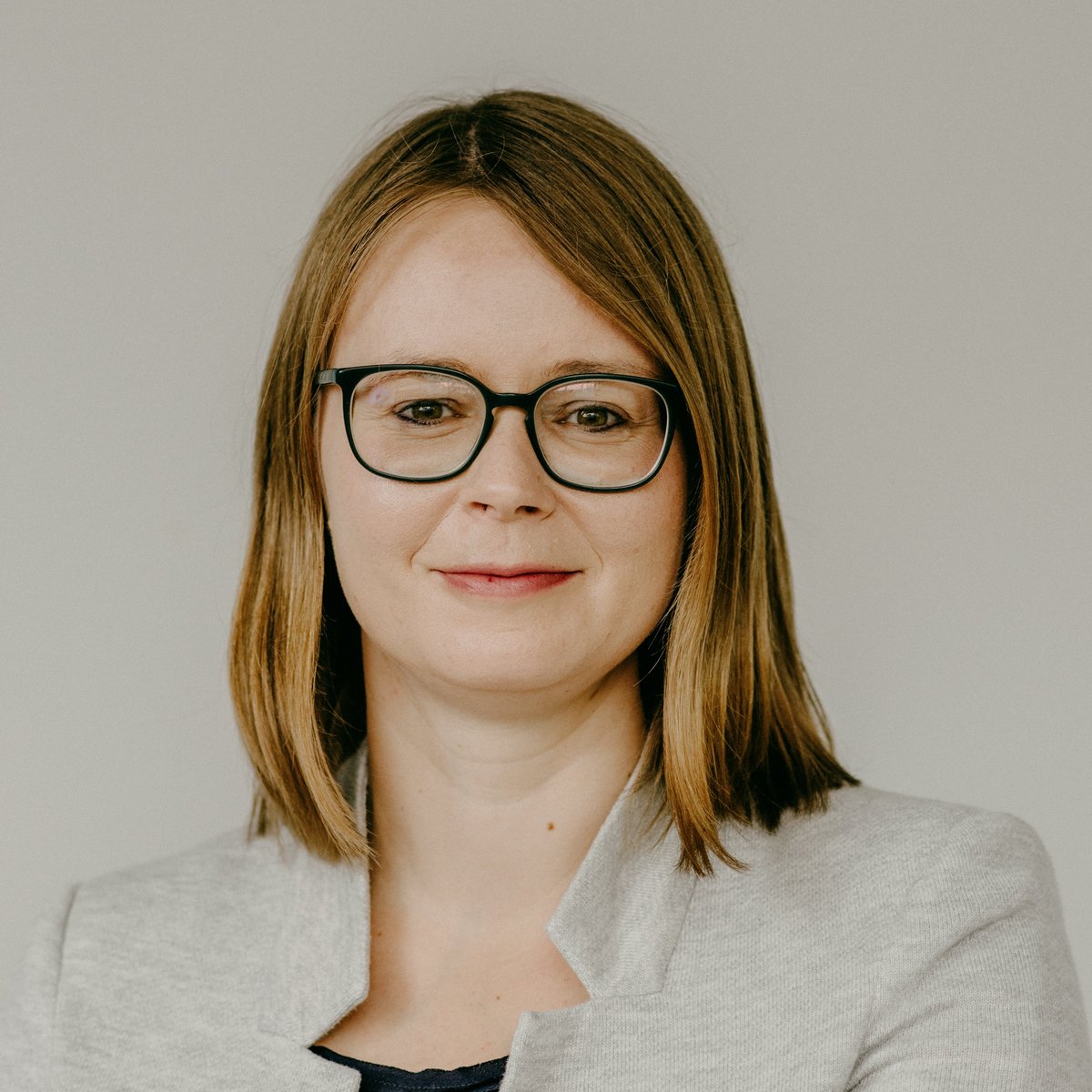
Anna-Lena Hönig is a postdoctoral researcher at the Cluster of Excellence 'The Politics of Inequality' at the University of Konstanz. Her work focuses on comparative authoritarian politics, democratization, and the dynamics of resistance and repression, with an emphasis on cooperation between non-state actors such as NGOs, social movements, and terrorist organizations. Co-founder of the annual Workshop on Conflict Dynamics Board member of the German Association for Peace and Conflict Studies (AFK) Her methodological focus includes social network analysis, survey experiments, and causal inference. She previously completed her PhD at the University of Mannheim and was affiliated with the Graduate School of Economic and Social Sciences (GESS) and the Peace Research Institute Oslo (PRIO) through its Research School on Peace and Conflict.
Kristine Andra Avram is a Visiting Researcher at the Center for Conflict Research (ZfK) at Philipps University of Marburg, serving as a Post-doctoral fellow in the BMBF project 'Transformations of Political Violence' (2024-2025). Her work bridges peace and conflict studies, narratology, and social sciences with a focus on meaning-making in contexts of political violence and state repression. Her educational background includes a PhD in Political Science (summa cum laude, 2022) from Philipps University of Marburg, an MA in Peace and Conflict Studies (2010-2013) with study abroad at the University of Haifa, and a BA in Communication Science and Romance Studies (2007-2010) from the University of Erfurt, including Erasmus at Complutense University of Madrid. Avram's research examines how narratives shape interpretations of violence, influence reckoning with traumatic pasts, and inform transitional justice efforts. Using interdisciplinary narrative and (auto)ethnographic methods, she reveals storytelling as a site of agency and resistance—both for processing historical violence and envisioning just futures. Her work centers on concepts like responsibility, truth, and hope within post-communist contexts, particularly Romania. Her recent publications (2023-2025) demonstrate methodological innovation in narrative analysis applied to political violence, with increasing attention to researcher positionality and reparative methodologies. Articles span qualitative frameworks, courtroom narratives, postcolonial critiques of peacebuilding, and ethical dimensions of studying violence. Key scientific awards include: Dissertation Award from Südost-europagesellschaft (2023) Honorable Mention from Gert-Sommer-Award for Peace Psychology (2023) Mobility Grant from EISA (2023) Scholarships from MARA, Friedrich Ebert Foundation, and University of Haifa She has secured significant research funding including a Fritz Thyssen Foundation grant (2017-2022) as co-applicant and has taught courses on narrative reconstructions of the past at Philipps University Marburg and Goethe University Frankfurt. Her advisory work includes designing memory projects and conflict resolution initiatives with pax christi Rhein-Main. Avram actively collaborates within the Center for Conflict Research's interdisciplinary teams, focusing on political violence, transitional justice, and narrative methodologies in post-communist contexts through projects like 'Ascribing Individual Criminal Responsibility' and 'Transformations of Political Violence'.
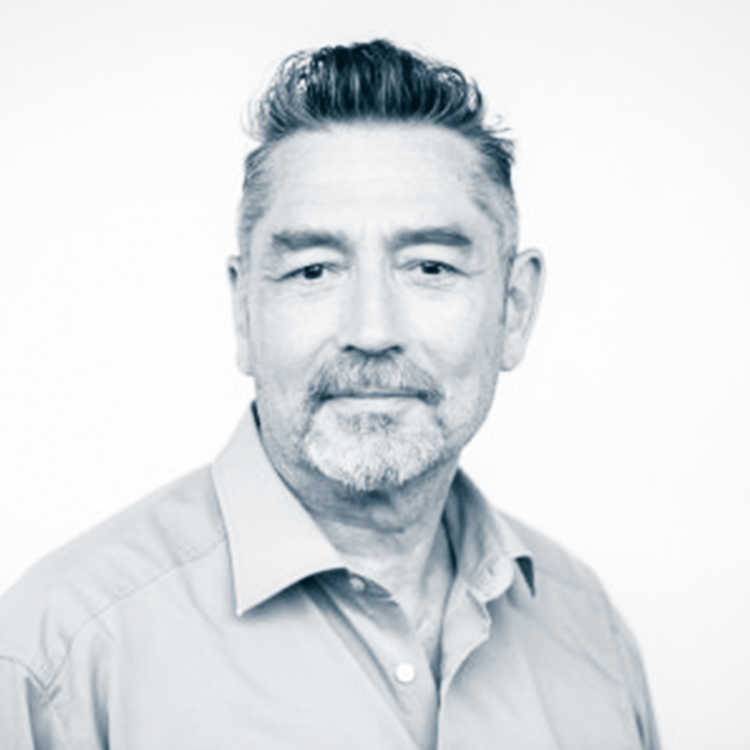
Prof. Dr. Aurel Croissant is a full Professor of Political Science at the Institute of Political Science, Ruprecht-Karls-University Heidelberg. His academic career spans institutions like the Naval Postgraduate School (Monterey, CA) and fellowships from prestigious bodies including the East West Center Honolulu and the Korea Foundation. Editorial Leadership: Editor-in-Chief of Democratization , and serves on editorial boards of journals like International Studies Review and Asian Politics & Policy . Research Focus: Comparative analysis of democracies and autocracies, civil-military relations, autocratization, democratic resilience, terrorism, and political violence in East/Southeast Asia and the Korean Peninsula. Advisory Roles: Member of academic advisory boards for institutions including the Sustainable Governance Indicators (SGI) and the Bertelsmann Transformation Index (BTI). His recent publications examine democratic backsliding, civil-military dynamics in autocracies, and pandemic governance. Awards include fellowships from the National Endowment for Democracy and the Taiwan Foundation for Democracy. He has advised numerous PhD students and collaborates extensively with international scholars.
Professor Patrick Harter is a faculty member at the Institute of Neuropathology, Ludwig Maximilian University of Munich (LMU), where he leads research in neuro-oncology and molecular diagnostics of CNS tumors. His work focuses on glioblastoma, meningioma, and brain metastasis, with emphasis on epigenetic mechanisms like DNA methylation and metabolic adaptations in the tumor microenvironment. Research interests span: Molecular classification of brain tumors using DNA methylation profiling Therapeutic targeting of BRAF/MEK and PI3K/Akt/mTOR pathways Role of hypoxia and metabolic plasticity in treatment resistance Liquid biopsy development for non-invasive tumor monitoring His recent publications demonstrate a strong trend toward integrating epigenetic, metabolic, and immunotherapeutic approaches. Articles frequently explore: Novel biomarkers for tumor grading and prognosis Mechanisms of therapy resistance in gliomas Impact of tumor microenvironment on metastasis
Prof. Aurel Croissant is a Professor of Political Science at Heidelberg University's Institute of Political Science. His research focuses on comparative democracy, authoritarianism, civil-military relations, and political systems in Asia-Pacific. He holds editorial roles at journals like Democratization and has authored/co-authored over 300 publications. Key works include Democratic Regressions in Asia and Routes to Reform: Civil-Military Relations and Democracy in the Third Wave . He has been a Fellow at institutions such as the East West Center and the National Endowment for Democracy. His team includes doctoral candidates like Nikitas Scheeder. He advises on democratic resilience, autocratization, and regional governance, contributing to projects like the Bertelsmann Transformation Index and Sustainable Governance Indicators. Education: MA (1996), PhD (2001) from Johannes Gutenberg University Mainz; postdoctoral work at Heidelberg University. Tenure-track Assistant Professor (2004) at the Naval Postgraduate School, Monterey, CA, before joining Heidelberg in 2006. Research Interests: Civil-military relations, democratization, authoritarianism, Asian politics, conflict studies. Notable Publications (2020–2025): Explores pandemic governance ( Democracy, State Capacity and the Governance of COVID-19 in Asia-Oceania ), democratic resilience, and regional militarization trends. Recent works analyze South Korea's democratic resilience, autocratization patterns in Asia, and military roles in authoritarian regimes. Awards & Fellowships: Recognized as a Fellow by the East West Center, Korea Foundation, and others. Editorships of journals and book series, including Democratization Special Issues Series .
Dr. Irene Weipert-Fenner is a Senior Researcher and Project Director at the Peace Research Institute Frankfurt (PRIF), serving as a member of its Executive Board since 2024 and coordinating the Research Group on Regime Competition since 2023. She holds a PhD from Goethe University Frankfurt (2013) and previously served as a Visiting Professor for Middle Eastern Politics at the University of Marburg (2019). Her research focuses on authoritarian regimes, political transformation, social movements, and socioeconomic conflicts in North Africa, with a particular emphasis on Egypt and Tunisia. Key projects include leading studies on IMF reforms, socioeconomic protests, and trust dynamics in social movements. She has authored or co-authored over 30 peer-reviewed articles and books, including The Autocratic Parliament (2020) and edited volumes on clientelism and protests. Awards include the DAVO Dissertation Prize (2014). Her work bridges comparative politics, conflict studies, and regional expertise, addressing themes like democratization, protest dynamics, and geopolitical implications of regional conflicts. Affiliations: PRIF, University of Marburg (visiting role) Education: PhD in Political Science, Goethe University Frankfurt (2013) Research Groups: Regime Competition, Intra-state Conflict Key Projects: ConTrust initiative (2021–2025), Tunisian budget politics analysis Her research publications emphasize interdisciplinary approaches to understanding political economy, trust in social movements, and the interplay between socioeconomic grievances and authoritarian resilience. Recent work explores green hydrogen economies in North Africa and the erosion of democratic trust in Tunisia.
Prof. Dr. Markus Lederer is a Professor of International Relations at the Technical University of Darmstadt’s Institute of Political Science. He leads the Research Group on International Relations and coordinates the Research Training Group 'Standards of Governance'. His work focuses on environmental, climate, and development politics, particularly institutional dynamics in developing countries and emerging markets. Research priorities include Climate Engineering, politicization of climate policies, and the role of standards. Notable projects include the Regional Research Center ‘Transformations of Political Violence (TraCe)’ and the ‘Biodiversity Cultures in Town and Country’ initiative. His team investigates intersections between environmental conflicts, political violence, and state/non-state institutional responses. Prof. Lederer’s research explores how activists and repressive institutions influence political violence legitimacy. His work spans new forms of political violence linked to technological change and containment strategies for violent actors. Publications are accessible via his profile, though specific article details are not provided here. He collaborates with academic staff like Eda Bülbül and Tim Kornprobst, advancing interdisciplinary studies on governance, biodiversity, and climate-related conflict dynamics.
Prof. Anita Gohdes is a Professor of International and Cyber Security at the Hertie School in Berlin, funded by NXP Semiconductors Germany and supported by Stifterverband. Her research focuses on cyberpolitics, state violence dynamics, and large-scale quantitative analyses of state actions. Previously, she held an Assistant Professorship in International Relations at the University of Zurich and a postdoctoral fellowship at Harvard Kennedy School’s Belfer Center. Since 2009, she has collaborated with the Human Rights Data Analysis Group (HRDAG). She advises international organizations like the German Federal Foreign Office, World Bank, and UN on state fragility and security. Her book Repression in the Digital Age (Oxford UP) examines surveillance and censorship in modern authoritarianism. She leads research at the Centre for International Security, exploring intersections of technology and global security. Awards include the German Dissertation Prize in Social Sciences (Körber Foundation) and the Walter Isard Prize (Peace Science Society) for her Mannheim University doctoral work. Her recent research spans AI governance, civil resistance in digital contexts, and pandemic-era polarization. She has published in top journals like the American Journal of Political Science and Nature Human Behavior .
Sabine C. Carey is a Professor at the School of Social Sciences, University of Mannheim, leading the Chair of Political Science, International Relations. Her research emphasizes empirical analysis of violent conflict, human rights violations, terrorism, and counterinsurgencies, focusing on actors like pro-government militias and governance-repression links. Her teaching includes courses on international relations and political violence for BA, MA, and PhD students. Former students, such as Rosa Aloisi (Trinity University) and Katrin Paula (Technical University of Munich), have pursued prestigious academic and professional careers, with some receiving awards like the Deutscher Studienpreis. Key Research Areas: Violent conflict, human rights, media freedom in conflict zones, pro-government militia dynamics. Recent Article Trends: Explored media's role in postwar societies, state violence escalation, militia impacts on postwar repression, and global human rights perceptions. She will present at University College London (April 2025) and the Mannheim Model United Nations Conference (April 2025). Contact: sabine.carey@uni-mannheim.de
Prof. Dr. Björn Alpermann is a Full Professor of Contemporary Chinese Studies at the University of Würzburg's Faculty of Philosophy. He has held this position since 2013 and previously served as a Junior Professor there from 2008–2013. His academic career includes a doctorate in Modern Chinese Studies from the University of Cologne (2006) and research stints at the University of California, Berkeley, and Nankai University. Research Focus: Alpermann specializes in Chinese political systems, rural governance, minority policies (especially Xinjiang and Tibet), and social change. He leads major projects such as the EU-funded 'Remote Ethnography of Xinjiang' (2023–present) and the BMBF-funded 'Worldmaking from a Global Perspective' (2020–2023). His work critically examines China's governance strategies, ethnic policies, and international relations. Publications: Alpermann authored books on Xinjiang, rural-urban transformation, and social change in China. His research analyzes China's political economy, state-society relations, and the interplay between modernization and authoritarianism. He frequently publishes in journals like Journal of Current Chinese Affairs and has contributed to edited volumes on governance and social stratification. Professional Roles: He coordinates the EU and BMBF projects, serves as a spokesperson for interdisciplinary initiatives, and advises on China policy. His work bridges academic rigor with policy relevance, addressing topics like human rights, ethnic conflict, and developmental state strategies. Education: Doctorate (Dr. phil.) in Modern Chinese Studies, University of Cologne (2006) Studies in Modern China, Political Science, and Economics at University of Cologne and Nankai University (1999)
Dr. Daniel Fuchs is an Assistant Professor at the Institute of Asian and African Studies at Humboldt University of Berlin. He holds a PhD in Development Studies from SOAS, University of London, and has conducted extensive research on labor movements in China, industrial policy, and global political economy. His work includes fieldwork on migrant labor unrest in Southwestern China and analyses of Sino-German technical standardization partnerships. He has co-edited volumes such as Die Zukunft mit China denken (2023) and A Just World Economic Order? (2024), and his research interests span industrial relations, state theory, and development economics. Education: PhD in Development Studies, SOAS, University of London (2020) M.A. and B.A. in Political Science and Chinese Studies, University of Vienna and Tianjin University Research Interests: Industrial relations, social movements in China, labor-state dynamics, historical-materialist state theory, and China’s role in global technical standardization. His work emphasizes migrant labor struggles and the political economy of development. Publications: Focused on labor dynamics, technical standardization, and China’s global engagement. Notable works include analyses of the 2015 Chengdu footwear strikes and Sino-German technical partnerships, which earned him the 2020 Albie Award for global political economy. Awards: Albie Award 2020 for analysis of Sino-German technical standardization Advising/Grants: Extensive academic collaborations across Europe and Asia, including roles at the University of Vienna, SOAS, and the University of Göttingen. Active in editorial boards and research networks on labor and development studies. Labs/Teams: Part of the Humboldt University’s Institute of Asian and African Studies, contributing to interdisciplinary research on China’s socio-economic transformations and global engagements.
Ümit Akcay is a Professor of Economics at the Berlin School of Economics and Law (HWR Berlin) and a researcher at the Institute for International Political Economy (IPE Berlin) since 2017. He previously held academic positions at Istanbul Bilgi University, Atılım University, and METU in Turkey (2016–2017), New York University’s Department of Politics and MEIS (2012–2015), and Ordu University’s Department of Economics (2009–2012). He earned his PhD in Development Economics from Marmara University, Turkey. Research Interests: His work focuses on the political economy of growth regimes, financialization of emerging markets, authoritarian neoliberalism, and the interplay between power blocs and macroeconomic policies. He critically examines Turkey’s economic transformations under the AKP, Poland’s post-neoliberal shifts, and global South dynamics. Publications: Akcay’s recent studies explore authoritarian neoliberalism in Turkey, dependent financialization in emerging economies, and export-led growth strategy transitions. His 2024 article in the Journal of Balkan and Near Eastern Studies analyzes the AKP’s initial decade through a political economy lens, while his 2023 Cambridge Journal of Economics study introduces the concept of 'dependent financialization' in Turkey. Contact: Email: uemit.akcay@hwr-berlin.de , Office: Building E, Room E 1.30, Campus Schöneberg, Berlin.
Andreas Fisahn is Professor holding the Chair of Public Law, Environmental and Technology Law, Legal Theory at the University of Bielefeld's Faculty of Law. His work spans multiple legal and political domains with a particular focus on democracy, constitutional law, and socio-ecological transformation. Professor Fisahn's research interests include Public Law, Environmental Law, Technology Law, Legal Theory, Democracy Studies, Rule of Law, and Socio-ecological Transformation. His scholarly work critically examines the relationship between legal frameworks and democratic processes, particularly in the German context. His publications reveal a consistent focus on democratic theory and constitutional development, with notable works including Democracy in danger? 75 years of the Basic Law , Rule in transition Reflections on a critical theory of the state , and Repressive tolerance and market-compliant democracy . These works demonstrate his interdisciplinary approach bridging law, political science, and philosophy. Professor Fisahn actively engages with contemporary issues through initiatives like the online lecture series on socio-ecological transformation organized in collaboration with IG Metall, examining topics such as whether the US New Deal can serve as a model for the EU's Green New Deal.
Dr. Mirjam Edel is an Academic Researcher at the Institute of Political Science, University of Tübingen, affiliated with the Faculty of Economics and Social Sciences. She serves as the Academic Coordinator of the Comparative Middle East and Politics Studies (CMEPS) program and the Erasmus+ Coordinator. Currently on parental leave, her work is temporarily handled by Chonlawit Sirikupt. Her academic journey includes a M.A. in Political Science and Islamic Studies (2014) and a study abroad at the American University in Cairo (2010). Her research focuses on authoritarian regimes' repression strategies, state-society relations in the Middle East, and democratization processes. Key regions of expertise include Egypt, Syria, and North Africa. Recent work explores digital authoritarianism and transnational repression dynamics. Publications emphasize regime survival tactics post-Arab Uprisings, legitimacy framing in repression, and legal mechanisms enabling state control. Her scholarship bridges comparative politics with regional security studies, offering insights into authoritarian adaptation in the digital age. Edel is an active member of the German Middle East Studies Association (DAVO) and contributes to public discourse through lectures on Middle Eastern politics and human rights. She coordinates international academic exchanges and oversees the CMEPS master's program.
Sofia Gavrilova is a Researcher at the Leibniz Institute for Regional Geography (IfL) in Leipzig, Germany, since August 2020. Her academic background includes a DPhil from the University of Oxford (2019) and a PhD in GIS and Cartography from Moscow State University (2013). Her research focuses on Geovisualisations, Soviet atlases, and spatial knowledge, with particular attention to historical geographies, mobilities, and memory studies. She has contributed to projects like the Mapping the Gulag (ERC-funded) and the National Atlas of Russia analysis. Her work explores how spatial representation shapes national and regional identities, particularly in post-Soviet contexts. Key research areas include the role of museums in representing Soviet history, the use of GIS in disaster prediction, and the geopolitical implications of mapping. She has published widely in journals like Problems of Post-Communism and Eurasian Geography and Economics . Gavrilova also coordinates interdisciplinary initiatives, such as the 'Terraforming' workshop series and the ScienceCampus EEGA. She teaches at the University of Leipzig and the Higher School of Economics, Moscow, focusing on GIS methods, digital humanities, and spatial analysis. Her recent publications address contemporary issues like Russian-Georgian civil society tensions and spatial representations of the Russo-Ukrainian war. She actively engages in knowledge transfer through blogs (e.g., ifl.blog) and public lectures. Her current projects include 'Occupied and Erased: Stories of Ukraine’s Lost Homes' and exploring non-territorial spatial formats through cartographic analysis.