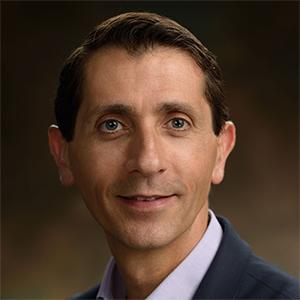
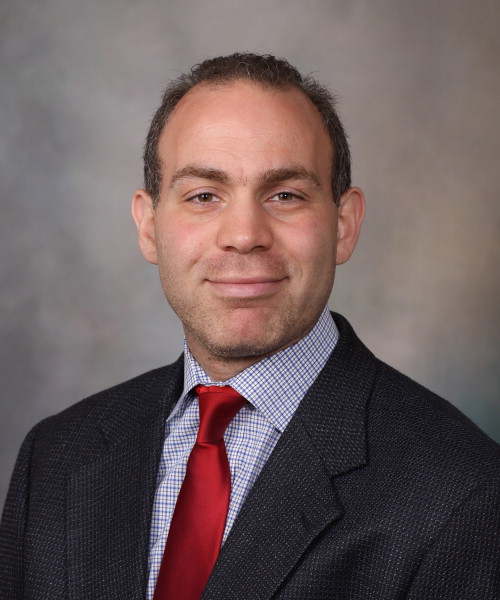
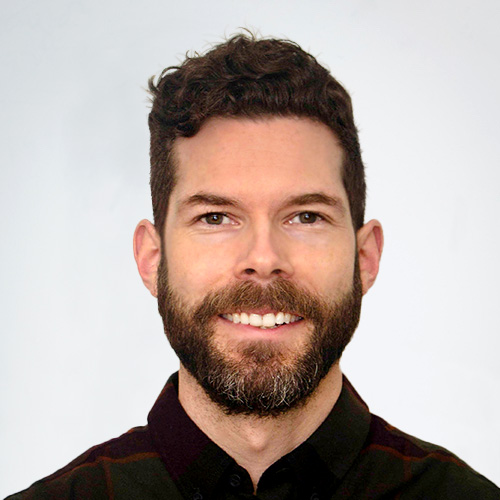
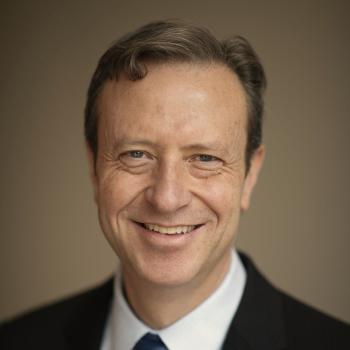
Chadi Calarge, M.D. is a Professor at Baylor College of Medicine and leads the Calarge Lab affiliated with Texas Children’s Hospital and the Meyer Center for Developmental Pediatrics and Autism . His research focuses on the biological basis of mental illness in children and adolescents , particularly examining interactions between mental health and physical outcomes, such as growth patterns, bone health, metabolic changes, and gut-brain axis dynamics. Research Themes : Psychiatric medication effects on growth hormone signaling and longitudinal growth Role of iron deficiency and gut permeability in internalizing disorders Genetic moderators of antipsychotic and SSRI side effects Microbiome and inflammatory markers in adolescent depression Metformin as an adjunct for antipsychotic-induced metabolic issues Key Publications (2015-2024) span psychopharmacology , developmental neuroscience , and pediatric psychiatry , with recurring themes of growth inhibition from SSRIs and antipsychotics iron deficiency as a biomarker in psychiatric disorders microbiome alterations linked to mental health genetic risk factors for medication side effects metabolic monitoring standards in youth psychiatric care
Jesse Thaler is a Professor of Physics at the Massachusetts Institute of Technology (MIT), where he has been a faculty member since 2010. He is affiliated with the MIT Center for Theoretical Physics - a Leinweber Institute (CTP-LI), the Laboratory for Nuclear Science (LNS), the Statistics and Data Science Center (SDSC), and the Institute for Data, Systems, and Society (IDSS). Since 2020, he has served as the inaugural Director of the NSF Institute for Artificial Intelligence and Fundamental Interactions (IAIFI). Thaler received his Sc.B. in Math/Physics from Brown University in 2002, followed by a Ph.D. in Physics from Harvard University in 2006. From 2006 to 2009, he was a Miller Research Fellow at the University of California, Berkeley. His research focuses on theoretical particle physics, particularly on fusing quantum field theory with machine learning techniques to address fundamental physics questions. His work spans three main areas: Data Science and AI/ML applications in particle physics, Collider Physics and QCD, and Beyond the Standard Model physics. He is an expert in jet physics, which involves studying collimated sprays of particles produced at the Large Hadron Collider (LHC), and he investigates jet substructure to enhance searches for new phenomena and understand gauge theory dynamics. His research also explores strategies for probing dark matter at the LHC and theoretical structures of supersymmetry. Data Science and AI/ML: Merging deep learning with physics principles for improved particle physics analysis Collider Physics and QCD: Developing new theoretical frameworks for analyzing collider data Beyond Standard Model: Exploring dark matter detection strategies and theoretical extensions to the Standard Model Thaler has received numerous prestigious awards including being named an American Physical Society (APS) Fellow in 2022 and receiving a Simons Investigator Award in the same year. Other notable honors include the Fermilab Distinguished Scholar (2018-2020), Simons Fellowship in Theoretical Physics (2018), Frank E. Perkins Award for Excellence in Graduate Advising (2017), and the Presidential Early Career Award for Scientists and Engineers (2012). As an advisor, Thaler has mentored numerous Ph.D. students, postdoctoral researchers, and undergraduate students. His research group has produced significant work in jet physics, machine learning applications for particle physics, and beyond the standard model physics. He has also secured substantial research funding through grants from the Department of Energy and other agencies. Thaler leads the Thaler Research Group at MIT and serves as Director of the NSF AI Institute for Artificial Intelligence and Fundamental Interactions, which brings together researchers from MIT, Northeastern University, Harvard University, and Tufts University to advance AI research with applications to fundamental physics.
Assoc Prof Geraldine Torrisi is the Deputy Head of School (Learning & Teaching) at the School of Information and Communication Technology at Griffith University. With a PhD in Educational Studies and degrees in Science (Physics/Mathematics) and Education, she focuses on Human-Computer Interaction (HCI) , User Experience , and Learning Theory . She is a Senior Fellow of the Higher Education Academy and Griffith Learning and Teaching Academy . Education: PhD in Educational Studies (Griffith University) Masters of Educational Studies (James Cook University) Bachelor of Education (Secondary Science and Maths) (James Cook University) Bachelor of Science (Physics/Mathematics) (James Cook University) Research Interests include Interactive Digital Media , Educational Technology , and Data Literacy . Her 2025 book chapters explore AI's role in education, while 2024-2023 articles address data literacy frameworks and hybrid teaching models. Scientific Awards include Griffith Award for Excellence in Teaching (2011) , Excellence in Teaching Award (2015) , and Senior Fellow of the Higher Education Academy (2018) . She also received multiple Group Learning and Teaching Commendations (2009, 2017, 2019). Grants include The Dignity Project (2024-2025), Promoting Renewable Energy Adoption (2022-2025), and Smart Environmental Sensing (2022-2023). She supervises PhD students on topics like Human-Machine Teaming and Instructional AR Design .
Dr. David M. Maahs serves as the Lucile Salter Packard Professor of Pediatrics, Division Chief of Pediatric Endocrinology, and Associate Chair for Academic Affairs in Pediatrics at Stanford University School of Medicine. He also holds a courtesy appointment as Professor of Epidemiology and Population Health and is a member of the Maternal & Child Health Research Institute and Stanford Medicine Children's Health Center for IBD and Celiac Disease. Dr. Maahs received his BA and MA in English from the University of Kansas before earning his MD from the University of New Mexico School of Medicine. After completing his pediatric residency at UNM, he served on their faculty for 3 years. He then completed a Pediatric Endocrinology fellowship and earned a PhD in Analytic Health Sciences/Epidemiology from the University of Colorado, where he remained on faculty for 10 years before joining Stanford. His research focuses on improving care and preventing complications in people with type 1 diabetes through epidemiologic studies that generate hypotheses for clinical trials, particularly in artificial pancreas systems to improve glucose control and reduce health disparities. As author of the widely used 'Pink Panther' diabetes education books and with over 350 publications, his work spans diabetes technology implementation, health equity, and clinical outcomes research. Analysis of Dr. Maahs' recent publications reveals a strong emphasis on equitable implementation of diabetes technology, particularly continuous glucose monitoring systems, with focus on underserved populations. His 4T Study (Teamwork, Targets, Technology, and Tight Control) demonstrates how early CGM initiation and remote monitoring can improve glycemic outcomes in youth with newly diagnosed type 1 diabetes, with effects sustained through three years of follow-up. Dr. Maahs serves as President of the International Society of Pediatric and Adolescent Diabetes (ISPAD), having previously served as Secretary-General (2016-2020) and Editor-in-Chief for the 2018 ISPAD Clinical Practice Consensus Guidelines. He has also contributed to the American Diabetes Association's Professional Practice Committee that writes the annual Standards of Care. As Associate Director of the Stanford University Diabetes Research Center and Principal Investigator for multiple NIH-funded clinical trials (including FLEX, PERL, and ACTION studies), Dr. Maahs leads significant research initiatives. His NIH-funded K12 program 'Training Research Leaders in Type 1 Diabetes' demonstrates his commitment to mentorship, building on his previous role directing pediatric endocrinology training grants at the University of Colorado. Dr. Maahs' leadership extends to his work with the Type 1 Diabetes Exchange as Director of International Collaborations, and his ongoing efforts through Project ECHO Diabetes to improve diabetes care in Federally Qualified Health Centers, addressing critical healthcare disparities in medically underserved communities.
Anthony Masure is an Associate Professor at Geneva University of Art and Design (HEAD – Genève) , part of the University of Applied Sciences and Arts Western Switzerland (HES-SO) . His work bridges Artificial Intelligence , Blockchain , and Digital Humanities through critical design lenses. He explores tensions between creative automation and human agency , questioning how machine learning and smart technologies reshape authorship, value systems, and ecological practices in design. Key research areas: AI ethics , NFT implications , post-digital design , and technological accountability Projects like "Design et machine learning : l'automatisation au pouvoir?" (2021-2023) and "Post digital Graphic Design" (2019-2022) demonstrate his focus on critical technological engagements Advocates for open access and non-traditional research formats through initiatives like HEAD-Publishing His recent articles analyze generative AI in design, NFT governance , and circular design frameworks. Collaborations with researchers like Guillaume Helleu and Yves Citton emphasize socio-technical implications. Current projects include "L'organisation autonome automatisée (OAA)" (2024), exploring future enterprise models under climate constraints.
Professor Gareth Taylor is a Professor of Power Systems and Director of the Brunel Interdisciplinary Power Systems (BIPS) Research Centre at Brunel University London's College of Engineering, Design and Physical Sciences. He serves as Module Leader for the MSc Sustainable Electrical Power program and has been actively involved with the university since May 2000, progressing from National Grid Post-doctoral Scholar to his current position as Professor (appointed in 2012). He previously served as Head of the Department of Electronic and Electrical Engineering from May 2019 to June 2023 and holds a Visiting Professor position at Imperial College London (2023-2026). Professor Taylor earned his BSc in Applied Physics from Royal Holloway College, University of London (1987), followed by an MSc in Scientific and Engineering Software Technology from the University of Greenwich (1992), and completed his PhD in Computational Solid Mechanics at the University of Greenwich in March 1997. His doctoral research focused on finite volume methods for material non-linearity within multi-physics frameworks. His research spans power systems engineering with particular emphasis on smart grid technologies, renewable energy integration, and advanced computational methods. Professor Taylor has contributed to over 250 research publications in areas including power system operation and management, reactive power control, voltage regulation, and high-performance computing applications in electrical power systems. His work addresses critical challenges in modern power systems, particularly those related to the integration of renewable energy sources and the development of more resilient grid infrastructure. Analysis of his recent publications reveals a strong focus on addressing contemporary power system challenges, particularly the integration of renewable energy sources, smart grid technologies, and advanced computational methods. His work spans from fundamental power system analysis to practical applications in grid operation, with increasing emphasis on cybersecurity aspects of power system monitoring and the challenges posed by reduced system inertia in grids with high renewable penetration. Senior Member of IEEE Fellow of the Institute of Engineering and Technology (FIET) Chartered Engineer Fellow of the Higher Education Academy (FHEA) UK Regular Member for CIGRE Study Committee D2 (2016-2022) Member of Strategic Advisory Group for CIGRE Study Committee D2 (2023) Professor Taylor has led numerous significant research projects including TDX-ASSIST (€5.2M), e-HIGHWAY2050 (€8.2M), and HiPerDNO (€5.4M), with funding from EPSRC, European Commission, National Grid, and other major organizations. His current research portfolio includes projects on novel decoupled active/reactive power oscillation response, digitalization of power systems operation, and examining net zero policy in European energy markets. He also directs the BIPS Research Centre, which focuses on interdisciplinary power systems research with strong industry connections.
László Lengyel is a Professor at the Budapest University of Technology and Economics (BME), affiliated with the Department of Automation and Applied Informatics . His work bridges theoretical and applied computer science, focusing on industrial automation, IoT systems, and model-driven engineering. Research interests include Model transformations and domain-specific languages IoT device management and multi-domain integration Software obfuscation and cybersecurity Graph algorithms and distributed computing (MapReduce) Real-time data analysis in manufacturing Automotive sensor networks His recent publications reflect expertise in model-driven IoT architectures , granule manufacturing automation , and MapReduce-based graph analysis , with a focus on industrial and automotive applications. He contributes to open-source frameworks like SensorHUB and explores gamification in driver behavior systems.
Jorunn Kaiander Sundgot Borgen is a Professor at the Department of Sports Medicine , Norwegian School of Sport Sciences (NIH), and Director of the Center for Women's Health Research in Sports and Physical Activity. She holds a PhD from NIH (1993) and a Master's degree from Arizona State University (1985) . With visiting professorships at UC Berkeley (2010, 2011, 2013) and prior leadership roles at the Norwegian Olympic Training Center (1995-2009) , she has shaped international guidelines as a member of the IOC Working Group on REDs and Nordic Eating Disorder Society . ACSM Fellow Honorary Fellowship, Royal College of Physicians of Ireland & Royal College of Surgeons in Ireland Recipient of the Norwegian Research Council's Excellence in Science Communication Award (2013) Author of 150+ scientific articles on REDs, eating disorders, and women's sports health Her research focuses on Relative Energy Deficiency in Sport (REDs) , pregnancy in athletes , and mental health in sports . Recent work explores: Exercise safety during pregnancy (2025) Eating disorder prevention in youth athletes (2024) Bone health biomarkers in cross-country skiers (2024) IOC consensus statements on REDs (2023) A key advisor to elite athletes and coaches, she leads interventions for disordered eating and energy availability issues . Her 2022-2025 studies span topics from sexual harassment in sports to nutritional impacts on bone density , reflecting her multidisciplinary approach to athlete health.
Taofic Mounajjed, M.D. is a Consultant Pathologist specializing in liver and gastrointestinal pathology at the Mayo Clinic in Rochester, Minnesota. He serves as Co-Director of the Molecular Anatomic Pathology Laboratory and Co-Section Head within the Department of Laboratory Medicine and Pathology. Dr. Mounajjed is actively involved in multiple professional committees focused on digital pathology and pathology informatics. MD from University of Damascus Medical School (2004) BS in Basic Medical Sciences from University of Damascus (1999) Residency in Anatomic and Clinical Pathology at University of Cincinnati (2009) Residency in Surgical & Medical Pathology at Mayo Clinic (2010) Fellowship in Surgical Pathology at Mayo Clinic (2010) Mayo Clinic Scholar in Gastrointestinal and Hepatic Pathology (2011) Dr. Mounajjed's research focuses on liver pathology with particular expertise in hepatic adenomas, focal nodular hyperplasia, and gastrointestinal pathology. His work spans diagnostic pathology, molecular characterization of liver diseases, and implementation of digital pathology technologies. He has made significant contributions to understanding the histopathological features of various liver conditions including Wilson disease, eosinophilic esophagitis, and alcohol-related liver disease. His recent publications demonstrate a strong focus on advanced imaging techniques for liver disease assessment, particularly magnetic resonance elastography for evaluating liver fibrosis and steatosis. There is also a notable emphasis on AI applications in pathology, particularly for quantitative histopathological analysis of gastrointestinal conditions. His work bridges traditional pathology with modern computational approaches and molecular diagnostics. Best graduation thesis for the year 1999 from University of Damascus Certified by American Board of Pathology in Anatomic Pathology (2010) Certified by American Board of Pathology in Clinical Informatics (2019) Dr. Mounajjed serves in leadership roles including Chair of the DLMP Digital Pathology Practice Subcommittee and member of multiple digital pathology committees. He co-directs the Molecular Anatomic Pathology Laboratory and participates in various disease-oriented groups focusing on gastrointestinal and hepatic conditions. His collaborative research involves extensive work with multidisciplinary teams across Mayo Clinic, including radiology, gastroenterology, and surgery departments.
Prof. Dr. Rainer Heintzmann serves as Head of the Microscopy Department at the Leibniz Institute of Photonic Technology (Leibniz-IPHT) in Jena, Germany. His research focuses on advancing optical microscopy techniques, particularly super-resolution methods that surpass the diffraction limit to visualize cellular structures at nanoscale resolution. His primary research interests center on structured illumination microscopy (SIM), point spread function modeling, and computational imaging techniques. He has made significant contributions to developing automated multicolor SIM systems, extreme ultraviolet microscopy approaches, and deep learning-enhanced image analysis methods. His work bridges optical physics, computational algorithms, and biomedical applications, with particular emphasis on making advanced microscopy techniques more accessible through open-source hardware and software solutions. Analysis of his recent publications reveals a strong focus on overcoming fundamental limitations in optical microscopy. His research spans from theoretical modeling of optical systems to practical implementations for biological imaging. Key trends include the development of more accurate point spread function calculations, expansion of super-resolution techniques to new wavelength regimes, and integration of machine learning for image analysis and segmentation. Prof. Heintzmann actively collaborates with researchers across multiple institutions, as evidenced by his co-authorship on numerous interdisciplinary publications. His work has appeared in high-impact journals including Nature Methods, Nature Reviews Molecular Cell Biology, and Optics Express, reflecting the significance of his contributions to advancing microscopy techniques. His laboratory at Leibniz-IPHT appears to focus on developing novel microscopy instrumentation, particularly open-source implementations of super-resolution techniques. Recent projects include the openSIMMO platform for automated multicolor structured illumination microscopy and work on extreme ultraviolet microscopy that could potentially extend super-resolution capabilities into the X-ray regime.
Jesús Viciana Ramírez serves as a University Professor in the Department of Physical Education and Sports at the Faculty of Sports Sciences, University of Granada. His academic work centers on innovative physical education methodologies and technology integration for youth activity promotion. His teaching schedule includes consistent office hours across semesters in Building D - Office 4.3. Research interests focus on physical activity monitoring using wearable technology, gamified teaching models in physical education, and environmental influences on student engagement. His work bridges sports science with educational technology through rigorous validation studies and cluster-randomized trials. Analysis of recent publications reveals dominant trends in Wearable device validation for adolescent activity tracking Intermittent teaching units combining gamification and technology Cross-cultural fitness assessment frameworks with strong emphasis on objective measurement through accelerometers and real-world school implementation. His leadership in the School-Fit and Fit-Person studies demonstrates commitment to evidence-based physical education practices. Current research explores psychological mediators of activity interventions and environmental knowledge assessment through tools like CENAFI.
Can Güngör , born in 1977 in Ankara, Turkey, is an Associate Professor at the Faculty of Architecture of Gazi University . He earned his B.Sc., M.Sc., and Ph.D. in Architecture from Yildiz Technical University and Gazi University . Güngör has served as Lecturer Dr. (2009–2023), Deputy Head of the Department of Architecture (2010–2022), and Vice Dean of the Faculty of Architecture (2023–2024). Education: TED Ankara College Foundation Private High School (1994), Yildiz Technical University (B.Sc., 1999), Gazi University (M.Sc., 2002; Ph.D., 2007) Current Role: Associate Professor, Faculty of Architecture, Department of Architecture, Gazi University Research Interests focus on Architecture, Architectural Design, Accessibility, Universal Design, and Barrier-Free Spaces . His work addresses urban planning, historical preservation, and inclusive design standards for public and educational buildings. Recent Publications (2024–2022) examine accessibility in historical environments, universal design principles in restoration, fire safety for individuals with disabilities, and adaptive reuse of cultural heritage sites. He also explores pedagogical approaches in architectural education during digital and pandemic-era transitions. Email: can.gungor@gazi.edu.tr | Avesis Profile
Avery Berman is an Assistant Professor in the Department of Physics at Carleton University and a Scientist at the University of Ottawa Institute of Mental Health Research (IMHR) at The Royal. His work focuses on advancing functional MRI (fMRI) techniques for high-resolution imaging of brain activity and physiology, with applications in neuroscience and mental health disorders. PhD in Biomedical Engineering and MSc in Medical Radiation Physics from McGill University Postdoctoral research at Harvard Medical School and the Martinos Center for Biomedical Imaging Research Interests include: High-resolution fMRI at 7 Tesla Biophysical modeling of vascular networks Quantitative biomarkers for oxygen metabolism PET-MRI hybrid imaging systems Neurovascular coupling in mental illness Scientific Awards include: NSERC Canada Graduate Scholarship (Master's) CIHR Canada Graduate Scholarship (Doctoral) CIHR Postdoctoral Fellowship (top 10/600 applicants) NSERC Postdoctoral Fellowship (top Physics section recipient) Research Funding from NSERC, CFI, and institutional support from Carleton University and IMHR. His lab develops the open-source BOLDsωimsuite software for fMRI signal modeling and collaborates with Canada-wide vascular training programs.
Olga Chkanikova is a Researcher at the University of Borås , affiliated with the Faculty of Textiles, Engineering and Business and the Department of Business Administration and Textile Management . Her work focuses on digital transformation in the fashion industry, sustainability-oriented innovations, and supply chain dynamics, with a particular emphasis on cultural and operational shifts driven by technologies like 3D modeling and digital twinning. As a co-supervisor for doctoral students, she contributes to advancing research in these areas. Key research themes: Digital Fashion, Circular Economy, Business Model Innovation Contact: olga.chkanikova@hb.se Her recent publications analyze the intersection of technology, sustainability, and institutional frameworks in fashion and retail sectors. She has explored the scalability of fashion-tech solutions, the role of third-party certifications in supply chains, and the cultural dimensions of digital transformation.
David B. Larson is Professor of Radiology (Pediatric Radiology) at Stanford University School of Medicine and Director of the Stanford Radiology AI Development and Evaluation (AIDE) Lab. He is also Associate Chief Quality Officer for Improvement at Stanford Health Care and co-founder of the American College of Radiology's Learning Network. MD and MBA from Yale University (2002) Pediatric internship and radiology residency/fellowship at University of Colorado Health Sciences Center (2003-2008) Board-certified in Pediatric Radiology and Diagnostic Radiology His research focuses on sociotechnical healthcare systems , radiology quality improvement , and AI implementation . Key projects include optimizing CT radiation dose, developing EMM frameworks for AI monitoring, and establishing ACR accreditation standards for radiology AI. Recent publications analyze diagnostic certainty frameworks , clinical history completeness , and radiation dose harmonization . His work emphasizes interdisciplinary collaboration through programs like the Radiology Improvement Summit and the Stanford Medicine Center for Improvement. He actively mentors postdoctoral researchers and leads initiatives in pediatric imaging , clinical decision support systems , and medical AI ethics . Current teaching includes graduate medical education courses in radiology and AI applications.