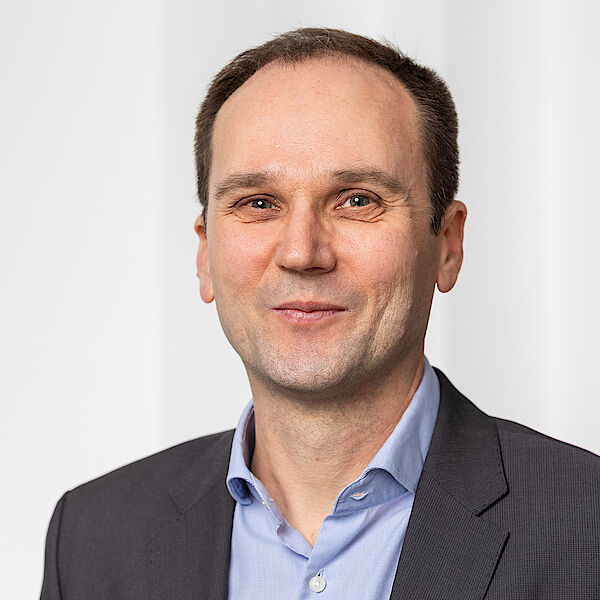
Dr. Shahzad Mumtaz is a Lecturer at the School of Natural and Computing Sciences, University of Aberdeen, where he contributes to research and education in computational health and data science. His work bridges artificial intelligence and healthcare, focusing on real-world applications in medical data modeling and digital health tools. Research Interests: His research spans biomedical informatics, machine learning, natural language processing, electronic health records (EHR), phenotype libraries, and medical image analysis. He is particularly active in developing tools for clinical data standardization, such as the Carrot tool for OMOP CDM, and in AI-driven solutions for fraud detection, deepfake identification, and clinical decision support. His interdisciplinary work integrates computer science with public health and clinical medicine. Publication Trends: His recent publications (2023–2025) emphasize AI applications in healthcare, including deep learning for fake medical image detection, NLP for financial text analysis, and vision transformers for weather and skin cancer classification. He frequently collaborates on large-scale health data initiatives like CO-CONNECT and the UK Phenotype Library, reflecting a strong focus on scalable, interoperable digital health infrastructure. Scientific Contributions: Core contributor to the CO-CONNECT project for national health data access during the pandemic. Developer of the Carrot tool for improving OMOP data curation. Active in advancing phenotype library standards and EHR-based research. Advising and Grants: While no formal students or grants are listed in the provided text, his extensive collaborative work suggests active involvement in research teams and potential supervision of graduate researchers. He is likely engaged in funded projects related to health data science and AI, given the scale and scope of his publications. Labs and Teams: Dr. Mumtaz is affiliated with research initiatives at the University of Aberdeen focused on biomedical informatics and trusted research environments. He collaborates with multidisciplinary teams across the UK, particularly in projects involving NHS data, digital phenotyping, and AI safety in healthcare.