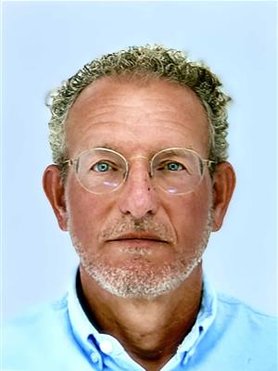
Michael Lechner is a Professor of Economics at the University of St. Gallen (HSG) with a focus on Applied Microeconometrics. His work integrates causal machine learning with labor, health, and sports economics. He holds affiliations with institutions such as the Centre for Economic Policy Research (CEPR) and the Institute for the Study of Labor (IZA). Lechner earned his academic credentials from the University of Mannheim (1990-1998). His research explores topics like policy evaluation, treatment heterogeneity, and the socioeconomic impacts of sports and health interventions. He has published extensively on causal machine learning frameworks and their applications in public policy. His editorial roles include co-editing Empirical Economics (2014-2017) and serving on editorial boards of journals like German Economic Review and Econometric Reviews . He is a member of the German National Academy of Sciences Leopoldina, recognizing his contributions to economic research. Lechner’s recent work emphasizes causal machine learning to analyze labor market policies, sports participation effects, and pandemic-driven market shifts. His research bridges econometric rigor with modern computational techniques to address real-world policy challenges.
Ashley Herda is an Associate Professor at the University of Kansas Edwards Campus and Director of the Exercise and Human Performance Laboratory. She holds a Ph.D. in Exercise Physiology from the University of Oklahoma and a B.S. in Exercise Science from Florida Atlantic University. Her research focuses on nutritional supplements, resistance exercise, and aging-related muscle performance, with an emphasis on body composition and gender disparities in sports medicine research. Education: Bachelor of Science in Exercise Science and Health Promotion, Florida Atlantic University (2006) Master of Science in Exercise Physiology, University of Oklahoma (2008) Doctorate of Philosophy in Exercise Physiology, University of Oklahoma (2011) Research interests include the effects of exercise interventions on aging populations, the role of nutrition in athletic performance, and addressing gender underrepresentation in sports medicine studies. Her publications span peer-reviewed journals like the Journal of Strength and Conditioning Research and Journal of Aging Research and Clinical Practice . Dr. Herda is actively involved with the American College of Sports Medicine and National Strength and Conditioning Association, contributing to committees focused on education, research, and nutrition. She directs two laboratories dedicated to advancing exercise science and human performance. Her recent work highlights underrepresentation of female athletes in clinical trials and explores short-term resistance training benefits for older adults’ muscle quality.
Bridget Quinn, MD is an Attending Physician in the Orthopedics and Sports Medicine Department at Boston Children's Hospital, where she serves as Company Physician for the Boston Ballet and Lead Consulting Physician for Dean College Palladino School of Dance & Performing Arts. She holds an academic appointment as Assistant Professor of Orthopedics at Harvard Medical School, contributing to medical education while maintaining an active clinical practice focused on performing artist athletes. Dr. Quinn completed her undergraduate education and medical degree at the University of Vermont, followed by Emergency Medicine residency at Emory University and Sports Medicine fellowship at Boston Children's Hospital. She is board certified by the American Board of Emergency Medicine, providing a strong foundation for her specialized work with dancers and other performing artists. Her educational background reflects a progression from general medical training to highly specialized sports medicine expertise. Dr. Quinn's research and clinical practice centers on the unique medical needs of performing artists, particularly dancers. Her work addresses dance-specific injuries like hallux sesamoid injuries, the effects of intensive training on growing dancers, and the relationship between body composition and menstrual health in female dancers. She has developed specialized assessment protocols for dancers' strength, flexibility, and functional performance during intensive training periods. Her expertise bridges traditional sports medicine with the specific physiological and psychological demands of dance performance, recognizing that dancers face unique injury risks and recovery challenges. Analysis of Dr. Quinn's publication record reveals a clear evolution from early cancer research (2014-2015) to her current focus on dance and sports medicine. Her most impactful recent work examines quality of life metrics in pre-professional dancers, sport specialization effects, and dancer-specific injury patterns. She has conducted comparative studies on Crossfit-related injuries and published important findings on the relationship between BMI and menstrual patterns in dancers. Her research consistently addresses the holistic needs of performing artists, considering physical, psychological, and nutritional factors that influence performance and injury risk. While specific scientific awards are not documented in the available information, Dr. Quinn's professional recognition is evident through her leadership roles with prestigious organizations including the Boston Ballet and Dean College. Her expertise is sought after for providing medical coverage during major performances and tours, demonstrating the trust placed in her specialized knowledge by the performing arts community. Through her academic appointment at Harvard Medical School, Dr. Quinn mentors medical students, residents, and fellows interested in sports medicine and orthopedics. Her clinical work involves comprehensive care for young athletes and performing artists, with emphasis on injury prevention, safe return to performance, and long-term health maintenance. She collaborates with physical therapists, athletic trainers, nutritionists, and mental health professionals to address the multidimensional needs of her patients, recognizing that optimal performance requires attention to all aspects of health. Dr. Quinn is an integral part of Boston Children's Hospital's Performing Artist Athletes Program and The Micheli Center for Sports Injury Prevention. These specialized programs provide comprehensive, multidisciplinary care addressing the unique medical needs of dancers and other performing artists, including nutrition counseling, bone health monitoring, endocrine evaluation, psychological support, and rehabilitation tailored to performance demands. Her work in these programs has helped establish standards of care for performing artist athletes that are now recognized nationally.
Robert Mackalski is an Associate Professor at the Jeffrey S. Raikes School of Computer Science and Management , University of Nebraska-Lincoln. He specializes in marketing and branding strategies for high-growth organizations, combining academic research with practical advisory work. His Ph.D. in branding from McGill University and entrepreneurial background (co-founding Peachtree Network) inform his teaching and case-writing approach. Marketing strategy in high-growth companies Branding transitions (regional to international) Digital transformation in traditional industries Nonprofit scaling and advocacy His 15 most recent publications focus on case studies spanning sports marketing (Lincoln Ice Hockey Association), media digitalization (Ticket 93.7 FM), food industry branding (Fody Foods, Cunningham’s Pub), and nonprofit growth (Defeat Duchenne Canada). Key themes include brand ecosystem resilience , market entry challenges , and strategic scaling . Scientific recognition includes: 2023-2024 Case Centre Outstanding Case Writer nomination 2022-2023 Seacrest Teaching Fellow Multiple Ivey Publishing case award nominations Desautels DDSS Excellence in Teaching Award (McGill, 2007-2014)
Jonpaul Nevin is a Senior Lecturer in Strength and Conditioning at Buckinghamshire New University and Programme Director of the Tactical Athlete Performance Centre (TAPC). With a 15-year military background in the British Army and subsequent Paralympic coaching experience, he transitioned to academia in 2017. He holds a BSc (Hons), MSc, PhD, and professional certifications from UKSCA and NSCA. His research focuses on optimizing human performance in high-stress environments, particularly for military personnel and para-athletes. Education: PhD in Competitive Recumbent Handcycling Performance (Cardiff Metropolitan University) MSc in Strength and Conditioning BSc (Hons) in Strength and Conditioning Research Focus: Applied research in military human performance optimization, tactical athlete training, handcycling biomechanics, and strength-endurance training methodologies. Key areas include load-carrying performance for soldiers, concurrent training models for para-athletes, and velocity-based resistance training. Professional Contributions: Developed the Tactical Athlete Performance Centre at BNU Authored over 14 peer-reviewed publications and conference presentations Expert in applied sport science for military and para-sports contexts Labs/Teams: Leads the Tactical Athlete Performance Centre (TAPC) and collaborates with military organizations on human performance optimization projects.
Shane Murphy is an Assistant Professor in the Department of Physical Therapy at the University of Wisconsin-La Crosse, affiliated with the College of Health Professions and the La Crosse Institute for Movement Science (LIMS). His expertise spans lower extremity biomechanics, sports medicine, and gait/posture analysis, with a focus on asymmetrical movement patterns and their clinical implications. Dr. Murphy holds a BS in Athletic Training from the University of Wisconsin-Eau Claire (2014), an MS in Biomechanics from Indiana University-Bloomington (2016), and a PhD in Biomechanics from the University of Northern Colorado (2019). His teaching portfolio includes courses such as Kinesiology and Biomechanics of Movement , Evidence-Based Practice in Physical Therapy , and Research Practicum . His research explores biomechanical factors in athletic injuries, postural control in ACL-reconstructed individuals, and the efficacy of visual disruption techniques. Notable contributions include co-authoring a 2024 study in Journal of Clinical Biomechanics and receiving the 2024 WiSys Grant Writing Academy Fellowship. Dr. Murphy advises students like Colten Brand and collaborates on grants focused on movement science. He actively engages in clinical research, emphasizing practical applications for injury prevention and rehabilitation.
Martin Gibala is a Professor in the Department of Kinesiology at McMaster University, where he leads research examining the effects of exercise at molecular to whole-body levels in both healthy individuals and those with chronic diseases. His work spans basic mechanistic studies on skeletal muscle energy metabolism to applied research on physical training and nutrition for health and performance optimization. Dr. Gibala earned his Bachelor of Human Kinetics from the University of Windsor, followed by an M.Sc. from McMaster University and a Ph.D. from the University of Guelph. He completed a postdoctoral fellowship at the Copenhagen Muscle Research Centre, establishing the foundation for his expertise in exercise physiology. His primary research focuses on high-intensity interval training (HIIT) and time-efficient exercise protocols, demonstrating that brief, intense exercise can produce comparable health benefits to traditional longer-duration workouts. His laboratory investigates skeletal muscle metabolism, exercise adaptations, and practical applications of time-efficient training for diverse populations. Dr. Gibala has made significant contributions to understanding how short bursts of vigorous activity ("exercise snacks") can improve cardiometabolic health, glycemic control, and overall fitness with minimal time commitment. Analysis of Dr. Gibala's recent publications reveals an evolving research trajectory with increasing emphasis on technology-enabled exercise interventions, sex-specific responses to training, and practical implementation of time-efficient protocols in real-world settings. His work bridges basic exercise science with public health applications, particularly focusing on making exercise more accessible through time-efficient approaches. Dr. Gibala is also recognized for science communication, having co-authored the popular science book "The One-Minute Workout: Science Shows a Way to Get Fit That's Smarter, Faster, Shorter" (Penguin Random House, 2017). His research has been widely covered in media outlets and has influenced public understanding of time-efficient exercise approaches. As an educator, Dr. Gibala teaches courses including Cardiorespiratory and Metabolic Exercise Physiology, Exercise Metabolism, and Integrative Exercise Physiology. His laboratory at McMaster University conducts both basic and applied research on exercise physiology, with particular focus on skeletal muscle metabolism, high-intensity interval training, and practical applications of time-efficient exercise protocols for improving health and performance in various populations.
Peter von Bülow is a Professor of Architecture at the University of Michigan’s Taubman College of Architecture and Urban Planning. His research bridges evolutionary computation with structural optimization, focusing on innovative architectural systems like thin-shell concrete and modular fabric structures. As a Fulbright Scholar, he worked at the University of Stuttgart’s Institute for Lightweight Studies under Frei Otto. He actively contributes to the International Association of Shell and Spatial Structures (IASS) and has designed notable projects such as wooden grid shells using reclaimed materials. Education: Doctorate in Engineering (Dr.-Ing.), University of Stuttgart (Institute for Lightweight Structures and Conceptual Design, under Werner Sobek) Master of Science in Civil Engineering, University of Tennessee Bachelor of Architecture, University of Tennessee Research Interests: von Bülow’s work centers on computational design methodologies for optimizing structural forms, particularly lightweight and branching column systems. His research integrates evolutionary algorithms with architectural practice, emphasizing material efficiency and geometric innovation. Recent projects explore reclaimed materials in structural design and stochastic search methods for form exploration. Scientific Awards: Fulbright Scholar (University of Stuttgart) NSF Regional Innovation Engines Program Semifinalist (2023) Pressing Matters Grants (2022) R+D Awards (2018)
Professor Sabina Kleitman is a renowned academic in the School of Psychology at the University of Sydney, affiliated with the Faculty of Science. Her research focuses on metacognition, decision-making processes, and their applications in education, public health, and cognitive psychology. She leads the CODES Lab and contributes to initiatives like the Fighting Truth Decay project through the Charles Perkins Centre. Her international engagements include presenting at Yale University, Haifa University, and other institutions, with expertise cited in media outlets such as The Psychologist and Woman’s Health magazines. Kleitman has received core funding grants for studies on psychological resilience during pandemics and decision-making under pressure. Research interests span metacognitive confidence calibration, personality traits influencing behavior, and resilience in academic contexts. Notable projects include analyzing pandemic-related decision-making trends and developing simulation-based assessments for psychological resilience. Her publications emphasize empirical studies on cognitive performance under sleep deprivation, team performance dynamics, and the impact of employment on student outcomes. She collaborates across disciplines, integrating neuroscience, educational technology, and public health perspectives.
Keith Baar is a Professor in the Department of Physiology and Membrane Biology at the University of California, Davis. His research focuses on skeletal muscle biology, tendon/ligament engineering, and the impact of nutrition on musculoskeletal health. He explores mechanisms of muscle protein synthesis, tendinopathy treatment, and the role of dietary interventions like ketogenic diets in aging populations. Key research interests include: Exercise-induced adaptations in muscle and connective tissues Collagen supplementation strategies for injury prevention Ketogenic diets' effects on mitochondrial function and healthspan extension Tissue engineering approaches for ligament regeneration His work bridges basic science and translational applications, with over 150 peer-reviewed publications. Recent studies investigate the interplay between mechanical loading, nutrition, and molecular signaling pathways in musculoskeletal health. Dr. Baar collaborates extensively on projects involving cellular agriculture and bioreactor optimization for cultivated meat production.
Dr. Arjen Jansen is a Lecturer in Industrial Design Engineering at Delft University of Technology, affiliated with the Emerging Materials and Sustainable Design Engineering programs. His research spans sports engineering, biomedical applications (e.g., 3D drug printing), and human-powered energy systems. Notable projects include developing vibro-tactile feedback systems for skating and protective wetsuits for Olympic sailors. He teaches courses like the Design Engineering Contest and leads the Erasmus+ project A4SEE to enhance sports engineering education across Europe. Jansen's work bridges innovation theory with practical applications, emphasizing sustainability and human-centric design. Education: Doctor of Industrial Design Engineering (Dr.ir.) Research Interests: Sports technology, biomedical engineering, sustainable materials, and educational methodologies in design. His work often integrates ergonomics, environmental science, and digital tools to create impactful solutions. Grants & Collaborations: Led international projects like A4SEE (2022) and contributed to EU-funded initiatives. His research has been published in journals like Journal of Pharmaceutical Innovation and presented at conferences such as the Engineering of Sport series. Labs/Teams: Emerging Materials Program, Sports Engineering Lab.
Tor N. Tolhurst is an Assistant Professor in the Department of Agricultural, Food, and Resource Economics at Michigan State University (MSU), affiliated with the College of Agriculture & Natural Resources. He holds a PhD from the University of California, Davis (2020). His research focuses on applied microeconomics, particularly tail events—rare but impactful occurrences affecting agricultural systems. Key areas include risk analysis, resilience strategies, and policy implications of extreme weather and market disruptions. His work bridges theoretical econometrics with practical applications in agriculture and environmental policy. Education: PhD in Agricultural Economics, University of California, Davis (2020) Research Interests: Quantitative analysis of rare events (e.g., extreme weather, market shocks) Risk management strategies in agricultural systems Economic impacts of technological adoption (e.g., genetically engineered seeds) Pesticide regulation and environmental justice Market bubbles and speculative behavior in commodities/wine Recent Work Trends: Recent publications (2020–2025) emphasize econometric methods applied to agricultural policy, pesticide regulation, and climate resilience. His 2025 studies on Canadian crop yields and NFL pass rates highlight interdisciplinary approaches. California-focused analyses (pesticide regulations, commodity markets) reflect regional policy relevance. Advising & Grants: No formal advisee list is provided, but his role as faculty implies graduate student mentorship. No grant details are explicitly listed in the text. Affiliations: Active in MSU’s Department of Agricultural, Food, and Resource Economics, contributing to academic and extension programs.
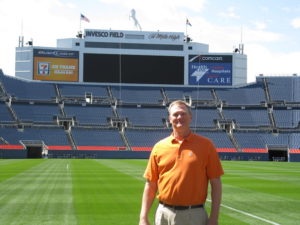
John N. Trey Rogers III is a Professor in the Department of Plant, Soil and Microbial Sciences at Michigan State University (MSU), part of the College of Agriculture & Natural Resources. He holds a Ph.D. (1988, Agronomy, Penn State), M.S. (1985, Agronomy, University of Arkansas), and B.S. (1982, Agronomy, University of Arkansas). His research focuses on turfgrass establishment, sports field renovation, and soil modification for golf courses and athletic fields. Teaching responsibilities include courses such as Turfgrass Management, Performance Turf Design, and capstone classes synthesizing field practices. Over 33 years at MSU, he has advised over 1,100 students, many of whom now lead academic and industry roles. Notable former students include John Stier (Assoc. Dean, U. Tennessee) and Jason Henderson (Assoc. Professor, U. Connecticut). Rogers has led high-profile projects, including the 1994 World Cup turf system at Pontiac Silverdome, 2004/2008 Olympics consultations, and current stadium projects in Nashville and St. Louis. His research emphasizes practical solutions for turfgrass challenges, with over 230 publications and two U.S. patents. He consults on turf systems for professional sports venues and Thoroughbred racetracks like Keeneland and Churchill Downs. His recent efforts include preparing for the 2026 FIFA World Cup, focusing on retrofitting stadiums to meet FIFA standards. He collaborates with teams like Jim Crum (soil science) to integrate soil and grass systems. Outside academia, Rogers remains passionate about golf, travel, and family.
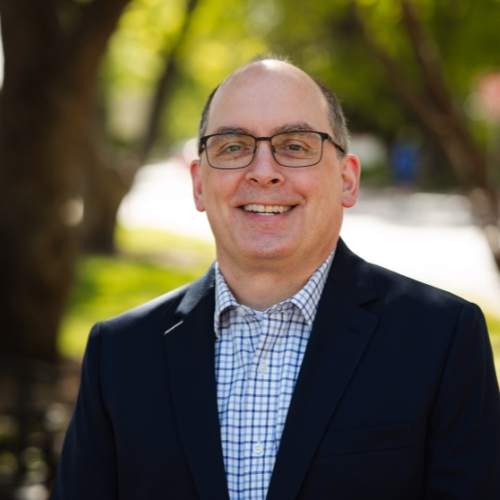
Dr. Donald Warsing is an Associate Professor of Operations and Supply Chain Management in the Department of Business Management at North Carolina State University's Poole College of Management. He holds a Ph.D. in Operations Management from UNC Chapel Hill, an M.S. in Management from NC State, and a B.S. in Industrial Engineering from Ohio State University. His research focuses on developing analytical tools for managing inventory, logistics, and business operations, with expertise in production/inventory management, additive manufacturing, and logistics/distribution. Dr. Warsing bridges academic research and industry practice through his work with the Supply Chain Resource Cooperative (SCRC), where he advises student teams solving real-world supply chain challenges. Prior to academia, he held engineering and management roles at IBM Corporation. His research has been published in leading journals including Production and Operations Management, Journal of Operations Management, and Decision Sciences. He co-authored the graduate textbook Supply Chain Engineering: Models and Applications .
Professor Marie-Therese Wolfram holds a faculty position at the Mathematics Institute of the University of Warwick. Her research focuses on applied partial differential equations, mathematical modeling in socio-economic and life sciences, and inverse problems. She is actively involved in organizing international workshops and serves on editorial boards for journals like ESAIM M2AN and Kinetic and Related Models. Her academic journey includes grants such as the Royal Society International Exchange (2022-2024) and the EPSRC First Grant (2017-2019). Notable awards include the Excellence in Gender Equality Award (2023) and the Whitehead Prize (2023). She co-leads the EDI committee at Warwick and contributes to initiatives like the Young Academy of the Austrian Academy of Sciences. Her research spans opinion dynamics, crowd modeling, and optimal transport theory. Recent work explores consensus-breaking in social networks and applications of mean-field games to knowledge growth. She collaborates internationally on projects such as the 'Multiscale Modelling of Crowded Transport' and the 'Wasserstein Gradient Flows' initiative. Teaching responsibilities include MA265 Methods for Mathematical Modelling and MA4M2 Inverse Problems. Her work bridges theoretical analysis with practical applications, reflecting her dual expertise in pure mathematics and interdisciplinary modeling.